Cat’s Claw
Cat’s Claw (Uncaria tomentosa): Plant Background and History
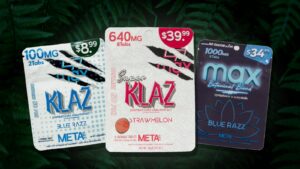
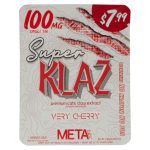
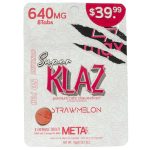
Explore botanical identity, historical scientific names, herbarium context, and the extract tablet formats listed in our catalog.

The uncaria tomentosa plant has traveled a remarkable path – from deep within the Amazon rainforest to supplement shelves around the world. But what exactly is this woody vine, why does it share its common name with a completely unrelated garden creeper, and what does the science actually say? This guide unpacks the botany, history, traditional uses, and modern interest surrounding the plant most people simply call cat’s claw.
Key Takeaways
Uncaria tomentosa is a tropical woody vine native to the Amazon rainforest and tropical regions of Central and South America, used for centuries in traditional medicine and now widely available as a modern dietary supplement.
The common name “cat’s claw” can refer to several different species – including Uncaria tomentosa, Uncaria guianensis, and the invasive ornamental Dolichandra unguis cati – so correct identification matters for both safety and efficacy.
Indigenous peoples have relied on cat’s claw bark decoctions to support digestion, immunity, and recovery after illness, and current research is exploring its anti-inflammatory and antioxidant compounds.
Cat’s claw supplements can cause adverse effects and drug interactions, and organizations like the National Institutes of Health emphasize consulting a healthcare professional before use.
If you’re curious about trying this historic plant, Script Botanicals Paradise Blend Cat’s Claw tablets at Poppy & Lotus offer a thoughtful modern option – one that complements, but never replaces, medical care.
What Is Uncaria tomentosa? (The Plant Behind Cat’s Claw)
Uncaria tomentosa is a tropical climbing vine in the Rubiaceae family – the same botanical family that includes coffee. Native to the lowland rainforests of South and Central America, it is popularly known as cat’s claw, or uña de gato in the Amazon rainforest and broader Spanish-speaking regions.
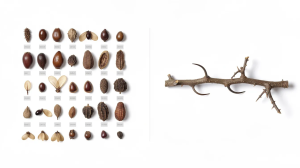
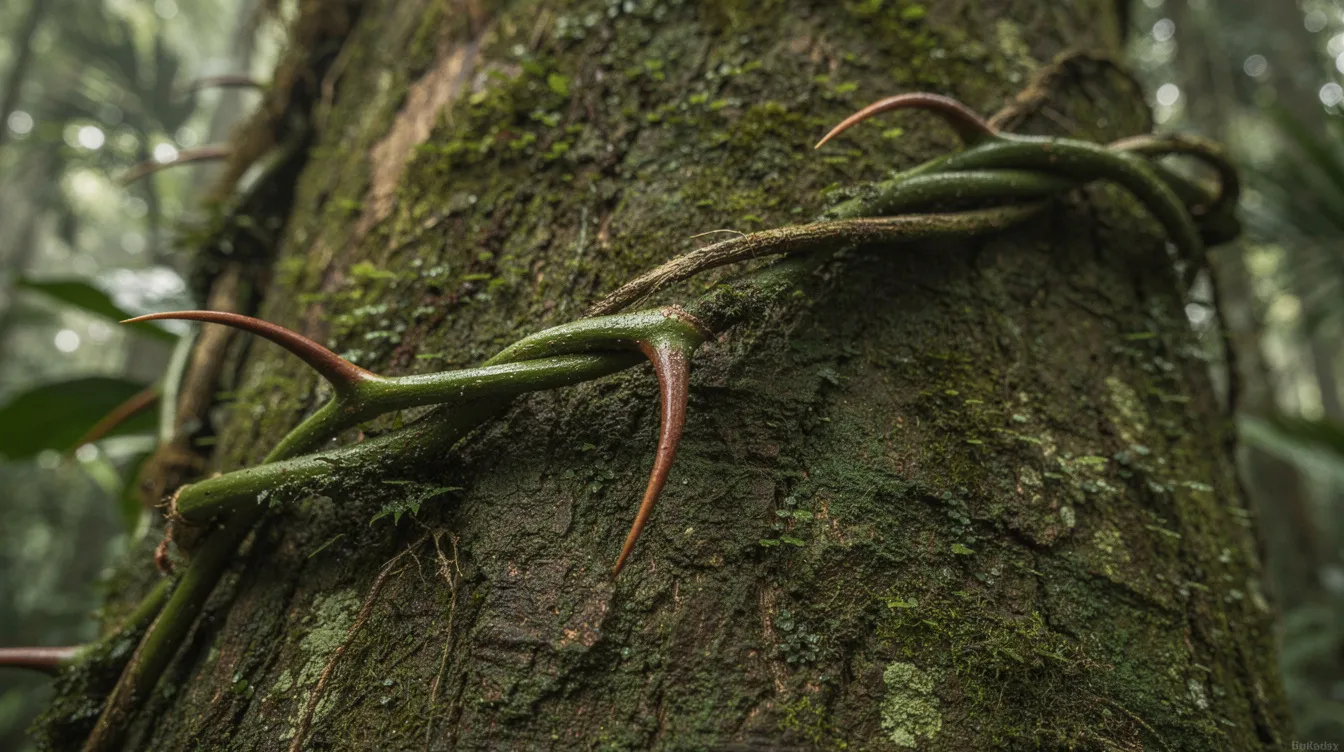
The vine’s defining feature is its curved, hook-like thorns at each leaf node, which the plant uses to grip tree bark and haul itself toward the canopy. A mature cat’s claw vine can climb up to 50 feet high or more. Its evergreen leaves are simple and opposite, while small yellow-white clustered flowers give way to tiny fruits. The species name “tomentosa” refers to the fine hairs, or tomentum, covering young stems and leaves, giving them a slightly fuzzy texture.
Another species within the genus Uncaria – the species Uncaria guianensis – also carries the “cat’s claw” label, and Uncaria guianensis bark appears in some herbal products. This article focuses primarily on U. tomentosa because it is the best-known and most-researched medicinal species in this group.
Why Is It Called “Cat’s Claw”? Plant Names & Confusion
The nickname comes directly from the plant’s morphology. Each node on the stem bears paired, curved prickles that look remarkably like a cat extending its claws. These hook-like thorns serve as natural grappling tools, letting the vine hook into tree bark and ascend the canopy of other plants.
The Latin phrase unguis cati and the Spanish uña de gato both translate literally to “cat’s claw,” and they appear across older botanical texts and modern product labels alike. The problem is that the same common name is used for different species of vine – most notably the ornamental Dolichandra unguis cati (formerly classified as Macfadyena unguis cati), a plant in the Bignoniaceae family that looks and behaves nothing like the medicinal Amazonian liana.
Some regions also apply “cat’s claw” to other plants entirely, underscoring why checking the scientific name on any supplement bottle or seed packet is essential.
Distribution and Habitat of Uncaria tomentosa
Unlike the ornamental cat’s claw creeper you might see covering garden walls, Uncaria tomentosa is primarily a wild forest plant tied to the Amazon and surrounding river basins. Its native range spans lowland rainforests across Peru, Brazil, Colombia, Ecuador, Bolivia, and neighboring parts of Central America. Cat’s claw is commonly used in South America for health benefits partly because the plant is so accessible in these regions – growing along riverbanks, in secondary forests, and at sun-dappled forest edges where the humidity stays high and soils remain moist.
Crucially, Uncaria tomentosa is not widely documented as a serious invasive weed outside its home range – a stark contrast to Dolichandra unguis cati. Because bark and root harvesting can damage wild populations and the vine grows slowly, conservation-minded guidelines now encourage sustainable collection practices that avoid killing entire individuals.
Cat’s Claw in Traditional Medicine: A Long Amazonian History
Cat’s claw has been used in traditional medicine for centuries. Long before Western science took interest, indigenous tribes in Peru and western Amazonia – including Asháninka, Shipibo-Conibo, and neighboring communities – were simmering stem bark and root bark into decoctions as part of a broader healing system.
Key traditional uses included:
Digestive complaints and gastric ulcers
Joint discomfort and efforts to reduce inflammation
Recovery after severe illness, including purported antiviral and antimicrobial applications
General immune support and “cleansing” tonics
Cat’s claw has been traditionally used for inflammatory and digestive conditions, and it is traditionally associated with immune support and joint health. In the 20th century, European and Latin American ethnobotanists – among them researchers like Arturo Brell working in Peru, and later contributors such as Wurm M. and Dierich MP in pharmacological literature – helped bridge this traditional knowledge to Western audiences.
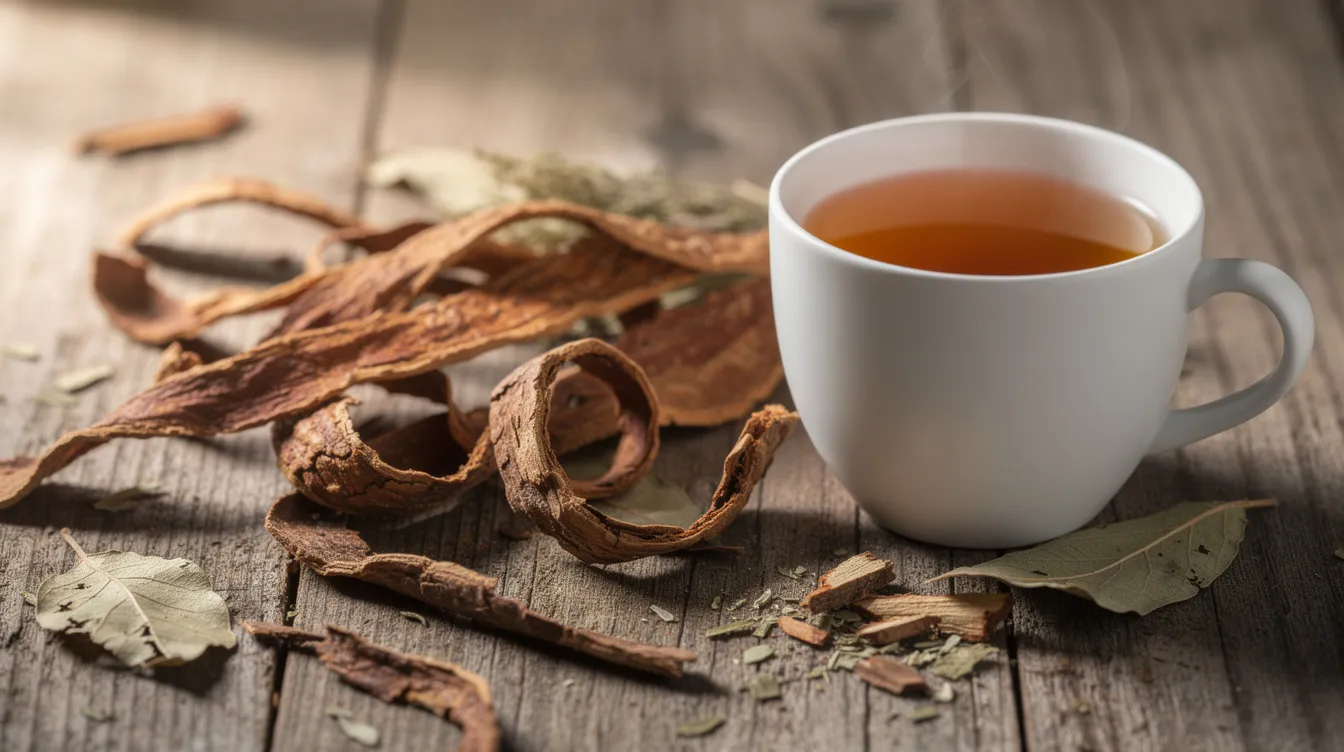
Importantly, traditional medicine contexts rarely use cat’s claw in isolation. Healers consider diet, ritual, and community context alongside the herb itself.
From Forest Vine to Modern Dietary Supplements
The leap from rainforest decoctions to standardized capsules happened gradually through the late 20th century. Today, cat’s claw is available in liquid extract, tablets, and capsules – plus tinctures and blended formulas. Some preparations, like TOA-free extracts, are designed to isolate specific compound profiles from U. tomentosa bark.
People currently use cat’s claw as a dietary supplement for general wellness, joint comfort, immune system support, and healthy inflammatory responses. It is commonly used for osteoarthritis and rheumatoid arthritis, though evidence remains preliminary. Different preparations of cat’s claw can have varying chemical compositions that affect its activity – a freeze dried cat’s claw extract, for example, may contain very different alkaloid concentrations than a hydroalcoholic tincture.
Institutions like the U.S. National Center for Complementary and Integrative Health acknowledge consumer interest but note that the FDA has not reviewed cat’s claw for safety or effectiveness. In many countries, labels must list the plant’s scientific name, plant part, extract ratio, and serving size – details that help consumers distinguish Uncaria tomentosa from other supplements or from the ornamental cat’s claw vine in the Bignoniaceae family.
Compounds and Proposed Mechanisms: How Might Cat’s Claw Work?
Researchers have identified several groups of compounds in Uncaria tomentosa, but connecting them directly to clinical benefits remains an active – and incomplete – area of study.
The main chemical classes include:
Compound Class | Examples | Proposed Activity |
|---|---|---|
Oxindole alkaloids | Pentacyclic (POAs), Tetracyclic (TOAs) | Immune modulation, anti-inflammatory |
Tannins & proanthocyanidins | Condensed tannins | Antioxidant, astringent |
Triterpenes | Quinovic acid, ursolic acid | Anti-inflammatory |
Flavonoids & polyphenols | Various phenolic acids | Free-radical scavenging |
Sterols | Beta-sitosterol | Cellular health support |
Cat’s claw contains oxindole alkaloids, tannins, and polyphenols, as well as active compounds such as alkaloids, phenols, and sterols. One study found that an 80% aqueous ethanol extract contained roughly 5.61% oxindole alkaloids, while a freeze-dried aqueous extract yielded only about 0.26% – illustrating how dramatically extraction methods shape the final product.
Pentacyclic oxindole alkaloids (POAs) are often linked with immune-modulating activity, while tetracyclic oxindole alkaloids (TOAs) may interfere with some of those effects. Cat’s claw has antioxidant and anti-inflammatory properties in laboratory settings, and certain compounds may protect against oxidative damage and support cellular health. Cat’s claw may stimulate the immune system by supporting white blood cell activity, and cat’s claw may reduce inflammation in the body through modulation of pathways like NF-κB. There is also preliminary research on cat’s claw for its neuroprotective potential.
However, these findings come primarily from in vitro and animal studies. No mechanism guarantees real-world outcomes for every person or condition.
Safety, Adverse Effects & Responsible Use of Cat’s Claw
Even plants with a long history in traditional medicine can cause adverse effects or interact with medicines. Informed, cautious use is essential.
Common side effects include gastrointestinal discomfort and nausea, and cat’s claw may cause mild side effects such as dizziness and stomach upset. These are typically dose-dependent and reversible.
More serious concerns:
Cat’s claw may cause severe allergic reactions, including skin rash, swelling, or difficulty breathing. Individuals allergic to Rubiaceae plants may react adversely to cat’s claw.
Cat’s claw can impair kidney and hormonal functions – one case report documented kidney failure in a lupus patient taking the supplement.
Cat’s claw may interact with blood thinners and medications processed by the liver (including CYP3A4-metabolized drugs). It interacts with numerous prescription drugs, including immunosuppressants and antiretroviral medications.
Who should avoid it:
Pregnant or breastfeeding individuals should avoid cat’s claw due to safety concerns.
People with autoimmune disorders, bleeding disorders, or organ transplants should consult a physician first.
The long-term safety of cat’s claw is not scientifically determined. There is no high-quality evidence supporting cat’s claw’s health benefits at this time, and there is insufficient scientific evidence to support using cat’s claw for treating major health conditions like cancer or viral infections. The European Medicines Agency concluded that well-established medicinal use was not acceptable under current data, and insufficient high-quality human research exists to establish cat’s claw as an effective treatment or adjuvant treatment for any specific disease.
Guidance from health authorities and national institutes is consistent: discuss any dietary supplement with your healthcare provider before starting or stopping use, and report symptoms or adverse effects promptly.
Dolichandra unguis cati vs. Uncaria tomentosa: Two Very Different “Cat’s Claws”
When gardening articles mention “cat’s claw vine,” they almost always mean Dolichandra unguis cati – a fast-growing ornamental creeper in the Bignoniaceae family, not the medicinal Amazonian liana.
Key differences at a glance:
Feature | Uncaria tomentosa | Dolichandra unguis cati |
|---|---|---|
Family | Rubiaceae | Bignoniaceae |
Flowers | Small, yellow-white clusters | Large, bright yellow trumpets |
Claws | Curved thorns at nodes | Three-pronged tendrils (two leaflets modified into hooks) |
Native range | Amazon rainforest, South America | West Indies, Central America, South America |
Invasive? | No |
Cat’s claw vine (Dolichandra) produces around 50 seeds per fruit capsule and spreads aggressively. It is prohibited to sell or plant cat’s claw vine in Florida, where it is listed as a Category I invasive plant. In Australia, cat’s claw vines can fuse to form tree-like masses – one fused mass was documented at the diameter of a car tire. Dolichandra’s three-pronged tendrils function like grappling hooks, allowing it to climb and sometimes smother trees.
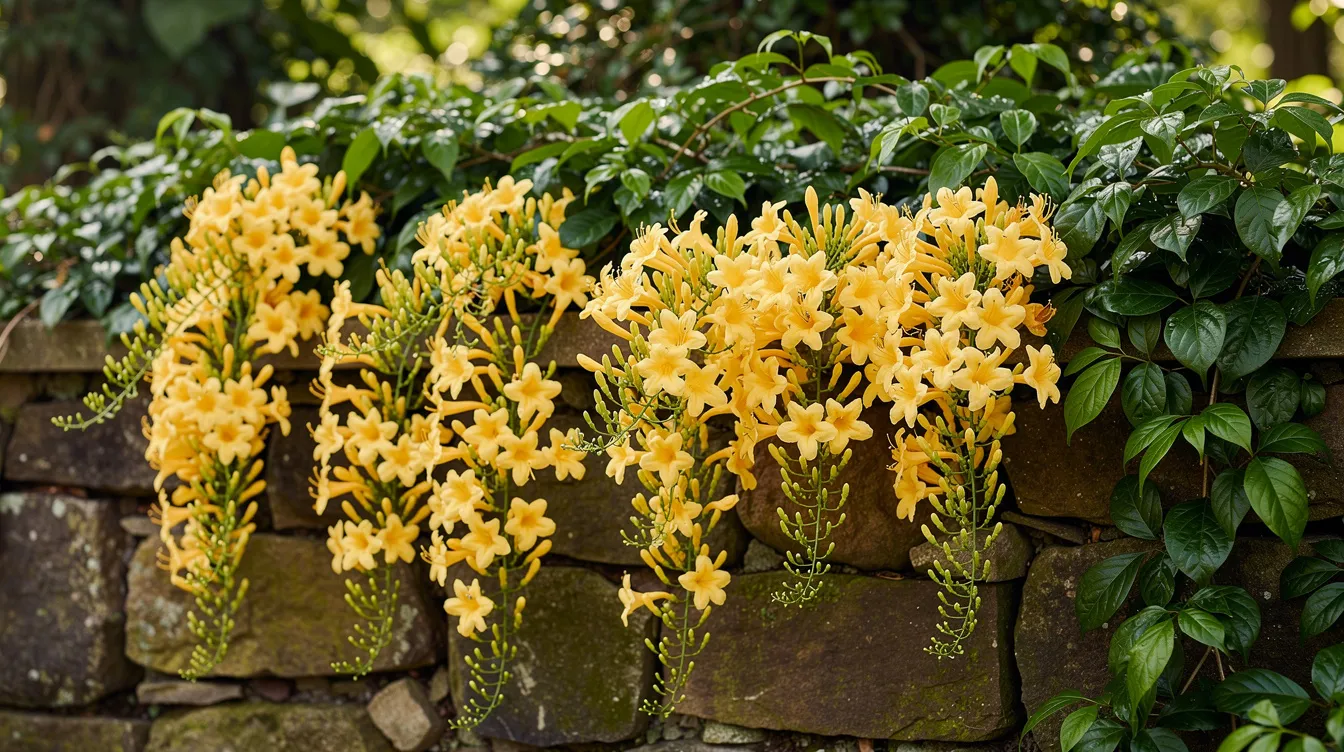
While Dolichandra bark has been used locally for pain and inflammation in some regions, it is not interchangeable with Uncaria tomentosa in supplements. Always confirm the scientific name before you use cat’s claw – whether you’re buying a supplement or planting a vine in your garden.
Cat’s Claw Today: From Traditional Roots to Script Botanicals Paradise Blend
The journey of Uncaria tomentosa – from indigenous Amazonian decoctions to carefully formulated dietary supplements – reflects a growing global appetite for plant-based wellness. Modern brands aim to honor this heritage by sourcing bark responsibly, respecting local communities and forest ecosystems, and applying standardized extraction methods for consistent quality.
Script Botanicals Paradise Blend Cat’s Claw tablets, available at Poppy & Lotus, represent one contemporary way to experience this historic plant. Designed as a thoughtful wellness choice rather than a medical treatment, the blend-style tablet pairs Uncaria tomentosa with complementary botanicals, formulated for daily use by people interested in gentle, plant-based support for overall balance.
If you’re curious about cat’s claw, exploring Paradise Blend at Poppy & Lotus is a solid starting point. Review the supplement facts panel, consider your personal health context, and speak with a healthcare practitioner before adding any new herbal products to your routine.
-
 $18.99View options This product has multiple variants. The options may be chosen on the product page
FAQ: Uncaria tomentosa (Cat’s Claw) Questions You Might Still Have
Is Uncaria tomentosa the same as every product labeled “cat’s claw”?
No. “Cat’s claw” can refer to several plants, including Uncaria tomentosa, the species Uncaria guianensis, and the ornamental Dolichandra unguis cati. If you specifically want the species highlighted in Amazonian traditional medicine and modern research, look for “Uncaria tomentosa (bark)” on the supplement facts panel. The American Botanical Council and similar organizations recommend verifying the Latin binomial before purchase.
How long has cat’s claw been used in traditional medicine?
Written accounts from the 19th and 20th centuries document its use, but oral histories among Amazonian peoples indicate a long history stretching back many generations – likely several hundred years or more. The global popularity of cat’s claw as a supplement expanded significantly from the 1980s onward, and scientific interest continues to grow as researchers investigate treatment options involving Amazonian botanicals.
Can I grow Uncaria tomentosa at home like other cat’s claw vines?
Uncaria tomentosa is a tropical rainforest vine that requires warm, humid conditions, vertical support for climbing, and years to reach maturity – making it impractical for most temperate home gardens. By contrast, Dolichandra unguis cati is easy to grow but can become invasive and is not a substitute for Uncaria tomentosa in traditional or supplemental uses. Morphoanatomical studies confirm that these are fundamentally different plants despite sharing a common name.
Is cat’s claw safe to take with my prescription medicines?
Individual situations vary widely. Cat’s claw may interact with medicines affecting immunity, blood pressure, blood clotting, and liver metabolism (including drugs for Lyme disease or viral infections). Always consult your healthcare provider or pharmacist before combining any supplement with prescription medicines. Bringing the actual supplement bottle – including Script Botanicals Paradise Blend Cat’s Claw tablets if relevant – to your appointment helps professionals review exact ingredients and dosages.
What should I look for in a high-quality cat’s claw supplement?
Check for clear identification of Uncaria tomentosa, the specified plant part (stem bark or root bark), standardized extract ratios where applicable, and transparent manufacturing practices such as third-party quality verification. Choose brands that respect traditional knowledge, support sustainable sourcing, and provide detailed usage guidance rather than making disease-curing claims about ailments like cancer, skin conditions, or stomach disease. A reputable supplement should be upfront about what research does and does not support.