Kanna
Kratom Alternatives: How Six Botanicals Compare
Kratom, derived from the plant Mitragyna speciosa, native to Southeast Asia, has gained popularity among users seeking pain relief, relaxation, and mood enhancement. It can activate opioid receptors in the brain, and kratom has stimulant properties in low doses and sedative properties in higher doses. But kratom use comes with real downsides – addictive potential,…
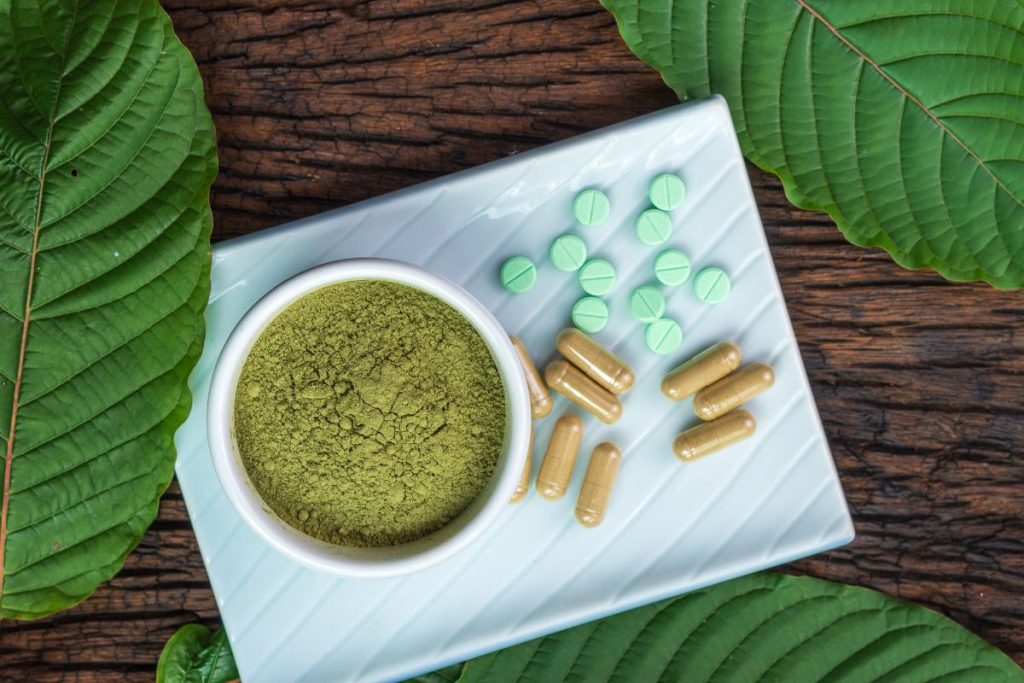
Kratom, derived from the plant Mitragyna speciosa, native to Southeast Asia, has gained popularity among users seeking pain relief, relaxation, and mood enhancement. It can activate opioid receptors in the brain, and kratom has stimulant properties in low doses and sedative properties in higher doses. But kratom use comes with real downsides – addictive potential, inconsistent kratom products on the market, and growing legal restrictions. Kratom is regulated in 16 countries due to addiction risks, and the drug enforcement administration continues to monitor its distribution in the United States.
That’s why many kratom users now seek alternatives that deliver similar experiences without the same side effects. Natural alternatives to kratom include Mitragyna hirsuta and akuamma, among several other botanical and synthetic options. Whether you’re after chronic pain management, anxiety reduction, energy, or a different feeling of relaxation, the right alternative can provide meaningful benefits with a stronger safety profile.
This guide covers six of the best kratom alternatives available today, evaluated on safety, legal status, scientific evidence, and how closely they replicate the relaxing effects that draw people to kratom in the first place.
How We Chose the Best Kratom Alternatives
Not every herb or dietary supplement marketed as a kratom replacement deserves that label. We filtered our recommendations through several criteria:
- Safety profile: Minimal risk of overdose, respiratory depression, or organ damage compared to kratom powder and other opioid-acting substances.
- Legal status: Federally legal or legal in the majority of U.S. states.
- Scientific backing: Supported by clinical research, preclinical studies, or a long history of traditional use in herbal medicine.
- Availability: Sold in common forms like capsules, tea, or tinctures without requiring a prescription.
- Effect similarity: Produces pain relief, relaxation, energy, or mood enhancement comparable to what kratom users report.
- Dependence risk: Low to moderate potential for tolerance or withdrawal symptoms relative to kratom.
- Community feedback: Consistent reports from users describing efficacy and tolerability.
It’s worth noting that herbs and supplements are not regulated by the FDA, which affects dosage consistency and purity. Evidence for herbal or natural anxiety remedies is generally weaker than standard treatments like prescription medications or cognitive behavioral therapy. That said, several options still stand out as a good alternative for some readers, even if they are not a substitute for standard treatment.
Top 6 Kratom Alternatives for Natural Wellness and Opioid Withdrawal Symptoms
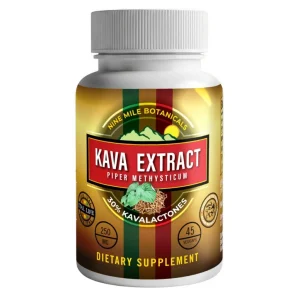
1. Kava (Piper methysticum)
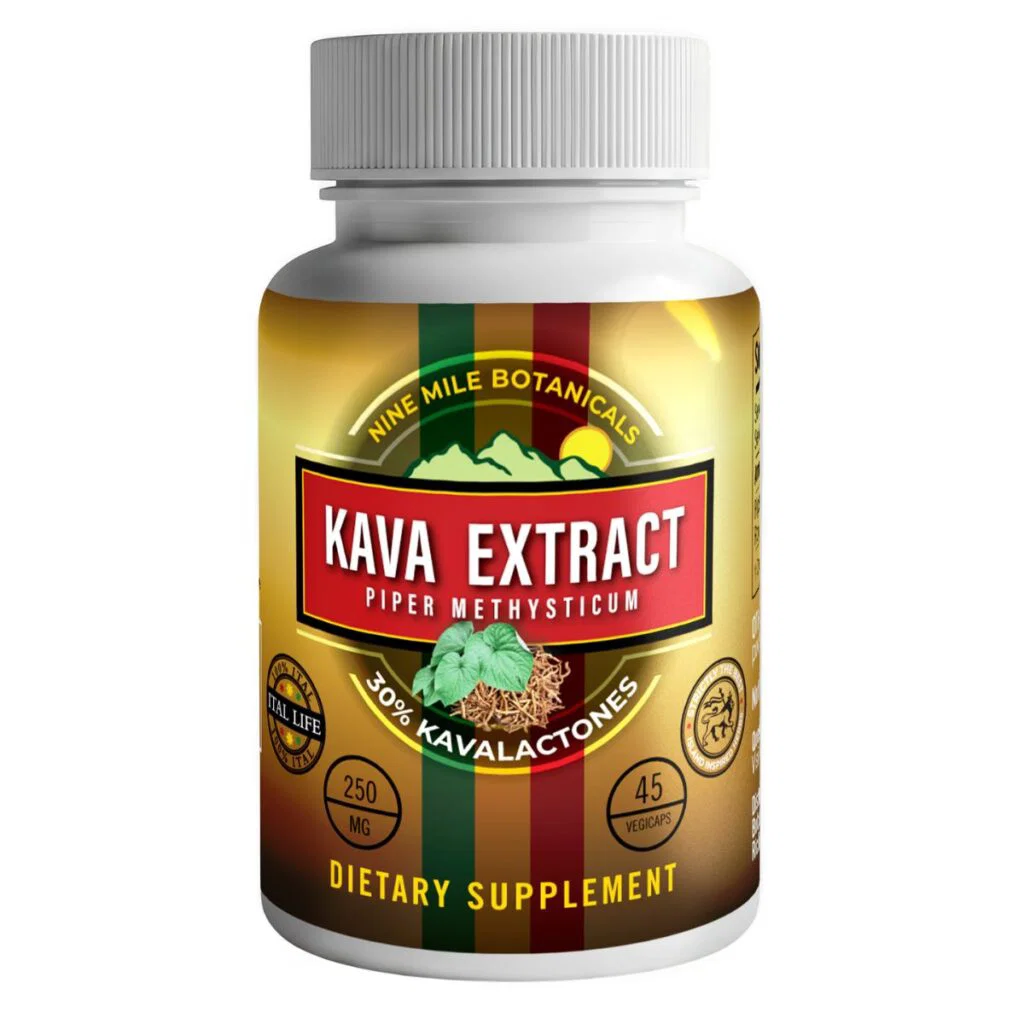
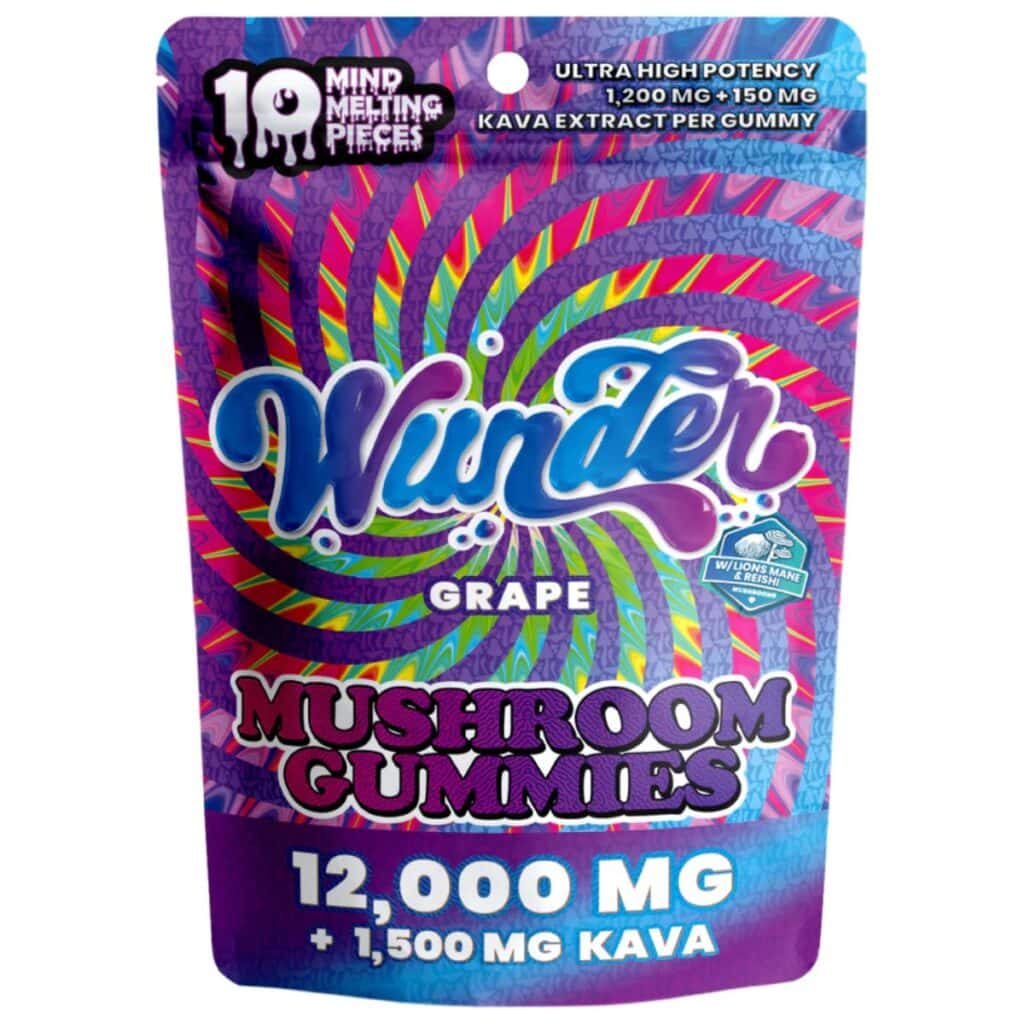
Kava is derived from the plant piper methysticum, a shrub cultivated across Pacific Island nations for centuries. Communities in Fiji, Vanuatu, and Tonga have used kava in ceremonial and social settings, preparing it as a traditional tea to promote calm and connection.
Why It Stands Out: Kava’s active compounds are kavalactones, which bind to GABA receptors in the brain to reduce stress. Specifically, kavalactones modulate GABA_A and GABA_B receptors and influence voltage-gated ion channels, producing anxiolytic and muscle-relaxant effects. One compound, yangonin, shows some binding to CB1 cannabinoid receptors in animal models, which may contribute to mild analgesic properties.
Best For: Evening relaxation, social anxiety relief, and stress management. Kava is known for its calming properties and relaxation effects, making it a strong choice for winding down.
Key Strengths:
- Kava is legal in most countries, including the US
- Multiple meta-analyses support that aqueous kava extracts delivering 140–250 mg of kavalactones per day reduce anxiety, sometimes with effect sizes comparable to mild anxiolytic drugs
- Kava has no known addictive properties, meaning dependence is not a significant concern
- Effects onset within 30–90 minutes, lasting several hours
Possible Limitations: Research shows kava may reduce anxiety but carries a risk of liver injury. Rare but serious cases of hepatotoxicity have been documented, particularly in heavy or long-term users, those with impaired liver function, or those consuming alcohol alongside it. Sedating effects can interfere with daytime activities, so most users report best results with evening dosage.
Stick with standardized aqueous extracts and avoid combining kava with alcohol or hepatotoxic drugs.
2. CBD (Cannabidiol)
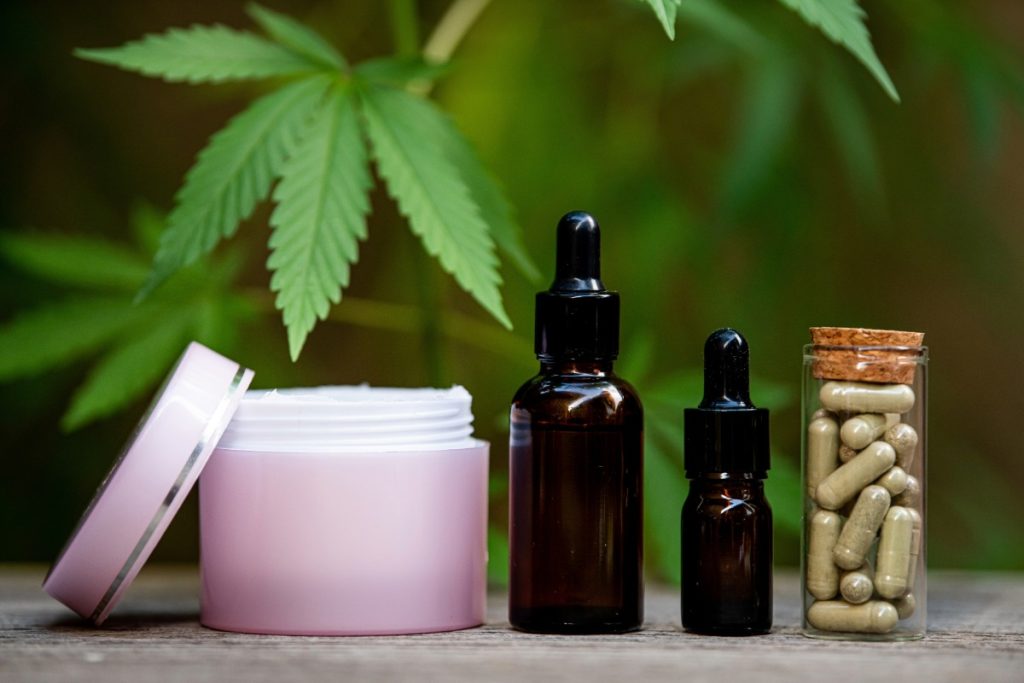
CBD is a non-psychoactive compound extracted from hemp plants in the cannabis family. Unlike THC, CBD won’t induce a high, which makes it accessible for daily wellness use without impairment.
Why It Stands Out: CBD interacts with the body’s endocannabinoid system, targeting CB1/CB2 receptors indirectly, TRPV-1 pain receptors, and 5HT-1A serotonin receptors. This multi-target pharmacology gives it broad utility. A 2024 systematic review found substantial evidence that CBD can reduce chronic pain across several conditions including osteoarthritis and neuropathic pain, with some studies showing pain reductions of 42–66% when used in full-spectrum extracts.
Best For: Chronic pain management, anxiety reduction, and general well being support. CBD is popular for managing anxiety and stress without addiction risks, and it may help manage anxiety and stress disorders.
Key Strengths:
- CBD is generally considered safe and widely legal – federally legal under the 2018 Farm Bill when derived from hemp with ≤0.3% THC
- The FDA has granted fda approval to Epidiolex for seizure disorders, establishing a regulatory precedent for cannabidiol-based medicines
- CBD does not carry a risk of dependence like kratom, making long-term use more viable
- Available in oils, tinctures, topicals, edibles, and capsules – multiple consumption methods for different preferences
- Typical effective dosage ranges from 50–300 mg/day for oral use
Possible Limitations: Efficacy varies greatly between products due to inconsistent manufacturing. Not all brands follow good manufacturing practices, and some products contain less CBD than labeled. CBD can interact with cytochrome P450 enzymes, potentially affecting how your body processes other medications. Some users experience sedation, dizziness, or elevated liver enzymes at high doses. A recent meta-analysis found that many commercial CBD products didn’t outperform placebo, underscoring the importance of sourcing third-party tested products.
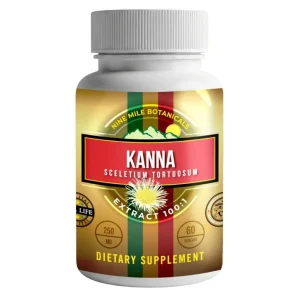
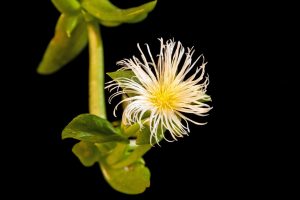
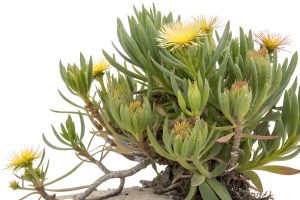
3. Kanna (Sceletium tortuosum)
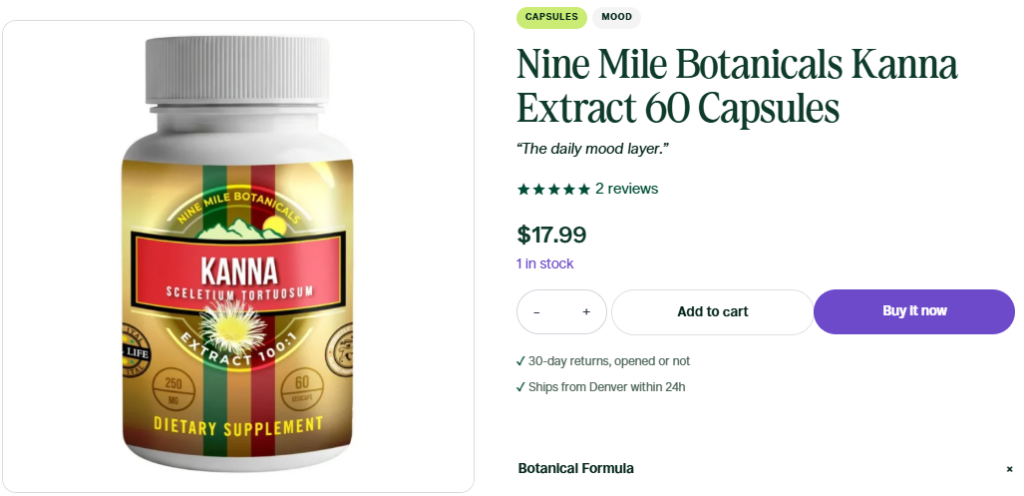
Kanna is a South African plant that enhances calmness and focus. This succulent has been used traditionally by the Khoikhoi people for mood elevation, stress relief, and social engagement for generations.
Why It Stands Out: Kanna’s primary alkaloid, mesembrine, is a potent serotonin reuptake inhibitor with a binding affinity (Ki) of approximately 1–2 nM. It also acts as a mild PDE4 inhibitor. This pharmacology positions kanna as a natural mood enhancer that works through serotonin pathways rather than opioid receptors – a fundamentally different mechanism than kratom.
Best For: Mild depression, anxiety relief, and cognitive enhancement. Kanna is a South African plant used for calming effects, offering a dual stimulant and relaxant experience depending on the dose.
Key Strengths:
- A placebo-controlled trial with approximately 37 healthy adults using Zembrin extract (standardized for mesembrine) found daily doses of 8–25 mg over three months to be well tolerated, with improvements in mood and anxiety measures
- No opioid receptor activity means lower risk of the dependence patterns seen with other substances
- Legal in most U.S. states, sold as extracts, teas, and supplements
- Standardization through products like Zembrin offers more consistent quality than many herbal alternatives
Possible Limitations: Limited research – only small human trials exist, all focused on mood rather than pain. Kanna should not be combined with SSRIs, SNRIs, or MAOIs due to theoretical risk of serotonin syndrome. At higher doses, users report headache, nausea, and dizziness. Variable quality in products outside of standardized brands remains a concern.
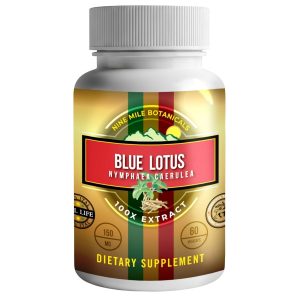
4. Blue Lotus (Nymphaea caerulea)
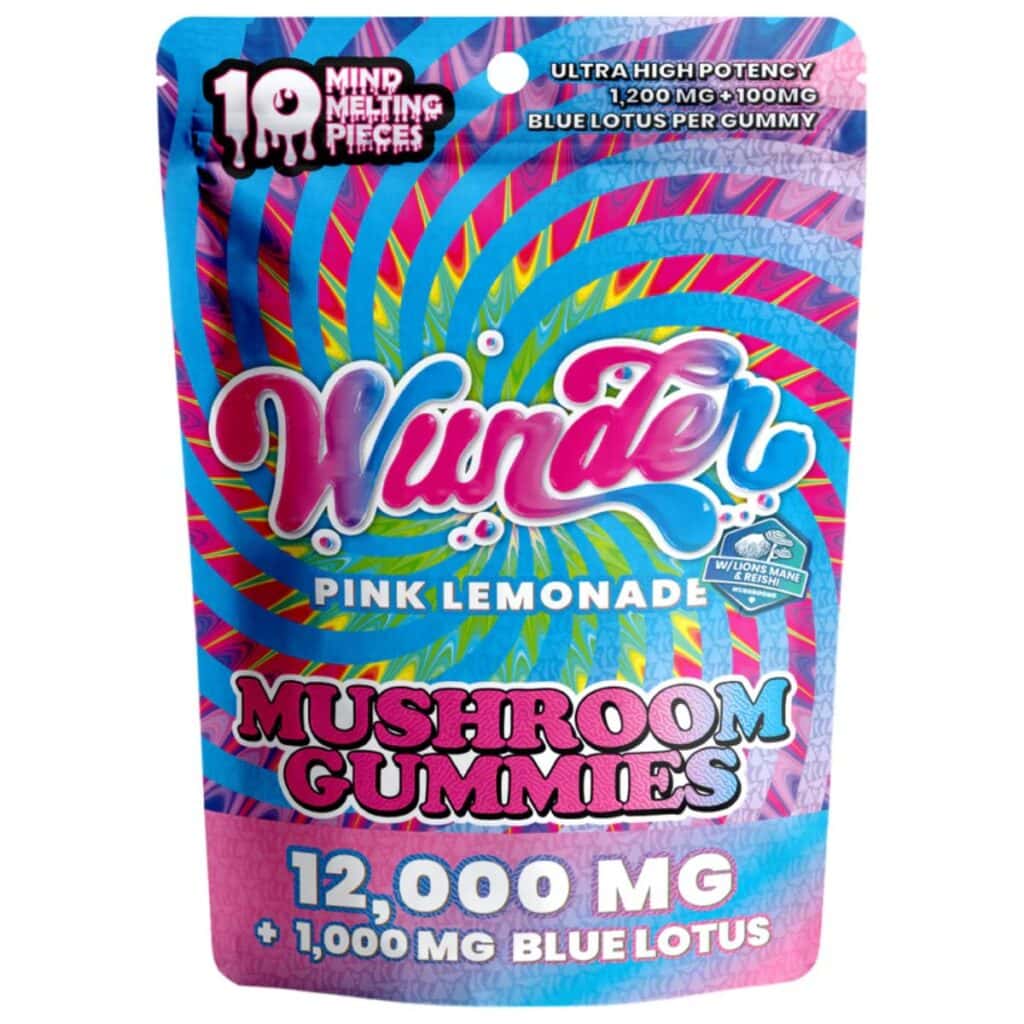
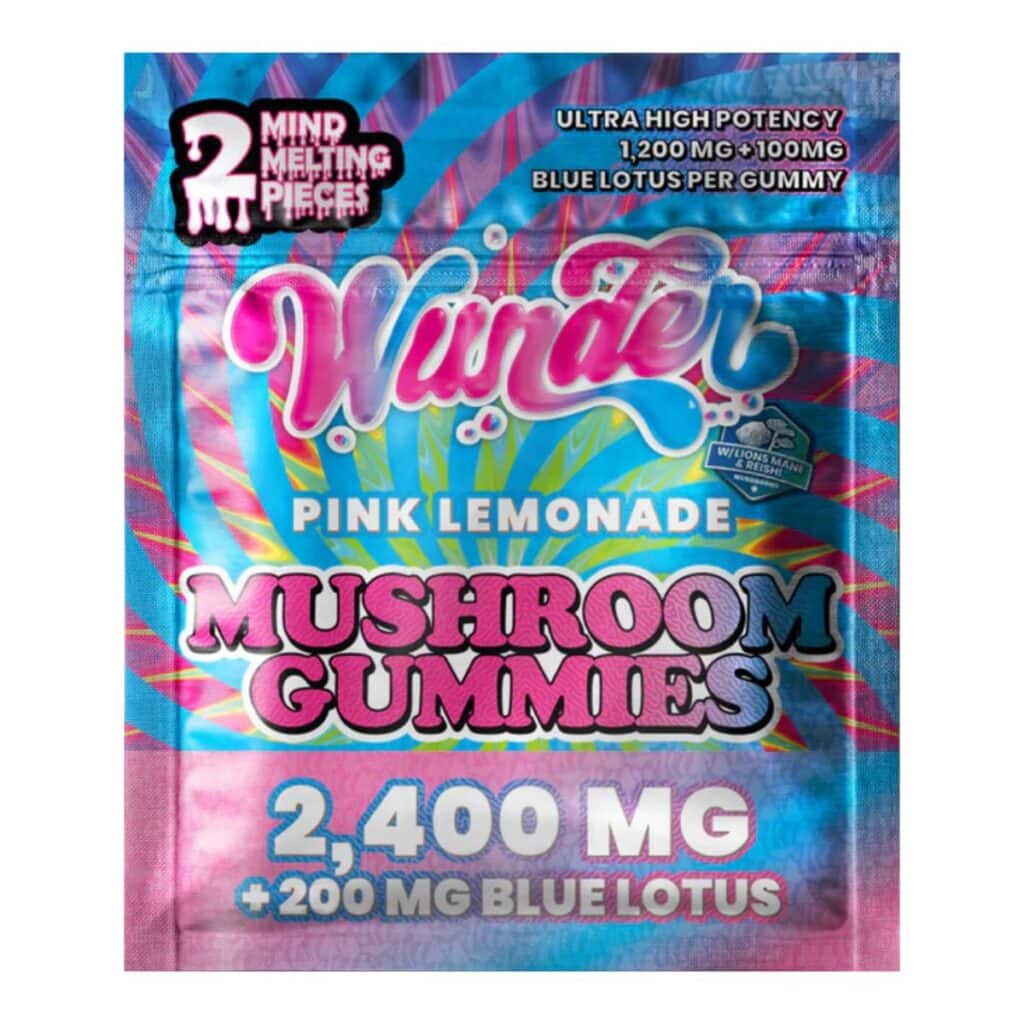
Blue lotus is an ancient Egyptian water lily historically used in ritual and relaxation contexts. Blue lotus is known for its calming and mildly psychoactive properties, and it has been depicted in Egyptian art for millennia.
Why It Stands Out: Blue lotus provides gentle relaxation and dream enhancement without strong side effects. Its key alkaloids – nuciferine and apomorphine – affect dopaminergic and serotonergic systems. Apomorphine acts as a non-selective dopamine agonist, while nuciferine may modulate dopamine receptor activity.
Best For: Mild relaxation, meditation enhancement, and sleep quality improvement. Blue lotus is used for its calming and mildly psychoactive effects, appealing to those who want subtle rather than intense experiences.
Key Strengths:
- Very gentle effects with low risk of serious adverse reactions
- Historically safe in traditional preparations like tea and tincture
- Affordable and available in multiple preparation methods
- May enhance lucid dreaming and sleep depth
Possible Limitations: This is where caution matters. A chemical composition analysis of commercial blue lotus products found that many either lacked expected psychoactive alkaloids or contained them in highly variable concentrations. Authentic extracts tended to have minimal aporphine/nuciferine content, meaning what you buy may not deliver what you expect. Vaping blue lotus resin products carries additional risk – case reports have documented altered mental status and acute psychiatric symptoms. Rigorous RCTs are essentially nonexistent.
Because of significant quality variation, blue lotus is best treated as a mild sleep and relaxation aid rather than a primary therapeutic tool.
5. Akuamma Seeds (Picralima nitida)
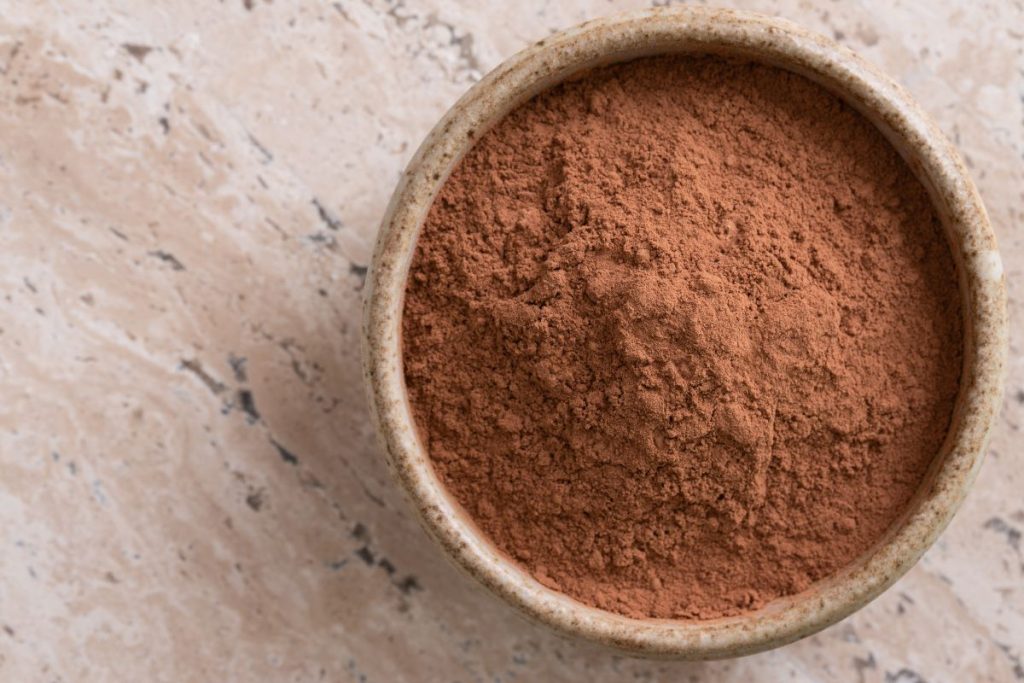
Akuamma seeds come from the Picralima nitida tree, a staple of West African traditional medicine used for centuries to treat pain, fever, and inflammation. Commercial capsules of 250 mg seed powder (branded as “Picap”) are used in Ghana today.
Why It Stands Out: Akuamma seeds contain akuammine, which is structurally similar to mitragynine – the primary alkaloid in kratom. Several akuamma alkaloids bind to mu-opioid receptors, acting as a partial agonist at these sites. This makes akuamma seeds the closest functional analog to kratom among natural plant-based alternatives. Akuamma seeds may provide pain relief similar to kratom through this opioid receptor interaction.
Best For: Chronic pain management and inflammation reduction.
Key Strengths:
- In vivo rodent studies demonstrated dose-dependent antinociceptive responses at 3–60 mg/kg (subcutaneous), with anti-inflammatory effects confirmed in carrageenan paw edema models
- Traditional use spanning centuries provides a real-world safety track record
- Legal in most U.S. states and widely available as an unapproved drug-free supplement
- Lower euphoria and tolerance development compared to morphine or fentanyl
Possible Limitations: Potency is significantly lower than morphine for most akuamma alkaloids when taken orally. Bioavailability is a challenge – only akuammine was reliably detectable in plasma after large oral doses in rodent studies (human equivalent approximately 2,000 mg of seed powder). The taste is extremely bitter, which affects compliance. Avoid combining with other opioid medicines or CNS depressants, as the risk of compounding respiratory depression exists. Human clinical trials remain lacking.
6. Phenibut
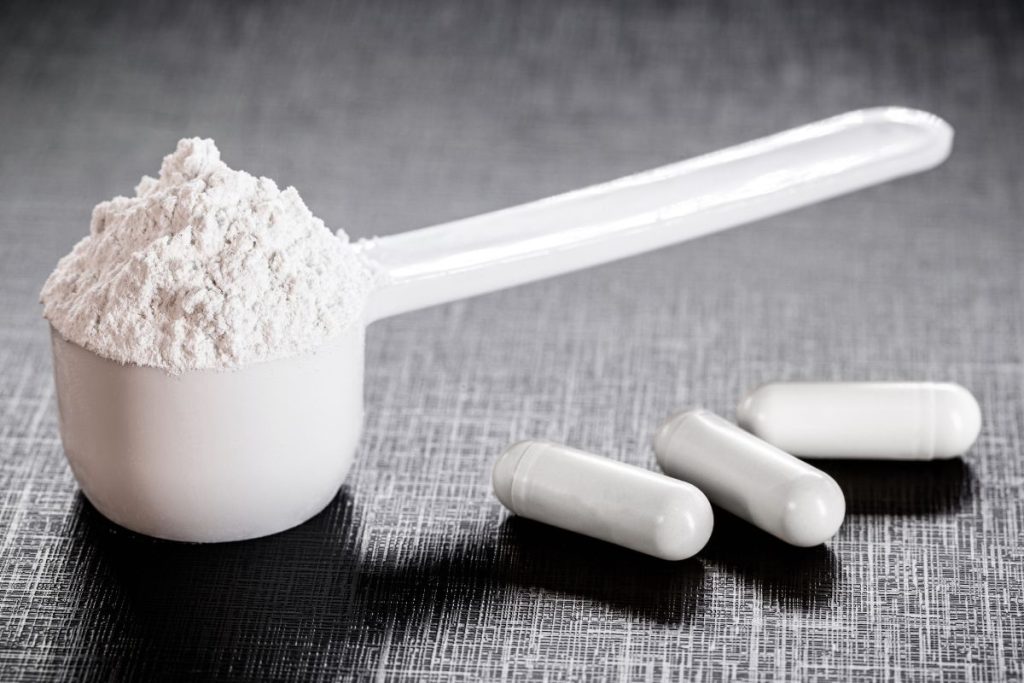
Phenibut (β-phenyl-γ-aminobutyric acid) is a synthetic GABA derivative developed in Russia in the 1960s for anxiety, insomnia, and cognitive enhancement. Unlike the other options on this list, phenibut is not a plant or herb – it’s a lab-created compound that crosses the blood-brain barrier more effectively than GABA itself.
Why It Stands Out: Phenibut delivers potent anxiety relief and cognitive enhancement effects through its action on GABA_B receptors, with additional activity at GABA_A and dopamine receptors. Users report strong anxiolysis, improved mood, euphoria, and better sleep.
Best For: Severe anxiety, insomnia, and social confidence enhancement – but only for very short-term, carefully managed use.
Key Strengths:
- Strong anxiolytic effects that some users describe as comparable to prescription medications
- Cognitive benefits reported alongside mood enhancement
- Relatively long duration of effects (several hours from a single dose)
Possible Limitations: Phenibut carries the highest risk profile on this list. A systematic review found that tolerance develops rapidly – within 1–2 weeks of continuous use. Withdrawal symptoms can be severe: anxiety, insomnia, tremors, and in extreme cases, delirium, hallucinations, and seizures. Median daily doses before withdrawal in reviewed cases reached approximately 10 grams/day, but even use as low as 2–3 g/day for one week has precipitated opioid withdrawal symptoms-like reactions.
Phenibut is not approved by the FDA in the U.S. The WHO’s Expert Committee on Drug Dependence recommends surveillance due to increasing abuse. It is sold online as a dietary supplement in many states, but some jurisdictions have restricted sales. Do not combine phenibut with alcohol, benzodiazepines, or other drugs that depress the central nervous system.
Phenibut should be considered a last resort among kratom alternatives. If you use it, keep duration under one week and never escalate the dose.
Quick Comparison of the Best Kratom Alternatives
| Alternative | Best For | Evidence Strength | Dependence Risk | Legal Status (US) | Typical Dose Range |
| Kava | Evening relaxation, social anxiety | Strong (anxiety RCTs) | Low | Legal federally | 140–250 mg kavalactones/day |
| CBD | Chronic pain, general wellness | Moderate–High (pain/anxiety RCTs) | Low | Legal federally (hemp-derived) | 50–300 mg/day |
| Kanna | Mood enhancement, mild depression | Limited (small trials) | Low | Legal in most states | 8–25 mg mesembrine/day |
| Blue Lotus | Gentle relaxation, sleep support | Very limited (case reports) | Low–Moderate | Generally legal | Variable (tea preparations) |
| Akuamma Seeds | Natural pain relief | Mostly preclinical | Low–Moderate | Legal in most states | 250 mg+ seed powder |
| Phenibut | Severe anxiety (short-term only) | Case reports/observational | High | Unregulated/restricted in some states | 1–3 g (max short-term) |
How to Choose the Right Kratom Alternative
Choose Based on Primary Need, Such as Pain Relief
Your starting point should be the specific effect you’re trying to replicate:
- Pain relief: CBD and akuamma seeds target pain through distinct mechanisms. CBD works through anti-inflammatory and receptor modulation pathways; akuamma acts on opioid receptors directly, and for minor aches and pains some people also compare them with over-the-counter choices such as aspirin. For localized pain, topical CBD may be sufficient.
- Anxiety and stress: Kava, CBD, and kanna each address anxiety through different receptor systems (GABA, endocannabinoid, and serotonin respectively). This means you can experiment to find which pathway your body responds to best.
- Energy and mood: Kanna offers the best balance of mild stimulation and mood elevation at lower doses.
- Sleep and relaxation: Blue lotus or kava serve evening use well, though kava delivers stronger effects.
Choose Based on Safety Profile
- Lowest risk: Blue lotus and CBD present minimal side effects at standard doses. CBD’s well-documented safety profile makes it the most conservative starting point.
- Moderate risk: Kava and kanna are safe with proper dosing and awareness of contraindications (liver function for kava, serotonergic medications for kanna). Neither creates significant dependence.
- Higher risk: Phenibut and akuamma require careful use. Phenibut’s addiction potential is well-documented. Akuamma’s interaction with opioid receptors means it shouldn’t be combined with other substances acting on the same system, including kratom products or prescription opioid medications.
Choose Based on Legal Status
- Federally legal with clear precedent: CBD, kava, blue lotus, and kanna
- State-specific restrictions apply: Check local laws for phenibut – some states have moved to restrict sales
- Generally available as supplements: Most alternatives on this list are sold without prescription in the majority of states, though none (except Epidiolex for CBD) carry formal fda approval for therapeutic claims
Which Option Is Best for You?
Choosing among kratom alternatives ultimately comes down to matching the substance to your specific needs, risk tolerance, and health situation:
- Choose CBD if you need scientifically-backed pain relief with minimal side effects. It has the broadest evidence base and the most accessible legal status of any option here.
- Choose Kava if you want effective anxiety relief for evening relaxation and don’t have liver concerns. Its centuries of traditional use and modern clinical data make it reliable.
- Choose Kanna if your priority is natural mood enhancement with mild stimulation – and you’re not taking antidepressant medications.
- Choose Blue Lotus if you prefer gentle, natural relaxation support and aren’t expecting strong analgesic or anxiolytic effects. Accept that product quality varies significantly.
- Choose Akuamma Seeds if you need traditional pain relief with opioid-like effects and are willing to accept limited clinical evidence and an extremely bitter taste.
- Avoid Phenibut unless you fully understand and can manage the addiction risk. Its withdrawal profile is more severe than kratom’s, which defeats the purpose for most people trying to move away from dependence.
For anyone dealing with heavy metals contamination concerns in supplements, always verify third-party testing results. Products sold as food or supplements lack the rigorous quality controls applied to prescription medicines, so due diligence falls on you.
Final Thoughts
The landscape of kratom alternatives offers genuinely diverse options for different wellness needs. Whether you’re managing chronic pain, seeking relief from anxiety or insomnia, or simply looking for a plant-based way to support your well being, there’s an alternative worth exploring.
CBD offers the strongest all-around safety and efficacy profile, backed by the most robust research of any option reviewed here. For those seeking opioid receptor activity specifically, akuamma provides a lower-potency natural option, though clinical data remains thin.
Non-drug approaches like physical therapy and exercise can also improve chronic pain outcomes and should be part of any comprehensive plan. Acupuncture has moderate evidence of effectiveness for chronic pain conditions as well. These approaches can be combined with botanical supplements for a multi-modal strategy.
Start with lower-risk options like CBD or blue lotus before trying stronger alternatives like kava or akuamma. Reserve phenibut only for acute situations under careful self-monitoring or medical oversight. And regardless of which alternative you choose, consult a healthcare provider – especially if you’re taking other medications, managing a chronic condition, or transitioning away from regular kratom use.
The goal isn’t just to replace one substance with another. It’s to find an approach that supports your health without creating new problems along the way.
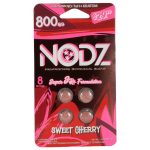
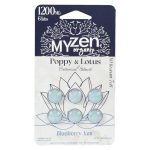
Mentioned in this guide
The exact products this article talks about.