Blue Lotus
Is Blue Lotus Legal? A 2026 Guide to Blue Lotus Legality in the U.S. and Beyond
Blue lotus has surged in popularity across wellness shops, online marketplaces, and social media feeds. But with that attention comes a question almost everyone asks before clicking “Add to Cart”: is blue lotus legal? The answer depends on where you live, what form the product takes, and whether you serve in the military. This guide…
Blue lotus has surged in popularity across wellness shops, online marketplaces, and social media feeds. But with that attention comes a question almost everyone asks before clicking “Add to Cart”: is blue lotus legal? The answer depends on where you live, what form the product takes, and whether you serve in the military. This guide breaks down blue lotus legality across the United States and internationally so you can make informed decisions in 2026.
Key Takeaways
- Blue lotus is legal at the federal level in the United States. The Drug Enforcement Administration does not classify blue lotus as a controlled substance under the Controlled Substances Act.
- Louisiana is the only U.S. state with a statutory ban on blue lotus for human consumption. In every other state, adults can generally purchase blue lotus products without criminal risk.
- The FDA has not approved blue lotus as a food, drug, or dietary supplement, which means vendors must avoid therapeutic claims and often label products “not for human consumption.”
- Blue lotus legality varies internationally – countries including Russia, Poland, and Latvia have banned it, while most countries treat it as an unregulated botanical.
- Military service members face a separate ban through the Department of Defense’s Prohibited Dietary Supplement Ingredients List, regardless of civilian legal status.
What Is Blue Lotus and Why Its Legal Status Matters
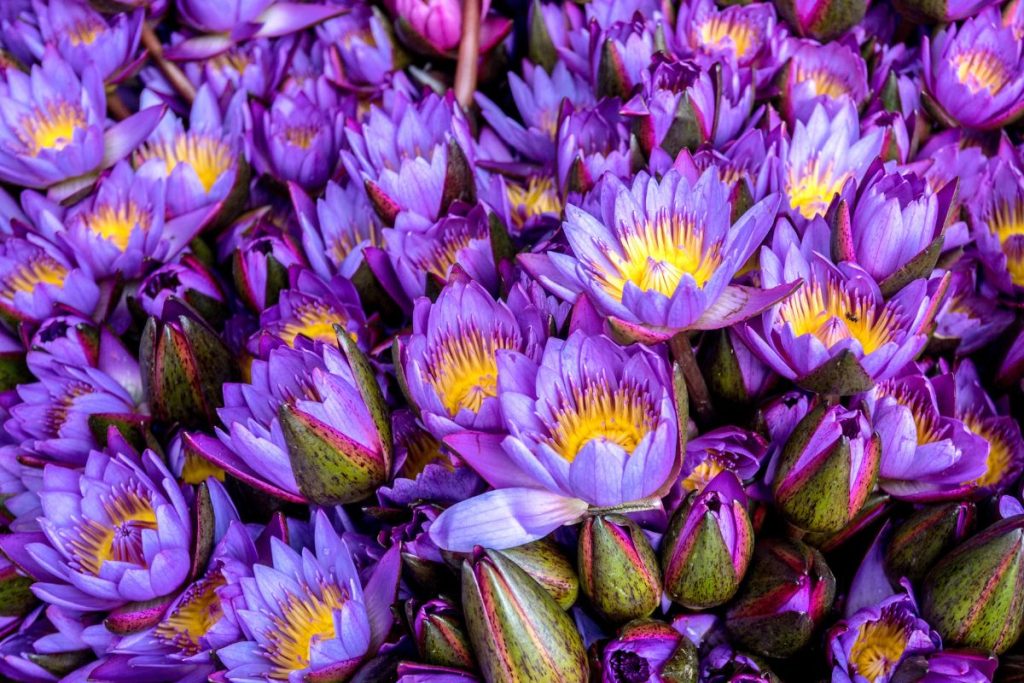
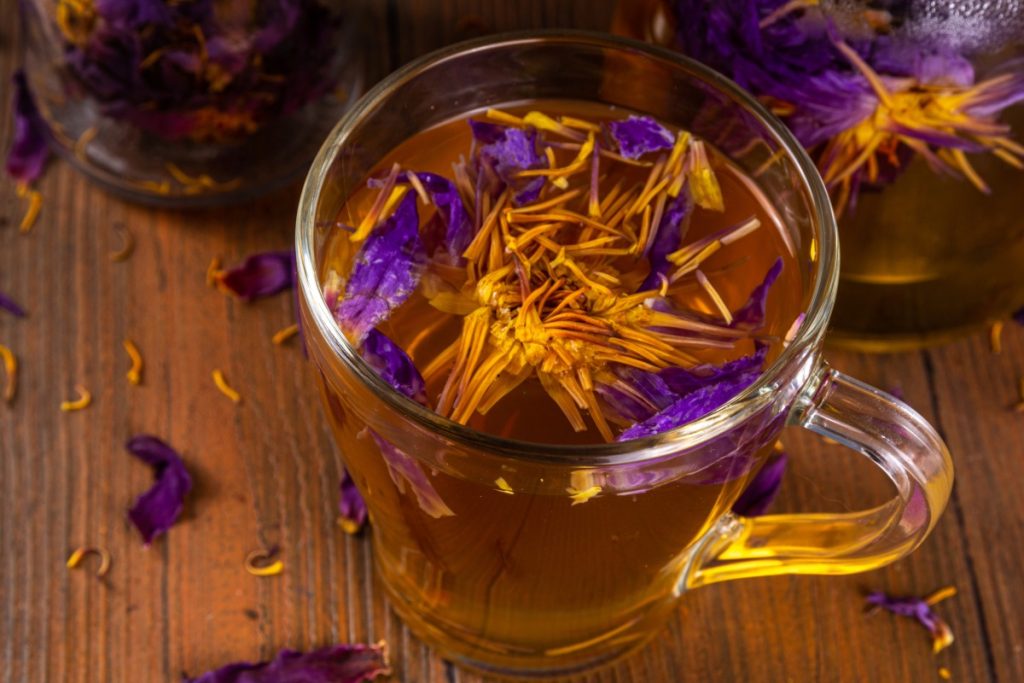
Blue lotus – scientifically known as Nymphaea caerulea – is an aquatic flowering plant native to the Nile River region and parts of East Africa. Also called the sacred blue lily, blue water lily, or blue egyptian lotus, this aquatic plant has deep roots in ancient egyptian culture and has been used for over 3,000 years for relaxation and ceremonial purposes.
The blue lotus flower contains alkaloids such as apomorphine and nuciferine. Blue lotus contains apomorphine, which raises dopamine levels and may produce feelings of mild euphoria, while nuciferine in blue lotus produces calming effects associated with natural relaxation. Users report euphoric and hallucinogenic effects from high doses, which is precisely why regulators pay attention.
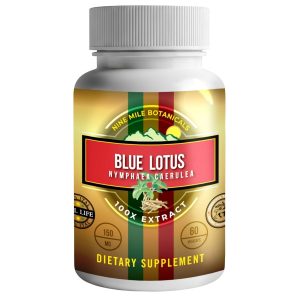
These mild psychoactive effects place blue lotus in an unusual category – not dangerous enough for most governments to classify blue lotus alongside psychoactive drugs like cannabis or psilocybin, yet active enough that some jurisdictions restrict it. Blue lotus products are commonly sold as dried blue lotus flowers, resins, extracts, tinctures, teas, and edibles, each of which can trigger different regulatory categories.
Understanding both the historical significance and modern product landscape of this ancient flower helps you navigate blue lotus legality with confidence.
Is Blue Lotus Legal Federally in the United States (2026)?
Here’s the direct answer: as of July 2026, blue lotus is legal at the federal level. The Drug Enforcement Administration has not scheduled blue lotus or its primary alkaloids – nuciferine and apomorphine – under the Controlled Substances Act. This means blue lotus is not a controlled substance under federal law.
Adults can possess, grow, and buy or sell blue lotus products across state lines, subject to FDA rules and individual state laws. The chemical composition of this aquatic flowering plant does not meet the thresholds that typically trigger DEA scheduling action.
However, the FDA does not recognize blue lotus as safe for use in food or dietary supplements. Blue lotus cannot be sold as a dietary supplement in the USA, and the agency has not received the required New Dietary Ingredient notification for it. This creates a legal gray area for consumable products – they’re not criminally prohibited, but they’re not officially approved either.
Federal legality does not override more restrictive state laws. Always check your local laws before purchasing.
State‑Level Blue Lotus Legality: Where It’s Legal, Restricted, or Banned
Blue lotus legality in the United States ultimately depends on both federal and individual state laws. In 49 states plus Washington, D.C., blue lotus flowers and most derivatives remain legal to own and sell for adults. Blue lotus is legal to purchase online in most states, and vendors routinely ship to these jurisdictions.
Enforcement trends differ across states. Many tolerate blue lotus when marketed as a botanical, incense, or aromatherapy product. Products marketed as intoxicants or “legal highs” attract significantly more scrutiny.
Readers should always check their own state statutes and any recent bills targeting novel psychoactive substances. Municipalities and counties can also pass additional ordinances, so local variation is possible even in otherwise permissive states.
Louisiana: The Key Exception to Blue Lotus Legality
Louisiana is the main U.S. state where blue lotus is restricted by statute. Louisiana is the only state where blue lotus is illegal for human consumption.
Under Louisiana Revised Statutes – specifically Act 159, signed in 2005 – Nymphaea caerulea is listed among roughly 40 plants prohibited when intended for human consumption. The law bans manufacturing, distribution, and sale in ingestible, inhalable, or otherwise consumable forms. Possession, sale, or distribution of blue lotus products intended for ingestion or intoxication can be a criminal offense in Louisiana.
An exception exists for ornamental or landscaping use of the live plant, but consumers should not assume this allows personal consumption. Online vendors typically exclude Louisiana from their shipping destinations.
If you’re a resident of Louisiana or a vendor shipping there, consult current state drug schedules before attempting to buy, sell, or ship blue lotus.
States Under Watch: Monitoring, Broad Psychoactive Laws, and Future Risk
Some states do not name blue lotus specifically but maintain broad laws targeting “psychoactive” or “intoxicating” botanicals. These analog or catch-all statutes could theoretically apply to blue lotus in certain enforcement scenarios.
States to monitor include:
- Alabama – broad synthetic substance and analog laws
- Arkansas – general psychoactive substance restrictions
- Indiana – history of targeting novel botanicals
- North Dakota and Montana – broad intoxicating substance language
Concentrated extracts, vapes, or products marketed as “legal highs” are more likely to attract scrutiny than simple dried flower sold as incense. Businesses and regular users in these states should track legislative sessions and public health bulletins for proposals mentioning blue lotus or novel psychoactive substances.
As of 2026, there are no widely reported statewide bans aside from Louisiana, but the legal risk is elevated in these jurisdictions.
Blue Lotus and U.S. Military & Government Employees
Even where blue lotus remains legal for civilians, separate rules apply to U.S. service members and some federal employees. Blue lotus is prohibited for use by U.S. Armed Forces members.
The U.S. Department of Defense includes blue lotus on its Prohibited Dietary Supplement Ingredients List. Use of blue lotus by active-duty military service members is banned regardless of local civilian legal status. Violations can lead to disciplinary action under the Uniform Code of Military Justice.
Military medicine guidance warns that some blue lotus products may contain synthetic cannabinoids or unknown adulterants – substances that are controlled and can trigger positive drug tests. Several documented cases involve service members hospitalized after using blue lotus extracts or vape products, with symptoms including altered mental status, seizures, and cardiovascular issues.
Any individual subject to military or strict employer drug policies should avoid blue lotus entirely to prevent disciplinary issues.
FDA, Labeling Rules, and How Products Stay “Technically” Legal
There’s an important distinction between DEA scheduling (criminal law) and FDA regulation (food, drug, and supplement law). Blue lotus is not FDA-approved for human consumption. The FDA has not approved blue lotus as a dietary ingredient, food additive, or over-the-counter drug component.
Blue lotus may legally be sold for purposes other than consumption, such as aromatherapy, incense, or botanical display. This is how most vendors keep their operations compliant. Blue lotus products must be labeled “not for human consumption” by vendors to avoid triggering food and supplement regulations. Proper labeling and fda labeling requirements matter significantly here.
Any product marketed with disease treatment claims, explicit health claims, or consumption directions risks being treated as an unapproved drug or adulterated food. Vendors selling blue lotus must avoid making unsubstantiated health claims.
Brands that practice transparent sourcing, use compliant labels, avoid therapeutic claims, and follow good manufacturing practices are best positioned to reduce regulatory risk.
Product Types and How They Affect Blue Lotus Legality
Many legal questions turn on the product format and intended use rather than the plant itself. Here’s how common product types compare:
| Product Type | Regulatory Risk Level | Typical Marketing |
| Dried blue lotus flowers | Low | Botanical specimen, incense |
| Blue lotus tea | Moderate | Herbal blend (often disclaimered) |
| Blue lotus oil / essential oils | Low–Moderate | Aromatherapy, cosmetic |
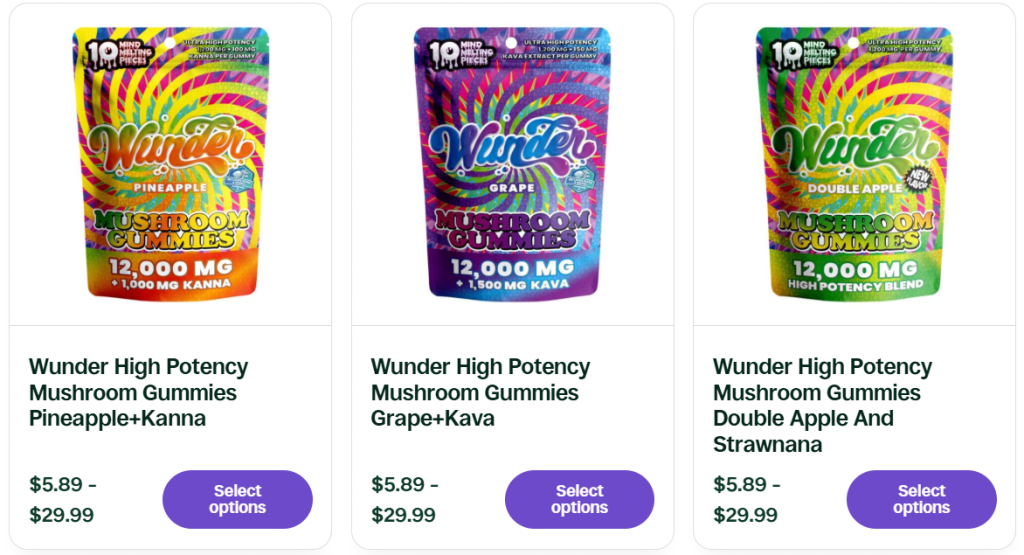
| Blue lotus gummy / edibles | High | Often labeled “not for consumption” |
| Tinctures and extracts | High | Botanical extract, research use |
| Vape cartridges | Highest | Subject to electronic cigarette laws |
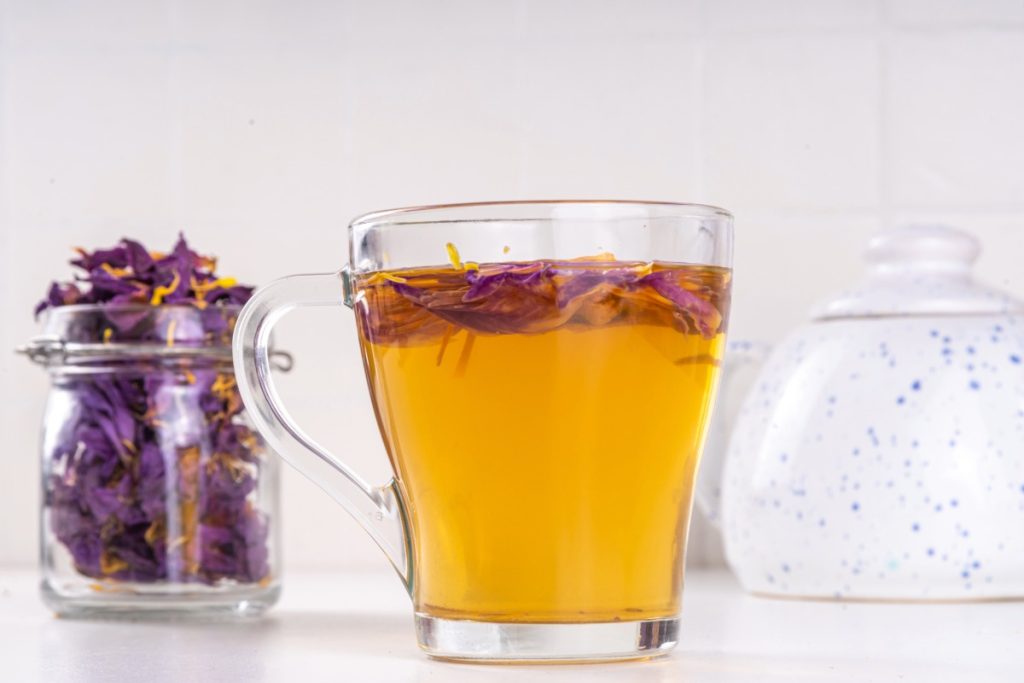
Blue lotus can be consumed as dried flowers or tea – commonly consumed by steeping nymphaea caerulea flowers in hot water. It can also be smoked or vaped for quicker effects, though vaping products face an additional regulatory layer under federal and state e-cigarette and flavored vape laws, including rules around re buildable dripping atomizer devices.
Blue lotus extracts and tinctures are available for consumption, and some products combine blue lotus with other cannabinoids for effects. These combination products carry elevated legal and safety risk.
International Blue Lotus Legality: UK, EU, Canada, Australia and Beyond
Blue lotus is generally unregulated and legal to buy in most countries. Many countries allow the possession and sale of blue lotus, though some countries have specific restrictions on blue lotus use and sale.
| Country/Region | Legal Status (2026) |
| United Kingdom | Legal; not controlled under the Misuse of Drugs Act 1971 |
| Canada | Legal; therapeutic claims trigger NHP regulation |
| Australia | Unscheduled; TGA reviews ingestion claims case by case |
| Russia | Banned as a psychotropic substance |
| Poland | Restricted/banned |
| Latvia/Lithuania | Restricted/banned |
| Most EU countries | Unregulated botanical |
In the United Kingdom, blue lotus is widely treated as a legal botanical. In Canada, blue lotus is not listed under the Controlled Drugs and Substances Act but may fall under Natural Health Product rules if marketed with therapeutic claims. In Australia, blue lotus is unscheduled under the Therapeutic Goods Administration’s Poisons Standard and can typically be imported for personal use, subject to customs biosecurity rules.
Countries including Russia, Poland, and Latvia have banned blue lotus due to its psychoactive profile, making possession or import risky there. If you’re traveling or shipping internationally, verify the legal status at your destination.
Is It Legal to Buy Blue Lotus Online and Ship It Home?

In most countries where blue lotus is legal or unregulated, online purchase and shipping are allowed. In the U.S., reputable vendors generally ship blue lotus products to every state except Louisiana because of its ban. You can legally purchase blue lotus and legally buy blue lotus from online retailers that follow proper compliance practices.
Customs and agricultural import laws can affect shipments of live plants, seeds, or raw botanical material, especially into places like Hawaii, New Zealand, or Australia. Even though blue lotus itself may be legal, phytosanitary paperwork is required for plant imports into the United States.
When purchasing online:
- Verify the seller’s shipping policy and confirm blue lotus is legal at your delivery address
- Keep order documentation for customs or local checks
- Look for positive customer reviews and evidence of third-party lab testing
- Avoid vendors who claim blue lotus is “legal everywhere” or market it as a powerful hallucinogen
Age Restrictions, Safety, and Responsible Use
As of 2026, there are no explicit federal age restrictions for buying blue lotus in the U.S., but many retailers voluntarily limit sales to adults 18 or 21+. Some states may use consumer protection or public health laws to treat sales to minors as a safety violation even without a dedicated statute on age restrictions.
Is blue lotus safe? Research is limited. A proper safety assessment has not been conducted through large clinical trials. Most evidence comes from ancient traditions and small modern user reports. Here’s what current data suggests about negative effects and drug interactions:
- Blue lotus may cause skin irritation in allergic individuals
- Pregnant or breastfeeding women should avoid blue lotus
- Blue lotus can interact with antidepressants and blood pressure medications
- High doses of blue lotus may lead to disorientation, muscle control issues, or confusion
- Consuming blue lotus products alongside alcohol, sedatives, or other poisonous substances increases risk
Blue lotus today is commonly used for its calming effects and as a sleep aid, and blue lotus can help treat insomnia and anxiety symptoms according to user reports. However, do not drive or operate heavy machinery after use due to potential drowsiness or perception changes. A market survey of products reveals wide variation in potency, so starting with low amounts is wise.
Historical Significance of Blue Lotus and Its Influence on Modern Laws
The sacred plant known as blue lotus holds a storied place in ancient Egypt. Ancient Egyptians associated the blue lotus flower with the sun, rebirth, and the afterlife. Depictions appear on tomb walls and in ancient papyri dating back to the New Kingdom period (c. 1550–1070 BCE). The flower was used in wine infusions during religious ceremonies, valued as a natural aphrodisiac, and linked to vivid dreams and spiritual insight.
Blue lotus appears in Greco-Roman writings and later in Ayurvedic and Buddhist traditions as a symbol of serenity. This sacred blue lily was prized for its medicinal effects and potential benefits across multiple civilizations.
This long history as a sacred and ceremonial botanical – rather than a modern synthetic drug – contributes to why most countries leave blue lotus unscheduled. Regulators tend to distinguish between natural elements with centuries of traditional use and newly engineered psychoactive plant compounds. However, modern concentrated product formats like high-potency extracts and vape liquids represent a departure from how this psychoactive plant was historically used, and that shift is what drives modern regulatory attention.
Future Outlook: Could Blue Lotus Be Banned or More Tightly Regulated?
Governments worldwide are increasingly quick to control new psychoactive substances, and the trajectory seen with kratom and salvia offers a useful comparison. That said, a nationwide U.S. federal ban on blue lotus appears unlikely in the immediate future, given its relatively mild psychoactive effects and the absence of large-scale harm data.
Individual states may follow Louisiana’s example if reports of misuse, hospitalizations, or marketing to minors increase. Blue lotus remains legal in most jurisdictions today, but that status could shift.
Responsible industry practices can reduce pressure for stricter regulation:
- Clear, compliant labeling with no exaggerated health benefits or medicinal effects claims
- Voluntary age verification at point of sale
- Transparent sourcing and third-party testing for adulterants
- Avoiding marketing language that positions blue lotus as a substitute for controlled psychoactive drugs
Periodically review updated legal resources, because blue lotus legality can change with new legislation or regulatory notices.
FAQ: Common Questions About Blue Lotus Legality
Does blue lotus show up on a standard drug test?
Typical workplace drug screens – 5-panel or 10-panel urine tests – do not test for blue lotus alkaloids like apomorphine or nuciferine. Standard panels target substances like THC, opioids, amphetamines, cocaine, and PCP.
However, some blue lotus products may contain synthetic cannabinoids or unknown adulterants that could trigger positive results. This is a key reason to purchase blue lotus only from trusted sources with verified lab testing. Anyone subject to strict drug testing – including military, law enforcement, or safety-sensitive positions – should avoid blue lotus entirely unless cleared by their organization.
Is it legal to grow blue lotus at home?
In most U.S. states and many countries where blue lotus is legal, growing the plant as an ornamental water lily in a pond or container is allowed. Even in Louisiana, cultivation strictly for aesthetic, landscaping, or decorative purposes is permitted under state law.
However, in jurisdictions where the plant itself is controlled – such as Russia or Poland – cultivation may be illegal. Anyone planning to grow blue lotus should check both local controlled substance laws and any aquatic plant or invasive species regulations in their area.
Can I travel with blue lotus in my luggage?
Domestic travel within a country where blue lotus is legal – for example, between most U.S. states except Louisiana – is usually low-risk but still subject to local laws at your destination. Keep the dried flower in original packaging with clear labeling.
International air travel is more complex. Customs and border agencies can confiscate botanical material or treat it as a controlled product. Avoid carrying blue lotus into countries with unknown or strict drug laws and instead purchase legal botanicals at your destination if permitted.
Is blue lotus considered safe when used as tea or gummies?
Safety data for blue lotus is limited. Most evidence comes from traditional use and small modern user reports rather than large clinical trials. Many people use blue lotus tea or a blue lotus gummy for natural relaxation and sleep support, but individual reactions can include dizziness, nausea, or confusion at higher amounts.
Readers with medical conditions, those taking medications (especially antidepressants or blood pressure medications), or anyone pregnant or breastfeeding should speak with a healthcare professional before trying blue lotus. Erectile dysfunction medications and other prescriptions may also present drug interactions worth discussing with a doctor.
How can I legally purchase blue lotus products?
Choose vendors who clearly state that blue lotus is shipped only to jurisdictions where it is legal – for example, excluding Louisiana in the U.S. Look for products sold as botanical specimens, aromatherapy herbs, or ceremonial flowers rather than as dietary supplements or cures.
Encourage checking for transparent ingredient lists, third-party testing when available, and careful marketing that respects current laws. Products with proper labeling, a certificate of analysis, and no sensational claims about being a “legal high” are generally the safest to purchase blue lotus from, both legally and in terms of product quality.
Mentioned in this guide
The exact products this article talks about.
-
 $39.99 Up to 10% offView options This product has multiple variants. The options may be chosen on the product page
-
 Price range: $5.89 through $29.99View options This product has multiple variants. The options may be chosen on the product page
-
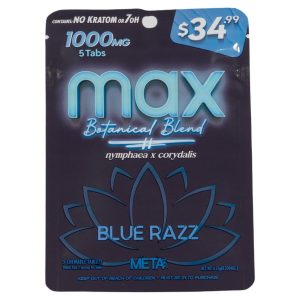 $34.99 Up to 10% offView options This product has multiple variants. The options may be chosen on the product page