Kanna
How to Take Kanna: Methods, Doses, and Safety
Kanna is one of those supplements that sounds simple until you actually try to figure out how to use it. Capsule or tea? Sublingual or snuff? 50 mg of plant powder or 15 mg of extract? This guide cuts through the noise and gives you a practical, evidence-informed walkthrough of taking kanna safely, from your…
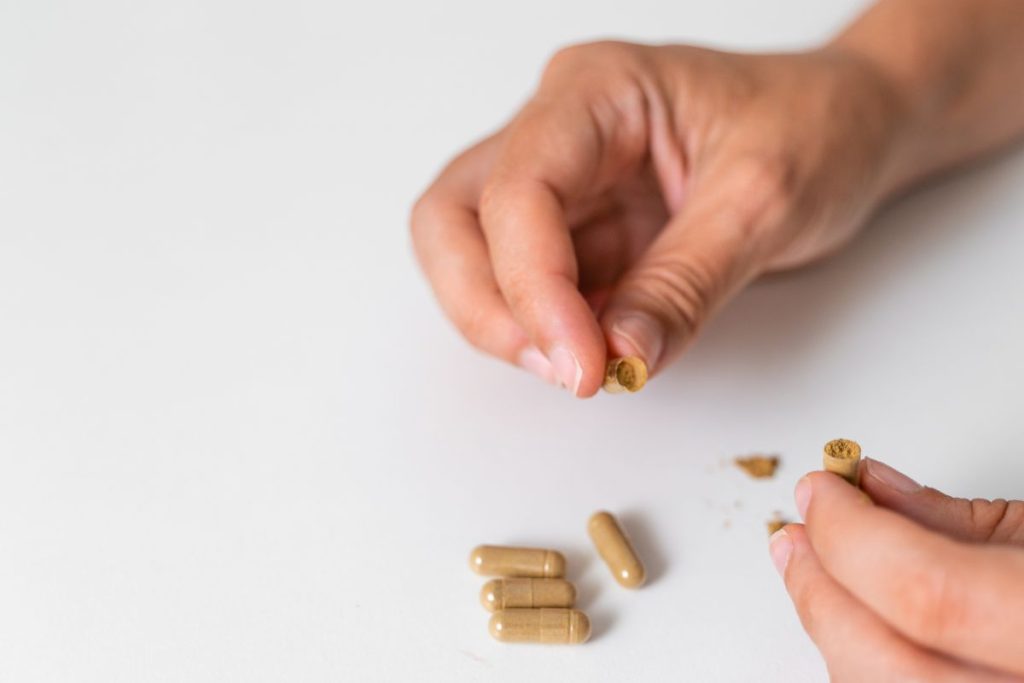
Kanna is one of those supplements that sounds simple until you actually try to figure out how to use it. Capsule or tea? Sublingual or snuff? 50 mg of plant powder or 15 mg of extract? This guide cuts through the noise and gives you a practical, evidence-informed walkthrough of taking kanna safely, from your very first session to building a sustainable routine.
Key Takeaways
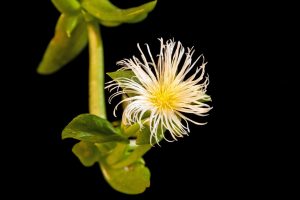
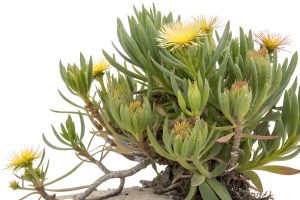
Kanna, or sceletium tortuosum, is a succulent plant native to South Africa that has been traditionally used for improving sociability, emotional balance, and mood support. Today it is available in various forms such as capsules, tinctures, and teas, and is widely sold as a dietary supplement for people dealing with everyday stress and anxiety. Modern users mostly reach for standardized extract capsules, sublingual products, or brewed kanna tea to reduce stress, brighten mood, and ease social tension.
If you are new to taking kanna, start with a low dose of 5–15 mg of a mesembrine-containing extract or 50–100 mg of plain powder. Wait at least 60–90 minutes before considering a redose, and never combine kanna with serotonergic medications such as SSRIs or MAO inhibitors. Sublingual methods produce effects within 10 to 15 minutes, while capsules and food-based formats have a slower onset of 30 to 90 minutes. Fast-acting routes like snuff and vaping hit harder but fade sooner; oral methods like tea and capsules are smoother and more forgiving for beginners.
More is not always better. A high dose of kanna can feel emotionally flat, anxious, or nauseating, while moderate, well-spaced dosing is usually calmer and more sustainable. Treat kanna like any other active substance in your supplement stack: verify product quality, review potential drug interactions, and talk to a clinician if you have medical conditions or take medications.
What Is Kanna, Dietary Supplements, and Why People Take It
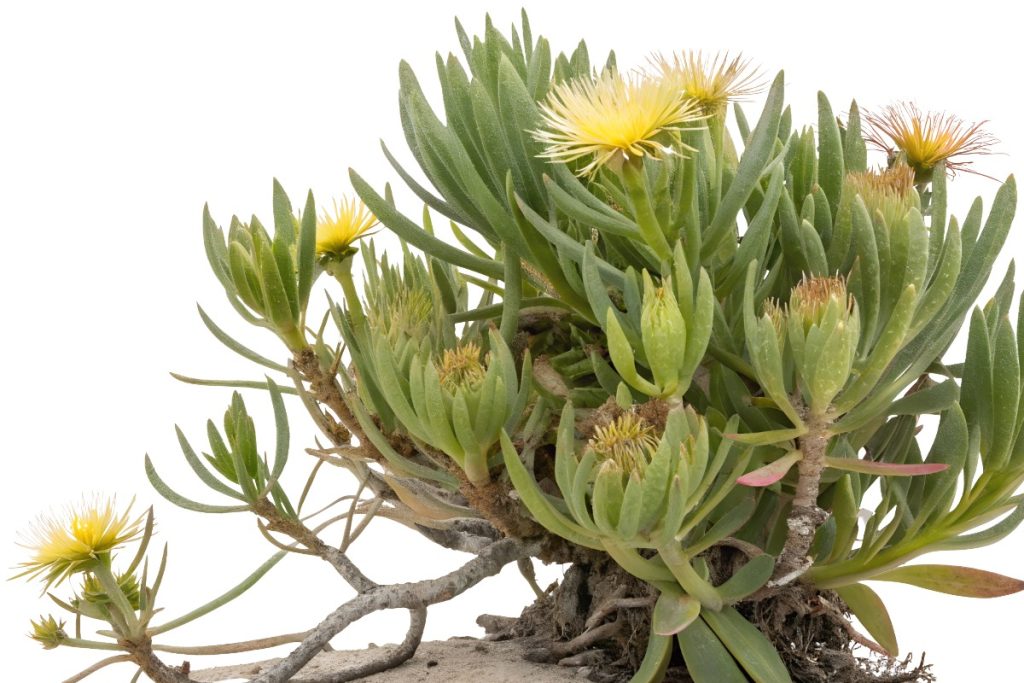
Kanna is a South African succulent used to boost mood and reduce stress for centuries by the Khoikhoi and San peoples. Now sold worldwide as teas, extracts, and dietary supplements, it occupies a growing niche in alternative and complementary medicine. People turn to it for various purposes: gentle stress relief, social ease, and a softer emotional baseline without the sedation or cognitive fog sometimes associated with pharmaceuticals.
The plant contains active alkaloids, primarily mesembrine and mesembrenone, along with mesembrenol and mesembranol. Mesembrine is a potent serotonin reuptake inhibitor with binding affinity in the low nanomolar range, while the alkaloid family also shows PDE4 inhibition, which is linked to enhanced cognition effects and mood regulation. These biological and pharmaceutical properties create a calming, clear-headed lift rather than heavy intoxication, which is why kanna has carved out space as a complementary medicine tool rather than a party drug for most users.
Modern users report effects like reduced anxiety, softer negative thoughts, and increased social comfort. However, research suggests these benefits, while promising, are still limited in scope. Kanna effects may vary significantly based on preparation and dosage, and a 2023 review found no clinical difference in anxiety relief from kanna in certain controlled comparisons. Kanna is not approved by the FDA for safety or effectiveness, and it should not be used as a stand-alone treatment for depression or anxiety. It is best viewed as a supportive tool within a broader mental health plan.
How Kanna Works in Your Body: Biological and Pharmaceutical Properties (Absorption and Metabolism)
The different ways of taking kanna change how quickly and how strongly the mesembrine alkaloids reach your brain. Understanding this concept helps you pick the right method and set realistic expectations for onset and duration.
When you swallow kanna as a tea, capsule, or drink, it passes through the liver before entering general circulation. This is called first-pass metabolism, and it reduces peak intensity while extending the overall duration of effects. Kanna’s effects can be felt within two hours of consumption with these oral routes, and the experience tends to be smooth and gradual, lasting 3–6 hours.
Sublingual and buccal use, where you hold extract powder or a tincture under the tongue or inside the cheek, partially bypasses first-pass metabolism. This often leads to faster onset, typically within 10–30 minutes, and a more noticeable initial lift. Fermented kanna extracts enhance absorption and efficacy across most routes, which is one reason traditional preparation emphasized fermentation.
In practical terms: fast-onset methods like sublingual delivery, nasal snuff, and smoking or vaping bring effects on quickly but tend to fade sooner and carry steeper dose-response curves. Slower, smoother methods like tea, capsules, and ready-to-drink beverages take longer to kick in but offer a gentler arc that is more forgiving of small dosing errors. Inhalation methods of kanna can lead to faster onset of effects than oral ingestion, but the trade-off is increased irritation risk and less predictable absorption.
Traditional and Modern Ways to Take Kanna
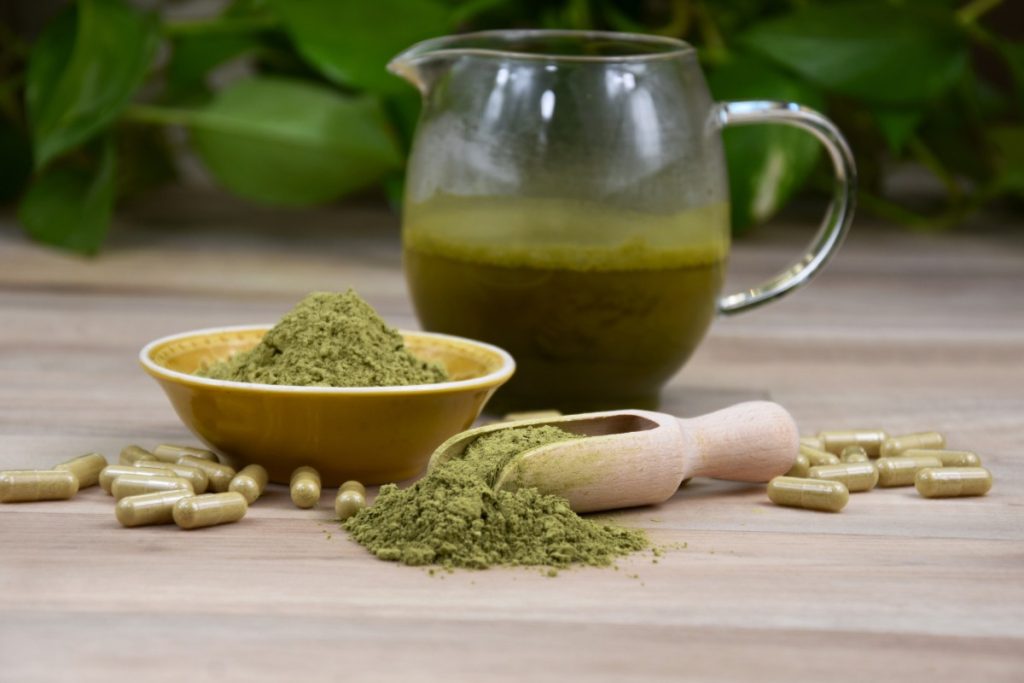
Here is a practical overview of each method. Think of these as different ways to achieve the same destination with varying speed and intensity.
- Chewing (kougoed) is the most traditional method. Traditional kanna use involved chewing fermented plant matter, held in the mouth for 20–40 minutes to allow mucosal absorption. Users sometimes swallowed the juices afterward. This approach combines buccal and oral absorption, producing a middle ground between sublingual intensity and swallowed gentleness. The concept of kanna as a chewable cure traces back centuries in Khoisan culture.
- Kanna tea is popular among modern users. Steep 200–500 mg of dried plant material in 200–250 ml of hot water just below boiling for 10–20 minutes. Expected onset is 30–90 minutes, with relaxation-focused effects lasting several hours. The taste is bitter and astringent; a squeeze of lemon helps. Kanna can be consumed as a tea or dietary supplement, and evening brewing sessions are a common ritual for people looking to unwind.
- Sublingual tinctures, lozenges, and dissolvable powders offer faster results. Most people start with 10–25 mg of extract held under the tongue for at least 60–120 seconds. Bitterness is normal and expected. This route is well suited for those wanting a quicker mood shift before social events or creative work.
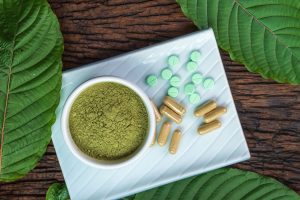
- Capsules and tablets are the most familiar dietary supplement form. Kanna can be administered through oral capsules or tinctures for consistent effects, with slower onset but longer-lasting action spanning 3–6 hours, making them convenient for all natural daily mood support.
- Snuff and smoking or vaping are fast and intense methods used recreationally and traditionally. They can irritate mucous membranes or lungs and are generally better suited to experienced users who already understand their own reaction to kanna at lower intensities.
Step-by-Step: How to Take Kanna Safely the First Time
Kanna is usually subtle at a low dose. The goal for a first session is to learn how your body responds, not to chase a strong experience. Treat it like a reconnaissance mission.
Choose a calm setting on a day without major responsibilities. Have water and a light snack nearby. Avoid alcohol or other psychoactive substances entirely. Pick either a sublingual extract or a tea or capsule as your method, whichever feels most comfortable.
For a standardized extract with around 0.4% total alkaloids, start with 5–15 mg if you are very cautious and 15–25 mg if you are among healthy adults not on interacting medications. For plain plant powder, 50–100 mg is a reasonable first dose. Microdosing kanna at 5–15 mg is enough for mood support in many cognitively healthy subjects, so there is no need to start higher.
Take your chosen low dose, then wait a full 60–90 minutes before deciding whether to adjust. Resist the temptation to top up every 10–15 minutes; stacking small amounts in quick succession can suddenly become a high dose that catches you off guard.
Monitor changes in mood, tension in your shoulders or jaw, social ease, mental clarity, and any unwanted effects such as nausea, racing thoughts, headache, jaw clenching, or palpitations. Avoid driving or operating machinery until you know how kanna affects you personally.
Kanna Dosage: Microdose to High Dose

Dose requirements vary depending on body weight, individual sensitivity, product strength, and route of administration. Labels often show total plant mass rather than specific alkaloid content, so knowing your product’s alkaloid percentage matters.
- Microdose (5–15 mg standardized extract or 25–50 mg powder): Taken once or twice daily for subtle mood support, focus, and social ease. Effects may be very gentle, sometimes barely noticeable, which is the point. This range aligns with the ergogenic effects and cognition effects explored in early strength and conditioning research on plant-based supplements.
- Low dose (15–30 mg extract or 50–150 mg powder): A low dose of kanna at this level is commonly used for daytime stress relief and mild mood brightening without strong drowsiness or fatigue. Suitable for social occasions as an alcohol alternative, helping people dealing with mild anxiety in professional or social settings.
- Moderate dose (30–50 mg extract or 150–250 mg powder): More likely to bring marked relaxation, emotional openness, and mild sensory enhancement. Moderate kanna dosage at 30–50 mg is beneficial for deep relaxation, best reserved for evenings or low-demand days rather than before visual tracking-intensive tasks like driving.
- High dose (50–100 mg+ extract or 250–400 mg+ powder): High doses of kanna range from 50–100 mg for profound effects, but this level increases risk of nausea, dizziness, symptoms of paradoxical anxiety, and emotional flattening. Only for experienced users. A 3-month placebo controlled trial found that standardized extracts typically using 25–50 mg daily doses, specifically 8 mg and 25 mg of the proprietary extract sceletium tortuosum (Zembrin), were well-tolerated in a double blind parallel group design, suggesting more research is needed before endorsing higher ranges.
Frequent high dose use tends to flatten kanna’s benefits over time. Regular users should take breaks and generally favor low to moderate dosing for sustainable results.
Choosing Products and Avoiding Drug Interactions and Problematic Combinations
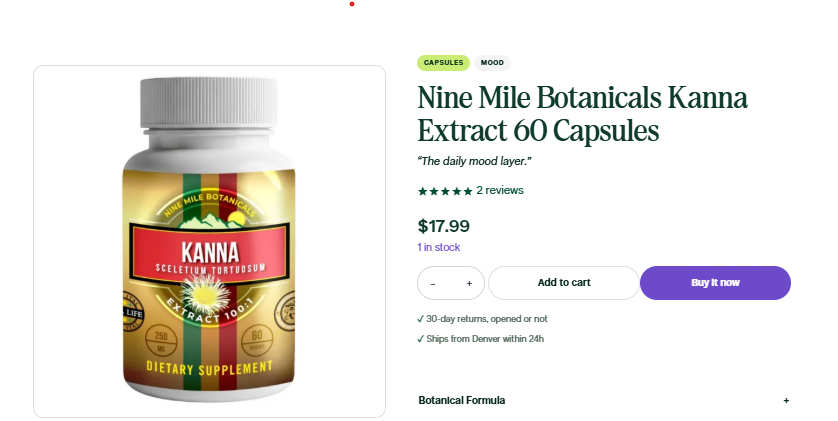
Kanna product quality matters enormously. Alkaloid levels vary greatly based on plant source, fermentation method, and extraction process. Standardized extracts are often used in studies on kanna, and they offer far more predictable results than raw plant material of unknown origin.
Look for brands that provide Certificates of Analysis with total alkaloid percentages, absence of heavy metals and microbes, and clear identification of sceletium tortuosum rather than a vague “kanna blend” with other ingredients. Choosing third-party verified kanna products helps ensure quality and safety. Kanna products must comply with federal dietary supplement regulations under DSHEA, but the FDA does not pre-approve them for effectiveness.
Start with single-ingredient kanna products rather than complex formulas so you can learn your reaction before layering in other botanicals like kava, L-theanine, or adaptogens.
Drug interactions deserve prominent attention. Mixing kanna with MAO inhibitors can lead to serotonin syndrome, and kanna can interact with medications affecting serotonin levels including SSRIs, SNRIs, MDMA, 5-HTP, and tramadol. Kanna may also interact with central nervous system depressants such as benzodiazepines, opioids, and alcohol. If you are on multiple prescriptions, clinician guidance is essential. CYP2D6 metabolism affects how long mesembrine alkaloids stay active, meaning poor metabolizers may experience prolonged effects.
Taking kanna alongside other dietary supplements like magnesium, B-vitamins, rhodiola, or ashwagandha is common, but introduce each one at a time to spot side effects clearly.
Side Effects, Safety, and When to Avoid Kanna
Clinical trials using up to around 25 mg of extract sceletium tortuosum daily in a double-blind placebo controlled trial format have generally shown good tolerability. However, kanna’s safety is not well defined according to research, and real-world recreational use can involve higher and more frequent dosing with less oversight.
Reported side effects of kanna include headaches and gastrointestinal issues, along with dry mouth, soft GI upset, transient anxiety in sensitive users, and temporary changes in appetite. Kanna is generally well tolerated but may cause drowsiness and cognitive difficulties at higher amounts. Kanna may cause stomach pains if overdosed.
Taking a high dose on an empty stomach, stacking multiple doses too quickly, or combining kanna in combination with other stimulants can increase jitteriness, racing heart, or feeling emotionally overwhelmed. Pre clinical and clinical activities both point to a dose-dependent side-effect curve.
People with substance dependence should avoid using kanna. Also avoid it if you are pregnant or breastfeeding, have bipolar or psychotic brain disorders, or have serious heart conditions.
Warning signs of a possible serotonin-related reaction when mixed with other drugs include confusion, fever, heavy sweating, muscle stiffness, shivering, and rapid heart rate. Stop use and seek urgent care immediately if these occur.
Store kanna powders, capsules, and extracts sealed, dry, and away from heat and light. Check best-by dates and discard products with off smells, mold, or separated liquids.
Building a Personal Kanna Ritual (Without Overdoing It)
The most sustainable approach to sceletium tortuosum supplementation integrates kanna mindfully into everyday life. Use it to enhance activities like journaling, walks, art, music, or conversations rather than as an escape from sleep problems or chronic low mood.
Example schedules: occasional weekend sessions at moderate dose for deeper relaxation, or light weekday microdosing for a few weeks followed by at least a one to two week break to assess baseline mood again. Kanna may improve cognitive function and executive function over time, but these benefits plateau without rest periods.
Pair kanna with grounding practices like breathwork, stretching, or meditation. This steers experiences toward reflection and calm instead of overstimulation, something that matters especially for recreationally trained men or active individuals using supplements alongside their conditioning research-informed training programs.
If you use kanna more than a few times per week, track dose, timing, and effects in a simple log. Watch for creeping tolerance or emotional dependence. A meta analysis of your own data, even informal, beats guessing.
The best way to take kanna is the one that keeps doses modest, avoids risky drug interactions, and supports rather than replaces healthy habits, social connection, and professional care when needed.
FAQ

How long do kanna effects last, and how often can I take it?
Sublingual and nasal methods often come on within 10–30 minutes and last 2–4 hours, while swallowed forms like tea, capsules, and beverages may take 30–90 minutes to start and last 4–6 hours or more. Many people limit use to a few times per week or use microdoses on workdays, with at least one or two kanna-free days each week to reduce tolerance and keep the substance effective.
Can I drink alcohol or coffee when I take kanna?
Moderate caffeine is usually tolerated but may increase stimulation and anxiety in some users, especially at higher kanna doses. Avoid or strictly limit alcohol, as both substances affect mood and judgment. Combining multiple psychoactive substances always increases unpredictability and risk, regardless of the form or dose you are using.
Is kanna addictive or habit-forming?
There is no strong evidence of physical dependence or classic withdrawal with kanna, but psychological habit formation is possible, particularly in people using it daily to cope with stress or low mood. Planned breaks, gradual dose reductions, and rotating in non-pharmacological stress-management tools like exercise, therapy, and breathwork all help reduce reliance.
Can I travel with kanna, and is it legal everywhere?
Kanna is not federally scheduled in the U.S. as of 2026, but kanna’s legality varies by state in the U.S. Louisiana specifically names Mesembryanthemum species in its laws, so check before carrying products there. Internationally, regulations differ. Keep kanna in original labeled packaging when traveling and check current local regulations before crossing borders or state lines.
What should I do if I accidentally take too high a dose?
Stay calm, hydrate, and move to a quiet, safe space if you experience nausea, anxiety, or sensory overload. Any severe symptoms such as chest pain, extreme agitation, confusion, high fever, or signs of an allergic reaction warrant immediate medical help or contacting Poison Control (in the U.S., 800-222-1222). Tell clinicians exactly what substance you took and how much.
Mentioned in this guide
The exact products this article talks about.
-
 $14.99View options This product has multiple variants. The options may be chosen on the product page
-
 $29.99 Up to 10% offView options This product has multiple variants. The options may be chosen on the product page
-
 $29.99 Up to 10% offView options This product has multiple variants. The options may be chosen on the product page