Kava
How Long Does Kava Take to Kick In? Timing Your Kava Experience
If you’ve just ordered your first shell at one of the growing number of kava bars or mixed up a batch at home, you’re probably wondering: how long does kava take to kick in? The short answer is that most people feel initial sensations within 15 to 30 minutes, but a lot depends on what…
If you’ve just ordered your first shell at one of the growing number of kava bars or mixed up a batch at home, you’re probably wondering: how long does kava take to kick in? The short answer is that most people feel initial sensations within 15 to 30 minutes, but a lot depends on what you’re drinking, when you last ate, and how your body reacts to kavalactones.
Key Takeaways
- Kava typically begins to affect a person within 15 to 40 minutes of consumption, with most drinkers noticing something in the 15–30 minute window. Some feel a numbing sensation on the lips as early as 5–10 minutes.
- Peak effects of kava are usually felt around 2 hours post-consumption, lasting anywhere from 1–3 hours at their strongest and tapering over 3–6 hours total.
- Drinking kava on an empty stomach speeds up its effects, while a heavy meal can push onset to 45–90 minutes.
- The method of preparation influences how quickly kava takes effect – liquid forms like traditional drinks and instant kava act faster than capsules or gummies.
- Individual metabolism, body weight, prior kava use, and prescription medications all influence onset time and intensity.
What Is Kava and Why Does Onset Time Vary?
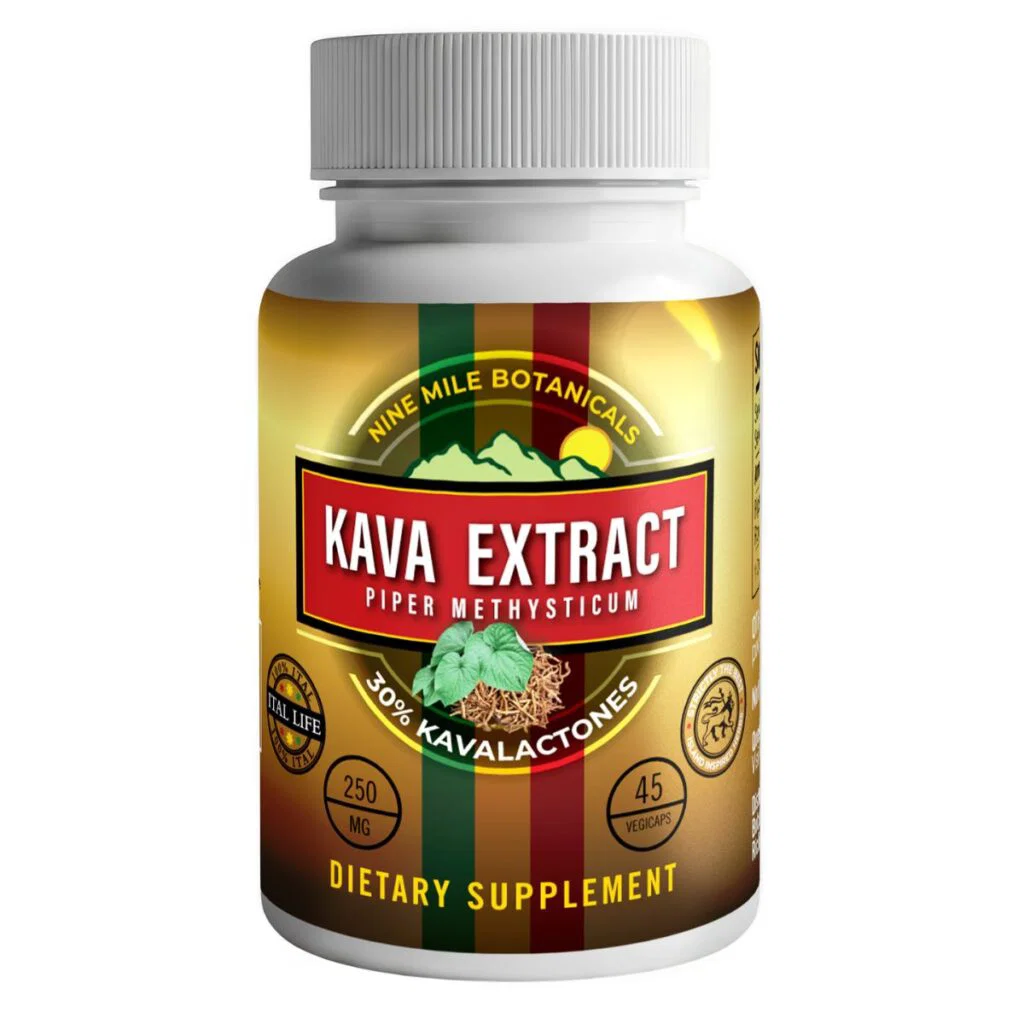
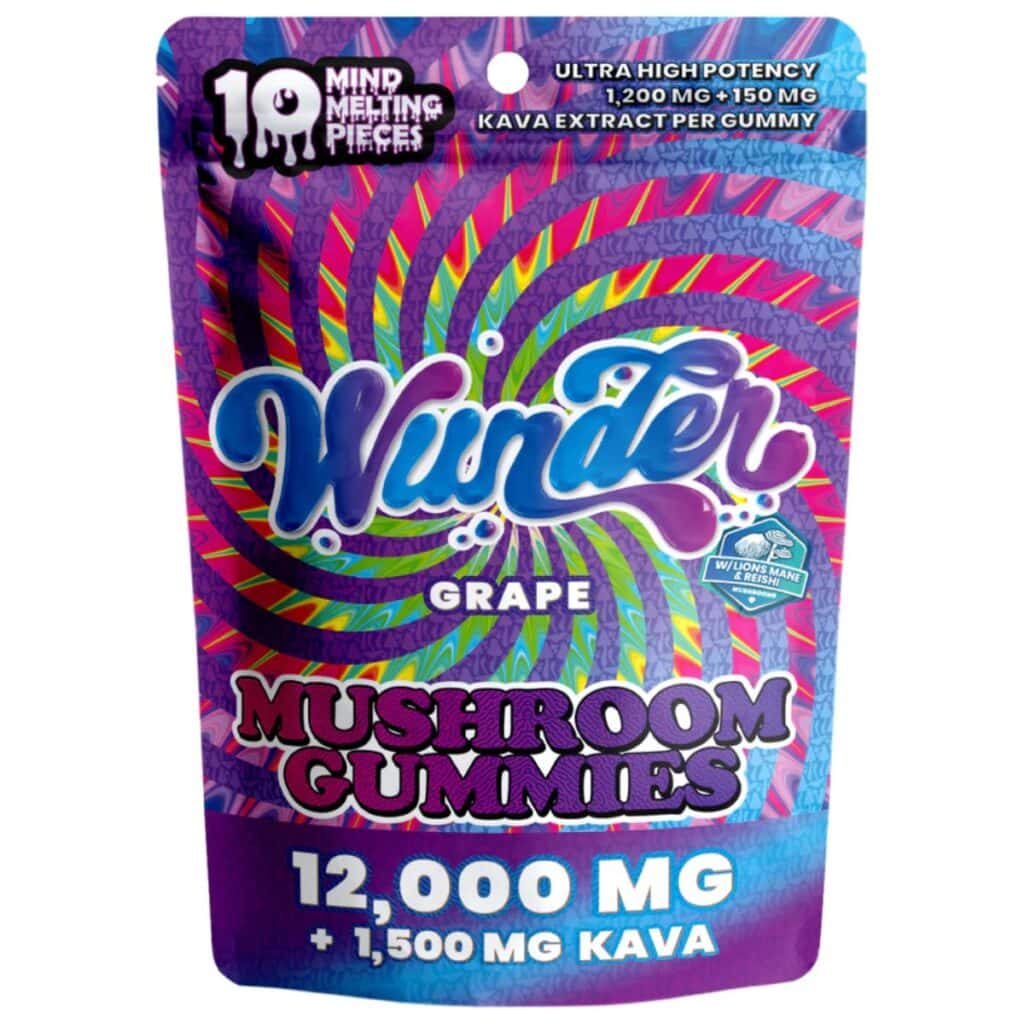
Kava – scientifically known as Piper methysticum – is a traditional beverage made from the root of the kava plant, native to south pacific island countries like Fiji, Vanuatu, Tonga, and Samoa. For centuries, Pacific island communities have prepared it for traditional ceremonies, cultural ceremonies, social gatherings, and to promote relaxation after long days.
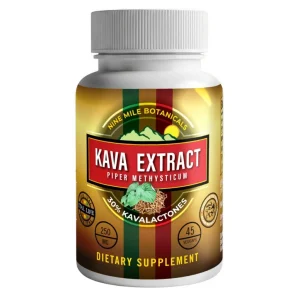
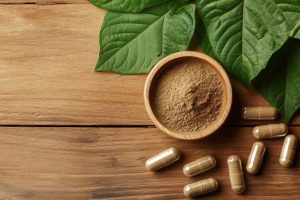
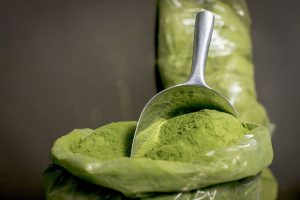
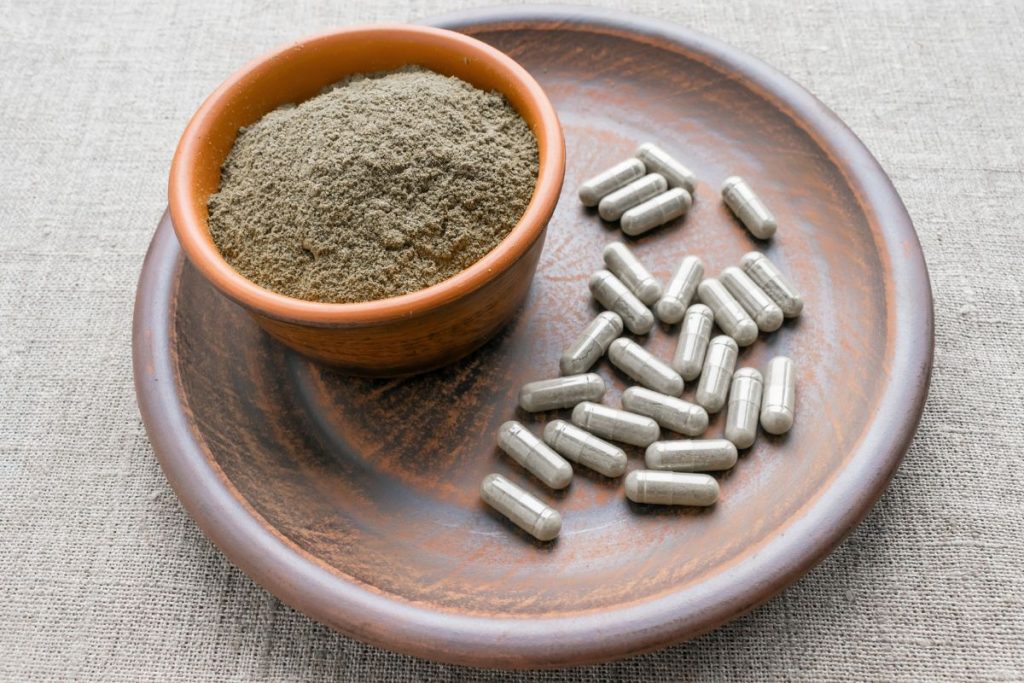
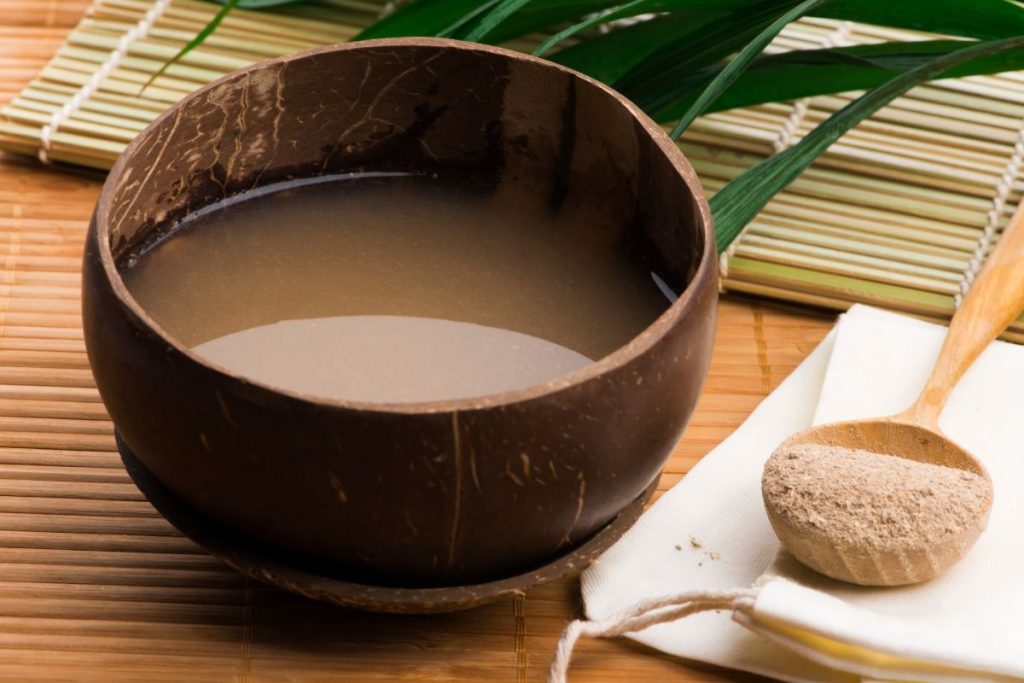
Traditional kava consumption involves grinding the root into a medium grind powder, then kneading it in cold water and straining the liquid into a communal bowl. Modern products expand the options considerably: micronized kava, instant kava, kava extract (tinctures and kava concentrates), capsules, kava supplements, gummies, and canned ready-to-drink formats.
The relaxing effects come from active compounds called kavalactones, which interact with GABA receptors, voltage-gated ion channels, and other neurotransmitter systems to produce calming effects and reduce stress. There are 103 different varieties of kava, broadly categorized into noble kava and tudei kava types. Noble kava is considered the superior variety for consumption due to its cleaner effect profile.
Onset time varies because different forms release kavalactones at different speeds, and because various factors – from stomach contents to liver enzyme activity – change how fast your body processes them.
How Long Does Kava Take to Kick In? (Direct Answer)
Most drinkers feel initial sensations from kava within 15–30 minutes after their first serving. Across clinical data and user reports, a common window sits between 20 and 40 minutes for noticeable effects to set in.
Some sensitive users detect a mouth-tingling or numbing sensation within 5–10 minutes, especially when consuming kava in a strong traditional preparation or instant kava drink. For many people, the “noticeable relaxation” phase builds over 30–60 minutes and continues deepening for up to about two hours. A 2022 clinical study administering 75–225 mg of total kavalactones found that time to maximum plasma concentration ranged from about 1 to 3 hours depending on the specific kavalactone.
If you feel absolutely nothing after 90 minutes from a moderate dose of quality kava, reverse tolerance, recent food intake, or a lower potency product is likely at play. Many first-time kava users report not feeling much effect initially due to reverse tolerance – a phenomenon where the body needs several exposures before responding fully. Kava’s active ingredients can remain in the body for over 24 hours at low levels, even when the felt effects have long faded.
Typical Timeline of a Kava Experience
Think of a standard kava experience as a slow wave rather than a sudden switch. Here’s a general roadmap for what many people report during a typical evening session of drinking kava.
0–10 minutes: You taste the earthy, slightly bitter kava drink. Initial effects of kava may include a tingling or numbness in the mouth and lips – this is one of the earliest signs the active ingredients are making contact. Mental changes at this stage are minimal or absent.
10–30 minutes: The initial sensations begin. Body looseness, reduced muscle tension, and a fading of the day’s stress are commonly described. Social anxiety starts to soften. Heady kavas promote happiness and sociability during this window, while heavy kavas lean more toward physical relaxation and sleep.
30–90 minutes: This is when peak effects usually arrive. Deep relaxation, calm focus, mild euphoria, and increased sociability settle in. Balanced kavas provide both heady and heavy effects during this phase, making this the sweet spot of the kava experience. Kava’s effects peak in the bloodstream within 1–2 hours.
2–4+ hours: The plateau gradually tapers into a gentle comedown with residual calm or sleepiness. The effects of kava can last for 2 to 4 hours at their most distinct, though a lingering sense of well being often continues. Most users feel back to baseline within 6–8 hours.
How Your Consumption Method Changes Onset Time
The way you consume kava is one of the biggest determinants of how fast it kicks in. Here’s how each preparation method stacks up:
- Traditional medium grind root drinks: Soaked and kneaded in cold water, these produce onset in 15–30 minutes and peak around 1–2 hours. The extraction process pulls kavalactones into the liquid, but residual fiber can slow absorption slightly.
- Instant kava and micronized kava: These dissolve more completely in water with much finer particles. Finer kava grinds lead to quicker onset of effects – often 10–20 minutes – because more surface area is available for absorption.
- Kava extract and liquid concentrates: These are more potent and sometimes faster-acting, with onset around 10–25 minutes depending on formulation. Kava can be absorbed faster when taken in liquid form compared to solid preparations.
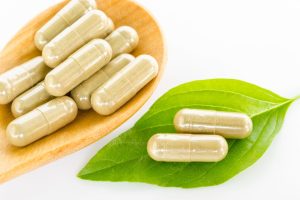
- Capsules and gummies: These kava supplements must be broken down in the digestive tract first. Expect 30–120 minutes before noticeable effects, sometimes within the same timeframe as a meal-delayed kava drink.
Drinking kava usually delivers the most predictable and quickest kava experience compared to solid edibles or pills. Higher doses of kava generally lead to a faster onset of stronger effects, but starting moderate is always smarter than overshooting.
Kava on an Empty Stomach vs After Eating

Stomach contents are a major variable. Kava is best consumed on an empty stomach – or at least after fasting 2–3 hours – because this allows the fat soluble kavalactones to reach the small intestine and bloodstream more quickly.
Taking kava on an empty stomach typically means onset in 10–20 minutes with sharper initial sensations. Consuming kava right after a heavy meal, especially one high in fat and protein, can delay onset to 45–90 minutes and blunt the desired effects. The clinical study referenced earlier found that food significantly reduced peak kavalactone concentrations and overall absorption.
Some people experience mild nausea when consuming kava on an empty stomach, especially with a strong brew. A compromise is eating a very light snack – a few crackers or a piece of fruit – about 20–30 minutes after the first shell. Staying well-hydrated matters too; consuming kava on an empty stomach doesn’t mean dehydrated. Drink water before and during your session to avoid dizziness when the calming effects begin.
Personal Factors That Affect How Fast Kava Works
Two people can drink the same kava at the same time and feel it at very different speeds. Several factors explain why:
- Body weight and composition: Smaller or leaner individuals tend to feel a given dose faster. Kavalactones are fat soluble, so body fat percentage influences distribution and clearance. Individual metabolism affects how quickly kava is absorbed and processed.
- Liver function: Since kava is primarily processed by hepatic CYP450 enzymes, slower liver metabolism lengthens both onset and duration, potentially altering the overall experience.
- Prior kava use: Beginners often encounter reverse tolerance, where the first few sessions produce minimal effects. Experienced users who gradually increase their familiarity with kava over 2–3 weeks typically notice effects more readily.
- Medications and other substances: Kava can interact with medications, affecting absorption and effects. Kava absorption can be affected by other medications taken, especially certain medications acting on the central nervous system – such as antidepressants, benzodiazepines, and other drugs metabolized through CYP450 pathways. Prescription medications for Parkinson’s disease and other conditions can also alter onset and safety.
If you have liver problems, take regular other medications, are pregnant or breastfeeding, or are under 18, consult a healthcare professional before experimenting with kava.
Understanding Kava’s Initial Sensations and Full Effects

Recognizing the early signs of kava helps you know when it has started to kick in – especially important for newcomers who might dismiss subtle shifts.
The first signals are typically physical: a numbing sensation on the lips, tongue, and throat, a mild warming in the chest, and slight softening of muscle tension. These are typically felt within the first 10–30 minutes and serve as confirmation that your body is absorbing kavalactones.
As kava’s effects progress, many users report a calm, present-focused mental state with quieter internal chatter. The sedative effects at moderate doses coexist with mental clarity – unlike alcohol, kava does not usually cause mental cloudiness or major motor impairment. Some people describe it as feeling relaxed in the body while remaining sharp in the mind, making it appealing for those looking to combat stress without losing focus.
At higher doses, kava can cause drowsiness and impair coordination – heavier limbs, slower reaction times, and pronounced sleepiness. This is not the time to drive or operate machinery. The effects of kava can feel subtle rather than dramatic, especially in early sessions, so paying attention to shifts in body and mood matters more than waiting for an obvious “hit.”
How Long Do Kava’s Effects Last Once They Start?
Once kava kicks in, the main window of noticeable effects usually lasts a few hours. Most people feel the clearest effects for about 3–6 hours after onset, vary depending on dose, product strength, and metabolism. Kava effects can last between 1–3 hours at their peak intensity.
Milder aftereffects – lingering calm, slight muscle relaxation, or sleepiness – can extend for 6–8 hours. Kava’s effects can last up to 8 hours for some users, particularly those who consumed larger servings. Kava can remain detectable in the body for over 24 hours, though without producing a noticeable “high” during that trailing period.
Heavy or repeated kava consumption over many hours or days can stack effects, leading to next-day grogginess or digestive discomfort. Long-term kava use can lead to liver problems and chronic fatigue in some cases, particularly with excessive dosing or low-quality products. Moderation is the key to an enjoyable experience session after session.
Tips to Help Kava Kick In Smoothly (and Safely)
Here’s how to set yourself up for a smooth kava journey:
- Start moderate. Kava’s recommended dose is 250 mg of kavalactones or less to avoid side effects. Wait at least 30–45 minutes before deciding whether to drink more.
- Mind your stomach. Experiment with taking kava on a mostly empty stomach (2–3 hours after a meal). Have a light snack afterward if needed.
- Choose quality products. Stick to properly prepared traditional or instant kava drinks from reputable sources. Noble kava is the gold standard. Avoid tudei kava – it can cause nausea and lethargy lasting up to two days, and its use has been discouraged by Pacific island kava communities.
- Don’t mix. Kava should not be mixed with alcohol or other sedating medications. Combining kava with other substances can multiply sedation, delay clear onset cues, and increase liver risk.
- Set the scene. Create a relaxed environment – dim lights, calm music, comfortable seating, and no driving plans. This helps you fully notice the progression of kava effects as they kick in. You’ll also find this approach helps promote relaxation far more than gulping kava in a stressful setting.
Safety, Legal, and Responsible Use Considerations
Understanding onset time is only part of responsible kava use. Safety and legality matter just as much.
Kava is legal in many countries including the United States and much of Europe, with some restrictions in Australia and other regions. Local laws about sale and public consumption at kava bars can differ, so check your area before purchasing or attending events.
Kava has been associated with rare reports of liver injury, particularly when combined with alcohol, certain medications, or pre-existing liver conditions. Long does kava pose risks if used irresponsibly – liver damage is the most serious potential concern, though it remains uncommon with moderate, quality-controlled traditional use.
Kava may cause mild withdrawal symptoms like restlessness when stopped abruptly after prolonged heavy use. Weight loss, dry skin, and digestive changes have also been reported with chronic heavy consumption.
Avoid kava if pregnant, breastfeeding, or under 18. Do not drive, operate machinery, or perform safety-sensitive tasks under the influence of kava. Stop use and seek medical advice if you notice jaundice, dark urine, unusual fatigue, or persistent nausea.
FAQ
What if I don’t feel anything from kava the first few times?
This is common and usually explained by reverse tolerance. Some new users need multiple sessions over days or weeks before their body responds strongly to kavalactones. Try drinking kava 2–3 times per week for 2–4 weeks, using quality noble kava on a mostly empty stomach, before concluding it doesn’t work for you. If you’re on medications or have health conditions, consult a healthcare professional – certain medications may blunt or mask the effects.
Can I speed up kava’s onset time safely?
The safest ways to encourage faster onset are: consuming kava on an empty or lightly filled stomach, using traditional or instant kava drinks instead of capsules, and sipping steadily over 10–20 minutes. Finer kava grind allows quicker absorption of kavalactones. Avoid doubling doses or mixing with alcohol or other drugs to force stronger effects – this only increases potential risks. Patience pays off: wait at least 30–45 minutes before deciding to drink another shell.
How soon after drinking kava is it safe to drive?
Most people should avoid driving for at least 6–8 hours after taking kava, even if they feel fine. Reaction time and alertness can be affected before someone feels clearly sedated, especially during the 1–4 hour peak window. Local laws in some regions treat driving after kava similarly to driving under the influence of most substances that cause impairment, so choosing a ride or staying home is the safest call.
Does kava show up on drug tests?
Standard workplace drug panels do not screen for kava or kavalactones – they target substances like THC, opioids, amphetamines, and benzodiazepines. Specialized tests in research settings could detect kava’s active ingredients for up to several days in urine, but these aren’t commonly used in employment testing. Disclose your kava use to medical professionals if undergoing specialized liver or toxicology testing.
Can I combine kava with coffee or energy drinks?
Many people do combine kava with moderate caffeine, but the opposing effects – stimulation versus relaxation – can make onset and the overall feeling less predictable. A low dose of caffeine is generally fine, but consider separating strong kava sessions and hot water caffeine drinks by at least a couple of hours to better sense how your body reacts to each. If you have heart conditions, anxiety disorders, or stimulant sensitivity, talk to a healthcare professional before mixing the two. All that said, most regular kava drinkers find their own comfortable rhythm with caffeine over time.
Mentioned in this guide
The exact products this article talks about.
-
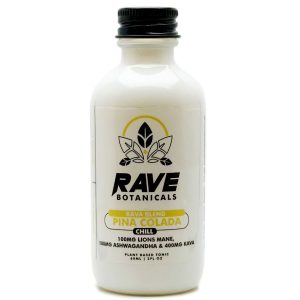 $11.99View options This product has multiple variants. The options may be chosen on the product page
-
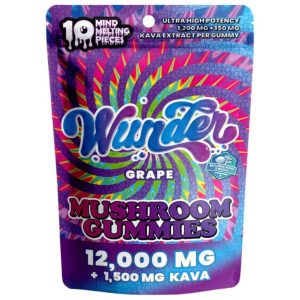 Price range: $5.89 through $29.99View options This product has multiple variants. The options may be chosen on the product page