Kava
How Long Does Kava Stay in Your System?
Kava has been gaining popularity as a natural remedy for anxiety and stress relief, but if you’ve ever sipped a shell of this earthy drink, you’ve probably wondered: how long does kava stay in your system? Whether you’re concerned about drug tests, medication interactions, or simply want to understand what’s happening inside your body, this…
Kava has been gaining popularity as a natural remedy for anxiety and stress relief, but if you’ve ever sipped a shell of this earthy drink, you’ve probably wondered: how long does kava stay in your system? Whether you’re concerned about drug tests, medication interactions, or simply want to understand what’s happening inside your body, this guide covers everything you need to know about kava metabolism, elimination timelines, and potential risks.
Key Takeaways
- Kava typically stays in your system for 18 to 48 hours after a single moderate dose, with psychoactive effects of kava lasting about 2 to 4 hours.
- In heavy or frequent users, kava can be detectable for up to 7-10 days in some cases due to storage in fatty tissues.
- Standard drug tests do not typically include kava, but specialized tests can detect kavalactones and their metabolites for several days.
- Liver health, body weight, dose size, and frequency of use are the main factors that influence how long kava stays in your system.
- Kava can interact dangerously with alcohol and sedatives, stress the liver, and should never be mixed with prescription medications without medical guidance.
What Is Kava and How Does It Affect the Body?
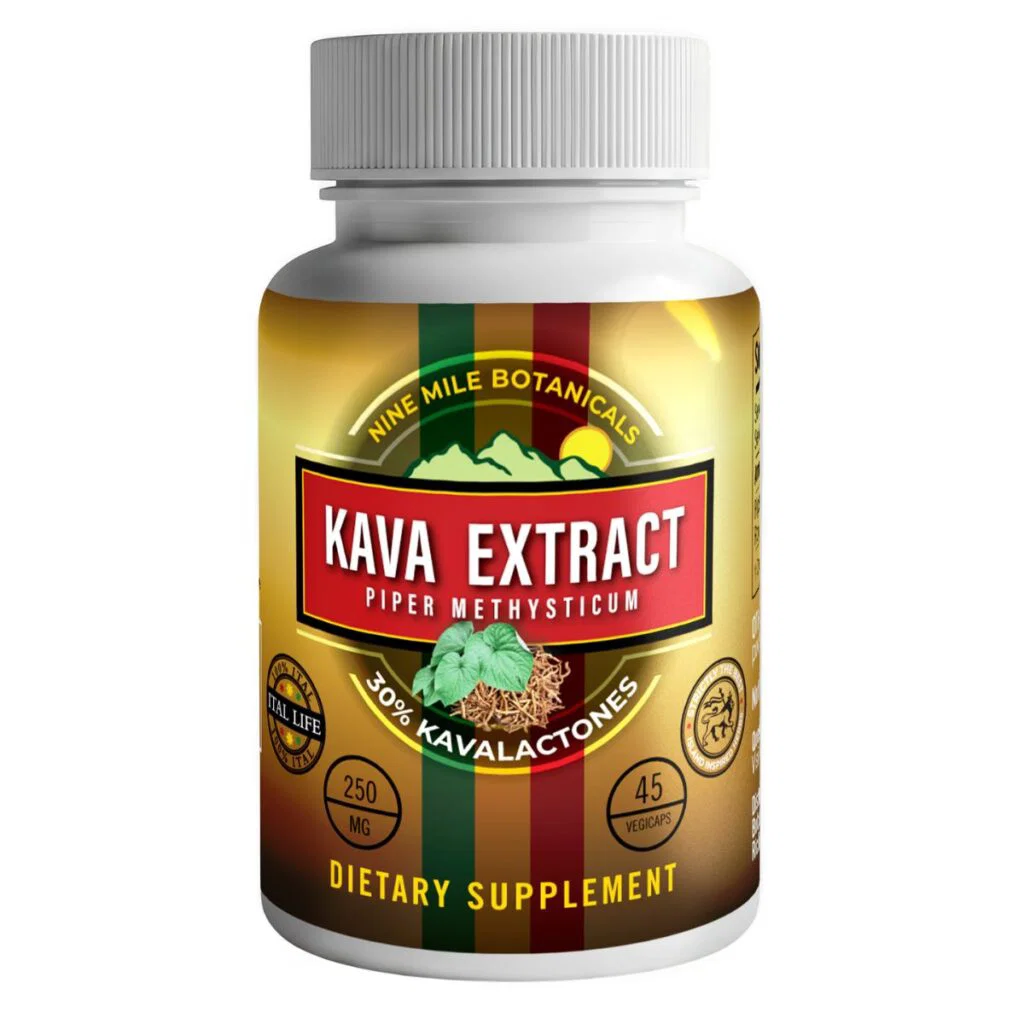
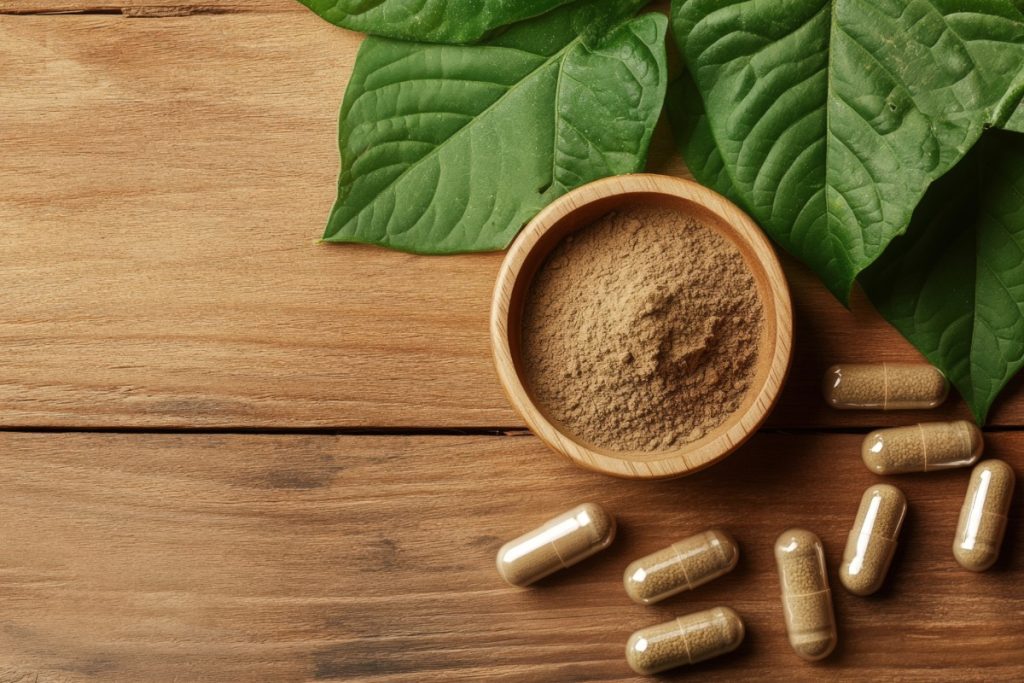
Kava comes from the root of the plant Piper methysticum, a shrub native to the south pacific. For centuries, pacific island cultures have used kava in cultural ceremonies and social gatherings, preparing it as a water-based drink to promote relaxation and community bonding. Today, it’s increasingly marketed in the West as herbal supplements and teas within the complementary and integrative health space.
The active compounds in kava are called kavalactones, which act as a central nervous system depressant. These compounds interact with GABA receptors and other brain pathways to produce calming effects, stress relief, and mild euphoria. Common short-term effects include muscle relaxation, slight mouth numbness, and drowsiness. At higher doses, kava affects coordination and reaction time-kava can impair motor coordination and reaction time, leading to impaired motor coordination, dizziness, and slowed reflexes.
Kava is fat-soluble, absorbed through the gut, and reaches its peak effect at about two hours after initial ingestion. It is primarily processed via kava metabolism in the liver. It’s worth remembering that “natural” does not mean risk-free, especially for people with liver disease, those taking other substances, or anyone with a history of substance use disorder.
How Long Does Kava Stay in Your System?
For a single moderate dose, kava typically stays in your system for 18 to 48 hours. The strongest sedative effects last about 2 to 4 hours, with mild residual relaxation lingering up to 6–8 hours. However, kava’s metabolites can linger in the body longer than its effects-meaning the compounds are still present even after you feel normal again. Kava is fat-soluble, affecting its duration in the body, as some kavalactones are temporarily stored in fatty tissues before being slowly released back into circulation.
It’s important to differentiate clearly between: – duration of subjective effects (hours), – biological presence where kava is detectable in blood or urine (1–3 days for most users, longer with chronic use), – and potential impact on liver health (can last much longer if damage occurs). In frequent or heavy users, kava can be detectable for up to 7-10 days. Kava may remain detectable in urine for several days, especially when consumed frequently or at high doses.
There is no single universal timeframe because elimination depends on individual metabolism, dose, and use pattern. People with reduced liver function may have significantly prolonged elimination times and face higher risk of adverse effects.
How Kava Is Metabolized and Eliminated
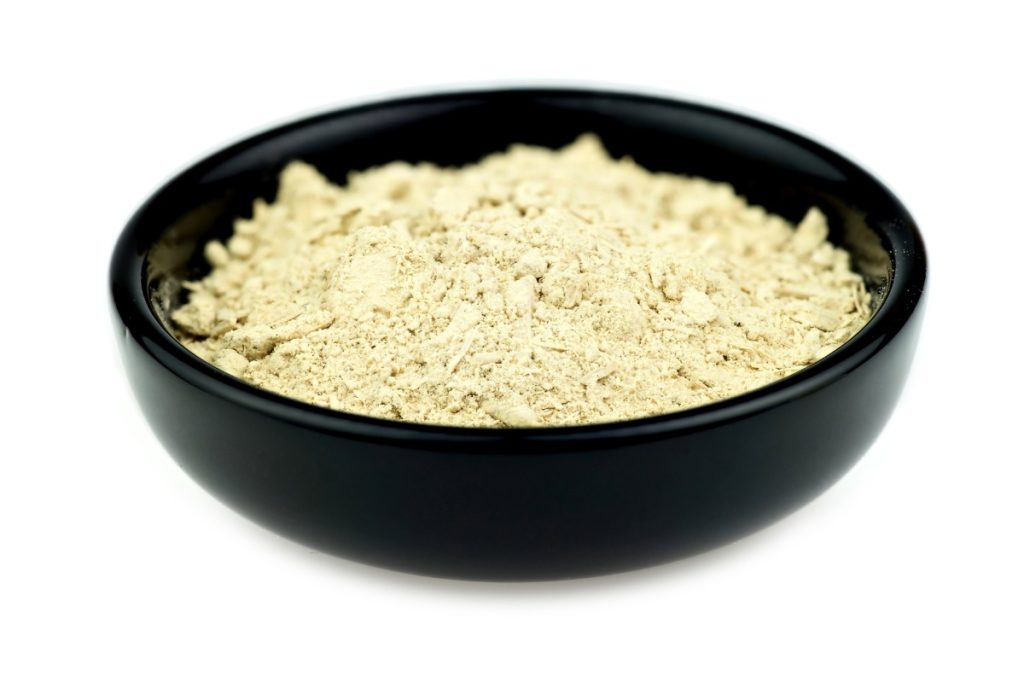
Kava metabolism follows a predictable path: kavalactones are absorbed in the gut, distributed through the bloodstream, partially stored in fat, and broken down by liver enzymes-mainly through various CYP450 pathways. Phase I reactions (hydroxylation, demethylation) and Phase II conjugations (glucuronidation, sulfation) transform kavalactones into water-soluble metabolites that can be excreted through urine and feces.
Kava’s active compounds peak in the blood about 1 to 2 hours after ingestion. Kavalactones have an elimination half-life of approximately 9 hours in healthy individuals, meaning it takes roughly 9 hours for blood levels to drop by half. After several half-lives-typically 36 to 54 hours-most of a single dose is essentially cleared.
Because most people don’t take kava at fixed clinical doses on a strict schedule, real-world elimination is variable and laboratory half-life numbers are approximations. Good hydration, adequate sleep, and avoiding overloading the liver with other substances support normal elimination-but there is no “quick detox” trick that instantly removes kava from your body.
Factors That Influence How Long Kava Stays in Your System
Individual differences make a significant impact, which is why two people can drink the same amount of kava and feel it for very different lengths of time. Numerous factors and several factors shape how long does kava stay active and detectable in your body.
Dosage and frequency of use play a major role-high doses of kava can prolong its retention in the body, and elimination time for kavalactones can be affected by frequency of use, allowing compounds to build up over several days when consumed frequently. Body weight and body fat matter because individuals with higher body fat may retain kava longer, since fat-soluble kavalactones can be stored in fatty tissues. Liver function significantly impacts how long kava stays in your system; a healthy liver processes kavalactones faster than an impaired liver, while pre-existing liver disease or fatty liver can dramatically slow elimination. Age and metabolism rates vary, affecting kava elimination speed-older adults or those with slower metabolic rates tend to process kava more slowly. Food intake matters too: taking kava on an empty stomach results in faster absorption and quicker onset, while fatty meals delay it. Finally, other substances and prescription medications-alcohol, sedatives, certain antidepressants-can interact with kava and slow metabolism. Kava’s metabolites may linger longer in habitual users who combine it with other drugs.
Mixing kava with other substances, especially alcohol or sedating prescription medications, can both prolong kava’s effects and raise the risk of serious adverse outcomes.
Is Kava Detectable on Drug Tests?

Kava is not typically included in standard workplace drug screens. Standard drug tests used in routine drug testing-the typical 5, 10, or 12-panel urine immunoassays-do not target kava or kavalactones. If you’re undergoing routine drug testing for employment, kava will not appear on those panels.
However, kava can be detected in specialized drug tests. Specialized tests using methods like GC-MS or UPLC-MS/MS can identify kavalactones and their metabolites, typically for several days after last use, with longer detection windows in chronic users. Kava can remain detectable in urine for several days under these conditions. Kava may cause false positives in some drug tests-rare immunoassay cross-reactions have been reported, most notably for amphetamines, until confirmed by more precise methods.
People in sensitive settings-military, safety-critical jobs, probation, or a treatment program-should ask their provider whether kava is allowed. While kava legal status means it is generally not a controlled substance in the United States, individual employers or programs may still restrict it due to safety or policy concerns.
Kava, Prescription Medications, and Other Substances
Kava interacts with prescription medications and other substances in ways that affect both how long it stays in your system and how risky drug use becomes. Because kavalactones can inhibit liver enzymes that also process many medications, combining kava with other drugs may raise medication levels in the blood or reduce their effectiveness-creating dangerous medication interactions.
Specific concerns include: – Sedatives and anti anxiety medications (benzodiazepines, sleep aids): additive sedative effects, increased drowsiness, impaired coordination, and slowed breathing. – Antidepressants and other psychotropic medications: possible interference with therapeutic effects and increased side-effect burden. – Prescription pain medications or opioids: more pronounced central nervous system depression and accident risk. – Over-the-counter drugs that affect the liver (high-dose acetaminophen) and alcohol: compounded stress on liver health and higher chance of liver damage.
Kava can interact dangerously with alcohol and sedatives. Combining kava with alcohol is especially concerning because it increases intoxication, causes impaired coordination, and greatly raises the risk of liver toxicity. Kava may also potentially interact with herbal supplements that have sedating properties. Always discuss kava use with a healthcare professional or pharmacist before taking kava alongside any prescription medications or other substances.
Health Risks, Liver Damage, and Dependency Concerns
Some people view kava as a safer alternative for managing stress, but repeated or heavy use can carry significant health risks. Kava use can lead to liver toxicity and failure-case reports reviewed by the CDC and National Institutes of Health have linked excessive kava to hepatitis, cirrhosis, and even liver failure, particularly with high-dose, long-term use. One documented case involved a 22-year-old woman who developed acute liver failure after about four months of daily kava use.
Traditional water-based kava preparations appear to carry lower liver risk than concentrated or acetone-based extracts, but no form is completely risk-free. Warning signs of possible liver damage include persistent nausea, vomiting, upper-right abdominal pain, dark urine, pale stools, intense fatigue, itching, or jaundice. Prolonged kava use is also linked to chronic nausea and fatigue, as well as weight loss in some heavy users. Seek medical advice immediately if any of these symptoms appear.
While kava does not typically produce strong physical dependence, psychological dependency can develop when people rely on it daily to manage stress, boost mood, or fall asleep. Kava may cause mild withdrawal symptoms like restlessness, irritability, low mood, or trouble winding down. Kava can be particularly risky for those with a history of substance abuse or sedative misuse, since its GABA-related calming effects can trigger cravings or serve as a substitute substance. Kava abuse in this context deserves clinical attention.
Practical Tips for Safer Kava Use and Faster Recovery
If you choose to use kava, focus on reducing harm and supporting your body’s natural clearance. Start with low doses, avoid daily use, and look for products that specify kavalactone content with third-party testing. Never mix kava with alcohol, sedatives, or other central nervous system depressant substances, and avoid it during pregnancy, breastfeeding, or in anyone under 18.
Support liver health through everyday habits: proper hydration helps in the elimination of kava from the body, a balanced diet rich in fruits and vegetables supports liver function, and moderating alcohol intake is essential. Leave at least 24 hours-preferably longer-between moderate kava sessions so your body can metabolize and eliminate most of the previous dose.
Regular exercise and good sleep hygiene help overall metabolism and recovery, though they cannot instantly flush kava out. Anyone noticing unusual side effects, changes in mental health or functioning, or possible liver symptoms should stop using kava and seek medical advice promptly. A healthcare professional can offer free and confidential advice tailored to your situation.
Legal Status of Kava and When to Seek Help
Kava legal status varies globally. In the United States, kava is not a federally controlled substance and remains legal in most states, though some countries restrict its sale or import due to liver toxicity concerns. Check current regulations before purchasing or traveling with kava-some jurisdictions limit amounts for personal use.
Legality does not equal safety. Quality control for supplements can be inconsistent, and the potential risks remain, especially with concentrated products. Situations where professional help is wise include: – If kava use is escalating or starting to feel out of control. – If someone is using kava to cope with anxiety, insomnia, or substance cravings in place of medical or psychological care. – If there are signs of liver problems, mood changes, or difficulty functioning without kava.
People concerned about psychological dependency or withdrawal symptoms should speak with a healthcare professional, mental health counselor, or substance use counselor within an integrative health framework for individualized guidance. Informed, cautious use-and openness with medical providers about all substances taken-is the foundation of reducing kava-related harm.
FAQ
How long does it take for kava’s effects to start and how long do they feel strong?
Most people begin to feel kava within 20–40 minutes when taken as a drink or capsule, with the peak effect around 1–2 hours after consumption. The strongest calming and sedating effects usually last about 2–4 hours, with mild after-effects sometimes lingering up to 6–8 hours depending on dose and sensitivity. Taking kava on an empty stomach often leads to faster onset compared with using it after a large meal.
Can kava interfere with my mental health treatment or therapy?
Yes. Kava’s sedative effects can dull emotions, impair memory, or make it harder to fully engage in talk therapy sessions. Kava may also interact with psychotropic prescription medications like antidepressants, mood stabilizers, or antipsychotics-either increasing side effects or altering how those medications work. Discuss any kava use with your therapist and prescribing clinician so treatment plans can be adjusted safely.
Is it safe to use kava for stress relief every day?
Daily kava use increases cumulative liver exposure and may raise the risk of liver damage over time, especially at higher doses. Daily use also makes psychological dependency more likely, as people come to rely on kava as a natural remedy instead of building other coping skills. If considering regular use, consult a healthcare professional, get baseline liver function tests, and prioritize non-drug strategies to manage stress.
Does kava show up on a military, probation, or court-ordered drug test?
Most standard drug testing panels in these settings do not specifically target kava. However, policies vary by branch, court, or program, and some agencies may ban kava regardless of testing due to its sedative effects and safety concerns. Ask directly whether kava is allowed and disclose all supplements to avoid misunderstandings.
Can I drive after drinking kava if I feel “mostly fine”?
Even if you feel only mildly affected, kava can slow reaction time and reduce alertness, making driving unsafe. In many places, driving while impaired by any psychoactive substance-including legal ones-can lead to legal consequences if an accident occurs. Wait until all noticeable effects have worn off, usually several hours, and arrange alternative transportation when using kava.
Mentioned in this guide
The exact products this article talks about.
-
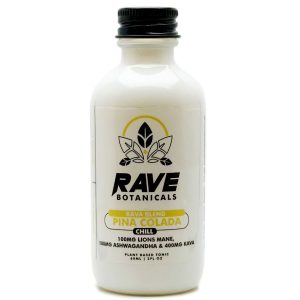 $11.99View options This product has multiple variants. The options may be chosen on the product page
-
 Price range: $5.89 through $29.99View options This product has multiple variants. The options may be chosen on the product page