Kava
What Is Kava? Effects, Uses, Risks, and Safety
Kava has been part of Pacific Island life for thousands of years, but it’s now showing up in supplement aisles, wellness blogs, and alcohol-free bars worldwide. Whether you’ve spotted kava capsules at your local health store or seen it on a café menu, you’re probably wondering what it actually does-and whether it’s safe. This guide…
Kava has been part of Pacific Island life for thousands of years, but it’s now showing up in supplement aisles, wellness blogs, and alcohol-free bars worldwide. Whether you’ve spotted kava capsules at your local health store or seen it on a café menu, you’re probably wondering what it actually does-and whether it’s safe. This guide breaks down everything you need to know about kava: its origins, how it works, what the research says, and how to use it responsibly.
Key Takeaways
- Kava (piper methysticum) is a traditional south pacific drink made from the root of a pepper family shrub, used for relaxation, ceremonies, and social bonding across the pacific islands.
- Kavalactones are the active compounds responsible for kava’s calming, muscle-relaxant, and mildly euphoric effects on the brain and body.
- Modern uses of kava kava include traditional beverages in pacific islander communities and dietary supplements marketed to relieve anxiety, ease stress, and improve sleep.
- Key safety concerns include potential liver toxicity, scaly skin changes with long term use, and increased risk of adverse effects when kava is mixed with alcohol or other drugs that depress the central nervous system.
- Regulatory bodies such as the FDA, the world health organization, and various national health agencies recommend moderate doses, water-based preparations, and medical consultation before taking kava-especially for people with existing health conditions or medications.
What Is Kava? (Quick Definition)
Kava is a plant native to the South Pacific Islands, where communities have consumed it as a calming beverage for millennia. Made from the kava root of the plant piper methysticum, it acts as a mild depressant-slowing signals between the brain and body to produce relaxation, reduced anxiety, and gentle sedation without causing classic physical dependence.
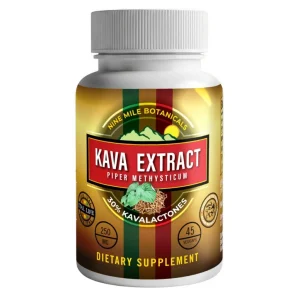
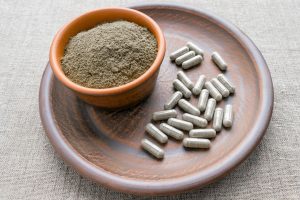
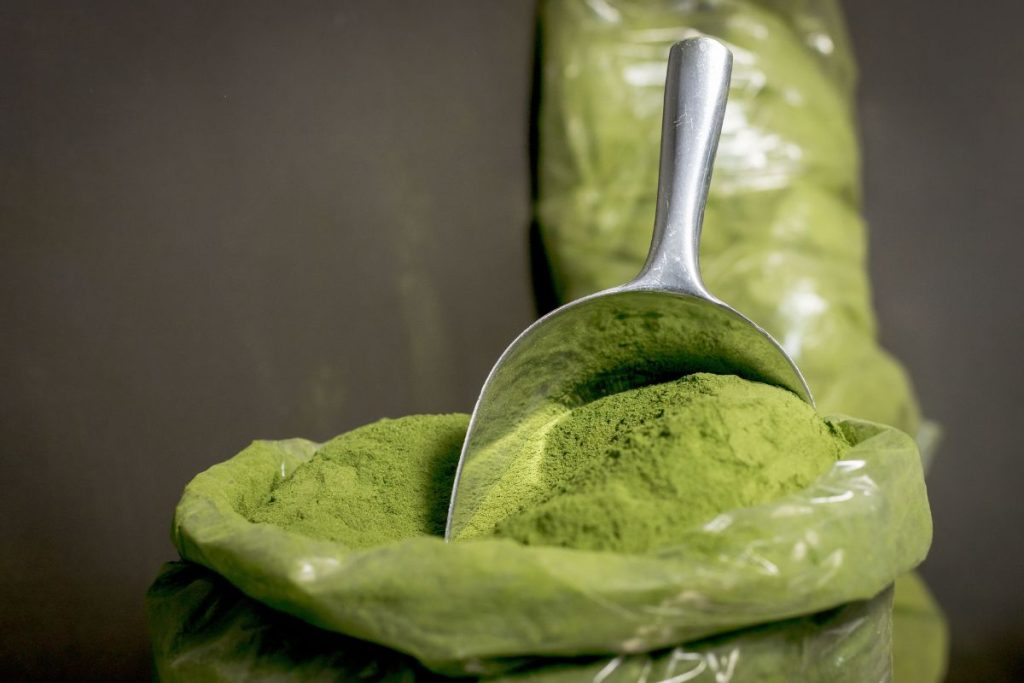
The names “kava,” “kava kava,” and regional terms like ‘awa (Hawaii), yaqona or grog (Fiji) all refer to drinks and products derived from the root or rhizome of this shrub. The active compounds in kava are called kavalactones, which drive its psychoactive properties. People consume kava as a traditional beverage, an herbal tea, and in concentrated forms such as capsules and kava extracts sold as dietary supplements. Kava comes in forms like extracts, capsules, and beverages, and it often produces a mild numbing sensation in the mouth upon drinking.
One important note from the outset: heavy kava use or certain extract types have been linked to adverse effects-particularly liver-related concerns-which are covered in detail below.
Origins, History, and Names of Kava
Kava has been cultivated and consumed for centuries across the pacific islands as both a social and ceremonial drink. It is a symbol of cultural identity in pacific islander communities, woven into rituals, governance, and daily life.
Botanically, the kava plant descends from its wild relative Piper wichmannii. Evidence points to Vanuatu as a center of early domestication, with Austronesian Lapita navigators spreading the plant across islands including Fiji, Tonga, Samoa, and Hawaii over roughly 2,000–3,000 years. The term “kava” likely derives from a Proto-Polynesian word meaning “bitter root,” reflecting both its sharp taste and psychoactive properties.
Common names include kava kava (general English), ‘awa (Hawaii), ‘ava (Samoa), yaqona or grog (Fiji), and sakau (Pohnpei)-over 40 vernacular names have been documented. Hundreds of cultivars exist, broadly categorized as “noble” versus “non-noble” varieties, each with distinct chemical profiles and typical effects. Traditional kava beverages are made from fresh or dried roots, typically harvested after about 3–5 years when kavalactone levels peak.
Botanical Profile: The Kava Plant
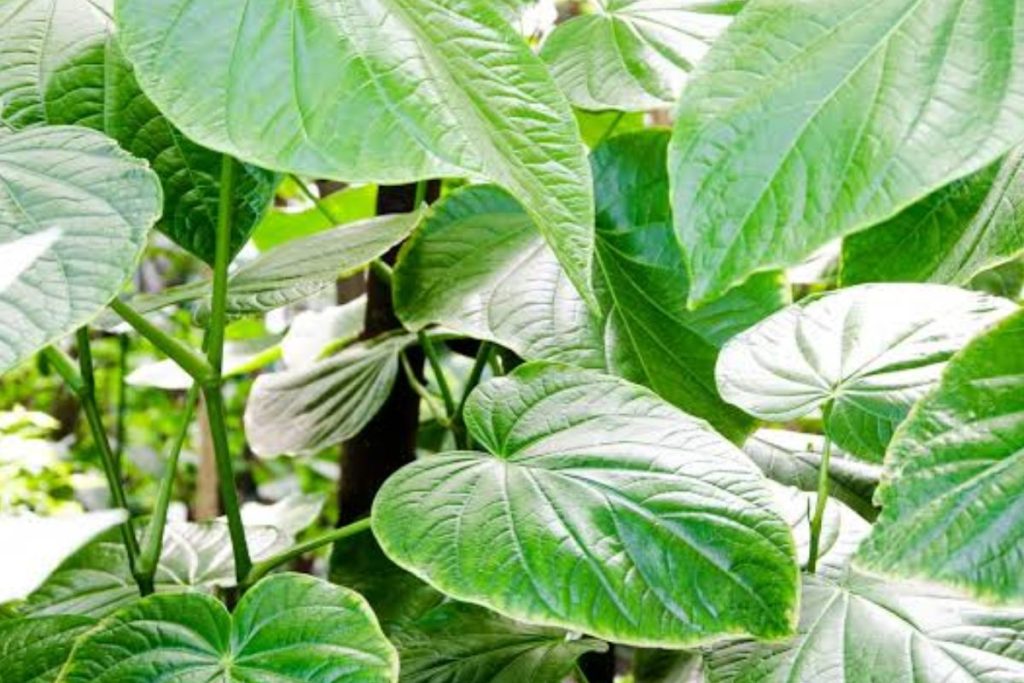
The kava plant, Piper methysticum G. Forster, is a perennial shrub in the pepper family (Piperaceae). It grows as a tall, upright bush with large heart-shaped leaves, thick jointed stems, and an underground rhizome with lateral roots used for kava production.
The rhizome and roots contain the major kavalactones-along with other constituents like flavokavins, flavonoids, and minor alkaloids that influence taste, potency, and safety. Traditional preparations use peeled root and rhizome only, while some modern industrial kava products have included stems or leaves, which may increase toxicity risk due to compounds like pipermethystine.
Kava does not reproduce via seeds in cultivation. Instead, cultivars are cloned from stem cuttings, producing consistent regional lineages and chemotypes. Noble kava cultivars are preferred for regular consumption because they deliver more favorable effects and fewer adverse reactions compared to non-noble or “tudei” varieties.
Traditional Use of Kava in the Pacific Islands
Kava sits at the center of cultural, social, and spiritual life across many Pacific Island societies. Its use extends far beyond a simple drink-it’s a vehicle for community connection, governance, and ceremony.
Traditional preparation involves pounding, chewing, or grinding fresh or dried kava root, mixing it with cold water or coconut milk, and straining the liquid through cloth into a communal bowl. Kava is traditionally consumed in communal settings across the Pacific, often in seated circles where participants share from a single serving vessel.
Kava is used in ceremonies to strengthen social ties and mark significant events. In Fiji, kava ceremonies accompany important social functions-chiefly gatherings, welcoming visitors, and resolving conflicts. In Samoa, the ‘ava ceremony reinforces status hierarchies and spiritual connections, while in Hawaii, ‘awa rituals historically facilitated communication with ancestors. Kava is used to resolve disputes and welcome visitors across many of these cultural practices.
In many Pacific communities today, kava use continues nightly in village settings and modern “kava bars,” blending centuries-old tradition with contemporary leisure. These gatherings remain a cornerstone of social identity and collective wellbeing.
Kava in Australia: Indigenous and Community Use
Kava was introduced to northern Australia in the 1980s, primarily among Aboriginal and Torres Strait Islander communities. It was initially promoted as a safer alternative to alcohol, aiming to reduce alcohol-related harm such as violence, accidents, and chronic disease in remote communities.
In practice, kava has been used socially in these communities through shared evening gatherings-seated circles where participants sip gradually, experiencing its sedative and muscle relaxation effects. Despite low evidence of classic physical dependence, heavy community consumption raised concerns about health impacts, finances, and reduced productivity.
Australian governments have responded with shifting regulations. Kava importation for food use in Australia requires a permit, though travelers can bring 4 kg of kava in accompanied baggage without one. More recent pilot schemes have allowed limited commercial sale of kava drinks, particularly under the Australian Government’s kava program, which restricts products to noble cultivar, aqueous preparations only.
Public health messaging in Australia emphasizes moderation, avoiding mixing kava with other drugs, and monitoring for adverse effects-particularly among communities with higher rates of consumption.
Modern Products and Uses of Kava Kava
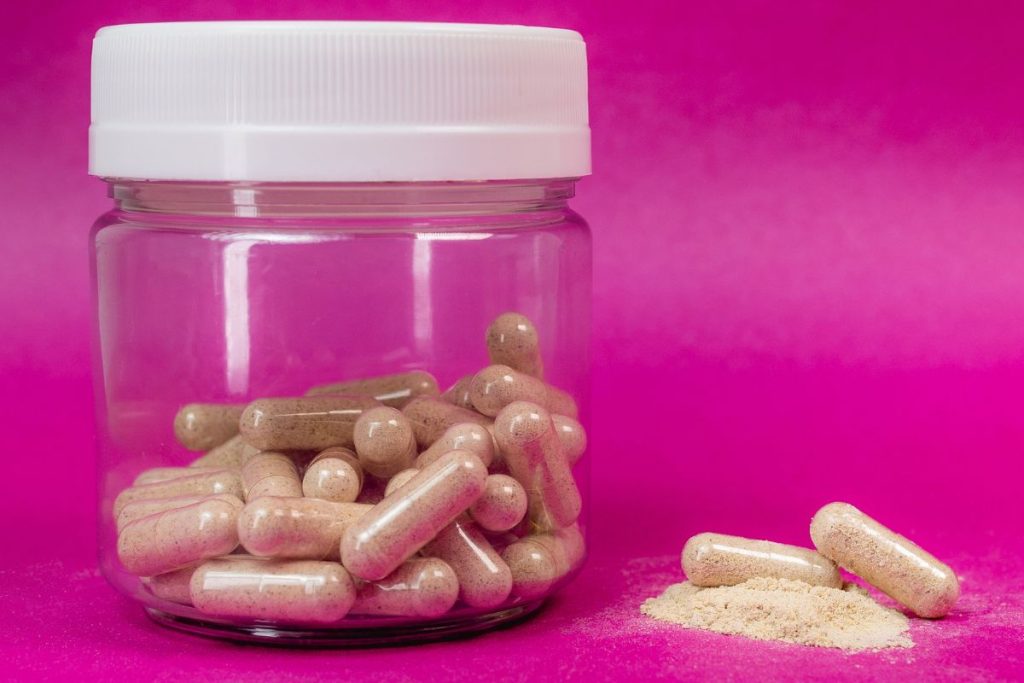
Beyond the Pacific, kava has entered global wellness markets in a range of product formats. Traditional water-based kava drinks contrast sharply with the capsules, tinctures, and standardized extracts now sold in Western health stores.
Common modern forms include:
- Standardized extract tablets and capsules
- Liquid tinctures (often solvent-based)
- Instant drink powders and freeze-dried root
- Concentrated pastes
- Kava bars serving water-based drinks as alcohol-free social alternatives
Kava extracts can be standardized with 30% to 90% kavalactones depending on the product. Kava is also available as over-the-counter tablets for anxiety in many countries, marketed for short term relief of mild anxiety, stress, muscle tension, and insomnia.
In the United States, kava containing dietary supplements are regulated as dietary supplements-not as approved prescription drugs-which limits the medical claims manufacturers can legally make. Health authorities, including the National Center for Complementary and Integrative Health (part of NIH’s complementary and integrative health programs), recognize kava’s traditional use and limited evidence for anxiety relief but caution about dosage, extract type, and duration of human consumption.
How Kava Works: Kavalactones and Effects on the Body
Kavalactones are the primary active compounds driving kava’s effects. Six major kavalactones dominate the pharmacological profile:
| Kavalactone | Key Role |
| Kavain | Anxiolytic, muscle relaxant |
| Dihydrokavain | Sedative, analgesic |
| Methysticin | Mild sedative |
| Dihydromethysticin | Sleep-promoting |
| Yangonin | Mood modulation |
| Desmethoxyyangonin | Dopamine-related effects |
Their ratios vary by cultivar and preparation method, which is why different kava products produce different experiences.
Kava acts as a natural anxiolytic by affecting neurotransmitters-primarily modulating GABA-A receptors (independent of the benzodiazepine binding site), influencing voltage-gated ion channels, and mildly affecting dopamine and norepinephrine reuptake. Kava has mild sedative effects and may ease stress through these overlapping mechanisms.
At moderate doses, typical short-term effects include mouth numbness, relaxation, reduced worry, increased sociability, mild euphoria, and muscle relaxation. Kava promotes relaxation without significant mental impairment at these lower doses. Users of kava may experience improved sleep and muscle relaxation as secondary benefits.
However, kava may impair cognitive function at higher doses. Stronger sedation, impaired coordination, slowed reflexes, and drowsiness can occur-making activities like driving unsafe. Individual responses vary with body weight, prior exposure, preparation strength, and cultivar type.
Health Benefits and Research on Anxiety, Sleep, and Mood
Research suggests kava may offer short-term relief for mild to moderate anxiety, but the evidence is limited and long-term safety remains uncertain.
Kava is used to manage anxiety and stress, and several clinical trials support modest benefit. The Kava Anxiety Depression Spectrum Study (n=60) found that 250 mg/day of kavalactones from an aqueous extract reduced Hamilton Anxiety Rating Scale scores by about 10 points versus near-zero with placebo over three weeks. A 2003 review found kava reduced anxiety compared to placebo, with meta-analyses suggesting roughly a 5-point improvement on HAM-A scales.
However, a larger 16-week phase III trial (n=171) using 240 mg/day of kavalactones for generalized anxiety disorders found no statistically significant improvement over placebo. Kava may reduce anxiety symptoms after several weeks of use in milder, situational contexts, but kava is not recommended for long term treatment of anxiety disorders.
Some trial participants also report improved sleep onset and quality, likely due to kava’s sedative and muscle-relaxant actions rather than direct sleep architecture changes. There is insufficient evidence to support kava for depression, bipolar disorder, or serious mental health conditions. The national center for complementary and integrative health does not endorse kava as a first-line treatment for anxiety disorders.
Anyone considering kava as an alternative to prescription anxiolytics or sleep medications should first consult a healthcare professional, especially if already taking other drugs.
Short-Term Effects, Long-Term Use, and Adverse Effects
There’s an important distinction between the desired acute effects of kava-relaxation, calm, reduced anxiety-and the less desirable side effects that can accompany its use.
Common short-term adverse effects (usually dose-related and transient):
- Dizziness and fatigue
- Gastrointestinal discomfort and nausea
- Headaches
- Mouth or tongue numbness
Potential side effects of kava include headache, dizziness, and upset stomach-generally resolving as effects wear off.
With regular heavy use, additional concerns emerge:
- Kava dermopathy occurs with heavy kava use, causing skin issues-a dry, scaly skin condition with rough, ichthyotic patches that typically reverses when intake is reduced
- Possible weight loss and appetite changes
- Red or irritated eyes and potential visual disturbances
- Mood swings in some individuals
Kava consumption over 240 grams of dried root weekly may cause adverse effects, according to public health assessments. Long term use of kava, particularly in large quantities, has been associated with cumulative health problems.
The most serious concern is liver damage. Long-term kava use may cause liver damage, and most reported severe cases have involved concentrated ethanolic or acetonic kava extracts rather than traditional water-based drinks. Public health reviews, including those by the world health organization and national drug control agencies, suggest that heavy consumption, non-root plant parts, contaminants, pre-existing liver disease, and interaction with other drugs may all contribute to increased risk of serious adverse effects.
Safety, Liver Toxicity, and Interactions with Other Drugs
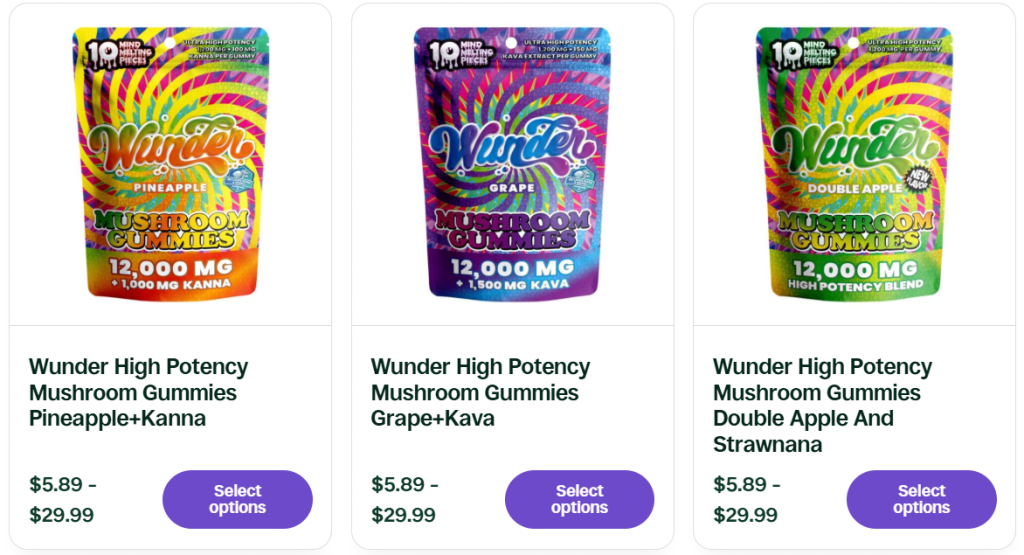
Kava’s most serious safety concern is potential kava hepatotoxicity-liver injury that has led some countries to ban or restrict kava-based pharmaceuticals.
At therapeutic doses, water-based kava extracts used for a few weeks in clinical settings rarely cause severe liver problems. But over 100 cases of severe liver toxicity related injuries have been reported globally, including liver failure requiring transplantation. Kava extracts can be hepatotoxic, especially alcoholic forms-solvent-based (ethanol or acetone) extracts concentrate both desired kavalactones and potentially harmful compounds like flavokavins and pipermethystine. The FDA warns kava may cause severe liver injury, and has issued an fda consumer advisory on this topic.
Key risk factors for liver toxicity:
- Mixing kava with alcohol, benzodiazepines, barbiturates, or other CNS depressants
- Pre-existing liver disease
- Using concentrated non-aqueous extracts
- Consuming stems or leaves rather than peeled root
Kava interacts with alcohol and other CNS depressants, compounding sedation and increasing risk. It can also interact with drugs metabolized by CYP450 enzymes, potentially altering levels of anticonvulsants, certain antidepressants, levodopa, and other medications.
Kava is not recommended for pregnant or breastfeeding individuals due to limited safety data. People with liver conditions or depression should generally avoid kava supplements.
Practical safety steps:
- Avoid mixing kava with alcohol and other drugs
- Stay within conservative dose guidelines
- Limit continuous use to short periods unless supervised by a clinician
- Seek medical evaluation if jaundice, dark urine, severe fatigue, or abdominal pain occur
Legal Status and Regulation of Kava
Kava’s legal status varies widely around the world. Here’s a snapshot of how different jurisdictions handle it:
| Jurisdiction | Status |
| United States | Sold as dietary supplements; kava is not approved as a drug by the FDA |
| Germany | Kava-based pharmaceutical preparations regulated as prescription drugs |
| United Kingdom | Kava is legal to possess for personal use |
| Australia | Permit required for food import; 4 kg personal limit; pilot commercial programs |
| Singapore | Kava is banned under the Poisons Act |
| Pacific Islands | Regulated exports, often restricted to noble cultivar root-only material |
In the U.S., the FDA has issued consumer advisories about rare but severe liver injury linked to some kava products, but kava remains available as a dietary supplement. In several European countries, kava-based pharmaceuticals were temporarily banned in the early 2000s due to hepatotoxicity concerns, with some regulations later modified.
In Australia, the government’s kava program allows limited commercial importation under strict criteria-noble root, aqueous suspension only. Pacific Island nations like Vanuatu regulate exports to protect consumer safety and cultural integrity. The food and agriculture organization and the agriculture organization within the united nations have also been involved in developing quality standards for kava trade.
Always check up-to-date national and regional regulations before purchasing, importing, or selling kava products. Rules can change and may distinguish between food, supplements, and medicinal products.
Practical Guidance: Dosing, Harm Reduction, and Responsible Use
There is no universally agreed “safe” dose of kava. Responsible kava use focuses on moderation, product quality, and self-monitoring.
Clinical trial dose ranges for anxiety relief typically fall between 140–250 mg total kavalactones per day. Heavy ceremonial or recreational drinking can deliver far higher intakes. When using kava supplements, start at lower doses and observe how your body responds.
Harm reduction tips:
- Use traditional water-based preparations from noble cultivars rather than unknown solvent extracts
- Avoid mixing kava with alcohol and other drugs
- Stay hydrated and eat before or after sessions
- Do not drive or operate machinery after consumption
- Take regular breaks from kava-avoid daily continuous use for long periods
- Keep intake well below thresholds associated with adverse effects
Evidence for physical dependence and withdrawal symptoms is minimal, but psychological habit formation can occur when kava is used excessively to cope with stress. A systematic review of available data supports the view that moderate, intermittent use carries the lowest risk profile.
If you experience persistent side effects, skin changes, or signs of liver strain, stop taking kava and seek medical advice. Anyone with a complex medication regimen should discuss potential interactions with a healthcare professional before starting kava. Animal studies and clinical data both suggest that integrative health approaches work best when kava is used as one component of a broader wellness plan-not as a standalone long term treatment.
Frequently Asked Questions About Kava
Is kava addictive or habit-forming?
Current evidence suggests kava does not produce classic physical dependence or strong withdrawal symptoms, unlike alcohol or benzodiazepines. However, some people may develop a psychological habit if they rely on kava daily to relax or cope with stress. Moderation and occasional breaks are recommended. If kava use begins to interfere with work, relationships, or mental health-even without physical withdrawal symptoms-consider seeking guidance from a healthcare provider. The alcohol research centre and national drug and drug control bodies have noted that while kava carries lower dependence risk than many sedative substances, problematic use patterns can still develop.
Can I use kava if I already take medication for anxiety or sleep?
Combining kava with prescription anxiolytics, sedatives, or sleep medications can increase sedation and may raise the risk of serious side effects, including breathing difficulties or extreme drowsiness. Kava may alter how the liver processes many drugs, potentially changing their blood levels and effectiveness. Anyone on psychiatric or sleep medications should consult their prescribing clinician or pharmacist before starting kava. Self-medicating with kava products alongside benzodiazepines, antidepressants, or other medications is strongly discouraged.
Is traditional kava from the Pacific Islands safer than kava pills?
Traditional water-based kava made from peeled roots of noble cultivars is generally considered lower risk than highly concentrated forms like solvent-based extracts or products made from stems and leaves. However, “safer” does not mean risk-free: heavy or long term use of traditional kava can still lead to health problems like kava dermopathy, weight loss, and potential liver strain. Choose reputable sources, ask about cultivar type and preparation methods, and use traditional drinks in moderation-especially if you have underlying health conditions. Many countries now regulate which plant parts and cultivar types can be sold for human consumption.
Can pregnant or breastfeeding people use kava?
Major health organizations and clinical guidelines generally advise against kava use during pregnancy and breastfeeding due to limited safety data and potential risks to the baby. Kava’s sedative and liver-related effects could theoretically affect fetal or infant development. Safer, better-studied options for anxiety and sleep should be discussed with a healthcare provider. Avoid kava products during pregnancy, while planning pregnancy, or while breastfeeding unless specifically directed otherwise by a qualified clinician.
How can I tell if I’m experiencing liver problems from kava?
Key warning signs of possible liver injury include:
- Yellowing of the skin or eyes (jaundice)
- Dark urine or pale stools
- Persistent nausea or vomiting
- Unusual fatigue
- Pain or swelling in the upper right abdomen
Stop using kava immediately and seek urgent medical evaluation if you develop these symptoms-especially if you have been consuming kava alongside alcohol or other medications. If you plan to use kava regularly, discuss baseline and follow-up liver function tests with your doctor, particularly if you already have liver risk factors or chronic conditions.
Mentioned in this guide
The exact products this article talks about.
-
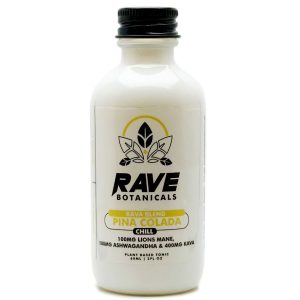 $11.99View options This product has multiple variants. The options may be chosen on the product page
-
 Price range: $5.89 through $29.99View options This product has multiple variants. The options may be chosen on the product page