Kava
Is Kava Kratom? Understanding the Key Differences Between These Plants
Kava and kratom are not the same thing. Despite their similar-sounding names and frequent appearance side by side in wellness shops and kava bars, these are completely different plants from different botanical families, different continents, and with fundamentally different effects on the central nervous system. Confusing them can lead to serious misunderstandings about safety, addiction…
Kava and kratom are not the same thing. Despite their similar-sounding names and frequent appearance side by side in wellness shops and kava bars, these are completely different plants from different botanical families, different continents, and with fundamentally different effects on the central nervous system. Confusing them can lead to serious misunderstandings about safety, addiction risk, health risks, and legal status.
Below is a detailed comparison of kava vs kratom for readers trying to understand the difference before using herbal supplements, as well as people weighing concerns related to chronic pain, mental health, substance use, or recovery. It covers their origins, active compounds, mechanisms of action, user experiences, safety concerns, addiction potential, and legality so you can judge which risks, effects, and restrictions apply to each.
Is Kava Kratom: The Direct Answer
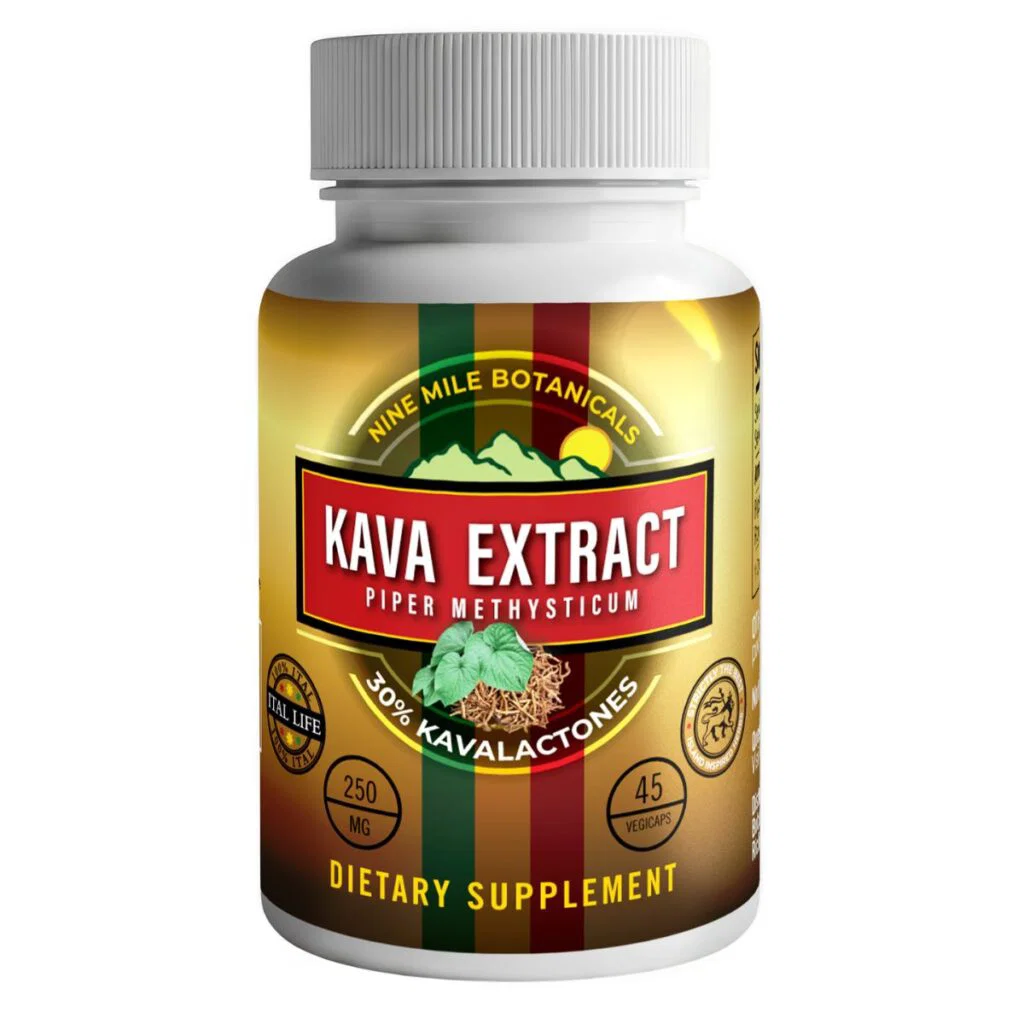
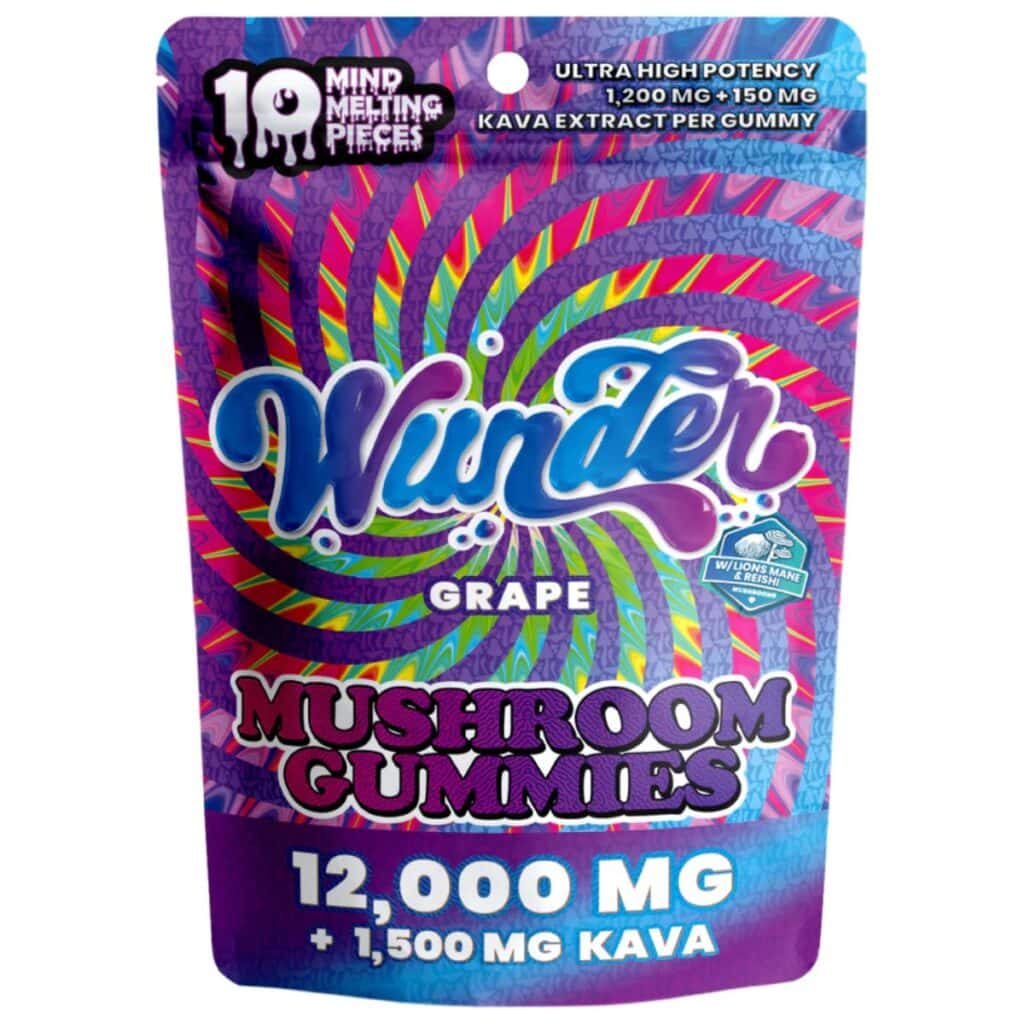
No. Kava and kratom are entirely unrelated plants. Kava is derived from the root of Piper methysticum, a plant native to the South Pacific Islands and a member of the pepper family, while kratom derives from Mitragyna speciosa, a tree native to Southeast Asia that belongs to the coffee family.
The confusion stems from their similar names, the fact that both are psychoactive plants with psychoactive effects commonly sought for relaxation or mood changes, and the reality that many vendors sell both kava and kratom in the same retail spaces. But comparing kava kratom is like comparing chamomile to codeine – superficial similarities mask profound differences in how these substances interact with your brain and body.
Plant Origins and Botanical Differences
Understanding where these plants come from and how they’ve been used historically reveals just how different kava vs kratom really is.
Kava: Pacific Island Heritage
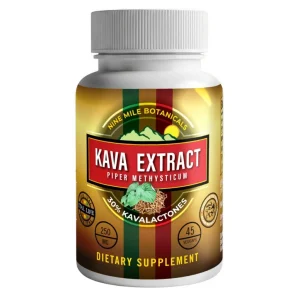
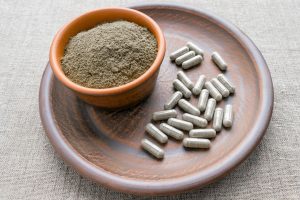
The kava plant is native to Fiji, Vanuatu, Samoa, Tonga, and other South Pacific island nations. It has been traditionally consumed in ceremonial and social settings for thousands of years across Polynesian cultures. The psychoactive portion is the root, or rhizome, which is harvested, ground, and mixed with water to produce a communal beverage.
Kava is traditionally consumed as a beverage made from its root – a murky, earthy drink with a slightly bitter taste and peppery finish. The preparation is central to conflict resolution, welcoming guests, spiritual rituals, and everyday social gatherings throughout the Pacific.
Kratom: Southeast Asian Origins
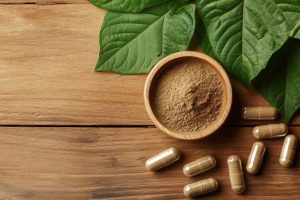
Kratom is a tree native to Southeast Asia – specifically Thailand, Malaysia, Indonesia, and Myanmar. Unlike kava’s root-based preparation, kratom uses the leaves of Mitragyna speciosa, which are traditionally chewed fresh or brewed into tea.
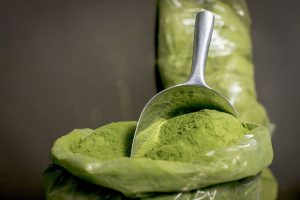
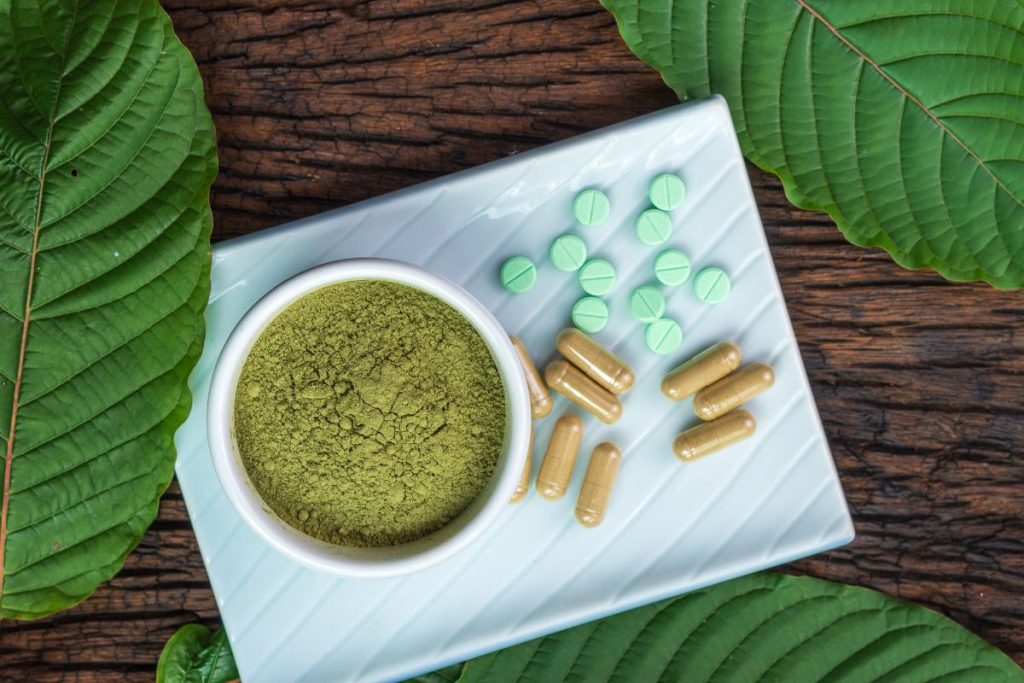
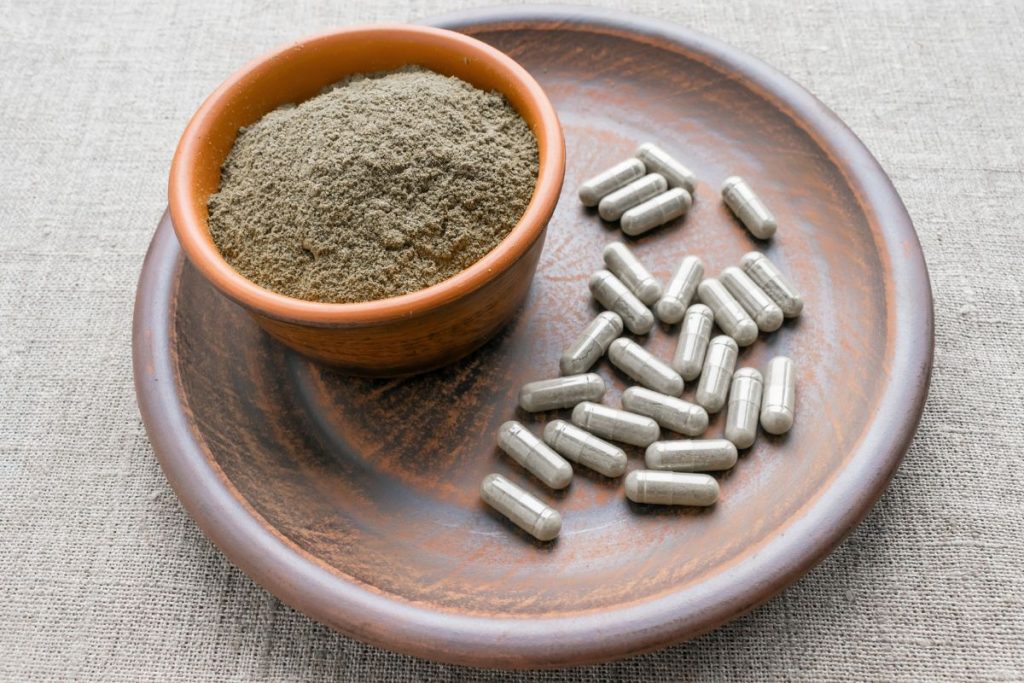
Historically, kratom was used by laborers and agricultural workers to combat fatigue and increase productivity during long working days. It was also used in traditional medicine for pain relief, diarrhea, and fever. When dried and ground, the leaves produce a green to earthy-brown powder – visually and functionally distinct from kava in every way.
Active Compounds and Mechanisms of Action
The active compounds in each plant target completely different pathways in the brain, which is why lumping kava and kratom together is fundamentally misleading.
Kava’s Kavalactones
Kava contains kavalactones – at least 15–18 have been identified, with six major kavalactones (kavain, dihydrokavain, methysticin, dihydromethysticin, yangonin, and desmethoxyyangonin) accounting for roughly 96% of the psychoactive resin fraction. Kava contains kavalactones that promote relaxation and are associated with calming effects through a specific mechanism: they act as positive allosteric modulators of GABA_A receptors, enhancing inhibitory neurotransmission.
Kava promotes relaxation through interaction with neurotransmitters like GABA – the same system targeted by anti-anxiety medications, which may help reduce anxiety. Critically, kava does not interact with opioid receptors. Additional actions include inhibition of voltage-gated sodium and calcium channels and reversible inhibition of monoamine oxidase B. Effects onset gradually over 15–30 minutes and typically last 3–6 hours.
Kratom’s Alkaloids
Kratom contains mitragynine, affecting opioid receptors, along with its more potent oxidized metabolite 7-hydroxymitragynine (7-OH). Unlike kava, kratom acts on mu-opioid and delta-opioid receptors – the same receptor systems activated by morphine and other opioid drugs. This is one of the clearest ways kratom differ from kava, because that receptor activity creates a very different risk profile even though both are plant-derived products.
Kratom has dose-dependent effects. At low doses, it produces stimulant-like energy through adrenergic and serotonergic activity. At higher doses, kratom acts as a sedative and analgesic, producing opioid like effects including euphoria and significant pain management. Kratom’s effects can mimic those of opioids, which is why it carries fundamentally different risks than kava. Effects vary widely from 2–8 hours depending on dose, strain, and preparation method.
Effects and User Experience Differences

When comparing kava vs kratom from a user-experience perspective, the differences are stark – particularly regarding tolerance, dependence, and withdrawal.
Kava Experience Profile
Is kava addictive? Kava is generally not considered addictive in the same way as opioids or stimulants, and its effects are usually calming and sedating. Users report consistent anxiolytic effects – reduced anxiety, increased sociability, mild muscle relaxation, and mental clarity that remains largely intact. There is no stimulating phase and no opioid-like euphoria.
Kava is not typically considered physically addictive. Tolerance development with occasional use is minimal, and physical dependence is rare. Some psychological reliance is possible with habitual use, but the World Health Organization and NCCIH indicate that addiction risk is low when kava is used in moderation. There is no documented opioid withdrawal-like syndrome associated with stopping kava.
Kratom Experience Profile
Kratom produces biphasic effects: kratom can produce stimulant effects at low doses (1–3 grams), while at 5+ grams it becomes sedating and analgesic with pronounced opioid like effects. This dose-dependent profile makes kratom’s effects far less predictable than kava’s.
Kratom has a high risk of dependence and addiction. Kratom can lead to addiction and physical dependence, with regular kratom users frequently developing tolerance that requires dose increases. A Malaysian study of 293 regular users found that over 50% developed severe dependence. Kratom withdrawal symptoms can resemble those of opioids – muscle aches, insomnia, gastrointestinal distress, and mood disturbances. Kratom can lead to dependence and withdrawal symptoms that scale with usage frequency and dose.
Safety Profiles and Health Concerns
Neither kava nor kratom is completely risk free. However, their documented risks differ dramatically in nature and severity.
Kava Safety Considerations
The primary safety concern with kava is liver toxicity. Kava is linked to potential liver damage with heavy use – since 1999, cases of severe liver injury, including some requiring transplantation, have been associated with kava products. A 2025 case report documented a 46-year-old man consuming 10 grams daily for five weeks who developed profound liver enzyme elevations and hepatocellular necrosis. Kava can cause severe liver damage in some cases, though the estimated frequency remains below 1 per million daily doses. Kratom kava comparisons can be misleading because kava’s main long-term concern is liver toxicity rather than opioid-style dependence.
Other adverse effects include:
- Kava dermopathy – scaly, dry skin changes with chronic heavy use. Kava has been linked to kava dermopathy with chronic use.
- Gastrointestinal upset and dizziness
- Drug interactions – kavalactones inhibit cytochrome P450 enzymes, creating interactions with prescription medications metabolized through the same liver pathways
- Kava may interact negatively with alcohol and liver-impacting substances
Quality control matters significantly. Solvent-based extracts and products using stem or leaf material rather than root may concentrate toxic compounds, increasing liver injury risk compared to traditional aqueous preparations.
Kratom Safety Considerations
Kratom’s safety concerns center on addiction risk and acute toxicity rather than organ damage:
- Dependence and withdrawal: Kratom can lead to dependence and withdrawal symptoms including muscle aches, insomnia, diarrhea, agitation, and mood disturbances. These opioid withdrawal symptoms can be severe with heavy, prolonged use, and problematic use can overlap with broader substance use concerns.
- Respiratory depression: Unlike kava, kratom carries risk of respiratory depression, especially when combined with other substances like alcohol, benzodiazepines, or prescription drugs.
- Contamination: Documented risks include heavy metal contamination, salmonella outbreaks, and adulteration with synthetic opioids or concentrated 7-hydroxymitragynine.
- Other health concerns: Cardiovascular effects (tachycardia, hypertension), seizures in extreme cases, and neonatal abstinence syndrome with in utero exposure.
Repeated kratom misuse may contribute to patterns of drug abuse, especially when used alongside other substances.
The FDA has issued warnings regarding kratom’s potential risks and lack of approval for medical use, specifically cautioning against kratom use for any medical purpose without medical oversight.
Legal Status and Regulatory Differences
The legal landscape reflects how differently authorities view these two plant based supplements.
Kava is legal at the federal level in the US and is sold as a dietary supplement. While several European countries imposed bans or restrictions in the early 2000s following liver toxicity reports, many have since modified those restrictions, particularly for traditional water-based preparations. Kava products remain widely available in the United States, though the FDA has noted kava is not “generally recognized as safe” for use in conventional foods.
Kratom is legal at the federal level in the United States but illegal in several states and municipalities. Kratom is not approved as a dietary supplement by the FDA and has no approved medical use. Kratom’s legal status varies by state and locality – kratom is banned in some states in the US, while roughly 22 states have enacted regulatory frameworks covering labeling, manufacturing standards, and age restrictions. Recent regulatory trends increasingly target concentrated alkaloid products, particularly those containing high levels of 7-hydroxymitragynine. Kratom is not classified as a controlled substance at the federal level, but ongoing reviews by the WHO and UN continue to assess its status internationally.
Why the Confusion Exists
Several factors drive the persistent conflation of kava and kratom:
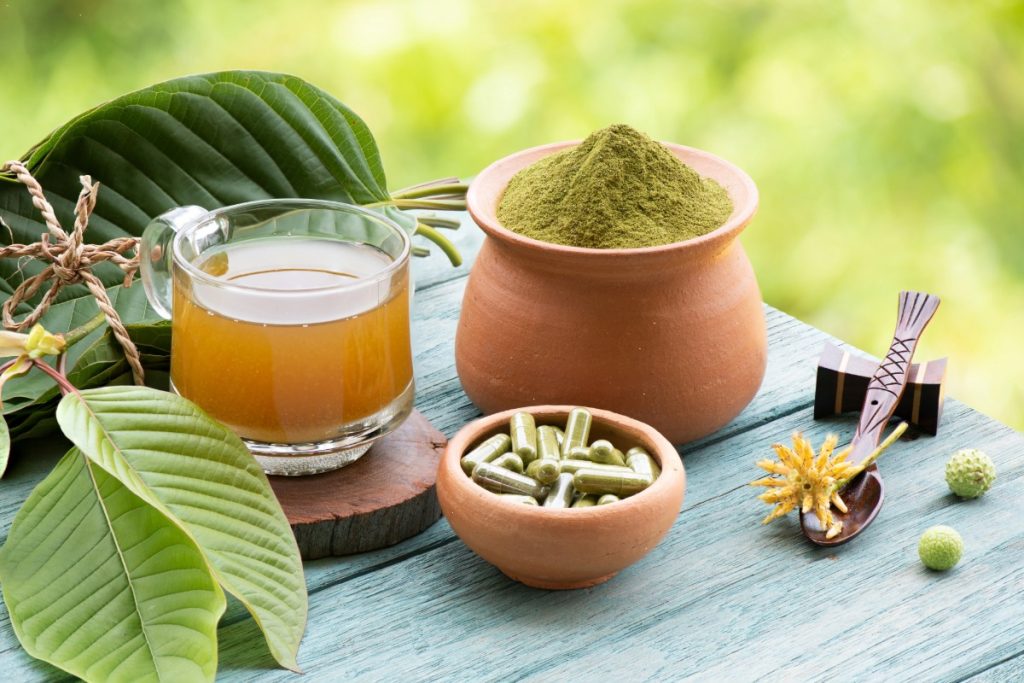
- Shared retail spaces: Both are commonly consumed and sold in kava bars, herbal shops, and online supplement stores, often side by side on the same shelves.
- Similar marketing language: Both are promoted as a natural alternative to alcohol or prescription drugs, labeled as “herbal relaxants” or plant based supplements consumed for stress relief.
- Overlapping user communities: People seeking alternatives to over the counter medications or looking to treat anxiety and reduce stress may encounter both substances through the same channels.
- Media grouping: Coverage frequently lumps both kava and kratom together as “legal highs” or “herbal drugs,” failing to distinguish kava’s GABAergic profile from kratom’s opioid receptor activity.
- Surface-level effect overlap: Both can promote relaxation, which makes casual observers assume they work the same way – when in reality, their mechanisms and risk profiles are entirely different.
Is Kava Kratom: Final Verdict
Kava and kratom are definitively not the same substance. They differ in every meaningful dimension:
| Factor | Kava | Kratom |
| Plant family | Pepper family (Piperaceae) | Coffee family (Rubiaceae) |
| Region | South Pacific Islands | Southeast Asia |
| Part used | Root | Leaves |
| Primary mechanism | GABA modulation | Opioid receptor binding |
| Addiction risk | Low | High |
| Primary health concern | Liver damage | Dependence and withdrawal |
| US legal status | Legal, sold as dietary supplement | Legal federally, banned in some states |
Kratom may be used for managing chronic pain and kratom may help treat opioid withdrawal symptoms, but it carries substantial kratom addiction potential and should not be approached casually or used as a substitute for addiction treatment when dependency concerns are present. Kava can reduce substance cravings during addiction recovery and has documented anti anxiety effects, but liver health must be monitored with regular use, and combining kava with alcohol or hepatotoxic substances increases risk. Severe dependence may also require medical detox under professional supervision.
Neither kava nor kratom should be treated as interchangeable. Understanding how these substances differ – in their active compounds, their effects on the central nervous system, their safety profiles, and their addiction potential – is essential for anyone considering their use. For individuals dealing with substance abuse, substance use concerns, chronic pain, or mental health challenges, consulting a healthcare provider before using either substance remains the safest course of action, particularly when other substances or prescription medications are involved.
Mentioned in this guide
The exact products this article talks about.
-
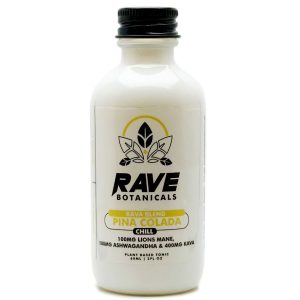 $11.99View options This product has multiple variants. The options may be chosen on the product page
-
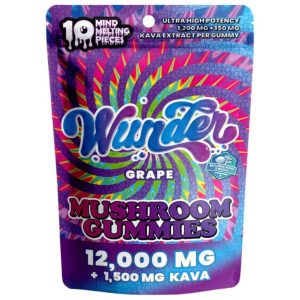 Price range: $5.89 through $29.99View options This product has multiple variants. The options may be chosen on the product page