Kanna
What Is Kanna? A Complete Guide to This South African Mood Herb
Kanna has quietly moved from an indigenous South African tradition into the global supplement spotlight. If you have been seeing it pop up in wellness shops, social media, or nootropic stacks and wondering what it actually is, this guide breaks down everything you need to know-from the plant’s deep roots to the science behind it…
Kanna has quietly moved from an indigenous South African tradition into the global supplement spotlight. If you have been seeing it pop up in wellness shops, social media, or nootropic stacks and wondering what it actually is, this guide breaks down everything you need to know-from the plant’s deep roots to the science behind it and how to use it responsibly.
Key Takeaways
- Kanna is a succulent plant native to South Africa, scientifically known as Sceletium tortuosum. It is traditionally used by South Africa’s Khoisan people and is now sold worldwide in various forms of dietary supplements and kanna extract products.
- Kanna is reported to improve mood and decrease anxiety. Its potential benefits for stress, anxiety symptoms, and cognitive function come primarily from small clinical trials using standardized extracts like Zembrin, not from large-scale research.
- Kanna’s effects are generally calming and mildly uplifting-not strongly intoxicating. It contains no THC and should not be confused with a party drug, though recreational use does occur.
- Evidence is still limited. More research is needed before kanna can be considered a proven treatment for depression symptoms, anxiety disorders, or brain disorders.
- Safety matters: mixing kanna with serotonin reuptake inhibitors, MAO inhibitors, or St. John’s wort carries real risk. Always consult a health professional before taking kanna, especially alongside prescription medications.
What Is Kanna?

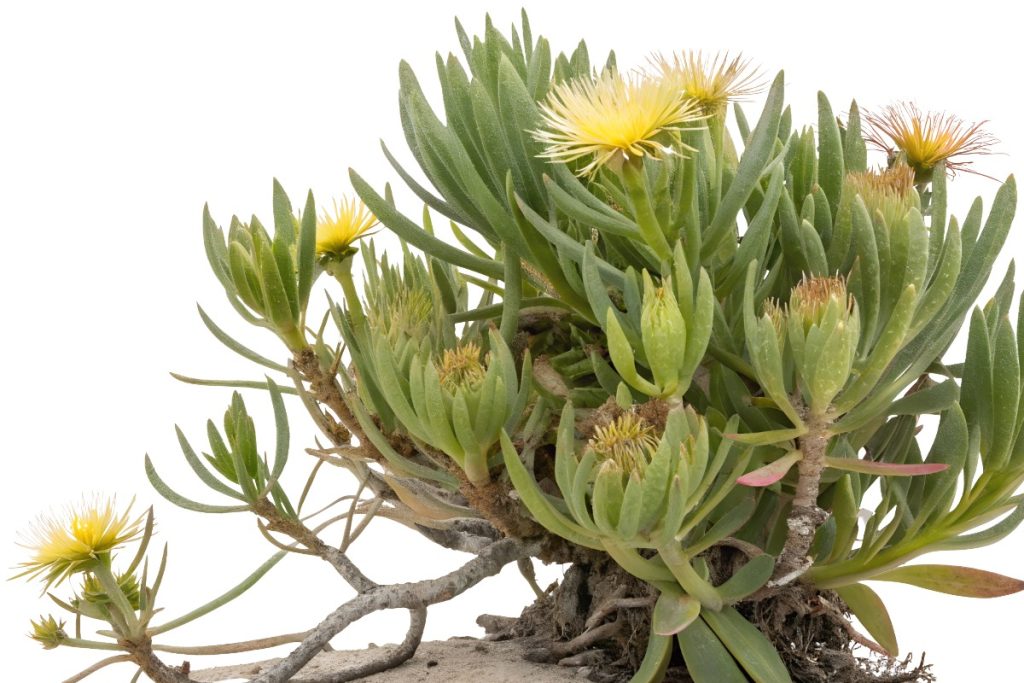
Kanna is the common name for Sceletium tortuosum, a low-growing succulent plant native to South Africa’s semi-desert Karoo and Namaqualand regions. You may also see it labeled as kougoed (Afrikaans for “chewable thing”), channa, or under its older botanical synonym Mesembryanthemum tortuosum. Kanna is also known as kougoed in South Africa, and pronunciation is typically “KAN-uh.”
Traditional use by Khoisan communities focused on mood support, emotional resilience, and social connection-not just recreation. In modern markets, kanna is usually sold as a dietary supplement in capsules, tablets, teas, powders, gummies, vapes, or tinctures rather than a regulated medicine. Most commercial kanna extract products standardize specific alkaloids thought to drive kanna’s effects on mood and stress, with Zembrin being among the most recognized proprietary extract Sceletium tortuosum brands.
Botanical Background and Traditional Use
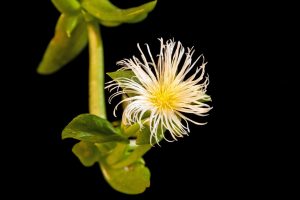
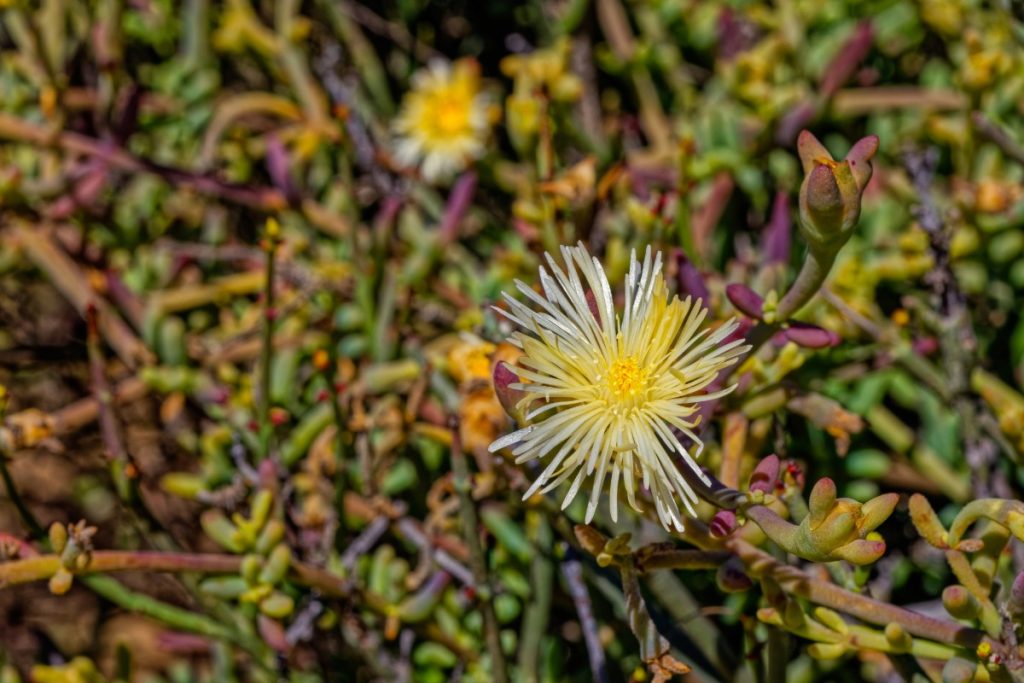
Sceletium tortuosum is a small perennial succulent with creeping stems, fleshy overlapping leaves, and delicate star-shaped flowers ranging from white to light pink. It thrives in the arid regions of South Africa.
The first European written reference to kanna dates to 1662, when Dutch settler Jan van Riebeeck described indigenous trade in a prized plant material. Kanna has been traditionally used to manage stress, anxiety, and fatigue for centuries. Kanna was used to relieve thirst and improve healing during long treks, and it was consumed as ground-up fermented plant matter called kougoed. Kanna has been used to alleviate tension and promote social ease at gatherings.
Traditional preparations involved fermenting aerial parts of the kanna plant for 3–8 days, then drying and crushing the material. Traditionally, kanna served social and spiritual purposes-easing fear, supporting contemplation during rituals, and reducing fatigue on journeys. This community-based, occasional use stands in contrast to today’s individualized, daily supplement consumption, a shift that matters for understanding both safety and context.
Kanna’s Active Compounds and Serotonin Reuptake Inhibitors: How They Work
The biological and pharmaceutical properties of kanna stem from its alkaloids. At least 25 have been identified, with mesembrine, mesembrenone, mesembrenol, and tortuosamine being the most studied molecules.
At a high level, these compounds appear to act mainly as serotonin reuptake inhibitors-blocking the reabsorption of serotonin in the brain, which can influence mood and stress response. Some standardized extracts also inhibit phosphodiesterase-4 (PDE-4), a pathway linked to cognition and emotional regulation through cAMP signaling.
Zembrin is a widely researched kanna supplement. Most mechanistic evidence comes from lab and animal studies plus a handful of human trials with this extract sceletium tortuosum formulation, not raw plant chews. The pharmaceutical properties of individual alkaloids and their interactions in whole-plant preparations are not yet fully understood-mechanisms are promising but the science is far from settled.
Kanna’s Effects: What People Typically Feel
Kanna’s effects vary widely by dose, product type, and individual sensitivity. At low to moderate doses (around 25 mg of standardized kanna extract), common reports include:
- Relaxed body and calmer mood
- Reduced social anxiety and a sense of emotional “softening”
- Subtle mood lift without heavy sedation
- Improved focus under stress
Kanna can promote relaxation and reduce feelings of stress at these doses. At higher amounts, some users report more pronounced euphoria or emotional openness, while sensitive individuals may experience nausea, increased anxiety, or overstimulation. The “party drug” framing sometimes applied to kanna does not reflect its traditional use or typical effects.
Kanna contains no THC and does not produce strong visual tracking distortions or hallucinations. It is mildly psychoactive-more comparable to a calming herbal remedy than to substances like MDMA. In studies, noticeable shifts appear within 30–120 minutes depending on form, with effects lasting a few hours.
Potential Benefits and Current Research
Research suggests kanna may offer several potential benefits, but the evidence base remains small. Here is where things stand:
Stress and anxiety: A placebo controlled trial using Zembrin (25 mg/day) in healthy adults showed modest reductions in self-reported stress reactivity. A separate fMRI study of 16 healthy individuals found that a single 25 mg dose reduced amygdala reactivity to fear stimuli. A study found Zembrin reduced anxiety symptoms in participants in these controlled settings.
Cognitive function: Kanna may enhance cognitive function in small studies. In a double blind crossover trial of 21 cognitively healthy subjects (mean age ~54), 25 mg/day of Sceletium tortuosum supplementation for three weeks improved executive function and cognitive flexibility. These cognition effects are promising but product-specific.
Other suggested benefits: Pre clinical and lab work point to anti-inflammatory, antioxidant, and antimicrobial clinical activities, though none have been confirmed in human settings. Kanna may help treat early stages of Alzheimer’s disease based on its PDE-4 mechanism, but this remains speculative.
A 2021 review found no conclusive clinical proof for anxiety reduction in patient populations. No meta analysis has yet confirmed kanna as an effective treatment for major depression or anxiety disorders. Compared to John’s wort, which has multiple large-scale trials for depression, kanna has far less clinical data and regulatory scrutiny.
Forms of Kanna and How People Use It
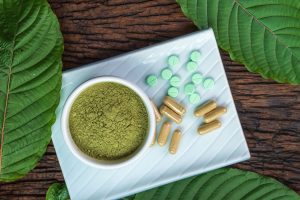
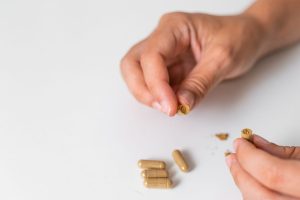
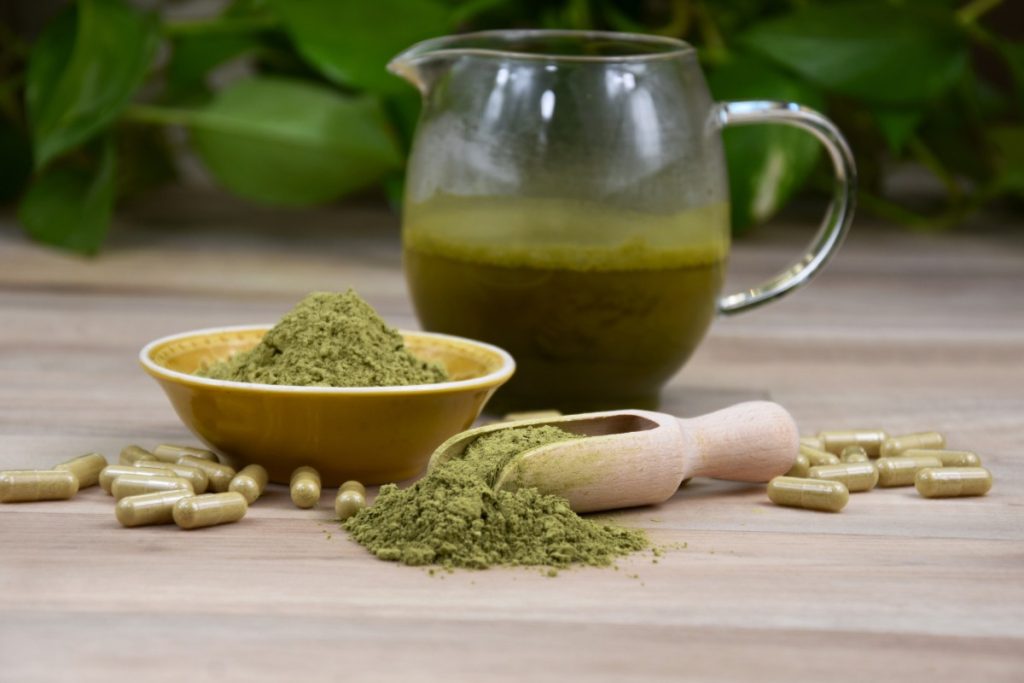
Modern consumers mostly encounter kanna as branded kanna supplements in standardized forms. Kanna is available as extracts, teas, and supplements. Kanna can be found in powdered, gummy, and liquid forms. Kanna leaves can be made into juices or teas. Kanna can be chewed, brewed, or taken as capsules.
| Format | Typical Use | Dosing Precision |
| Standardized capsules (e.g., Zembrin) | Daily supplement | High |
| Powders and tinctures | Mixed into drinks | Moderate |
| Gummies | Convenient daily use | Moderate |
| Traditional kougoed (fermented) | Chewed or smoked | Low |
| Vapes | Rapid onset | Low, unstudied |
Most human trials used 25 mg/day of standardized extract for various purposes over several weeks. Traditional preparations differ significantly-fermented, dried plant material with less precise dosing and stronger taste but deep cultural roots.
Start with the lowest suggested dose on a reputable product, avoid stacking with other supplements, and limit use to durations commonly studied (about 6 weeks without medical guidance). Kanna’s legal status varies-in the U.S., Canada, and much of Europe, it is sold as a supplement and not an approved medicine.
Safety, Side Effects, and Interactions

Safety data for kanna remain limited, especially for long-term or high-dose use. A three-month study of 37 healthy adults found both 8 mg and 25 mg daily doses of Zembrin well tolerated, with no significant changes in ECG, biochemistry, or hematology. But kanna’s side effects are not well defined or understood beyond these short windows.
Common mild side effects include:
- Headache
- Gastrointestinal discomfort
- Sleep changes
- Slight jaw tension or nausea
Kanna may cause stomach pains if overdosed. More seriously, mixing kanna with MAO inhibitors can lead to serotonin syndrome. The same theoretical risk applies when combining kanna with SSRIs, SNRIs, tricyclic antidepressants, certain migraine medications, or serotonergic herbs like St. John’s wort.
People who are pregnant, breastfeeding, under 18, have bipolar disorder, psychosis history, cardiovascular issues, or substance use disorder should avoid kanna unless closely supervised by a clinician.
Kanna is not approved by the FDA for safety or effectiveness. Long-term kanna use may reduce its effectiveness, and many practitioners recommend cycling (several weeks on, then a break). Synthetic compounds like hordenine and ephedrine have been found in some kanna products, underscoring the importance of third-party testing. Watch for agitation, rapid heart rate, high fever, or confusion-seek urgent help if you suspect serotonin syndrome.
Kanna vs. Other Mood-Support Supplements
How does kanna compare to other ingredients in the alternative and complementary medicine space?
| Supplement | Evidence Base | Key Mechanism | Psychoactivity |
| Kanna | Small trials, healthy adults | SRI, PDE-4 inhibition | Noticeable, acute |
| St. John’s wort | Large meta analyses, clinical populations | Multiple (MAO, SRI) | Mild |
| Ashwagandha | Moderate trial base | Adaptogenic, cortisol modulation | Subtle |
| Rhodiola | Moderate trial base | Adaptogenic, fatigue reduction | Subtle |
Unlike synthetic antidepressants, kanna supplements are not standardized medicines-doses are not medically optimized, and ergogenic effects or strength and conditioning research applications are virtually unstudied in recreationally trained men or athletes. Complementary medicine approaches like therapy, sleep hygiene, exercise, and social support should remain foundational. Kanna and other supplements are optional adjuncts, not replacements for mental health care.
How to Choose and Use Kanna Responsibly
If you decide to try taking kanna, these steps minimize risk:
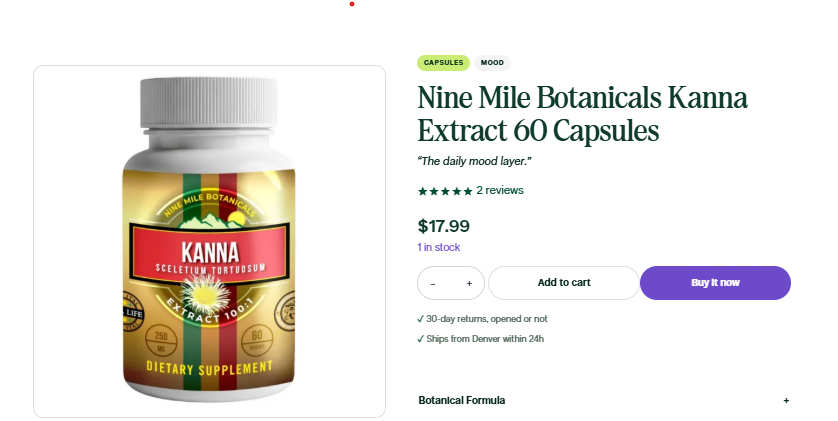
- Look for third-party tested products with clear labeling of Sceletium tortuosum and standardized alkaloid content. Avoid products with other ingredients that lack transparency or make unsupported claims.
- Start with a low-dose, single-ingredient kanna extract before experimenting with multi-herb blends containing stimulants or other mood-active substances.
- Keep a simple mood and side-effect diary for the first 1–2 weeks to track how kanna affects your well being, sleep, fatigue, and any symptoms.
- Never stop prescription medications or replace professional mental health care with kanna or any all natural supplement without medical supervision.
A registered clinical trial (NCT05471804) is currently studying 8-week Zembrin supplementation, which may provide stronger evidence soon. Until then, a conservative, informed approach is the most beneficial path.
FAQ
Is kanna legal where I live?
Kanna is typically sold as a dietary supplement or ethnobotanical in the U.S. and many European countries, but regulations can change. Some jurisdictions restrict import or sale of potent extracts. Check local regulations or consult a legal or health professional before purchasing or traveling with kanna products.
Can I take kanna with my antidepressant or anti-anxiety medication?
Combining kanna with prescription antidepressants or other serotonin-active drugs (SSRIs, SNRIs, MAOIs, tricyclics, some migraine medications) may raise the risk of serotonin syndrome. Do not mix kanna with these medications-or with serotonergic herbs like St. John’s wort-unless your prescribing clinician explicitly approves and monitors you.
How long does kanna stay in your system, and will it show up on a drug test?
Precise human pharmacokinetic data are limited, but subjective effects usually last a few hours. Kanna is not screened for on standard employment or insurance drug panels. Specialized testing could theoretically detect kanna alkaloids, but this is uncommon. If you work in a safety-sensitive role or competitive sports, check with your employer or governing body.
Is kanna safe for long-term daily use?
Long-term safety data beyond several weeks of controlled studies are lacking, so continuous daily use for months cannot be assumed safe. If a clinician approves kanna, most experts favor short-term or intermittent use with regular re-evaluation rather than indefinite daily dosing.
Can I grow kanna at home instead of buying supplements?
Kanna can be grown as a succulent in warm, dry climates or indoors under strong light. However, potency depends heavily on species, soil, climate, and preparation methods. Homegrown kanna carries the same interaction and safety concerns as commercial products, and accurately dosing self-prepared material is difficult. Medical guidance remains important even with DIY sources.
Mentioned in this guide
The exact products this article talks about.
-
 $14.99View options This product has multiple variants. The options may be chosen on the product page
-
 $29.99 Up to 10% offView options This product has multiple variants. The options may be chosen on the product page
-
 $29.99 Up to 10% offView options This product has multiple variants. The options may be chosen on the product page