Kanna
Is Kanna Legal? A 2026 Guide to Laws, Supplements, and Safety
Kanna is increasingly popular in the world of modern wellness, showing up in everything from capsules to functional beverages. But is kanna legal where you live, work, or travel? That’s a fair question – and the short answer is more nuanced than a simple yes or no. This guide breaks down the legal status, regulatory…
Kanna is increasingly popular in the world of modern wellness, showing up in everything from capsules to functional beverages. But is kanna legal where you live, work, or travel? That’s a fair question – and the short answer is more nuanced than a simple yes or no. This guide breaks down the legal status, regulatory rules, safety profile, and practical buying advice you need as of July 2026.
Key Takeaways
Before diving into details, here are the core points:
- Kanna is not a controlled substance under U.S. federal law. As of July 10, 2026, neither sceletium tortuosum nor its mesembrine alkaloids appear in the Controlled Substances Act.
- Most U.S. states allow kanna for personal use and sale. It is classified as a dietary supplement in the U.S., but Louisiana restricts kanna under its hallucinogenic plant laws – making it a notable exception.
- International rules vary significantly. Kanna is commonly sold as a botanical remedy or wellness product in many countries, but kanna’s legal status depends on how it is marketed and what local laws say about novel ingredients.
- Legality does not equal safety. Kanna has limited information available about its safety, and mixing kanna with other substances – especially selective serotonin reuptake inhibitors and other serotonergic drugs – carries real risk.
- Laws are evolving. Stay informed by checking current state regulations and international rules before purchasing or traveling with kanna products.
What Is Kanna and Why Its Legal Status Matters
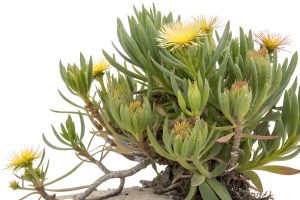
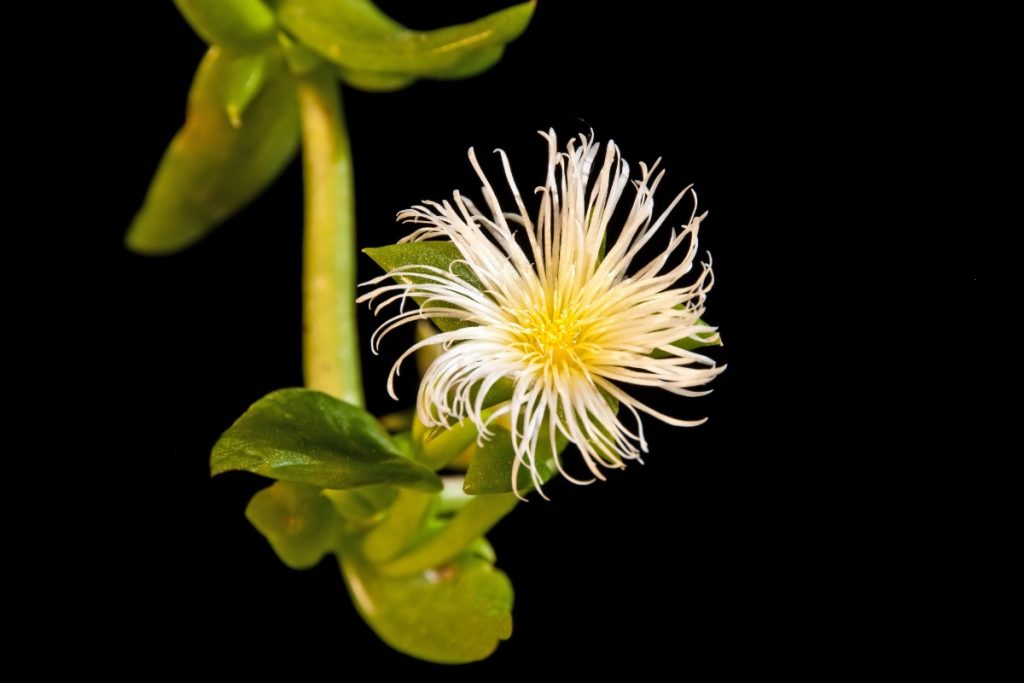
Kanna is a succulent plant native to South Africa, formally known as sceletium tortuosum. Indigenous communities have used this herbal remedy for centuries: it is traditionally used for mood enhancement and stress relief, consumed by chewing raw plant material, brewing it as tea, or preparing fermented extracts as part of traditional practices.
What gives the kanna plant its relaxing effects are its active compounds – primarily mesembrine and mesembrenone. These mesembrine alkaloids influence serotonin levels in the brain, making kanna a natural mood booster that has drawn significant attention in alternative and complementary medicine.
Today, kanna extract appears in dietary supplements, functional botanicals, and mood enhancing beverages worldwide. That rapid growth has triggered a wave of legal considerations. Can you buy kanna powders in your state? Is it a controlled substance? Can you carry kanna capsules through customs? This article answers all of those questions – covering federal law, state regulations, international rules, and practical advice for incorporating kanna into your routine safely.
Is Kanna Legal Under U.S. Federal Law?
Here’s the direct answer: as of July 10, 2026, kanna and its active compounds are not listed under the Controlled Substances Act. The Drug Enforcement Administration does not schedule sceletium tortuosum or any of its alkaloids, so possession and sale are not prohibited at the federal level.
Key points about kanna’s federal legal status:
- No scheduling. Kanna is not a controlled substance under federal law. The DEA has not moved to add it to any schedule.
- No Federal Analogue Act trigger. Mesembrine alkaloids are not considered close analogues of any Schedule I or II substance, so the Analogue Act does not currently apply.
- Regulatory category. Kanna is marketed as a dietary supplement in the U.S. and regulated under the Federal Food, Drug, and Cosmetic Act – not as a pharmaceutical drug.
- Timeline. By late 2025–2026, kanna had become a recognized (though still novel) ingredient in U.S. wellness products, with no federal scheduling attempts on record.
So at the federal level, kanna is legal to buy, sell, and possess. But “legal” and “unregulated” are not the same thing.
How the FDA and FTC Treat Kanna Products

Even though kanna is legal at the federal level, dietary supplement products containing kanna must still comply with FDA and FTC rules. Here’s what that looks like in practice.
FDA oversight of supplements. Kanna capsules, kanna powders, and kanna tinctures sold as natural supplements do not require premarket approval – supplements in general do not require premarket approval the way drugs do. However, manufacturers must follow Good Manufacturing Practices (GMPs), use accurate dietary supplement labels, and ensure product quality and safety.
New Dietary Ingredient (NDI) requirements. If a specific standardized kanna extract qualifies as a novel ingredient not marketed before October 15, 1994, the manufacturer must submit a New Dietary Ingredient Notification to the FDA, including safety data. Whether any commercial kanna extract has completed this process remains unclear as of mid-2026.
Food and beverage use. When kanna appears in food products – canned drinks, gummies, edibles – it moves into a different category. Manufacturers may need GRAS status or food additive approval. No public GRAS determination for kanna existed as of 2026.
Advertising rules. The FTC monitors health claims. Sellers must not market kanna as treating or curing diseases without FDA approval. Claims like “cures anxiety” or “treats depression” are off-limits. Instead, brands use structure/function language – “supports relaxation” or “promotes a balanced mood” – plus the required FDA disclaimer.
State-Level Legal Status: Where Kanna Is and Isn’t Allowed
While federal law sets a baseline, individual states can impose stricter rules. Here’s the current landscape.
Louisiana – the clear restriction. Louisiana’s RS 40:989.1 lists Mesembryanthemum species among hallucinogenic plants, making production, manufacture, and distribution unlawful under most circumstances. A dietary supplement exemption exists if products comply with federal FD&C Act standards, but raw kanna plant material and non-compliant preparations remain restricted. Louisiana restricts kanna as a hallucinogenic plant – full stop.
Most other states. As of 2026, kanna is generally legal in most U.S. states. Major markets like California, New York, Texas, Florida, and Washington do not have specific bans on kanna. It is generally allowed for personal use and sale as a supplement in these states, subject to general consumer protection laws.
Watch-list states. States with broad “analogue,” “novel psychoactive substance,” or “hallucinogenic plant” statutes – such as Arkansas or Indiana – could theoretically interpret existing law to cover kanna. No confirmed enforcement has occurred, but legal interpretations can change quickly during a legislative session.
Always verify current state statutes or consult local counsel before buying or selling kanna in a new jurisdiction. State regulations can shift with little advance consumer notice.
Kanna Around the World: UK, EU, South Africa, and Beyond
Kanna’s regulatory classification can differ significantly from one region to another. Here’s a snapshot.
| Region | Status (mid-2026) | Key Details |
| United Kingdom | Not specifically banned | Not scheduled under the Misuse of Drugs Act. Sold in online shops and specialty retailers, though the Psychoactive Substances Act 2016 could theoretically apply. Marketing restrictions exist. |
| European Union | Generally allowed | Most EU members permit kanna as an herbal remedy or supplement. Concentrated kanna extract used in beverages may require novel food authorization. |
| South Africa | Legal, traditional use | Kanna is indigenous. In South Africa, kanna is treated and sold as a traditional medicine. Standardized extracts like Zembrin® are commercially produced with benefit-sharing agreements with Indigenous communities. |
| Canada | Regulated as NHP | Kanna products would fall under Natural Health Products regulations, requiring product licenses, GMP compliance, and safety evidence. No active prohibition exists. |
| Australia / New Zealand | Generally allowed | Personal use is generally permitted, but manufactured foods or supplements containing kanna may need specific approvals. |
Kanna is generally considered legal for personal use and sale in many international regions, but kanna’s legal status varies globally and may depend on how it is marketed. Travelers should always verify customs and controlled-substance lists before crossing borders – especially into jurisdictions with broad novel psychoactive substance laws.
How Kanna Fits Into Dietary Supplements and Functional Beverages
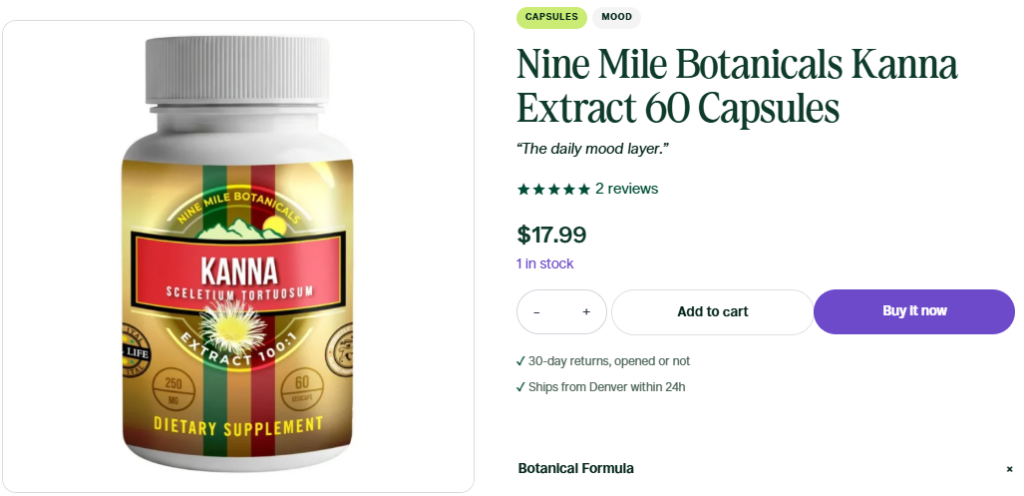
Most consumers encounter kanna through dietary supplements or functional drinks rather than as raw plant material. Modern kanna products promote relaxation and emotional balance, and they come in several forms designed for easier ingestion:
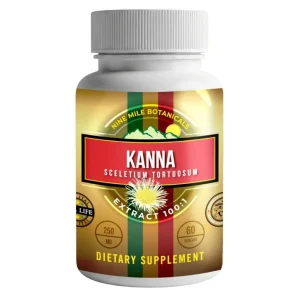
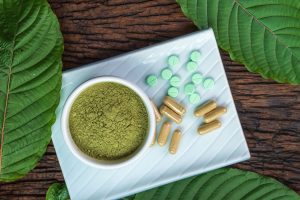
- Kanna capsules and tablets – standardized kanna extract doses, often combined with other botanicals like kava or L-theanine
- Kanna powders – loose powder for mixing into smoothies or tea
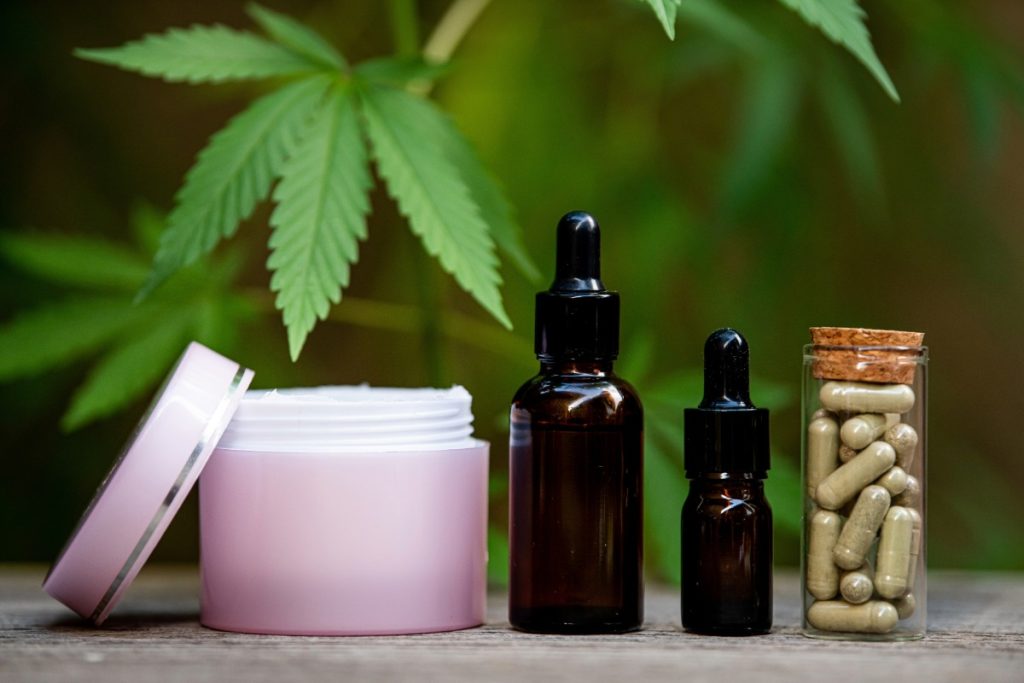
- Kanna tinctures – liquid extracts for sublingual use
- Functional beverages – canned drinks blending kanna with natural supplements and adaptogens
Kanna is available as powders, tinctures, and capsules, and can also be consumed by chewing or brewing tea. As a dietary supplement, kanna can be sold across the U.S. as long as products avoid unapproved disease claims and use structure/function language like “may promote relaxation.”
In beverages and food products, kanna is treated as a novel ingredient. Manufacturers must assess GRAS status, historical use, and safety data – a higher regulatory bar than the supplement pathway.
Transparent labeling matters. Look for products that list the species name (sceletium tortuosum), standardization details (e.g., mesembrine percentage), and clear serving information.
Active Compounds, Safety Profile, and Mixing Kanna with Other Substances
Kanna’s legality and safety are closely linked. Regulators monitor how active compounds behave, particularly when users combine kanna with other substances.
Active compounds. Kanna’s active alkaloids include mesembrine and mesembrenone. These compounds act primarily as serotonin reuptake inhibitors and PDE4 inhibitors. Kanna acts as a serotonin reuptake inhibitor, enhancing mood and contributing to effects on cognitive function, stress response, and focus.
Safety evidence. Short-term clinical trials with standardized kanna extract – typically in the 8–25 mg range – show that kanna is generally well tolerated at moderate doses. Side effects of kanna may include headache and gastrointestinal problems, but serious adverse events are rare in published data. That said, kanna has limited information available about its safety, and more research is needed on long-term or higher doses.
Interaction warnings. This is where taking kanna requires caution:
- Kanna should not be combined with prescription antidepressants like SSRIs or SNRIs due to the theoretical risk of serotonin syndrome.
- Kanna may interact with medications affecting serotonin levels, including MAOIs, 5-HTP, and MDMA.
- Avoid treating kanna as a party drug by stacking it with stimulants or heavy alcohol use.
Mixing kanna with other botanicals. Combining kanna with non-serotonergic supplements – like magnesium, some adaptogens, or L-theanine – is common in the market, but should still be approached cautiously and ideally under guidance from a qualified healthcare professional.
Kanna is not associated with withdrawal symptoms in available research, but regulators could revisit its legal status if serious adverse events or misuse patterns emerge. Always consult a qualified healthcare professional before incorporating kanna alongside other substances.
Compliance, Labeling, and Legal Risk Management for Kanna Brands

For businesses, kanna legal status alone does not shield you from enforcement if compliance fails. Here are the core tasks:
- Manufacturing: GMP-compliant facilities, supplier qualification, and third-party lab testing for identity, purity, potency, and contaminants (heavy metals, pesticides, residual solvents).
- Labeling: Supplement Facts panel listing both “kanna” and “sceletium tortuosum,” serving size, standardized extract information, and the mandatory structure/function claim disclaimer.
- Advertising: Avoid unsubstantiated therapeutic or disease claims. Saying “cures anxiety” or “replaces your SSRI” can trigger FDA and FTC enforcement even when the underlying ingredient is legal.
- Product liability: Kanna products may be adulterated with other substances. Contamination, inaccurate dosage, or failure to report serious adverse events can lead to recalls and lawsuits.
Brands should track evolving case law and regulatory guidance on novel ingredients. The plant’s effectiveness as a mood enhancing botanical makes it attractive – but only responsible companies will survive regulatory scrutiny.
Buying Kanna Legally and Safely Online
Many users first discover kanna through online shops and direct-to-consumer brands. Where kanna is legal, buying kanna extract or botanical supplements online is generally lawful at the federal level. But keep these tips in mind:
- Confirm the seller’s shipping policy. Reputable brands restrict shipments to jurisdictions where kanna is legal and flag states like Louisiana.
- Look for certificates of analysis (COAs), transparent ingredient lists, clear serving instructions, and batch numbers.
- Avoid unverified marketplaces selling “research chemical” kanna blends or unlabeled powders. These may contain controlled substances that change both the risk and legal status of the product.
- Check claims. If a website promises kanna will replace prescription antidepressants, walk away – that’s a compliance red flag.
Product quality is your best legal and health insurance when shopping for kanna online.
Traveling with Kanna and Crossing Borders
Carrying kanna products while traveling raises different legal considerations than using kanna at home.
Domestic U.S. travel. Flying with kanna dietary supplements is generally low risk in states where it’s legal. Keep products in original packaging with clear labeling, and avoid bulk quantities that might raise suspicion.
International travel. Customs officials enforce national controlled substance and novel ingredient rules. Some countries treat psychoactive effects from botanicals very differently than the U.S. does.
Practical precautions:
- Check official government sites or contact embassies before carrying kanna into any foreign country
- Carry only personal use amounts
- Maintain documentation such as product labels or invoices
- Be prepared to discard the product rather than risk legal trouble at the border
Future Legal Considerations for Kanna and Other Novel Ingredients
Regulators are paying increasing attention to mood-altering natural supplements and novel ingredients. Kanna sits at the intersection of several trends that could shift its status:
- Triggers for restriction: Significant safety concerns, sharp growth in recreational or party drug-style use, or pressure to harmonize with stricter countries could prompt scheduling.
- Triggers for stability: More safety data, GRAS determinations, and responsible use in dietary supplements may solidify kanna’s position as a mainstream, regulated-but-legal botanical.
- Broader context: Kanna’s regulatory trajectory mirrors trends affecting kava, kratom, CBD, and other functional botanicals. Case law, adverse-event reporting, and consumer behavior all influence policy.
Both consumers and brands should stay informed through reliable regulatory updates, scientific publications, and official agency communications – not marketing claims about kanna legal status. A long history of traditional use is helpful, but it doesn’t guarantee permanent legality.
FAQ: Kanna Legal Questions Answered
Can kanna show up on a standard workplace drug test?
Standard U.S. workplace drug panels – the typical 5- or 10-panel tests – do not screen for mesembrine or other kanna alkaloids. A standard drug test will not flag kanna use in routine drug testing as of 2026. Highly specialized labs could detect it in principle, but no commercial employment screening currently includes kanna. If you work in a safety-sensitive role, check your employer’s specific testing policies before taking kanna.
Is kanna the same as kratom or treated like it legally?
No. Kanna and kratom are entirely different plants with different pharmacology. Kanna is derived from sceletium tortuosum, native to South Africa, and acts on serotonin pathways. Kratom comes from the Mitragyna speciosa tree, native to Southeast Asia, and kratom affects mu-opioid receptors, producing sedative effects. Legally, kanna is generally legal in most U.S. states, while kratom faces restrictions including FDA warnings, import alerts, and multiple state-level bans. Regulators currently treat kanna more like other mood-focused herbal supplements than like kratom or opioids.
Is kanna FDA-approved as a medication?
Kanna is not FDA-approved as a prescription or over-the-counter drug. Most kanna products are sold as dietary supplements or in food products – categories that do not require or receive formal FDA approval for efficacy. Do not substitute kanna for prescribed medications without consulting a qualified healthcare professional, even though kanna products are legally available and the plant’s effectiveness has some clinical support.
Can I legally mix kanna with alcohol or other legal substances?
U.S. federal law does not specifically ban mixing kanna with alcohol or other legal botanical supplements. However, combining kanna – a serotonergic botanical – with alcohol, stimulants, or other mood-altering supplements can increase side-effect risks such as dizziness, nausea, difficulty concentrating, or gastrointestinal problems. Use kanna on its own when first trying it, avoid heavy drinking while taking kanna, and discuss potential risks with a clinician if you take any medications.
Could kanna become illegal in the future?
Legal status is always subject to change. Lawmakers or agencies could restrict kanna if serious safety issues, adverse-event spikes, or clear misuse patterns emerge. As of July 10, 2026, there are no widely publicized federal efforts to schedule kanna, but isolated state and international restrictions already exist. If you rely on kanna products as part of your wellness routine, periodically check for updates from health authorities or legal resources to stay current.
Mentioned in this guide
The exact products this article talks about.
-
 $14.99View options This product has multiple variants. The options may be chosen on the product page
-
 $29.99 Up to 10% offView options This product has multiple variants. The options may be chosen on the product page
-
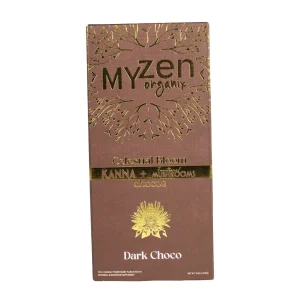 $29.99 Up to 10% offView options This product has multiple variants. The options may be chosen on the product page