Functional Mushrooms
What Are Functional Mushrooms? A Clear Guide to Types, Health Benefits, and Smart Supplement Use
Functional mushrooms are edible, non-psychoactive fungi like lion’s mane, reishi, turkey tail, and cordyceps, valued not for flavor but for bioactive compounds tied to immune support, cognitive function, and stress balance. They have a long history in traditional Chinese medicine and other healing systems, and they now appear in capsules, powders, mushroom coffee, and functional…
Functional mushrooms are edible, non-psychoactive fungi like lion’s mane, reishi, turkey tail, and cordyceps, valued not for flavor but for bioactive compounds tied to immune support, cognitive function, and stress balance. They have a long history in traditional Chinese medicine and other healing systems, and they now appear in capsules, powders, mushroom coffee, and functional beverages across the wellness world. This guide covers what the research actually shows, where the gaps remain, and how to use these fungi wisely.
Key Takeaways
- Functional mushrooms are non-psychoactive fungi (lion’s mane, reishi, turkey tail, cordyceps, chaga, shiitake) used for potential health benefits beyond basic nutrition. They do not alter perception.
- Early human research supports modest benefits for immune function, cognitive function, gut health, and stress balance. Effects tend to build over weeks, not minutes.
- Functional mushrooms are legal and widely available as foods and mushroom supplements (powders, capsules, coffee blends), but they do not cure diseases or replace medical care.
- Quality, dosage, and form matter. Look for third-party tested supplements with USP or NSF seal, and opt for organic functional mushrooms to reduce contamination risk.
- Functional mushrooms are often sold in blends with other botanicals. Read the label so you know exactly what’s in a product.
What Are Functional and Medicinal Mushrooms?
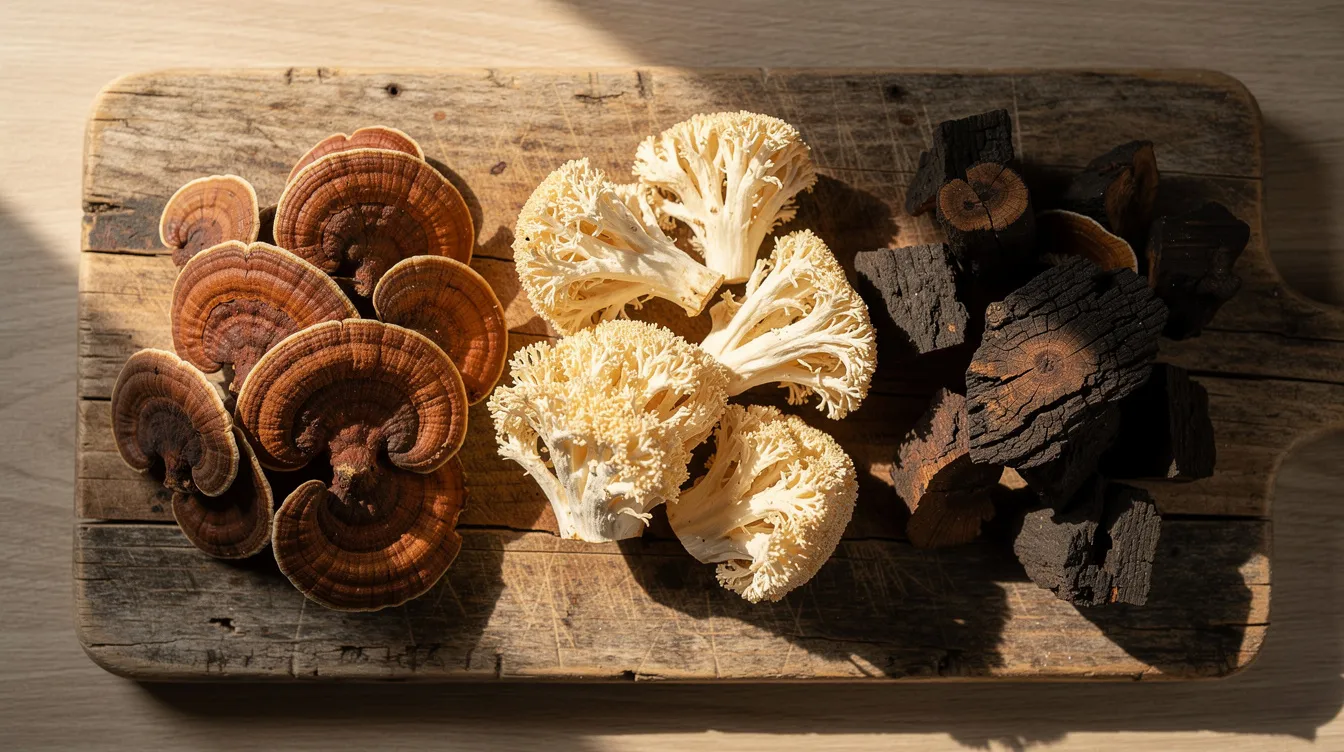
Functional mushrooms are edible, non-psychoactive fungi used primarily for health benefits rather than flavor. Varieties such as lion’s mane, reishi, turkey tail, cordyceps, chaga, and shiitake are valued for bioactive compounds like beta glucans and triterpenes that may support immune function, cognitive health, stress balance, and overall wellness. If you’re exploring plant-based supplements for better mood, steady energy, sharper focus, or immune support without the crash of caffeine or the fog of alcohol, this is the category you’re looking at.
Cultures across East Asia, Siberia, and parts of North America have relied on these mushrooms for over 2,000 years as part of traditional Chinese medicine, Ayurveda, and Indigenous healing systems. Here, you’ll see how functional mushrooms differ from culinary, psychedelic, and clinically used medicinal mushrooms, what their key compounds do, which benefits have the strongest support, how supplements vary by type and form, and what to check for before choosing powders, capsules, tinctures, gummies, coffees, cacaos, or other functional beverages.
They differ from three other categories:
- Culinary mushrooms (button, portobello) are mostly eaten for taste and basic nutritional value. Their bioactive compound concentrations are lower.
- Psychedelic mushrooms (psilocybin species) affect perception and are controlled substances in most countries. Functional mushrooms are non-psychoactive and do not alter perception.
- Medicinal mushrooms used clinically in parts of Asia (e.g., standardized Ganoderma lucidum extracts) overlap with functional mushrooms but sit in a different regulatory context, with stricter dosing protocols and clinical oversight.
Certain functional mushrooms act as adaptogens to help manage stress, which is why they are sometimes called adaptogenic mushrooms. The idea: they help the body adapt to physical and emotional stress and maintain balance.
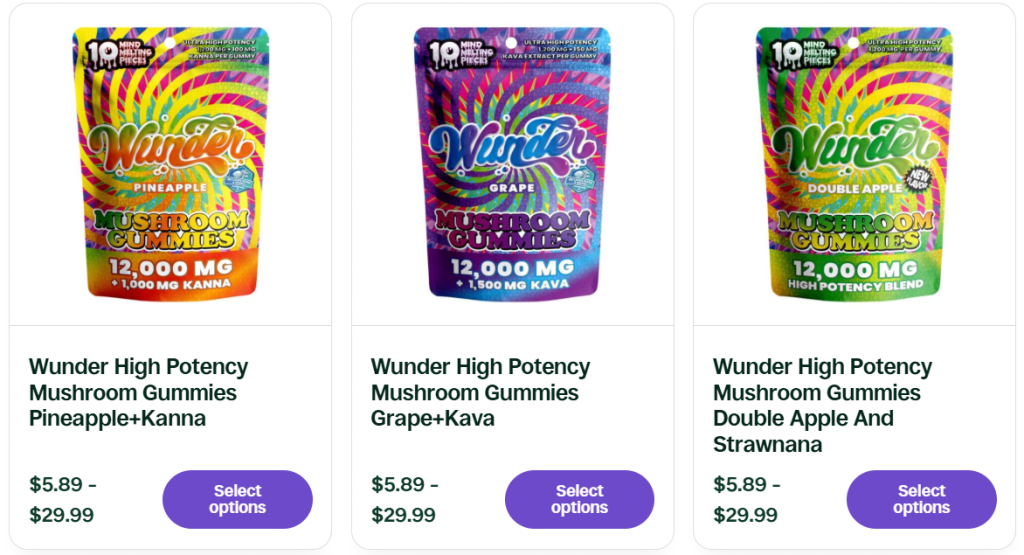
In modern life, they show up as mushroom supplements in capsule, tincture, and powder form; as mushroom coffee and cacao blends; as gummies; and as functional beverages. Some products, including several we carry, combine mushroom extracts with other botanicals such as kanna, so check each label for the full ingredient list.
How Functional Mushrooms Work: Key Compounds and Mechanisms
Mushrooms are packed with bioactive compounds studied in cells, animal models, and a growing number of human trials. Here are the ones that matter most.
Functional mushrooms contain beta-glucans that may boost immunity. Beta glucans are polysaccharides built from D-glucose units linked by β-1,3 and β-1,6 glycosidic bonds. They resist digestion in the upper GI tract and reach gut-associated lymphoid tissue, where immune cells (macrophages, dendritic cells, NK cells) recognize them through dectin-1, Toll-like receptors, and complement receptor 3. That triggers cytokine signaling cascades that modulate the immune system, not simply “boost,” immune responses. Beta glucans also act as prebiotic fibers, and certain mushrooms provide prebiotic fibers that nourish gut bacteria.
- Triterpenes in reishi (Ganoderma lucidum) are linked with anti inflammatory and stress-modulating effects in preclinical work. Reishi is often used as an adaptogen to help manage stress.
- Hericenones and erinacines in lion’s mane are associated with nerve growth factor (NGF) activity. Lion’s Mane supports cognitive function by stimulating nerve growth factor production. Erinacine A crosses the blood-brain barrier and upregulates NGF synthesis in animal studies, though human data uses whole-mushroom powder rather than purified erinacine.
- Cordycepin in cordyceps is an adenosine analog that influences AMPK and energy metabolism in research settings, relevant to exercise performance.
The adaptogenic concept means helping the body respond to stress and maintain homeostasis. Early data suggest certain mushrooms may influence the HPA axis and stress response. A trial of 132 patients with neurasthenia given 1,800 mg of reishi polysaccharide extract three times daily for 8 weeks showed reduced fatigue versus placebo. Still, most mechanistic data come from test-tube and animal studies. Human evidence is growing but not definitive, and more research is needed to fully understand these pathways.
Core Health Benefits of Functional Mushrooms (and Current Evidence)
Functional mushrooms show promising health benefits, but effects tend to be modest rather than dramatic. Research quality varies; sample sizes are often small. Some reviews in an international journal also call for more standardized human research on functional mushrooms. Here is what the evidence supporting specific claims looks like.
Immune support. Reishi mushrooms are known for their immune-boosting properties. Shiitake mushrooms can improve immune function in healthy adults. Turkey Tail mushrooms support gut health and immune function with polysaccharide compounds. In a trial of 24 volunteers, turkey tail PSP acted as a prebiotic, modulating gut microbiome composition and mitigating dysbiosis caused by amoxicillin. Turkey tail and reishi extracts have been studied as adjuncts alongside chemotherapy in some cancers; a Cochrane review found some improvements in immune markers, but no convincing survival benefit. No evidence shows functional mushrooms can cure cancer.
Brain health and cognitive support. Lion’s mane mushrooms may improve cognitive function in older adults. A 2019 double blind, randomized, placebo-controlled trial enrolled roughly 50 older adults with mild cognitive impairment. Participants took 3 g/day of lion’s mane fruiting body powder for 12 weeks. Cognitive function scores on logical memory and recognition improved versus placebo. Lion’s mane mushroom supplementation is one of the more studied areas of brain health in the functional mushroom space. Researchers continue investigating acute and chronic effects on mood and sleep in small human trials.
Stress, mood, and sleep. Adaptogenic mushrooms like reishi and cordyceps are used traditionally for resilience and vitality. Research suggests early data on sleep quality, perceived stress, and fatigue are encouraging, but separating tradition from solid evidence remains necessary.
Gut and metabolic health. Prebiotic fibers in mushrooms support a healthier gut microbiome. Potential nutritional benefits for blood sugar and cholesterol from chaga and shiitake studies exist, but results are inconsistent. Functional mushrooms cannot replace diabetes medications.
Anti inflammatory and antioxidant effects. Many functional mushrooms contain antioxidants and anti inflammatory compounds. Chaga mushrooms are high in antioxidants and may reduce inflammation. Human trials remain sparse; animal studies and in vitro work dominate.
The Main Types of Functional Mushrooms and What They’re Known For
This section matches specific functional mushrooms to common wellness goals.
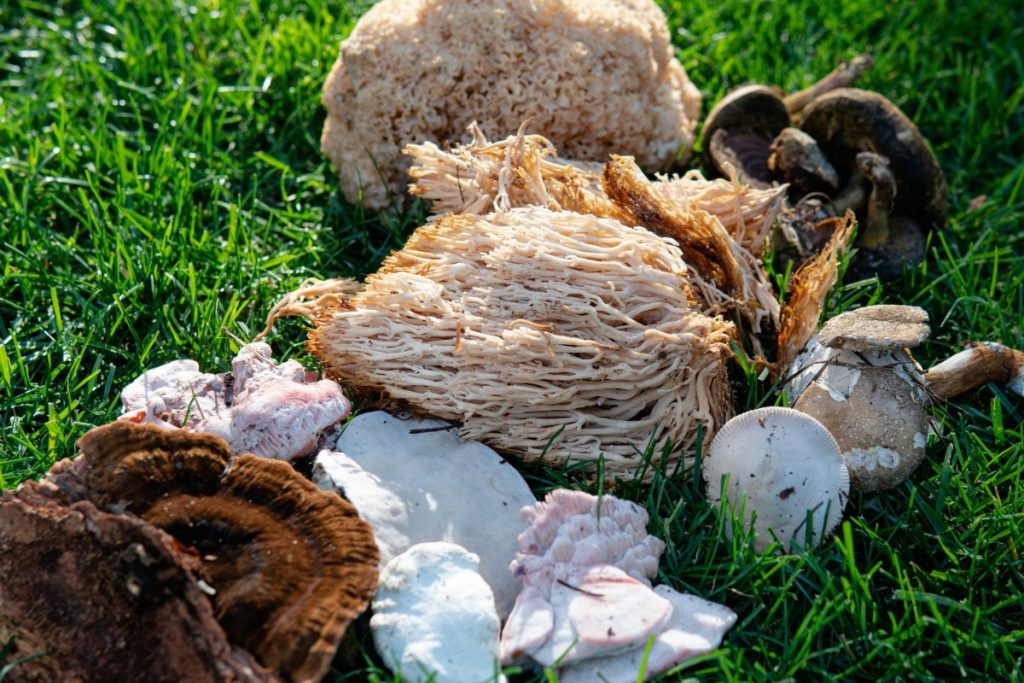
Lion’s mane has white, cascading “teeth” and a mild, seafood-like flavor you can cook into meals. It is best known for cognitive support, focus, and nerve health based on emerging human data. Typical uses include capsules, powders, and coffee blends for daytime mental clarity. Lion’s mane mushrooms may improve cognitive function and memory.

Reishi (Ganoderma lucidum) carries a long history in East Asia as the “mushroom of immortality,” believed to promote longevity. Research links it to immune modulation, stress balance, and sleep support. It is very bitter, usually taken as an extract or tea rather than eaten as a culinary mushroom.
Turkey tail is a colorful, fan-shaped fungus with high beta-glucan content. Its strength is immune and gut microbiome support, referenced in human research from the mid-2010s showing prebiotic effects on gut bacteria balance.
Cordyceps comes in two main forms: wild C. sinensis (rare, expensive, harvested at high altitude) and cultivated C. militaris (used in most modern supplements, grown on grain substrate). Cordyceps mushrooms are believed to enhance athletic performance. A 12-week trial in older adults (ages 50-75) found metabolic threshold increased 10.5% with Cs-4 supplementation. Cordyceps may enhance athletic performance according to early studies, with a separate trial in young adults showing VO₂max improvements after 3 weeks of 4 g/day.
Chaga grows on birch trees in colder regions and is high in antioxidants. Preliminary findings on immune markers and oxidative stress in humans are available, but controlled trials remain limited.
Shiitake mushrooms bridge the gap between functional foods and culinary mushrooms, widely eaten in Asian cuisine and globally. They link to immune health and cholesterol support from mid-2010s trials, making them accessible edible mushrooms for everyday eating and nutrition.
Functional Mushrooms vs. Mushroom Supplements vs. Whole Foods
The term “functional mushroom” covers both whole mushrooms and concentrated supplements. Form affects potency.
| Form | What It Is | Primary Advantage | Best For | What to Look For |
|---|---|---|---|---|
| Whole Mushrooms | Edible mushrooms such as shiitake, maitake, and lion’s mane | Provides fiber, micronutrients, prebiotics, and naturally occurring compounds | Everyday nutrition and adding mushrooms to meals | Fresh or dried whole mushrooms with minimal processing |
| Mushroom Supplements | Capsules, powders, tinctures, coffee, gummies, and other concentrated formats | Convenient and often more concentrated than whole mushrooms | Targeted, consistent supplementation | Mushroom species, serving size, beta-glucan content, and transparent labeling |
| Mushroom Extracts | Concentrated preparations made using hot water, alcohol, or dual extraction | Concentrates specific bioactive compounds | Those seeking a more concentrated mushroom supplement | Extraction method and standardized active-compound levels |
| Mycelium-Based Products | Supplements made primarily from mushroom mycelium, often grown on a grain substrate | Provides an alternative source of mushroom-derived compounds | Supplement users comparing different mushroom formulations | Whether the product clearly identifies mycelium, substrate, and active-compound content |
Functional mushrooms can be consumed in whole food form. Cooking with shiitake, maitake, or lion’s mane provides fiber, micronutrients, and prebiotics. Eating mushrooms regularly is linked with better overall diet quality in observational research, and adding them to a balanced diet is a practical first step.
Mushroom supplements come as capsules, extracts, tinctures, powders, mushroom coffee, and gummies. Fruiting body products tend to contain higher concentrations of species-specific bioactives than mycelium-on-grain products, which often include residual substrate. Many consumers prefer high-fruiting-body extracts for greater beta-glucan content. Mushroom extracts can vary in quality based on extraction methods.
- Hot water extraction concentrates polysaccharides and beta glucans.
- Alcohol extraction pulls triterpenes and non-polar compounds.
- Dual extraction (water + alcohol) captures both compound classes.
Look for supplements that list standardized levels of active compounds, not just “milligrams of mushroom powder.” Daily doses of 1,000 to 2,000 milligrams are common for mushrooms, taken consistently for at least 4-6 weeks to assess effects.
Safety, Side Effects, and Who Should Avoid Functional Mushrooms
Functional mushrooms are generally well tolerated for most healthy adults when used as directed. They are not risk-free.
Common mild side effects include digestive upset (gas, bloating, loose stools), especially when starting high doses. Start low, increase gradually, and take with food if sensitive.
- Reishi and other adaptogenic mushrooms may interact with blood pressure or blood sugar medications. Memorial Sloan Kettering notes possible interactions with blood thinners and immunosuppressants.
- Immune-modulating mushrooms like reishi and turkey tail may not be appropriate for people with autoimmune conditions or those on immune-suppressing drugs without medical supervision.
- Functional mushrooms cannot replace vaccines or medications. Functional mushrooms do not prevent heart disease.
Consult your doctor before adding mushroom supplements to your diet if you are pregnant or breastfeeding, managing serious medical conditions (diabetes, heart disease, history of cancer), or taking prescription medications (blood thinners, immunosuppressants, chemotherapy). A registered dietitian or healthcare professional can help evaluate whether mushroom supplements fit your situation.
Dietary supplements like functional mushrooms are not strictly pre-approved for efficacy by the FDA, so quality varies. Opt for organic functional mushrooms to reduce contamination risk. Look for third-party tested supplements with USP or NSF seal that screen for heavy metals, pesticides, and microbiological contaminants.
Disclaimer: Nothing in this article is medical advice. Consult a qualified professional before using functional mushrooms for therapeutic applications.
How to Choose and Use Functional Mushrooms in Everyday Life
Functional mushrooms are one tool in a broader wellness toolkit, complementing habits like good sleep, nutrition, and movement for overall health.
When choosing products, look for transparent labeling: species name, part used (fruiting body vs. mycelium), extraction method, and beta-glucan percentage. Avoid products with proprietary blends that hide exact amounts. Functional mushrooms are valued for health-boosting and adaptogenic properties, so knowing what you are getting matters.
Match mushrooms to goals:
- Lion’s mane for focus and cognitive support during the workday
- Reishi and turkey tail for immune balance and calm, especially in evening routines
- Cordyceps and chaga for energy, stamina, and antioxidant support before exercise
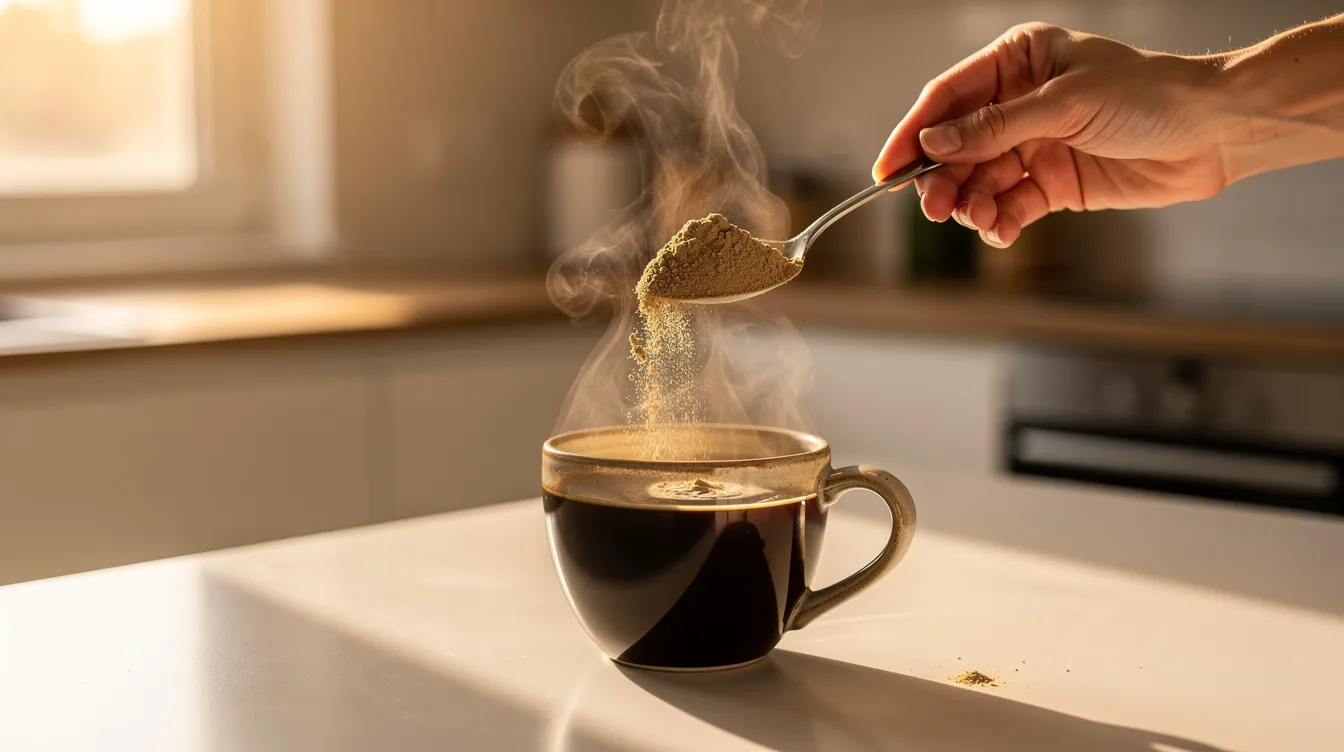
Add mushroom powders to coffee, tea, smoothies, or recipes. Capsules or gummies work for consistent daily dosing at work or while traveling.
Common Myths and Misconceptions About Functional Mushrooms
Social media hype has pushed functional mushrooms into the mainstream of the wellness world. Some claims float far from the evidence.
Myth: Functional mushrooms cure serious diseases. Functional mushrooms do not cure diseases. Some have been studied only as adjuncts to conventional treatments. Abandoning evidence-based care in favor of mushrooms alone is dangerous.
Myth: Natural means safe in any amount. High doses cause side effects. People on medications need medical guidance. “Natural” is not a synonym for “harmless.”
Myth: You’ll feel effects immediately. Benefits, when they occur, build gradually over weeks. In the cordyceps exercise performance trials, changes appeared only after 3 weeks of daily use, not after a single dose. The coming years will likely bring larger trials that clarify timelines.
Myth: All mushroom supplements are the same. Fruiting body extracts, mycelium-on-grain powders, standardized dual extracts, and raw powders differ in active compound concentration, purity, and effectiveness. Choosing a reputable brand with transparent labeling is the single most useful step a consumer can take.
FAQ
Are functional mushrooms legal and will they make me feel “high”?
Functional mushrooms like lion’s mane, reishi, turkey tail, chaga, cordyceps, and shiitake are legal foods and dietary ingredients in the U.S., U.K., EU, and most other regions as of 2026. They are non-psychoactive; unlike psilocybin-containing “magic mushrooms,” they will not cause hallucinations or intoxication. Any effects (smoother focus, calmer mood, better sleep) tend to be subtle and gradual. Researchers studying these fungi consistently report no perception-altering properties.
How long does it take to notice benefits from functional mushroom supplements?
Many people need at least 2-4 weeks of daily use before noticing changes. Some cognitive and immune function effects were studied over 8-12 weeks in pilot study and parallel groups designs. Dose, extract quality, body weight, and overall lifestyle (sleep, stress, diet) all influence results. Track simple markers like focus, sleep quality, or energy levels in a journal to evaluate whether a specific supplement form is helping.
Can I take functional mushrooms every day, long term?
In existing human studies, functional mushrooms are often taken daily for several weeks to months without major issues in healthy adults. Long-term safety data beyond three months are thin. Periodic check-ins with a healthcare professional are recommended, especially for anyone with medical conditions or on medications. Occasional breaks (a few days off each month) can help you reassess what you need when using multiple adaptogenic mushrooms and botanicals from beverages, capsules, or blended products.
Can I give functional mushroom supplements to children or pets?
Most research focuses on adults, not children. Dosing for kids or pets should not be guessed. Consult a pediatrician before giving any mushroom supplement to a child, even if the mushroom itself is edible as food. Some veterinarians use mushroom extracts for dogs in specific situations, but pet owners should pursue this only under veterinary supervision.
Can functional mushrooms be combined with other botanicals?
Some products combine mushroom extracts with other botanicals such as kanna or kava. If you try a combination product, start with one product at a time at the lowest serving on the label, and check with your doctor if you take any medication.
Mentioned in this guide
The exact products this article talks about.
-
 $19.99View options This product has multiple variants. The options may be chosen on the product page