Akuamma
Akuamma vs Cat’s Claw: Botanical Identities, Alkaloids, and How They Compare
If you have been reading about kratom regulation changes and looking for botanical options, you have probably run across akuamma and Cat’s Claw. These two plants come up constantly in forums and product listings, often side by side, as though they were interchangeable alternatives. They are not. This article gives you a clear, fact-based comparison…
If you have been reading about kratom regulation changes and looking for botanical options, you have probably run across akuamma and Cat’s Claw. These two plants come up constantly in forums and product listings, often side by side, as though they were interchangeable alternatives. They are not. This article gives you a clear, fact-based comparison without marketing hype.
Key Takeaways
-
Akuamma (Picralima nitida) and Cat’s Claw (Uncaria tomentosa) are different plants from different families, with different alkaloids, and they should never be treated as chemical or therapeutic equivalents.
-
Several akuamma alkaloids affect opioid receptors in lab studies, while Cat’s Claw is not known for opioid receptor activity; its research focus centers on immune and inflammatory pathways.
-
Neither akuamma nor Cat’s Claw is FDA-approved for pain, kratom withdrawal, opioid use disorder, or any form of addiction treatment. They should not replace FDA approved medications when those are indicated.
-
Both akuamma and Cat’s Claw have roots in traditional medicine but differ significantly in application, and research on both herbs indicates limited clinical evidence for established effectiveness.
-
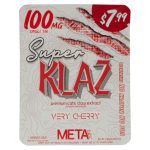
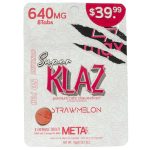
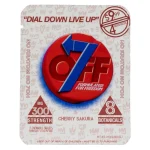
Unregulated supplements may vary widely in alkaloid content. Adulterated “Cat’s Claw” products containing kratom alkaloids like 7-OH have been reported. Source from transparent botanical vendors such as Poppy Lotus when shopping for any herbal product.
What This Article Answers Right Away
Between 2024 and 2026, rising kratom regulation and renewed interest in natural products have driven searches for “akuamma vs Cat’s Claw” to new highs. Here is what you need to know before reading further.
-
Is akuamma stronger than Cat’s Claw for opioid receptor activity? In lab receptor studies, yes. But receptor binding does not prove better pain relief or safety in humans. Akuamma has limited evidence for treating pain effectively.
-
Is akuamma addictive or suitable for kratom withdrawal? Evidence is insufficient to answer either question. Dependence risk and withdrawal symptoms have not been defined in human studies.
-
Can Cat’s Claw be treated as a kratom or akuamma stand-in? No. Cat’s Claw’s effects are not primarily opioid-receptor mediated. It is a different botanical with different alkaloids.
This article compares botanical identity, plant parts used, alkaloid terminology, and research focus. Poppy Lotus offers curated botanical options, but does not list specific akuamma or Cat’s Claw products here; check the shop for current availability.
Botanical Identities: Akuamma vs Cat’s Claw
To describe akuamma and Cat’s Claw accurately, you need to start with the fact that they come from entirely different plants, different continents, and different plant families.
Akuamma:
-
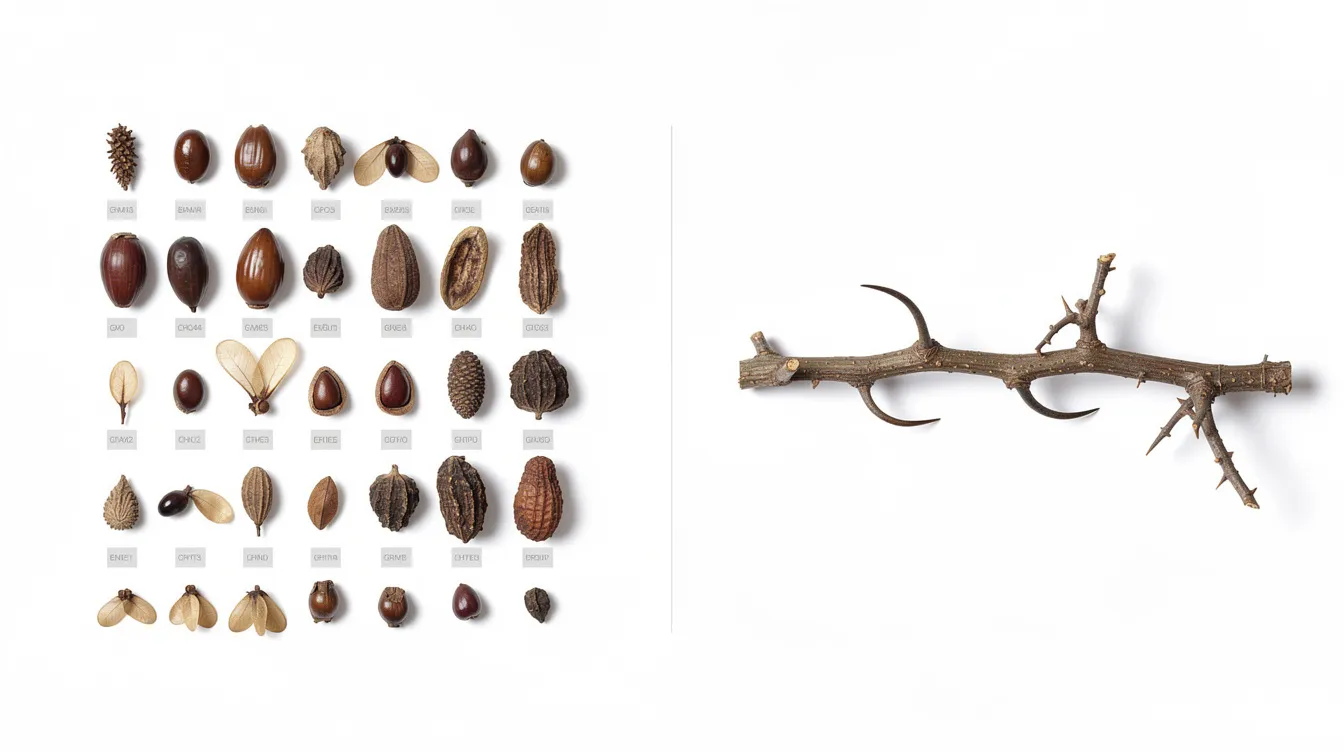
Scientific name: Picralima nitida, a West African tree in the Apocynaceae (dogbane) family
-
Native to West Africa: Ghana, Nigeria, Côte d’Ivoire, Cameroon
-
Akuamma is derived from the seeds of the Picralima nitida tree; seeds contain 3.5% to 4.8% total alkaloids by weight
-
Traditional use in West Africa for fever treatment, pain relief, and gastrointestinal discomfort
-
Akuamma seeds are primarily used for pain management and sedation
Cat’s Claw:
-
Scientific name: Uncaria tomentosa (not other Uncaria species)
-
Family: Rubiaceae, the coffee family-the same broad family as kratom’s genus Mitragyna speciosa, but a completely different genus
-
Native to Amazonian South and Central America (Peru, Brazil)
-
Cat’s Claw is traditionally brewed for treating digestive disorders and joint discomfort
-
Cat’s Claw is used for immune support and reducing inflammation
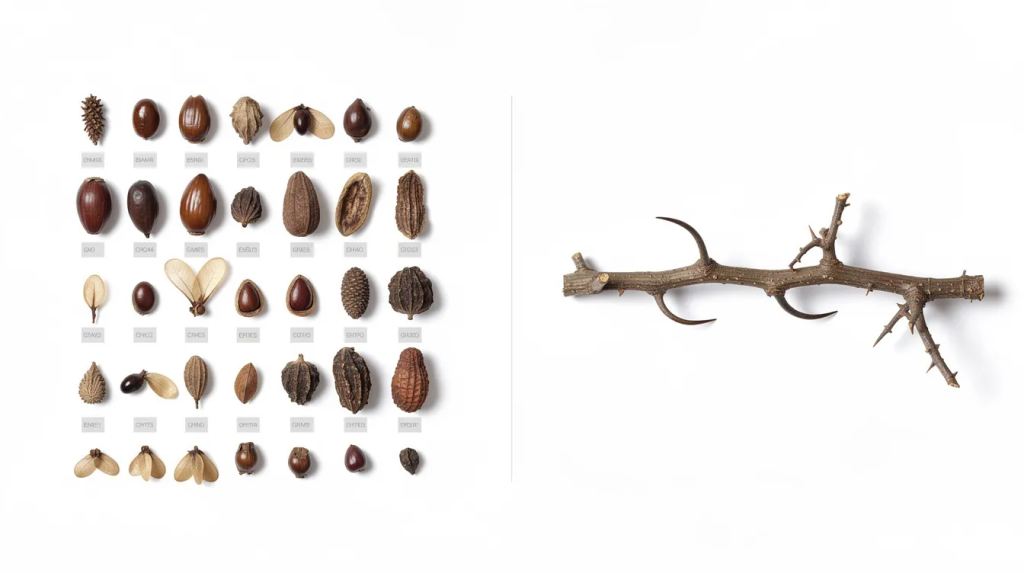
The name “Cat’s Claw” refers to claw-shaped thorns on the vine, not any compound or effect. Different plant parts plus different species mean different alkaloid profiles and different pharmacology.
Plant Materials and How They Are Used in Products
Many misunderstandings come from lumping all “herbal powders” together. The plant part used, the extraction method, and the standardization goals all shape what ends up in a capsule or bag.
Akuamma preparations:
-
Whole dried seeds ground into powder; traditional preparations include chewing or powdering seeds directly
-
Akuamma seeds taste famously bitter and should be consumed carefully
-
Standardized seed extracts described by extract ratios (e.g., 10:1, 20:1) in capsules-note that “20:1” describes raw material concentration, not a fixed dose of specific akuamma alkaloids
Cat’s Claw preparations:
-
Dried inner bark powder; Cat’s Claw is sold as a dietary supplement ingredient
-
Hydroalcoholic tinctures and fluid extracts
-
Encapsulated standardized extracts based on pentacyclic oxindole alkaloids (POAs), not opioid-receptor targets
When shopping for any botanical, prioritize vendors providing batch COAs (certificates of analysis), clear plant-part identification, and extraction details. Readers who want to explore other botanicals can review Poppy Lotus collections for clearly labeled plant materials and testing info, even if akuamma or Cat’s Claw themselves are not listed.
Akuamma Alkaloids and Opioid Receptors
Modern interest in akuamma centers on how certain seed alkaloids affect opioid receptors-not on the whole plant being “an opioid.”
Akuamma contains indole alkaloids like akuammine, akuammidine, pseudoakuammigine, akuammicine, and several compounds in related structural classes. These are built on a tryptamine-like scaffold, structurally distinct from morphine’s morphinan core.
A pharmacological study isolating six akuamma alkaloids found that several bind to mu opioid receptors and kappa-opioid receptors in vitro, with Ki values around 0.3–1.0 μM for akuammine and pseudoakuammigine at mu receptors. These are micromolar affinities-orders of magnitude weaker than morphine or prescription opioids.
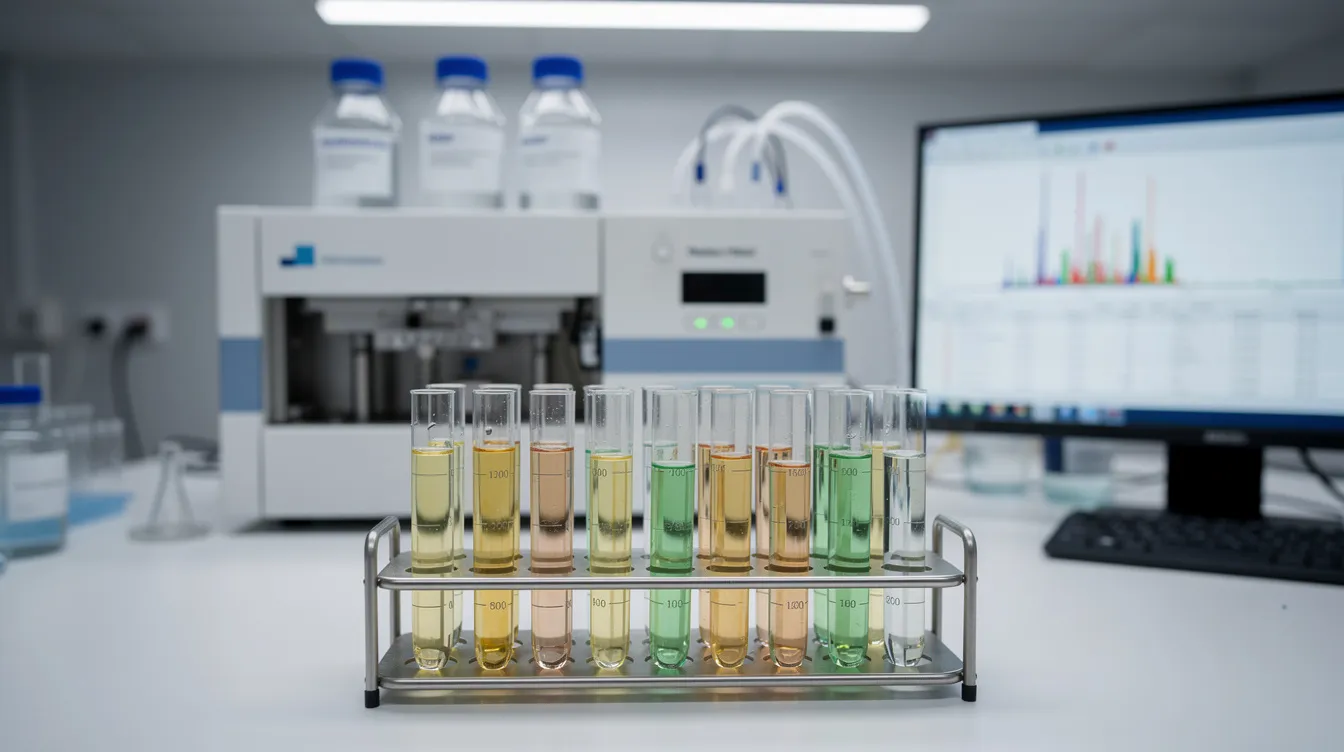
In animal experiments, limited analgesic effectiveness was observed, with modest or inconsistent results despite measurable opioid receptor activity. One key reason: akuammine showed only about 12% oral bioavailability in studies, meaning very little of what is swallowed actually reaches relevant tissues.
Addressing “is akuamma stronger” and “is akuamma addictive”:
-
“Stronger” must be defined. In isolated compound receptor binding, akuamma alkaloids show opioid receptor activity that Cat’s Claw does not. But no reliable human head-to-head data exist versus kratom, Cat’s Claw, or other opioids.
-
Because some akuamma alkaloids act at opioid receptors, physical dependence and withdrawal are possible in theory, but human addiction risk is not yet characterized. Safety data concerning akuamma is limited, especially regarding its sedation potential.
Cat’s Claw Alkaloids: Different Targets, Different Questions
Cat’s Claw is not typically discussed in terms of opioid pharmacology. Its research focus lies elsewhere entirely.
The main alkaloids in Cat’s Claw are oxindole alkaloids-isopteropodine, pteropodine, mitraphylline, and related compounds. Cat’s Claw contains oxindole alkaloids that modulate immune response. These are chemically distinct from akuamma’s indole alkaloids and from kratom leaf alkaloids like mitragynine. Cat’s Claw does not contain 7-OH or related compounds.
A 2024 systematic review found that Uncaria tomentosa extracts significantly suppressed IL-6 and NF-κB in animal models of inflammation. Cat’s Claw can stimulate white blood cell activity, supporting its traditional reputation for immune health.
Cat’s Claw should not be marketed or understood as a chemical replacement for kratom, akuamma, or any opioid active substance. Authentic Cat’s Claw does not cause opioid overdose or withdrawal symptoms. Problems have arisen only with adulterated supplements-a critical distinction covered below.
Kratom, 7-OH, and Why People Compare These Three Plants
Many readers arrive at “akuamma vs Cat’s Claw” after reading about kratom, 7-hydroxymitragynine (7-OH), and regulatory changes. Here is why these three plants keep appearing in the same conversations.
Kratom (Mitragyna speciosa) is a Southeast Asian tree in the coffee family. Its main alkaloids-mitragynine and its metabolite 7-OH-show substantial mu-opioid receptor activity. People search “akuamma replace kratom” or “Cat’s Claw kratom alternative” hoping for a legal or perceived safer option. But being a “kratom alternative” in online conversations often refers to legal status and tradition, not to matched pharmacology.
Key differences:
-
Akuamma alkaloids share the general category of opioid receptor activity with kratom’s alkaloids but differ structurally, in potency, and in available research. Kratom and akuamma are botanically unrelated plants.
-
Cat’s Claw does not naturally contain mitragynine or 7-OH. However, fake Cat’s Claw may contain potent kratom-derived opioids like 7-OH. A cross-sectional study of 46 products labeled as Cat’s Claw found mitragynine in roughly 89% and 7-OH in about 76%.
There is no validated conversion chart for kratom to akuamma or kratom to Cat’s Claw. Switching products does not equal receiving evidence-based care.
Can Akuamma or Cat’s Claw Replace Kratom or Help with Withdrawal?
There is currently no evidence-based akuamma or Cat’s Claw protocol for kratom withdrawal, opioid withdrawal, or opioid use disorder.
Some individuals experiment with akuamma when cutting down kratom, based on anecdotal reports of overlapping symptom relief. However, no controlled trials define dosing, timing, or outcomes. Cat’s Claw is not recognized in clinical literature as a kratom or opioid withdrawal treatment.
Kratom withdrawal can involve uncomfortable physical and psychological symptoms. Addiction treatment for any opioid dependence is best guided by clinicians who can consider FDA approved medications such as buprenorphine, methadone, or naltrexone when indicated. Residential treatment programs also offer structured support.
Switching from one unproven natural product to another does not address underlying dependence and can delay effective care. Anyone considering botanicals to manage withdrawal should discuss plans with a healthcare professional first.
Safety, Regulation, and Misconceptions About “Natural” Options
“Natural” does not equal safe or nonaddictive, especially when dealing with substances that interact with opioid receptors.
Akuamma safety:
-
Pharmacokinetic data is emerging and mostly from animal models
-
No clear profile exists for side effects, long-term use, or interactions with other CNS depressants. Akuamma’s opioid-receptor activity warrants caution in use alongside CNS depressants.
-
Calling akuamma “nonaddictive” is not supported by robust evidence; dependence research is very limited
Cat’s Claw safety:
-
Cat’s Claw is not a DEA-scheduled substance and is widely sold as a supplement
-
Cat’s Claw may interact negatively with blood thinners and immunosuppressants
-
Known cautions include possible effects during pregnancy
The adulteration crisis:
-
Counterfeit Cat’s Claw products may contain dangerous kratom derivatives. Adulterated Cat’s Claw products can cause opioid overdoses.
-
Four deaths linked to fake Cat’s Claw products were reported in Utah, with multiple states issuing safety alerts.
-
MGM-15 and MGPI are now Schedule I controlled substances.
-
Mislabeled Cat’s Claw products are sold in convenience stores and online, sometimes even labeled “NO KRATOM.”
Neither akuamma nor Cat’s Claw is FDA-approved for pain relief, addiction treatment, or kratom withdrawal. When shopping, check for third-party testing, clear species and plant-part labeling, and avoid products marketed with aggressive opioid-like claims. Shoppers who value transparent testing can review Poppy Lotus offerings as an example of a curated approach while confirming independently whether desired species are available.
Experimental Derivatives vs Traditional Botanicals
Some lab work explores experimental derivatives of akuamma alkaloids. These are not the same as traditional akuamma seed preparations or Cat’s Claw products.
Chemists have produced chemically modified derivative compounds from akuamma alkaloids-specifically pseudoakuammigine analogs-with dramatically increased receptor potency at mu opioid receptors. A study published in 2023 reported one modified akuamma alkaloid (compound ’33’) with a Ki of approximately 12 nM, representing roughly 70-fold increased potency compared to the parent isolated compound. This falls into the realm of medicinal chemistry and drug discovery.
These are lab prototypes, not over-the-counter supplements. Stronger receptor activity in a chemically modified derivative does not make natural akuamma seeds “stronger than kratom” or indicate approved medical use.
Cat’s Claw research focuses on naturally occurring fractions and standardized extracts, not high-potency opioid-targeting derivatives. The developmental trajectories for these botanicals are different and should not be conflated. Do not interpret headlines about potent lab derivatives as proof that any retail product can stand in for opioid medication or kratom.
How to Talk to Your Clinician About Akuamma, Cat’s Claw, and Other Botanicals
Honest conversations with healthcare professionals reduce risk and help align natural product use with overall treatment goals.
What to bring:
-
Product labels or photos showing ingredient lists, species, and small amounts per serving
-
A list of all prescription drugs, over-the-counter medicines, and other substances currently used
-
A rough timeline: when kratom, akuamma, or Cat’s Claw use began, dose changes, and any symptoms noticed-including your full medical history
Why full disclosure matters:
-
Clinicians can identify drug–herb interactions, especially with opioids, benzodiazepines, antidepressants, or anticoagulants
-
Sharing details supports personalized advice about whether FDA approved medications, counseling, or monitoring might be safer choices than unsupervised botanical substitution
You do not need a formal addiction diagnosis to ask for help with dependence, withdrawal, or concerns about escalating doses. Describe behaviors rather than self-labeling. Botanicals like akuamma and Cat’s Claw can be part of a broader wellness discussion but should not be framed as proven stand-alone treatments for complex conditions like opioid use disorder. Account for every product you use when seeking guidance from patients’ care teams.
FAQ
These questions address related resources and details not fully covered above.
Is akuamma an opioid like morphine?
Akuamma is a plant, not a single drug. Some of its isolated alkaloids bind to opioid receptors in lab tests, but they are structurally different from morphine and are not classified as prescription opioids. Receptor activity alone does not make akuamma equivalent to morphine in terms of potency, medical use, or safety. Brands marketing akuamma as a morphine replacement are making unsupported claims.
Does Cat’s Claw contain mitragynine or 7-OH like kratom?
Authentic Cat’s Claw (Uncaria tomentosa) does not naturally contain kratom alkaloids such as mitragynine or 7-hydroxymitragynine (7-OH). Problems arise when products labeled as Cat’s Claw are adulterated with kratom-derived 7-OH or similar compounds. That is a contamination and fraud issue, not a property of the genuine vine. Always verify product authenticity through third-party testing.
Can akuamma or Cat’s Claw be used as FDA-approved medications for addiction treatment?
Neither akuamma nor Cat’s Claw is an FDA-approved medication for addiction treatment or opioid use disorder. FDA approved options include buprenorphine, methadone, and naltrexone. Decisions about using these medicines should be made with a qualified clinician who can review your full situation.
Will akuamma show up on a standard opioid drug test?
Standard workplace drug tests typically screen for morphine-like opioids and specific synthetic drugs, not akuamma alkaloids. There is currently little published data on how akuamma alkaloids behave in routine immunoassays, so no one can guarantee a particular test outcome. Specialized chromatography B methods or targeted assays could identify these compounds if a lab specifically looks for them.
How should I choose between akuamma, Cat’s Claw, or other botanicals?
Clarify your personal goals first-general wellness versus managing chronic pain versus reducing opioid or kratom use-and talk with a healthcare professional about appropriate options. Prioritize products from vendors that provide clear species identification, plant-part labeling, and third-party testing. Look at how shops like Poppy Lotus present botanical information as a model for what to expect from any marketed alternative, while verifying independently whether a specific plant is actually sold.