Blue Lotus
Blue Lotus in Ancient Egyptian Art and Culture
Read lotus imagery through Egyptian gardens, funerary papyri, divine scenes, and carved vessels, with museum records as the guide.
Few plants have shaped a civilization’s spiritual imagination quite like the blue lotus shaped ancient Egypt. For over three millennia, this delicate blue water lily-rising from still waters each morning and closing at dusk-became the living emblem of creation, death, and rebirth for one of history’s greatest cultures. Here’s what you need to know about its extraordinary role and lasting legacy.
Key Takeaways
The Egyptian blue lotus (Nymphaea caerulea) was a sacred symbol in ancient Egypt, central to religion, art, and daily life. It is actually a blue water lily, not a true lotus, and it was native to the Nile Valley and East Africa.
In ancient Egyptian mythology, the blue lotus symbolized the sun, creation, and rebirth. It appeared constantly in ancient Egyptian art, temple reliefs, and tomb paintings-from the Old Kingdom through the Ptolemaic era.
Priests, pharaohs, and elites used blue lotus in wine, perfumes, and religious rituals for relaxation, altered states of consciousness, and healing. Blue lotus infusions were used in religious ceremonies and elite social gatherings alike.
Modern interest has revived this tradition. If you’re curious about connecting with this ancient heritage, explore curated blue lotus products at Poppy & Lotus for teas, oils, and aromatherapy tools inspired by thousands of years of sacred practice.
What Is the Egyptian Blue Lotus (Nymphaea caerulea)?
Despite its common name, the “Egyptian blue lotus” is not a true lotus at all. It is a blue water lily-Nymphaea caerulea-belonging to the water lily family (Nymphaeaceae), an entirely different lineage from the Asian true lotus (Nelumbo nucifera). These are two plants often confused in popular writing, but they differ in leaf structure, seed pods, and chemistry.
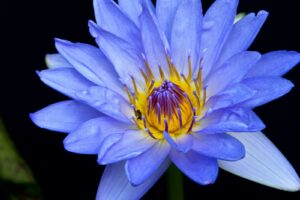
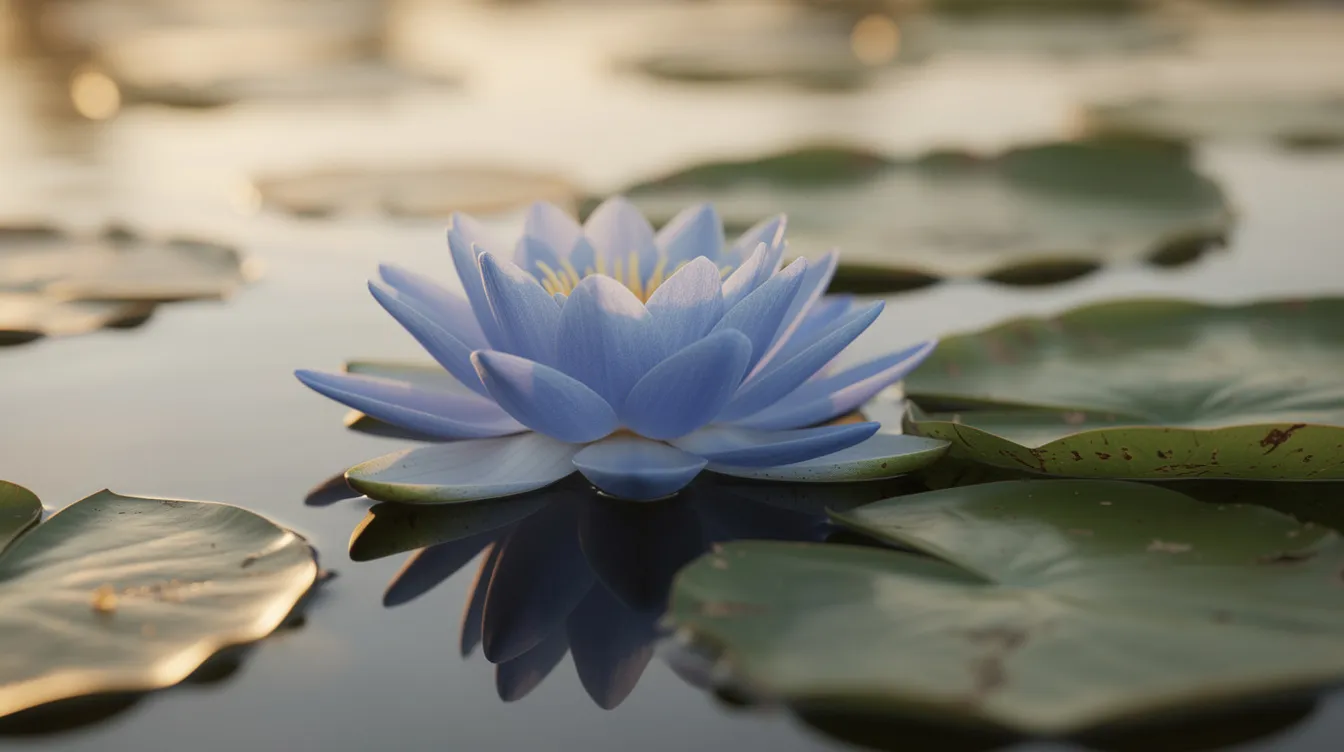
Nymphaea caerulea is an aquatic perennial with floating leaves, sky-blue petals, and a golden-yellow center. The blue lotus opens at sunrise and closes at sunset, a daily rhythm that ancient Egyptians found deeply meaningful. It thrives in slow-moving or still freshwaters-the Nile Valley’s lakes, marshes, and sacred lakes, as well as waterways across East Africa.
You’ll see it called by many names: blue lotus, blue lily, blue water lily, and Egyptian lotus. Other water lilies, such as the white lotus (Nymphaea lotus) and Nymphaea nouchali, also grew in Egypt, but Nymphaea caerulea is the iconic species that dominated ancient Egyptian art and ritual. Clarity on naming matters: when someone says “Egyptian blue lotus,” they almost always mean this particular plant.
Blue Lotus in Ancient Egyptian Creation Myths
At the heart of Egyptian mythology lies one of the world’s most vivid creation stories: the universe began with the primordial waters of Nun, a vast, dark expanse of nothingness. From those waters, a single lotus flower emerged. As its petals opened, the sun god emerged-sometimes named Atum, sometimes Ra-flooding the world with light and beginning the eternal cycle of day and night, life and death.
Ra was believed to emerge from a blue lotus at creation, and this image was not just a poetic metaphor. The flower was believed to emerge from primordial waters in creation myths recorded across multiple periods, from the Pyramid Texts of Unas in the Old Kingdom to New Kingdom temple hymns. By the Middle Kingdom, this symbolism was deeply embedded in Egyptian cosmology.
The blue lotus was associated with the sun god Ra in creation myths because the plant’s daily behavior mirrored the sun’s journey. Each morning, its petals unfurl to greet the sun; each evening, they close. For ancient Egyptians, this was proof that the flower embodied the sun’s rebirth at dawn and the soul’s hope for resurrection. The blue lotus represents the eternal cycle of life and death-chaos giving way to order, darkness yielding to light, and creation rising endlessly from the waters.
Deities and the Egyptian Blue Lotus
The cultural significance of the blue lotus in the divine realm was immense. Several major gods were depicted with or emerging from lotus blossoms, reinforcing the flower’s sacred status in Egyptian culture.
Nefertem, a healing deity, is associated with the blue lotus more closely than any other god. Depicted from the Old Kingdom onward as a youthful figure rising from a blue lotus or wearing one as his crown, Nefertem was the god of perfume, healing, beauty, and the first light of creation. His cult influenced temple ritual and healing rituals across Egypt, connecting the flower to both physical and spiritual renewal.
The blue lotus symbolizes rebirth in ancient Egyptian mythology, and this theme extended to other gods. Child forms of Horus and Ra are shown emerging from a lotus flower in temple reliefs and papyri-an image of divine rebirth and the rising sun. Pharaohs, who identified themselves with these gods, adopted lotus symbolism in their own funerary art. A remarkable example: the wooden bust known as the “Head of Nefertem,” found in the tomb of Tutankhamun, shows the young king’s face emerging from a lotus blossom-symbolizing his hope for spiritual awakening and renewal in the afterlife.
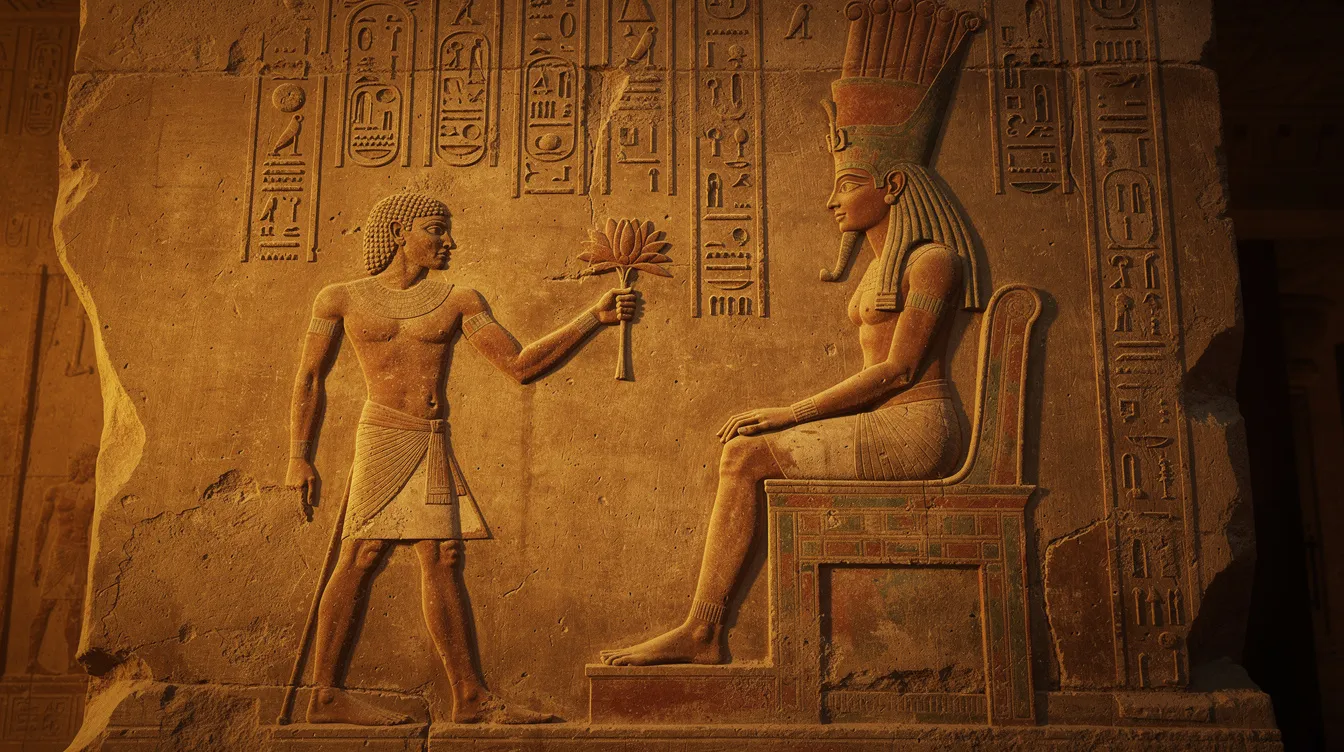
Throughout ancient Egyptian art, gods and sacred figures are shown holding or inhaling lotus flowers, a gesture signifying life-breath, rejuvenation, and closeness to the divine.
Blue Lotus in Ancient Egyptian Art and Architecture
In ancient Egyptian art, the lotus flower was not just a beautiful flower-it was among the most frequently depicted plant motifs across tombs, temples, jewelry, and everyday objects. Flowers were used in various artistic expressions and architectural designs, but the blue lotus held a central role.
The flower was frequently depicted in Egyptian tomb art and funerary rituals. Tomb scenes from the New Kingdom-such as the famous paintings in the Tomb of Nebamun-show banqueters sniffing blue lotus blossoms while wine is poured and petals are strewn about. These images evoke pleasure, fragrance, and an ideal afterlife. Lotus motifs appear in tomb paintings symbolizing rebirth, and lotus imagery appears in tomb paintings related to afterlife rituals, underscoring the flower’s deep connection to the soul’s journey.
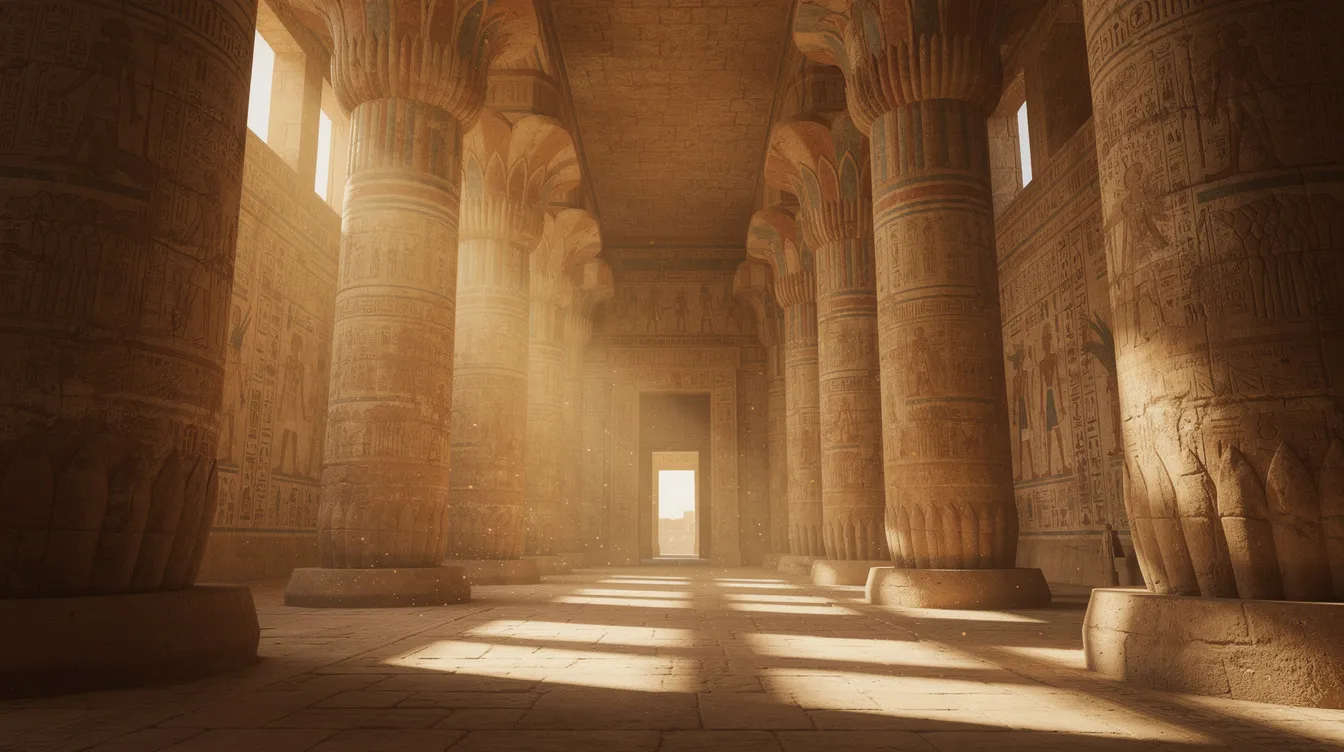
Lotus motifs adorned columns in ancient Egyptian architecture, especially at temples like Karnak and Luxor. Column capitals were carved to resemble lotus buds or open blossoms, symbolizing the marsh of creation and the emergence of life from water. The blue lotus was depicted in tomb paintings and temple reliefs across every major dynastic period.
Beyond monumental architecture, blue lotus motifs decorated cosmetic boxes, inlaid furniture, faience jewelry, and amulets from the Middle and New Kingdoms. These objects highlighted status and divine favor. The blue lotus was also often paired with papyrus in scenes symbolizing the unification of Upper and Lower Egypt, reinforcing both political harmony and cosmic order.
Blue Lotus in Rituals, Banquets, and Daily Life
The Egyptian blue lotus was woven into both sacred ceremonies and elite leisure, bridging everyday life and the divine.
In temple ritual, priests presented lotus flowers to gods like Ra and Nefertem. Lotus flowers were used in ancient Egyptian temple offerings, and blue lotus was offered to gods during purification rites. During major festivals, statues and altars were garlanded with fresh blooms, and floral collars were placed on participants and sacred images alike.
At New Kingdom banquets, guests wore lotus garlands, inhaled the flower’s fragrance, and drank wine adorned or infused with blue lotus-scenes captured repeatedly in tomb paintings. These gatherings were not just a flower on display; they were sensory, ceremonial events linking pleasure with spiritual significance.
Archaeological finds confirm these practices: in royal burials such as Tutankhamun’s, actual blue lotus petals were woven into the wreaths decorating coffins and mummies. Blue lotus petals were placed on mummies to symbolize rebirth, and the flower symbolized resurrection and the soul’s journey to the afterlife. According to botanical studies of Tutankhamun’s tomb, the floral wreaths included blue lotus, white lotus, olive, willow, cornflower, and mandrake-pointing to a burial window of mid-March to late April.
The blue lotus was a symbol of luxury and social status in Egyptian culture. It was intertwined with political symbols representing Upper Egypt, reinforcing the pharaoh’s authority and divine connection. The blue lotus symbolized rebirth in Egyptian religious practices from the earliest dynasties to the Ptolemaic era.
Medicinal, Aromatic, and Healing Uses in Ancient Egypt
Beyond symbolism, blue lotus had a practical role in healing, perfumery, and personal care in ancient times.
Blue lotus was used to treat anxiety and insomnia, and the flower was thought to alleviate pain and promote circulation. Blue lotus was infused into wines for medicinal consumption and often brewed into teas for health benefits, as documented in ancient Egyptian medical papyri. Wine and oil served as vehicles for delivering the plant’s active properties.
It was believed to enhance romantic and physical connection. The flower was associated with beauty, love, and sensuality in Egyptian life, a theme echoed in love songs and art where lotus flowers signal intimacy and desire. Its aphrodisiac properties were valued by elites and referenced in both poetry and ritual contexts.
Its aromatic properties made blue lotus an essential ingredient in perfumes. In association with Nefertem, blue lotus essence contributed to sacred anointing, purification, and luxurious personal fragrance. Tutankhamun’s tomb alone contained vessels with a combined capacity of roughly 350 litres of perfumed oils and unguents-testimony to how deeply fragrance and flower mattered.
Chemical Composition and Psychoactive Properties
Modern scientific interest in the blue lotus’ chemical composition connects directly to ancient reports of euphoria and spiritual insight.
Nymphaea caerulea contains the psychoactive alkaloid nuciferine, an aporphine alkaloid that interacts with dopamine and serotonin receptors in the brain. Some researchers have also discussed apomorphine as a candidate compound, though rigorous analytical studies of authentic Egyptian blue lotus extracts found apomorphine absent in tested samples and nuciferine present only in trace amounts (10–72 parts per billion).
Blue lotus induces mild euphoria and relaxation. Effects of blue lotus include enhanced mood and alertness at lower amounts, while consumption of blue lotus can lead to sedation and drowsiness at higher doses. Ancient Egyptians used blue lotus in rituals for spiritual insight, and these psychoactive effects may have supported altered states of consciousness during religious ceremonies.
However, findings suggest that many products sold online as “blue lotus” are actually other water lilies with lower alkaloid content and a different chemical composition. Modern research, including a comprehensive review by Pankow (2026), stresses that no controlled human pharmacological study has yet confirmed the psychoactivity of Nymphaea caerulea in historical contexts. This underlines the importance of sourcing authentic Nymphaea caerulea and approaching claims with healthy skepticism.
Nothing in this article constitutes medical advice. Always consult a healthcare provider before experimenting with any herbal product.
How Ancient Egyptians Prepared and Consumed Blue Lotus
Ancient Egyptians prepared blue lotus in several ways:
Wine infusion: Petals and stamens were steeped in wine, sometimes for hours or overnight. Tomb art shows guests holding cups surrounded by lotus flowers, suggesting wine infusions were central to elite religious and social gatherings.
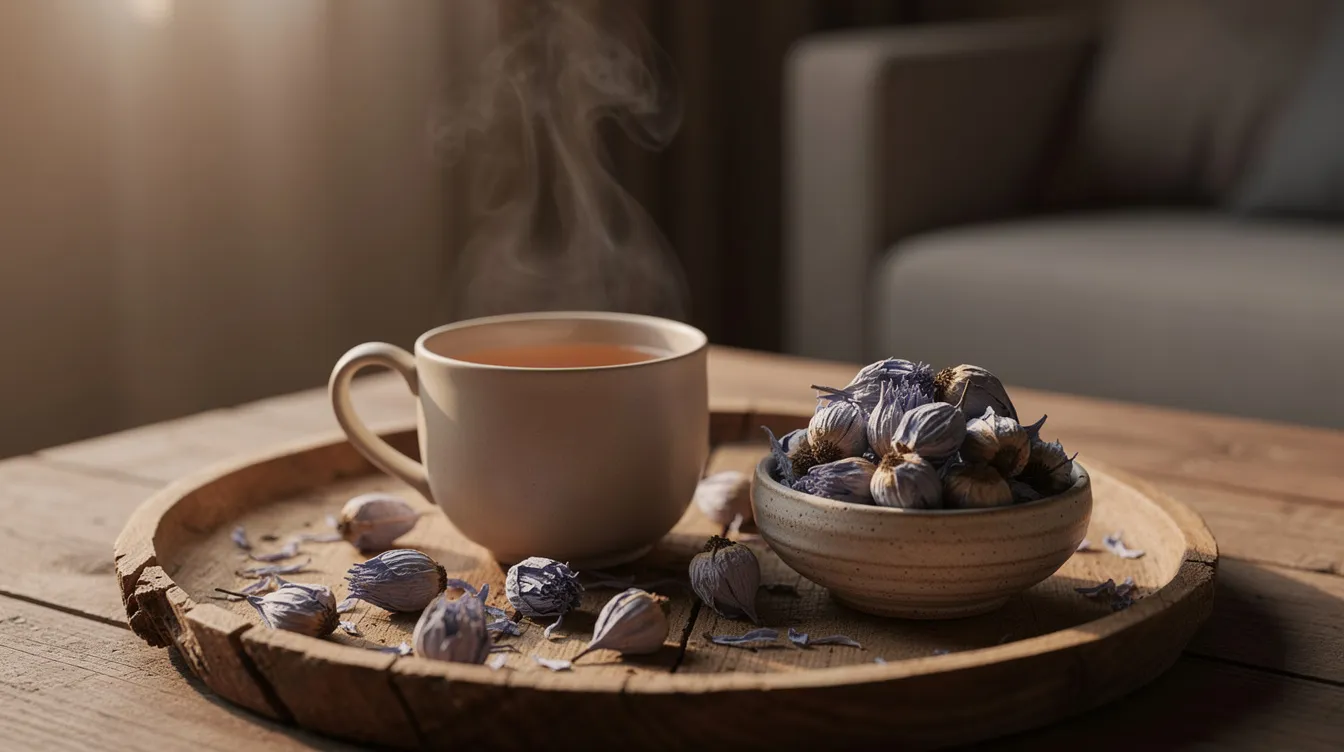
Tea brewing: Blue lotus was brewed in hot water as a calming tea, a method referenced in medical papyri.
Oil steeping: Lotus was infused into oils for anointing, massage, and perfumery-a method that may have extracted active compounds more effectively before mixing with wine.
Imagine a New Kingdom banquet: low lamplight, garlands of blue lotus around every neck, wine cups fragrant with steeped petals, musicians playing as the flower’s scent fills the room. This was not just a flower or just a beautiful flower in a vase-it was the sensory heart of the gathering.
Modern readers should follow current legal guidelines and safety recommendations in their own countries before preparing blue lotus in any form.
Cultural Significance Beyond Ancient Egypt
The symbolism of the blue lotus and related lotus flowers spread far beyond Egypt through trade and cultural contact.
In Greek and Roman art, lotus and water lily motifs signaled beauty, luxury, and proximity to the divine-often reinterpreting older Egyptian meanings for new audiences. The rich history of the lotus as a symbol of purity and enlightenment also shaped other cultures, most notably in India and East Asia.
In Buddhist art and Hindu tradition, the blue lotus (Padma or Utpala) became a symbol of purity, enlightenment, and victory over the self. Even though the religious frameworks differ, the core ideas-rebirth, spiritual awakening, and emergence from muddy waters into light-remain strikingly similar across the world.
Egypt stands as the starting point of this long journey, but the lotus flower’s cross-cultural appeal endures wherever people seek symbols of transformation and hope.
Blue Lotus Revival: Modern Spirituality and Poppy & Lotus Products
Interest in blue lotus has re-emerged in the modern era, especially among those drawn to meditation, yoga, and holistic wellness. Contemporary spiritual practices value gentle plant allies for relaxation, dream work, and ritual.
Today, blue lotus appears in teas, extracts, bath soaks, and anointing oils-used for calming evening rituals, deeper meditation, and ceremonial spaces. These are wellness and spiritual tools, not medical treatments, and they echo the same themes that shaped ancient Egyptian culture thousands of years ago.
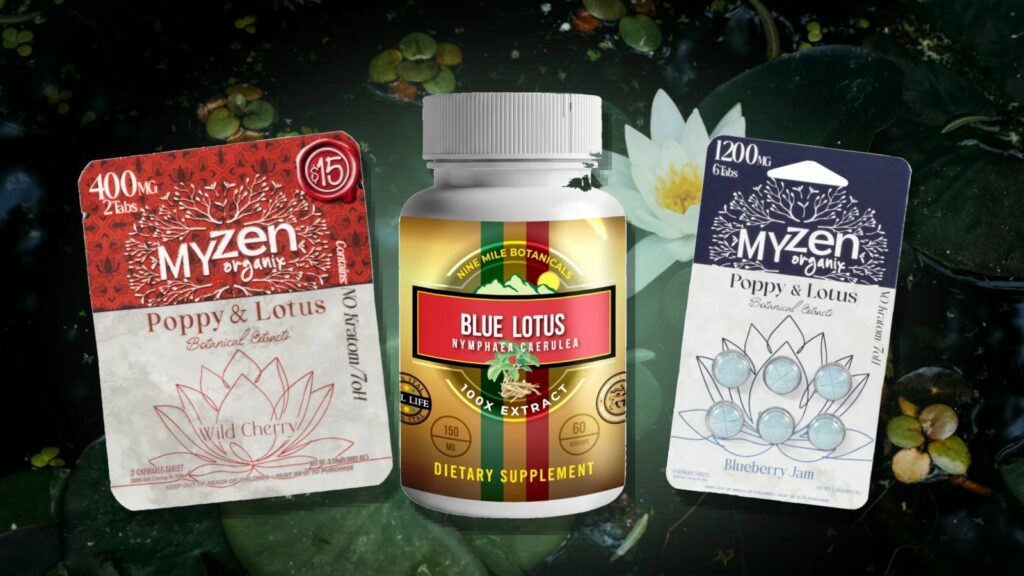
At Poppy & Lotus, we carefully curate blue lotus products inspired by ancient Egyptian traditions, with an emphasis on quality, authenticity, and responsible sourcing. Whether you’re drawn to a blue lotus tea blend, a soothing oil, or dried blossoms for your altar, our offerings are designed to help you connect with the lotus’ rich history of calm, rebirth, and inspiration.
Create your own modern “lotus ritual” at home: brew a quiet evening tea, draw a bath with blue lotus–infused salts, or place dried petals on your altar as a symbol of renewal. Explore ready-made blue lotus blends and ritual tools from Poppy & Lotus.
Responsible Use, Legal Status, and Safety Considerations
While blue lotus remains legal in many regions and is generally considered mild, it can produce psychoactive and sedative effects and should be used thoughtfully and in moderation.
Possible side effects reported in modern literature include:
Drowsiness and dizziness
Nausea
Changes in heart rate
Anxiety in sensitive individuals
Interactions with other sedatives or medications
Some countries and organizations-including certain European nations and the U.S. Armed Forces-restrict or ban Nymphaea caerulea. Always check local laws before purchasing or using blue lotus in any form.
Nothing in this article is medical advice. If you are pregnant, breastfeeding, or managing a health condition, consult a healthcare provider before use. Start with very low amounts if you choose to experiment. At Poppy & Lotus, we align ourselves with safe, informed, and mindful use-respecting the plant, personal health, and the ancient traditions that gave this flower its meaning.
FAQs
These FAQs address common questions about blue lotus in ancient Egypt and its thoughtful use today, covering details not fully explored above.
Was the Egyptian blue lotus the same as the true lotus found in Asia?
No. The Egyptian blue lotus (Nymphaea caerulea) is a blue water lily, while the true lotus common in Asia (Nelumbo nucifera) belongs to a completely different plant family. They differ in leaf structure, seed pods, and chemical composition. Ancient Egyptians also knew the white lotus and other water lilies, but Nymphaea caerulea-the authentic Egyptian blue lotus-is the species that dominated their art, mythology, and ritual. Nelumbo nucifera only appeared in Egypt during later Ptolemaic and Roman periods as an imported decorative plant, according to botanical research from Harvard Herbaria.
How can I tell if a modern blue lotus product is authentic?
Look for the Latin name Nymphaea caerulea on labels, transparent sourcing information, and third-party testing when available. Many flowers sold online as “blue lotus” or “blue water lily” are actually other species-such as Nymphaea nouchali-with different alkaloid profiles. Liam McEvoy and other researchers have noted that products sold online through various online marketplaces frequently fail to match the chemical profile of authentic Egyptian blue lotus. Reputable brands, including Poppy & Lotus, prioritize clear botanical identification and quality control.
Did everyone in ancient Egypt use blue lotus, or only the elite?
Archaeological evidence-tomb paintings, temple reliefs, and grave goods-shows blue lotus especially concentrated in royal, priestly, and wealthy contexts. It was a valued luxury plant. While everyday ancient Egyptians likely knew and appreciated the flower, the ritualized and potentially psychoactive use we read about today seems most documented among elites and within religious settings. Two volunteers in a recent informal study reported mild effects, but large-scale historical data on common use remains limited.
Can blue lotus enhance meditation or dream practices today?
Some modern practitioners report that gentle blue lotus teas, tinctures, or aromatherapy support relaxation, deeper meditation, or more vivid dreaming-aligning with its ancient use for altered states and spiritual practices. However, experiences vary widely, and evidence is mostly anecdotal. Approach experiments slowly, mindfully, and in line with local laws and personal health needs.
How can I incorporate blue lotus into a modern ritual at home?
Here are a few simple ideas:
Brew a quiet evening tea ceremony with blue lotus petals, setting an intention for calm or reflection.
Draw a soothing bath with blue lotus–infused salts or oils for relaxation.
Place dried blue lotus blossoms on an altar as a symbol of rebirth and purity.
Explore ready-made blue lotus blends and ritual tools from Poppy & Lotus to craft your own meaningful, Egypt-inspired practice-and carry forward a tradition that stretches back to the dawn of civilization.