Blue Lotus
What Is Blue Lotus? The Plant, Its History and the Product Forms We Carry
A plain guide to Nymphaea caerulea: what the plant is, how it differs from the sacred lotus, where it grows, and the product formats on our shelves.
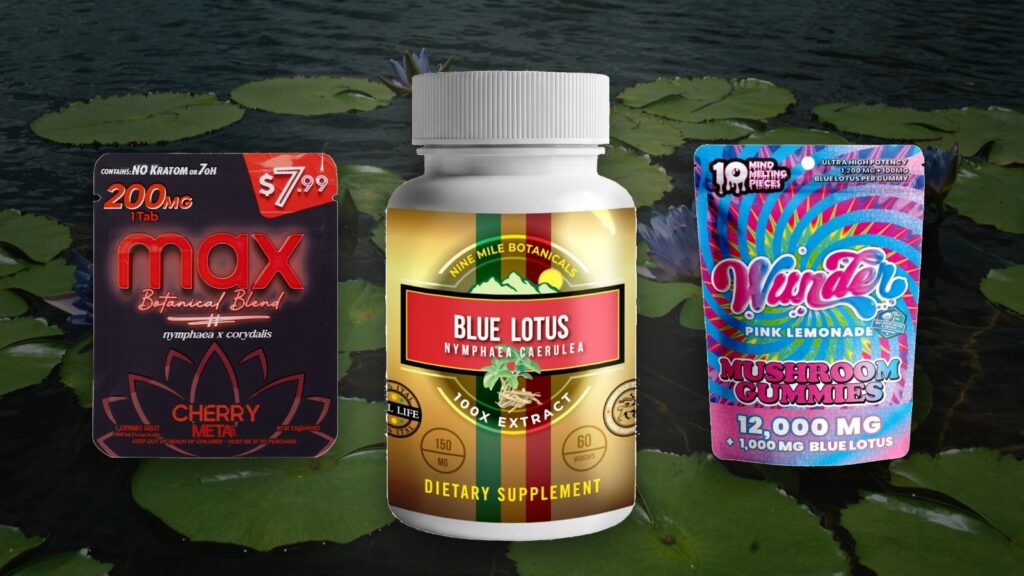
Blue lotus is one of those plants that keeps surfacing in wellness shops, social media feeds, and herbal forums. Despite the growing interest, most people cannot answer a basic question: what actually is it? This guide covers the botany, the ancient history, the chemistry, the reported effects, and the product forms you will encounter, so you can make informed decisions rather than guessing.
Key Takeaways
Blue lotus is Nymphaea caerulea, an aquatic water lily native to the Nile River basin and East Africa. It is not a true lotus (Nelumbo nucifera).
Authentic blue lotus flower products today range from dried petals and teas to capsules and gummies, including those offered by Poppy & Lotus.
The plant’s reputation for relaxation and mild euphoria centers on two alkaloids, nuciferine and apomorphine, but authentic blue lotus extracts often contain these compounds at trace levels (as low as 10-72 parts per billion for nuciferine).
Modern mass spectrometry studies reveal large gaps between authentic blue lotus Nymphaea caerulea extracts and many commercial products, some of which contain synthetic aroma chemicals or undisclosed additives.
Limited human safety data exist. Possible side effects include sedation, dizziness, and nausea. Choosing well-formulated, clearly labeled blue lotus products matters.
What Is Blue Lotus?
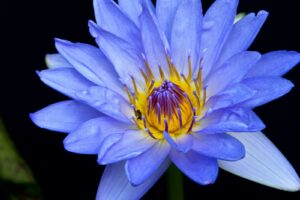
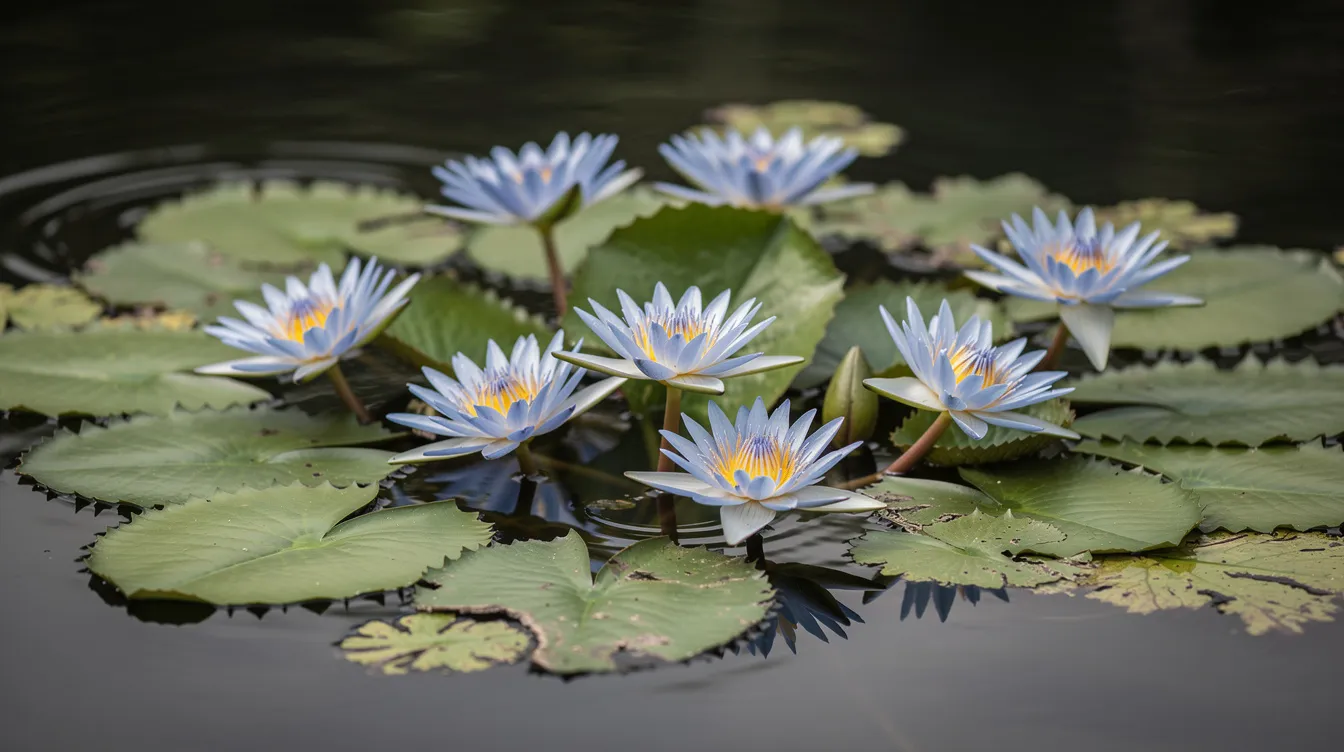
Blue lotus (Nymphaea caerulea) is a tropical water lily, not a true lotus. It is classified as an aquatic perennial plant in the family Nymphaeaceae, native to the Nile River basin, East Africa, and parts of Southern Africa. The blue lotus flower has star-shaped petals that range from sky-blue to violet, surrounding a golden-yellow center of densely packed stamens. Fresh flowers have a sweet, slightly honeyed floral scent.
Several names refer to the same species: “blue lotus,” “Egyptian blue lotus,” “blue water lily,” “sacred blue lily,” “blue Egyptian lotus,” and “blue lotus Nymphaea caerulea” (its full botanical designation is Nymphaea caerulea Savigny). The white lotus (Nymphaea lotus) is a separate species within the same genus. The sacred lotus used in Asian cuisine and spiritual practice, Nelumbo nucifera, belongs to an entirely different genus and family. Today, blue lotus is used worldwide in herbal wellness, aromatherapy, traditional medicine circles, and specialized products like capsules and gummies.
Blue Lotus in Ancient Egypt
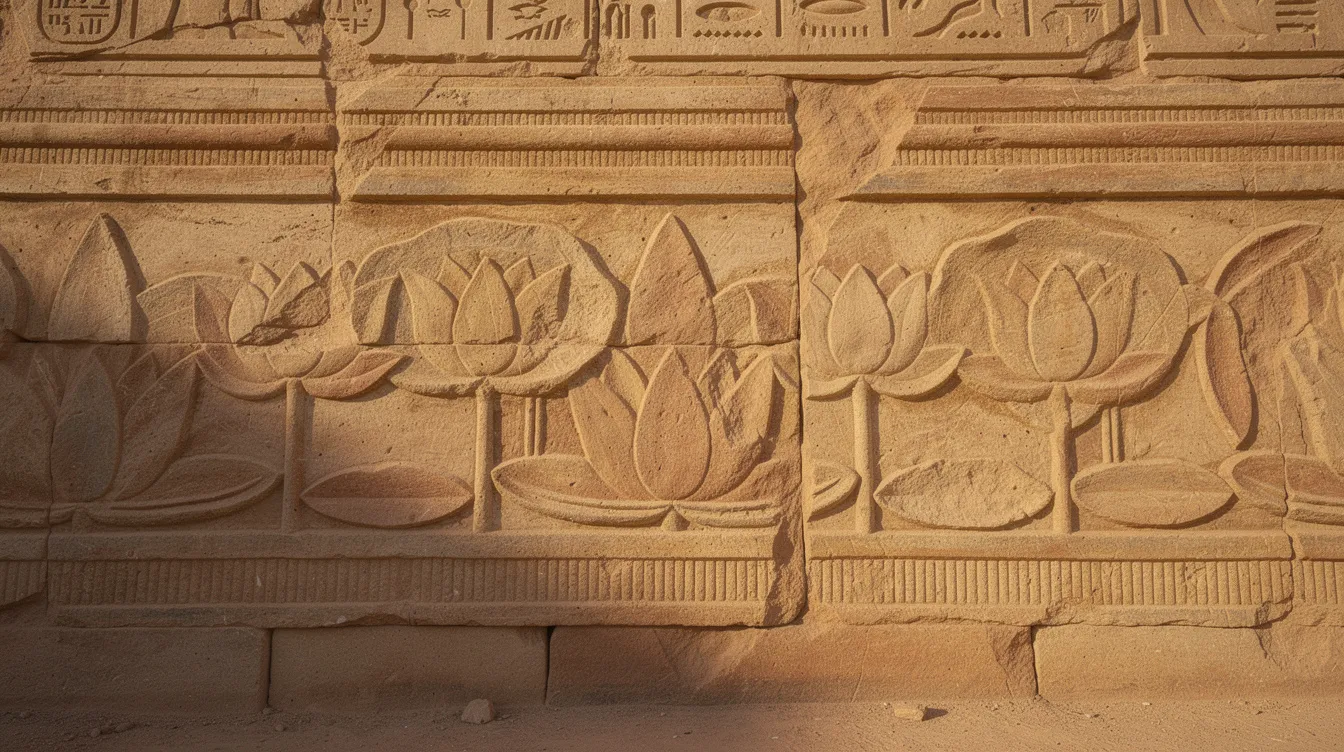
Few plants are as tightly woven into a civilization’s identity as blue lotus is to ancient Egypt. The blue lotus flower appears on tomb walls, sarcophagi, jewelry, papyri, and temple reliefs spanning centuries of Egyptian art.
The blue lotus was depicted in Egyptian tombs from the 14th century BCE, and its presence is especially prominent in New Kingdom artifacts (c. 1550-1070 BCE). Pharaohs’ mummies were covered with blue lotus petals. The flower was used in rituals honoring the goddess Hathor, and blue lotus was cultivated over 4,000 years ago for offerings and ceremonial use. Ancient Egyptians associated the blue lotus with the sun god Ra and the deity Nefertem, who is often depicted emerging from a blue lotus blossom at dawn.
The flower symbolizes rebirth, resurrection, and the cycle of life and death. This symbolism arose from the plant’s natural behavior: blossoms opened with the morning sun and closed at dusk, mirroring the solar cycle. Banquet scenes show guests smelling or wearing lotus flowers, and historical texts and imagery suggest the flower was infused into wines for medicinal use, blending spiritual and sensual purpose. Ancient Egyptians also used blue lotus oils and incense in religious rituals and enhancement of various kinds. Historical uses of blue lotus include recreational and ceremonial applications, placing it alongside other substances like mandrake and opium poppy in Egyptian pharmacological texts. It was believed to enhance romantic and physical connection, reinforcing its role as a natural aphrodisiac in ancient times.
Cultural Significance Beyond Ancient Egypt
The cultural significance of blue lotus extends well beyond the Nile. Greek and Roman writers who visited Egypt recorded the flower in accounts of luxury, perfume, and botanical exotica. In ancient Greece and Rome, blue lotus represented beauty, divine grace, and purity.
Parallels exist in South Asian spiritual traditions, where lotus flowers symbolize the victory of the spirit over the senses, though those traditions typically reference Nelumbo nucifera rather than Nymphaea caerulea. The frequent confusion between these two genera in modern wellness marketing has muddied the picture. Blue lotus is associated with ancient Egyptian mythology and culture, but it also serves as a symbol of divine connection and renewal across cultures. Contemporary art, literature, and wellness communities treat the blue lily as a symbol of spiritual awakening and transformation, tying it to calm, dream states, and mysticism. That long history of the plant feeds directly into today’s interest in blue lotus products.
Botanical Description and Life Cycle
Knowing what the plant actually looks like helps distinguish authentic Nymphaea caerulea from mislabeled commercial products or unrelated species like Nymphaea nouchali.
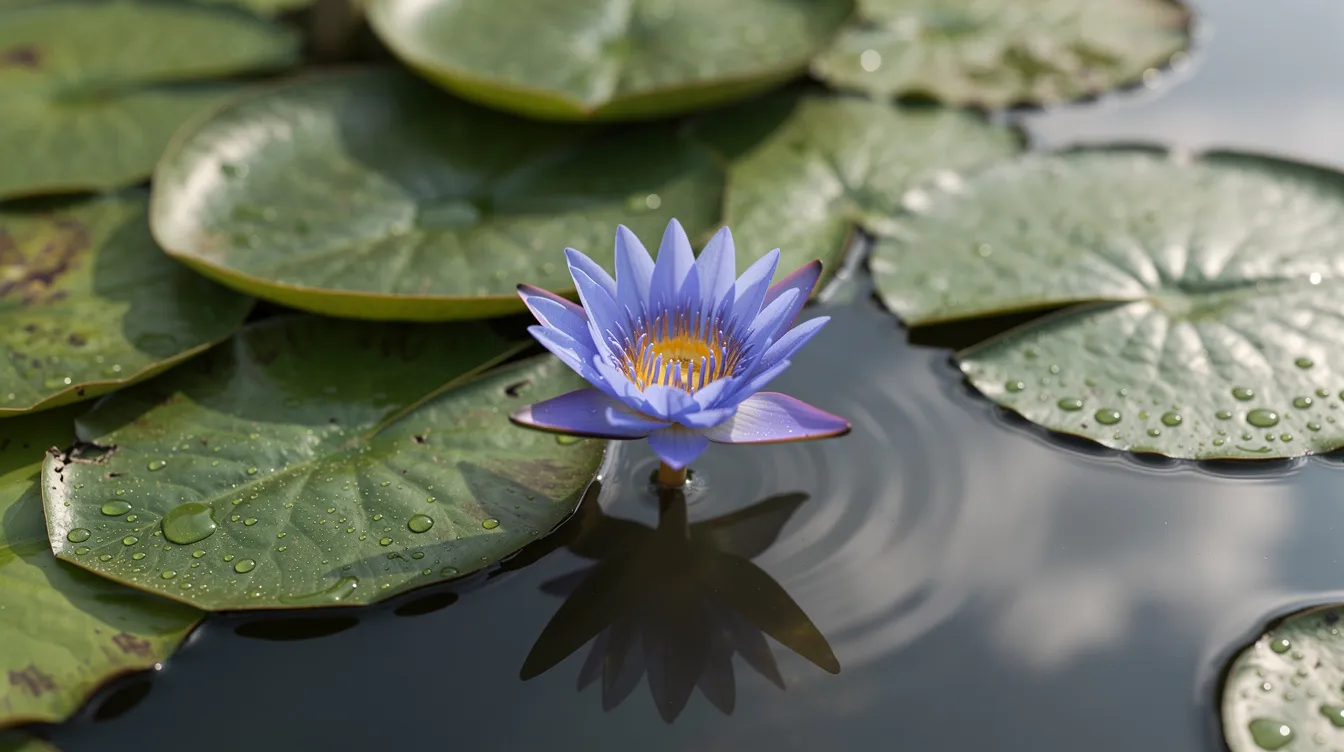
Blue lotus is a perennial aquatic plant with rhizomes that anchor in mud or substrate beneath still or slow-moving water. The plant thrives in warm, shallow waters of lakes and rivers, and it is found in water gardens, ponds, and natural wetlands across East Africa, Southern Africa, and cultivated populations in Asia. The leaves can grow 8-35 cm by 7.5-42 cm in size, are round to oval, and float on the water surface. The upper leaf surface is smooth; the underside shows visible veins and sometimes felted hairs. Petioles are spongy and elongate as the plant ages or water depth increases.
Blue lotus flowers measure 8-12 cm in diameter. Petals are pale bluish-white to vivid sky-blue or violet, sometimes fading toward the tips. The center holds dozens of yellow stamens packed around a central stigma. Blooming typically runs from late summer into cooler months; in Egypt and similar climates, peak flowering occurs during summer mornings. The daily rhythm: flowers open around mid morning and close by dusk. After several days of opening and closing, pollinated flowers set seed in roundish, berry-like fruit. Blue lotus can spread over an area of about 1 metre, forming a modest mat of foliage and blooms on the water surface.
Chemical Composition of Blue Lotus
The effects attributed to blue lotus come from a complex chemical composition rather than a single compound.
Authentic blue lotus flower extracts contain:
Aliphatic hydrocarbons (e.g., 6,9-heptadecadiene at roughly 11-12% of volatile fraction, n-tricosane at roughly 8%)
Aromatic alcohols (benzyl alcohol at 7-10%)
Fatty acids and phenyl derivatives
Diterpenoids, phytosterols, and stigmastanes
Secondary metabolites include flavonoid glycosides such as myricetin-3-O-rhamnoside and quercetin-3-O-glucoside, phenolic acids like gallic acid and p-coumaric acid, plus antioxidant constituents that contribute to the flower’s color and potential antioxidant activity. Blue lotus may have antioxidant and anti-inflammatory properties based on these compounds, though clinical validation in humans remains limited.
The plant’s psychoactive reputation traces to two compounds in the aporphine class: Nymphaea caerulea contains the psychoactive alkaloid nuciferine, and apomorphine is also present but less consistently in blue lotus. These two alkaloids interact with dopamine receptors and are thought to underlie the reported effects of relaxation and mood changes. However, their actual concentrations in authentic extracts are often negligible. One 2023 GC-MS study found nuciferine at only 10-72 parts per billion in authentic flower concretes, with apomorphine frequently absent altogether. Chemical composition varies with plant part (stamens produce more volatiles than petals), growing region, and extraction method, which affects health effects and product potency.
How Scientists Study Authentic Blue Lotus Extracts
Modern research relies on advanced analytical methods to characterize authentic blue lotus extracts and separate fact from marketing claims.
Gas chromatography paired with mass spectrometry (GC-MS) is the primary tool. Researchers extract volatile compounds from Nymphaea caerulea flowers using techniques like headspace solid-phase microextraction, then pass the mixture through a GC column. The instrument separates dozens of individual compounds and matches each one’s “chemical fingerprint” against reference libraries. Studies of authentic Nymphaea caerulea grown in regions like Hainan and Guangdong (China) and sourced from Egyptian cultivars have mapped key volatiles including 6,9-heptadecadiene, n-tricosane, benzyl acetate, and benzyl alcohol.
Separate targeted analyses using LC-MS or UPLC-MS/MS quantify trace levels of nuciferine and apomorphine. These analyses consistently show that perfumery-grade extracts (concretes and absolutes) contain near-undetectable alkaloid levels. Liam McEvoy and other researchers in the toxicology field have also measured nuciferine in blue lotus resin-based e-liquids, finding approximately 340 ng/g in resin mixtures and about 239 ng/g in generated aerosols when tested through a re-buildable dripping atomizer. These measurements clarify how product format and processing affect alkaloid exposure.
Authentic Blue Lotus vs. Commercial Products
Not all “blue lotus products” on the market match the chemistry of authentic Egyptian blue lotus. A market survey comparing authentic extracts with flowers sold online and in retail found troubling differences.
Authentic extracts showed consistent volatile profiles: the same core hydrocarbons, benzyl alcohol, and fatty acids reappeared across verified samples. Commercial blue lotus products, by contrast, varied wildly. Some contained over 150 compounds, many of them synthetic aroma chemicals. Others included essential oil components from citrus, lavender, or geranium, used to mimic or enhance a blue lotus-like scent. Commercial products of blue lotus may lack consistency in chemical composition, and some contained nuciferine or apomorphine levels that only appeared in unverified or potentially adulterated samples.
The practical result: aroma, potency, and health effects differ between authentic blue lotus extracts and generic commercial products. A U.S. Army information sheet warned that some blue lotus vape and supplement products have tested positive for synthetic cannabinoids and other substances entirely unrelated to the plant material itself. That risk underscores the importance of seeking reputable brands with transparent sourcing, clear labeling of Nymphaea caerulea, and realistic claims.
Reported Effects and Health Considerations
Evidence on the health benefits and health effects of blue lotus is a patchwork of traditional use, modern user reports, and limited scientific data. Reports of blue lotus benefits are primarily anecdotal and not clinically proven. Scientific clinical studies on blue lotus efficacy are limited.
Commonly reported effects at modest doses:
Relaxation, reduced tension, and mild mood lift
Support for sleep onset (blue lotus was used to treat anxiety and insomnia in traditional medicine)
Nymphaea caerulea may induce mild euphoria and relaxation
Enhanced mood, relaxation, and heightened awareness
Occasionally enhanced dream vividness
Blue lotus also has a long history as a natural aphrodisiac in traditional contexts. Some traditional medicine systems used it for discomfort, digestion, and as an anxiety reliever.
Adverse effects described in case reports and toxicology bulletins:
Sedation and disorientation
Dizziness, nausea, slurred speech
Changes in heart rate, including rapid heartbeat
High doses of blue lotus can lead to side effects such as hallucinations and paranoia
Five patients experienced altered mental status after using blue lotus in documented emergency department cases
The onset of effects occurs within 15 minutes for some routes and lasts a few hours. Inhaled forms act faster but carry greater risk. Psychoactive effects and medicinal effects depend on product purity, dose, and individual biology. More research is needed before anyone can claim confirmed medicinal benefits or definitive potential benefits for overall health. Start low, go slow, and consult a healthcare professional, particularly if pregnant, breastfeeding, on medications, or managing chronic conditions.
Modern Ways People Use Blue Lotus
Blue lotus is now available in many formats, each with different onset, duration, and risk profiles. It is consumed as tea or tincture for relaxation, and blue lotus is frequently prepared as herbal tea, tinctures, and essential oils.
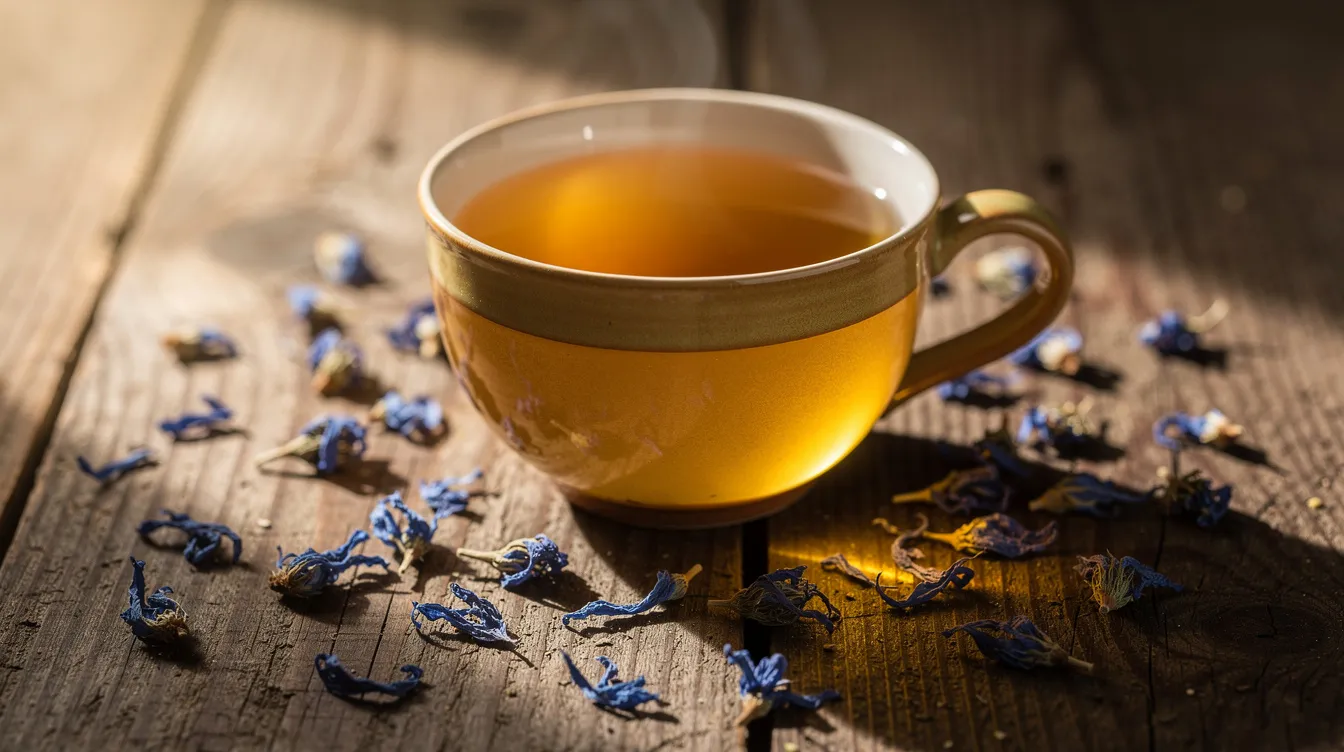
Traditional-style uses: Dried lotus flowers or petals steeped in hot water produce a mild infused beverage with gentle effects. Some people follow ancient practice and steep petals in wine, creating an infused beverage closer to what ancient Egyptians may have consumed.
Contemporary concentrated formats: Liquid extracts, tinctures (alcohol- or glycerin-based), and resins offer more concentrated doses. Community reports suggest starting with 1 ml and not exceeding roughly 5 ml. Essential oil preparations are used in aromatherapy rather than ingestion.
Inhaled routes: Smoking dried blue lotus or using electronic cigarette devices to vaporize blue lotus resin carries greater safety concerns. Products marketed for these routes have less standardized alkaloid content and, as noted, sometimes contain other substances.
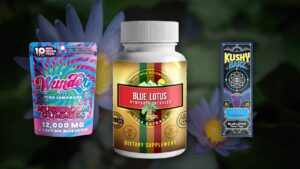
Standardized ingestible formats: Capsules and gummies aim to offer a more predictable, measured experience with labeled milligrams per serving, slower onset, and lower respiratory risk.
Blue Lotus Products You’ll Commonly See
Consumers encounter several main categories of blue lotus products online and in wellness shops:
Product Type | Typical Use | Dosing Precision | Key Concern |
|---|---|---|---|
Dried petals/whole flowers | Teas, baths, ceremonial blends | Low; varies by weight and steep time | Quality and potency vary by source |
Liquid extracts/absolutes | Perfumery, aromatherapy, some topical use | Moderate; measured by drops or ml | May be labeled “not for human consumption” |
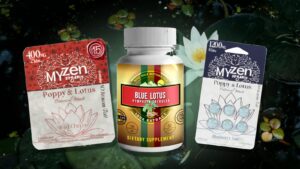
Capsules | Daily supplement routines | High; labeled mg per capsule | Depends on manufacturer transparency |
Gummies | Convenient, flavored supplement | High; labeled mg per gummy | Depends on manufacturer transparency |
Vape liquids/smoking blends | Inhaled use | Low; difficult to control dose | Contamination risk; synthetic cannabinoid adulteration |
Resins/incense | Aromatic, ceremonial | Low | Potency unpredictable; combustion byproducts |
Dried petals and whole flowers are the most common form, but quality and potency vary by harvest, drying method, and storage. Liquid blue lotus extracts (including what vendors call “authentic blue lotus extracts”) serve perfumers, aromatherapists, and some topical formulations. Vape liquids and smoking blends warrant extra caution because of both uncontrolled potency and contamination risks.
Blue Lotus Capsules and Gummies at Poppy & Lotus
If smoking or vaping blue lotus feels like an unnecessary risk, capsules and gummies offer a gentler path. Poppy & Lotus provides modern blue lotus products designed for people who want calm without combustion.
Capsules follow a familiar supplement format: clearly labeled amounts of blue lotus extract per serving, consistent from one dose to the next, fitting into a daily or nightly routine without guesswork. Gummies provide a flavorful option for anyone who finds blue lotus tea bitter or inconvenient. Each gummy delivers a measured dose, making it straightforward to track what you are actually consuming.
Poppy & Lotus emphasizes quality sourcing, thoughtful formulation, and transparency. The goal is an experience that reflects the calming legacy of authentic Egyptian blue lotus rather than chasing aggressive psychoactive effects. If you want to explore blue lotus’s relaxing side within a predictable, easy-to-use format, capsules or gummies at Poppy & Lotus are a practical alternative to sifting through unverified commercial products.
-
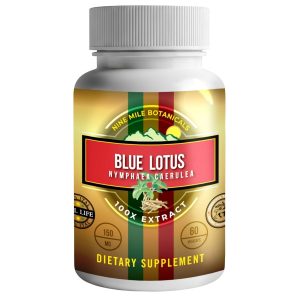
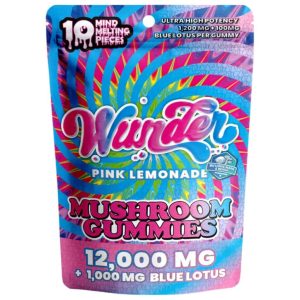 Price range: $5.89 through $29.99View options This product has multiple variants. The options may be chosen on the product page

Legal Status and Regulatory Landscape
Blue lotus occupies a legal gray area in most countries: generally available, but not approved as a drug or conventional food in many jurisdictions.
In the United States, blue lotus is not federally controlled. It does not appear in any schedule under the Controlled Substances Act, and it is not classified as a controlled substance at the federal level. However, blue lotus is unapproved by the FDA for human consumption. The FDA has not approved it for treating any disease or condition, and many products carry “not for human consumption” labels as a regulatory buffer.
At the state level, Louisiana banned the sale, possession, and manufacture of blue lotus in forms intended for ingestion, smoking, or inhalation. Growing it as an ornamental plant remains legal there. Blue lotus has been illegal in Latvia since November 2009. It is prohibited for use by U.S. military personnel; any product labeled or marketed as blue lotus appears on the Department of Defense Prohibited Dietary Supplement List.
Dietary supplement regulations in the U.S. place responsibility on manufacturers for safety and labeling, but pre-market testing requirements are limited compared with pharmaceuticals. Check local regulations before purchasing, and favor brands that comply with supplement and labeling standards.
How to Choose Safer Blue Lotus Products
Thoughtful product selection reduces many of the risks outlined above.
Prioritize products that clearly identify the plant as Nymphaea caerulea (authentic Nymphaea caerulea) and distinguish it from other species or vague “lotus blend” marketing.
Look for brands that disclose extraction methods, full ingredient lists, and confirm the absence of synthetic cannabinoids or undisclosed additives.
Choose formats that allow precise dosing. Standardized capsules and gummies are easier to control than loosely labeled smoking or vaping blends.
Request or look for certificates of analysis (COAs) showing alkaloid levels and contaminant screening (heavy metals, pesticides).
Read reviews, check for responsible health disclaimers, and consult a healthcare provider if unsure about interactions or conditions.
Who Might Consider Blue Lotus, and Who Should Avoid It
Blue lotus is not for everyone and should never replace medical care.
Potential candidates: Adults interested in traditional plant allies for relaxation, meditation, or evening wind-down who are otherwise healthy and not pregnant or breastfeeding. People curious about the psychoactive properties of the plant at low doses, within a controlled, measured format.
Groups who should avoid or proceed only under professional guidance:
Pregnant or breastfeeding individuals (safety data are absent for these populations)
People with heart conditions or those experiencing rapid heartbeat or cardiovascular irregularities
Those with psychiatric disorders or on sedatives, antidepressants, antipsychotics, or blood pressure medications
People with a history of substance use disorders should be cautious with any product marketed for psychoactive effects, including blue lotus
If you find yourself needing any substance, even an herbal one, daily for basic coping, that pattern may signal a larger issue worth discussing with a professional.
Blue Lotus in Modern Wellness and Spiritual Practice
The same qualities that made blue lotus central to ancient Egyptian ritual still draw modern practitioners. Yoga, meditation, and self-care communities use blue lotus tea or low-dose capsules as part of evening journaling, breathwork, or dreamwork practices.
Some people add dried petals to ritual baths and aromatherapy blends for symbolic “release” and renewal, echoing the ancient Egyptian association with rebirth. Many modern practitioners emphasize intention-setting and respectful, mindful use rather than chasing intense psychoactive effects. The plant’s psychoactive compound content, in authentic form, is subtle enough that the experience leans more toward gentle relaxation than altered states.
Spiritual or wellness benefits are individual and not guaranteed. Internal work matters more than any single plant. Blue lotus is best understood as a companion to practice, not a substitute for it.
FAQs
Is blue lotus the same as the lotus used in Asian cuisine?
No. Blue lotus (Nymphaea caerulea) is a water lily. The lotus in Asian food (Nelumbo nucifera) is a different genus entirely, with edible roots and seeds. Both are aquatic and carry symbolic weight, but their chemistry, traditional uses, and product types differ. Recipes calling for lotus root or seeds refer to Nelumbo, not Egyptian lotus.
Can blue lotus show up on a drug test?
Standard workplace drug tests do not screen for blue lotus or its natural alkaloids (nuciferine, apomorphine). The risk comes from adulterated products: some unregulated blue lotus products have been found to contain synthetic cannabinoids, which can trigger positive tests. Anyone subject to strict testing, such as service members or certain professionals, should avoid questionable products and follow their organization’s policies. Blue lotus is already prohibited for U.S. military personnel regardless of test outcomes.
How long do the effects of blue lotus usually last?
When noticeable effects occur from teas, capsules, or gummies, onset typically happens within 30-60 minutes and effects may last a few hours. The onset of effects from inhaled routes can occur within 15 minutes but fades faster and carries more risk. Duration and intensity vary by product format, dose, and individual sensitivity.
Can I combine blue lotus with alcohol or other relaxing herbs?
Combining blue lotus with alcohol, sedatives, or other calming herbs can increase drowsiness, impair coordination, and amplify the risk of altered mental status. Avoid high doses or multiple depressant substances together, especially when driving or operating machinery. Speak with a healthcare professional before mixing blue lotus with any medications or potent herbal blends. This applies equally to reduce anxiety supplements and sleep aid products.
How should beginners start using blue lotus safely?
Start with a low-dose, ingestible form: a mild tea using 2-3 grams of dried petals, a single capsule, or a small portion of a gummy from a reputable brand. Try it on a relaxed evening at home and keep a journal of dose, timing, and effects to understand your personal response. Avoid driving, heavy responsibilities, or combining with alcohol during early trials. Stop use if unwanted effects appear and consult a professional if you have questions about your overall health or medication interactions.