Blue Lotus
Does Blue Lotus Contain THC? What’s Actually in the Plant
Blue lotus is a water lily, not cannabis. How the two plants differ, what compounds blue lotus contains, and how to check any label for THC.
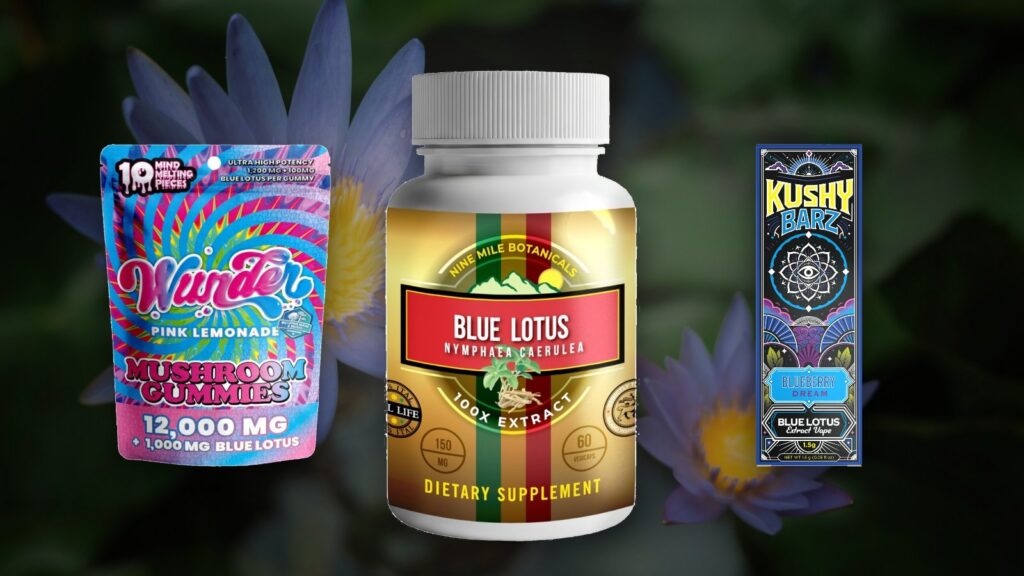
Blue lotus has surged in popularity as an herbal alternative to cannabis, but a persistent question keeps coming up: does this ancient flower actually contain THC? The short answer is no. Yet the longer story involves adulterated products, confusing marketing, and real consequences for anyone subject to drug testing. Here’s everything you need to know.
Key Takeaways
The blue lotus flower (Nymphaea caerulea) does not naturally contain THC, CBD, or any cannabinoids found in cannabis or hemp.
Any blue lotus product that tests positive for THC is either blended with hemp or cannabis ingredients, or it has been adulterated with synthetic cannabinoids.
Standard drug tests do not screen for blue lotus itself, but they will detect THC from any hemp or cannabis components in a blended product.
Blue lotus is prohibited for use by service members under Department of Defense policy, regardless of civilian legality.
If you want to enjoy this ancient botanical without THC, explore pure, clearly labeled blue lotus products from Poppy & Lotus.
What Is Blue Lotus, Exactly?
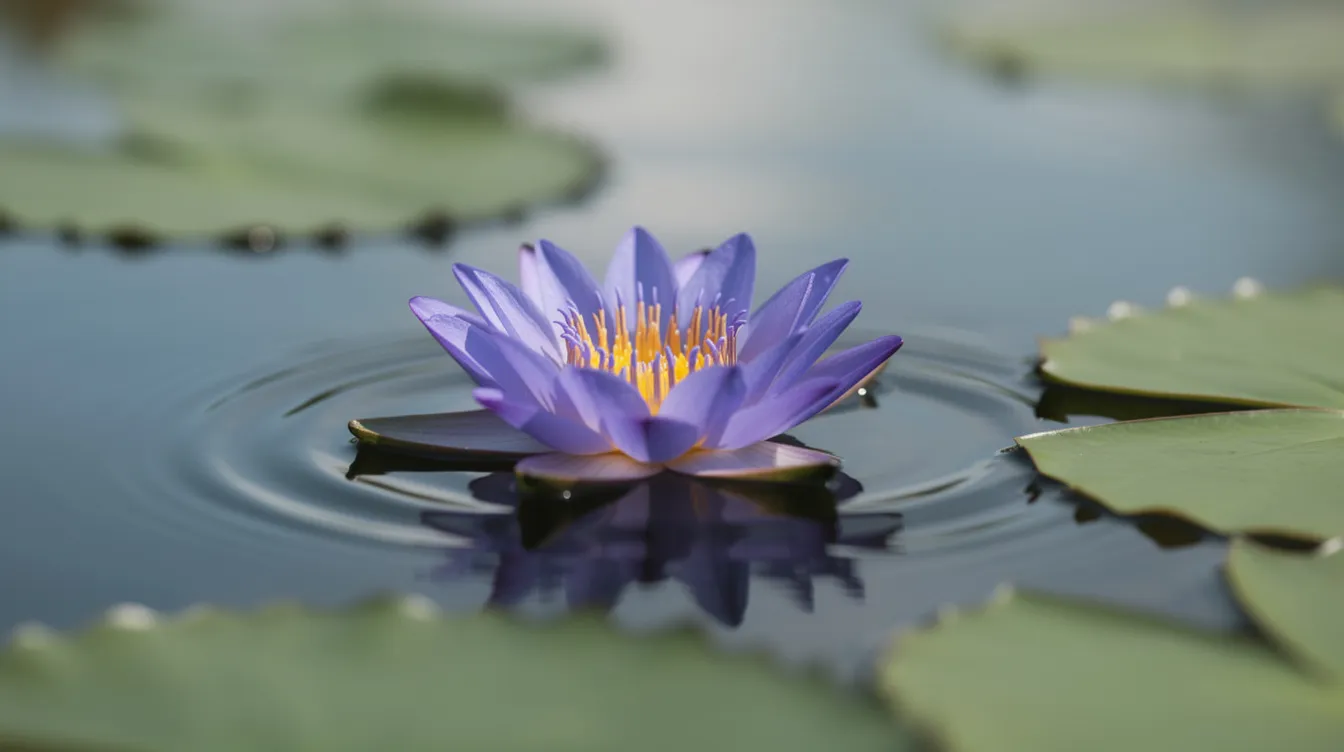
Blue lotus, scientifically known as Nymphaea caerulea, is an aquatic plant in the water lily family (Nymphaeaceae). It is a blue water lily native to the Nile River and parts of East and North Africa. It is not cannabis, hemp, or anything remotely related to Cannabis sativa.
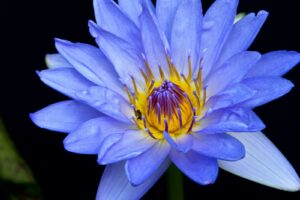
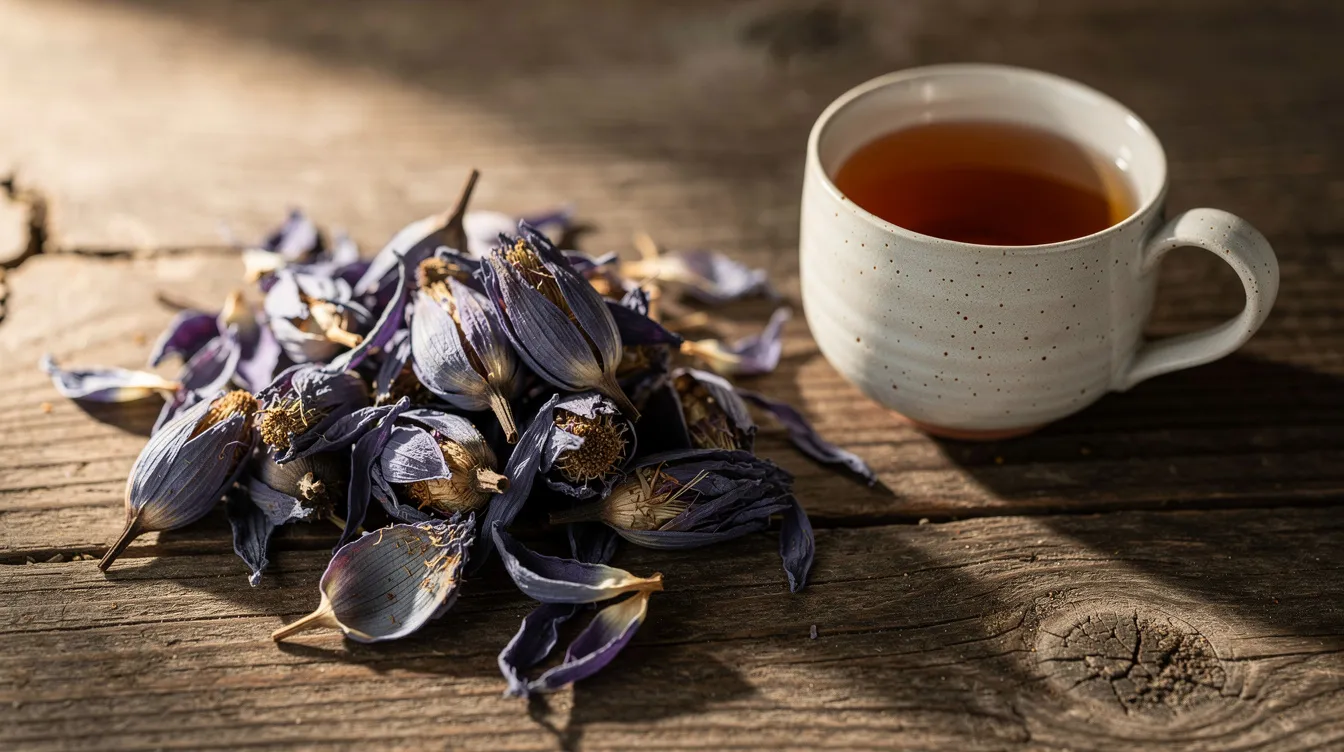
The plant is visually striking: blue to blue-purple petals surround a pale yellow center, and its rounded leaves float on still or slow-moving water. In commerce, the blue lotus flower typically refers to the dried flower or dried petals of this specific species, sold as dried plant material for teas, herbal blends, and ritual use.
At Poppy & Lotus, “blue lotus” means this exact blue lily from the natural world-not a cannabis hybrid, not a hemp strain, and not a marketing gimmick.
Does Blue Lotus Contain THC or Other Cannabinoids?
Pure blue lotus does not contain THC. It also does not contain CBD or any other recognized cannabinoid. Full stop.
The chemical composition of authentic Nymphaea caerulea flowers is built around aporphine-type alkaloids, flavonoids, anthocyanins, and aromatic compounds-none of which are cannabinoids. Modern GC-MS analyses of genuine blue lotus extracts have failed to identify THC or CBD as natural constituents of the plant.
So when you see labels like “Blue Lotus THC” or “Blue Lotus weed,” those are marketing terms or mixed-product names, not descriptions of the flower itself. Any THC that shows up in a blue lotus product comes from something else in the formula-hemp extract, cannabis flower, or synthetic cannabinoids-not from the Egyptian blue lotus.
Why People Confuse Blue Lotus with THC
The confusion between blue lotus and THC stems from three overlapping causes: similar-sounding effects, aggressive product marketing, and blended formulations that muddy the waters.
THC is known for intoxication and altered perception. Blue lotus is often promoted for gentle relaxation, mild euphoria, or a “floaty” feeling. Because those descriptions can sound similar on a product label, consumers reasonably assume the active compounds must be related. They aren’t.
Some brands lean into this overlap deliberately. Product names like “Blue Lotus Kush,” “Lotus OG,” or “Blue Lotus Hemp” are branding choices, not botanical classifications. They’re designed to signal a certain experience-but they don’t mean the flower itself contains cannabinoids.
With hemp rules tightening across the U.S. in 2025 and 2026, more companies are pivoting to traditional botanicals like blue lotus. Some do this honestly. Others blur the line between flower-only and hemp-infused products, making it harder for consumers to know what they’re actually buying. Intoxication has been reported from blue lotus products, but it is almost always traced back to other substances in the formula, not the flower alone.
Blue Lotus Chemistry vs. THC: How They Differ
Blue lotus and THC act through entirely different chemical pathways in the body.
The active compounds in blue lotus are apomorphine and nuciferine, both classified as psychoactive compounds. Here’s how they compare to THC:
Compound | Source | Primary Receptor Targets | Typical Effect |
|---|---|---|---|
Nuciferine | Blue lotus | Dopamine, serotonin | Induces calmness, mild sedation |
Apomorphine | Blue lotus | Dopamine (agonist) | May elevate mood |
THC (Δ⁹-THC) | Cannabis/hemp | CB1, CB2 (endocannabinoid system) | Euphoria, altered perception, impairment |
Nuciferine interacts with dopamine and serotonin receptors and induces calmness. Apomorphine acts as a dopamine agonist and may elevate mood. Neither compound binds to cannabinoid receptors. As a University of Virginia toxicology review notes, the pharmacological potency of these alkaloids is much weaker than THC, and reported blue lotus effects are generally milder and less impairing.
Because the compounds and receptors differ, you cannot map cannabis safety data or dosing guidance onto blue lotus use. They are fundamentally different plants with different chemistry.
Does Blue Lotus Show Up on a Drug Test?
Standard workplace and military drug tests do not screen for blue lotus or its known alkaloids. Common panels (urine, saliva) target THC and its metabolite THC-COOH, along with opiates, amphetamines, and a handful of other controlled substances. Blue lotus constituents are simply not on the list.
That means pure blue lotus flower or tea, without added hemp or cannabis, is not expected to trigger a THC-positive drug test result.
However, some blue lotus products-especially vapes, gummies, or formulas marketed as “Blue Lotus Hemp”-may contain hemp-derived THC or even synthetic cannabinoids. Those absolutely can appear on a drug test. A 2024 study in the Journal of Analytical Toxicology found that in 65 toxicology cases involving “blue lotus” products, at least one synthetic cannabinoid was confirmed, and THC metabolites were detected in some users’ urine.
If you’re subject to testing-whether as one of the many active duty service members, a commercial driver, or a safety-sensitive employee-avoid any blue lotus blend that lists hemp, THC, “full-spectrum” extract, or cannabinoids on the label.
Blue Lotus Products vs. Blue Lotus Blends (Where THC Can Sneak In)
There’s a critical difference between single-ingredient blue lotus products and multi-ingredient blends that pair blue lotus with hemp or cannabis.
Pure blue lotus formats include:
Dried flowers or dried petals for tea or ritual use
Loose petals commonly used in herbal smoking blends
Non-hemp tinctures (alcohol or glycerin) labeled clearly as blue lotus flower extract
Essential oil derived solely from Nymphaea caerulea
Blended or “enhanced” products include:
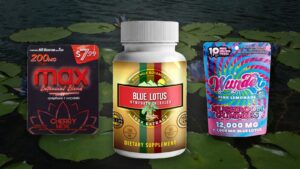
Vape liquid or electronic cigarette cartridges labeled “Blue Lotus” but containing hemp extract
Edibles with CBD, delta-8 THC, or other cannabinoid additives
Smoke blends mixed with cannabis flower
Any product using a re buildable dripping atomizer with unknown liquid ingredients
In blended products, THC and other cannabinoids come entirely from the hemp or cannabis components-not from the blue lotus itself. Blue lotus products may contain synthetic cannabinoids when sourced from unscrupulous vendors, and contaminated products can cause unexpected psychoactive effects. Purchasing blue lotus extracts involves real risks due to the lack of regulation in this space.
Blue lotus is sold as dried plant material, tea, and extracts across the market. It can be ingested, brewed, smoked, or vaped. Poppy & Lotus focuses on clearly labeled, plant-forward blue lotus products so customers can tell at a glance whether they’re buying pure flower or something that includes hemp-derived ingredients.
Is Blue Lotus Legal? (Including for Service Members)
Blue lotus legal status depends on where you live and who you are-even though it is not commonly listed as a controlled substance.
In most countries, including much of the United States, United Kingdom, and European Union, blue lotus can be sold legally as a decorative botanical, incense, or dietary supplement. Blue lotus is not approved as a medicinal product in the U.S., and it has not received novel food approval in the EU.
Key exceptions and rules:
Louisiana prohibits blue lotus for specific preparations intended for human consumption as of mid-2026.
U.S. Department of Defense: Blue lotus is listed as a prohibited dietary supplement ingredient. Blue lotus is prohibited for military use in the U.S., and blue lotus is prohibited for use by service members regardless of whether the product contains THC. Violations can trigger disciplinary action under UCMJ.
Most other jurisdictions: In many regions, blue lotus is legal to purchase and possess.
If you’re a service member, work in military medicine, or hold any regulated profession, follow official policies before using blue lotus products. When in doubt, check with a healthcare professional.
Blue Lotus Effects and Potential Benefits (Without THC)
Modern research on blue lotus effects in humans remains limited research, largely built on anecdotal reports, animal studies, and traditional use rather than large randomized trials. Keep realistic expectations.
Commonly reported effects include:
Gentle relaxation and a subtle mood lift, sometimes described as mild euphoria
Easier sleep onset-some users treat it as a natural sleep aid
More vivid or memorable dreams
A soft, “dreamy,” or meditative state, often milder than cannabis
Blue lotus can produce mild euphoric effects, and blue lotus is traditionally used to promote deep meditation and relaxation. Some users also explore it as a natural aphrodisiac, though evidence for effects on erectile dysfunction is largely anecdotal. Smoking blue lotus produces a light floral aroma and smooth taste. Blue lotus tea is prepared by steeping dried plant material in hot water for a few hours or overnight as an infused beverage.
Blue lotus is not typically associated with strong intoxication, and effects vary by individual sensitivity and dosage. These are not a cannabis “high.” Because blue lotus does not contain THC, its potential benefits and medicinal effects exist on a different spectrum entirely. People sometimes mention possible health benefits like its antioxidant constituents or its use as an anxiety reliever, but none of these claims have FDA backing.
Using Blue Lotus Safely (Especially If You’re Drug-Tested)
“Natural” does not automatically mean “risk-free.” Even among psychoactive drugs derived from plants, thoughtful use matters.
Basic safety tips:
Start with a low amount-try a small cup of tea or a few dried petals
Use it on a quiet evening at home rather than before driving or operating machinery
Avoid combining blue lotus with alcohol, sedatives, antidepressants, or other psychoactive substances; combining blue lotus with antidepressants can cause adverse reactions, and additive drowsiness or confusion is possible
Groups that should be extra cautious or avoid blue lotus entirely:
Pregnant or breastfeeding women should avoid blue lotus
Children and teens
People with liver or kidney conditions should be cautious with blue lotus
Anyone with serious heart or psychiatric conditions-high doses of blue lotus can lead to dizziness or hallucinations, and negative effects like chest pain or rapid heartbeat have been reported at higher doses
For those subject to regular drug testing, choose only pure blue lotus products with transparent ingredient lists. When possible, look for third-party lab reports confirming no added hemp-derived THC or synthetic cannabinoids. A safety assessment of any new supplement should be part of your routine-consult a healthcare professional to discuss your overall health before adding blue lotus or any dietary supplements to your regimen. In large quantities, even pure blue lotus can produce unwanted effects that linger for a few hours.
Blue Lotus in Ancient Egypt vs. Modern Use
The modern fascination with blue lotus today connects directly to one of the oldest documented relationships between humans and a psychoactive compound. From the very beginning of recorded Egyptian history, this flower held deep cultural significance.
Ancient Egyptians revered the blue Egyptian lotus as a symbol of life, rebirth, and immortality. Images of blue lotus appear on ancient Egyptian artifacts and tombs, including tomb paintings and temple carvings dating from roughly the 14th century BCE onward. The flower was found among the treasures of King Tut, and it appears throughout Egyptian artifacts spanning centuries. Blue lotus is mentioned in The Egyptian Book of the Dead and was used in healing and spiritual ceremonies in ancient Egypt as part of ancient Egyptian culture.

Historical sources suggest ceremonial use in fragrant offerings or infusions, though exact ancient recipes remain debated among scholars. What’s clear is that this blue lily was no ordinary aquatic plant in ancient times-it sat at the intersection of religion, medicine, and daily life for the ancient Egyptians.
Today’s uses look different: herbal teas, incense, smoking blends, and ritual botanicals marketed for relaxation. Using blue lotus through Poppy & Lotus offers a way to connect with that heritage in a THC-free form, bridging the gap between the ancient world and modern wellness as a legal botanical option among traditional botanicals.
Choosing Trusted Blue Lotus Products at Poppy & Lotus
The main risk with blue lotus today comes from mislabeled or adulterated products, not from the dried flower itself. A recent market survey of seized “blue lotus” products found that 90% contained one or more synthetic cannabinoids, while the actual blue lotus alkaloids were often absent entirely.
What to look for when shopping:
Clear labeling of “Nymphaea caerulea” or “blue lotus flower” as the ingredient
Ingredient lists that distinguish authentic Nymphaea caerulea from hemp-included blends
Honest descriptions of intended use (tea, incense, etc.)
Third-party lab documentation showing the chemical composition
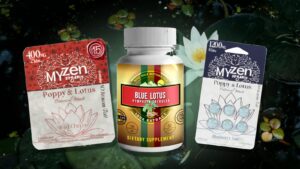
Poppy & Lotus sources identifiable Nymphaea caerulea flowers, avoids undisclosed synthetic additives, and clearly flags any products that contain hemp or cannabinoids. If you want to stay THC-free, choose offerings that are strictly blue lotus flower based.
Explore different formats on the Poppy & Lotus site-loose dried petals for herbal blends, whole dried flower heads for tea and ritual, or blue lotus sold online in other preparations-depending on whether you want aroma, flavor, or atmosphere, all without THC.
FAQ
Here are answers to the most common practical questions about blue lotus that weren’t fully covered above.
Is blue lotus safe for service members to use if it’s THC-free?
No. Even THC-free blue lotus products are off-limits. The U.S. Department of Defense currently lists blue lotus as a prohibited ingredient for service members, so active duty service members should not use it regardless of THC content. Military readers should follow OPSS (Operation Supplement Safety) and branch-specific guidance before using any dietary supplement or botanical product.
Can blue lotus be mixed with cannabis or hemp?
Some people do mix blue lotus with cannabis or hemp in smoking blends or edibles, but doing so introduces THC and increases both intoxication and drug test risk. It also means you’re combining other substances with different mechanisms, making effects harder to predict. If you’re trying to stay THC-free, avoid mixes and stick to pure blue lotus products like those clearly labeled and offered by Poppy & Lotus.
Will blue lotus help me pass a drug test after using THC?
No. Blue lotus does not “cleanse” the body of THC or mask THC metabolites, and it should not be relied upon to affect drug test results. The only reliable way to avoid a positive THC test is to not consume THC-containing products within the detection window before testing.
Is blue lotus addictive like cannabis?
There is no strong evidence that blue lotus causes physical dependence the way some substances can, but any mood-altering plant can become a psychological crutch for some users. Monitor your patterns-if you find yourself needing blue lotus every night to sleep or feeling anxious without it, speak with a healthcare professional about whether your use is becoming problematic.
How can I tell if a “blue lotus” vape or gummy actually contains THC?
Look for a full ingredient list and check for words like “hemp,” “full-spectrum,” “delta-8,” or “THC.” Review any available third-party lab reports. If the label is vague or doesn’t provide lab documentation, those who must avoid THC are safer choosing a clearly labeled, flower-only blue lotus product from a brand like Poppy & Lotus instead of a mystery vape liquid or edible from an unknown vendor.