Guides
How to Read a Botanical Product Label: mg per Serving, Total mg, Batch and 21+
Use real package examples to distinguish ingredient amounts, serving units, whole-pack totals, and production identifiers.
Key Takeaways
The serving size on a botanical dietary supplement label is the foundation for understanding every number on the panel, including amount per serving and percent daily value (%DV). One capsule does not always equal one serving.
Servings per container tells you exactly how long a bottle of capsules, powder, or liquid botanical will last at the suggested use, and is essential for calculating cost per serving.
Reading the supplement facts label line by line-from serving size and daily value DV down to other ingredients and safety warnings-gives you a complete picture of what you are consuming.
Common marketing terms like “natural,” “organic,” and “GMO-free” on botanical product labels have very different levels of regulatory backing, and none of them automatically guarantee quality or safety.
Practicing these label-reading skills will help you make informed choices when exploring any botanical product range, including the offerings at Poppy & Lotus.
Introduction: Why Botanical Supplement Labels Matter
Nearly half of U.S. adults use dietary supplements, and interest in botanical products like ashwagandha, milk thistle, and turmeric continues to climb. Unlike conventional foods you grab off a grocery shelf, a botanical dietary supplement contributes specific herbal compounds that require careful attention to dosing, sourcing, and safety.
That is why dietary supplement labels carry specific information-serving size, amount per serving, percent daily value, other ingredients, health claims, and cautions-to help consumers use them safely and effectively. This article focuses on how to read a supplement label for botanical formulas in their most common forms: capsules, tablets, powders, and liquids, so you can understand both potency and how long a package will last.
Poppy & Lotus specializes in thoughtfully formulated botanical dietary supplements, and this guide is designed to help you evaluate any brand, including but not limited to Poppy & Lotus. The guidance here is based on U.S. labeling rules overseen by the FDA within the Department of Health and Human Services, and is intended for education, not medical advice.
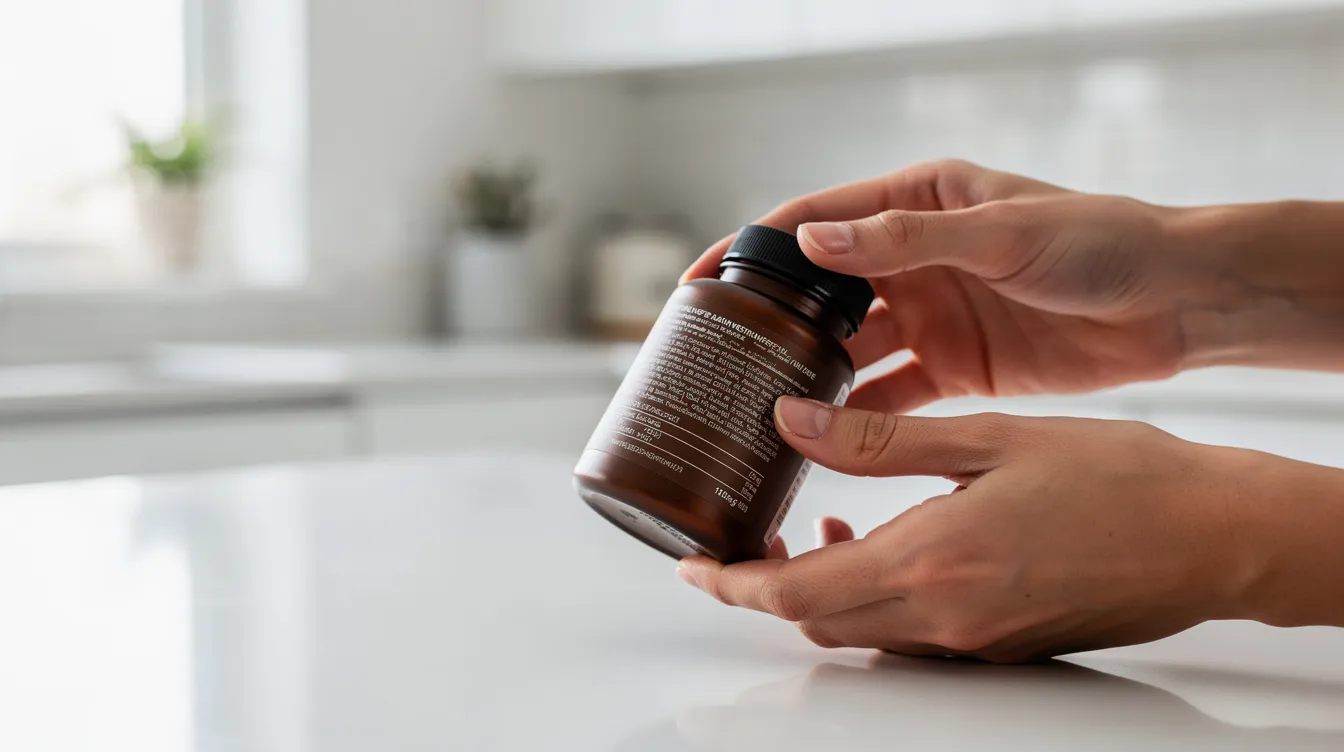
First Look: Finding and Reading the Supplement Facts Label
The supplement facts label typically appears on the side or back panel of a dietary supplement bottle, box, or pouch, near the directions for use. If you have ever looked at a food product’s nutrition label, the format will feel familiar-but there is one immediate difference.
A botanical dietary supplement facts label will be titled “Supplement Facts,” not “Nutrition Facts.” Both share concepts like serving size, daily value, and percent daily value DV, but the supplement version is built specifically for vitamins, minerals, herbs, and other dietary ingredients rather than conventional food.
Here is what you will find inside the supplement facts box, and what this article will walk through:
Serving information – serving size and servings per container
Amount per serving – how much of each vitamin, mineral, or botanical ingredient is in one serving
Daily value / percent daily value – how a single serving stacks up against reference values for nutrients
Other ingredients – inactive components like capsule material, fillers, and flavorings
Cautions and warnings – safety information and usage restrictions
Optional structure/function claims – statements about what the product supports
The Supplement Facts panel is critical for evaluating dietary supplements. Throughout this article, we will refer back to a hypothetical Poppy & Lotus product-“Ashwagandha Calm Capsules”-to make each concept concrete.
Serving Size: The Starting Point of Every Botanical Label
Serving size is the reference amount on which all nutrient and botanical amounts, including percent daily value DV, are based. For example, a label might read “Serving Size: 2 capsules.” Everything listed on the panel-milligrams of ashwagandha, percentage of daily value for any vitamins-applies to that two-capsule amount.
Serving size indicates the recommended amount to take, but it is not necessarily a personalized recommendation. It reflects the manufacturer’s suggested amount per intake and is the fixed unit used for all label calculations.
Here are some concrete examples for botanical products:
Product Form | Typical Serving Size |
|---|---|
Capsules or tablets | 1–3 capsules/tablets |
Tincture (liquid extract) | 1 dropperful (about 1 mL) |
Botanical powder | 1 scoop (approximately 5 grams) |
Herbal softgels | 2 softgels |
If a range is recommended in the directions (for example, “take 1–2 capsules daily”), FDA rules require the highest number to be used as the serving size in the supplement facts. So that label would show “Serving Size: 2 capsules.”
One capsule does not always equal one serving size. Always confirm serving size before comparing botanical products or calculating your intake.
Servings Per Container: How Long the Package Will Last
Just under the serving size in the supplement facts box, you will find “Servings Per Container.” This number tells you how many labeled servings are in the bottle, jar, or bag.
A bottle may contain multiple servings per container-and that relationship determines how long the product actually lasts. Here are quick examples:
A 60-capsule botanical supplement with a serving size of 2 capsules → 30 servings per container
A 150 g herb powder with a 5 g serving size → 30 servings
A 120 mL tincture with a 1 mL serving size → 120 servings
If you take one serving per day, 30 servings equals roughly one month. A container of 30 botanical tea sachets with “Serving Size: 1 tea bag” and “Servings Per Container: 30” makes duration obvious.
Quick cost-per-serving tip: Divide the product’s price by the number of servings per container. A $30 bottle with 30 servings costs $1.00 per serving. A $25 bottle with only 15 servings costs $1.67 per serving-nearly 70% more, despite the lower sticker price.
How many servings you get from a container is more useful than bottle count alone.
Directions, Serving Size, and Personal Dose: Knowing the Difference
The “Directions” or “Suggested Use” section on a botanical dietary supplement label may not be identical to what is right for you individually, especially if you are under medical care.
Here is how the three concepts differ:
Serving size is the fixed reference for the supplement facts panel.
Directions describe how many servings to take per day (for example, “Take 1 serving 1–2 times daily with food”).
Personal dose is the amount a clinician might recommend for your specific situation.
For example, a healthcare provider might advise a sensitive individual to start with half the labeled serving, or to split a two-capsule serving into one capsule twice daily instead of all at once. Serving sizes can vary based on age and product type, which is another reason professional input matters.
Taking more units-capsules, droppers, scoops-per day than the listed serving size will multiply ingredient intake and percent daily values. You must factor that into safety, especially when a product supplies nutrients with a tolerable upper intake level. Always combine supplement labels with dietary intake from other foods and beverages to avoid excessive consumption.
This article cannot replace personalized healthcare advice, especially for botanicals that can interact with medications.
Amount Per Serving: Understanding What’s Actually in Your Botanical
The “Amount Per Serving” column lists how much of each vitamin, mineral, or botanical dietary ingredient is in one serving, usually in units like milligrams (mg), micrograms (mcg), grams (g), or mL for liquids.
In botanical products, the upper part of the panel may show classic nutrients (for example, vitamin C 90 mg) while the lower portion lists herbal ingredients (for example, ashwagandha root extract 600 mg, milk thistle seed extract 250 mg). The amount per serving lists nutrients in grams or milligrams, depending on the ingredient.
Proprietary blends deserve special attention. Proprietary blends list ingredients under a combined weight without individual amounts. If a label shows “Calm Botanical Blend 900 mg” containing ashwagandha, holy basil, and rhodiola, you cannot determine how much of each herb you are actually getting. The ingredients must still be listed in descending order by weight, but that only gives you a rough sense of proportion.
When it comes to botanical form, there is a meaningful difference between:
Whole herb powder (e.g., turmeric root powder 1,000 mg) – ground plant material with variable active compound levels
Standardized extract (e.g., turmeric root extract 500 mg, standardized to 95% curcuminoids) – processed to guarantee a minimum percentage of specific active constituents
Functional ingredients include botanicals and probiotics, and both should be clearly quantified on the label. When comparing products, compare equivalent serving sizes and the amount per serving of the key botanical components, not just the capsule count.
Daily Value and Percent Daily Value (%DV) on Botanical Products
Daily value (DV) is the reference intake level for vitamins and minerals used on U.S. dietary supplement labels, typically based on a 2,000 calorie diet as established by the FDA for labeling purposes. Percent daily value (%DV) shows how much of that reference value one serving provides.
For example, if a botanical supplement includes iron at 9 mg and the daily value for iron is 18 mg, the label will show 50% DV. A serving labeled 50% DV provides half the daily recommendation for that nutrient.
Here is how to interpret the numbers:
%DV Range | What It Means |
|---|---|
≤5% DV | Low in that nutrient per serving |
20% DV or higher | High in that nutrient per serving |
Percent daily value helps determine if a nutrient content is high or low in a single serving. This is useful when a botanical formula pairs herbs with vitamins-say, vitamin C alongside elderberry, or vitamin D with a bone-support herb blend.
Most botanicals themselves (like echinacea or valerian) do not have established daily values, so their lines will show a “†” symbol with a footnote reading “Daily Value not established.” This is normal and expected-it simply means there is no official reference value for that herb.
Daily value percentages are not personalized recommendations. They are a general population tool and do not necessarily reflect the optimal or safe intake for every individual. If you consume a nutrient from supplements and other foods across an entire day, the percentages add up, and exceeding the recommended daily values for certain nutrients can carry risks.
Units and Label Math: mg, mcg, g, and Serving Calculations
Common units on dietary supplement labels are straightforward once you know the scale:
1 g (gram) = 1,000 mg (milligrams)
1 mg (milligram) = 1,000 mcg (micrograms)
Units can make numbers look larger or smaller. For example, 500 mcg of vitamin B12 is the same as 0.5 mg. Always pay attention to both the unit and the amount when comparing products.
The chemical form of nutrients affects absorption and tolerability, and labels sometimes reflect this in confusing ways. Consider a label showing:
Magnesium (as magnesium glycinate) 200 mg
Magnesium glycinate complex 1,400 mg
Only 200 mg is elemental magnesium-the amount your body actually uses. The 1,400 mg refers to the total weight of the magnesium glycinate compound, which includes the glycine carrier. The distinction matters for hitting the right daily diet targets.
For multi-capsule servings, the math is simple division. If a serving size of 3 capsules supplies 900 mg of ashwagandha, then each capsule provides 300 mg. If you take only 2 capsules, you are getting 600 mg, not the full labeled amount.
Other Ingredients: Excipients, Capsules, and Flavorings
The “Other Ingredients” section appears below the main supplement facts box. The ingredients listed as “other ingredients” include fillers and binders-components that are not the primary active botanicals but serve manufacturing purposes.
Common examples include:
Vegetable cellulose – capsule shell material
Organic rice hull concentrate or microcrystalline cellulose – flow agents
Natural citrus flavor – used in botanical powders
Glycerin – common in liquids and tinctures
Sweeteners like stevia or monk fruit in flavored formulas
Excipient ingredients aid in stability and absorption, so their presence does not automatically indicate poor quality. However, for people avoiding specific ingredients-gelatin, gluten, soy, artificial colors-this list is critical and should always be checked carefully.
Even “natural” or “food-based” botanical dietary supplements may still use excipients, and transparency about what those excipients are matters. At Poppy & Lotus, the other ingredients lists for botanical products are intentionally kept short and straightforward-something to look for across any brand you evaluate.
Natural, Organic, Whole Food, and GMO-Free: What These Claims Really Mean
Marketing terms on the front of botanical supplement labels can be genuinely informative-or they can be window dressing. This section breaks down four common front-of-label terms and explains which claims have formal standards and which require closer inspection of the facts label and ingredient list.
One universal rule: dietary supplement labels cannot legally claim to treat, cure, or prevent diseases without meeting strict evidence and regulatory requirements, regardless of which marketing terms appear on the package.
Natural
Natural supplements lack artificial or synthetic ingredients-at least in theory. In U.S. practice, “natural” on dietary supplements is not strictly regulated and generally implies no artificial or synthetic additives. But the term itself is not a guarantee of purity or quality.
To verify a “natural” claim, scan the other ingredients list for artificial colors, flavorings, or sweeteners. Check whether botanicals are clearly named with their plant parts (for example, “chamomile flower” rather than a vague “herbal blend”). The word “natural” can appear on both high-quality and low-quality botanical products, so ingredient transparency and third-party testing matter more than the term alone.
Poppy & Lotus uses the term “natural” only when supported by ingredients that genuinely meet this expectation-no synthetic dyes, minimal processing.
Organic
Organic supplements must comply with National Organic Program regulations. For botanical supplements, “organic” means ingredients were grown and processed according to USDA National Organic Program standards-no synthetic pesticides, no GMOs, and specific soil management practices.
The labeling tiers are:
“100% Organic” – every ingredient is certified organic
“Organic” – at least 95% organic ingredients
“Made with Organic [herb]” – at least 70% organic ingredients
The green USDA Organic seal appears on packaging only when certification requirements are met for the overall product, not just one botanical. Poppy & Lotus prioritizes organic botanical sources whenever feasible-verify organic claims by looking for the actual certification seal rather than just text.
Food-Based or Whole Food
“Food-based” or “whole food” supplements often use concentrates or dehydrated food and herb blends-think freeze-dried kale, beet root, or turmeric. But the phrase itself is not a regulated guarantee of quality.
Such products can still contain synthetic nutrients, fillers, or flavorings. A botanical multivitamin labeled “whole food” might still list isolated vitamins with daily values alongside a blend of dehydrated herbs and vegetables. Always consult the supplement facts and other ingredients sections to see what is really inside.
Poppy & Lotus botanical formulas may incorporate food-based ingredients when they add clear benefit, without implying superiority based solely on this term.
GMO-Free / Non-GMO
GMO-free supplements contain no genetically modified ingredients. Seals like Non-GMO Project Verified add credibility to this claim. Some consumers prefer these products due to environmental or agricultural practice concerns.
Herbs, excipients, and even capsule materials can potentially be derived from genetically modified crops like corn or soy unless explicitly labeled non-GMO. However, non-GMO status does not, by itself, guarantee potency, purity, or safety-it is one quality factor among many.
Poppy & Lotus formulators choose non-GMO botanical ingredients and carriers as part of a broader quality approach that includes testing and transparent labeling.
Health Claims and Structure/Function Statements on Botanical Labels
There is a critical legal distinction between health claims and structure/function statements on botanical dietary supplement labels.
Approved health claims connect a specific nutrient to reduced disease risk and require significant scientific evidence plus FDA authorization.
Structure/function claims describe how a product supports normal body functions-for example, “supports healthy sleep” or “helps maintain joint comfort.”
Under U.S. law, dietary supplements cannot be marketed to “diagnose, treat, cure, or prevent any disease” without going through drug-level approval. Any product making such a claim is a red flag.
Look for the required small-print disclaimer near any structure/function claim: “These statements have not been evaluated by the Food and Drug Administration. This product is not intended to diagnose, treat, cure, or prevent any disease.”
Consider two botanical examples:
✅ A valerian formula stating “supports restful sleep” – fits within regulations
❌ A valerian formula claiming “cures insomnia” – crosses the legal line
Do not rely solely on label claims for safety or effectiveness. Consider the full facts label, brand reputation, published evidence, and professional guidance before making decisions.
Allergens, “Free From” Claims, and Important Information
Many botanical dietary supplements now include “Free From” or “Does Not Contain” sections listing the absence of common allergens or undesirable components: gluten, dairy, soy, nuts, artificial colors, artificial preservatives, and more.
These statements are usually voluntary but extremely helpful for people with celiac disease, food allergies, or dietary preferences such as vegan, kosher, or halal lifestyles. Allergen information may appear both near the other ingredients list (“Contains: soy”) and within a dedicated “Free From” panel.
For example, a botanical softgel might use soy lecithin as an emulsifier in its carrier oil. Consumers who avoid soy would want to look for alternatives using sunflower lecithin. A quick scan of the label can reveal this-or prevent an unwanted reaction.
Poppy & Lotus clearly states key “free from” attributes for their botanical line-such as “Free from synthetic colors and artificial flavors”-to support informed consumer choices.
Cautions, Warnings, and When to Talk to a Professional
The “Cautions” or “Warnings” section on a dietary supplement label is arguably the most important information on the entire package, especially for botanicals that may affect blood pressure, blood clotting, liver function, or hormone pathways. Dietary supplement labels must include safety warnings and disclaimers, and cautions highlight safe usage of supplements.
Common phrases you will see on botanical product labels:
“Not intended for use by pregnant or nursing women”
“Consult your healthcare provider if you have a medical condition or are taking medications”
“Discontinue use if adverse reactions occur”
“Keep out of reach of children”
Warnings often advise against use for children. Pregnant or nursing individuals should heed warnings carefully. Specific health concerns-like thyroid disorders, autoimmune conditions, or bleeding disorders-may restrict supplement use entirely.
Targeted examples of botanicals with known interaction profiles:
St. John’s Wort – can interact with antidepressants, birth control, and other medications
Ginkgo biloba – may affect blood-thinning medications and increase bleeding risk
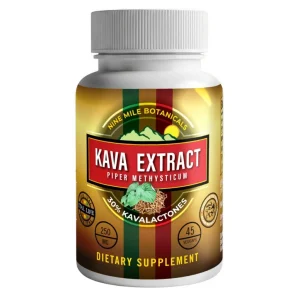
Kava – associated with concerns about liver health in some individuals
Consult a healthcare professional if taking medications, and treat warning sections as essential reading, not fine print to skip. Keep labels or photos of labels on file to discuss with your healthcare team.
Botanical Identity: Latin Names and Plant Parts
Reputable botanical dietary supplement labels list both the common and Latin binomial names of each herb, along with the plant part used. For example:
Ashwagandha (Withania somnifera) root
Milk thistle (Silybum marianum) seed
Echinacea (Echinacea purpurea) aerial parts
Botanical ingredients must follow FDA labeling regulations, informed by references like Herbs of Commerce, which encourage consistent naming to reduce confusion between species and plant parts.
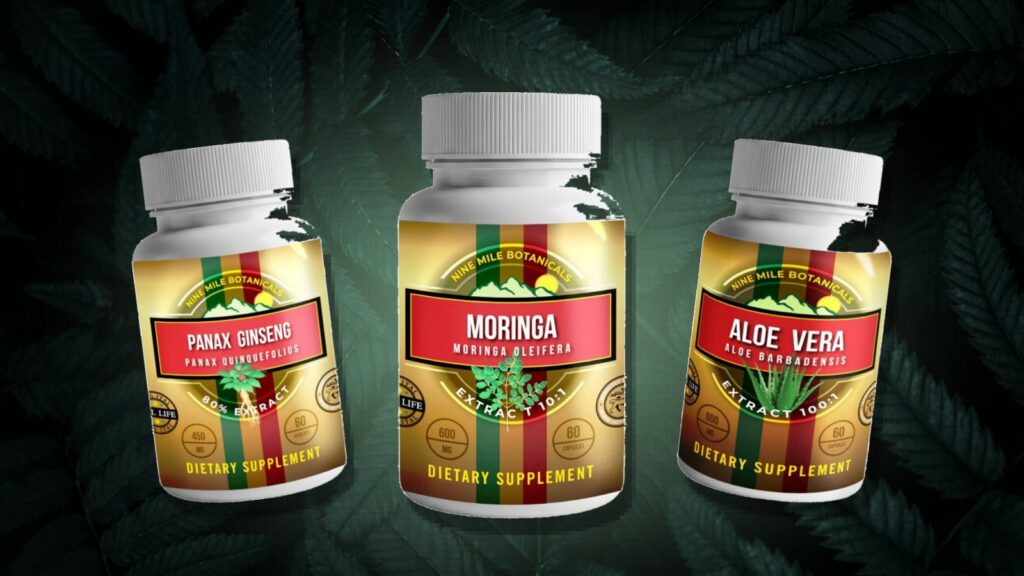
The “ginseng” family is a perfect example of why this matters: Panax ginseng (Asian ginseng), Panax quinquefolius (American ginseng), and Eleutherococcus senticosus (sometimes called “Siberian ginseng”) are entirely different plants with different active compounds. Updated labeling standards restrict how “ginseng” can be used to avoid misleading consumers.
Plant part matters for both efficacy and safety. Hawthorn leaf-and-flower preparations vary depending on what is used compared to hawthorn berry. Cinnamon bark (Cinnamomum verum) differs from cassia species in coumarin content.
Favor botanical supplements that clearly state Latin names, plant parts, and-when applicable-extract ratios. This is an approach Poppy & Lotus models on its own labels.
Reading Package Amounts: Bottle Counts, Net Weight, and Volume
The unit count on the front of a package-“60 capsules,” “4 fl oz (118 mL),” “150 g powder”-is not the same as servings per container. A 120-capsule bottle with a serving size of 4 capsules contains only 30 full servings. Do not assume “120 capsules = 120 days.”
Here is a simple step-by-step process:
Check net amount on the front label (capsule count, net weight in grams, or volume in mL)
Confirm serving size in the supplement facts box
Find servings per container (or divide net amount by serving size)
Estimate duration based on how many servings you will consume per day
For powders, a 150 g jar with a 5 g serving size gives you 30 servings. For liquids, a 120 mL tincture with a 1 mL serving size gives you 120 servings.
When evaluating botanical products-including those from Poppy & Lotus-compare cost per serving, not just bottle price or capsule count. That is where the real value comparison happens.
Evaluating Quality: Seals, Testing, and Brand Transparency
Third-party testing seals verify supplement quality and contents. Independent quality seals confirm the product contains what the label claims. Common seals relevant to botanical supplements include:
USP Verified – tests for identity, potency, purity, and dissolution
NSF International – verifies label accuracy and screens for contaminants
Non-GMO Project Verified – confirms non-GMO status of ingredients
Even without a specific seal, brands can demonstrate transparency by disclosing testing for identity, potency, heavy metals, and microbial contamination. Some manufacturers link Certificates of Analysis via QR codes on the label.
Ensure accurate labeling by verifying manufacturer contact information. Clear contact details and batch or lot numbers on the label allow traceability and customer support if questions or safety concerns arise.
Poppy & Lotus communicates its quality and testing standards on botanical product labels and online pages. Price alone does not equal quality-label detail, testing transparency, and responsible claims matter more when choosing botanical dietary supplements.
Using Label Information to Compare Botanical Supplements
When comparing botanical products side by side, use this checklist:
✅ Confirm serving size for each product
✅ Compare amount per serving of key botanicals
✅ Check for daily value information where relevant (vitamins, minerals)
✅ Scan other ingredients for unwanted fillers or allergens
✅ Verify any allergen or “free from” claims
✅ Note certifications and quality seals
Quick comparison example: Two ashwagandha products sit on your counter.
Feature | Product A | Product B |
|---|---|---|
Serving size | 2 capsules | 1 capsule |
Ashwagandha per serving | 600 mg standardized extract (5% withanolides) | 300 mg (part of 500 mg proprietary “Adaptogen Blend”) |
Other botanicals | None | Holy basil, rhodiola (amounts undisclosed) |
Servings per container | 30 | 60 |
Cost | $28 | $22 |
Cost per serving | $0.93 | $0.37 |
Product B looks cheaper per serving, but you cannot determine how much ashwagandha you are actually getting because it is buried in a proprietary blend. Product A provides a clear 600 mg of standardized extract per serving.
Reading the full label-not just the front panel claims or the largest milligram number-reveals that blends, extract ratios, and serving sizes can dramatically change actual intake. Consider your personal priorities: organic sourcing, non-GMO verification, vegan capsules, minimal excipients. Then see how Poppy & Lotus offerings line up with those priorities.
Staying Informed: Regulatory Context and Trusted Resources
In the U.S., dietary supplements are regulated as foods by the FDA under the DSHEA (Dietary Supplement Health and Education Act of 1994). Supplements don’t undergo FDA approval before marketing unlike prescription drugs. Dietary supplements do not undergo pre-market approval for safety or efficacy-manufacturers are responsible for ensuring label accuracy and product safety, and the FDA can take action if products are misbranded, adulterated, or make illegal disease treatment claims.
For deeper information, these resources are reliable starting points:
NIH Office of Dietary Supplements for evidence summaries and daily value reference tables
AHPA guidance documents for botanical labeling best practices
If you experience adverse events or serious side effects, report them to the manufacturer and to FDA’s MedWatch program. Label information-brand, product name, lot number-makes such reports more precise.
Poppy & Lotus remains aligned with evolving best practices and transparent labeling standards. Check back for updated guidance as regulations and evidence advance.
Inviting You to Explore Botanical Supplements at Poppy & Lotus
You now have the tools to read botanical dietary supplement labels-serving size, percent daily value, amount per serving, other ingredients, cautions, and claims-with confidence. These skills apply to every brand and every product format, from capsules and tablets to powders and liquids.
We invite you to explore the Poppy & Lotus botanical product range and put these skills to work. Whether you are drawn to a calming blend, a liver support formula, or an immune-focused botanical, practice reading the supplement facts panel, checking serving duration, and comparing ingredient transparency.
You can reach out to Poppy & Lotus customer support with label questions about specific products. While support cannot provide individual medical advice, the team can clarify product information, ingredient sourcing, and testing practices.
Informed label reading is one of the most powerful steps toward safe, effective, and intentional use of botanical dietary supplements. The more you practice, the more natural it becomes.
FAQ
Can I combine multiple botanical supplements if their labels look safe individually?
Labels are generally designed for a product used on its own at the suggested serving, and combining several botanical products can multiply overlapping ingredients, percent daily values, or potential side effects. For example, if two different supplements each contain ashwagandha or high doses of zinc, your total intake may exceed what any single label anticipated.
Review all labels together, list any overlapping botanicals and nutrients, and discuss the full combination with a qualified healthcare provider or pharmacist before stacking products. Even if each label’s warnings section looks acceptable on its own, interactions between products-or with medications-may not be obvious from labels alone.
How often are supplement labels updated, and how can I tell if I have the latest information?
Manufacturers may update botanical supplement labels when regulations change, new scientific data emerge, or formulas are improved-for example, updating daily value references or clarifying plant species names. These updates vary depending on the brand and regulatory timeline.
Check the “revision date” or “evidence updated” note on product pages when available. Compare the physical bottle’s label to current online images, and contact the brand if there are discrepancies. Poppy & Lotus aims to keep online labels synchronized with current packaging and will clarify any differences for customers who ask.
Does the expiration date on a botanical supplement label really matter?
Expiration dates ensure the product’s potency through a specific date. The “best by” or expiration date reflects the manufacturer’s estimate of how long the product will maintain labeled potency and quality when stored as directed.
Using botanical supplements slightly beyond this date is not automatically dangerous, but potency may decline and quality cannot be guaranteed, especially for sensitive components like oils or probiotics added to herb blends. Prioritize in-date products for any supplement you take regularly, and discard items showing signs of damage, odor change, or compromised packaging regardless of the printed date.
Are children’s botanical supplements labeled differently from adult products?
Many botanical dietary supplements are formulated and labeled for adults, and will say “Not intended for use by children” or provide special pediatric dosing only when specifically designed for younger users. Standard daily values on supplement labels are based on reference values for adults and children aged 4 and older.
Children have different body weights, metabolisms, and safety considerations. Adult serving sizes, daily values, and cautions cannot simply be scaled down without professional guidance. Only use botanical products for children when labels provide explicit age-appropriate directions, and ideally after consulting a pediatrician or pediatric-trained integrative practitioner.
What should I do if a botanical supplement label makes disease treatment claims?
In the U.S., dietary supplements-including botanical products-are not allowed to claim to diagnose, treat, cure, or prevent specific diseases like cancer, diabetes, or depression. If a label or advertisement makes bold disease treatment promises, that is a serious red flag.
Be cautious, verify the product’s regulatory status, and consider reporting misleading claims to the FDA or the Federal Trade Commission. Favor brands that use responsible structure/function language such as “supports healthy immune function” and provide clear supplement facts instead of relying on dramatic marketing statements.