Guides
What Is a COA? How to Read a Certificate of Analysis
A field-by-field walkthrough of a certificate of analysis: batch numbers, lab details, units, panels, ND and LOQ, and the red flags to watch for.
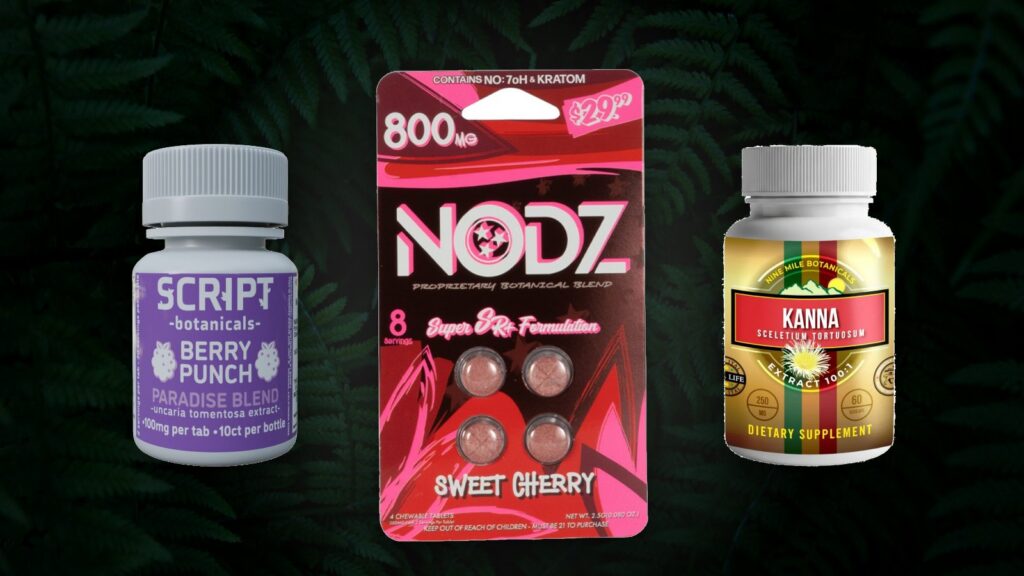
If you buy herbal extracts, CBD oils, or other botanicals, the single most useful document you can check before purchase is a certificate of analysis. Here is exactly what it tells you and how to read one.
Key Takeaways
A certificate of analysis (COA) is a batch-specific laboratory report that verifies safety, purity, and potency for products like herbal extracts, CBD oils, and other botanicals. A certificate of analysis confirms product testing against standards set by regulators or the manufacturer.
A certificate of analysis COA is a third-party or in-house lab document showing test results for identity, strength, contaminants, and compliance with quality standards. COAs help consumers verify product safety and quality before they commit to a purchase.
Learning how to read a COA helps you confirm label accuracy, spot contaminants, and choose trustworthy botanical brands such as Poppy & Lotus, where every product is linked to its own batch-specific report.
Regulators like the FDA and the European Medicines Agency rely on COAs to demonstrate that finished products meet safety and quality standards, even when those products are not individually pre-approved.
The rest of this article walks step-by-step through each part of a COA, using concrete batch examples and typical test panels so you can evaluate any botanical product with confidence.
What Is a Certificate of Analysis (COA)?
A certificate of analysis is an official document that summarizes laboratory test results for a specific batch or lot of a product or ingredient. Think of it as an identification document for that single production run, confirming whether the batch meets predefined quality standards for identity, potency, purity, and safety.
COAs are used across many industries. In pharmaceuticals, a COA verifies active ingredient concentration, potency, and the absence of harmful contaminants. In the food industry, a COA verifies nutritional content and checks for pathogens. In chemical manufacturing, a COA confirms chemical purity and concentration for industrial processes. And in the botanical and cannabis space, COAs provide the data consumers need to trust what is on the label. A COA certifies product compliance with quality and safety standards, and COAs enhance product traceability for each production batch. Each report provides detailed analytical results for product components.
The terms “certificate of analysis,” “COA report,” and “lab report” are interchangeable. Each COA is batch-specific – for example, Lot #PL-2026-0715 for a chamomile extract produced on July 15, 2026. COAs are typically issued by accredited laboratories following validated methods such as those required under ISO/IEC 17025, or by internal quality-control departments using pharmacopeial standards.
Quick note on acronyms: “COA” has other meanings in different contexts. A Chart of Accounts is an organized list of financial accounts used in accounting that categorizes accounts into assets, liabilities, equity, revenue, and expenses. A Course of Action is a proposed sequence of steps designed to achieve a specific objective. Cost of Attendance refers to the estimated total cost of attending an educational institution. A Certificate of Authenticity verifies an item’s genuineness and is commonly used in art and collectibles. In this article, COA always means Certificate of Analysis.
Why COAs Matter for Botanical and Hemp Products
Modern herbal, hemp, and cannabis products face persistent concerns around label accuracy and product safety. COAs are essential for product traceability in manufacturing and give consumers a way to verify that what is inside the bottle matches the label claim.
Reputable botanical brands use COAs to prove that their plant-based products contain the advertised botanicals and active constituents – whether that is a specific percentage of CBD, curcumin content, or flavonoid concentration. In the cannabis industry, a COA shows the cannabinoid profile and tests for contaminants like heavy metals, pesticides, and residual solvents.
The data on mislabeling is striking. A 2017 JAMA-cited study found that 69% of 84 CBD products did not match their labeled content. More recently, a 2024 study by Gidal et al. analyzed 202 CBD products and found 74% deviated from label claims by 10% or more, with over half containing detectable heavy metals. Publicly available COAs directly counter this problem by giving consumers the proof they need.
Poppy & Lotus relies on batch-specific COAs to demonstrate the purity and potency of its botanical range, supporting transparent consumer decision-making across every product.
Regulation and Quality Standards: FDA, EMA, and Beyond
COAs sit at the heart of regulatory quality systems. COAs are required by regulators like the FDA to ensure drug safety, and the FDA mandates specific elements on COAs for regulated products, requiring manufacturers of dietary supplements and pharmaceutical products to follow cGMPs that include documented test results and COAs before batch release.
In Europe, the European Medicines Agency and national competent authorities rely on COAs to verify that medicines and certain herbal preparations meet set quality standards. Regulatory agencies require COAs to ensure quality and safety standards across markets.
COAs also support compliance with international trade regulations. Most countries require COAs for importing and exporting food products, and missing a COA can result in customs holds and border rejections during product shipments. COAs are necessary documents for import and export compliance before goods can clear customs, helping brands meet shipping requirements across different locations. In the US, COA regulations vary by state as of September 2022, adding another layer of complexity for manufacturers and suppliers.
A COA is not an “approval” or marketing authorization – it is a primary proof document that a manufacturer has tested a batch according to recognized industry standards and applicable regulations.
What Information Belongs on a COA?
Although layouts differ by lab and industry, most COAs contain the same core elements:
Element | What to Look For |
|---|---|
Product identification | Product name, form (powder, oil, tincture), botanical species |
Batch/lot number | Unique product codes for traceability (e.g., Lot #PL-2026-0715) |
Dates | Manufacturing date, test date, expiry or retest date |
Manufacturer details | Company name, address, contact information |
Lab details | Laboratory name, accreditation status, signature |
Test table | Parameters, specifications, analytical results, pass/fail |
A COA must include the manufacturer’s name and contact details. The COA should specify the product name and batch number. Each COA must list all tests performed with acceptance limits. COAs may include specific test conditions and specifications. The FDA requires COAs to include expiry and retest dates if applicable, so a compliant document always contains a batch number, test results, and expiry date.
Every COA should clearly state whether the batch passes or fails each specification, and it must be signed and dated by authorized personnel. COAs must be signed by authorized quality or laboratory personnel before product release.
How to Read a COA: Step-by-Step Guide
COAs look technical, but you can understand any report by following a few simple steps.
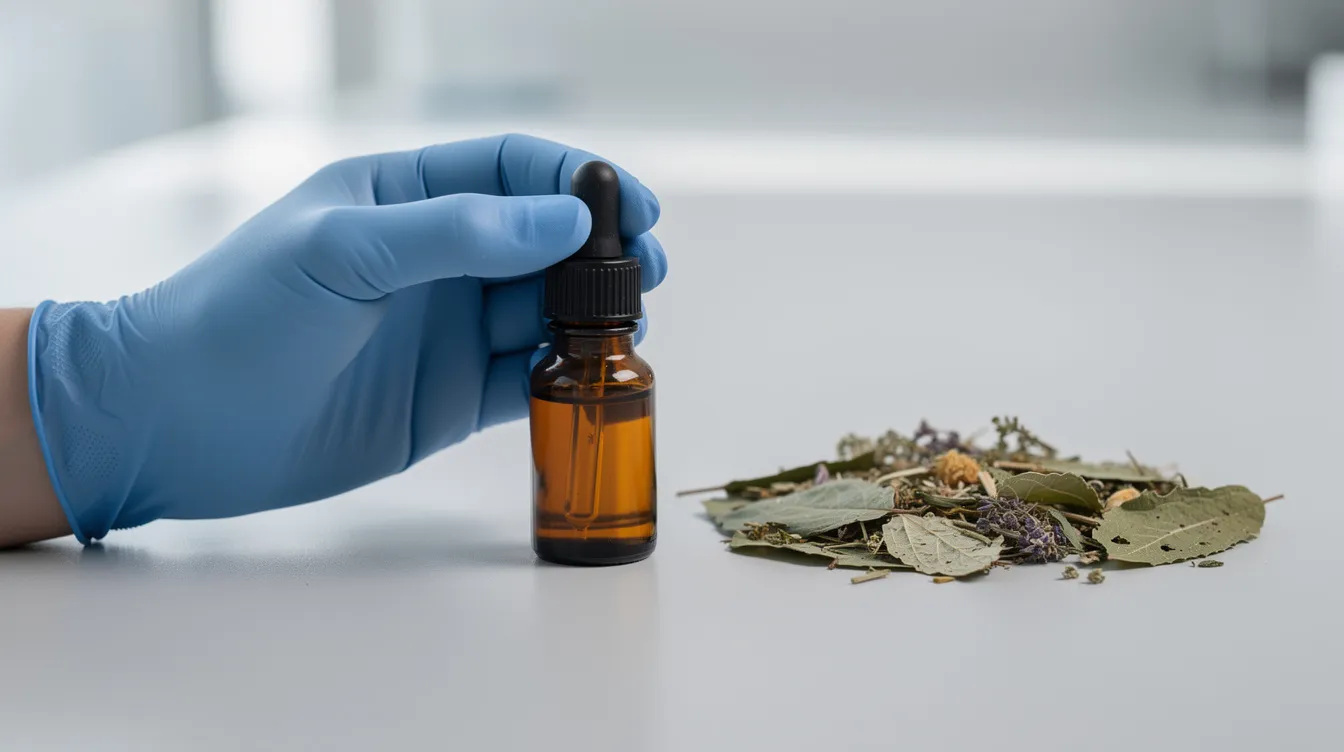
Start at the top. Confirm the product name, batch number, and form match the label on the bottle or pouch you have in hand.
Check potency. Look for the primary active constituents – CBD in mg/mL for a tincture, total phenolics in mg/g for a botanical powder – and compare with the label claim.
Read specification vs. result columns. Specifications show acceptable ranges (e.g., CBD 25–30 mg/mL; lead < 0.5 ppm). The result column shows the actual test value for the tested product.
Decode abbreviations. “ND” means not detected, “<LOQ” means below the limit of quantification, and “Conforms” means the result meets spec. These typically indicate a safe, compliant result.
Verify the lab. Check whether the laboratory is accredited and whether the methods used are validated. Look for a signature and date.
Understanding Test Results and Safety Panels
COAs bundle multiple safety tests. Understanding these panels helps you determine product safety before regular use.
Identity tests: Macroscopy, microscopy, HPTLC fingerprinting, or DNA barcoding confirm the correct species and rule out adulteration.
Potency testing: For hemp and cannabis products, cannabinoids (THC, CBD, CBG, CBN) are measured in mg/g or % w/w. For other botanicals, key markers like curcuminoids in turmeric or sennosides in senna are quantified. Accurate concentration data is what separates a useful COA from a vague certificate.
Contaminant panels: Heavy metals (lead, arsenic, cadmium, mercury), pesticide residues, mycotoxins (aflatoxins, ochratoxin), and residual solvents from extraction. Industry guidance from AHPA sets benchmarks like lead ≤ 6 µg/day and cadmium ≤ 4.1 µg/day for products intended for human consumption.
Microbiological tests: Total aerobic count, yeast and mold, E. coli, Salmonella. A safe COA will show “absent” or counts below set limits.
How COAs Are Created: From Batch Production to Lab Report
The workflow for creating COAs follows a clear chain:
Sourcing – Botanical materials are harvested or obtained from verified suppliers, following good agricultural and collection practices.
Processing – Extraction or processing produces a defined batch of finished products.
Sampling – A representative sample from that production batch is collected.
Laboratory testing – The sample goes to an in-house or third-party accredited lab, where analysts run the agreed test panel using validated methods and record raw data.
Report compilation – The lab compiles the final COA report, including methods, units, specifications, and numeric results, then an authorized person reviews and signs the document.
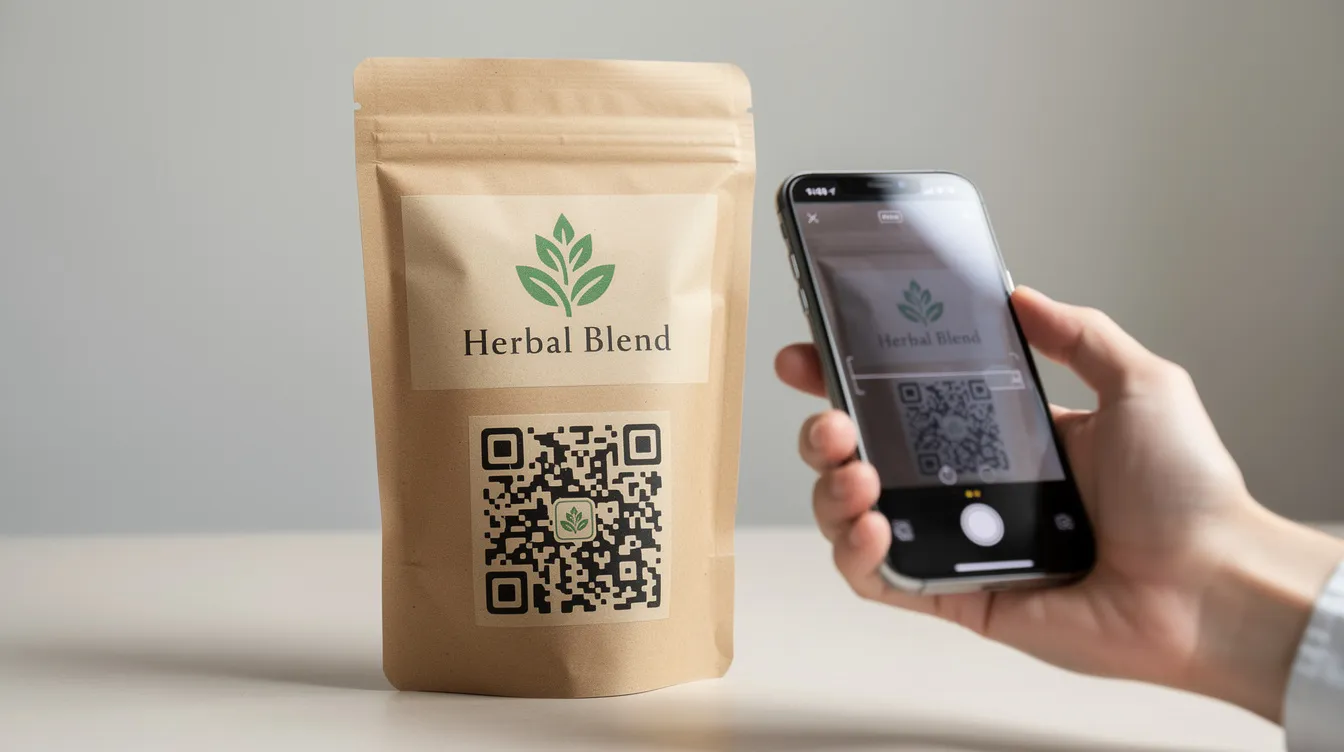
Delivery – Many COAs today are provided digitally, linked by QR codes on packaging or downloadable from a brand’s website using the batch number. Creating COAs digitally makes verification less time consuming for customers.
Buyers – whether wholesalers, practitioners, or consumers – should only trust COAs that are legible, complete, clearly dated, and traceable to a specific laboratory.
Using COAs When Choosing Botanical Products (and When to Walk Away)
A COA is a decision-making tool. Here is how to use it when comparing herbal, hemp, or CBD products across brands and markets.
Green flags:
Third-party accredited lab performed the analysis
Full-panel test results covering potency plus contaminants
Transparent batch numbers tied to the product you are buying
Results that align with label claims – no exaggerated numbers
Red flags:
Missing or generic COAs with no batch number
Incomplete safety testing (e.g., potency only, no heavy metals or pesticides)
Implausibly high potency values that do not match other products using the same materials
Documents that look altered, undated, or missing a signature
COAs help verify compliance with safety and quality standards, and comparing reports across brands is one of the most accurate ways to shop for botanical products. If you are looking for a brand that publishes full-panel, batch-specific COAs for every product, explore the Poppy & Lotus botanical range – each product page links directly to its COA so you can verify the information provided and confirm a product’s quality before buying.
FAQ: Certificates of Analysis and Botanical Products
Is a COA the same as a Certificate of Conformity (CoC)?
No. A COA focuses on laboratory test data for a specific batch – potency, contaminant levels, identity – and is issued by quality control personnel. A CoC is a broader statement that a product meets certain regulations or standards and can be issued by third-party certification bodies. A COA is often more detailed than a CoC. Both COA and CoC ensure product quality compliance, but for botanicals and hemp products, consumers should specifically look for detailed COA test tables rather than a general conformity letter.
How often should a botanical product be tested and receive a COA?
Under good manufacturing practice, each production batch receives its own COA before release, and critical raw materials may also be tested per batch. For long-shelf-life products, manufacturers may perform periodic stability and verification tests, but consumers will typically see the original batch COA linked to their lot number.
Does a COA guarantee that a product is completely risk-free?
A COA significantly reduces risk by confirming that a batch met predefined safety standards at the time of testing, but it cannot account for improper storage or misuse after delivery. Combine COA review with common-sense practices: buy from reputable brands, store products as directed, and consult healthcare professionals when necessary.
What should I do if a product doesn’t have an accessible COA?
Check the packaging for QR codes or product codes and search the brand’s website for a certificate of analysis section or COA finder tool. If a manufacturer cannot or will not provide a batch-specific COA, it may be wise to choose a different product with transparent test results. Contact Poppy & Lotus customer support if you need help interpreting a particular batch report.
Can I compare COAs from different brands when choosing a botanical or CBD product?
Absolutely. Comparing COAs is one of the smartest ways to shop. Look at potency per serving, breadth of contaminant testing, and how closely each batch matches its label claim. Prioritize brands that publish full-panel COAs and meet or exceed regulatory quality standards. Poppy & Lotus is an example of this transparent, test-driven approach – every product page links to its lab-verified COA so you can create an informed comparison before you buy.