Guides
Best Legal Botanicals: Comparing Natural Options (Including Kratom) for Modern Wellness
Legal botanicals have surged in popularity as natural wellness products. Choosing among kanna, kava, kratom, blue lotus, and other plants can feel overwhelming when each carries different effects, risks, and legal status depending on where you live. This guide compares the best legal botanicals available today, walks through safety and quality checks, and helps you…
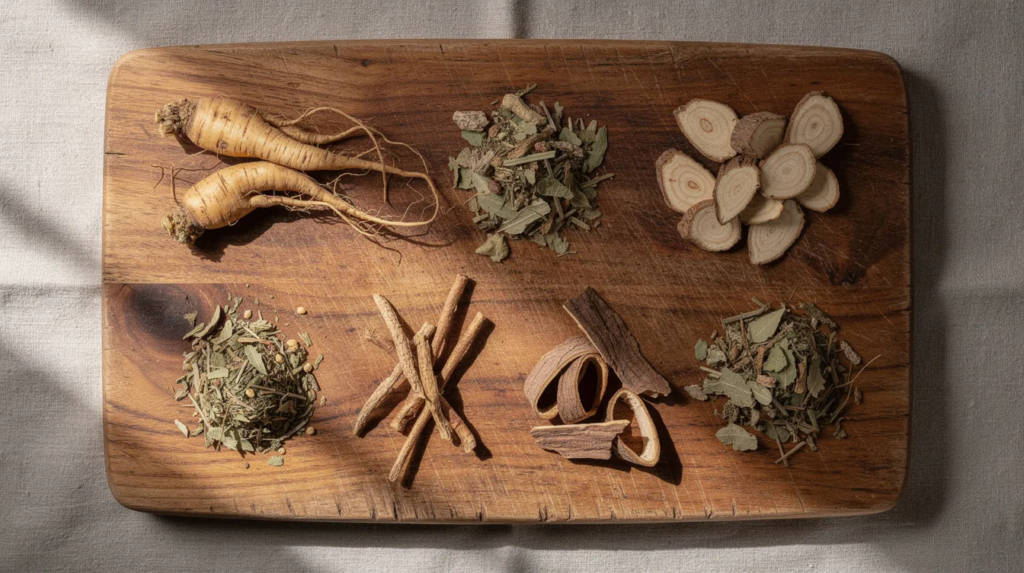
Legal botanicals have surged in popularity as natural wellness products. Choosing among kanna, kava, kratom, blue lotus, and other plants can feel overwhelming when each carries different effects, risks, and legal status depending on where you live. This guide compares the best legal botanicals available today, walks through safety and quality checks, and helps you match a botanical to your goals.
Key Takeaways
Legal botanicals are plant extracts and herbs (like kanna, kava, kratom, and blue lotus) that can influence mood, energy, and relaxation, but legal status varies by country, state, and even city.
Scientific research on most botanicals is early or mixed; start with low doses, avoid combining with alcohol or other substances, and talk to a healthcare provider if you use medications.
This article compares pros, cons, and safety considerations of top legal botanicals versus synthetic ingredients and pharmaceuticals, helping readers choose options aligned with their goals.
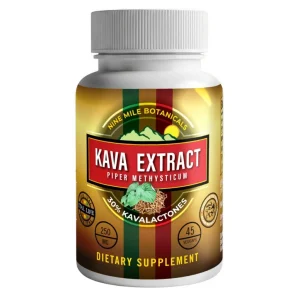
Standardized botanical extracts like Nine Mile Botanicals Kanna Extract 60 Capsules and Nine Mile Botanicals Kava Extract 30% 45 Capsules at Poppy Lotus offer transparent labeling and measured serving sizes.
What Are “Legal Botanicals” and How Are They Used Today?
Legal botanicals encompass a wide range of wellness categories: mood support, relaxation, focus, and stress management. These are plants or botanical extracts sold for well being, but their legality is jurisdiction-specific and can shift. Between 2024 and 2026, several regulatory changes altered classification, labeling, or permitting of certain botanicals in multiple localities. Federal legality does not guarantee local permissibility for botanicals.
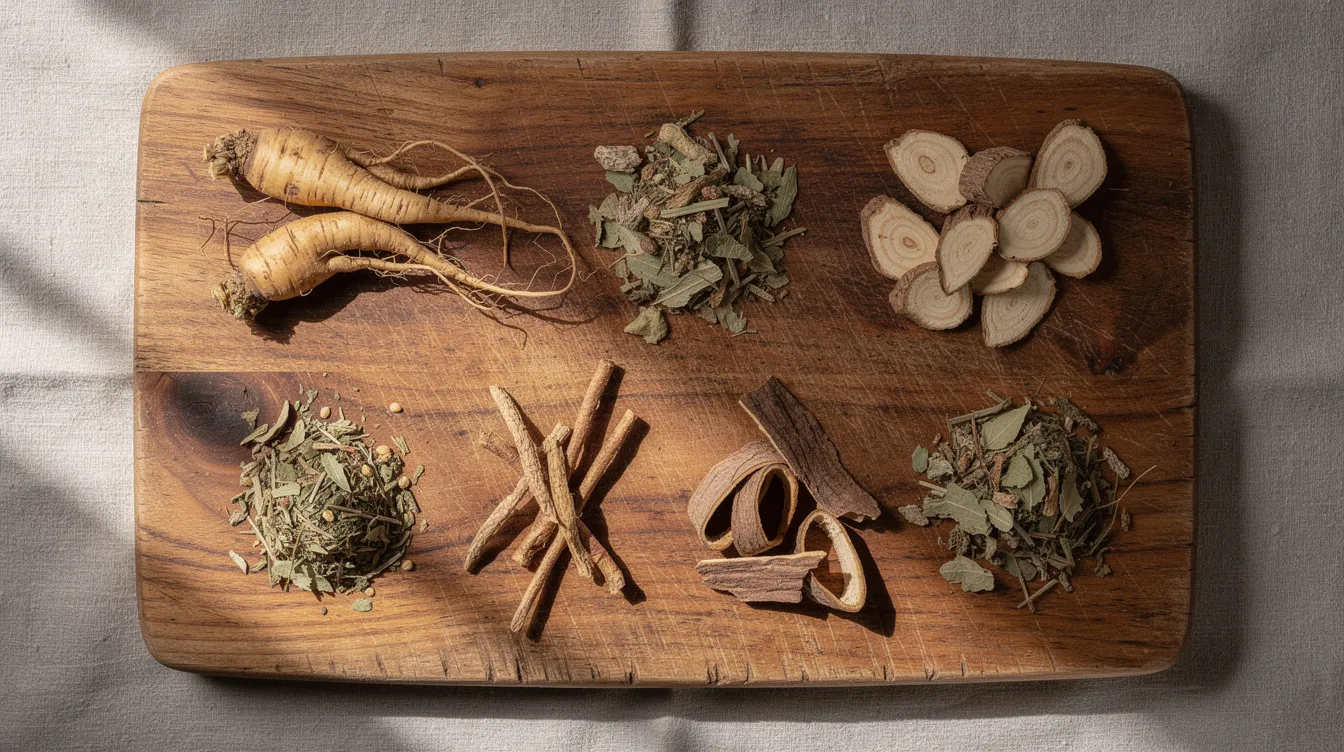
Legal botanical products include adaptogens and herbal blends alongside single-ingredient capsules. The difference between raw plant materials (whole dried leaves, roots, flowers), standardized plant extracts (capsules labeled with specific alkaloid percentages), and products with added synthetic ingredients matters. Knowing which you are buying determines both potency and risk.
Common formats and their typical onset times:
Format | Onset Time | Duration |
|---|---|---|
Capsules | 30–90 minutes | 3–6 hours |
Teas/infusions | 15–45 minutes | 2–4 hours |
Tinctures | 10–30 minutes | 2–5 hours |
Vape/inhaled | 1–5 minutes | 30–90 minutes |
Gummies | 30–90 minutes | 3–6 hours |
Most products are marketed for general well being, relaxation, or focus rather than treating specific diseases. These botanicals have been used for centuries in various cultures, and many consumers seek them over conventional options because they prefer plant extracts over certain synthetic ingredients, value cultural traditions, or want gentler experiences. They offer therapeutic and recreational benefits for mental well being.
How to Evaluate Legal Botanicals: Potency, Safety, and Science
Not all botanicals are equal. Product quality can vary widely in the botanical supplement market, and legal botanical products are not tightly regulated for potency or purity. This section covers how to evaluate options before trying them.
Potency and standardization determine whether your experience is predictable or a guessing game. A kava extract labeled “30% kavalactones” lets you calculate actual kavalactone intake per capsule. A kanna extract standardized to a 2:1 ratio at 25 mg per dose (as used in published human trials) allows meaningful comparison across batches. Vague “proprietary blend” labels hide the information you need most.
Safety basics: interactions with other substances can increase safety risks of botanicals. Kava, for instance, inhibits certain cytochrome P450 enzymes, which can alter blood levels of prescription drugs. Combining botanicals with alcohol, sedatives, or other psychoactives compounds central nervous system depression. Safety profiles of legal botanical products vary by laws and quality.
Scientific research is limited for most botanicals. Centuries of traditional use do not equal clinical proof. For kanna, the strongest human evidence rests on small randomized trials totaling about 117 participants across four studies. Passionflower data comes from trials with fewer than 40 subjects. Look for human studies, not animal or test-tube data alone. Third-party lab testing is recommended for safety of botanical products. Purchase from reputable sources that guarantee product quality. Check labels for species names, plant part used, extract ratio, and contaminant testing.
Top Legal Botanicals for Mood and Calm
This section compares some of the most in-demand mood and relaxation botanicals, highlighting how they differ in feel, onset, and risk. Kanna and blue lotus are popular legal psychoactive botanicals, and legal psychoactive botanicals can alter mood and perception.
Kanna (Sceletium tortuosum): Traditionally used in South Africa by San and Khoikhoi peoples, kanna leaves were chewed or smoked for stress relief. Modern forms include capsules, sublingual preparations, and teas. Standardized products like Nine Mile Botanicals Kanna Extract 60 Capsules provide consistent dosing per serving. In a brain-imaging study, a single 25 mg dose of Zembrin extract reduced amygdala reactivity to fearful faces. A 3-week trial in 21 healthy older adults showed improved cognitive set flexibility and executive function. Reported effects include social ease, calm, and a subtle uplift. Kanna is not federally scheduled but can interact with antidepressants through its serotonin reuptake inhibition, so people on SSRIs or SNRIs should consult a clinician first.
Kava (Piper methysticum): Rooted in Pacific Island ceremony, kava’s active compounds are kavalactones. Traditional aqueous root preparations differ from modern concentrated extracts. Nine Mile Botanicals Kava Extract 30% 45 Capsules offer measured kavalactone content in a bottle of capsules rather than loose powder. Kava has low dependence risk but can cause liver toxicity, particularly with non-aqueous extracts or non-root plant parts. An observational study of U.S. poison center data from 2000 to 2025 found serious clinical outcomes doubled from about 12% to roughly 32%, with co-use alongside kratom rising.
Other calming botanicals: Passionflower compared favorably to oxazepam 30 mg/day in one small trial of approximately 36 patients over 28 days, with similar Hamilton Anxiety Rating Scale reductions. Baikal skullcap (Scutellaria baicalensis) has over 2,000 years of use in Chinese herbal medicine; a 12-week trial of 500 mg/day purified baicalin in 374 patients lowered triglycerides and CRP. Valerian root is commonly used for sleep and relaxation benefits. Ashwagandha is used for stress reduction and is generally safe. Turmeric is known for its anti-inflammatory and antioxidant properties; turmeric’s active compound curcumin is poorly absorbed without piperine. Blue Lotus has limited research and is legal in many areas, but a case series of five people reported new-onset agitation, confusion, and anxiety after ingestion or vaping.
Those wary of heavy evening sedation may prefer kanna’s lighter daytime profile. Those seeking deeper relaxation may go to kava for evening use. Consult a healthcare provider if you have medical conditions, mental health diagnoses, or take psychoactive medications.
Kratom and Other “Gray Area” Botanicals: Where Do They Fit?
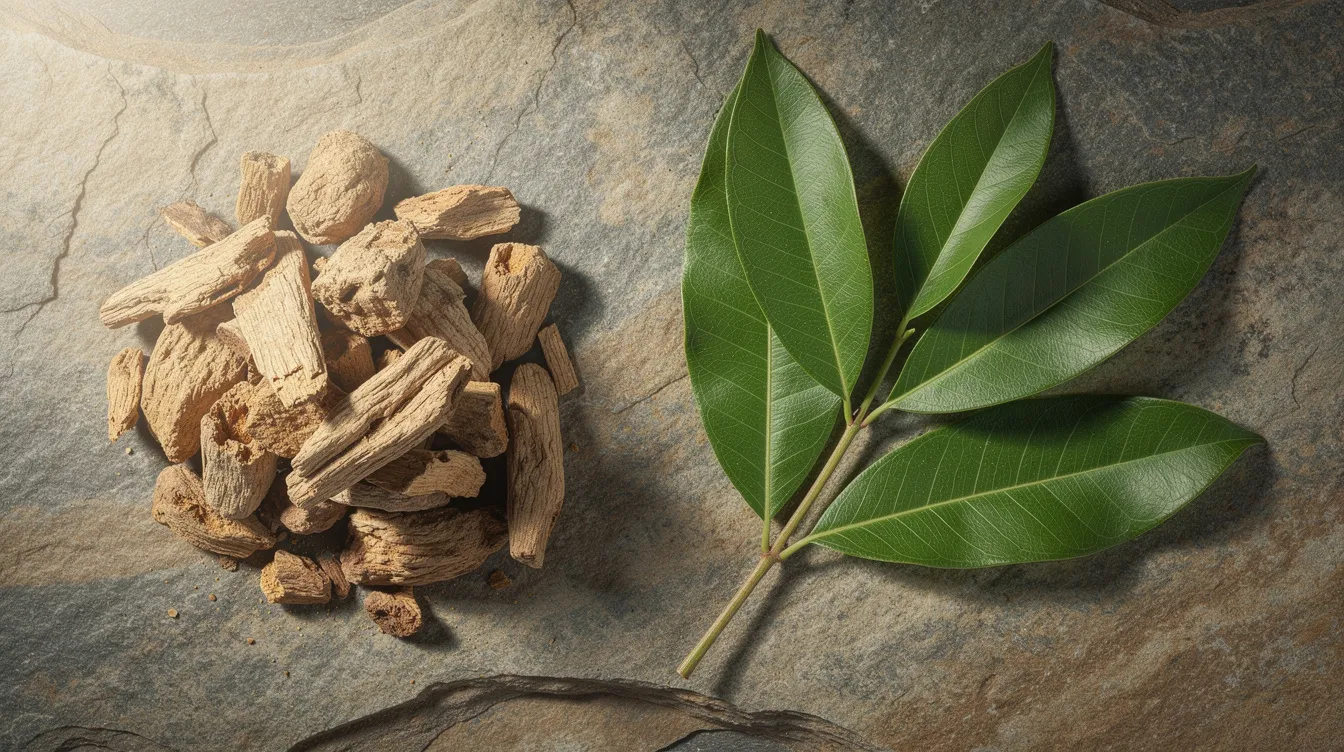
Kratom (Mitragyna speciosa) is a tropical tree native to Southeast Asia whose leaves have been used traditionally for energy and relief from discomfort. The U.S. FDA does not consider kratom safe as a dietary supplement or food additive. Kratom is not approved for medical treatment by the FDA, and the agency considers it an unsafe food additive. Kratom is not legally marketed as a dietary supplement in the U.S. and cannot be added to conventional foods legally in the U.S. No prescription or over-the-counter kratom products are legally available in the U.S.
Kratom’s alkaloids, mitragynine and 7-hydroxymitragynine, act on some of the same receptors targeted by opioid drugs. This raises concerns about dependence, withdrawal, and misuse. In 2021, 1.7 million Americans used kratom according to surveys. Regular users report consuming less than a small amount of 6g of kratom per use. Kratom is used to self-treat pain and anxiety, and kratom is often used for opioid withdrawal symptoms.
Kratom is not federally controlled but banned in some states. Some U.S. states and municipalities regulate or ban it; others allow its sale in smoke shops and online. Kratom products are available online and in stores in the U.S. On July 1, 2026, the DEA proposed temporary scheduling of 7-hydroxymitragynine and related synthetic analogues in Schedule I. Readers must check up-to-date local law before purchasing or possessing kratom.
Compared to gentler mood botanicals like kanna, kava, and blue lotus, kratom carries a higher risk profile and draws more intense debate among scientists and regulators. Botanicals can have psychoactive effects and vary in therapeutic use, but the ability to cause dependence separates kratom from milder plants in this category.
Poppy Lotus focuses on legal botanicals with clearer safety margins and standardized extracts. The brand does not position any product as a substitute for medical treatment or as a way to self-manage serious conditions like chronic pain, opioid withdrawal, or diagnosed anxiety disorders.
Comparing Botanical Extracts vs. Synthetic Ingredients
Many consumers choose botanicals because they want natural approaches, but both botanical extracts and synthetic ingredients can be helpful or risky depending on context. Legal psychoactive botanicals are gaining popularity as natural alternatives.
“Synthetic” here means lab-created compounds that may mimic or modify natural molecules. Some, like FDA-approved SSRIs, undergo years of clinical trials and regulatory review. Others, like unregulated nootropics or research chemicals, have minimal oversight. The difference is testing history and regulatory status, not whether something was made in a lab.
Plant extracts bring complex phytochemical profiles. Kanna, for example, combines serotonin reuptake inhibition with PDE4 inhibition through multiple components rather than a single-target mechanism. This complexity can produce softer onset and broader effects. It also makes predicting interactions harder than for single-molecule synthetics, because botanical ingredients may inhibit or induce multiple enzymes simultaneously.
Not all synthetic ingredients are harmful, and not all botanicals are automatically safe. FDA-approved formulas go through Phase I–III trials. Some potent botanical extracts carry liver toxicity risk (kava) or dependence risk (kratom) that equal or exceed risks of certain pharmaceuticals. The perception that “natural” equals “safe” does not hold scientifically.
A balanced approach: work with healthcare providers interested in integrative strategies. Poppy Lotus aims to provide clearly labeled botanicals that complement, not replace, professional medical care. Explore their curated collection when you want transparency about what is in each bottle.
How to Choose the Best Legal Botanical for Your Goals
Matching a botanical to your goals requires clarity about what you want: a daytime mood lift, social ease, deeper evening relaxation, or support for cognition and focus.
Daytime mood and sociability: Kanna extract at 25 mg standardized doses; milder options include lemon balm or chamomile for calming without sedation.
Evening relaxation and sleep: Kava (capsule or traditional preparation); passionflower tea; valerian root for sleep support.
Anti-inflammatory support: Turmeric with piperine for absorption; Baikal skullcap for its signature combination of flavonoids.
Beginners: Start with single-ingredient products in forms like capsules or teas. Avoid concentrated extracts, vape liquids, or kratom until you understand your response to gentler plants. Start with low doses of psychoactive botanicals.
Introduce one botanical at a time so you can track effects and side effects. Adding a second before understanding the first makes it impossible to attribute what you feel to a specific plant. When ready, explore quality-focused retailers like Poppy Lotus for standardized kanna or kava extracts with clearly labeled strength, price, and serving information.
Responsible Use, Interactions, and When to Avoid Botanicals
Even legal botanicals act as pharmacologically active compounds and must be respected, especially in combination with other substances or in people with health conditions. Legal botanical products can interact dangerously with prescription medications.
Key interaction concerns:
Kava and kanna may affect cytochrome P450 enzymes, altering blood levels of antidepressants, anti-anxiety medications, and blood thinners.
Combining multiple sedating botanicals or adding alcohol raises the risk of respiratory depression.
Baikal skullcap may decrease plasma levels of drugs like rosuvastatin.
Avoid or use with extreme caution in these situations: pregnancy, breastfeeding, history of substance use disorder, serious psychiatric diagnoses, liver disease, and kidney impairment. Passionflower alkaloids have induced uterine contractions in animal studies.
Practical tips: do not drive or operate machinery until you know how a botanical affects you. Keep all products away from children and pets. Track your response to each botanical in a simple journal. Discontinue use and seek medical support if you experience jaundice, strong palpitations, dark urine, or extreme agitation. Online anecdotal reports are not a substitute for professional guidance. Consult a healthcare provider if you have medical conditions.
Exploring Botanicals with Poppy Lotus
Poppy Lotus curates legal botanicals for adults looking for thoughtful, plant-centered options. The brand specialize in transparency, quality testing, and clear labeling so consumers can make informed decisions.
Concrete catalog examples: Nine Mile Botanicals Kanna Extract 60 Capsules and Nine Mile Botanicals Kava Extract 30% 45 Capsules are standardized botanical extracts formulated for measured, capsule-based use rather than loose, unstandardized material. Each product label lists species, plant part, extract ratio, and serving size.
Poppy Lotus differentiates products by botanical type, intended effect (calm, social ease, cognition support), and extract strength. This helps readers compare options without hype. Browse the Poppy Lotus collection when you are ready to shift from research to practice while applying the safety principles above.
-
 $7.99Up to 10% offView options This product has multiple variants. The options may be chosen on the product page
A gentle reminder: pair any new botanical routine with good sleep, nutrition, and stress-management habits. Treat botanicals as one piece of a broader well being strategy, not a stand-alone solution. An effective routine is consistent and grounded in multiple healthy habits, not a single capsule.
Frequently Asked Questions
Below are answers to common questions about legal botanicals that were not fully covered above.
Are legal botanicals safer than prescription medications?
“Legal” does not automatically mean “safe,” and “prescription” does not automatically mean “dangerous.” Prescription medications typically have far more rigorous scientific research and regulatory oversight than most botanicals. Legal botanical products may require further research for safety and legality. Some people tolerate gentle plant extracts very well, while others experience strong side effects or drug interactions. Safety is individual and context-dependent. Involve a healthcare provider in decisions about starting or stopping prescription drugs and using botanicals alongside them, rather than self-directing major changes.
Can I use botanicals like kava or kratom to self-treat anxiety, pain, or withdrawal?
Poppy Lotus does not recommend using any botanical, including kava or kratom, as a substitute for professional diagnosis or treatment of anxiety, pain, addiction, or withdrawal. U.S. agencies like the FDA caution against using kratom for self-treatment, and no kratom-based medications are approved for these purposes as of 2026. If you struggle with these issues, seek care from qualified clinicians, addiction specialists, or mental health professionals. Use botanicals only under appropriate supervision, if at all.
How long does it take to feel the effects of common legal botanicals?
General onset ranges: capsules often take 30 to 90 minutes, teas 15 to 45 minutes, tinctures 10 to 30 minutes, and inhaled formats can act within minutes. Variability depends on body weight, metabolism, and whether taken with food. Start with the lowest effective amount and wait at least 2 hours for oral products before considering any increase. Note that some botanicals feel subtle at first and may produce a deep, gradual shift over several days of consistent, moderate use rather than a single-dose experience.
How do I know if a botanical product is high quality?
Look for third-party testing, certificates of analysis, and clear disclosure of plant species, part used (root, leaf, flower, seed), and extract ratio or standardized active content on the label. Products making bold claims like “cures,” “treats,” or “replaces prescription medication” are red flags in most regulatory environments. Companies committed to quality will stand behind their ingredients with transparent testing. Curated vendors such as Poppy Lotus aim to pre-filter products based on quality criteria so shoppers can achieve confidence without starting research from scratch every time.
Can I combine different botanicals in one routine?
Many people combine botanicals; for example, chamomile with lemon balm, or kanna during the day and kava in the evening. Stacking multiple sedating or psychoactive plants raises risks. Introduce one botanical at a time, track effects, and only consider cautious combinations if no concerning side effects appear. Talk to a clinician or pharmacist about complex stacks, particularly if you already take prescription drugs or live with chronic health conditions. The legality of botanical products varies by jurisdiction, so also confirm each product in a combination is legally available at your location before purchasing.