Guides
How to Store Botanical Products: Heat, Light and Shelf Life
Use step-by-step checks for storage locations, original containers, closures, dates, and batch codes across four botanical formats.
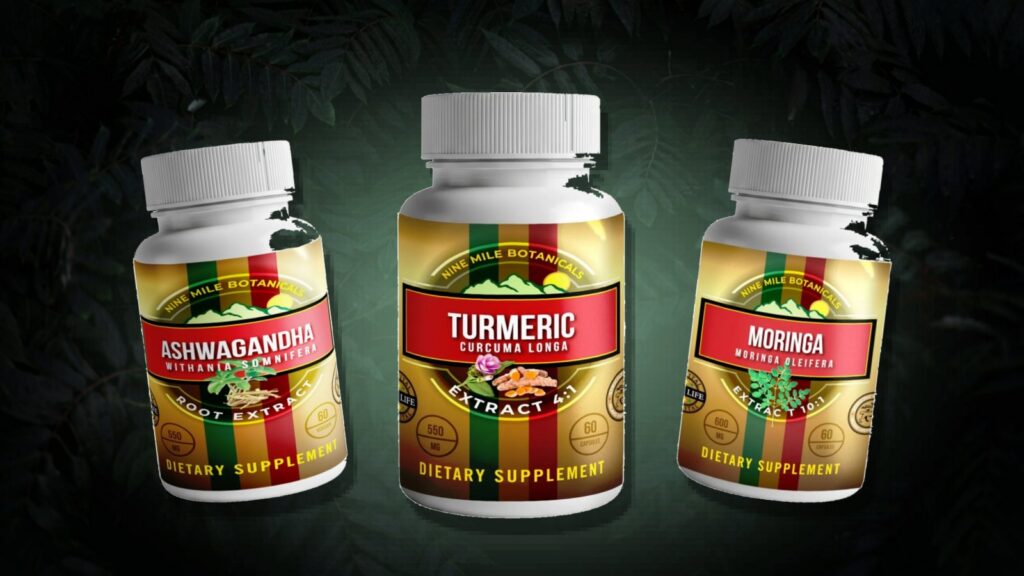
You spent good money on quality botanicals. Don’t let a steamy bathroom or a sunny windowsill quietly drain the potency out of every capsule, tablet, gummy, and shot before you finish the bottle. Here’s your practical guide to smart storage that keeps your supplements effective from the first dose to the last.
Key Takeaways
Most supplements – including botanical capsules, tablets, gummies, and liquid shots – stay potent for one to two years when kept in airtight containers in a cool, dry place away from heat and humidity.
Light, oxygen, moisture, and temperature swings are the main enemies of shelf life and can quickly damage delicate botanical extracts and vitamins.
Always check the expiration date and storage conditions on the label, keep products in their original packaging, and close lids tightly after every use.
Kitchens and bathrooms are usually the worst places to store supplements due to steam, fluctuating heat, and humidity; a bedroom drawer or interior cupboard is a far better choice.
Poppy & Lotus botanical capsules, tablets, gummies, and shots are formulated with sensitive plant actives – proper storage helps you get the full benefit from each formula.
Why Proper Supplement Storage Matters
Supplements are not inert pills sitting passively on a shelf. They contain active ingredients – polyphenols, flavonoids, essential oils, live microorganisms – that react to the environment around them. Poor storage conditions can dramatically reduce their effectiveness well before the printed expiration date, meaning you may be swallowing something that has already lost much of its punch.
Dietary supplements should be stored away from heat, light, moisture, and air. When botanical extracts, probiotics, and vitamins are exposed to these factors, the process of degradation accelerates. The result: weaker results, off smells, changed color, or faded aromas that signal active compounds have broken down. Incorrect storage also increases the risk of microbial growth – particularly in gummies and liquid shots that contain sugars or botanical matrices – and makes accidental access by children and pets more likely if products aren’t secured properly.
Poppy & Lotus formulates with sensitive plant actives, so correct storage protects both potency and the investment customers make in premium botanicals. The materials inside the bottle and what you do with them at home together determine whether those botanicals remain fresh, potent, and safe throughout their shelf life.
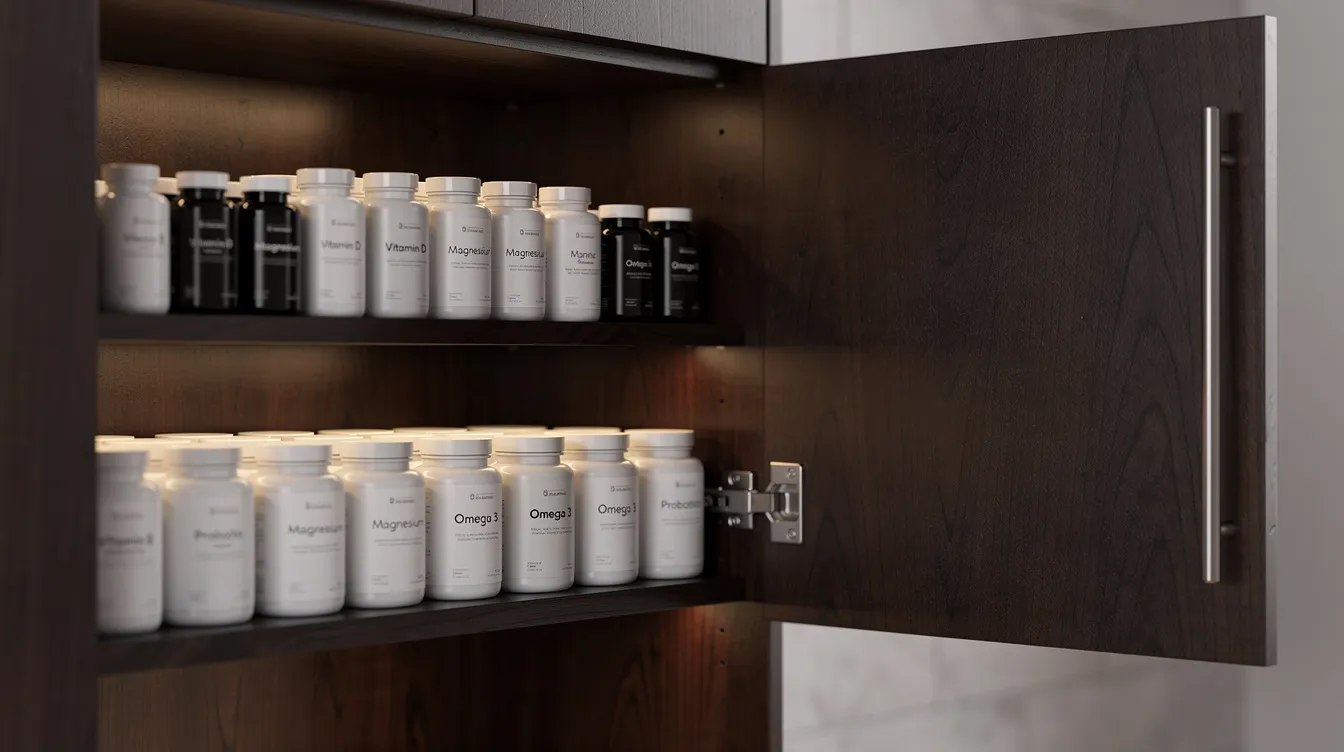
Key Enemies of Supplement Shelf Life
Four factors consistently shorten the life of your supplements. Understanding them is the first step toward protecting your products.
Heat. Temperatures consistently above about 77 °F (25 °C) speed up the breakdown of vitamins and botanical extracts. Store supplements away from appliances that generate heat – ovens, dishwashers, radiators – and never leave them in a hot car. Research on Hypericum perforatum extract showed that storage at 40 °C and 75 % relative humidity caused 60–85 % degradation of major active compounds within six months.
Light. Direct sunlight can trigger photodegradation in supplements. Excessive light degrades sensitive compounds in extracts, especially flavonoids and curcuminoids. Even strong indoor light shortens shelf life – a study on curcumin confirmed rapid breakdown under solar or intense artificial UV light. A dark place such as a closed cupboard is ideal.
Oxygen. Opening bottles frequently or leaving lids loose lets in air that drives oxidation, changing color, smell, and potency over time. Unsaturated fatty acids in oils and many botanical actives are especially sensitive to oxygen exposure.
Moisture. Humidity causes supplements to clump or degrade quickly, softens capsule shells, and in worst cases promotes mold, yeast, or bacteria growth. Storing supplements in the bathroom is a common mistake due to humidity from steam and showers.
Good packaging – opaque, airtight containers with desiccant packs – plus mindful home storage together protect supplements throughout their stated shelf life.
How to Read Labels: Expiration Date & Storage Instructions
Treat the label as your primary storage guide, because not all supplements have the same needs.
Expiration dates indicate how long the manufacturer guarantees full potency of supplements. A “best by” date, by contrast, usually signals when quality attributes like taste or color may begin to shift – the product may still be safe but no longer at peak freshness. Check expiration dates regularly and discard any expired supplements. Research on commercial vitamin products found that roughly 40 % of samples fell below declared levels for vitamins A and E within the first six months of storage.
Look for specific storage conditions on the label: “store below 77 °F (25 °C),” “keep in a cool, dry place,” or “refrigerate after opening.” Label packages with extraction and expiration dates for safety – write the opening date on the bottle with a fine marker so you can track how long a product has been in use.
Inspect supplements for discoloration, strange odors, and texture changes to check for degradation. Regular inspection of supplements every six to twelve months is recommended. If something looks or smells off before its date, discard it. Poppy & Lotus labels clearly indicate expiration dates and storage conditions, making this step straightforward for consumers.
Ideal Storage Conditions for Most Supplements
The gold standard is simple: cool, dry, dark, and stable. That single rule covers the majority of capsules, tablets, gummies, and shots.
Temperature. The ideal storage temperature for most dietary supplements is between 68 °F and 77 °F. Store supplements in a cool, dry place below 25 °C (77 °F), away from heaters, sunny windowsills, and hot appliances.
Location. Storing vitamins in bathrooms or kitchens is not recommended. Steam from showers and stovetops creates temperature and humidity swings that degrade faster than steady conditions. A bedroom drawer, bedside table, or a dedicated supplement spot in a cool hallway cupboard works far better.
Light. Keep products in their original opaque bottles or boxes behind closed cabinet doors. Keep supplements away from direct sunlight to prevent degradation.
Humidity. Humidity should be kept between 35 % and 50 % for extracts. High humidity causes clumping, tablets cracking, or gummies sticking together.
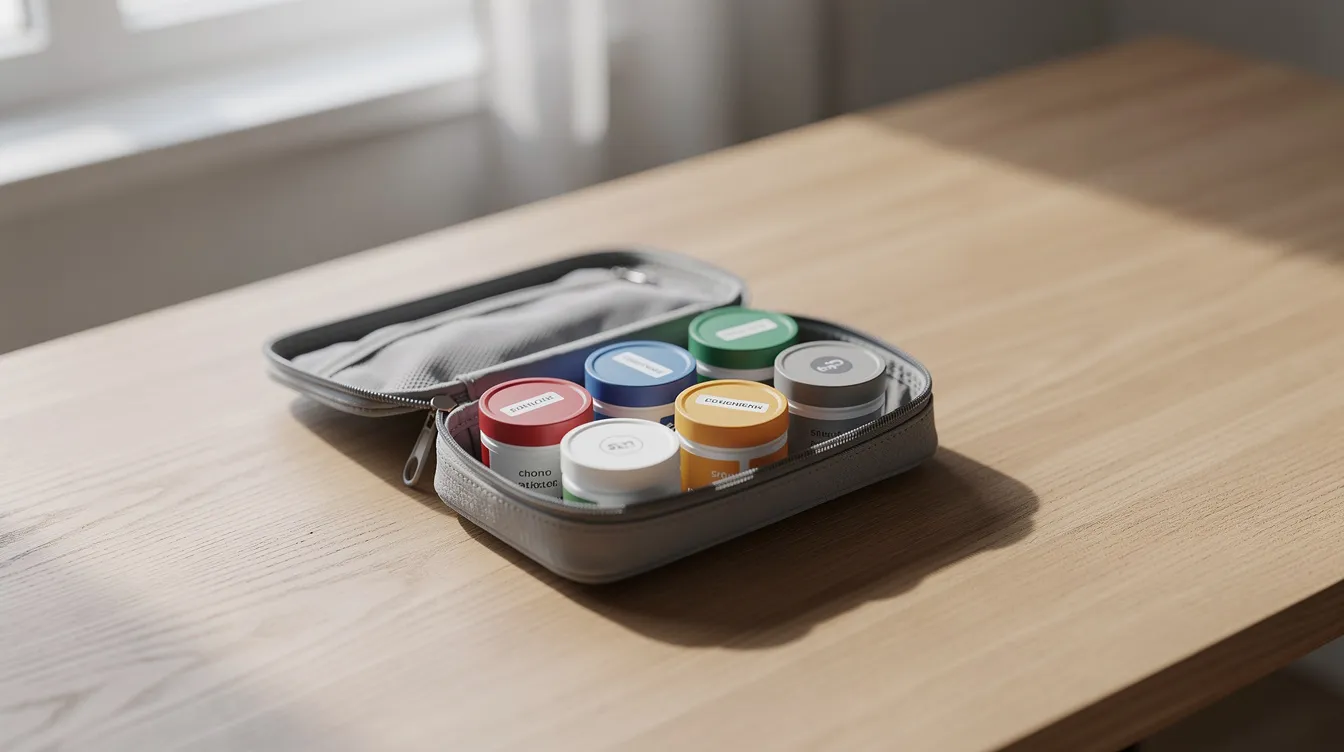
Organization. Keep a small tray or caddy for daily-use supplements so they’re visible enough to remember but still protected from heat, moisture, and light exposure.
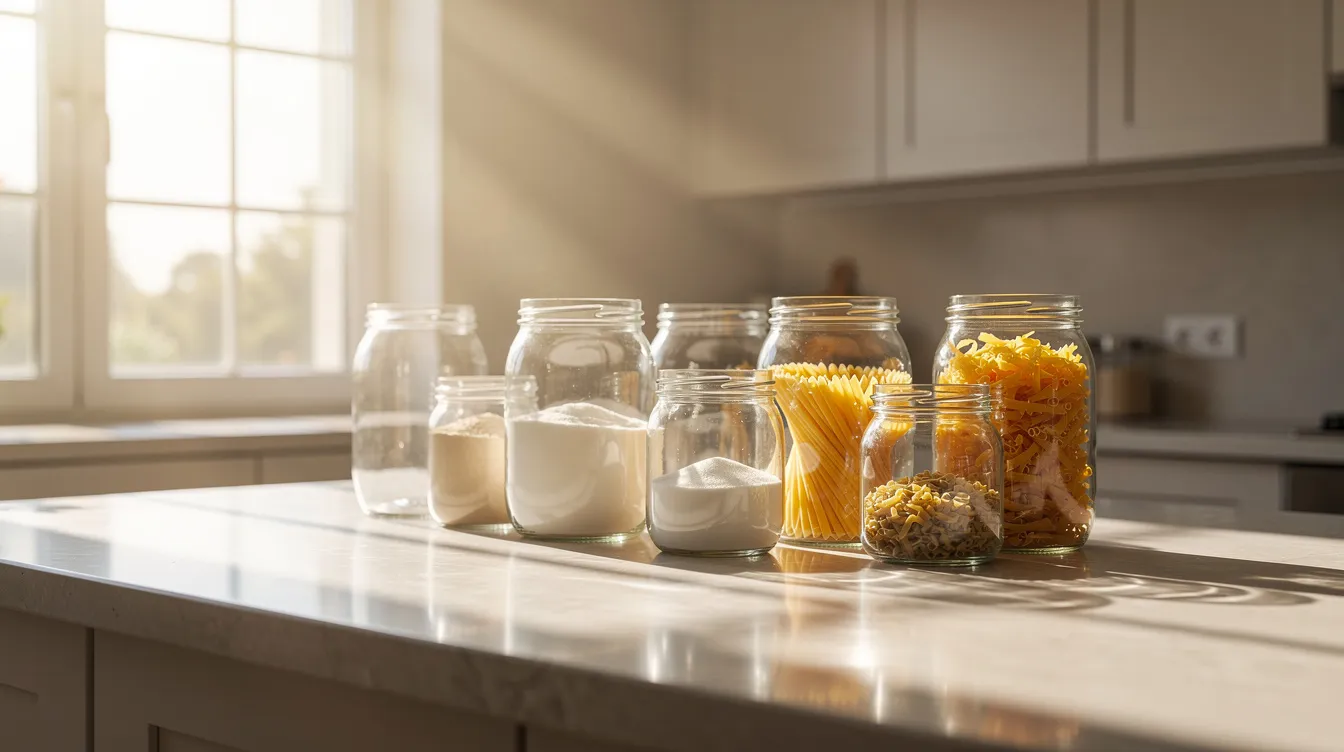
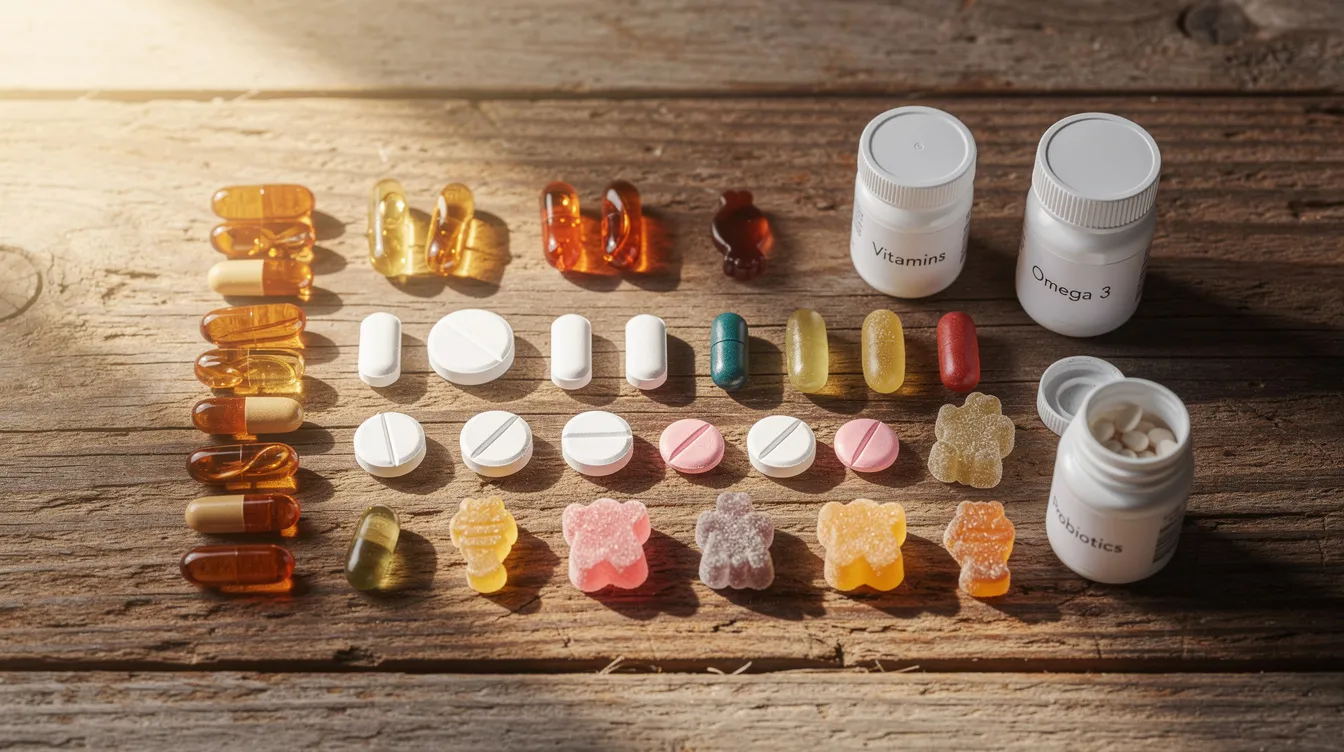
Storage Tips by Form: Capsules, Tablets, Gummies & Shots
Different formats behave differently and benefit from slightly different handling.
Botanical Capsules
Capsules – including plant-based shells – are relatively stable but sensitive to moisture, which can cause softening, sticking, or cracking. Store vitamins in their original containers to maintain potency. Desiccant packets should be left inside supplement bottles to absorb moisture, and the cap should be tightened immediately after each use. Store at room temperature in a dark place; avoid the fridge or freezer unless the manufacturer explicitly recommends it, as condensation can damage capsule shells. Signs that capsules are past their best include warped shells, strong off-odors, or powder leaking from the capsule body.
Botanical Tablets
Compressed tablets are robust but still vulnerable to moisture, which leads to crumbling, chipping, or premature breakdown. Keep tablets in blister packs or original bottles until use. If transferring to a pill organizer, fill only one to two weeks at a time to limit air and humidity exposure. Never store a weekly pill case on a steamy bathroom counter or in a hot car. Unusual spots, swelling, or a chalky smell are signals that tablets should be discarded. If you use Poppy & Lotus tablets daily, pair them with a bedside glass of water instead of leaving them in the kitchen near stoves or dishwashers.
Gummies
Plant-based gummies are the most sensitive form. Supplement gummies are sensitive to heat and moisture, affecting their consistency – they can dry out, melt, or become sticky. Chewable vitamins absorb more moisture than tablets, making sealing and cool storage even more critical. Store gummies below about 70 °F (21 °C) in airtight containers in a dark place, away from windows, ovens, or kettles that throw steam.
Refrigeration can help in very warm climates but may cause sweating or sugar bloom when removed; keep them well sealed and let them reach room temperature inside the closed container before opening. Avoid freezing gummies because extreme cold can alter texture and cause surface cracking once thawed. Keep gummies in child-resistant packaging and out of sight of children and pets, as they resemble edibles or candy.
Liquid Botanical Shots
Liquid shots – single-serve or multi-serve – are highly bioavailable but more prone to microbial growth and oxidation. Certain liquid supplements may need refrigeration after opening to prevent spoilage; many will specify this clearly on the label. Unopened shots should be kept in a cool, dark place in their original packaging.
Discard any shot that shows cloudiness, gas buildup, leaking seals, off-odors, or flavor changes before the expiration date. Do not drink directly from multi-serve bottles to avoid introducing bacteria and contaminants; instead, pour into a clean glass and recap tightly. Poppy & Lotus botanical shots are formulated with clear storage instructions on-pack – following them closely protects both flavor and function.
Choosing and Using Airtight Containers
Packaging is your supplement’s first line of defense against air and moisture. Airtight containers prevent oxidation and maintain potency, and proper packaging can extend shelf life from six months to two years.
Ideal options include opaque or amber glass bottles with tight-fitting caps, high-quality food-grade plastic with reliable seals, and metal tins for certain dry tablets. Some manufacturers use nitrogen-flushed caps to displace oxygen in sealed containers, further extending freshness. Keep supplements sealed tightly to minimize oxygen exposure and extend shelf life.
Keep supplements in their original container whenever possible rather than decanting into decorative jars that may let in light and air. If decanting is necessary for travel, use small airtight containers and move only a few days’ worth of doses at a time. Desiccant packs should stay in the bottle – do not remove or swallow them. Repeatedly opening large family-size bottles exposed the full contents to air each time, so careful recapping and storing in a dark place matter most with bigger containers.
Special Considerations for Botanical Extracts
Botanical extracts – dried powders, standardized actives, and concentrated liquids – are powerful but often more delicate than synthetic ingredients. Polyphenols, flavonoids, and essential oils in botanicals break down with prolonged light, heat, and oxygen exposure, leading to faded color, dull aroma, and reduced effect. In research on Piper betle extracts, total phenolic content remained roughly 99 % when stored at 5 °C in the dark but dropped to about 93 % at 25 °C with light exposure.
Store extracts in opaque containers to block harmful light exposure. Humidity levels should be kept between 35 % and 50 % for extracts, and consistent temperatures above 77 °F (25 °C) should be avoided. Moisture is especially problematic for plant powders: it can cause caking and in worst cases mold growth if storage conditions are poor.
Poppy & Lotus botanicals are formulated and packaged with these factors in mind, but home storage still plays a crucial role from the shipping and delivery date through the final dose. Use older botanical products first – first in, first out – and don’t save them for years past their expiration date.
Do Supplements Ever Belong in the Fridge or Freezer?
Not all supplements benefit from cold storage. Unnecessary refrigeration can introduce condensation and moisture damage that does more harm than good.
When refrigeration helps: Some probiotics require refrigeration to maintain potency – always check the label. Fish oil and omega-3 supplements degrade quickly when exposed to heat and light, so many brands recommend refrigeration after opening. Certain liquid botanicals also need cold storage labeled on the container.
When to avoid it: Most capsules, tablets, and gummies designed for room temperature are labeled “store in a cool, dry place” rather than “refrigerate.” Moving supplements frequently between cold fridges and warm rooms can cause condensation inside containers, shortening shelf life.
Freezing is rarely suitable for finished supplements. It can crack capsules, change gummy texture, and destabilize emulsions in some shots. Always defer to the product’s quality instructions printed on the label. For Poppy & Lotus products, any exceptions to room-temperature storage are clearly indicated.
Travel, Daily Routines & Safety at Home
Supplements must fit into daily life – gym bags, work desks, travel kits – and small adjustments help preserve quality on the go.
Travel. Use small airtight containers for short trips, keep supplements in carry-on bags instead of hot trunks, and avoid leaving them in parked cars during summer. A serum or liquid shot left in a scorching vehicle can lose effectiveness rapidly.
Daily routines. Place a day’s dose near a morning tea station or bedside while keeping the main bottle stored in its ideal dark, cool location to minimize repeated exposure to air.
Seasonal changes. During heatwaves or very humid months, consider moving supplements to the coolest interior room. Vitamins typically have a shelf life of two years, but that timeline assumes reasonable temperature control year-round.
Safety. Use child-resistant caps where provided. Store gummies and flavored shots out of reach, and keep all supplements away from curious pets. Account for anyone in the household who might mistake them for candy.
Thoughtful storage ensures Poppy & Lotus botanicals deliver their intended benefits wherever life takes you. Explore their full range of botanical capsules, tablets, gummies, and shots – and protect every dose with the storage tips above.
-
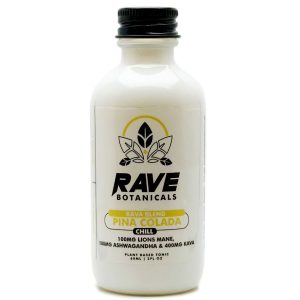 $11.99View details This product has multiple variants. The options may be chosen on the product page
FAQs about Storing Supplements
How long do supplements really last after I open them?
Many supplements are formulated to maintain potency for six to twelve months after opening if stored correctly, even when the printed expiration date is further out. Mark the opening date on the bottle, use opened products within this window, and always discard anything that smells rancid, looks discolored, or shows moisture damage.
Is it okay to keep my supplements in a weekly pill organizer?
Organizers are convenient but expose tablets and capsules to more air and humidity than original bottles. Fill only seven to fourteen days at a time, keep the organizer closed when not in use, and store it in a cool, dry, dark place – never on a steamy bathroom counter or kitchen shelf near the stove.
Can I store different supplements in the same container to save space?
Mixing various products in one jar makes it hard to track expiration dates and can transfer smells or moisture between formulas. Keep each supplement in its original airtight container and use a small basket or tray system to stay organized instead.
What should I do if my gummies have melted or stuck together?
Mild clumping from a brief warm spell may not affect safety, but texture, dosing accuracy, and flavor can be compromised. Discard gummies that are fully melted, deformed, or show any sign of mold, and adjust storage to a cooler, darker place for future purchases.
Are expired supplements dangerous, or just less effective?
Many expired products are simply less potent, but the product’s quality can’t be guaranteed after the date because active compounds may degrade unpredictably. Avoid using supplements well past their expiration date, and be especially strict with botanicals, probiotics, and liquids – choosing to replace rather than risk reduced effectiveness. Leave any questions or comments below if you’d like more guidance on long term storage for specific formats.