7-OH
Is 7-OH Banned in North Carolina? (Current 2026 Guide)
If you have been wondering whether 7-OH is banned in North Carolina, the short answer is: not exactly – but the legal reality is far more complicated than a simple yes or no. Here is everything you need to know about the current status of 7-hydroxymitragynine in the Tar Heel State as of November 2026….
If you have been wondering whether 7-OH is banned in North Carolina, the short answer is: not exactly – but the legal reality is far more complicated than a simple yes or no. Here is everything you need to know about the current status of 7-hydroxymitragynine in the Tar Heel State as of November 2026.
Key Takeaways
-
As of November 2026, concentrated or synthetic 7-hydroxymitragynine (7 OH) is being scheduled federally by the Drug Enforcement Administration, but North Carolina has no current statewide prohibition on natural kratom or 7-OH under its own controlled substance schedules.
-
Natural kratom leaf and typical powdered leaf with naturally low 7-OH levels are not scheduled substances under North Carolina law. Kratom products remain legal for ordinary adult possession at the state level.
-
Federally scheduled “gas station heroin” products – high-potency 7-OH gummies, liquid shots, and tablets – may still appear in NC gas stations and smoke shops during the federal transition period, but they carry significant legal and health risk.
-
Proposed North Carolina bills such as House Bill 328 have introduced age limits and synthetic bans, but none have been fully enacted as of late 2026. Always check the most recent statute and DEA notices.
-
Poppy Lotus does not sell 7-OH or gas station heroin products. If you are exploring traditional botanicals like kava or kratom tea, seek out transparent, lab-tested options from reputable sellers rather than unmarked gas-station extracts.
Is 7-OH Currently Banned in North Carolina?
As of November 11, 2026, 7-hydroxymitragynine and kratom are not currently banned in North Carolina. The state’s controlled substance schedules (N.C.G.S. Chapter 90) do not list kratom, mitragynine, or 7-OH by name. Kratom is not listed as a controlled substance in North Carolina, and synthetic kratom and 7-OH are not currently illegal under state law either.
However, federal law is different. On July 1, 2026, the DEA issued a temporary emergency scheduling order targeting synthetic or concentrated 7-OH products above specific thresholds, placing them in the same category as Schedule I substances federally.
This creates a split: North Carolina has not independently scheduled 7-OH, but federal law still applies within the state – especially to interstate commerce, online sales, and large distributors. A local NC officer might rely on federal scheduling, other state statutes (analog or misbranding rules), or impairing substance laws rather than a specific “7-OH” listing. In practice, you should assume that concentrated gas station heroin products containing synthetic 7-OH are legally risky in NC, even if some stores continue to sell them.
Federal Actions: How the DEA Is Targeting 7-OH
The DEA’s July 2026 move temporarily scheduled 7-hydroxymitragynine and related substances – lab-made derivatives like MGM-15, mitragynine pseudoindoxyl (MGPI), and MGM-16 – as Schedule I substances. The DEA cited 7-OH as an imminent threat to public safety, and the DEA states that 7-OH presents severe risks of addiction.
Under federal law, Schedule I means no accepted medical use and a high abuse potential, comparable to dangerous opioids like heroin. The DEA plans to classify concentrated 7-OH as Schedule I, and 7-OH may be classified as Schedule I permanently after the temporary order’s two-year window (with a possible one-year extension).
The HHS-recommended thresholds target solid products exceeding 1 mg of 7-OH per gram, liquids exceeding 1 mg per milliliter, or products where the mitragynine-to-7-OH ratio falls below 100:1. Ordinary botanical kratom leaf is not the intended target if it stays below those levels.
Meanwhile, the FDA has separately declared that 7-OH in dietary supplements and conventional foods is unlawful. The FDA warns against kratom use due to risks of liver toxicity and seizures, and the FDA warns against using 7-OH due to addiction risks. Concentrated 7-OH products face potential federal restrictions across the board.
North Carolina Law: What Has (and Hasn’t) Changed Yet
Focusing specifically on state law: the state’s controlled substance schedules under N.C.G.S. Chapter 90 do not currently list kratom, mitragynine, or 7-hydroxymitragynine. As of August 25, 2026, kratom possession is legal in North Carolina. Ordinary adult possession of kratom is not a criminal violation at the state level, and there is no blanket statewide possession ban for adults.
Proposed legislation such as House Bill 328 sought to regulate sales, set age limits (often 21+), require product packaging standards and testing, and criminalize synthetic derivatives of kratom. A bill to restrict kratom sales to those 21 and older is still pending. But those bills stalled and have not been signed into law.
Local jurisdictions in North Carolina can pass their own restrictions on kratom – some counties or municipalities have moved ahead with store-level rules or age restrictions, creating a patchwork even without a statewide ban. North Carolina also has generic impairing substance and consumer protection statutes, so 7-OH products can still be involved in DWI charges, product seizures, or fraud cases even without a specific listing in the state’s controlled substance schedules.
Botanical Kratom vs. Concentrated 7-OH (“Gas Station Heroin”)
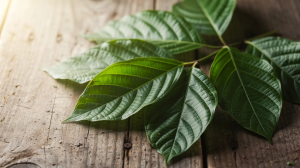
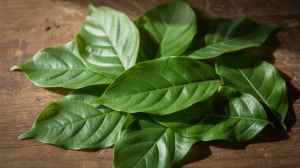
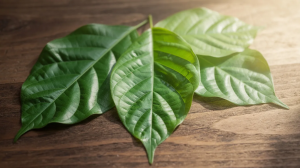
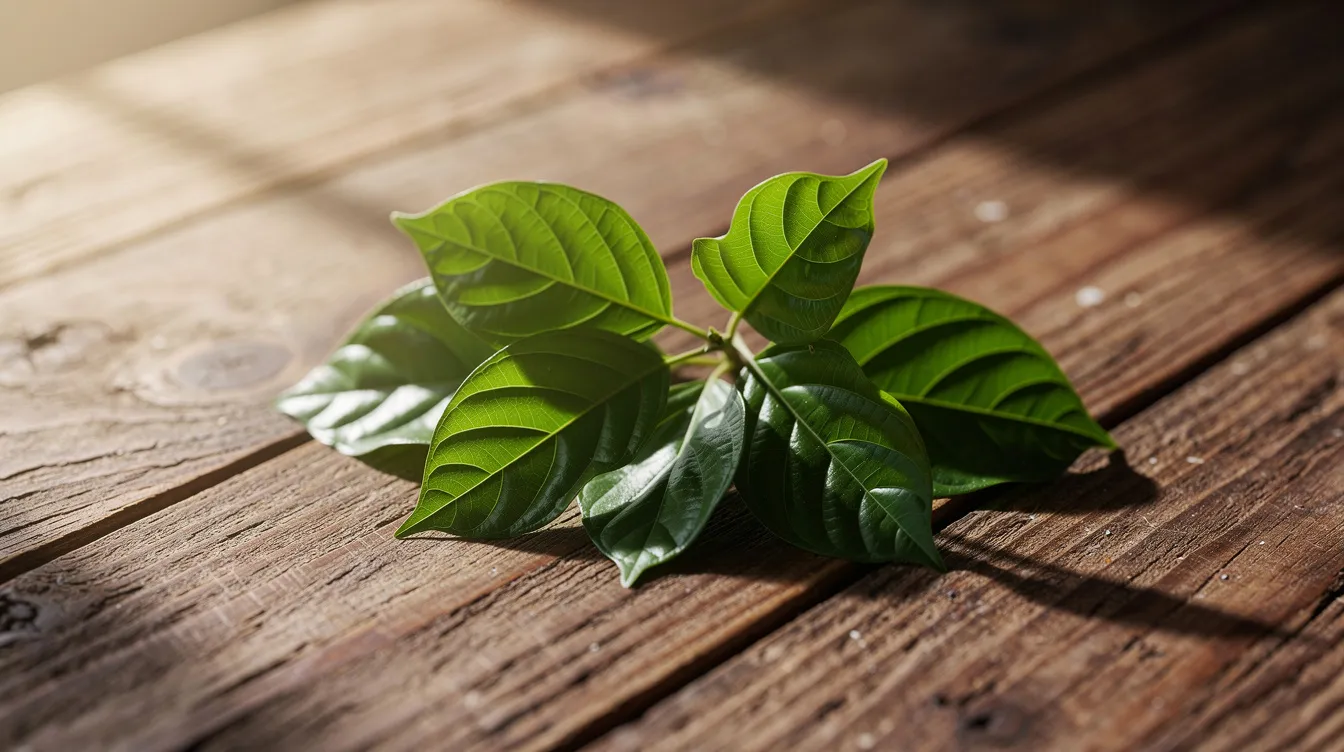
The kratom plant (Mitragyna speciosa) is a plant native to Southeast Asia, commonly sold as powdered leaf, capsules, and kratom tea. Its active compounds found in the leaf include mitragynine – the primary alkaloid – and trace amounts of 7-OH, which exists naturally at very low kratom concentration (typically 0.01–0.05% by dry weight).
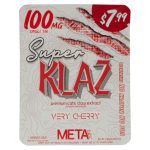
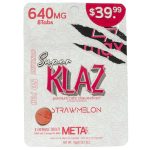
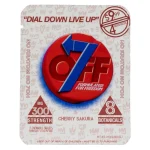
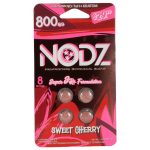
Gas station heroin in North Carolina usually refers to highly concentrated extracts or synthetic versions of 7-OH: tablets, gummies, liquid shots, and vapes sold in gas stations, smoke shops, kava bars, and vape shops with minimal oversight. Some 7-OH products can contain over 0.050% by dry weight, far exceeding natural leaf levels.
Here is the critical distinction: concentrated 7-OH is about 30 times more potent than morphine at the mu-opioid receptor. That changes the risk profile drastically compared with low-alkaloid powdered leaf or mild kratom tea. The DEA’s 2026 scheduling and public health warnings are focused on these high-potency items, not ordinary kratom leaf, though so kratom itself still carries dependence risks.
Marketing can be misleading – some products branded as “kratom” or “kava plus” actually rely on synthetic alkaloids and similar analogs, making it difficult for consumers to tell what they are taking. Some noticed kratom products that actually contain dangerous concentrations of synthetic 7-OH.

Health Risks: Opioid-Like Effects and Withdrawal
The core concern around 7-OH in NC is not just legality but its opioid like effects, especially in potent gas-station products. 7-OH is roughly 30 times more potent than morphine, and it presents severe risks including tolerance, dependence, and addiction.
Common reported effects of concentrated 7-OH include:
-
Euphoria and heavy sedative effects
-
Respiratory depression risk
-
Quick tolerance build-up similar to opioids (7-OH can cause tolerance similar to opioids)
-
Stimulant like effects at low doses shifting to strong sedation at higher doses
Users report opioid like withdrawal symptoms from 7-OH. Patients describe a feeling that resembles opioid withdrawal: anxiety, restlessness, body aches, tremors, nausea, diarrhea, chills, sweating, insomnia, and depressed mood. These withdrawal syndromes emerge when someone who has later developed physical dependence abruptly stops use. The opioid withdrawal profile can be severe – 7-OH can cause opioid like withdrawal symptoms including anxiety and tremors.
Mixing 7-OH with alcohol, benzodiazepines, or other substances significantly increases overdose danger. Even though some products offer pain relief or chronic back pain management claims, these are not substitutes for supervised care. MAHEC opioid treatment services and MAHEC addiction specialists – along with any qualified addiction medicine fellow – can help those who have developed physical dependence or physiological dependence. Anyone in North Carolina who suspects dependence should seek medical advice rather than quitting abruptly. Opioid use disorder treatment resources exist for those affected.
Over-the-Counter Access and Everyday Confusion in North Carolina
Many NC consumers encounter 7-OH products casually at gas stations, vape stores, or a Waynesville kava bar and may assume they are safe because they are sold over the counter access style, not behind a pharmacy counter.
Typical product placement puts kratom energy shots, 7-OH gummies, and “relax” drinks on shelves near energy drinks, CBD sodas, or hemp derived consumable products. This downplays their drug-like potency. As of late 2026, statewide law does not require age restrictions, warning labels, or ID checks for all kratom or 7-OH products. 7-OH products are often sold without age restrictions, and no statewide minimum age requirement exists for selling 7-OH or kratom products in North Carolina. This means teens and young adults may access substances with opioid like effects without realizing the risks.
Over the counter access does not override federal restrictions. Stores selling federally scheduled 7-OH products above DEA thresholds are out of compliance even if state law is silent. Scrutinize labels – look for 7-OH percentages, extract ratios, and “not for human consumption” disclaimers. Products should carry warning labels and list ingredients transparently. Avoid items listing synthetic analogs or unusually high milligram doses.
Understanding Kava, Kratom, and Safer Shopping Choices
Understanding kava versus kratom versus 7-OH is essential. Kava is a non-opioid root used traditionally for relaxation, acting primarily on GABA receptors. Kratom is a leaf with both stimulant and sedative potential. Concentrated 7-OH is a significantly stronger, high-potency opioid-like compound extracted or synthesized from kratom alkaloids.
Kava’s different mechanism helps consumers distinguish between “relaxing herbs” and substances with heroin-like withdrawal risk. Responsible vendors clearly label botanical origin, alkaloid content, and include warnings about operating machinery.
While Poppy Lotus does not sell 7-OH or gas station heroin items, readers who choose to explore traditional botanicals like kava or plain kratom leaf should seek transparent, lab-tested options from reputable marketplaces such as Poppy Lotus rather than unmarked gas-station extracts. A free sample from an unknown source is not worth the risk. Consult healthcare professionals before using kava or kratom if you have liver disease, are on prescription medications, or have a history of substance use disorder. Warned consumers are safer consumers.

North Carolina Impairment, Driving, and Liability Issues
Even though kratom and 7-OH are not listed in NC’s controlled-substance schedules, they can still lead to legal trouble. North Carolina’s DWI law (N.C.G.S. § 20-138.1) covers any impairing substance – not just alcohol and scheduled drugs. Operating a vehicle while impaired by 7-OH may result in DWI charges in North Carolina if it affects physical or mental faculties.
There is no set blood-concentration limit for mitragynine or 7-OH. Prosecutors rely on behavior, officer observations, field sobriety tests, and expert testimony. Employers, schools, and treatment courts may adopt stricter policies about kratom and 7-OH even where lawful possession and lawful purchase remain technically non-criminal.
“Legal to buy in a gas station” does not mean “safe to drive on.” Avoid operating vehicles after taking 7-OH, strong kratom extracts, or combinations of kava and other sedatives.
Future Changes: How NC Law Could Shift After Federal Scheduling
The legal status of 7-OH in North Carolina is in flux. North Carolina’s controlled substances authority can review federal scheduling decisions and choose to mirror them using N.C.G.S. § 90-88(d). If NC adopts the DEA’s classification, then when a kratom ban takes effect at the state level, possession, sale, and manufacture of concentrated 7-OH products would become explicit state crimes.
Separate bills could still introduce kratom-specific regulations: age limits of 21+, mandatory lab testing, bans on synthetic derivatives, and zoning controls to regulate sales at gas stations and smoke shops across the North Carolina state line.
Always verify the date of any legal article on this topic, check the current NC General Statutes, and for personal legal risk questions, speak with a licensed North Carolina attorney rather than relying solely on online summaries. Public safety depends on staying current.
FAQ: 7-OH and Kratom in North Carolina
Is kratom illegal in North Carolina right now?
As of November 11, 2026, botanical kratom (leaf, powder, and typical teas) and its main active compounds – mitragynine and naturally occurring 7-OH in trace amounts – are not listed kratom as controlled substances under North Carolina law. Adult possession is not a statewide felony or misdemeanor. However, local jurisdictions can impose store-level sales restrictions or age limits, and mixing kratom with other controlled substances changes the legal picture.
Are all 7-OH products automatically illegal in North Carolina?
No. The distinction matters: federally controlled concentrated or synthetic 7-OH products (especially those above DEA thresholds) are targeted by the 2026 federal scheduling order. Trace 7-OH occurring naturally in kratom leaf is not. North Carolina has not written its own standalone “7-OH ban,” but federal law applies within the state, making high-strength 7-OH gas-station products legally risky even if they are still on local shelves.
Why do people call 7-OH “gas station heroin” in North Carolina?
The nickname comes from two factors: the common sales locations (gas stations, vape shops, smoke shops) and user reports of strong opioid-like highs, rapid tolerance, and heroin-style opioid like withdrawal symptoms from frequent use. The name is a warning – it signals that these products behave more like dangerous opioids than mild herbal supplements, despite being sold next to candy and energy drinks.
Can I get a DWI in NC for driving after taking kratom or 7-OH?
Yes. You can face a Driving While Impaired charge in North Carolina if the State proves that kratom or 7-OH significantly impaired your physical or mental faculties while driving, even though they are not in the same category as Schedule I or II substances under state law. Officers rely on observations, field tests, and sometimes blood or urine toxicology. There is no fixed “legal limit,” so impairment is judged case by case.
Where can I find safer alternatives if I’m trying to avoid 7-OH gas station products?
For current product options, browse the Poppy Lotus shop.
Avoid unlabeled or high-potency 7-OH shots and gummies from gas stations. If you choose to use botanicals, look for transparent, lab-tested kava or plain kratom leaf from reputable sellers. Poppy Lotus offers a curated space for exploring plant-based wellness products without stocking 7-OH gas station heroin items. Prioritize vendors who disclose ingredients, testing results, and clear usage warnings.