7-OH
Is 7‑OH Legal in Texas? A 2026 Guide to Kratom, 7‑OH, and Texas Law
If you’ve seen brightly colored “7-OH” shots or gummies at a gas station near you and wondered whether they’re actually legal in Texas, you’re not alone. The short answer is that concentrated 7-OH products violate Texas law, and as of late 2026, they’re facing federal criminal classification too. Here’s what Texas consumers need to know…
If you’ve seen brightly colored “7-OH” shots or gummies at a gas station near you and wondered whether they’re actually legal in Texas, you’re not alone. The short answer is that concentrated 7-OH products violate Texas law, and as of late 2026, they’re facing federal criminal classification too. Here’s what Texas consumers need to know right now.
Key Takeaways
-
Concentrated 7-OH (7-hydroxymitragynine) products are not legal to sell in Texas if they exceed the state’s 2% alkaloid cap. Most “7-OH” items sold at gas stations and smoke shops already violate Texas law and, after the DEA’s 2026 action, are expected to be treated as controlled substances nationwide.
-
Natural kratom leaf products with trace, naturally occurring 7-OH well under legal thresholds remain legal for adults in Texas, provided they comply with the Texas Kratom Consumer Health and Safety Protection Act.
-
Texas caps 7-OH at 2% of total alkaloid content in kratom products under Health and Safety Code Chapter 445 (effective September 1, 2023), while the federal government has targeted high-potency 7-OH concentrates for Schedule I control through the Drug Enforcement Administration.
-
Possession or sale of concentrated 7-OH products can expose Texans to both state law violations and federal Controlled Substances Act liability. Don’t rely on a product sitting on a store shelf as proof it’s legal in Texas.
-
Poppy Lotus does not sell 7-OH products. Readers looking for regulated botanical kratom should seek compliant, well-labeled products and always verify current status of applicable laws before buying.
What 7‑OH Actually Is Under Texas and Federal Law
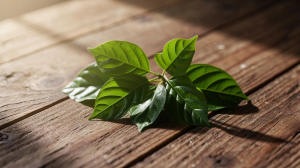
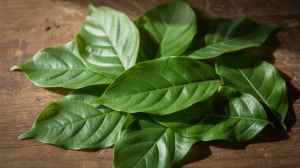
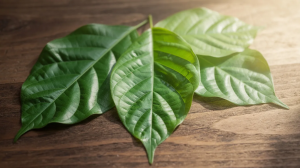
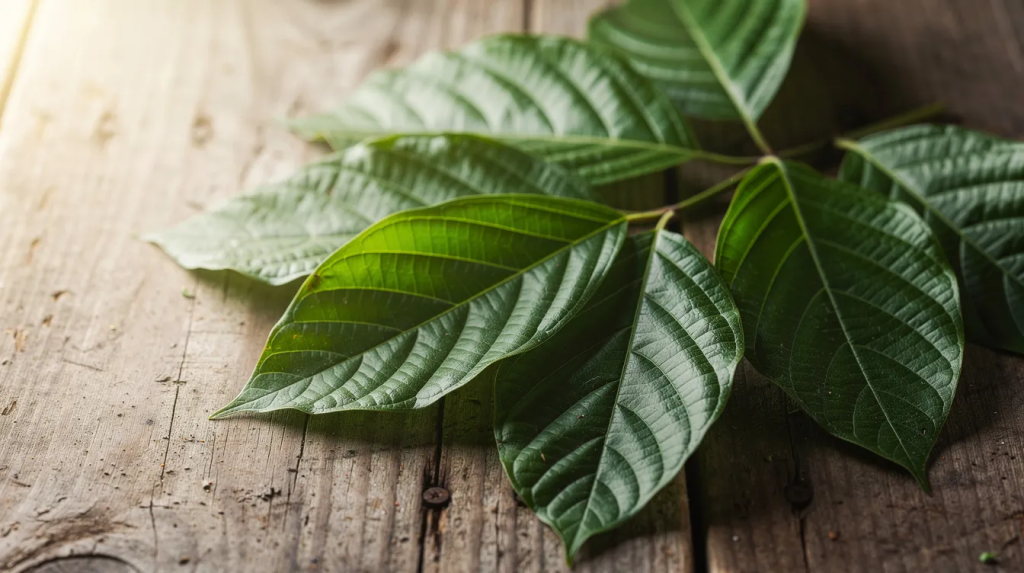
7-hydroxymitragynine, commonly called 7-OH, is an alkaloid found in the kratom plant. In natural kratom leaf, it exists only in trace amounts-roughly 0.003% to 0.04% of the total alkaloid content. The “7-OH” shots, gummies, and tablets you see in smoke shops and gas stations contain something very different: heavily concentrated or synthetic versions with 7-OH levels that can exceed 50% in some products.
That distinction matters. At concentrated levels, 7-OH acts on the same mu opioid receptors targeted by morphine, heroin, and other opioids. Concentrated 7-OH can be 30 times more potent than morphine. This is why it triggers tolerance, physical dependence, and opioid-type withdrawal-and why the FDA, DEA, and Texas lawmakers have all zeroed in on it. The FDA has classified 7-OH as an opioid and has not approved 7-hydroxymitragynine as a medication or dietary supplement ingredient.
The DEA’s July 2026 temporary scheduling order focuses on concentrated 7-OH and related synthetics, while explicitly distinguishing traditionally prepared kratom leaf with very low 7-OH content. Under federal law, products above the proposed 0.05% threshold face Schedule I treatment-the same classification applied to heroin.
Texas Kratom Consumer Health and Safety Protection Act (HB 1097)
The Safety Protection Act-Texas’s Kratom Consumer Health and Safety Protection Act-became effective September 1, 2023. It created statewide rules governing kratom processors and kratom retailers with a clear focus on health and safety.
Under Chapter 445 of the Texas Health and Safety Code, kratom products sold in Texas must not contain more than 2% 7-hydroxymitragynine in the alkaloid fraction. Texas explicitly prohibits the sale of synthetic 7-hydroxymitragynine. Texas Health and Safety Code Chapter 445 restricts manufacturers from distributing kratom products containing synthetic alkaloids.
Core rules Texans need to know:
-
Kratom products cannot contain more than 2% 7-hydroxymitragynine in the alkaloid fraction
-
Synthetic 7-OH and synthetically derived alkaloids are banned entirely
-
Legal kratom products must feature clear directions for safe use and recommended serving sizes under Texas regulations
-
Labels must disclose ingredients, batch or lot numbers, and manufacturer information
-
Sales of kratom to individuals under 18 years old are illegal in Texas
-
Products containing 7-hydroxymitragynine cannot be mixed with dangerous or controlled substances
The Act does not ban kratom leaf. It regulates how kratom can be produced and sold-especially regarding 7-OH content, contaminants, and misbranding-to protect Texas kratom consumer health.
Texas Law vs. Federal Scheduling: What Changed in 2026
Before 2026, concentrated 7-OH was mainly regulated by state law like Texas’s Chapter 445. That changed when the DEA moved to temporarily place concentrated 7-OH into Schedule I nationwide.
Here’s the timeline:
-
July 1, 2026: The DEA announced intent to temporarily schedule concentrated 7-OH and related synthetic compounds
-
August 26, 2026: A temporary federal order took effect for mitragynine pseudoindoxyl (MP), MGM-15, and MGM-16-all Schedule I regardless of concentration
-
October 2026: HHS and DEA proposed revised thresholds in the Federal Register, targeting 7-OH products exceeding 1 mg per gram or failing a 100:1 mitragynine-to-7-OH ratio
Under this federal order, 7-OH products above 0.05% are federally banned under Schedule I-the same federal schedule as heroin and other drugs with high abuse potential. The DEA is expected to enforce this temporary scheduling order beginning around November 13, 2026. Federal regulations on 7-hydroxymitragynine are tightening due to its high abuse potential and lack of accepted medical use.
Texans must comply with both state law (2% cap, labeling, age limits) and federal law (Schedule I for concentrated 7-OH). Being “legal in Texas” now requires staying under both sets of rules.
Is 7‑OH Legal in Texas Right Now? (November 2026)
For November 2026: concentrated or synthetic 7-OH products are not legally sellable in Texas under a combination of Texas law and the DEA’s Schedule I order. Compliant botanical kratom remains legal for adults.
Three categories to understand:
-
Legal botanical kratom: Products meeting Texas law-under 2% 7-OH of total alkaloid content, no synthetic 7-OH, proper labels, adult sales only
-
Illegal “7-OH” products: Branded shots, gummies, or tablets with high 7-OH percentages that violate both state caps and federal Schedule I rules
-
Gray-area products: Vague labels that would likely test above the legal limit if analyzed
The mere presence of a 7-OH or “kratom extract” product on a gas station shelf does not prove it’s legal in Texas. Enforcement actions often lag behind marketing. State or federal enforcement can follow at any time.
Anyone with specific criminal exposure questions should consult a Texas criminal defense attorney. This article is informational and not legal advice.
Attorney General Paxton’s Actions Against Kratom Retailers
The Texas Attorney General has actively targeted non-compliant high-potency products, signaling that Texas has specific enforcement against non-compliant kratom retailers.
On February 9, 2026, AG Ken Paxton sued Smokey’s Paradise and related shops in Midlothian. Lab testing reportedly found products tested at up to 96% 7-OH-nearly 48 times the 2% legal limit. These suits allege violations of both the Texas Kratom Consumer Health and Safety Protection Act and the Texas Deceptive Trade Practices Act, based on unsafe 7-OH levels, misleading labeling, and selling products that pose opioid-level health risks.
High-potency kratom products may trigger civil penalties for violations of Texas regulations. These enforcement actions show state willingness to go after kratom retailers, not just manufacturers. Texas shop owners stocking concentrated 7-OH products face serious legal and financial consequences-and the same fact patterns could attract criminal attention if products qualify as Schedule I under federal law. Possession of concentrated synthetic 7-hydroxymitragynine can result in federal criminal charges after new regulations take effect.
Texas Health and Safety Concerns Around Concentrated 7‑OH
Texas kratom regulation is framed around health and safety, with 7-OH viewed as an opioid-acting compound that can cause serious harm at higher doses.
The Texas Department of State Health Services has issued alerts linking concentrated 7-OH kratom products to opioid-like kratom toxicity, respiratory depression, dependence, and hospitalization. Texas reported 111 kratom and 7-OH deaths from January to August 2026. The FDA has linked kratom to 91 overdose deaths from 2016 to 2017. In July 2025, the FDA warned seven companies for illegally marketing 7-OH products.
Risks of high-dose 7-OH products include:
-
Nausea, vomiting, severe constipation
-
Dizziness, sedation, slowed breathing
-
Seizures and potential liver toxicity
-
Overdose deaths when combined with other substances
Withdrawal from daily 7-OH use mimics opioid withdrawal-flu-like symptoms, muscle aches, anxiety, insomnia, diarrhea, sweating, and strong cravings. Medical assessments are crucial before stopping 7-OH use. Anyone with dependence concerns should contact licensed healthcare providers or the SAMHSA National Helpline at 1-800-662-HELP.
Texas’s blend of content caps, age restrictions, and labeling rules is designed to reduce these health risks without fully banning botanical kratom use for adults.

Leaf Kratom vs. Concentrated 7‑OH: Why Texas Treats Them Differently
“Kratom” and “7-OH” are not interchangeable terms in Texas law. Natural kratom leaf is a plant containing multiple alkaloids. Concentrated 7-OH is effectively an opioid-strength substance isolated or synthesized from it.
Typical kratom powders and capsules contain mainly mitragynine with tiny amounts of naturally occurring 7-OH. Concentrated 7-OH products-kratom extracts, resins, gummies-can have 7-OH artificially boosted to extreme percentages. Concentrated 7-OH can exceed 50% in some products.
From a consumer standpoint, kratom leaf at low doses tends to have milder, slower-onset effects. Concentrated 7-OH behaves more like short-acting opioids, activating the same brain receptors with a sharper high and steeper comedown, which increases abuse and dependence risk. Under Texas Health and Safety Code, 7-hydroxymitragynine is legal when a natural component of regulated kratom products at or below 2%.
Federal health regulators have increased scrutiny on certain 7-hydroxymitragynine products, differentiating them from natural kratom leaf. If a product in a Texas gas station is labeled “7-OH,” it’s most likely a de facto opioid product-not ordinary kratom.
Where Texans Actually See 7‑OH Products (Gas Stations, Vape Shops, Online)
Despite legal restrictions, many Texans first encounter 7-OH in smoke shops, gas stations, and online retailers-often displayed alongside energy drinks and CBD products.
Common forms include:
-
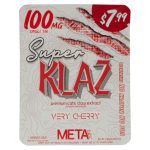
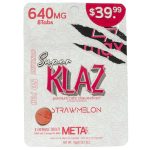
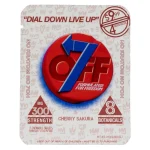
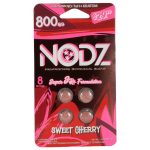
Small foil packs labeled “7-OH” or “7-hydroxy”
-
Brightly colored gummies marketed as “extreme relief”
-
2–4 oz energy-style shots sold near the checkout counter
-
Tablets or capsules branded as “kratom extract” or “opiate alternative”
Labels frequently understate or omit 7-OH content. Some products marketed as “kratom extract” in Texas tests turned out to be 60-96% 7-OH-far above the state’s 2% cap and the federal 0.05% threshold. The attorney general lawsuits confirm many items already on shelves were unlawful.
Health-conscious consumers who choose kratom use should look for transparent, batch-tested botanical kratom from retailers who clearly follow Texas law. Poppy Lotus does not carry 7-OH concentrates and encourages careful, informed purchasing decisions.

What This Means If You Currently Use 7‑OH in Texas
If you’re a current 7-OH user in Texas, the shifting legal landscape may affect your supply and your health.
Abrupt loss of supply due to enforcement or DEA scheduling can trigger opioid-type withdrawal in daily users. 7-OH withdrawal symptoms resemble opioid withdrawal symptoms, including flu-like symptoms and strong cravings. Anyone experiencing severe symptoms-trouble breathing, chest pain, suicidal thoughts-should seek emergency help immediately by calling 911.
If you relied on 7-OH for pain, anxiety, or to manage opioid use disorder, speak with a licensed medical provider about safer, evidence-based options. Buprenorphine can treat dependence on 7-OH effectively, and there are other FDA approved medications designed for opioid withdrawal. A medical assessment should come before any abrupt changes to your use pattern. Avoid turning to illicit opioids or counterfeit pills if your supply disappears.
Texas law does not establish a standalone criminal offense for adult consumers possessing non-compliant kratom-but the federal Controlled Substances Act does apply to Schedule I substances. Texans concerned about legal exposure should consult a qualified Texas attorney. The admissions team at any licensed treatment center can also help connect you with resources.
Buying Kratom Legally and Responsibly in Texas
Adults in Texas can still buy kratom, but should focus on botanical, well-labeled products that comply with Texas law and avoid concentrated 7-OH items.
Practical steps:
-
Check labels for full ingredient lists, alkaloid information, batch numbers, and age restrictions
-
Avoid products that explicitly advertise “7-OH” milligram amounts or “synthetic kratom”
-
Look for third-party lab testing (certificates of analysis showing mitragynine and 7-OH levels)
-
Ask retailers about their compliance with the 2% 7-OH cap-unwillingness to discuss this is a red flag
Readers who choose to use kratom should seek out reputable, transparent vendors like Poppy Lotus that prioritize compliance and consumer education. Poppy Lotus does not sell concentrated 7-OH products.
Kratom, even in leaf form, carries health risks and is not FDA-approved for any medical use. Talk with healthcare providers before using kratom for pain, anxiety, or opioid withdrawal. The SAMHSA National Helpline (1-800-662-HELP) is free, confidential, and available 24/7.
Frequently Asked Questions About 7‑OH and Texas Law
Is 7‑OH legal in Texas after the DEA’s 2026 action?
Texas already limited 7-OH in kratom products to 2% of total alkaloids and banned synthetic 7-OH as of September 1, 2023. The DEA’s July–August 2026 temporary Schedule I order added a federal ban on concentrated 7-OH and related synthetics above 0.05%. As a result, most stand-alone “7-OH” shots, gummies, and tablets are effectively illegal to sell or possess as of late 2026, while botanical kratom products that comply with Texas and federal thresholds remain legal for adults. The U.S. DEA initiated steps to place concentrated 7-hydroxymitragynine into Schedule I of the Controlled Substances Act. Law enforcement priorities can change-always verify current status through official Texas and federal sources or a licensed attorney.
Can I still buy kratom in Texas if I avoid 7‑OH concentrates?
Yes. Adult Texans can still legally buy kratom products that meet the requirements of the Texas Kratom Consumer Health and Safety Protection Act: mainly botanical kratom powders, capsules, or teas with naturally occurring alkaloids and less than 2% 7-OH of total alkaloid content. These must be properly labeled, free of synthetic 7-OH, and sold only to adults. Federal rules currently focus on high-potency 7-OH concentrates rather than compliant leaf products. Avoid anything marketed primarily as “7-OH,” “7-hydroxy,” or “extreme extract,” and seek transparent, lab-tested kratom if you choose to buy. Poppy Lotus does not stock 7-OH concentrates.
Is possessing 7‑OH a crime in Texas?
Possession of concentrated or synthetic 7-OH products that fall under the DEA’s Schedule I classification can constitute a federal crime under the Controlled Substances Act, regardless of where in Texas you live. Texas state law also provides tools for prosecuting or penalizing sales of illegal kratom products that exceed the 2% 7-OH cap or include banned synthetic 7-OH. However, Texas law does not currently establish a standalone criminal offense for adult consumers simply possessing non-compliant kratom-the primary enforcement targets are sellers and distributors. Anyone facing potential charges should consult directly with a Texas criminal defense lawyer.
How do I know if a Texas kratom product complies with the 7‑OH limit?
Check the packaging for clear disclosure of ingredients, alkaloid content, batch numbers, and manufacturer contact information. Absence of these details is a warning sign. Choose brands that publish third-party lab certificates of analysis showing mitragynine and 7-OH levels-this is one of the few practical ways to confirm whether a kratom product falls under Texas’s 2% 7-OH cap. If lab data are unavailable or the label leans heavily on “7-OH” marketing, assume the product may not comply with state or federal law and avoid purchasing it.
Does this article mean Poppy Lotus endorses using 7‑OH or kratom?
No. This article is educational, providing an overview of how 7-OH and kratom are treated under Texas law and federal rules as of late 2026. It is not a recommendation to use either substance. Poppy Lotus does not sell concentrated 7-OH products and encourages readers who choose to use kratom to prioritize safety, legal compliance, and medical guidance. If you have health concerns related to kratom or 7-OH use, consult a licensed healthcare professional. In emergencies, call 911 or contact the SAMHSA National Helpline at 1-800-662-HELP.