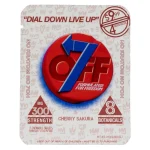
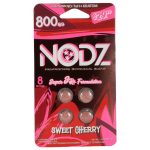
7-OH
MGM 15 vs 7-OH: What They Are, How They Differ, and Why It Matters
If you’ve been browsing smoke shop shelves or scrolling through kratom forums, you’ve probably encountered the terms “MGM 15” and “7-OH.” These aren’t interchangeable product names or different strengths of the same thing. They are two distinct psychoactive substances with different chemical structures, potency levels, risk profiles, and legal trajectories. This guide breaks down everything…
If you’ve been browsing smoke shop shelves or scrolling through kratom forums, you’ve probably encountered the terms “MGM 15” and “7-OH.” These aren’t interchangeable product names or different strengths of the same thing. They are two distinct psychoactive substances with different chemical structures, potency levels, risk profiles, and legal trajectories. This guide breaks down everything you need to know about MGM 15 vs 7-OH so you can make informed decisions rather than relying on marketing labels.
Key Takeaways
-
MGM-15 (dihydro-7-hydroxymitragynine) is a semi-synthetic derivative of 7-OH, created by chemically modifying the natural kratom alkaloid 7-hydroxymitragynine. They are not the same molecule, and product labels using these terms do not guarantee identical contents, doses, or risk profiles.
-
Both compounds act on mu opioid receptors, but preclinical data indicates MGM 15 has significantly higher potency than 7-OH and may carry greater dependence, overdose risk, and withdrawal symptoms.
-
U.S. legal status is shifting fast. The Drug Enforcement Administration filed notices on July 1, 2026 to place both 7-OH and MGM-15 into Schedule I under the Controlled Substances Act, with state-level emergency rules already in effect in several jurisdictions.
-
MGM-15 withdrawal symptoms may resemble opioid withdrawal, including anxiety, nausea, muscle aches, cravings, and irritability. Medical detox support is recommended for heavy users.
-
Poppy Lotus does not sell MGM-15 or 7-OH products. If you are shopping for kratom, stick with clearly labeled, lab-tested botanical kratom products rather than synthetic or semi-synthetic derivatives.
What Are MGM-15 and 7-OH? (Quick Answer to “MGM 15 vs 7-OH”)
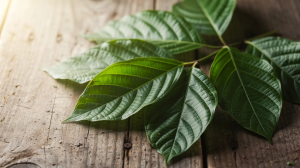
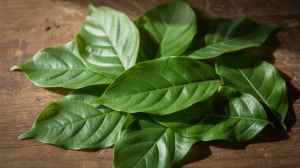
7-Hydroxymitragynine (7-OH) is a naturally occurring alkaloid found in the kratom plant (Mitragyna speciosa). It exists in trace amounts in traditional kratom leaf but is also formed in the human body when mitragynine, the main alkaloid in kratom, is metabolized by liver enzymes. In recent years, 7-OH is often concentrated or semi-synthesized for commercial products, pushing exposure levels far above what anyone would get from kratom leaves alone.
MGM-15, formally called dihydro-7-hydroxymitragynine, is a semi-synthetic derivative of 7-OH. It is created in a lab by hydrogenating a specific double bond in the 7-OH molecule. MGM-15 does not occur naturally in the kratom plant. It is a chemically modified compound engineered to enhance opioid receptor activity.
Neither compound has FDA-approved medical use. Their presence in consumer products is part of a broader wave of new psychoactive substances-including synthetic cannabinoids and tianeptine products-entering unregulated markets. The rest of this article compares their chemistry, potency, safety, withdrawal symptoms, and legal status, and explains how product names can mislead buyers.
Chemical Structures and Origin: MGM-15 vs 7-OH
Both molecules descend from the same kratom alkaloid framework, but they differ structurally in ways that change how they behave at opioid receptors.
7-OH is an indole kratom alkaloid that forms naturally through oxidative metabolism of mitragynine. In raw kratom leaf, it appears at very low concentrations. In the human body, CYP3A4 and other liver enzymes convert mitragynine into 7-OH, which then contributes to kratom’s opioid like effects. Concentrated kratom extracts and enhanced kratom products can deliver much higher levels than traditional kratom leaf.
MGM-15 is produced by partially hydrogenating the N(1)–C(2) double bond of 7-OH, creating a 1,2-dihydro derivative. This is a semi-synthetic compound-MGM-15 is not a naturally occurring substance in kratom. The Center for Forensic Science Research and Education (CFSRE) describes it as a tan solid with molecular formula C₂₃H₃₂N₂O₅ and molecular weight of approximately 416.5. MGM-15 was first characterized in 2014 as part of medicinal chemistry research probing how chemical structures influence opioid receptor binding.
Both are grouped with kratom derivatives and related compounds such as mitragynine pseudoindoxyl and MGM-16, but each is a distinct chemical entity with its own receptor profile.
Pharmacology: How MGM-15 and 7-OH Act on Opioid Receptors
Both MGM-15 and 7-OH are opioid receptor ligands, but they differ in potency and receptor selectivity, which directly influences their risk profiles.
7-OH is a potent mu opioid receptor agonist. Published binding studies report 7-OH has a Ki of 16 ± 1 nM at mu opioid receptors-roughly an order of magnitude stronger than mitragynine (Ki ~ 200–700 nM). At these receptors, 7-OH behaves more like a traditional opioid than plain kratom leaf, producing analgesia, euphoria, and sedation.
MGM-15 is chemically modified to enhance opioid receptor activity even further. Its receptor binding affinity is significantly higher than 7-OH’s, with published binding data showing a mu opioid receptor Ki of approximately 6.4 nM. MGM-15 also shows enhanced activity at delta-opioid receptors compared to 7-OH (delta Ki ~ 16 nM vs. much weaker delta binding for 7-OH). MGM-15 strongly activates opioid receptors, increasing addiction risk relative to compounds with lower binding affinity.
This opioid receptor activity underlies the typical opioid effects both compounds produce: analgesia, euphoria, sedation, respiratory depression, tolerance, and withdrawal symptoms. MGM-15’s narrower safety margin stems directly from its higher potency. Differences in receptor selectivity (mu vs. delta vs. kappa) and signaling bias between these compounds and mitragynine pseudoindoxyl are still under investigation.
Potency and User Experience: Why “MGM 15 vs 7-OH” Feels Different
Users often search “MGM 15 vs 7oh” not for chemistry lessons but to understand strength and subjective experience differences. Here is what the data and reports suggest.
Both compounds are significantly more potent than mitragynine, but MGM-15 is approximately 30 times more potent than mitragynine and considerably stronger per milligram than 7-OH in preclinical receptor binding and animal models. This makes dose misjudgment with MGM-15 far easier and more dangerous.
In user reports, 7-OH is associated with fast onset, intense opioid like warmth, and pronounced mood and pain effects. MGM-15 is often described as even more “opioid-like,” with heavy sedation, stronger body load, and deeper suppression of social functioning. But perceived potency depends on formulation, route (tablet, shot, powder), presence of other kratom alkaloids, and individual tolerance. Simple “X is twice as strong” consumer claims are unreliable.
|
Feature |
7-OH |
MGM-15 |
|---|---|---|
|
Origin |
Naturally occurring alkaloid in kratom |
Semi-synthetic derivative (lab-made) |
|
μ-Opioid Receptor Ki |
~16 nM |
~6.4 nM (higher potency) |
|
Typical format |
Concentrated extracts, shots, powders |
Tablets, pressed pills |
|
Regulatory trajectory |
Schedule I above concentration thresholds |
Schedule I, any amount |
Therapeutic Potential vs Real-World Use
MGM-15 and 7-OH emerged from opioid pharmacology research exploring whether kratom alkaloids could offer pain relief with different side-effect profiles than morphine. They were not designed for the supplement industry.
7-OH has been investigated preclinically as an analgesic lead compound. Some researchers have explored whether its signaling bias-potentially lower beta-arrestin recruitment compared to morphine-might translate to reduced respiratory depression risk. This therapeutic potential remains speculative and unproven in humans.
MGM-15 and related compounds (including mitragynine pseudoindoxyl and MGM-16) were developed to probe structure-activity relationships: how chemical structures change potency, efficacy, and signaling at mu and delta opioid receptors. They are research chemicals in regulatory terms, with no approved therapeutic use.
Despite this research background, both have leaked into consumer markets. Labels like “enhanced kratom,” “synthetic opioid blend,” or “MGM 15” borrow scientific language without providing medical-grade dosing or safety oversight. The gap between controlled lab research and gas station products is enormous.
Risks, Side Effects, and Withdrawal Symptoms
The central concern with both MGM-15 and 7-OH is opioid-style harm: respiratory depression, dependence, and difficult withdrawal symptoms, especially at higher doses or when combined with other substances.
Acute side effects based on opioid pharmacology and case reports include:
-
Nausea, vomiting, constipation
-
Itching, dizziness, heavy sedation
-
Slowed breathing and impaired coordination
-
Gastrointestinal distress
MGM-15 may cause respiratory depression similar to other opioids and is likely to produce these effects at lower doses than 7-OH. Both compounds can cause dangerous respiratory depression, and both carry severe risks of tolerance and physical dependence.
Withdrawal and dependence are significant risk factors. Stopping MGM-15 can lead to cravings and irritability. MGM-15 withdrawal symptoms may resemble opioid withdrawal: possible withdrawal symptoms include anxiety, nausea, and muscle aches. Users describe withdrawal from MGM-15 as feeling like a flu and emotional crash combined. MGM-15 withdrawal may include prolonged effects due to its half-life.
A published case series documented two individuals withdrawing from 7-OH and MGM-15 who required clinical doses of buprenorphine/naloxone-one patient needed 32 mg / 8 mg to manage severe withdrawal symptoms. A fatal overdose in San Francisco was linked to an MGM-15 product sold as “Paradise Blend,” underscoring the serious harm these newer substances can cause.
Harm-reduction basics: avoid mixing with alcohol, benzodiazepines, or other sedatives. Do not escalate doses rapidly. Seek medical help for severe withdrawal symptoms or overdose signs.
Metabolism and Related Compounds (Mitragynine Pseudoindoxyl, MGM-16, and Others)
7-OH, MGM-15, and related compounds share metabolic pathways involving liver cytochrome P450 enzymes, but structural differences change how long they stay in the body and how they break down.
7-OH is both a natural plant alkaloid and a human metabolite of mitragynine. After consuming traditional kratom, mitragynine is converted to 7-OH in the liver primarily by CYP3A4, with contributions from CYP2C19 and CYP2D6. This conversion partly explains why kratom’s effects resemble opioid activity even though the dominant alkaloid, mitragynine, is only a partial agonist.
MGM-15’s 1,2-dihydro modification likely alters how CYP enzymes recognize it, potentially changing half-life and detection windows. There is limited human data on its pharmacokinetics. The CFSRE notes that MGM-15 can convert to mitragynine under certain GC-MS conditions, creating analytical challenges for drug testing and forensic science research.
Mitragynine pseudoindoxyl is another kratom-derived semi-synthetic compound with powerful mu opioid activity and atypical signaling properties. MGM-16 (9-fluoro-dihydro-7-hydroxymitragynine) is a closely related semi-synthetic opioid with even higher binding affinity. These are separate chemical entities-not synonyms for 7-OH or MGM-15.
When product labels list vague “kratom alkaloids” or “MGM 15 vs 7 OH blend,” consumers have no assurance which specific related compounds are present or in what amounts.
Legal Status and 2026 Emergency Rules
U.S. federal and state authorities increasingly treat 7-OH, MGM-15, and related semi-synthetic kratom derivatives as controlled substances rather than simple botanical supplements. Both substances are subject to active regulatory scrutiny and potential scheduling. The legal status of 7-OH and MGM-15 is rapidly changing.
The DEA’s 2016 attempt to schedule mitragynine and 7-OH was initially withdrawn after public backlash, but monitoring continued. By mid-2026, regulatory developments accelerated dramatically. On July 1, 2026, the DEA filed notices to temporarily place 7-OH, MGM-15, mitragynine pseudoindoxyl, and MGM-16 into Schedule I under the Controlled Substances Act. MGM-15 was placed in Schedule I on July 1, 2026 with no threshold exception-meaning any amount is covered-because it is a semi-synthetic compound, not a natural constituent of kratom.
For 7-OH, the DEA proposed a threshold approach: scheduling applies when 7-OH exceeds 1 mg per gram in solids or 1 mg per mL in liquids, or when the mitragynine-to-7-OH ratio falls below 100:1. A revised Federal Register notice on October 14, 2026 confirmed these distinctions.
At the state level, Florida’s emergency rule classified concentrated 7-OH as Schedule I on June 22, 2026. Kansas made possession of kratom derivatives a felony effective July 1, 2026. US health officials crack down on these semi synthetic opioids as health officials crack open investigations into kratom related products sold at smoke shop and gas station outlets across the country. The UNODC early warning advisory system has also flagged these newer substances.
Product availability does not guarantee legality. An emergency rule can change what’s legal overnight.

Product Labels, Misleading Marketing, and How Not to Confuse MGM-15 with 7-OH
A major reason for “MGM 15 vs 7oh” confusion is marketing. Product names may reference one compound while containing another, mixtures, or something entirely different. The Associated Press and other outlets have reported on how loosely these terms are used.
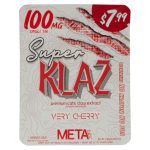
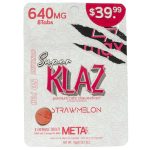
Common label themes include “MGM-15,” “dihydro-7-hydroxymitragynine,” “7-OH kratom,” “enhanced kratom,” or “synthetic opioid-like kratom.” These terms are used loosely with limited disclosure of actual substance details. MGM-15 products can vary widely in potency due to lack of regulation-one forensic study found average tablet content of ~10.9 mg, but no standardization exists across the market.
If a label says “MGM 15 blend” or “7 OH complex,” it may not be clear which exact semi synthetic compounds are present. Look for transparent Certificates of Analysis listing exact compounds, purity percentages, and analytical methods (e.g., LC-MS/MS). But even good documentation does not make an unregulated synthetic opioid safe for human consumption.
For everyday consumers, the safest approach is to avoid products highlighting MGM-15, 7-OH, or similar semi synthetic opioids and stick with clearly labeled botanical kratom products.
Why Poppy Lotus Recommends Sticking to Botanical Kratom (and Not MGM-15 or 7-OH)
Poppy Lotus focuses on responsible, plant-based products and does not offer MGM-15, 7-OH tablets, or other synthetic opioid-acting kratom derivatives. Traditional kratom leaf products still carry risks, but their alkaloid profiles, dose ranges, and legal status are better documented than newer substances like MGM-15 or mitragynine pseudoindoxyl.
When shopping at Poppy Lotus, readers can expect botanical kratom products with straightforward ingredient lists and third-party lab testing-not semi synthetic compounds marketed as lifestyle items.
Anyone currently using MGM-15, concentrated 7-OH, or other kratom-derived semi synthetic opioids should prioritize safety: talk with a healthcare professional, understand the warning signs of dependence, and consider transitioning away from unregulated products. If you are simply curious about kratom, browse Poppy Lotus’s kratom selection rather than chasing the “strongest” marketing claims.
Practical Safety Tips for People Exposed to MGM-15 or 7-OH
This section is informational, not medical advice. It is aimed at people who may already have used MGM-15 or 7-OH and want to reduce harm.
-
Never mix 7-OH, MGM-15, or related compounds with alcohol, benzodiazepines, gabapentinoids, or other CNS depressants. The combined risk of respiratory depression and overdose is significant risk territory.
-
Avoid stacking multiple concentrated kratom alkaloids (e.g., 7-OH plus MGM-15 plus mitragynine pseudoindoxyl) in the same session. Combined effects on mu opioid receptors become dangerously unpredictable.
-
Taper gradually rather than stopping abruptly if you are a heavy daily user. Medical detox services, addiction specialists, or telehealth clinicians can help manage withdrawal symptoms more safely.
-
Know overdose signs. If you or someone near you shows slow or stopped breathing, unresponsiveness, or blue lips or fingertips, call emergency departments immediately and administer naloxone if available. Naloxone can reverse opioid receptor-mediated respiratory depression regardless of whether the substance was “kratom-based.”
-
Recognize the same pattern seen with other opioid like risks: tolerance builds, doses climb, and physical dependence follows. Catching this cycle early is far easier than breaking it later.

FAQ
These FAQs address common questions not fully covered above, especially around terminology, drug testing, and choosing safer alternatives.
Is MGM-15 the same thing as 7-OH or just a stronger dose?
No. MGM-15 and 7-OH are distinct chemical structures. 7-OH is a naturally occurring alkaloid in the kratom plant, while MGM-15 is its 1,2-dihydro (hydrogenated) semi synthetic derivative-not simply “extra-strong 7-OH.” This structural difference changes receptor binding geometry and potency. You cannot treat them as interchangeable or assume MGM-15 is just a higher dose of 7-OH.
Do MGM-15 or 7-OH show up on standard drug tests?
Routine workplace urine screens typically look for classic opioids (morphine, codeine) and will not flag kratom alkaloids or semi synthetic kratom derivatives like MGM-15 or 7-OH. However, specialized toxicology panels used in emergency departments or forensic settings can detect these substances. Some metabolites may be identifiable even when standard employment drug testing remains negative.
Is MGM-15 legally considered a synthetic opioid?
Regulators increasingly classify MGM-15 as a synthetic or semi-synthetic opioid because of its lab-made modification and potent mu opioid receptor activity-not as a simple botanical supplement. By mid-2026, federal temporary scheduling notices and state emergency rules explicitly group MGM-15 alongside other Schedule I controlled substances, limiting lawful access to regulated research contexts only.
How is mitragynine pseudoindoxyl different from MGM-15 and 7-OH?
Mitragynine pseudoindoxyl is a rearranged, highly potent kratom-derived compound with atypical opioid signaling properties. It is chemically distinct from both 7-OH and MGM-15. If product labels mention it, that does not mean the product contains the same compound as 7-OH or MGM-15. The overdose risk and dependence profile may be equal or greater.
What should I look for if I just want traditional kratom and not synthetic derivatives?
Seek products clearly labeled as kratom leaf powder or straightforward kratom extracts with transparent mitragynine content. Avoid labels highlighting “MGM-15,” “dihydro-7-hydroxymitragynine,” “7-OH max,” or “synthetic opioid kratom.” Choose reputable vendors like Poppy Lotus that focus on botanical kratom products with third-party testing rather than chasing the newest semi synthetic compounds whose safety and legal status are changing rapidly.