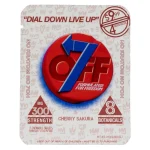
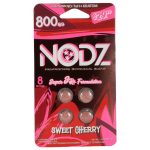
7-OH
MIT-A vs 7-OH: What MIT-A Labels Really Mean Compared to 7‑Hydroxymitragynine
If you’ve walked past a gas station display or scrolled through online kratom listings, you’ve probably seen two terms thrown around constantly: “MIT-A” and “7-OH.” They sound like they might be variations of the same thing, but they are not. One is a marketing phrase. The other is a specific chemical compound now on the…
If you’ve walked past a gas station display or scrolled through online kratom listings, you’ve probably seen two terms thrown around constantly: “MIT-A” and “7-OH.” They sound like they might be variations of the same thing, but they are not. One is a marketing phrase. The other is a specific chemical compound now on the fast track to federal scheduling. Understanding the real difference matters for your safety, your legal exposure, and your ability to make informed decisions about what you put in your body.
Key Takeaways
Here is a quick-reference answer for anyone searching “mit a vs 7oh” before diving into the full breakdown.
-
“MIT-A” on retail labels is a vendor-created term that usually refers to mitragynine-focused kratom extracts or tablets. It is not a chemical name, not a regulatory category, and not interchangeable with 7-hydroxymitragynine (7 OH).
-
7-OH is a distinct, far more potent kratom alkaloid. 7-OH is approximately 46 times more potent than mitragynine and is being targeted for Schedule I control in the United States, while mitragynine is not a federally scheduled controlled substance as of late 2026.
-
Marketing phrases like “MIT,” “MIT-A,” or “high-MIT kratom” do not tell you how much 7-OH or other semi-synthetic analogs are present, so potency and risk cannot be assumed from the label alone.
-
MIT-A and 7-OH are chemical compounds derived from Mitragyna speciosa, but their effects, risks, and legal trajectories are sharply different.
-
Poppy Lotus does not sell isolated 7-OH products. Readers interested in botanical options should consider traditional Mitragyna speciosa leaf-based choices rather than 7-OH concentrates.
What People Mean by “MIT-A” vs “7-OH” in Today’s Market
Walk into most smoke shops or browse online kratom retailers and you’ll encounter two product families sitting side by side: items labeled “MIT-A” and items labeled “7-OH.” The names look like chemistry shorthand, but the reality behind each is very different. This section decodes that terminology in plain language.
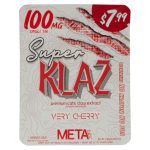
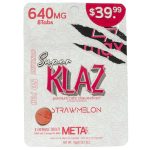
“MIT-A,” “MIT tablets,” or “MIT kratom” are marketing shorthand for products standardized around mitragynine – the most abundant alkaloid in the kratom plant. A label reading “MIT-A 60 mg” typically means the manufacturer claims the tablet contains roughly 60 milligrams of mitragynine. MIT-A functions closer to traditional mitragynine action with partial agonist properties, which is why vendors frame these products as a step up from traditional kratom powder without venturing into higher-risk territory.
Products explicitly labeled “7-OH,” “7-hydroxy,” or “7-hydroxymitragynine” target the much more potent minor alkaloid 7-hydroxymitragynine, often in semi-synthetic or concentrated form. These are not just stronger versions of MIT-A tablets – they are fundamentally different in potency, risk, and legal status.
There is no official regulatory category called “MIT-A.” It is a brand- or vendor-level term. By contrast, 7-OH is a specific, chemically defined compound that federal agencies name directly in scheduling proposals. Consumers searching “mit a vs 7oh” are usually trying to understand the potency gap, risk differences, and legal landscape separating mitragynine-centered products from 7-OH-centered ones.
Kratom Plant Basics: Mitragyna speciosa, Mitragynine, and 7‑OH
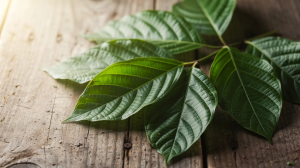
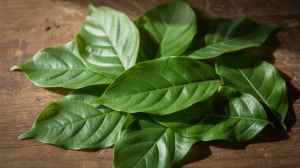
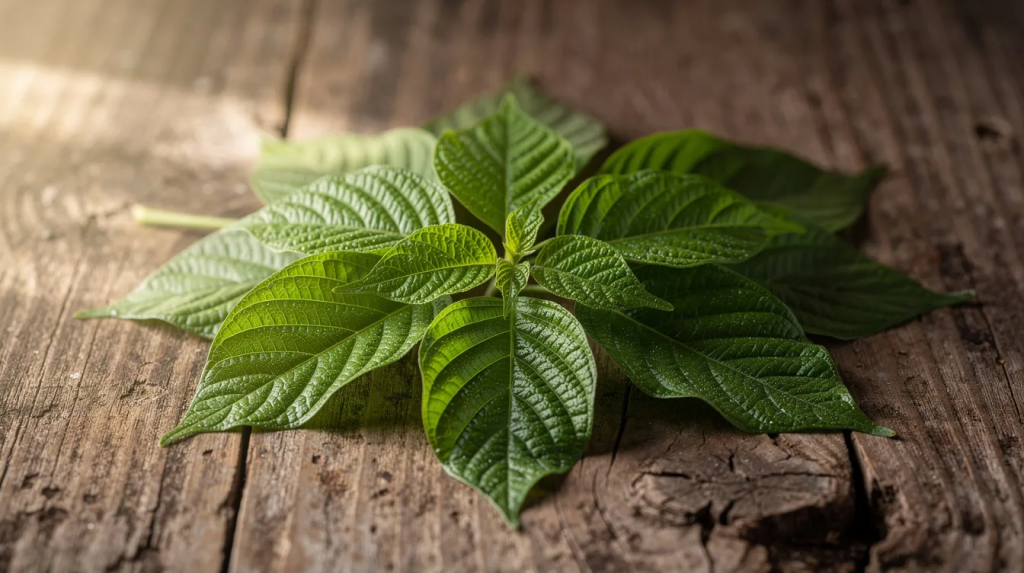
Mitragyna speciosa – commonly known as the kratom plant – is a tropical tree native to Southeast Asia. Its kratom leaves have been chewed or brewed for centuries for stimulant and analgesic effects. Those effects come from a complex mix of active compounds, not a single ingredient.
Kratom leaf contains dozens of mitragynine related indole alkaloids, but one dominates the profile. Mitragynine constitutes 60–70% of kratom’s alkaloid content in most analyzed samples, making it the major alkaloid and the most abundant alkaloid by a wide margin. It qualifies as a new indole alkaloid in the context of Western pharmacological study, though it has been known in Southeast Asian ethnobotany for much longer.
7-Hydroxymitragynine is a naturally occurring trace alkaloid. It is present in kratom at 0.003% to 0.04% by weight – a trace compound representing under 2% of total alkaloid content in natural kratom leaves. Both mitragynine and 7-OH occur naturally in the leaf, but their proportions are wildly unequal.
Both compounds bind to mu opioid receptors and interact with other systems, including kappa opioid receptors and monoamine pathways, which underlies many of kratom’s analgesic effects as well as some adverse effects. However, modern “MIT-A” and “7-OH” commercial products generally do not reflect this natural whole-leaf ratio. Concentrated products isolate or enhance alkaloid content, increasing their potency far beyond what plain leaf kratom delivers.
How Mitragynine Acts vs How 7‑OH Acts
Most of what we know about how these compounds work comes from animal models, in vitro cell assays, and limited human pharmacokinetic studies – not from large-scale clinical trials. That context matters for interpreting any claims about effects or safety.
Mitragynine acts primarily as a partial agonist at the mu opioid receptor. It also influences the κ opioid receptor, serotonin, dopamine, and norepinephrine systems. At low doses, users often notice stimulant-like or mood-lifting effects. At high doses, the analgesic and sedating profile becomes more prominent. Because mitragynine is a partial opioid agonist rather than a full one, it has a theoretical ceiling on how strongly it activates the receptor – a property it does not share with most traditional opioids.
7-OH is a more potent opioid agonist at the same receptors. 7-OH binds more tightly to opioid receptors than mitragynine, with some studies suggesting roughly 5–10× higher binding affinity, resulting in stronger receptor activation. In animal models, 7-OH is 13 times more potent than morphine in certain analgesia assays and approximately 46 times more potent than mitragynine. That potency gap is the core reason regulators treat these two alkaloids so differently.
An important wrinkle: mitragynine is metabolized by CYP3A enzymes in the liver into 7-OH, making 7-OH a mitragynine metabolite. So part of mitragynine’s analgesic effects in vivo are actually mediated by 7-OH formed inside the body. This cross-conversion means even “MIT-only” consumption produces some 7-OH internally, though at levels far lower than concentrated 7-OH products deliver.
Higher receptor potency for 7-OH means a smaller dose can produce opioid like effects strong enough to increase the risk of kratom dependence, opioid withdrawal, and other opioid-type adverse events compared with mitragynine-dominant products.
MIT-A Products: What the Label Usually Identifies (and What It Doesn’t)
“MIT-A” is a marketing label, not a pharmaceutical designation. Understanding what it can and cannot tell you is essential before you buy.
An MIT-A or MIT-focused label often signals a product standardized to a certain mitragynine milligram amount – for example, 40 mg, 60 mg, or 100 mg per tablet. These are composition claims about the intended primary alkaloid. Some MIT-A products are near-full spectrum, preserving secondary kratom compounds and minor alkaloids. Others are closer to isolated mitragynine from a kratom extract process. The label alone rarely clarifies which.
Crucially, MIT-A branding does not mean the product is free of 7-OH, mitragynine pseudoindoxyl, or other modified related compounds. Without laboratory verification, there is no way to know. Typical label phrasing you might encounter includes “High MIT kratom tablets,” “MIT-A 60 mg,” or “Full Spectrum MIT Extract.” These phrases are composition claims, not medical or safety certifications. They carry no regulatory approval.
Treat MIT-A labels as a hint about intended alkaloid emphasis – mitragynine – rather than as a guarantee about what else is or isn’t in the product.
7‑OH Products: Highly Concentrated, Often Semi‑Synthetic
7-OH products sit in a fundamentally different category from traditional kratom leaf and from MIT-A tablets. They are engineered to deliver 7-hydroxymitragynine itself in proportions that never appear in nature.
Because 7-OH is only a trace alkaloid in raw kratom leaf, commercial 7-OH products are generally created by chemically oxidizing isolated mitragynine or through semi-synthetic routes. The result: pressed tablets, gummies, dissolvable shots, vapeable liquids, and high-potency powders sold in smoke shops and gas stations across the U.S. One FDA-cited lab test found a pressed pill containing roughly 15 mg of 7-OH per pill – orders of magnitude above natural leaf levels.
7-OH products are heavily scrutinized due to high potency and opioid receptor dependence risks. Per-milligram potency at mu opioid receptors is dramatically higher for 7-OH than for mitragynine, which makes dose misjudgment and overdose risk more likely, especially when combined with other depressants like alcohol or benzodiazepines. Users may assume all botanical kratom products are broadly similar, but 7-OH isolates behave much closer to classical opioids – and to prescription opioids – than to traditional kratom leaf in terms of risk profile. The term “emerging opioid threat” has been used by regulators to describe this class of products.
Potency and Effect Profile: MIT-A vs 7‑OH in Plain Language
This section puts the numbers into context with a side-by-side narrative comparison. No outcomes are guaranteed – individual responses vary.
For MIT-A (mitragynine-centric) products, users commonly report energy, focus, and mild mood lift at lower serving sizes. Mitragynine has moderate effects at those levels. As doses rise, sedating or analgesic effects become more pronounced. The mitragynine group of alkaloids interacts with multiple receptor systems beyond the opioid pathway, contributing to a broader, less “opioid-heavy” subjective profile.
7-OH products are typically felt as strongly sedating or “heavy” even at low doses, with pronounced analgesic effects. While mitragynine produces a wider experience spectrum, 7-OH produces narrowly intense experiences focused on pain relief, euphoria, and sedation. Rapid tolerance is frequently reported, which drives dose escalation.
In experimental therapeutics and potency assays, 7-OH registers roughly 4–5× the potency of morphine in morphine milligram equivalent (MME) terms, and 7-OH can cause respiratory depression more than three times that of morphine in certain models. Meanwhile, mitragynine’s MME lands around 0.13× morphine. That difference is not subtle – it defines entirely different risk tiers.
Variability in metabolism, mental health status, and concurrent substance use means any individual’s response can differ widely from population averages. CYP3A4 activity, which controls how much mitragynine converts into 7-OH inside the body, varies by genetics and co-medications, adding another layer of unpredictability. Medicinal chemistry research continues to probe these pathways, but clinical criteria for safe use have not been established for either compound.
Risk Profile: Dependence, Withdrawal, and Adverse Effects
Neither mitragynine nor 7-OH is risk-free. This section summarizes relative risk based on current evidence rather than making safety guarantees.
Repetitive use of mitragynine-dominant products can still lead to kratom dependence and withdrawal symptoms – restlessness, insomnia, muscle aches, irritability – especially at multiple doses per day or at high doses over extended periods. Users can become physically dependent even on plain leaf kratom.
Dependence on 7-OH develops faster than on kratom leaf, and tolerance to 7-OH builds faster than to plain kratom leaf. The pattern more closely resembles opioid use disorder, with stronger cravings, dose escalation, and more intense opioid withdrawal during the acute phase. 7-OH withdrawal symptoms resemble those of opioid withdrawal, including sweating, nausea, anxiety, diarrhea, and severe discomfort. In clinical language, this can meet clinical criteria for substance use disorder.
Key adverse effects shared across kratom alkaloids include nausea, constipation, sweating, tachycardia, and potential liver injury. Effects more specifically associated with 7-OH at opioid-strength concentrations include respiratory depression, severe respiratory depression, and overdose-like sedation events. 7-OH can cause severe respiratory depression when combined with depressants such as alcohol or benzodiazepines.
The FDA has documented cases of seizures, liver toxicity, and drug abuse patterns tied to kratom alkaloids. “Natural” does not equal “safe” – opioid agonists structurally derived from a plant can still cause physical dependence and life-threatening events, just as other opioid ligands and other classical opioids do.

Legal and Regulatory Status: Mitragynine vs 7‑OH (U.S. Focus, Late 2026)
This section summarizes federal-level status as of late 2026. State laws may be stricter and can change quickly – always check local regulations.
Mitragynine is not a federally scheduled controlled substance as of late 2026, although the DEA labels kratom and mitragynine “drugs of concern” and the FDA maintains that kratom is not lawfully marketed as a dietary supplement. No version of the Controlled Substances Act currently lists mitragynine by name. Some states have passed a kratom consumer protection act to regulate quality standards without banning mitragynine outright.
7-OH and certain analogs – including mitragynine pseudoindoxyl (MP), MGM-15, and MGM-16 – are the direct focus of recent DEA actions. On January 22, 2025, the DEA designated 7-OH as a Drug of Concern. The FDA recommended scheduling concentrated 7-OH as Schedule I on July 29, 2025. The DEA subsequently proposed temporary Schedule I placement for 7-OH above specific thresholds, and the DEA plans to classify 7-OH as a Schedule I drug by August 5, 2026.
The proposed rules use a threshold approach: products containing 7-OH and/or MP exceeding 1 milligram per gram in solids, or where the mitragynine-to-7-OH ratio falls below 100:1, would trigger controlled substances classification. Botanical leaf with 7-OH below those thresholds would remain outside Schedule I.
At the state level, seven states banned kratom and 7-OH by May 2026, and Tennessee will ban all forms of kratom and 7-OH on July 1, 2026. Several other states cap allowable 7-OH percentages or regulate kratom leaf and mitragynine independently.
Why MIT-A Is Not Automatically “Safer” Than 7‑OH (and Vice Versa)
Risk depends on composition, dose, frequency, and individual health – not just the label name.
No regulatory body has declared mitragynine “safe.” The FDA continues to warn about kratom-related risks including liver toxicity, seizures, and substance use disorder, even for mitragynine-dominant products. Although 7-OH is generally considered higher risk at comparable doses because of its stronger receptor activation and potency, poorly labeled MIT-A products may also contain significant 7-OH or semi-synthetic derivatives without disclosing them.
Both mitragynine and 7-OH function as partial mu-opioid receptor agonists with some G protein-biased signaling – a property that may reduce certain side effects seen with classical opioids but does not eliminate overdose risk or physical dependence. They bind to the same receptors that prescription opioids and traditional opioids target. A competitive antagonist like naloxone can reverse their effects in emergency settings, but this pharmacological overlap also confirms they are not harmless.
Absence of scheduling for mitragynine does not equate to an endorsement of safety or therapeutic use by regulators. Opioid use of any kind – plant-derived or synthetic – demands respect for dose, frequency, and individual vulnerability.
Reading Labels Critically: What You Can and Can’t Know
Many shoppers rely on front-of-package phrases – “MIT-A,” “7-OH kratom,” “full spectrum” – that are not standardized or regulated terminology. Here’s how to read past the marketing.
Only a detailed certificate of analysis (COA) from an independent lab can confirm mitragynine, 7-OH, and other alkaloid levels, plus the presence or absence of controlled substances and contaminants. Without that document, every claim is unverifiable.
Do not assume that a product with “MIT” in the name is free of 7-OH, or that a product without “7-OH” on the front label contains none. Cross-contamination and undisclosed fortification have been documented across the market. Confusing phrasing like “7-OH enhanced MIT kratom” blurs the line between botanical kratom products and semi-synthetic controlled substances – and may cross regulatory thresholds without the buyer’s knowledge.
Neither the FDA nor DEA evaluates these over-the-counter products for safety, efficacy, or accurate labeling before they appear in shops.
Kratom Dependence, Mental Health, and When to Seek Help
This section addresses how mitragynine and 7-OH use can affect mental health and daily functioning. It is written with compassion, not judgment.
Common signs of problematic use with mitragynine-dominant products include needing more to feel the same effect, cravings between doses, neglecting responsibilities, and withdrawal symptoms that flare during the acute phase between uses. These patterns often qualify as opioid use disorder under current clinical criteria, even when the substance involved is plant-derived rather than pharmaceutical.
7-OH-centered use can escalate more quickly into patterns consistent with severe opioid use disorder – inability to cut down, using despite harm, and spending significant time obtaining or recovering from the substance. Because 7-OH acts on the same receptors as other opioid ligands, it produces comparable dependence physiology.
Anxiety, depression, and sleep disturbance frequently co-occur with kratom dependence and may flare during opioid withdrawal, requiring integrated mental health and substance use care. Buprenorphine is preferred for treating 7-OH dependence, and telehealth options for buprenorphine treatment are widely available. Treatment may include medically supervised detox for 7-OH dependence, because 7-OH dependence requires structured care beyond standard outpatient tapering.
If you or someone you know recognizes these patterns, seek evidence-based help from clinicians experienced with classical opioids and kratom. This article is not medical advice.
How MIT-A vs 7‑OH Shows Up in Research and Policy Debates
Much of the detailed data policymakers rely on comes from laboratory and animal research, not large human trials. This shapes how mitragynine and 7-OH are treated legally and scientifically.
A key research trend from 2019 through 2024 showed that mitragynine’s analgesic effects in mice depend heavily on conversion to 7-OH via CYP3A enzymes – reinforcing 7-OH’s role as the primary “active opioid component” of kratom in vivo. This finding influenced how scientists model kratom’s opioid agonistic activities and how regulators frame the threat.
FDA and DEA analyses consistently single out 7-OH and mitragynine pseudoindoxyl as high-priority targets for control, while keeping mitragynine itself as a “drug of concern” rather than a scheduled substance. Some policymakers have urged scheduling the entire kratom plant or all active alkaloids, while others advocate focusing only on 7-OH and analogs to allow lower-risk botanical kratom leaf to remain available.
This debate directly affects how MIT-A kratom tablets and 7-OH isolates will be regulated over the next several years, especially if thresholds for 7-OH content in kratom products become law. The outcome will determine whether the abundant alkaloid mitragynine remains accessible while the trace alkaloid 7-OH enters Schedule I – or whether broader restrictions sweep both under the same umbrella.
Shopping Guidance: Botanical Options vs 7‑OH Isolates (and Where Poppy Lotus Fits)
This section offers general shopping guidance. Poppy Lotus does not sell 7-OH isolates or semi-synthetic kratom analogs.
Consumers who wish to avoid high-potency opioid-like products should gravitate toward traditional kratom leaf or carefully formulated botanical extracts where mitragynine is the abundant alkaloid and 7-OH is kept at trace levels consistent with natural kratom leaves. These products fall well below proposed regulatory thresholds and carry a meaningfully different risk profile than concentrated 7-OH items.
Look for transparent suppliers that publish independent lab results, clearly differentiate mitragynine content from 7-OH or other controlled substances, and avoid ambiguous terms like “legal high” or “research only.” Poppy Lotus focuses on curated botanical and wellness goods and positions kratom-adjacent information as educational rather than promotional.
If you prefer lower-risk, plant-forward wellness options, explore the Poppy Lotus catalog for alternative botanicals and self-care products rather than seeking out 7-OH-centered items.

Practical Comparison Summary: MIT-A vs 7‑OH at a Glance
MIT-A labels usually signal mitragynine-focused kratom products with kratom leaf origin. They reflect the indole alkaloid that makes up the majority of the plant’s alkaloid profile. 7-OH labels identify products centered on a specific, highly potent alkaloid that behaves more like a classical opioid than like traditional kratom.
Mitragynine is the abundant alkaloid in Mitragyna speciosa leaf and is not federally scheduled. 7-OH is a trace alkaloid on track for Schedule I control above defined thresholds, reflecting its higher risk profile and its classification as an emerging opioid threat. The potency gap between the two – roughly 46-fold – is the single most important number to remember.
The key safety distinction is potency and concentration: traditional kratom leaf has very little 7-OH, but 7-OH isolates and some kratom extract products deliver levels never found in the kratom plant itself. That difference translates directly into higher overdose risk, faster physical dependence, and more severe respiratory depression.
Marketing terms cannot substitute for lab-verified composition. Thoughtful, informed choices – including possibly avoiding 7-OH products altogether – are central to reducing harm. When in doubt, request a COA and verify what you’re actually consuming.
FAQ
Is MIT-A the same thing as 7‑hydroxymitragynine (7‑OH)?
No. “MIT-A” is a marketing term usually referring to mitragynine-centered kratom products, while 7-OH is a specific, chemically defined alkaloid. They are not interchangeable names. An MIT-A product can contain small amounts of 7-OH as part of a broader alkaloid profile, but unless the label and a lab report specify, you should not assume exact 7-OH content from the MIT-A name alone. Regulators write rules about “7-hydroxymitragynine,” not “MIT-A,” which underlines the gap between marketing language and formal chemical terminology.
Does MIT-A mean a product is free of controlled substances?
No. An MIT-A label does not guarantee the absence of controlled substances such as 7-OH, mitragynine pseudoindoxyl, or related analogs. Only an up-to-date, third-party certificate of analysis can reliably confirm whether 7-OH or any scheduled compounds are present and in what amounts. Treat MIT-A as a hint about intended alkaloid emphasis – mitragynine – rather than as a safety or legal-status guarantee.
Is mitragynine (MIT-A) safer than classical opioids like oxycodone?
Mitragynine and classical opioids are pharmacologically different, but all carry real risks including dependence and adverse effects. Mitragynine is a partial opioid agonist with some ceiling effect in animal models, and it does not produce respiratory depression as readily as full opioid agonists. However, regulatory agencies still treat kratom as a “drug of concern” and do not approve it as a medicine. Consult healthcare professionals before using kratom products for pain relief, opioid withdrawal management, or mental health concerns instead of substituting MIT-A for prescribed care.
Can my body turn MIT-A (mitragynine) into 7‑OH even if I don’t take 7‑OH products?
Yes. Research shows the body metabolizes mitragynine into 7-OH via CYP3A enzymes in the liver, so some 7-OH is formed internally whenever people consume mitragynine-dominant kratom. However, this metabolic 7-OH formation is far lower than the doses delivered by concentrated 7-OH products. Metabolic differences between individuals – driven by genetics, age, and co-medications – may partly explain why some people experience stronger opioid-type effects from the same amount of kratom leaf than others.
Does Poppy Lotus sell 7‑OH or MIT-A kratom products?
For current product options, browse the Poppy Lotus shop.
This article is informational, and Poppy Lotus is not presenting itself as a seller of 7-OH or kratom products in this context. Poppy Lotus focuses on broader botanical and wellness offerings, and readers interested in gentler, non-opioid botanicals can explore those options instead of seeking 7-OH isolates. Prioritize transparent, well-tested products and avoid unverified 7-OH or MIT-A items marketed solely through gas stations or head shops without lab documentation.