Home/Corydalis/Corydalis and Angelica: Traditional Pairing, Modern Evidence, and Practical Use
Corydalis
Corydalis and Angelica: Traditional Pairing, Modern Evidence, and Practical Use
Corydalis and Angelica are two of the most frequently combined herbs in Chinese medicine pain formulas. Their partnership dates back centuries, and modern pharmacological research is beginning to explain why they work better together than apart. This guide breaks down the individual herbs, their combination-specific evidence, label-reading essentials, safety risks, and practical guidance for anyone…
Corydalis and Angelica are two of the most frequently combined herbs in Chinese medicine pain formulas. Their partnership dates back centuries, and modern pharmacological research is beginning to explain why they work better together than apart. This guide breaks down the individual herbs, their combination-specific evidence, label-reading essentials, safety risks, and practical guidance for anyone considering these botanicals for pain support.
Key Takeaways
Corydalis yanhusuo (Yan Hu Suo) and Angelica dahurica (Bai Zhi) are classic Chinese herbal medicine partners. The best-studied combination is the Yuanhu Zhitong prescription, used traditionally for headache, menstrual pain, gastralgia, and costal pain. Its analgesic effect differs from single-herb Corydalis or Angelica products.
Correct species and plant parts matter. Corydalis uses its dried tuber (Rhizoma Corydalis), while Angelica relies on its aromatic root (Radix Angelicae dahuricae). Vinegar-prepared Corydalis is traditionally favored for maximum pain relief.
Much of the evidence for anti inflammatory and analgesic activity comes from animal models and lab studies, with limited but promising human data. Users should work with qualified practitioners rather than self-treating chronic conditions.
Both herbs are pharmacologically active herbal drugs. Corydalis is contraindicated during pregnancy due to potential risks. People with liver disease, those on anticoagulants, or anyone taking multiple prescription medications should consult a clinician before use.
Herbal drugs and supplements containing Corydalis and Angelica are not FDA-approved to diagnose, treat, cure, or prevent any disease.
1. Overview: Why Corydalis and Angelica Are Paired in Chinese Medicine
In traditional Chinese medicine, Corydalis yanhusuo and Angelica dahurica are rarely used as isolated herbal drugs for pain. Instead, they form one of the most recognized herb pairs in Chinese medicine history. Both herbs are used in traditional Chinese medicine for pain relief and circulation support, and their complementary actions make the combination more versatile than either herb alone.
This pairing is classically used for alleviating pain in conditions like gastralgia, dysmenorrhea, headaches, and rib-side pain. Written records confirm that Corydalis has been used in Chinese medicine since the 8th century, while Angelica species have over 1,000 years of documented use. Corydalis and Angelica are often combined in herbal formulas for complementary effects, and the best-known formula using them together is the Yuanhu Zhitong prescription.
This article will distinguish:
Individual herb actions and chemical properties
Combination formulas and their unique evidence base
Evidence specific to those formulas versus single-herb research
Practical guidance on species, plant parts, dosage, and safety
2. Meet the Herbs: Corydalis (Yan Hu Suo) and Angelica (Bai Zhi & Others)
“Corydalis” and “Angelica” are umbrella names covering multiple species. When reading research or choosing products, specific labeled species and plant parts determine what you actually get.
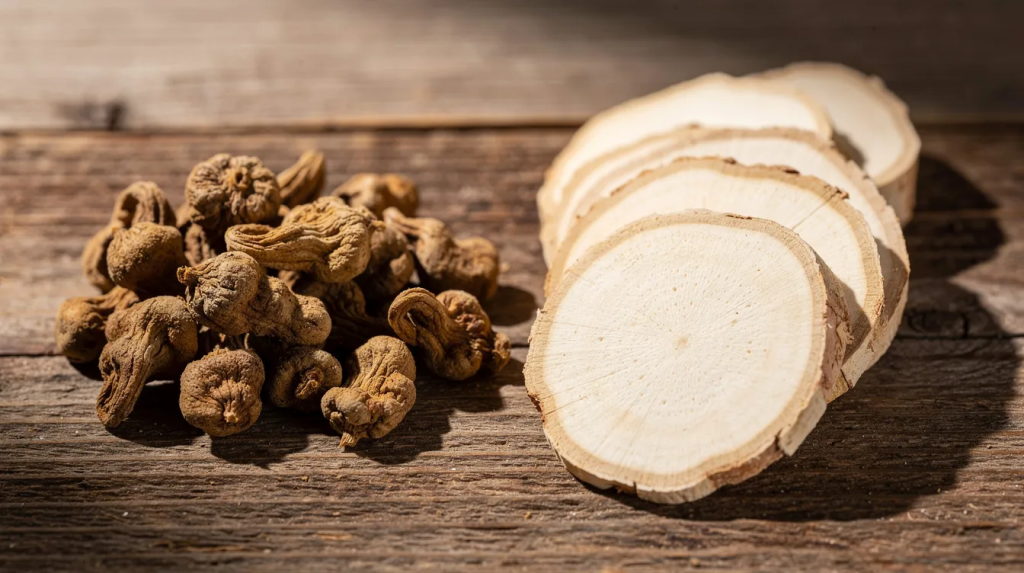
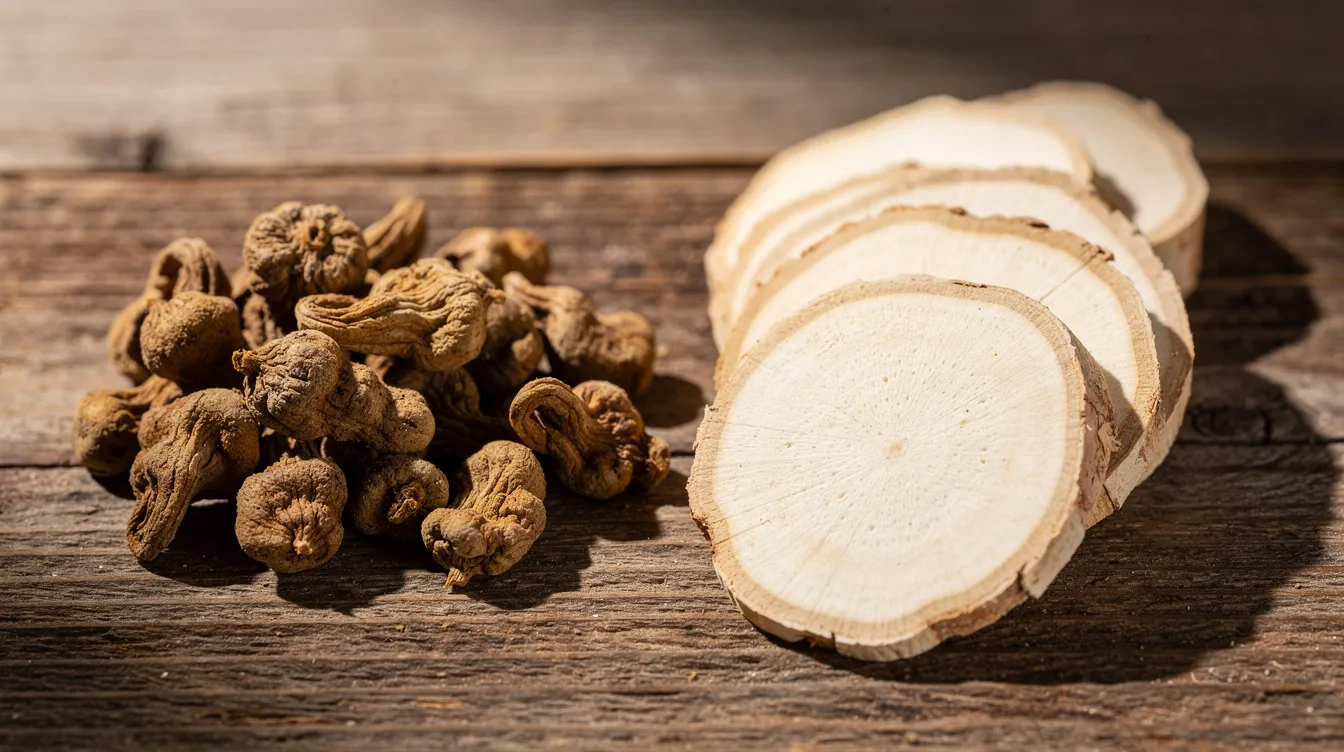
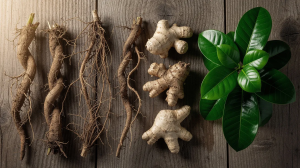
Corydalis yanhusuo (Yan Hu Suo)
Belongs to the Papaveraceae family
Chinese medicine uses the tuber, formally called Rhizoma Corydalis
Corydalis contains over 80 different alkaloids with analgesic properties
Tetrahydropalmatine (THP) is a key alkaloid in Corydalis, linked to pain modulation and sedation
Dehydrocorydaline is another significant alkaloid in Corydalis, used as a quality marker in pharmacopeial standards
Corydalis is classified as a moving herb in traditional frameworks, meaning it actively circulates qi and blood
Angelica dahurica (Bai Zhi)
Formally known as Radix Angelicae dahuricae, it is the root used primarily for headache, sinus pain, and surface “wind-cold” patterns
Angelica contains volatile oils, coumarins, and ferulic acid as its main active groups
Angelica is traditional for nourishing blood and regulating menstruation, though Bai Zhi specifically focuses more on dispersing and channel-opening
Angelica dahurica vs. Angelica sinensis (Dang Gui)
Dang Gui is more blood-nourishing and gynecological, high in ligustilide and ferulic acid
Dahurica is more dispersing, aromatic, and surface-releasing
Only Dahurica features in most modern synergy trials with Corydalis
Plant parts (root vs tuber vs leaf) alter chemistry and therapeutic profile. Labels should clearly indicate species and part – for example, “Corydalis yanhusuo tuber” rather than generic “Corydalis extract.”
3. Traditional Roles in Chinese Medicine
Chinese medicine describes herbs by actions like “invigorating blood,” “moving qi,” or “dispersing wind” rather than modern biochemical pathways. Understanding these frameworks helps explain why the pairing exists.
Corydalis yanhusuo (Yan Hu Suo):
Moves qi and invigorates blood
Strongly stops pain by resolving qi and blood stasis
Enters Heart, Liver, and Stomach channels
Flavor and nature: bitter, acrid, warm
Corydalis alleviates pain from musculoskeletal and neuropathic disorders
Angelica dahurica (Bai Zhi):
Releases the exterior and disperses cold
Opens the orifices of the head to relieve headache and sinus congestion
Dries dampness and addresses certain skin conditions
Enters Lung and Stomach channels
Angelica is known as a blood tonic and is used for gynecological care
Angelica is traditionally used for digestive complaints and menstrual regulation
Why they pair well:
The combination moves internal qi and blood flow (Corydalis) while dispersing surface wind-cold and guiding actions to the head and yangming channels (Angelica). This targets pain that has both internal stagnation and surface or channel blockage – for example, a headache with underlying blood stasis and external cold exposure.
4. Pain Relief and Anti-Inflammatory Effects: Single Herbs vs Combinations
Corydalis and Angelica have both overlapping and distinct pharmacological effects. Critically, combination formulas often outperform either herb alone in animal models – a finding that matters when interpreting product claims.
Corydalis yanhusuo alone:
Corydalis alkaloid fractions reduce nociception in mouse writhing tests and hot plate tests in a dose-dependent fashion
Corydalis alkaloids may block pain signals in nerve cells through dopamine receptors (D1, D2 modulation), calcium channel effects, and anti inflammatory cytokine modulation
Corydalis alkaloids may have antioxidant and anti-inflammatory effects relevant to chronic inflammation
Corydalis promotes sleep and reduces stomach ulcers in certain experimental models
Corydalis may help manage pain related to diabetes complications, positioning it among anti neuropathic pain ingredients under active research
Corydalis contains over 80 different alkaloids, many with analgesic properties tested through analgesic screening approach methods
Angelica dahurica alone:
Coumarins and volatile oils demonstrate anti inflammatory effects and mild analgesic actions in experimental models
Traditional focus on headache and facial pain, but also used in abdominal pain patterns when combined with other herbs
Combination formulas (Yuanhu Zhitong type):
Enhance analgesic potency beyond either herb alone
Broaden the range of pain indications
May reduce the required dose of Corydalis-alone preparations, potentially improving safety margins
Feature
Corydalis Alone
Angelica Alone
Combination
Primary pain mechanisms
Dopamine receptors, cytokine inhibition
Coumarin-based anti inflammatory
Multi-target: enhanced THP + coumarin synergy
Pain types studied
Musculoskeletal, neuropathic, menstrual, gastric
Headache, facial, sinus
All of the above, broader efficacy
Evidence level
Moderate (animal + limited human)
Moderate (animal)
Strongest for Yuanhu Zhitong formula
Most current data are preclinical. Actual clinical pain management should be individualized with professional guidance.
5. The Yuanhu Zhitong Formula: A Classic Corydalis–Angelica Pairing
The Yuanhu Zhitong prescription is the best-known classical formula combining Corydalis yanhusuo and Angelica dahurica. It is officially recorded in the Chinese Pharmacopoeia for stomach pain, hypochondriac pain, headache, dysmenorrhea, and osteoarthritis pain.
Traditional indications:
Headache, especially from wind-cold or qi stagnation
Gastralgia and epigastric pain
Costalgia (rib-side pain)
Dysmenorrhea with qi and blood stasis patterns
Formula structure:
Corydalis yanhusuo acts as the chief herb providing strong pain relief and qi/blood movement
Angelica dahurica serves as the deputy herb, guiding effects to the head and upper body, dispersing wind and supporting analgesia
Typical ratio: 2:1 Corydalis to Angelica by raw weight
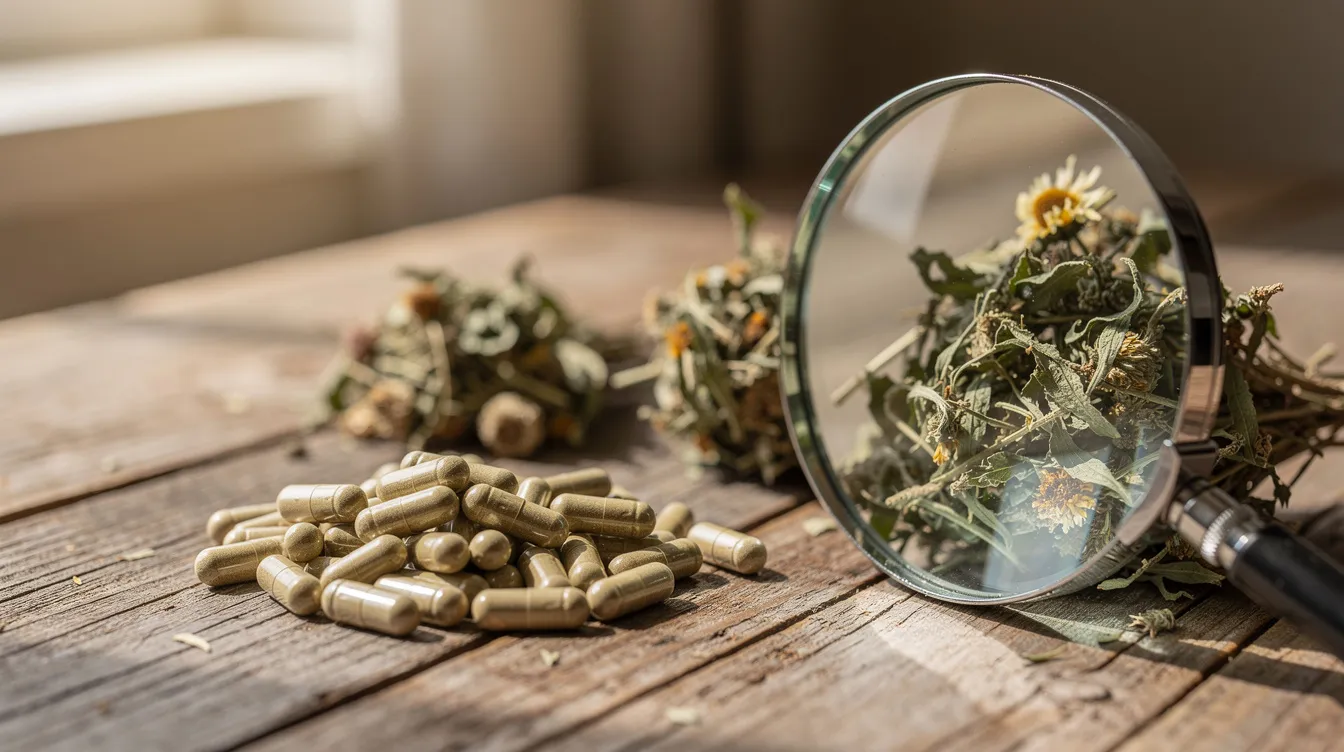
Modern commercial versions appear as tablets, capsules, or softgels containing standardized Corydalis alkaloids plus Angelica dahurica coumarins and volatile oil. Labels may reference “Yuanhu,” “Yan Hu Suo,” or “Corydalis & Angelica pain relief.” Dosage, quality, and composition differ by manufacturer. Responsible products specify species, plant parts, and extraction ratios on their labels.
6. Combination-Specific Evidence: How Angelica Enhances Corydalis Alkaloids
The key modern pharmacological insight behind this pairing: Angelica dahurica extracts can increase blood levels and pharmacological effects of Corydalis alkaloids, particularly dl-tetrahydropalmatine (dl-THP).
What the animal studies show:
When Corydalis alkaloid extract was given to mice at doses of 34, 68, and 134 mg/kg, it reduced acetic acid-induced writhing in a dose-dependent fashion
When combined with Angelica dahurica total coumarins (Cou) and/or volatile oil (VO), pain relief increased beyond Corydalis alone
Pharmacokinetic and toxicological characteristics:
A linear relationship was observed between plasma dl-THP and analgesic effect
This suggests Angelica components may improve absorption or slow metabolism of Corydalis alkaloids through related mechanisms involving drug delivery and pharmacokinetics
A critical nuance: Cou and VO alone did not significantly reduce pain at the tested doses. Their main role in the formula is “supporting” rather than primary analgesic – important when interpreting combination versus single-herb efficacy.
Separate microdialysis research in rats confirmed that five Corydalis alkaloids had higher bioavailability when given as an herb pair. Neurotransmitter measurements (dopamine, glutamate, serotonin) in the striatum showed modulation consistent with analgesia. These findings relate specifically to spinal central sensitization pathways and central pain processing.
These results belong to the specific Corydalis–Angelica combination. They should not be generalized to all Corydalis or Angelica products.
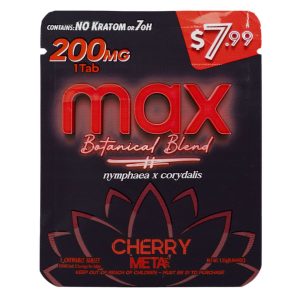
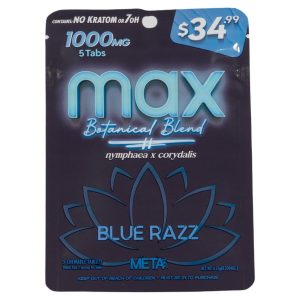
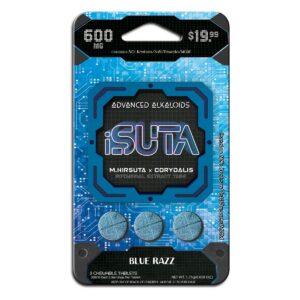
Exploring Corydalis-containing blends? At Poppy Lotus, you can shop Meta Tabz MAX in single-tablet and five-tablet packs, made with Nymphaea and Corydalis extracts, or browse iSuta’s three-tablet blend of M. Hirsuta and Corydalis extracts.
Look for Latin binomials (Corydalis yanhusuo, Angelica dahurica)
Check plant parts (tuber/rhizome vs root vs aerial parts)
Note processing terms: “prepared with vinegar,” “stir-fried,” or “standardized to X% alkaloids or coumarins”
Prefer products that specify Corydalis yanhusuo tuber (Rhizoma Corydalis), not generic “Corydalis root”
8. Corydalis–Angelica in Modern Practice: Forms, Dosages, and Use Cases
In both TCM clinics and integrative medicine settings, Corydalis–Angelica formulas now appear as traditional decoctions, concentrated granules, tablets, capsules, and softgels with standardized extracts.
Traditional decoction practice:
Corydalis yanhusuo sliced tuber dosed around 3–12 g per day
Angelica dahurica root added in smaller to moderate amounts depending on the formula focus
Simmered with other herbs tailored to the patient’s pattern (sometimes including Gan Cao for harmonization)
Prepared products:
Softgels or capsules combining Corydalis alkaloids with total coumarins and volatile oil from Angelica dahurica, often dosed 2–3 times daily
Actual dosage and frequency must follow label directions or practitioner guidance
Main modern use cases:
Menstrual cramps and pelvic pain with clear qi and blood stasis symptoms
Tension or migraine-type headaches linked with neck and shoulder tightness
Chronic musculoskeletal pain where stronger treatment is desired but sedation from opioid-type drugs is a concern
Adjunctive use in gastric or costal pain formulas under practitioner supervision
Potential focus on neuropathic pain, based on emerging pharmacological activities research
9. Safety, Interactions, and Who Should Avoid These Herbs
Despite natural origins and traditional use, Corydalis and Angelica are pharmacologically active herbal drugs. Both herbs should be used cautiously with prescription medications due to potential interactions.
Corydalis-specific cautions:
Corydalis is contraindicated during pregnancy due to potential risks from blood-invigorating and uterine-stimulating effects
High doses of Corydalis can cause dizziness and abdominal distention
High doses of Corydalis may cause drowsiness and dizziness, compounding risk with CNS depressants
Toxic doses of Corydalis can cause severe symptoms including shock
Corydalis has been linked to at least 36 cases of liver injury in pharmacovigilance data
Corydalis may cause liver injury when combined with Cannabis sativa
Allergic reactions to Corydalis can include nausea and shortness of breath
Corydalis may cause heart rhythm changes in some users
People with significant liver disease, complex medication regimens, pregnancy, or undiagnosed chronic conditions should consult a qualified clinician before using Corydalis–Angelica combinations. Prevention of adverse events starts with informed use.No systematic review has established long-term safety in large populations.
10. Quality, Sustainability, and Ethical Sourcing
Quality and sustainability concerns apply to all widely used Chinese herbal medicine plants, including Corydalis and Angelica species.
Quality control needs:
Correct species identification (Corydalis yanhusuo vs related Corydalis spp.; Angelica dahurica vs other Angelica)
Verification of absence of heavy metals, pesticides, and adulterants
Standardized or consistent levels of Corydalis alkaloids or Angelica coumarins where possible
Sustainability considerations:
Corydalis yanhusuo is not currently listed as threatened but wild populations face pressure from overharvesting in parts of China
Angelica dahurica is largely cultivated, but responsible cultivation standards remain important
Choose suppliers that disclose origin, cultivation versus wild-crafted status, and any sustainability certifications
Avoid unlabeled powders that do not specify species, plant parts, and country of origin
Consider products sourced through TCM pharmacies or integrative clinics prioritizing traceability
11. How Corydalis–Angelica Fits with Other Pain Strategies
Corydalis–Angelica is a potentially helpful tool for pain relief and anti inflammatory support, but it is not a stand-alone cure or a replacement for prescribed medicine without medical input. Its reported benefits are best realized within a broader health strategy.
Integration with other herbal approaches:
Pairing with blood-nourishing herbs (e.g., Dang Gui, Paeonia) for menstrual pain in blood-deficient individuals
Combining with digestive-supportive herbs for gastralgia to avoid aggravating underlying weakness or numbness
Using lower doses of Corydalis within multi-herb formulas to balance efficacy and tolerability
Integration with conventional care:
As a complement to physical therapy or massage for musculoskeletal pain
As an option to discuss with a practitioner when standard analgesic drugs cause unacceptable side effects
Monitoring symptoms, liver function, and possible drug interactions in long-term users is essential for health and safety
Lifestyle foundations:
Sleep, stress management, movement, and diet all affect chronic pain and inflammation in the body
Herbal drugs, including Corydalis–Angelica formulas, work best as part of a broader, personalized plan – not as a standalone cure
12. Frequently Asked Questions (FAQ)
Is Corydalis–Angelica safer than prescription painkillers?
“Safer” depends on the individual. Corydalis–Angelica formulas generally carry a lower risk of respiratory depression and dependence than opioid drugs, but they still carry risks: liver stress, blood-thinning potential, drowsiness, and herb–drug interactions. These herbs have not been evaluated or approved by the FDA to diagnose, treat, cure, or prevent any disease. People already on prescription analgesics should discuss any herbal pain relief plan with their prescriber to avoid overlapping effects.
How long can I safely take a Corydalis–Angelica formula?
Traditional practice often uses Corydalis-containing formulas for weeks to a few months, with periodic reassessment. Anyone taking these herbs daily for more than 4–6 weeks should do so under supervision of a practitioner familiar with Corydalis pharmacology for monitoring liver function and evolving symptoms. Take breaks or taper when pain improves. Persistent or worsening pain needs medical evaluation, not continuous self-treatment.
Can I use Corydalis–Angelica for migraine or tension headaches?
Traditional and modern sources both use Corydalis paired with Angelica dahurica for certain headache types, particularly those linked with neck and shoulder tightness and wind-cold patterns. However, migraine is complex. Some people may benefit while others may not, and triggers like hormones, sleep, and diet still need attention. Seek diagnosis to rule out serious disease before introducing any new herbal regimen, and track your response and side effects.
Is vinegar-prepared Corydalis always better than raw Corydalis?
Vinegar-prepared Corydalis (Yan Hu Suo Zhi) is traditionally favored for pain relief because the processing enhances extraction of key alkaloids and directs the herb more strongly to the Liver channel. Some practitioners still use raw Corydalis in specific formulas, but most modern pain-relief products and classical analgesic prescriptions rely on the processed form. Check product labels for preparation methods and consult a practitioner if unsure which form suits your pattern.
Can I take Corydalis–Angelica along with other supplements like turmeric or fish oil?
Many people combine Corydalis–Angelica with common anti inflammatory supplements such as turmeric or omega-3 fish oil, but formal research on specific combinations is limited. Stacking multiple blood-thinning or anti inflammatory agents may increase bleeding risk for some individuals. People on anticoagulants or multiple supplements should review their full regimen with a knowledgeable clinician to avoid unintended additive effects. A comprehensive review of all your current supplements and medications is a worthwhile step before adding any new herbal formula.
These statements have not been evaluated by the Food and Drug Administration. Products sold on this site are not intended to diagnose, treat, cure or prevent any disease. You must be 21 or older to purchase from this website. These products are not intended for children or for pregnant or nursing women. Consult a physician before using any dietary supplement, especially if you have a medical condition or take prescription medication. All trademarks and copyrights are the property of their respective owners. By using this site, you agree to our Privacy Policy and Terms & Conditions. Void where prohibited by law.