Home/Corydalis/How Do Corydalis Products and Mitragyna hirsuta Products Differ in Ingredients and Available Evidence?
Corydalis
How Do Corydalis Products and Mitragyna hirsuta Products Differ in Ingredients and Available Evidence?
If you’ve been exploring botanical products for pain relief, mood support, or as alternatives to kratom, you’ve likely encountered two names that keep showing up: Corydalis yanhusuo and Mitragyna hirsuta. At first glance, they might seem interchangeable-both are sold as dietary supplements, both appear in “natural wellness” marketing, and both promise effects that sound appealing….
If you’ve been exploring botanical products for pain relief, mood support, or as alternatives to kratom, you’ve likely encountered two names that keep showing up: Corydalis yanhusuo and Mitragyna hirsuta. At first glance, they might seem interchangeable-both are sold as dietary supplements, both appear in “natural wellness” marketing, and both promise effects that sound appealing. But their ingredients, evidence bases, and risk profiles are fundamentally different. This article breaks down exactly how they differ so you can make informed decisions rather than relying on label claims.
Key Takeaways
Corydalis yanhusuo and Mitragyna hirsuta come from different botanical families (Papaveraceae vs. Rubiaceae) and contain entirely distinct classes of alkaloids-isoquinoline alkaloids in Corydalis versus indole and oxindole alkaloids in hirsuta.
Corydalis yanhusuo dietary supplements have at least one rigorous peer-reviewed survey (2025) documenting large variability in alkaloid content across commercial products, while Mitragyna hirsuta products lack any comparable systematic testing.
Neither Corydalis nor Mitragyna hirsuta products are FDA-approved for pain management, mood disorders, or opioid withdrawal, and human clinical evidence is limited for both.
Both Corydalis and Mitragyna hirsuta have been marketed for pain management but lack solid clinical backing to support the marketing language used.
Label terms like “botanical products,” “natural,” or “kratom-free” do not guarantee predictable effects or safety; consumers must evaluate ingredients, preparation type, and evidence before purchasing.
1. Quick Comparison: Corydalis vs. Mitragyna hirsuta Products
Corydalis yanhusuo and Mitragyna hirsuta differ in nearly every dimension that matters for supplement evaluation: plant family, active chemistry, traditional context, and research depth.
Here’s a side-by-side overview:
Plant identity: Corydalis yanhusuo is a flowering plant in the poppy family (Papaveraceae). Mitragyna hirsuta is a tree in the coffee family (Rubiaceae), closely related to kratom (Mitragyna speciosa).
Typical uses: Corydalis yanhusuo has centuries of documented use in traditional Chinese medicine for pain relief, blood stasis, and abdominal discomfort. Mitragyna hirsuta has been used in Southeast Asia for mild stimulation and relaxation, though traditional records are sparse compared to kratom.
Legal status (U.S.): CY products are generally sold as dietary supplements without restriction. Mitragyna hirsuta occupies a more ambiguous space-kratom derived products face state-level bans and FDA warnings, and hirsuta products may face scrutiny if they contain restricted alkaloids.
Evidence strength: CY dietary supplements have published analytical chemistry data, animal studies, and limited human data. Mitragyna hirsuta products have almost no peer-reviewed chemical surveys or clinical research.
Corydalis yanhusuo dietary supplements have at least one meaningful survey from a Vanderbilt University School of Medicine research team analyzing alkaloid content, whereas no comparable published study exists for hirsuta products.
2. Botanical Identities and Traditional Backgrounds
Knowing the exact species matters enormously for botanical products. Two plants in the same genus can have entirely different alkaloid profiles, toxicological characteristics, and legal statuses.
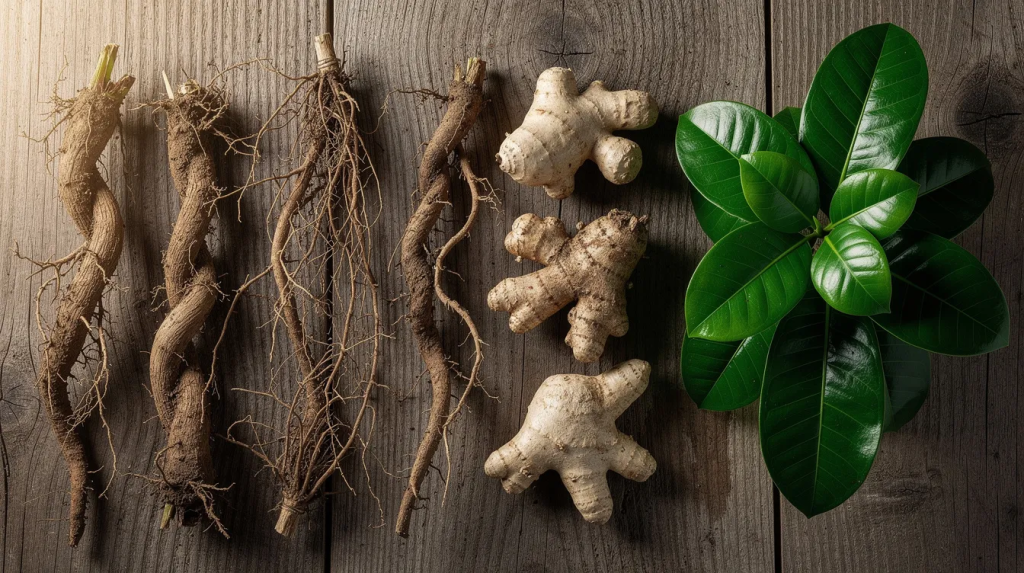
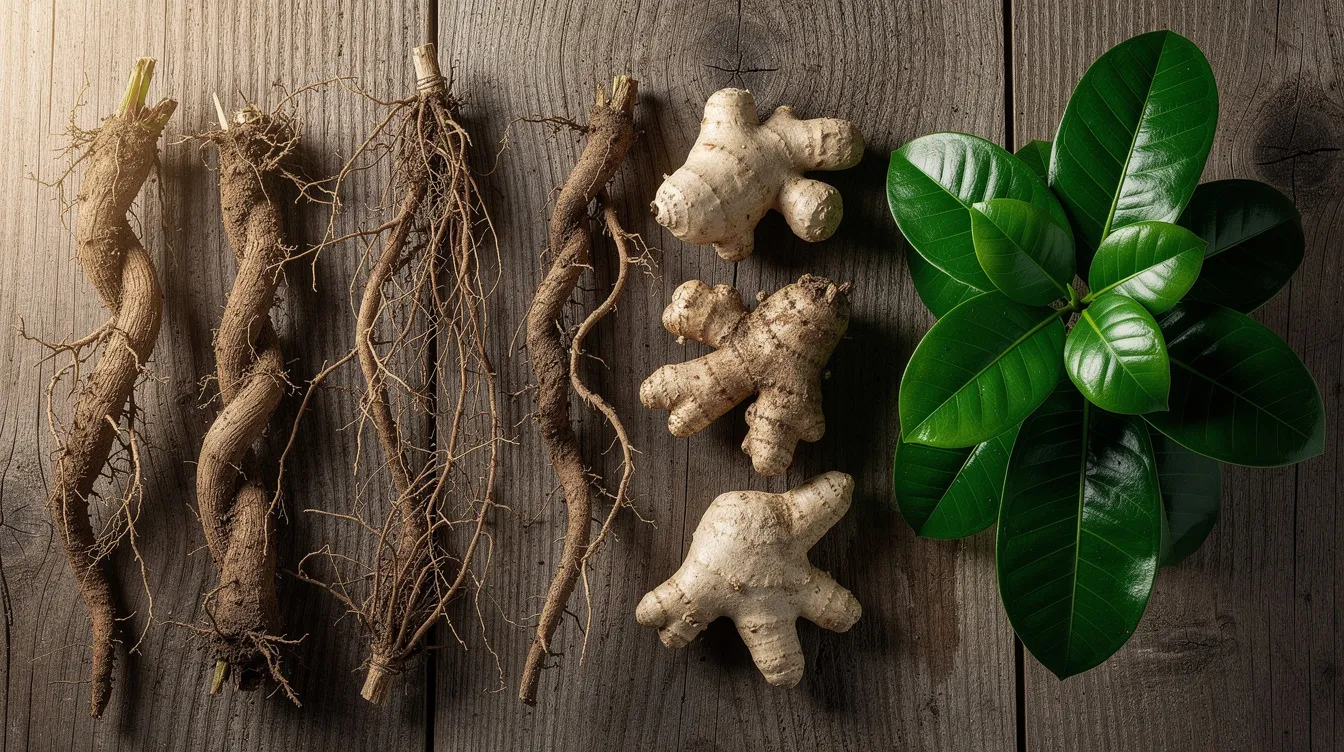
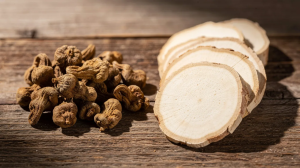
Corydalis yanhusuo is a flowering plant in the poppy family, native to China. Its dried rhizome-known as yan hu suo-appears in the Chinese Pharmacopoeia and has been used in traditional Chinese medicine for centuries. Historical uses center on blood invigorating and pain relief, addressing conditions like chest pain, menstrual disorders, and traumatic injury. Corydalis has been used in traditional Chinese medicine for blood invigorating and pain relief across multiple classical formulations.
Mitragyna hirsuta is a tree native to Thailand, Cambodia, and neighboring regions in Southeast Asia. Unlike its better-known relative Mitragyna speciosa (kratom), hirsuta’s ethnobotanical record is thin. It has been used locally as a mild stimulant or kratom substitute, but documentation is far less extensive than what exists for kratom or for Corydalis in TCM.
A critical labeling issue: products labeled simply “Corydalis” may contain other Corydalis species-not necessarily C. yanhusuo-with very different alkaloid profiles. Similarly, “hirsuta” products may be mixed or misidentified with other Mitragyna species. Accurate species naming on labels is the first step in comparing CY products to hirsuta products and evaluating evidence for either.
3. Labeled Plant Materials and Parts Used
The plant part listed on a label strongly influences what alkaloids you’re actually consuming. Root, leaf, bark, and rhizome each concentrate different chemical compounds.
For Corydalis products, most yanhusuo dietary supplements are labeled as dried “rhizome,” “tuber,” or “root” powder or extract. This reflects TCM practice, where the underground portions of the plant are the main components used medicinally. Some labels specify extraction ratios (e.g., 4:1 hot water extract), while others simply say “root powder.”
For Mitragyna hirsuta, products are generally labeled as “leaf” powder, crushed leaf, or leaf extracts-mirroring how kratom leaf is marketed. Some vendors advertise “super hirsuta” or “25X extract,” but these claims are rarely verified by published chemistry.
The problem arises when labels are vague. Some Corydalis products omit “yanhusuo” entirely, listing only “Corydalis” without specifying the species or plant part. Some blends list only “proprietary botanical products” with total milligrams but no breakdown. For hirsuta, forensic analyses have found that some products labeled as Mitragyna hirsuta actually contain alkaloids associated with kratom, suggesting species substitution or contamination. This kind of mislabeling hides large variability in alkaloid content and effects.
4. Preparation Types: Powders, Extracts, and Blends
Preparation type dramatically affects potency, dosing, and safety in botanical products. A concentrated extract and a raw powder of the same plant can deliver vastly different amounts of active compounds per serving.
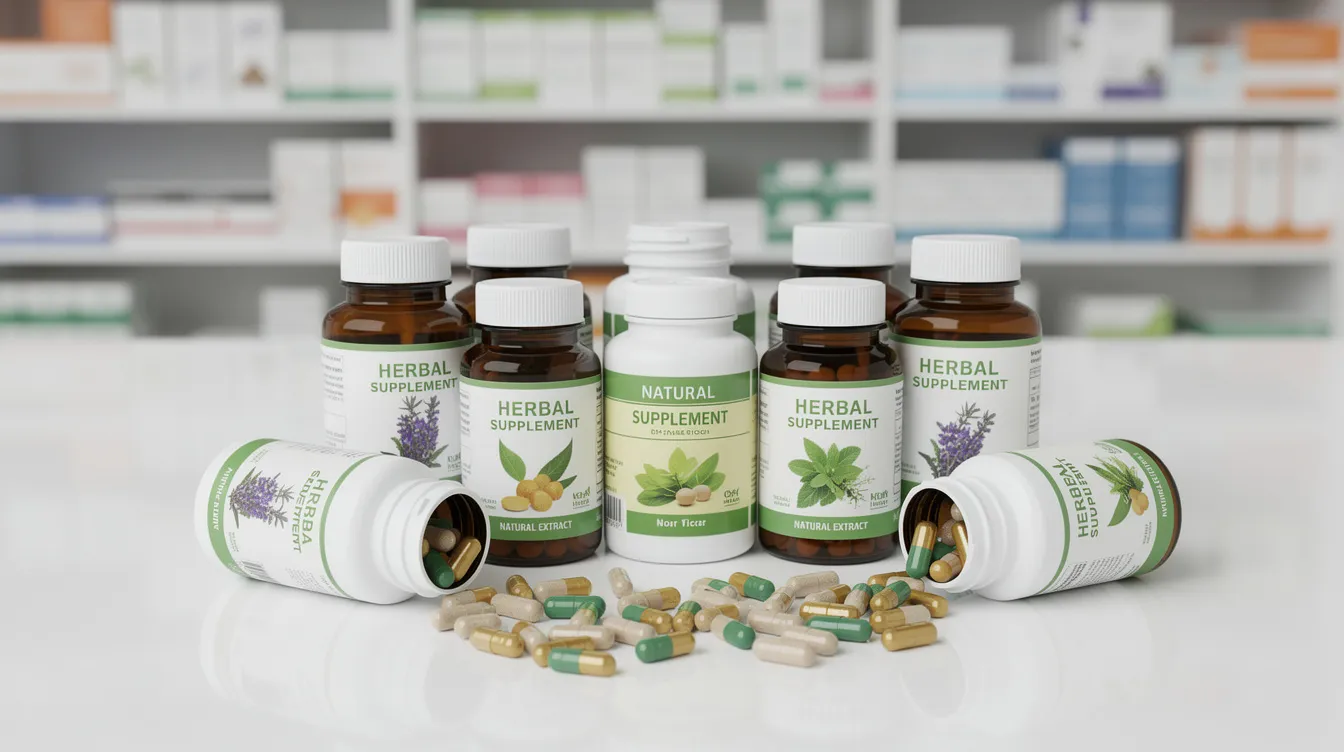
Common Corydalis yanhusuo forms:
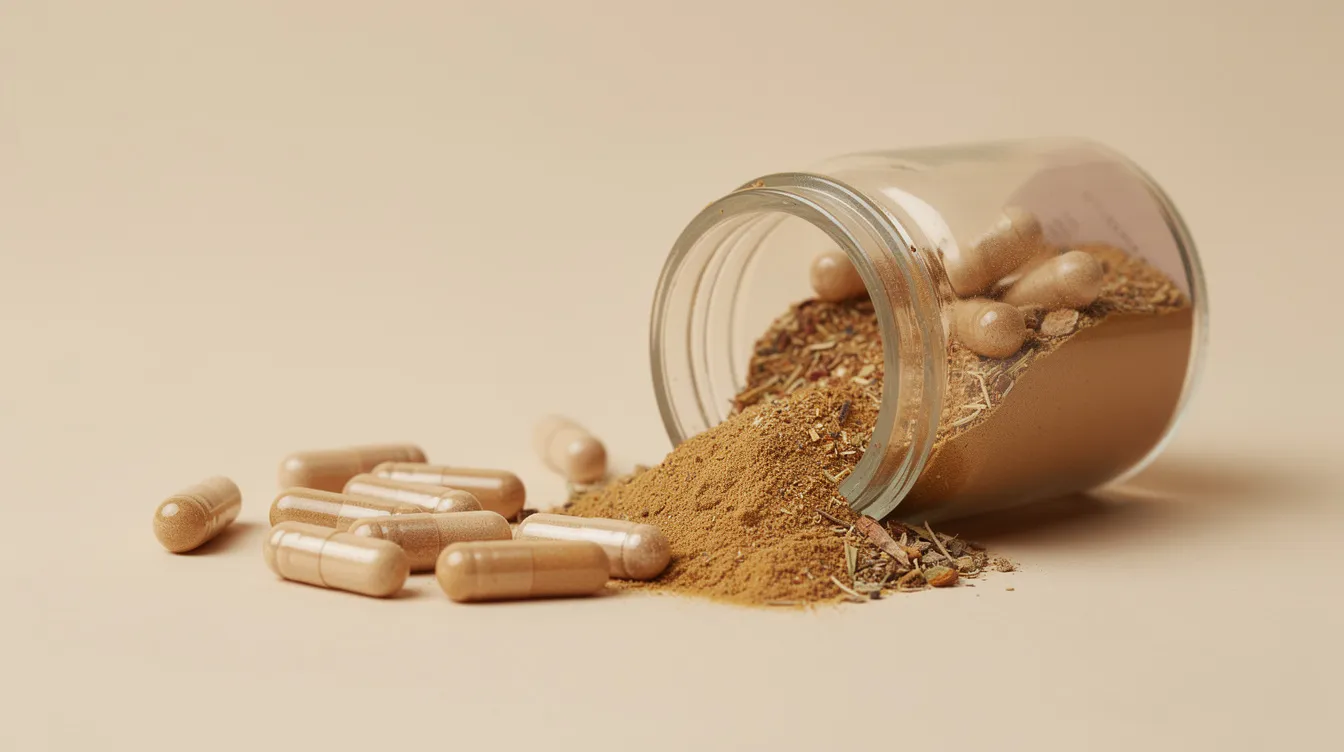
Encapsulated root or rhizome powder
Standardized extracts (sometimes labeled by percentage of tetrahydropalmatine)
Alcohol or glycerin tinctures
Multi-herb TCM blends (e.g., Yuanhu Zhitong formula combining Corydalis with Angelica)
Common Mitragyna hirsuta forms:
Loose leaf powder for tea
Capsules of powdered leaf
“Enhanced” or fortified extracts (marketed as “25X” or similar multipliers)
Kratom-style blends combining multiple Mitragyna species
Concentrated extracts for both botanicals deliver much higher alkaloid doses per gram than plain powders and may not match any traditional preparation. For Corydalis yanhusuo extract products, some have been found to contain isolated, purified tetrahydropalmatine rather than a natural spectrum of alkaloids obtained from the whole rhizome, raising safety concerns.
Be cautious with blends marketed as “kratom alternative” or “natural pain management.” These may include other undisclosed ingredients besides C. yanhusuo or M. hirsuta, complicating both drug delivery profiles and risk assessment.
5. Key Alkaloids in Corydalis Products
Alkaloid content largely determines the pharmacological effects of Corydalis yanhusuo. Corydalis contains over 80 different alkaloids, but a subset of isoquinoline alkaloids drives most of the observed biological activity. Corydalis relies on distinct chemical compounds for its effects, and modern pharmacological research has identified several key players:
Tetrahydropalmatine (THP): The most studied CY alkaloid. Levo-tetrahydropalmatine from Corydalis acts as a dopamine receptor antagonist, contributing to analgesic and sedative properties. It also interacts with dopamine receptors and other signaling pathways, which is relevant to research into cocaine addiction and opioid use disorder models.
Dehydrocorybulbine (DHCB): Shows analgesic effect in both inflammatory and neuropathic pain animal models, with related mechanisms involving voltage gated sodium channels and σ-1 receptor antagonism.
Other major alkaloids: Dehydrocorydaline, corydaline, protopine, glaucine, and coptisine round out the known alkaloids that contribute to the pharmacological activities of the whole extract.
Corydalis affects dopaminergic and other signaling pathways for its therapeutic effects, and its chemical properties have been characterized in depth through chemical biology approaches including gas chromatography mass spectrometry and high-performance liquid chromatography with diode array detection.
A January 2025 study from the Vanderbilt Institute of Chemical Biology performed a quality evaluation of 14 single-ingredient CY supplements sold online in the U.S. The findings highlight striking inconsistency:
Five supplements had a consistent alkaloid content of 9.5 ± 1.6 mg/g, close to authentic rhizome extract levels (~12.7 mg/g total alkaloid content).
One product had an alkaloid content of approximately 11 mg/g.
Some Corydalis products contain less than 1.8 mg/g of alkaloids, while remaining samples fell below quantifiable limits entirely.
One Corydalis product was highly enriched in tetrahydropalmatine at 5 mg/g, with almost no other alkaloids-suggesting it was spiked with isolated THP rather than derived from natural root extract.
Alkaloid content in Corydalis supplements varies from below quantifiable to 11 mg/g. This large variability raises concerns about both efficacy and safety, since the only bioactive ingredient a consumer receives depends entirely on which product they happen to buy.
6. Key Alkaloids in Mitragyna hirsuta Products
Mitragyna hirsuta is closely related to kratom but has different pharmacological profiles. While it shares a genus with Mitragyna speciosa, hirsuta’s chemical makeup diverges in important ways-and the evidence base is far thinner.
Mitragyna hirsuta contains indole and oxindole alkaloids, with mitraphylline and isomitraphylline being the most frequently reported. Unlike kratom, Mitragyna hirsuta lacks mitragynine and 7-hydroxymitragynine, the two alkaloids primarily responsible for kratom’s mu opioid receptors activity and psychoactive properties. This distinction is central to hirsuta’s marketing as a “legal kratom alternative.”
However, a 2025 forensic science analysis found that some products marketed as Mitragyna hirsuta may be adulterated with mitragynine, possibly due to species misidentification or intentional contamination. This complicates the claim that hirsuta is “kratom-free” and raises potential health concern and legal risk.
Mitragyna hirsuta’s pharmacological activity is primarily inferred from related alkaloids studied in other Mitragyna species, not from direct human trials. A comprehensive review of nine Mitragyna species published in 2026 noted that hirsuta’s pharmacology is poorly defined, with almost no toxicological or clinical data specific to this species. Mitragyna hirsuta suffers from a lack of formal clinical trials, and there are no large systematic surveys of alkaloid content in commercial hirsuta products comparable to the Vanderbilt CY supplement study.
Different vendors, batches, and extraction methods can drastically change alkaloid content in hirsuta products, with virtually no published quality control data to guide consumers.
7. Variability in Alkaloid Content and Product Quality
Both botanicals share one uncomfortable reality: what’s on the label frequently doesn’t match what’s in the bottle.
Documented variability in CY supplements: Alkaloid content in Corydalis supplements varies significantly among products. The Vanderbilt study showed that among 14 products, only about one-third approximated authentic rhizome extract levels. Five Corydalis products had an average alkaloid content of 9.5 mg/g, while others were nearly devoid of expected alkaloids. One product appeared adulterated with purified THP. Toxicology screens on products like these would yield wildly different results depending on the brand.
Undocumented variability in hirsuta products: Quality control issues exist with both Corydalis and Mitragyna hirsuta supplements, but hirsuta’s problem is more fundamental: there is almost no published data to quantify the variability. Consumers often have nothing but marketing claims to go on-no third-party certificates of analysis, no peer-reviewed alkaloid profiles, no batch-to-batch comparisons.
Contributing factors for both include:
Species substitution or misidentification
Differences in plant sources, harvest time, and tuber or leaf size
Extraction solvent, ratio, and purification methods
Unregulated manufacturing practices
Alkaloid content variability complicates consumer product selection for both product categories. Effects, onset, and safety cannot be reliably predicted from the label alone.
8. Evidence for Pain Management and Neurological Effects
Most evidence for both botanicals is preclinical-meaning animal studies and in vitro experiments, not robust human clinical trials.
Corydalis yanhusuo: Corydalis has a moderate body of preclinical research supporting its analgesic effects. Corydalis yanhusuo has been shown to reduce inflammatory pain in animal models, and Corydalis has demonstrated mild sedative effects in animal studies. The antinociceptive properties of THP and DHCB have been tested across acute, inflammatory, and neuropathic pain paradigms. Mechanistically, Corydalis affects dopaminergic and other signaling pathways, and research suggests interactions with opioid receptors, NMDA receptors, and voltage gated sodium channels.
Importantly, Corydalis does not cause the same rapid tolerance as classic opioids, which has drawn interest from researchers studying potential interactions between natural analgesic properties and physical dependence pathways. However, human data remain limited: most clinical observations come from small studies using multi-herb TCM formulas, not isolated Corydalis yanhusuo extract. The National Institutes of Health databases list few controlled trials of pure CY in humans.
Mitragyna hirsuta: Evidence for pain management or mood effects from hirsuta is largely anecdotal or extrapolated from kratom research. There are no published dose-response studies, no standardized clinical protocols, and no head-to-head comparisons with other drugs or other alkaloid-containing botanicals. Marketing for “natural pain relief” or “opioid-like” effects in dietary supplements frequently exceeds the strength of available evidence for hirsuta.
Neither botanical has well-defined pharmacokinetic and toxicological characteristics in humans, and neither has FDA-approved indications for any medical conditions.
9. Safety Profiles, Side Effects, and Interaction Concerns
Absence of strong evidence does not equal safety. Both botanicals still pose potential risks, some documented and some theoretical.
Corydalis:
High doses of Corydalis can cause muscle tremors, sedation, and potential liver toxicity. Liver toxicity has been reported with concentrated Corydalis extracts, and Corydalis yanhusuo may cause liver damage in some users, particularly with prolonged or high-dose use.
Tetrahydropalmatine in Corydalis can lead to neurological depression, especially in overdose scenarios. Reports of nine adult overdoses based on tetrahydropalmatine poisoning (historically associated with the product jin bu huan, which contained THP) documented serious central nervous system and cardiac effects.
Corydalis yanhusuo may cause severe allergic reactions in rare cases.
Potential interactions exist with other drugs metabolized by liver enzymes (CYP450 system), and combining Corydalis with sedatives or alcohol increases risk of adverse effects.
Mitragyna hirsuta:
The human safety profile is largely unknown. Potential concerns include opioid-like adverse effects (nausea, constipation, dependence) modeled on kratom experience, but direct data for hirsuta are almost nonexistent.
Contamination with mitragynine or 7-hydroxymitragynine from adulterated products could introduce risks associated with opioid receptor activation, respiratory depression, and legal consequences.
Products sold through smoke shops or online vendors with no quality assurance may contain undisclosed substances.
Combining either botanical with alcohol, sedatives, or other psychoactive drugs may increase risk of drowsiness, respiratory depression, or cardiac effects. Health care professionals should be consulted before using these botanicals, particularly for individuals with cardiovascular, liver, or psychiatric conditions, or those taking multiple medications.
10. Regulatory Status and “Dietary Supplement” Labeling
In the United States, dietary supplements are not FDA-approved to diagnose, treat, cure, or prevent disease. Manufacturers bear responsibility for safety, but pre-market approval is not required under the Dietary Supplement Health and Education Act (DSHEA).
Corydalis yanhusuo has not been FDA-reviewed for safety or effectiveness. CY supplements are marketed as dietary supplements or TCM remedies; the FDA does not systematically verify their alkaloid content or purity.
Mitragyna species occupy a more contentious regulatory space. Kratom faces explicit FDA safety warnings and state-level bans. In 2026, the DEA temporarily placed certain kratom-related synthetic derivatives (mitragynine pseudoindoxyl, MGM-15, MGM-16) into Schedule I. While hirsuta itself is not currently scheduled when it lacks restricted alkaloids, hirsuta products that test positive for mitragynine could fall under restricted categories.
The FDA does not systematically verify alkaloid content or purity for either type of product, and labels may omit contaminants or added synthetic substances. Regulatory classification can change-state-level actions against kratom-like products mean legality and availability may differ by date and location.
11. Comparing How Products Are Marketed to Consumers
Marketing language often blurs important distinctions between botanicals and evidence.
Corydalis marketing typically emphasizes TCM heritage: “natural pain management,” “calming,” “supports vital energy and healthy circulation,” and references to yan hu suo. Labels may highlight analgesic properties or “standardized THP” without citing specific clinical trials. Some products claim potential health benefits for sleep, anxiety, menstrual cramps, or arthritis, often extrapolating from animal studies or combination-formula data.
Mitragyna hirsuta marketing frequently positions products as a “kratom alternative,” “legal high,” “milder than kratom,” or “kratom-free botanical for mood and focus.” These terms imply opioid-like pharmacological effects without explicitly saying “opioid.” Some vendors market hirsuta for kratom tolerance breaks or as treatment options for people seeking to reduce kratom use.
Proprietary blends may list only total milligrams of a mixture, not individual alkaloid amounts, making evidence-based comparison impossible. Be wary of language such as “100% safe,” “non-addictive,” or “clinically proven” unless supported by actual peer-reviewed human data. Neither product category has the evidence to support such claims.
12. Practical Shopping Guidance for Botanical Products
If you’re evaluating CY dietary supplements or Mitragyna hirsuta products in real marketplaces, here are concrete steps to protect yourself:
Check species naming: Look for “Corydalis yanhusuo” rather than just “Corydalis.” For hirsuta, confirm the label says “Mitragyna hirsuta” rather than a vague “Mitragyna blend.”
Verify plant part: For Corydalis, root, rhizome, or tuber is the traditional part with the most research behind it. For hirsuta, leaf is standard. If other parts are listed, that’s nonstandard.
Look for standardization: Prefer CY products that list a percentage of total alkaloids or THP content. For hirsuta, ask vendors for certificates of analysis confirming mitraphylline content and absence of mitragynine.
Seek third-party testing: Testing for heavy metals, microbial contamination, and alkaloid content adds a layer of accountability. Avoid ultra-concentrated extracts with no compositional data.
Start low and monitor: Because individual product alkaloid content is unpredictable, begin with the lowest suggested amount. Never combine with alcohol or sedatives. Discontinue if you experience unexpected side effects like dizziness, nausea, or jaundice.
When in doubt, seek medical advice rather than self-titrating doses. A health concern that seems minor can escalate when compounded by an unpredictable supplement.
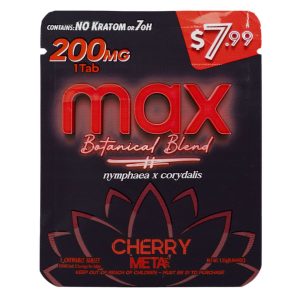
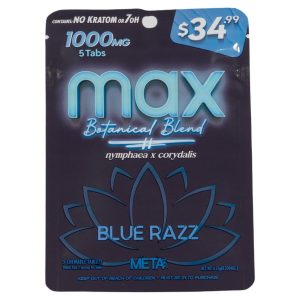
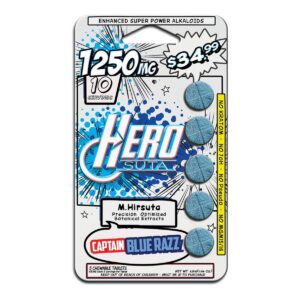
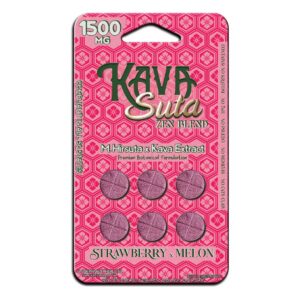
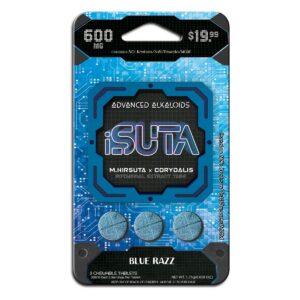
Want to compare actual tablet options? You can shop botanical tablets at Poppy Lotus, including Meta Tabz MAX with Nymphaea and Corydalis extracts, Hero Suta with M. Hirsuta extracts, Kava Suta with M. Hirsuta and kava extracts, and iSuta with M. Hirsuta and Corydalis extracts. Explore the packs below for ingredient details, tablet counts, and flavors.
View options
This product has multiple variants. The options may be chosen on the product page
13. When to Consider Medical Care Instead of Botanical Substitutes
People sometimes use these botanicals for self-directed pain management, anxiety, or opioid withdrawal. But medical care offers better-studied treatment options with established safety data.
For chronic pain, mood disorders, or substance withdrawal, evidence-based treatments-physical therapy, non-opioid medications, buprenorphine or methadone for opioid use disorder-have far more human data than Corydalis or Mitragyna hirsuta. These treatments have defined pharmacokinetic and toxicological characteristics, standardized dosing, and ongoing monitoring protocols.
Situations where professional help is urgent:
Severe or persistent pain unresponsive to over-the-counter options
Signs of liver injury (jaundice, dark urine, abdominal pain)
Heart palpitations or arrhythmias
Suspected physical dependence on any botanical product
Withdrawal symptoms after stopping kratom, Corydalis, or any opioid
Suddenly replacing kratom or other opioids with Corydalis or Mitragyna hirsuta may not prevent withdrawal and can complicate diagnosis and treatment. Health care professionals need to know about all supplement use to avoid dangerous potential interactions or misinterpretation of symptoms-especially if toxicology screens are involved.
14. Summary: How Do Ingredients and Evidence Really Differ?
Corydalis yanhusuo products are root-based isoquinoline alkaloid preparations with documented large variability in alkaloid content, a moderate preclinical evidence base for alleviate pain and sedative effects, and at least one meaningful survey confirming that CY supplements range from pharmacologically active to essentially inert. Corydalis yanhusuo extract products carry real but quantifiable risks when quality is poor, particularly around tetrahydropalmatine enrichment and liver injury.
Mitragyna hirsuta products are leaf-based indole alkaloid preparations with less characterized chemistry, even fewer human data, and marketing heavily influenced by their relationship to kratom. The absence of systematic chemical biology surveys means consumers face even greater uncertainty about what they’re actually taking.
For both, the combination of complex alkaloid content, large variability, and limited clinical research means consumers should prioritize caution, transparency, and medical consultation over marketing claims. Neither plant is a proven substitute for evidence-based medicine-and neither label claim replaces a conversation with a qualified clinician.
Frequently Asked Questions
Is Corydalis yanhusuo safer than Mitragyna hirsuta for pain?
No head-to-head human trials compare these botanicals for pain management, so one cannot be declared “safer” based on current evidence. Corydalis has more formal chemical and animal data, but it also has documented cases of adulteration, potential liver toxicity, and cardiac risks from THP. Mitragyna hirsuta has fewer documented adverse effects-but that reflects absence of research, not confirmed safety. Safety depends on dose, product quality, other health conditions, and concurrent medications, not just the plant’s name.
Can I use Corydalis or Mitragyna hirsuta to manage opioid or kratom withdrawal?
Neither botanical has sufficient clinical evidence or approved protocols for treating opioid withdrawal or kratom withdrawal. Self-treating withdrawal with unregulated products may perpetuate physical dependence or delay effective medical care. Evidence-based treatments such as buprenorphine or methadone under medical supervision are far better studied and remain the recommended approach for opioid use disorder.
Are “standardized” Corydalis supplements more reliable?
Standardization to a marker alkaloid (e.g., percentage of tetrahydropalmatine) may improve consistency compared with non-standardized powders, but it does not guarantee overall safety or efficacy. A product can be standardized yet still contain undisclosed ingredients or contaminants if manufacturing quality is poor. Look for standardization combined with third-party testing and transparent labeling-not standardization claims in isolation.
Does Mitragyna hirsuta show up on drug tests like kratom or opioids?
Routine workplace drug tests typically screen for classical opioids, not specific Mitragyna alkaloids. Specialized tests can detect mitragynine and related compounds, but data on Mitragyna hirsuta detection are limited and test panels vary. If hirsuta products are adulterated with mitragynine, they could theoretically trigger a positive result on specialized kratom panels. Anyone subject to drug testing should discuss supplement use with their employer or testing provider to avoid surprises.
Can I combine Corydalis and Mitragyna hirsuta in the same regimen?
Combining two poorly studied psychoactive botanicals increases uncertainty about side effects, potential interactions, and long-term risks. Both may have sedative or analgesic properties, raising safety concerns about additive CNS or cardiovascular effects. There is no published research on the combined use of these two botanicals. Avoid such combinations without medical guidance, and always disclose all supplement use to your healthcare provider.
These statements have not been evaluated by the Food and Drug Administration. Products sold on this site are not intended to diagnose, treat, cure or prevent any disease. You must be 21 or older to purchase from this website. These products are not intended for children or for pregnant or nursing women. Consult a physician before using any dietary supplement, especially if you have a medical condition or take prescription medication. All trademarks and copyrights are the property of their respective owners. By using this site, you agree to our Privacy Policy and Terms & Conditions. Void where prohibited by law.