7-OH
7-OH vs Hirsuta: Why Concentrated 7‑Hydroxymitragynine Is Not the Same as Mitragyna hirsuta
Walk into almost any gas station or head shop today and you will find products labeled “7-OH” sitting right next to bags of Mitragyna hirsuta leaf powder. Despite sharing shelf space-and sometimes sharing marketing language-these two substances could hardly be more different. One is a concentrated, semi-synthetic alkaloid with potency that rivals classical opioids. The…

Walk into almost any gas station or head shop today and you will find products labeled “7-OH” sitting right next to bags of Mitragyna hirsuta leaf powder. Despite sharing shelf space-and sometimes sharing marketing language-these two substances could hardly be more different. One is a concentrated, semi-synthetic alkaloid with potency that rivals classical opioids. The other is a whole-plant herbal material from a separate species with almost no clinical research behind it. This article breaks down three core distinctions: chemical identity, preparation terminology, and evidence limits, so you can tell these products apart before making any decisions.
Key Takeaways
7-hydroxymitragynine (7-OH) is a concentrated kratom alkaloid, often produced semi-synthetically, while Mitragyna hirsuta is a different plant species native to Southeast Asia that does not contain 7-hydroxymitragynine or mitragynine.
Concentrated 7-OH acts more like classical opioids at the mu opioid receptor and carries documented risks of respiratory depression, dependence, and overdose. Hirsuta leaf products appear milder, but human safety data are extremely limited.
These two are not interchangeable. They differ in chemical identity (isolated alkaloid vs. whole herb), preparation terminology (milligram-dosed concentrates vs. gram-scale leaf powder), and risk profile.
Evidence on Mitragyna hirsuta in humans is so thin that safety assumptions should remain cautious-absence of reported harm is not proof of safety.
Neither concentrated 7-OH nor Mitragyna hirsuta products are FDA-approved drugs or approved dietary supplement products. Legal status under controlled substances rules can differ sharply between them.
Introduction: Why Compare 7-OH and Mitragyna hirsuta?
If you have browsed the shelves at smoke shops or scrolled through online botanical vendors recently, you have probably noticed two categories of product competing for the same buyer: concentrated 7-OH items (gummies, shots, tablets) and bags of Mitragyna hirsuta leaf powder marketed as a “kratom alternative.” They often sit side by side, sometimes with similar branding, sometimes with nearly identical claims about mood, energy, or pain relief.
People looking for kratom-like effects-or for ways to taper off kratom dependence-sometimes consider both 7-OH and hirsuta without understanding how fundamentally different they are. One is a purified molecule that binds to opioid receptors with force comparable to morphine. The other is a whole-plant material from a separate tree with a different alkaloid profile and almost no clinical research to support or refute its marketing claims.
This article focuses on three core distinctions: chemical identity (what the molecule or plant actually is), preparation terminology (concentrates vs. leaf material), and evidence limits (what research can and cannot tell us). The goal is not to promote specific brands. It is to give you practical guidance for reading labels, understanding risks, and navigating a confusing regulatory landscape.
Background: The Kratom Plant and Its Key Alkaloids
Mitragyna speciosa-the kratom plant-is a tropical tree native to Southeast Asia. For generations, workers in Thailand, Malaysia, and Indonesia chewed fresh kratom leaf to relieve fatigue and manage discomfort. The plant’s alkaloid chemistry is complex, but two compounds dominate the conversation: mitragynine and 7-hydroxymitragynine.
Mitragynine makes up roughly 60–70% of kratom’s alkaloid content, translating to about 1–2% of dry leaf weight. It is the primary active compound and the reason kratom acts as a stimulant at low doses and a sedative at high doses. 7-OH, by contrast, is a minor alkaloid-a trace compound that is less than 0.05% of kratom leaf in its natural state.

Both mitragynine and 7-OH interact with the same receptors in the brain-specifically the mu opioid receptor-but their potency differs dramatically. Mitragynine acts as a partial agonist at opioid receptors, producing mild analgesic effects and mood changes. 7-OH binds to the mu opioid receptor far more strongly, producing effects that more closely resemble those of classical opioids like morphine.
Modern kratom products range from traditional leaf material (powder, crushed leaf, tea) to highly concentrated extracts and isolated 7-OH preparations. That second category-concentrated 7-OH-departs sharply from the natural alkaloid balance of the same plant and introduces a very different risk profile.
What Is 7-OH (7‑Hydroxymitragynine)?
7-hydroxymitragynine is a specific chemical alkaloid derived from kratom. It occurs naturally in kratom leaves in trace amounts, but the concentrated 7-OH products sold today are typically produced when mitragynine is oxidized or undergoes a chemical rearrangement product reaction in a laboratory setting. Critically, 7-OH is also formed from mitragynine in the liver via CYP3A4-meaning mitragynine is converted to 7-OH in both mouse and human liver during normal metabolism. This mitragynine metabolite is what gives kratom some of its stronger opioid-like effects even when users consume plain leaf.
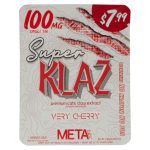
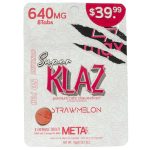
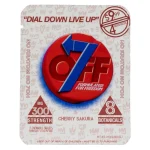
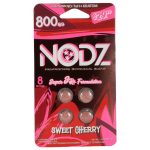
7-OH products are often semi-synthetic and highly concentrated. Typical product formats include gummies, drink shots, sublingual tablets, “enhanced” capsules, and liquid tinctures. These are sold in gas stations and smoke shops across the United States, often packaged with colorful branding that suggests a casual consumer product.
The potency numbers tell a different story. In animal pain models, 7-OH is approximately 13 times more potent than morphine and roughly 10 times more potent than mitragynine at the mu opioid receptor. A recent morphine-milligram-equivalent assessment placed 7-OH’s potency at approximately 4.3 times that of morphine, while mitragynine registered at about 0.13 times morphine. Because of this potency and opioid-like profile, regulators review concentrated 7-OH alongside controlled substances and classical opioids rather than as a simple herbal product.
What Is Mitragyna hirsuta?
Mitragyna hirsuta is a distinct plant species native to Southeast Asia, belonging to the same Rubiaceae family as kratom. Both 7-hydroxymitragynine and Mitragyna hirsuta belong to the Rubiaceae family, but the similarities largely end there. Mitragyna hirsuta has a different chemical profile from kratom-it does not contain 7-hydroxymitragynine or mitragynine.
Mitragyna hirsuta is commonly found in secondary forests and disturbed areas throughout its range. It is traditionally used for mild fatigue relief and energy among local populations, though ethnobotanical documentation is far thinner than for kratom.
In shops, you will typically find hirsuta sold as dried leaf, coarse powder, or basic aqueous or alcoholic extracts. Products are often marketed as “kratom alternative” or “legal kratom substitute.” Known or proposed alkaloids in hirsuta include mitraphylline, isomitraphylline, rhynchophylline, and hirsutin-compounds with different receptor affinities than kratom alkaloids.
You can shop hirsuta extract tablets at Poppy Lotus, including Hero Suta Enhanced Super Power Botanical Tablets 5pk, Kava Suta Zen Blend 6pk with M. Hirsuta and kava extracts, and iSuta Advanced Alkaloid Botanical Tablets 3pk with M. Hirsuta and Corydalis extracts. Explore the packs below to compare their listed formulations and flavors.
-
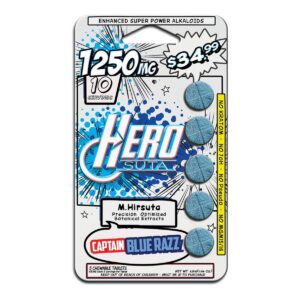 $34.99Up to 10% offView options This product has multiple variants. The options may be chosen on the product page
-
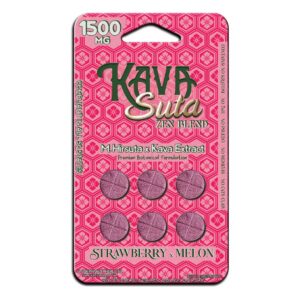 $39.99Up to 10% offView options This product has multiple variants. The options may be chosen on the product page
-
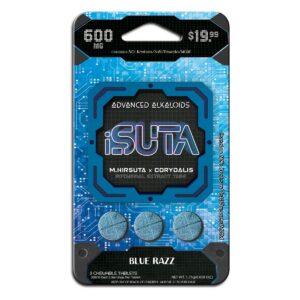 $19.99Up to 10% offView options This product has multiple variants. The options may be chosen on the product page
Mitragyna hirsuta typically produces softer effects compared to kratom according to user reports. Forum discussions describe mild stimulation and mood elevation, with less pronounced sedation or analgesia than even traditional kratom products. These reports are anecdotal and are not a substitute for clinical trials, of which there are essentially none for this species in humans.
Chemical Identity: A Single Potent Alkaloid vs a Whole Plant
This is the most fundamental distinction in the 7-OH vs hirsuta comparison. 7-OH is a single, well-defined molecule. Its molecular structure, receptor binding profile, and potency have been characterized in multiple laboratory studies. When a product says “10 mg 7-OH,” it describes a specific chemical at a specific dose.
Mitragyna hirsuta products present the entire dried leaf-a complex mixture of dozens of alkaloids, tannins, fibers, and other plant compounds. No single active ingredient is isolated, standardized, or dosed in milligrams.
Comparing concentrated 7-OH to hirsuta leaf is not a fair one-to-one comparison of equal things. One is a purified opioid-like alkaloid; the other is a whole-plant herbal material. This difference in chemical identity drives differences in predictability, potency, and how regulators classify each substance. Regulatory bodies look at concentrated 7-OH as an emerging opioid threat. Hirsuta leaf, by contrast, generally falls under the broader umbrella of unregulated botanicals-at least for now.
Preparation Terminology: Concentrated 7-OH vs Hirsuta Leaf Products
Understanding label language is essential for distinguishing these products. Here is a quick primer on common terms:
“Concentrated 7-OH,” “enhanced kratom,” “enriched extract,” “precision dosed 7-OH”-all signal that the product contains isolated or semi-synthesized 7-hydroxymitragynine, not regular kratom leaf material.
“Leaf powder,” “full-spectrum hirsuta,” “traditional leaf,” “whole herb”-these generally describe ground plant material, not an isolated chemical.
Products listing milligram amounts of 7-hydroxymitragynine (e.g., “10 mg 7-OH per serving”) are describing an isolated or semi-synthetic alkaloid dose. This is fundamentally different from a natural kratom leaf product or Mitragyna hirsuta leaf material, where active compounds are measured as a percentage of several grams of plant powder.
Mitragyna hirsuta material is usually sold as ground leaf or simple extracts with no isolated single-alkaloid content disclosed. If a product labeled “hirsuta” also lists specific milligrams of 7-OH, that is a red flag for adulteration or mislabeling.
Misunderstanding these terms can lead to accidentally jumping from mild herbal material into concentrated 7-OH territory-with dramatically higher risk.
Pharmacology: How 7-OH and Hirsuta Likely Act in the Body
Concentrated 7-OH behaves as a partial opioid agonist with strong efficacy at the mu opioid receptor. In functional assays, 7-OH binds to mu-opioid receptors more strongly than mitragynine and produces stronger receptor activation, leading to analgesic effects, sedation, and-at sufficient doses-opioid-like effects including respiratory depression. Its pharmacological profile is closer to that of other classical opioids than to traditional kratom leaf.
Mitragyna hirsuta appears to act more weakly at opioid receptors. Its alkaloids (mitraphylline, rhynchophylline, etc.) may interact with adrenergic or serotonergic receptor systems rather than the mu opioid receptor, though controlled human data are lacking. Because hirsuta is whole-plant material, its effects likely involve multiple pathways and may vary significantly by harvest, preparation, and batch.
Mitragynine appears to contribute to kratom’s effects partly through metabolic conversion to 7-OH in the liver. This metabolic pathway does not exist with hirsuta’s alkaloids. The two substances act through different mechanisms, at different intensities, through different pharmacological routes. Equating them based on shared marketing language is a mistake.
Potency and Dose: Why the Gap Matters
The potency gap between these substances is enormous. Here is a simplified comparison:
Feature | Concentrated 7-OH | Natural Kratom Leaf | Mitragyna hirsuta Leaf |
|---|---|---|---|
Typical form | Gummies, shots, tablets, liquids | Powder, capsules, tea | Powder, crushed leaf, basic extract |
Dose range | 1–15 mg (isolated alkaloid) | 2–8 g (leaf powder) | 3–10 g (leaf powder, anecdotal) |
Primary active compound | 7-hydroxymitragynine (isolated) | Mitragynine (~1–2% of leaf) | Mitraphylline and others (% unknown) |
Mu-opioid receptor potency | ~13× morphine, ~10× mitragynine | Mitragynine ~0.13× morphine | Negligible to low (not well characterized) |
Risk category | High (opioid-like) | Moderate | Unknown (insufficient data) |
With concentrated 7-OH, small numerical errors in dosing-a few milligrams-can translate into large differences in effect and risk. A product containing 10 mg of 7-OH delivers opioid receptor activation comparable to roughly 130 mg of morphine equivalent. That is not a supplement dose; that is a pharmacologically significant opioid exposure.
Contrast this with hirsuta, where typical doses are in grams of plant material and subjective effects tend to be milder and shorter-lived according to anecdotal user accounts. The margin for error with gram-scale leaf powder is inherently wider than with milligram-scale isolated alkaloids.
Adverse Effects and Adverse Events: What’s Documented So Far
The FDA has issued explicit warnings about products containing concentrated 7-OH. Documented adverse effects include nausea, vomiting, sedation, anxiety, seizures, and-most critically-severe respiratory depression. 7-OH can lead to severe respiratory depression or death, and these outcomes have been reported in poison control data and case reports. Naloxone can reverse a 7-OH overdose effectively, which underscores the substance’s opioid-like mechanism.
Poison centers reported approximately 901 exposures involving 7-OH in just the first half of 2026, up from about 593 in all of 2025. Many of these involved serious illness requiring hospitalization. These are adverse events-not just side effects, but outcomes serious enough to generate emergency medical contact.
For Mitragyna hirsuta, the published record of adverse events is far smaller. But this likely reflects lower use and limited surveillance rather than guaranteed safety. Anecdotal reports describe mild digestive upset or jitteriness, not respiratory depression. However, absence of evidence of harm is not the same as evidence of safety, especially at high doses or when combined with other substances. Liver toxicity, for instance, has not been systematically studied for hirsuta.
Dependence, Tolerance, and Withdrawal: 7-OH vs Hirsuta
Repeated exposure to concentrated 7-OH can produce tolerance, opioid receptor dependence, and classical opioid withdrawal symptoms. Dependence on 7-OH can develop within days to weeks of regular use. Withdrawal symptoms from 7-OH mirror those of opioids-body aches, muscle aches, insomnia, anxiety, sweating, nausea, irritability-and can persist through an acute phase lasting up to three weeks.
The American College of Medical Toxicology has stated that 7-OH dependence is treated like opioid use disorder. Treatment for 7-OH dependence includes medication and support groups-specifically, buprenorphine can treat 7-OH dependence effectively, and evidence based treatment protocols follow the same framework used for substance use disorder involving other opioids. While regular kratom products can also cause kratom dependence and kratom withdrawal, concentrated 7-OH generally accelerates this process because the analgesic effects and receptor engagement are much stronger.
For Mitragyna hirsuta, there is little systematic research on dependence or physical dependence in humans. Any herb with sedating or mildly opioid-like properties could plausibly cause tolerance and opioid withdrawal–like patterns with heavy use, but this is speculative for hirsuta given the near-total absence of data.
Anyone who becomes physically dependent on 7-OH, kratom, or potentially hirsuta-noticing increasing dose requirements, cravings, or inability to cut back-should consider consulting a medical professional familiar with opioid addiction and opioid use. 7-hydroxymitragynine usage can lead to severe withdrawal symptoms, and self-managed tapers without clinical support carry real risk.

Comparison with Classical Opioids and Controlled Substances Law
Concentrated 7-OH’s pharmacology aligns closely with that of classical opioids such as morphine or oxycodone. It activates the same receptors, produces similar analgesic effects, and creates similar overdose mechanisms-including respiratory depression reversible by naloxone. 7-OH is about 13 times stronger than morphine per milligram in certain animal models, making it a substance that regulatory bodies take seriously.
The Drug Enforcement Administration has classified 7-OH as a “Drug of Concern.” The DEA proposed scheduling 7-OH as Schedule I in July 2025, and 7-OH is expected to be classified as Schedule I by 2026. The proposed rule in the Federal Register targets 7-OH concentrations above 1 mg/g in solids or 1 mg/mL in liquids, and also covers mitragynine pseudoindoxyl. Seven states have banned 7-OH as of May 2026, and the number continues to grow. Under the Controlled Substances Act, manufacture, distribution, and possession of Schedule I substances outside research contexts would be illegal.
Mitragyna hirsuta leaf is sometimes lumped together with kratom in proposed laws, but many statutes distinguish whole-plant natural kratom products from isolated or synthetic alkaloids like 7-OH. Mitragyna hirsuta typically remains legal in areas where kratom is banned, precisely because it lacks mitragynine and 7-OH. However, readers should check up-to-date local regulations, because the landscape changes rapidly and drug abuse legislation varies by jurisdiction.
Dietary Supplement Status, Labeling, and Quality Concerns
The FDA office responsible for dietary supplements has not approved kratom, 7-OH, or Mitragyna hirsuta as a dietary supplement or medication. The FDA has specifically warned consumers against kratom products containing concentrated 7-OH, noting that 7-OH products are often marketed as “natural” but are semi-synthetic.
Common labeling issues include:
Products marketed as “kratom” that actually contain concentrated 7-OH or concentrated extracts well beyond natural kratom leaf levels
Hirsuta powders sold without any alkaloid content information
Inconsistent batch potency across different production runs
Claims like “all natural,” “plant-based,” or “legal high” that obscure the actual pharmacology
Unregulated manufacturing can lead to inaccurate 7-OH concentrations, contamination, and undeclared ingredients-all of which increase the risk of unpredictable adverse events. Because kratom extracts can develop elevated 7-OH through oxidation during storage, even products not intentionally enriched may drift into higher-risk territory.
Treat marketing language with skepticism and look for independent lab testing (certificates of analysis) where available.
Why Evidence Limits Matter: Reading Between the Lines
Much of what is known about 7-OH comes from animal studies, receptor assays, and a growing number of human adverse event reports-not from large, long-term clinical trials. The 2024 human pharmacokinetic study of kratom leaf ingestion provided valuable data on 7-OH as a metabolite, but no published trial has studied isolated 7-OH products in controlled human dosing.
For Mitragyna hirsuta, the evidence base is even thinner: mainly small lab studies and scattered user reports with almost no robust human safety or efficacy data meeting clinical criteria for reliability. There are no randomized controlled trials, no systematic toxicology series, no long-term follow-up studies.
This evidence gap should directly influence decisions. Absence of regulation does not mean a substance is safe. Absence of randomized trials leaves important questions about potential risks, drug interactions, and long-term effects completely unanswered. Both concentrated 7-OH and hirsuta should be treated as experimental, high-uncertainty substances, particularly when used for self-treatment of pain relief, mood, or withdrawal symptoms.
Shopping Guidance: Interpreting Product Claims Without Assuming Safety
When browsing online or in shops, here are practical tips for distinguishing between traditional kratom plant material, concentrated 7-OH products, and Mitragyna hirsuta leaf:
Scan labels for explicit references to “7-hydroxymitragynine,” “concentrated 7-OH,” or specific milligram amounts. These indicate an isolated alkaloid, not regular kratom leaf or pure botanical product.
Mitragyna hirsuta should be clearly labeled by its botanical name and sold as leaf-derived material. Products that mix hirsuta with concentrated 7-OH should be approached with particular caution.
If a product advertises both “hirsuta” and milligram 7-OH dosing, that combination does not occur naturally. Hirsuta does not naturally produce 7-OH.
Remember that no label or marketing language overrides the underlying pharmacology. If a product contains concentrated 7-OH, it should be treated with the same care as a potent opioid-like substance, regardless of how it is branded.
Products are sold in gas stations and smoke shops that may not have staff trained to explain these distinctions. The responsibility falls on the buyer to understand what they are purchasing.
Practical Harm-Reduction Considerations
If you choose to use any of these products despite the uncertainties, consider these high-level harm-reduction steps:
Avoid combining concentrated 7-OH with alcohol, benzodiazepines, or other central nervous system depressants. The risk of severe respiratory depression and overdose increases substantially with combinations.
Start with the lowest possible amount and avoid rapid dose escalation with any new kratom products or kratom compounds, especially those listing 7-OH content. Even multiple doses over a short period can accelerate tolerance and dependence.
For Mitragyna hirsuta, start with low doses and allow long gaps between uses. The limited data on long-term adverse effects and dependence-like patterns means you are essentially running an uncontrolled experiment on yourself.
If you experience severe adverse effects, signs of opioid-like withdrawal, or mental health changes, seek medical care promptly. Inform providers about 7-OH or hirsuta use as specifically as possible-generic terms like “herbal supplement” may not trigger appropriate clinical responses.
Summary: 7-OH vs Hirsuta in One View
Concentrated 7-OH is a semi-synthetic, opioid-like alkaloid derived from the kratom plant. It delivers stronger receptor activation at the mu opioid receptor than morphine, carries documented risks of respiratory depression, dependence, and overdose, and is moving toward Schedule I controlled substance status in the United States. Mitragyna hirsuta is a separate plant species entirely, typically consumed as a traditional leaf product, and naturally lacking mitragynine or 7-OH.
These two products are often marketed side by side but belong in fundamentally different risk categories. 7-OH sits closer to classical opioids. Hirsuta sits closer to traditional herbal materials-yet remains poorly studied. The three pillars of comparison hold: distinct chemical identity, very different preparation terminology, and major evidence limits on both sides, particularly for hirsuta. For anyone whose use of 7-OH, natural kratom, or hirsuta begins to impact health, functioning, or mental health, consulting a healthcare professional experienced in substance use disorder is the appropriate next step.
Frequently Asked Questions
Is Mitragyna hirsuta safer than concentrated 7-OH?
Concentrated 7-OH behaves like a strong opioid and carries clear, documented risks of overdose, adverse events, and dependence. Mitragyna hirsuta appears milder based on anecdotal reports, but “safer” cannot be claimed confidently because long-term human safety data are lacking-especially at high or frequent doses. Choosing hirsuta instead of 7-OH may reduce some opioid-specific risks, but it does not eliminate the possibility of adverse effects or dependence of unknown severity.
Can Mitragyna hirsuta help me taper off kratom or 7-OH?
No controlled studies show Mitragyna hirsuta as an effective or safe tapering tool for kratom dependence or 7-OH dependence. Substituting one poorly studied plant for a known opioid-like compound can complicate opioid withdrawal and make it harder to gauge real progress. Anyone considering a taper from kratom or 7-OH should speak with a clinician experienced in opioid-related substance use disorder rather than self-experimenting with hirsuta.
Do drug tests detect 7-OH and Mitragyna hirsuta?
Standard workplace drug panels usually do not test for kratom alkaloids, 7-OH, or Mitragyna hirsuta compounds. Specialized toxicology tests (such as LC-MS/MS) can detect 7-OH and mitragynine, but hirsuta alkaloids are not routinely screened. Policies vary-some programs may add kratom or 7-OH testing-so users should not assume complete invisibility on all drug tests.
Are 7-OH and Mitragyna hirsuta legal everywhere kratom is legal?
Legality of natural kratom leaf products, concentrated 7-OH, and Mitragyna hirsuta often diverges across jurisdictions. Concentrated 7-OH is particularly likely to be targeted in controlled substances laws due to its opioid-like profile, and several states have already acted. Hirsuta generally occupies a gray zone, often remaining legal where kratom is restricted. Always check current local and national regulations before buying, selling, or traveling with any of these products.
Is Mitragyna hirsuta non-addictive because it’s “just an herb”?
The label “herbal” or “natural” does not mean non-addictive. Many controlled substances, including classical opioids like morphine and codeine, originated from plants. While Mitragyna hirsuta may carry a lower apparent risk of severe dependence than concentrated 7-OH, the true addiction potential is unknown due to limited research. Watch for signs of tolerance, cravings, and withdrawal with hirsuta use, and seek professional help if these occur naturally over time.