7-OH
Pseudoindoxyl vs 7-OH: What Clinicians and Consumers Need to Know
Key Takeaways Mitragynine pseudoindoxyl (MP) and 7-hydroxymitragynine (7 OH) are distinct kratom alkaloids; MP binds mu opioid receptors roughly 50 times stronger than 7-OH, and both function as de facto opioids. Both compounds carry clear risk of respiratory depression, opioid withdrawal, physical dependence, and overdose, especially in concentrated commercial products sold at gas stations and…
Key Takeaways
Mitragynine pseudoindoxyl (MP) and 7-hydroxymitragynine (7 OH) are distinct kratom alkaloids; MP binds mu opioid receptors roughly 50 times stronger than 7-OH, and both function as de facto opioids.
Both compounds carry clear risk of respiratory depression, opioid withdrawal, physical dependence, and overdose, especially in concentrated commercial products sold at gas stations and smoke shops.
7-OH currently appears far more often in retail kratom products and poison center reports; pseudoindoxyl exposures are likely under-recognized because standard drug screens do not detect it.
Data collection on these kratom alkaloids is limited, product labels are often misleading, and the FDA has not approved kratom or its derivatives for any medical use.
Neither compound should be treated as a safe pain reliever or low-risk alternative to classical opioids.
Introduction: Why Compare Pseudoindoxyl vs 7-OH Now?
Between mid-2025 and late 2026, the Drug Enforcement Administration filed scheduling actions targeting concentrated kratom alkaloids, multiple states banned high potency synthetic substances derived from the kratom plant, and emergency departments reported clusters of overdoses tied to products sold as “7-OH.” In Johnson County, Missouri, six deaths over roughly six weeks in mid-2026 were attributed in part to 7 OH products. These events forced a question that kratom forums, addiction medicine specialists, and regulators are all grappling with: what separates pseudoindoxyl from 7-OH, and why does it matter?
Both names appear on product labels, online vendor listings, and research abstracts. Many consumers see them as interchangeable terms for “strong kratom.” They are not. Mitragynine pseudoindoxyl (MP) and 7-hydroxymitragynine (7-OH) are chemically distinct compounds with different origins, different receptor binding profiles, and different risk ceilings. This article separates chemical identity from label terminology and label terminology from actual evidence, so readers can assess what is known, what is speculative, and what is dangerous.
Chemical Identity: How Pseudoindoxyl and 7-OH Differ at the Molecular Level
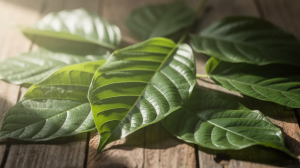
Both compounds trace back to mitragynine, the dominant alkaloid in leaves of the Mitragyna speciosa tree. Mitragynine is also the most abundant alkaloid in traditional kratom leaf, constituting roughly 1 to 2% of dry weight and up to 66% of total alkaloid content in Thai chemotypes. The two derivatives diverge from that common ancestor in structure and origin.
7-OH is a naturally occurring alkaloid in kratom leaves, present in trace amounts, typically less than 1% of leaf weight. Most laboratory analyses place it at 0.01 to 0.04% dry weight. It also forms in the human liver as a kratom alkaloid metabolite of mitragynine via CYP3A-mediated oxidation, making it an active metabolite. 7-hydroxyindole, the broader chemical class, features a hydroxyl group at the 7-position of the indole nucleus and retains the core aromatic bicyclic system of indoles. Both pseudoindoxyl and 7-hydroxyindole are structurally related to indole chemistry, but their biological activities differ sharply.
Mitragynine pseudoindoxyl is chemically transformed from 7-OH (or directly from mitragynine) through oxidative rearrangement under laboratory conditions. This rearrangement converts the indole core into a spiro- or indolin-3-one framework, producing what chemists call a pseudoindoxyl. Pseudoindoxyls are complex, heavily substituted polycyclic indole-rearrangement frameworks that contain multiple chiral centers. MP is not found in meaningful quantities in raw kratom leaves; it is a semi-synthetic product. That structural rearrangement is what gives MP its binding properties at mu opioid receptors, which are orders of magnitude stronger than those of 7-OH or mitragynine.
A related compound, 8-hydroxyindole, is susceptible to oxidative degradation when exposed to air and light. 7-hydroxyindole itself serves as a key intermediate in organic and medicinal chemistry and can be utilized in the preparation of complex indole derivatives.
Label Language vs Reality: What “7-OH” and “Pseudo” Mean on Products
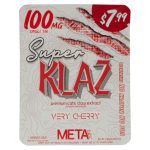
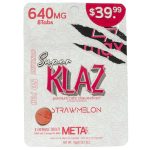
Since late 2024, product formulations labeled “7-OH,” “7-hydroxymitragynine,” “pseudo,” and “advanced alkaloids” have proliferated in convenience stores and online shops. These marketed products almost never contain the leaf-level trace amounts of 7-OH found in traditional kratom; they are enriched or synthetically produced concentrates.
Mitragynine pseudoindoxyl product marketing is rarer. Brands may use vague language such as “enhanced kratom alkaloids” or “next-gen extract” rather than the proper chemical name. Lab surveys of commercial products found that labeled 7-OH serving amounts ranged from 0.001 mg to over 33.6 mg per serving; some products labeled “7-OH” contained minimal or no detectable 7-OH at all, while others carried compounds not listed. Without third-party lab data, consumers obtaining products from smoke shops, vape shops, or unregulated online vendors have no reliable way to know what they are ingesting. Many of these are misleadingly marketed as dietary supplements or natural botanical extracts when their alkaloid concentrations place them closer to semi-synthetic derivatives.
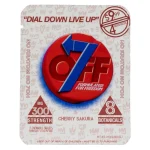
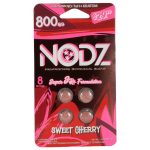
Looking for botanical tablets labeled without kratom or 7-OH? Shop botanicals at Poppy Lotus, including OFF7 300mg Botanical Blend Tablets 2pk, Nodz Botanical Blend Tablets 4pk, and MyZen Organix Poppy & Lotus 6pk. Explore the packs below to compare their listed formulas and tablet counts.
-
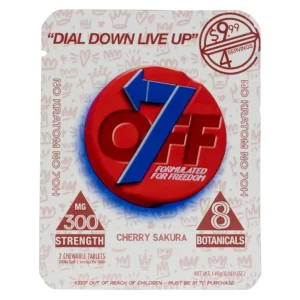 $9.99Up to 10% offView options This product has multiple variants. The options may be chosen on the product page
-
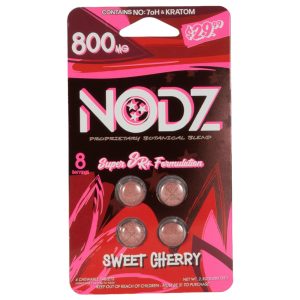 $29.99Up to 10% offView options This product has multiple variants. The options may be chosen on the product page
-
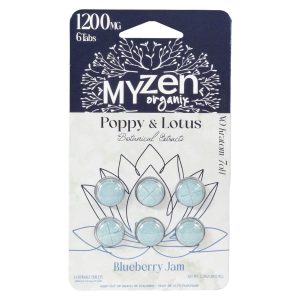 $39.99Up to 10% offView options This product has multiple variants. The options may be chosen on the product page
Potency and Pharmacology: Why Pseudoindoxyl Is Not “Just Strong Kratom”
Opioid receptor affinity, measured as Ki, reflects how tightly a compound binds the mu receptor. Lower numbers mean tighter binding:
Compound | Approximate Ki (MOR) | In vivo ED50 (animal) |
|---|---|---|
Mitragynine | ~709 nM | ~2.4 μmol/kg |
7-OH | ~78 nM | ~0.66 μmol/kg |
Mitragynine pseudoindoxyl (MP) | ~1.5 nM (some assays: 0.087 nM) | ~0.47 μmol/kg |
Pseudoindoxyl binds to opioid receptors 50 times stronger than 7-OH in most binding studies, and several hundred times stronger than mitragynine. Pseudoindoxyls act as potent μ-opioid receptor agonists. Mitragynine pseudoindoxyl is a high-affinity μ-opioid receptor agonist whose binding profile sits closer to potent conventional opioids than to typical kratom leaf. Pseudoindoxyls are explored for their interactions with μ-opioid receptors and are investigated for drug discovery aiming to mitigate opioid side effects, but that research remains preclinical.
7-OH already exceeds morphine as an analgesic in animal models, with potency estimated at 5 to 13 times that of morphine by weight. 7-OH can exceed morphine potency levels in concentrated products, and 7-OH products can exceed morphine potency levels when doses reach tens of milligrams per tablet. Both pseudo kratom and 7-OH are classified as high-risk substances by federal regulators.
Clinical Effects, Pain Relief, and Opioid-Like Risks
Many people seek out 7-OH and pseudoindoxyl as a pain reliever or for self-management of opioid withdrawal. The analgesic effects are real, but so are the dangers. 7-OH has been linked to multiple fatal overdoses. In a documented fatality, a 42-year-old man ingested approximately 87 mg of 7-OH (three tablets at 29 mg each) alongside alcohol. Postmortem blood showed 37.3 ng/mL of 7-OH and 76 ng/mL of pseudoindoxyl. For comparison, a typical 5-gram serving of traditional kratom leaf delivers roughly 1 to 5 mg of 7-OH. Adverse effects included classical opioid toxidrome: respiratory depression, sedation, miosis.
Mitragynine pseudoindoxyl has reduced respiratory depression compared to traditional opioids in some early preclinical assays exploring G-protein bias, but the compound still produces full mu agonist effects. In tissue experiments, MP’s potency is high enough that even sub-milligram doses produce strong opioid receptor activation. The FDA has not approved kratom or its derivatives for any medical use. Combining concentrated kratom alkaloids with alcohol, benzodiazepines, or other sedatives increases adverse events and can be fatal.

Dependence, Tolerance, and Withdrawal: How Pseudoindoxyl Compares to 7-OH
Repeated use of either compound produces physical dependence resembling that of other opioids. Both substances can produce rapid physical dependence. The clinical picture differs in onset, severity, and management complexity.
7-OH withdrawal symptoms include restlessness, body aches, diarrhea, insomnia, and autonomic dysregulation. Withdrawal from 7-OH can require medical detoxification protocols, and 7-OH withdrawal symptoms can require intensive medical treatment. Symptoms can peak within 2 to 4 days of cessation. Reports describe people using concentrated 7-OH to taper off heroin or fentanyl, only to develop kratom dependence on the 7-OH product itself.
Pseudoindoxyl withdrawal symptoms may be more intense than 7-OH withdrawal because of MP’s tighter receptor binding. A 2026 case report described a patient requiring inpatient, medically managed withdrawal after using a mitragynine pseudoindoxyl MP product. Physical symptoms paralleled severe opioid withdrawal and appeared within days of escalating dose. Because small absolute dose changes still strongly activate mu receptors, tapering MP is mechanically harder than tapering weaker agonists.
Traditional kratom leaf, by contrast, delivers lower 7-OH exposure and mixed pharmacology (adrenergic, serotonergic). Withdrawal symptoms from daily leaf use are milder for most users but still clinically relevant. Kratom withdrawal can cause seizures and liver damage in some cases, particularly at high doses or with prolonged use. For anyone dependent on concentrated 7-OH or pseudoindoxyl, clinicians should consider evidence-based medications for opioid use disorder such as buprenorphine, and discourage unsupervised home detox.
Evidence Limits and Data Collection: What Poison Centers and Studies Are Seeing
Our understanding of these compounds is constrained by limited human data and inconsistent product testing. Poison centers and emergency departments typically record “kratom” generically, rarely distinguishing between leaf, 7 OH concentrates, or pseudoindoxyl. The Michigan Poison & Drug Information Center logged 347 cases involving kratom or derivatives between 2021 and 2025, but product-level alkaloid data were usually absent.
Pseudoindoxyl exposures are likely under-recognized. Products often do not list MP explicitly, standard toxicology screens do not detect it, and only specialized reference labs quantify it using techniques like LC-MS/MS or UHPLC-HRMS. Scientific data on human plasma pharmacokinetics for MP remain sparse; absorption, half-life, and drug interactions are not well characterized. Toxicological concerns are real but under-documented. 7-hydroxyindole itself is valuable in studying oxidative processes and biochemical interactions, but those basic-science insights have not yet translated into clinical screening tools for kratom-related emergencies.
Commercial Products and Routes of Exposure: Where These Alkaloids Actually Show Up
Concentrated products containing 7-OH dominate the retail market. Common formats include:
Gummies and chews sold in gas stations and smoke shops
Drink mixes and “relaxation shots”
Tablets and capsules marketed as “ultra extract” kratom extracts
Lab testing has found 7-OH concentrations up to 75 mg/g in some tablets, orders of magnitude above what occurs in natural botanical kratom leaf. MP has been detected in high potency products at up to 0.84 mg/g. Some “next-generation” kratom extracts may form pseudoindoxyl unintentionally during manufacturing or storage. Any kratom product emphasizing “advanced alkaloids,” hydroxymitragynine 7 OH, or extreme potency should be assumed to carry opioid-type risk far exceeding traditional kratom. Research shows that 7-hydroxyindole can modulate bacterial quorum-sensing pathways and exhibits antimicrobial activity against multidrug-resistant pathogens, but these properties of the broader chemical class have no bearing on the safety of consuming high concentrations of 7-hydroxymitragynine in commercial products.
Regulation and Legal Status: How Law Is Catching Up (as of Mid-2026)
Legal status is shifting rapidly. On August 26, 2026, the DEA placed mitragynine pseudoindoxyl, MGM-15, and MGM-16 into Schedule I under the Controlled Substances Act. The Drug Enforcement Administration also filed a July 1, 2026 notice of intent to temporarily schedule 7-OH above specified thresholds as controlled substances. Those thresholds, recommended by HHS, include 1 mg/g in solids or a mitragynine-to-(7-OH + MP) ratio below 100:1. Botanical kratom with only trace, naturally occurring 7-OH below those thresholds would remain exempt under the proposed federal framework.
As of July 1, 2026, Kansas made possession of 7-OH a felony. Florida and several counties have enacted bans targeting concentrated semi-synthetic derivatives while exempting traditional kratom leaf. Some vendors have rebranded or relabeled synthetic products to appear compliant. The legal status of these compounds will continue to evolve, but pharmacology and overdose risk do not change with legislative schedules. Clinicians and consumers should let the science, not the current legality, guide decisions about kratom use.
Safer Choices and Clinical Guidance: Navigating Kratom Alkaloids in the Real World
Some people will continue using kratom for pain relief or opioid withdrawal support. Realistic harm reduction matters more than abstinence-only messaging for this population.
For consumers:
Avoid products explicitly marketed as “7-OH,” “pseudoindoxyl,” “research alkaloids,” or claiming potency multiples over traditional kratom leaf
Be wary of commercial products from unregulated vendors, convenience stores, or smoke shops that provide no transparent lab testing
Never combine concentrated kratom alkaloids with alcohol, benzodiazepines, or other sedatives; cumulative respiratory depression risk is real and documented
For clinicians:
Ask about specific product type (leaf, extract, shots, labeled 7-OH) rather than just “kratom”
Expect opioid-style tolerance and opioid withdrawal when dependence involves 7-OH or suspected pseudoindoxyl
Consider buprenorphine or methadone when managing opioid use disorder linked to these compounds
Standard drug screens will not flag other kratom alkaloids; specialized mass spectrometry may be needed
Anyone experiencing escalating use, withdrawal symptoms, or health problems from kratom products should seek medical care. The therapeutic potential of these compounds remains unproven in humans, and their risk profile sits closer to conventional opioids than to benign herbal supplements.

FAQ
Are pseudoindoxyl and 7-OH naturally present in regular kratom powder?
7-OH occurs naturally in kratom leaf at very low levels, typically less than 0.05% by dry weight; it accounts for under 2% of total kratom alkaloids in most lab analyses. Pseudoindoxyl is generally absent or present only in trace amounts below detection limits in raw leaf. Typical kratom powder from unprocessed leaf is dominated by mitragynine. When labels emphasize “7-OH” in milligrams or promise extreme potency, those products almost always involve enriched or synthetic alkaloids rather than plain leaf. 7-hydroxyindole inhibits lipid peroxidation and protects neuronal cultures in basic research, but this property of the parent chemical class does not make concentrated 7-hydroxymitragynine products safe for human consumption.
Is pseudoindoxyl safer than traditional prescription opioids?
No solid human evidence shows pseudoindoxyl is safer than morphine, oxycodone, or other traditional opioids. While some early research explored pseudoindoxyl as a potentially “biased” opioid with reduced respiratory depression compared to traditional opioids in animal assays, the compound still powerfully activates mu receptors and carries textbook opioid risks: dependence, overdose, and respiratory depression. Because dosing, purity, and interactions are poorly characterized in real-world products, the practical risk may exceed that of regulated prescription opioids used under medical supervision. 7-hydroxyindole functions as a radical-trapping antioxidant capable of inhibiting ferroptosis in laboratory settings, but this chemical property does not translate into clinical safety for high potency kratom extracts.
Can concentrated 7-OH or pseudoindoxyl help me quit fentanyl or other opioids safely?
Some people report using 7-OH or kratom extracts to manage opioid withdrawal, but this is substituting one opioid agonist for another, often more unpredictable one. Both 7-OH and pseudoindoxyl can create new physical dependence with severe withdrawal syndromes and have no established tapering protocols or FDA-approved indications. Evidence-based options such as buprenorphine or methadone, discussed with a clinician trained in addiction medicine, remain the standard of care for opioid use disorder.
Why don’t standard drug tests show 7-OH or pseudoindoxyl use?
Most workplace and clinical immunoassay panels detect classical opioids or their metabolites, not specialized kratom alkaloids. Detection of 7-OH and pseudoindoxyl requires advanced chromatographic and mass-spectrometry techniques (LC-MS/MS, UHPLC-HRMS) that are rarely used outside research and forensic settings. A negative standard opioid screen does not rule out heavy use of kratom-derived opioids, which can mislead families or clinicians who assume absence of a positive result means absence of a significant risk or an emerging opioid threat.
Is traditional kratom leaf a safe long-term alternative if I avoid 7-OH and pseudoindoxyl products?
Traditional kratom leaf has a lower-potency risk profile than concentrated 7-OH or pseudoindoxyl, but it is not risk-free. Long-term daily leaf use can lead to kratom dependence, withdrawal symptoms, gastrointestinal issues, and in some cases liver or cardiovascular concerns at high doses. The abuse liability of leaf is lower than that of concentrated products but still present. Anyone considering long-term kratom use for chronic pain or mood should involve a healthcare professional, monitor dose escalation, and avoid combining kratom with other sedatives or serotonergic medications. Southeast Asia, where kratom has centuries of traditional use, also documents dependence among heavy daily users of raw leaves.