7-OH
7OH Pill: Concentrated 7-OH Tablets, Liquids, Risks, and Regulation
A 7OH pill contains concentrated 7-hydroxymitragynine, a compound derived from the kratom plant that acts on opioid receptors far more forcefully than traditional kratom powder. These tablets and liquid shots are sold openly at gas stations, smoke shops, and online retailers across the United States, often with candy-style packaging and minimal warnings. Here is what…
A 7OH pill contains concentrated 7-hydroxymitragynine, a compound derived from the kratom plant that acts on opioid receptors far more forcefully than traditional kratom powder. These tablets and liquid shots are sold openly at gas stations, smoke shops, and online retailers across the United States, often with candy-style packaging and minimal warnings. Here is what the data shows about their contents, their dangers, and the regulatory response.
Key Takeaways
A “7OH pill” typically refers to a tablet containing concentrated 7-hydroxymitragynine (7-OH), a kratom-derived compound roughly 10 times more potent than mitragynine, the main alkaloid in regular kratom products.
7 OH tablets and liquids list manufacturer-specified milligram amounts per unit, per serving, and per package; independent lab tests show these labels are often inaccurate.
U.S. poison centers recorded 593 single-substance 7-OH exposure reports in 2025 and 901 in just the first half of 2026, with about 38.8% resulting in serious health outcomes.
The FDA has not approved any 7 OH kratom product for pain relief, opioid addiction, mood disorders, or other ailments; the agency has publicly urged the DEA to place concentrated 7-OH into Schedule I.
People concerned about 7-OH dependence should consult a healthcare provider about evidence-based opioid use disorder treatment rather than self-managing withdrawal.
What Is a 7OH Pill? (7-OH Tablet Basics)
A 7OH pill is a solid oral tablet built around concentrated 7-hydroxymitragynine, a chemical derived from the kratom plant native to Southeast Asia. Unlike traditional kratom capsules, these tablets contain added, concentrated 7-OH rather than raw leaf material.
7-hydroxymitragynine exists naturally in kratom leaves in trace amounts, typically under 2% of total alkaloids. Concentrated 7-hydroxymitragynine is stronger than traditional kratom by a wide margin because manufacturers isolate or synthesize the alkaloid and press it into tablets at specific milligram levels.
7-hydroxymitragynine has no established safe dosage. Product concentrations vary so widely across brands that two pills of the same size can deliver completely different amounts of the compound.
Manufacturers specify 7-OH content per tablet in milligrams. Labels may state values like 5 mg, 10 mg, 14 mg, or higher per pill, plus total content per blister pack or bottle.
7 OH tablets are often marketed as “extra strength,” “7-hydro,” or “7 OH kratom.” Concentrated 7-hydroxymitragynine is sold in smoke shops, vape shops, convenience stores, gas stations, and online.
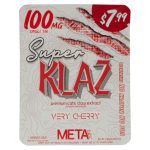
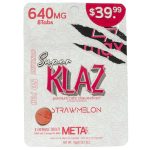
Packaging ranges from blister cards at counter displays to screw-top jars, with branding resembling energy drink mixes or candy designs.
How Concentrated 7-OH Tablets and Liquids Are Labeled
Labeling matters because per-unit 7-OH content determines how much of the substance a person ingests. No standardized labeling rules exist for these products, and what appears on the label does not always match what is inside.
Concentrated 7 OH tablets typically list: a stated 7-OH amount per tablet, a suggested serving size (such as half or one tablet), and total 7-OH content per package.
7-OH liquid shots and drink mixes display milligrams per serving on the front label, plus total servings and total 7-OH per bottle. For example, OPiA liquid shots label “30 mg Total” with “10 mg per serving” across a three-serving bottle.
Lab testing of 7OHMZ tablets (Lot PB.18) measured 14.9 mg of 7-OH per tablet against a label claiming roughly 14 mg. Some lots ran 86% to 122% of label claims. Meanwhile, EFR brand liquid shots labeled at 15 to 30 mg per bottle tested at approximately 0.09 mg; functionally zero.
Some products also list other compounds like mitragynine or mitragynine pseudoindoxyl, flavoring agents, and sweeteners.
Per-unit and per-package amounts vary so widely between brands that two 7-OH tablets that look similar may contain very different quantities. Readers researching products should look for independent lab Certificates of Analysis rather than relying on front-label claims alone.
7-OH vs Traditional Kratom Products
Traditional kratom products contain ground leaf with a mix of dozens of alkaloids, primarily mitragynine, plus only small amounts of 7-OH. A 7OH pill is built around concentrated 7-hydroxymitragynine itself, which changes both the intensity and the risk profile.
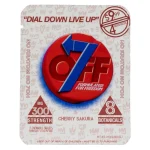
Looking for botanical tablets made without kratom or 7-OH? At Poppy Lotus, you can compare botanical tablet packs including OFF7 300mg Botanical Blend Tablets 2pk, Nodz Botanical Blend Tablets 4pk, and Wingz 1200mg Tablets 6pk. Explore their listed blends, flavors, and pack counts below.
-
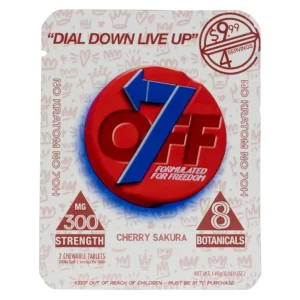 $9.99Up to 10% offView options This product has multiple variants. The options may be chosen on the product page
-
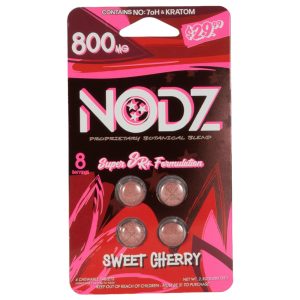 $29.99Up to 10% offView options This product has multiple variants. The options may be chosen on the product page
-
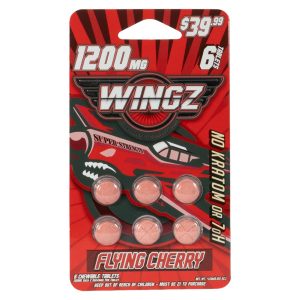 $39.99Up to 10% offView options This product has multiple variants. The options may be chosen on the product page
7-OH is 10 times more potent than mitragynine, the main kratom component, at mu-opioid receptors. That potency gap means a single 7 OH tablet can produce effects that would require large quantities of plain kratom powder.
Public health advisories from states including Texas have emphasized that synthetic or concentrated 7-OH products can reach purities far exceeding anything found in the kratom plant leaf.
The effects of 7-hydroxymitragynine include euphoria, relaxation, and pain relief, resembling prescription opioids more closely than the milder, variable effects reported with traditional kratom tea or capsules.
Some 7 OH tablets and shots are marketed as “legal morphine” or similar phrases, targeting consumers seeking opioid-like effects rather than a traditional botanical experience.
This concentration difference contributes directly to higher rates of opioid addiction and overdose associated with 7-OH tablets compared to unfortified kratom products.
Health Risks, Side Effects, and Opioid Addiction Concerns
7-OH activates the same brain receptors as drugs like morphine, heroin, and fentanyl. The clinical consequences follow the same pattern.
7 OH tablets and liquids can cause classic opioid effects: pain relief, euphoria, sedation, and respiratory depression at higher exposures. High doses of 7-hydroxymitragynine can cause respiratory depression severe enough to stop breathing, which can lead to death.
Potential side effects of 7-hydroxymitragynine include nausea, vomiting, and confusion. Additional adverse events reported in health advisories include constipation, sweating, anxiety, depression, seizures, and loss of consciousness.
7-OH can cause cravings and withdrawal symptoms within days of use. Physical dependence on 7-OH can develop within two to three weeks of regular use.
State poison center data released in 2025 showed 593 single-substance 7-OH exposures that year. Among those, 38.8% had serious health outcomes and 20.5% required hospitalization. In 2025, Texas alone reported 192 exposures to 7-OH products.
7-OH products can cause severe withdrawal symptoms similar to opioids: muscle aches, diarrhea, insomnia, and strong cravings. Some clinical reports describe 7-OH withdrawal as comparable to heroin or fentanyl withdrawal, making it difficult to quit concentrated 7 OH tablets without medical support.
7-OH products can cause serious harm and addiction. Regular use also carries broader mental health problems, including worsening anxiety, depressive symptoms, and risk of suicidal thoughts during heavy use or withdrawal.
7-OH has been associated with addiction and overdose cases across the country, and experts warn that the accessibility of these products at gas stations and convenience stores contributes to rising exposure rates among adults and children.

Legal and Regulatory Status of 7-OH Pills in the U.S.
Laws governing 7-OH pills are changing rapidly. What is legal in one state may be a felony in the next.
The Food and Drug Administration has not approved any 7-OH tablet, liquid, or other kratom-derived product for treating pain, opioid addiction, mood disorders, or any other medical condition. 7-OH is not approved by the FDA for any medical use, and the agency warns against using 7-OH products for treating other ailments. There is no currently accepted medical use for these products, nor has any use been formally recommended by a federal health agency.
The FDA plans to restrict access to 7-OH products. In mid-2025, the agency began issuing warning letters to vendors and publicly urged the DEA to schedule concentrated 7-OH under Schedule I, citing high potential for abuse and no accepted medical use.
On October 14, 2026, the DEA published a Notice of Intent to temporarily place 7-hydroxymitragynine and mitragynine pseudoindoxyl above specific thresholds (greater than 1 mg per gram of solid, or greater than 1 mg per milliliter of liquid) into Schedule I.
Some states have issued bans on 7-OH products. Alabama, Arkansas, Indiana, Vermont, Wisconsin, Kansas (effective July 1, 2026), and others already restrict or ban these substances. Pennsylvania is considering classifying 7-OH as a Schedule I substance.
7-OH products are widely available despite lacking regulation in many jurisdictions. When one compound is banned, some manufacturers switch to unlisted analogs or other drugs to stay ahead of enforcement under existing law.
Readers should check their own state and local rules before possessing or selling 7 OH pills. Consult a legal professional if unsure, since legality changes from year to year.
Recognizing and Addressing 7-OH and Kratom Addiction
Identifying a 7-OH problem early and connecting with a health care professional improves outcomes. Here is what to look for and what treatment options exist.
Key signs that 7 OH tablets are becoming a problem: escalating tablet counts, failed attempts to cut back, spending large sums on 7-OH, and continuing use despite damage to work, school, or relationships.
Opioid withdrawal features that appear when stopping concentrated 7-OH include restlessness, chills, yawning, runny nose, stomach cramping, diarrhea, and strong cravings for 7-OH or other opioids. These withdrawal symptoms mirror what clinicians see with prescription opioid or heroin cessation.
Medical literature from the 2020s indicates that 7-OH and kratom addictions respond to the same medication-assisted treatments used for other opioid use disorder cases. Buprenorphine is effective for treating 7-OH addiction, and medication-assisted treatment is recommended for opioid use disorders broadly.
Combinations of medications (such as buprenorphine), counseling, and peer support groups yield better outcomes than willpower alone. Regular therapy sessions support recovery from 7-OH addiction by addressing the psychological drivers of substance use.
Naloxone can reverse opioid overdoses, including from 7-OH. Anyone experiencing or witnessing extreme drowsiness, slowed breathing, or unconsciousness after 7-OH use should call 911 or the poison help line and administer naloxone if available. Do not use alcohol or other drugs alongside 7-OH, as combinations increase overdose risk.
Concerned family members should contact local addiction specialists, a doctor, or state helplines for guidance. A healthcare provider can outline a treatment plan tailored to the individual’s disorder and history.
How 7-OH Pills Are Marketed and Sold
7 OH pills are sold in many of the same places where cigarettes, vape cartridges, and energy drinks are found. The retail environment does little to communicate the opioid-like risks of these products.
Common sales channels include smoke shops, vape shops, gas stations, convenience stores, and online marketplaces that also carry traditional kratom products and other novel psychoactive substances.
7-OH pills are often displayed at the front counter near energy drinks and candy, with bright, youth-oriented branding, cartoonish logos, or names referencing a “legal high.” This placement puts the pills within reach of children.
Packaging frequently highlights buzzwords such as “extra potent,” “7-OH kratom,” “legal morphine,” or “7-hydro,” but provides very limited information on addiction risk, health problems, or long-term side effects. Labels rarely include warnings about opioid receptor activation or the dangers of dependence.
Some products bundle 7 OH tablets with kratom powder in starter packs, blurring the line between traditional botanical use and concentrated synthetic exposure.
Despite opioid-like risks, most 7-OH products are sold without pharmacist oversight, standardized patient information, or any requirement to consult a health care professional before purchase. No one checks whether the buyer is addicted to opioids, taking medications that interact with 7-OH, or at risk for overdose.
Anyone who encounters 7-OH pills marketed as safe natural supplements for pain, anxiety, or opioid detox should approach those claims with skepticism. The substance is potent, addictive, and dangerous when used without medical supervision, and it has not been shown to safely treat any disorder.

Frequently Asked Questions About 7OH Pills
Are 7OH pills the same as regular kratom capsules?
No. Most regular kratom capsules contain ground leaf with mixed alkaloids and only trace amounts of 7-OH. A 7OH pill is built around concentrated 7-hydroxymitragynine with manufacturer-specified milligram content, sometimes 10 times more potent than the mitragynine found in standard kratom. Because of this concentration, 7-OH pills carry stronger opioid-like effects and higher addiction and overdose risks than many traditional kratom formats sold on the market.
Can 7-OH tablets be used safely to treat opioid withdrawal?
No 7-OH tablet or liquid is FDA-approved for treating opioid withdrawal or opioid use disorder. Self-treating with 7-OH can substitute one dependence for another; physical dependence on 7-OH can develop within two to three weeks. People seeking help for opioid withdrawal should talk with a clinician about evidence-based options like buprenorphine or methadone rather than relying on unregulated 7 OH kratom products that have no currently accepted medical use.
How can I tell how much 7-OH is in a pill or liquid shot?
The front or back label usually lists a 7-OH amount per tablet or per serving, along with the total number of tablets or servings in the package. Some manufacturers publish Certificates of Analysis from third-party labs. These documents show tested 7-OH levels and can be compared with the label. Keep in mind that independent testing has found labels inaccurate by as much as 86% to 122% of claimed content on tablets, and some liquid shots contained virtually zero detectable 7-OH despite high label claims.
Is it legal to buy 7-OH kratom products where I live?
Legality depends on your state and locality. Some U.S. states and cities have banned or restricted kratom and concentrated 7-OH products, while others allow sales with age limits or labeling rules. Kansas banned these products as of July 1, 2026. The DEA’s proposed federal scheduling could change the picture nationwide. Check current state and local regulations or consult an attorney if you need precise legal guidance about possessing or selling 7 OH tablets.
What should I do if I think someone has overdosed on 7-OH?
Signs of a possible 7-OH overdose include very slow or stopped breathing, blue lips or fingernails, inability to wake the person, and gurgling or choking sounds. Call 911 immediately. Administer naloxone if available; it can reverse opioid overdoses, including those caused by 7-OH, because the substance acts on the same receptors as other opioids. Stay with the person until emergency services arrive. Time matters; do not wait to see if they recover on their own.