7-OH
Can You Overdose on 7-OH? Risks, Warning Signs, and What To Do
Yes, you can overdose on 7-OH. Concentrated 7-OH products act on the same brain receptors as heroin, fentanyl, and prescription painkillers, and they can suppress breathing to the point of death. This article covers exactly how that happens, what an overdose looks like, and what to do if you witness one. Key Takeaways Hydroxymitragynine 7…
Yes, you can overdose on 7-OH. Concentrated 7-OH products act on the same brain receptors as heroin, fentanyl, and prescription painkillers, and they can suppress breathing to the point of death. This article covers exactly how that happens, what an overdose looks like, and what to do if you witness one.
Key Takeaways
Hydroxymitragynine 7 OH is a potent semi-synthetic compound derived from kratom that binds to mu opioid receptors and can be 13 times stronger than morphine in animal models. Overdose is not theoretical; six fatal overdoses linked to 7-OH were reported in Los Angeles County between April and October 2025.
Concentrated 7-OH products sold at gas stations, smoke shops, convenience stores, and online venues deliver opioid-level doses in a single gummy or liquid shot. Some formulations contain up to 40% 7-OH by weight, turning what looks like a dietary supplement into a potent opioid.
Overdose risk climbs sharply when users take high doses, stack multiple doses, or combine 7-OH with alcohol, benzodiazepines, or other opioids. Alcohol increases the risk of 7-OH overdose significantly because both substances suppress breathing.
A 7-OH overdose looks like any other opioid overdose: shallow breathing or no breathing, extreme drowsiness, blue or pale skin, and pinpoint pupils. Emergency response for 7-hydroxymitragynine overdose includes calling 911 and administering naloxone (Narcan).
Repeated use of 7-OH can produce opioid use disorder, complete with tolerance, physical dependence, and withdrawal symptoms. Evidence-based treatment options exist, including buprenorphine, counseling, and support groups.
What Is 7-OH and Why Overdose Is a Real Concern
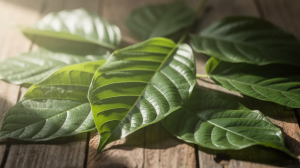
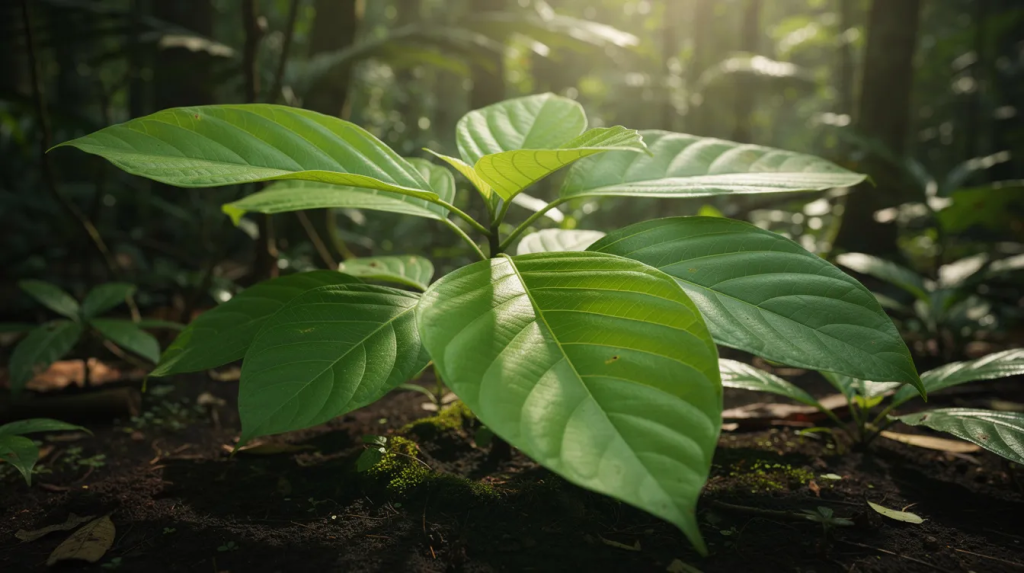
7-hydroxymitragynine, commonly called 7-OH, is a potent semi-synthetic compound derived from the Mitragyna speciosa plant (kratom). In its natural form, 7-OH is present in kratom leaves at less than 0.05% concentration; it exists only in trace amounts in the living plant. The products filling shelves at gas stations and smoke shops are a different matter. These gummies, liquid shots, drink mixes, tablets, and powders are intentionally fortified or synthesized to contain far higher levels of 7-OH.
7-hydroxymitragynine is a potent mu-opioid receptor agonist. Animal studies place its analgesic potency at roughly 3 to 10 times that of morphine and 13 to 22 times stronger than mitragynine, the main alkaloids in kratom. Because it activates mu opioid receptors so forcefully, 7-OH can produce opioid like effects including euphoria, sedation, and, at sufficient doses, severe respiratory depression and death.
The FDA has warned that 7-OH products are not lawfully marketed in the U.S. as food, dietary supplements, or medications, and the agency has stated that they can cause serious harm. Despite those warnings, 7-OH products are often marketed as natural remedies or enhanced kratom, and they remain widely available.
Can You Overdose on 7-OH? (Short Answer and How It Happens)
Yes. Medically, a 7-OH overdose is treated the same way as any other opioid overdose. The mechanism is straightforward: too much 7-OH overwhelms opioid receptors in the brainstem, slows the respiratory drive, and can stop breathing entirely. That oxygen deprivation damages organs and, if uninterrupted, kills.
Overdose risk is highest in these situations:
Taking high doses or rapidly escalating the amount used
Consuming “extra strength” or other highly concentrated 7-OH formulations
Swallowing multiple products without knowing each one’s 7-OH content (unknown concentrations across brands)
Combining 7-hydroxymitragynine with alcohol or benzodiazepines, which layer additional respiratory depression on top of 7-OH’s effects
Plain kratom leaf rarely delivers enough 7-OH to cause breathing failure on its own. At low doses, kratom from the kratom plant tends to produce stimulant like effects such as increased energy, while higher leaf doses cause sedation and nausea. Concentrated 7-OH products are fundamentally different. Some are formulated at 20 to 40% 7-OH by weight, which is hundreds of times the concentration found in raw kratom leaves from Southeast Asia.
People may underestimate risk because these items sit next to energy drinks and snack bars on store shelves. The risk of overdose deaths, though, parallels that of other potent opioids.
Why Concentrated 7-OH Products Are Especially Dangerous
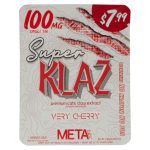
Concentrated 7-OH products include liquid shots, gummies, syrups, capsules, and tablets labeled by milligrams of 7-OH rather than by kratom leaf weight. That labeling shift reflects their nature: these are not traditional herbal preparations.
According to a California Senate background paper, some marketed products advertise 20 to 40% 7-OH content. Concentrated 7-OH products can contain up to 40% 7-OH, delivering tens of morphine milligram equivalents in a single serving. A 2027 potency assessment found that some tablets exceeded 30 MMEs per serving, comparable to a strong prescription opioid dose.
Small serving sizes (a single gummy, a capful of liquid) make it easy to double-dose or stack doses without realizing you’ve crossed into dangerous territory. Unregulated 7-hydroxymitragynine products can vary widely in potency between brands, batches, and even individual units within the same package. What felt manageable last week from one brand could be lethal from another. Most reports of fatal overdoses and severe toxicity involve concentrated 7-OH products, not traditionally brewed leaf.
Warning Signs of a 7-OH Overdose
A 7-OH overdose looks like an opioid overdose and can progress from “too sedated” to life-threatening in minutes. Overdose symptoms to watch for:
Very slow, shallow breathing or no breathing at all. Respiratory depression is a common effect of 7-hydroxymitragynine overdose and the primary killer.
Extreme drowsiness, inability to stay awake, or complete unresponsiveness. Central nervous system depression can occur rapidly.
Pinpoint pupils. Signs of a 7-hydroxymitragynine overdose may include pale skin and pinpoint pupils.
Blue, gray, or pale lips, fingertips, or face.
Gurgling, choking, or loud snoring sounds while the person is unconscious.
Slow heartbeat, weak pulse, or clammy skin.
Seizures or sudden collapse. 7-hydroxymitragynine can cause severe neurological effects including confusion and seizures.
Nausea, vomiting, or abdominal pain. Gastrointestinal distress is common during a 7-hydroxymitragynine overdose.
If 7-OH was combined with other drugs or alcohol, agitation, confusion, or vomiting may also appear. Slow or absent breathing is always the most urgent red flag.
Any suspicion of a 7-OH overdose is enough reason to call 911. Do not wait for every symptom to appear.

How 7-OH Overdose Differs From Regular Kratom Use
Typical kratom use at low doses produces mild stimulation: alertness, sociability, reduced fatigue. At higher doses of whole leaf, sedation and nausea are more common, but severe respiratory depression from leaf alone is rare. 7-OH products operate on a different scale.
People familiar with regular kratom may expect drowsiness or an upset stomach from overdoing it. They do not expect breathing to stop. Concentrated 7-OH often comes on faster and stronger, delivering intense euphoria and heavy sedation that can tip abruptly into unresponsiveness.
Consider this scenario: a person who has been brewing kratom tea daily switches to “7-OH shots” sold at a convenience store, taking them at the same frequency. The concentrated product delivers many times the opioid load per serving. Within days, the person may experience profound sedation even at what they consider a “moderate” dose. If they stack two shots in a short window, they risk unintentional overdose.
Unlike whole-leaf kratom, concentrated 7-OH is more likely to suppress breathing at moderate doses, cause profound sedation quickly, and trigger opioid withdrawal after just a few weeks of daily use.
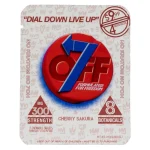
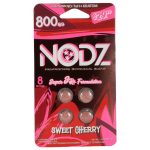
Looking for botanical tablets made without kratom or 7-OH? Shop botanicals at Poppy Lotus, including OFF7 300mg Botanical Blend Tablets 2pk, Nodz Botanical Blend Tablets 4pk, and Wingz 1200mg Tablets 6pk.
-
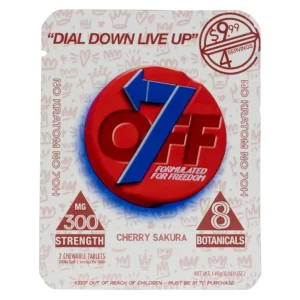 $9.99Up to 10% offView options This product has multiple variants. The options may be chosen on the product page
-
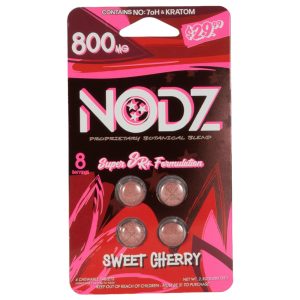 $29.99Up to 10% offView options This product has multiple variants. The options may be chosen on the product page
-
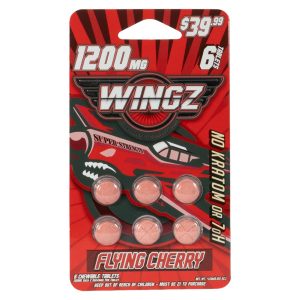 $39.99Up to 10% offView options This product has multiple variants. The options may be chosen on the product page
Real-World Data: Overdoses and Deaths Linked to 7-OH
Formal research on 7-OH toxicity is still catching up, but public health departments and poison centers have documented serious harm.
The Los Angeles County Department of Public Health reported six fatal overdoses linked to concentrated 7-OH products between April and October 2025. By late 2026, the Los Angeles County Sheriff’s Department documented at least 10 overdose deaths within a 12-month window. Victims were often aged 18 to 40, and alcohol or other substances were frequently present alongside 7-OH.
These numbers are likely undercounts. Many toxicology panels historically lacked the standards needed to detect 7-OH specifically. Cases labeled generically as “kratom” deaths may have involved highly concentrated 7-OH formulations that were never tested for. As testing capacity improves, the documented toll will likely rise. Even the current cluster of fatalities in a single county is enough for serious concern from any public safety perspective.
What To Do If You Think Someone Is Overdosing on 7-OH
A 7-OH overdose is a medical emergency. What bystanders do in the first minutes determines whether someone survives.
Call 911 immediately if breathing is slow, irregular, or stopped, or if the person cannot be woken. Tell the dispatcher you suspect an opioid overdose.
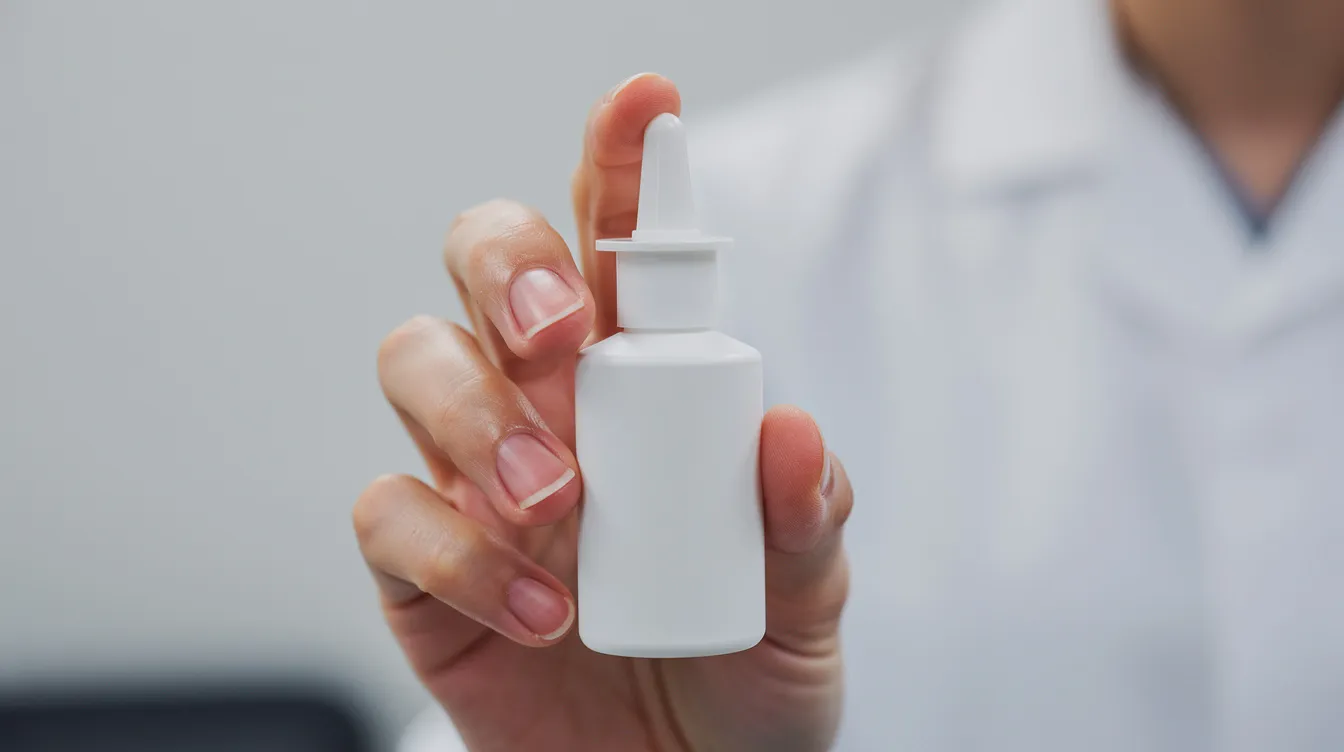
Administer naloxone if available. Naloxone can reverse a 7-OH overdose the same way it reverses other opioid overdoses. Follow the package directions: typically one nasal spray into one nostril, repeated in two to three minutes if there is no response. Because 7-OH can be long-acting, multiple doses of naloxone may be needed.
Support breathing. If you are trained, give rescue breaths. Place the person on their side (recovery position) if they are breathing but unresponsive, to prevent choking.
Stay with the person until paramedics arrive. Monitor breathing and be ready to give additional naloxone if they worsen.
Good Samaritan laws in many U.S. states protect people who call for help during an overdose, even if illicit drugs are present. Bring or keep any packaging from 7-OH or other substances so emergency department staff know what was taken.
You can carry naloxone without a prescription in most states. It is available at most pharmacies, through harm-reduction programs, and at some community health centers.
7-OH, Tolerance, and Withdrawal Symptoms
Regular use of 7-hydroxymitragynine can lead to tolerance and physical dependence in a matter of weeks. Tolerance means needing more 7-OH to get the same effect, which pushes people toward higher, riskier doses.
When a person who is physically dependent stops taking 7-OH, opioid withdrawal begins. Withdrawal symptoms resemble those of prescription opioid withdrawal:
Muscle and body aches
Restlessness, anxiety, and irritability
Insomnia
Sweating, chills, and goosebumps
Nausea, diarrhea, and abdominal cramps
Strong cravings for 7-OH or other opioids
Withdrawal from 7-OH can last up to three weeks, though the worst physical symptoms typically peak within the first several days. Insomnia, anxiety, and cravings often linger longer.
People sometimes take more 7-OH specifically to avoid withdrawal, which creates a cycle that pushes doses upward and increases overdose risk. If legal changes or a local crackdown on gas-station opioids cause a user to lose access abruptly, they may face severe withdrawal without medical support, or turn to other substances, including illicit drugs or street opioids, to manage opioid withdrawal.
If you are experiencing escalating use or withdrawal symptoms, treat this as a medical issue, not a personal failure.
Who Is at Highest Risk for a 7-OH Overdose?
Anyone can overdose on 7-OH, including first-time users. Certain patterns raise the risk:
Daily or heavy users of concentrated 7-OH products, who may be building tolerance but still face respiratory depression at higher doses
People mixing 7-OH with alcohol, benzodiazepines, sleep medications, or other opioids, which compounds respiratory depression
People with low opioid tolerance, including those new to opioid use or returning after a period of abstinence (such as after leaving residential treatment or jail)
Individuals with underlying lung disease, sleep apnea, or heart problems
People using alone, where no one can notice overdose signs or administer naloxone
Young adults who view gas-station or online 7-OH products as “safer than pills” may take large first doses without understanding the risk. A substance does not need to come in a prescription bottle to cause a fatal opioid overdose.
For anyone who uses despite the risks: never use alone, avoid mixing depressants, start with the smallest possible amount, wait before re-dosing, and keep naloxone nearby.
7-OH, Opioid Use Disorder, and Treatment Options
Repeated 7-OH use can meet clinical criteria for opioid use disorder because it activates the same receptors as prescription and illicit opioids. 7-OH dependence can be treated like opioid use disorder using the same evidence-based approaches.
OUD related to 7-OH shows up in everyday life as: needing more over time, spending increasing time and money obtaining it, failed attempts to cut down, continuing use despite health or relationship consequences, and experiencing withdrawal symptoms when stopping. These are hallmarks of substance use disorder, not weakness.
Treatment options include:
Medications: Buprenorphine can treat 7-OH dependence effectively by stabilizing opioid receptors, reducing cravings, and lowering overdose risk. Buprenorphine-naloxone (Suboxone) and methadone are both used to manage opioid withdrawal and reduce cravings in opioid addiction treatment.
Counseling and therapy: Cognitive behavioral therapy (CBT) and motivational interviewing address habits, triggers, and co-occurring mental health conditions.
Support groups and harm-reduction services: Peer support, naloxone distribution, and overdose-prevention education. Treatment includes medication, support groups, and telehealth; care can happen in person or remotely.
Resources like the SAMHSA National Helpline (1-800-662-4357) connect callers with local treatment referrals. The National Institute on Drug Abuse also maintains directories for substance use and drug abuse treatment. If you have survived a near-overdose or feel unable to stop using 7-OH, speak with a clinician about structured treatment rather than attempting to quit alone.
Legal and Public-Health Context Around 7-OH
Laws around 7-OH are shifting rapidly. The DEA plans to classify 7-OH as a Schedule I drug, a classification that could take effect as early as August 5, 2026. This classification places 7-OH alongside heroin and LSD as a Schedule I substance with no accepted medical use. Six states have already banned concentrated 7-OH products at the state level, and local jurisdictions in California have issued their own restrictions.
The California Department of Public Health and the Los Angeles County Department of Public Health have both warned the public to avoid these products. The FDA has sent warning letters to companies selling 7-OH gummies, drinks, and powders, calling them unlawful. Despite these actions, 7-OH products remain available in many convenience stores, smoke shops, and online venues.
Legal crackdowns can abruptly cut off supply. For users who are physically dependent, sudden loss of access without medical support creates a dangerous gap. If you are using heavily, seek medical advice before quitting suddenly so a clinician can help you manage withdrawal symptoms and reduce cravings safely. Check local regulations rather than assuming a product is legal because it is openly sold. Be cautious of products labeled as “enhanced kratom,” “extract shots,” or “7 oh blend”; those terms may mask significant health risks from high 7-OH content.
Frequently Asked Questions About 7-OH Overdose
Is 7-OH safer than traditional opioids because it comes from the kratom plant?
No. “Plant-based” or “derived from kratom” does not reduce the pharmacological risk. Concentrated 7-OH behaves like a strong opioid in the body because it is one; it binds to the same mu opioid receptors as morphine and fentanyl. 7-OH can be 13 times stronger than morphine in certain animal models, and doses in commercial products are poorly standardized. Medical professionals treat a 7-OH overdose exactly like any other opioid overdose.
Can you overdose on 7-OH the first time you use it?
Yes. First-time users lack opioid tolerance, which means their respiratory system is more sensitive to suppression. Taking a high dose of a concentrated 7-OH product, combining it with alcohol or benzodiazepines, or having underlying lung or heart conditions all raise the odds of a first-use overdose. Lack of tolerance does not protect against overdose; it increases vulnerability.
Does naloxone (Narcan) always reverse a 7-OH overdose?
Naloxone typically reverses 7-OH-induced respiratory depression, but multiple doses may be needed because 7-OH can be long-acting. If other drugs are on board (fentanyl, benzos, alcohol), naloxone may only partially improve symptoms, so emergency care is still required. Never skip naloxone because you worry it will not work; even partial reversal of an opioid overdose can keep someone alive until paramedics arrive.
How long do 7-OH withdrawal symptoms last?
Mild withdrawal can begin within 12 to 24 hours after the last dose and peak over three to five days. Some symptoms, including insomnia, anxiety, and cravings, can persist for weeks. Duration depends on dose, frequency, length of use, and individual health. Seek medical care rather than attempting to detox from heavy 7-OH use alone; medically supported withdrawal reduces relapse and overdose risk.
Is there any way to use 7-OH “safely” and avoid overdose?
No use of concentrated 7-OH is risk-free. Many public health agencies advise avoiding these products entirely. For those who choose to use despite the warnings: avoid mixing with alcohol, benzos, or other opioids; do not use alone; have someone present who can call for help and administer naloxone; start with the smallest possible amount; and wait before re-dosing. The safest choice remains skipping concentrated 7-OH products altogether. If you are using 7-OH to manage pain or avoid opioid withdrawal, talk with a clinician about safer, supervised treatment options that carry lower risk of weight loss, adverse effects, and fatal overdose.