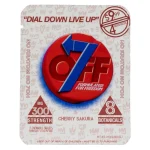
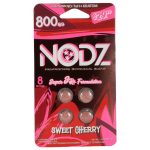
7-OH
7-OH vs Kanna: How Concentrated 7‑Hydroxymitragynine Compares to Kanna in 2026
Two substances that keep showing up in the same online conversations-concentrated 7-OH and kanna-are fundamentally different in chemistry, risk, and what they actually do inside your body. This article breaks down the 7 OH vs kanna comparison with current research, real safety data, and practical guidance so you can make informed decisions rather than relying…

Two substances that keep showing up in the same online conversations-concentrated 7-OH and kanna-are fundamentally different in chemistry, risk, and what they actually do inside your body. This article breaks down the 7 OH vs kanna comparison with current research, real safety data, and practical guidance so you can make informed decisions rather than relying on marketing claims or forum anecdotes.
This is not medical advice. If you’re struggling with dependence on any substance, please consult a qualified clinician.
Key Takeaways
Concentrated 7-OH is a highly potent compound that activates mu opioid receptors and behaves pharmacologically like a strong opioid, carrying serious risks of physical dependence, respiratory depression, and overdose. Kanna is a serotonergic botanical that modulates mood through completely different brain pathways.
The potency gap between regular kratom leaf and concentrated 7-OH is enormous-7-OH is approximately 13 times more potent than morphine by weight, which means even small dosing errors can be dangerous.
Kanna has not been proven in any clinical trial to treat opioid withdrawal symptoms, opioid use disorder, or dependence on 7-OH or other opioids. Switching from 7-OH to kanna does not reverse the opioid receptor changes driving withdrawal.
Anyone who is already physically dependent on concentrated 7-OH or other opioids should explore evidence-based treatment options-including medication-assisted treatment-rather than self-switching to kanna or other botanicals.
Both substances are sold in modern forms far more concentrated than their traditional plant origins, and “natural” on a label does not make either product equivalent or safe.

7-OH vs Kanna in One Glance
Before diving into the details, here’s a high-level snapshot. Concentrated 7-OH is a kratom-linked opioid compound. Kanna is a non-opioid mood botanical. They share shelf space in smoke shops and online stores, but that’s roughly where the similarities end.
Category | Concentrated 7-OH | Kanna |
|---|---|---|
Plant source | Kratom plant (Mitragyna speciosa), native to Southeast Asia | Sceletium tortuosum, succulent native to South Africa |
Main active compound | 7-hydroxymitragynine (semi-synthetic or lab-concentrated) | Mesembrine-type alkaloids (mesembrine, mesembrenone, mesembrenol) |
Primary receptor targets | Mu opioid receptors (opioid agonist) | Serotonin transporter (SERT inhibitor) + PDE4 |
Typical product forms | Tablets, gummies, liquid shots, powdered extracts | Capsules, sublingual powder, standardized extract, teas, tinctures |
Main sought-after effects | Strong analgesia, euphoria, sedation | Mild mood lift, reduced anxiety, sociability |
Physical dependence risk | High-classic opioid receptor dependence with withdrawal | Low documented physical dependence; psychological reliance possible |
Respiratory depression risk | Significant, especially combined with other substances | Minimal to none in documented use |
Legal status (late 2026) | DEA proposing Schedule I for concentrated forms; several state bans | Generally unscheduled; sold as dietary supplement |
Replacement for the other? | No. Kanna is not a pharmacological substitute for 7-OH or any opioid | No. 7-OH is not a substitute for kanna’s serotonergic effects |
What Exactly Is 7‑OH (7‑Hydroxymitragynine)?
7-hydroxymitragynine-commonly shortened to 7-OH-is a minor alkaloid that occurs naturally in the kratom plant (Mitragyna speciosa). In natural kratom leaf, it’s a trace compound: 7-hydroxymitragynine makes up less than 0.05% of dried kratom leaf. Most of kratom’s opioid-like effects actually come from the body metabolizing mitragynine-the dominant kratom alkaloid-into 7-OH inside the liver, not from directly ingesting large amounts of 7-OH.
What’s changed in recent years is the commercial production of concentrated 7-OH products. These are typically made by chemically oxidizing mitragynine, producing a semi-synthetic compound derived from kratom that contains 7-OH concentrations far above anything found in regular kratom leaf. The result is tablets, shots, gummies, and liquid kratom extracts with milligram-level 7-OH content-products that behave nothing like traditional leaf.
7-OH is a metabolite of mitragynine, the main kratom alkaloid, but once isolated and concentrated, it becomes a potent mu opioid receptor agonist. Animal data consistently show that 7-OH is approximately 13 times more potent than morphine by weight. That potency explains why concentrated 7-OH can cause addiction and withdrawal symptoms far more rapidly than natural kratom products.
Although marketers often label these items as “enhanced kratom” or “kratom products,” they are chemically closer to potent classical opioids than to traditional kratom leaf tea or powder. That distinction matters enormously for safety.
What Is Kanna (Sceletium tortuosum)?
Kanna is a succulent plant native to South Africa, with a long ethnobotanical history. Kanna has been traditionally used by indigenous South African peoples for centuries-the San and Khoikhoi fermented and chewed the dried plant (called kougoed) for mood elevation, stress relief, hunger suppression, and social ease.
The active compounds in kanna are mesembrine-type alkaloids: mesembrine, mesembrenone, mesembrenol, and others. Kanna acts primarily as a serotonin reuptake inhibitor, blocking the serotonin transporter (SERT) and also weakly inhibiting phosphodiesterase type 4 (PDE4). Through these mechanisms, kanna contains compounds that modulate serotonin levels, enhancing emotional well-being and stress resilience rather than producing opioid-like effects. Kanna can promote mood elevation and reduce anxiety, but these effects are modest compared to the intensity of opioid agonism.
Modern kanna preparations include dried herb, 10:1 or 20:1 extracts, standardized sceletium tortuosum extract products (like Zembrin®), sublingual powders, capsules, and beverages marketed for “calm focus” or “social lift.” A standardized extract like Zembrin has been tested in small clinical trials at doses of 8–25 mg daily.
Kanna is psychoactive, but it is not an opioid. Its core pharmacology is serotonergic-it does not engage the same receptors that concentrated 7-OH targets. Clinical research on kanna remains limited to small, short-term trials using standardized extracts, not the high-potency recreational products increasingly sold online.
Chemistry and Mechanism: Opioid vs Serotonin Pathways
Understanding which receptors a substance targets is the single most important factor when comparing 7-OH and kanna. These two compounds work on entirely different neurological systems, and that difference shapes every aspect of their risk profiles.
7-OH: Mu-Opioid Receptor Activation
7-OH acts primarily as a mu-opioid receptor partial agonist, though with high enough potency to produce effects that mirror full opioid agonism at relevant doses. It delivers stronger receptor activation than mitragynine and drives opioid-like analgesia, euphoria, sedation, and-at higher exposures-respiratory depression. Animal studies show that 7-OH can reduce breathing volume at doses roughly 4.5 times more potent than morphine. Mitragynine itself has low oral bioavailability of 20–30% in rats, and mitragynine is converted to 7-OH by CYP3A4 in the liver, meaning concentrated 7-OH bypasses this bottleneck entirely and delivers potent opioid activity directly.
Kanna: Serotonin and PDE4 Modulation
Kanna’s mesembrine alkaloids inhibit serotonin reuptake (SERT Ki ≈ 1.4 nM for mesembrine) and modulate PDE4-an enzyme involved in intracellular cAMP signaling. The downstream effects resemble those of mild antidepressants: changes in mood, stress reactivity, and cognitive-emotional processing. Kanna does not bind to or activate mu opioid receptors.
Key implications of this receptor mismatch:
Because they act on different systems (opioid vs serotonin), kanna cannot pharmacologically “fill in” for 7-OH during opioid withdrawal. The receptors driving withdrawal symptoms are simply not addressed by kanna’s mechanism.
Stopping concentrated 7-OH after repeated use triggers classic opioid withdrawal symptoms-restlessness, muscle pain, insomnia, cravings-because opioid receptors have adapted to the drug. Stopping kanna after regular use has lower documented risk of physical withdrawal, though psychological reliance and habituation can develop.

How Concentrated 7‑OH Differs from Regular Kratom Leaf
While 7-OH originates from the same plant, concentrated 7-OH products are drastically different from traditional kratom leaf in dose, onset, and risk.
Natural kratom leaf is a broad-alkaloid mixture dominated by mitragynine, which constitutes 1–2% of dry kratom leaf mass. Traditional leaf also contains dozens of other kratom alkaloids and opioid active alkaloids, but only trace 7-OH. Kratom primarily acts as a stimulant at low doses and a sedative or analgesic at higher doses. Traditional kratom products-teas, powders, and capsules made from raw leaf-deliver a complex pharmacological profile that is distinct from isolated alkaloids.
The potency gap between regular kratom leaf and concentrated 7-OH is staggering. Concentrated 7-OH products can contain hundreds of times more 7-OH per gram than natural kratom leaf, converting what was once a trace metabolite into the dominant active compound. 7-OH is approximately 10 times more potent than mitragynine and roughly 13 times more potent than morphine, meaning these products behave more like potent opioids than like a cup of kratom tea.
Both kratom leaf’s mixed-alkaloid profile and its partial agonist characteristics generally produce a slower build toward dependence. Direct 7-OH exposure, by contrast, can accelerate tolerance and physical dependence within days to weeks. 7-OH products can lead to faster dependence than kratom because users are exposed to concentrated opioid-active material from the first dose.
Product labeling can obscure this reality. Terms like “enhanced,” “7-OH tablets,” or “fortified kratom shots” can hide the fact that the product behaves more like a potent opioid than like regular kratom powder. Both kratom users and newcomers deserve to know the difference.
The “Potency Gap” and Why It Matters for Risk
The potency gap between regular kratom and concentrated 7-OH is not an abstract pharmacological detail-it directly determines how likely someone is to develop dependence, experience overdose, or suffer severe respiratory depression.
In preclinical work, 7-OH has been estimated at a morphine milligram equivalent (MME) of approximately 4.3, meaning each milligram carries over four times morphine’s effect. Some assays place potency even higher. By contrast, mitragynine’s MME is roughly 0.13-orders of magnitude lower.
Higher potency means that smaller dosing errors-a half-tablet too many, a double shot instead of a single-can push someone into overdose-like toxicity. 7-OH can lead to severe respiratory depression or death, especially when combined with alcohol, benzodiazepines, or other CNS depressants.
7-OH products can lead to tolerance and cravings rapidly because mu opioid receptors downregulate quickly under sustained high-potency stimulation.
Kanna’s “potency” is better understood in relation to mood and anxiety modulation, not respiratory suppression. Documented physical withdrawal from kanna is rare. But weaker opioid-style risk does not make kanna universally safe. Kanna can interact with serotonergic medications, posing a risk of serotonin syndrome-a potentially life-threatening condition-especially when combined with SSRIs, SNRIs, or MAOIs. Combining kanna with other drugs without medical guidance introduces its own set of dangers.
Subjective Effects: How 7‑OH Feels vs How Kanna Feels
Individual responses vary, but clear patterns emerge from reports and early studies.
Concentrated 7-OH produces typical opioid-like effects: strong analgesia and pain relief, warmth, heavy limbs, euphoria, and “nodding.” At a high dose, users report pronounced sedation and visibly slowed breathing-opioid like effects that are more intense and focused than what regular kratom delivers. These psychoactive effects come with classic opioid after-effects: next-day fatigue, strong cravings between multiple doses, and in regular users, withdrawal symptoms that escalate with continued use.
Kanna tends to produce a different experiential profile: mild-to-moderate mood lift, reduced social anxiety, increased talkativeness, and a sense of mental relaxation paired with light alertness rather than heavy sedation. Users of kanna at low doses often describe a subtle “social tone” or emotional openness. Kanna is generally considered non-addictive with a mild side effect profile, and after-effects tend toward subtle mood afterglow or mild fatigue rather than opioid withdrawal patterns.
A cautionary note: stacking 7-OH and kanna to “balance” effects is experimental and potentially dangerous. This combination layers opioid modulation on top of serotonergic modulation with unknown interaction risks-especially for anyone also taking other substances or prescription medications.
Physical Dependence, Withdrawal, and Opioid Use Disorder
Physical dependence means your body has adapted to a substance so that stopping it triggers predictable, uncomfortable symptoms. Opioid use disorder (OUD) is a clinical diagnosis based on specific clinical criteria-loss of control, cravings, continued use despite harm-applied when someone meets a threshold of these behaviors with an opioid substance.
Repeated concentrated 7-OH exposure can cause users to become physically dependent, with withdrawal symptoms closely mirroring other classical opioids:
Restlessness and insomnia
Muscle pain and body aches
Chills and sweating
Diarrhea and GI distress
Intense cravings
Withdrawal from 7-OH can last up to three weeks, with the acute phase typically being the most intense in the first several days. 7-OH can lead to opioid use disorder symptoms that meet the same clinical criteria as substance use disorder diagnoses for other opioids. Because of its mu opioid receptor activity, 7-OH addiction is clinically categorized as an opioid use disorder-it activates the same receptors as heroin, fentanyl, and prescription painkillers.
Kanna, by contrast, does not produce a consistent opioid-like physical withdrawal syndrome based on current evidence. Psychological dependence-relying on kanna daily to face social situations or manage mood-is possible, but it is mechanistically and clinically distinct from opioid receptor dependence.
If you are experiencing clear opioid withdrawal symptoms from 7-OH or other opioids, do not rely on kanna as self-treatment. Evidence-based treatment options for opioid addiction-including medications like buprenorphine, which is itself a partial opioid agonist designed for this purpose-are available and should be discussed with a clinician.
Can Kanna Help with 7‑OH, Kratom, or Opioid Withdrawal?
There is no clinical evidence that kanna can treat withdrawal from kratom, concentrated 7-OH, or any other opioid. This needs to be stated without qualification.
The idea is tempting for understandable reasons. Kanna is marketed as a “natural mood booster” with non-opioid status, and anecdotal claims circulate in forums where kratom users and 7-OH users discuss alternatives. Combining kanna with the hope of managing opioid withdrawal makes intuitive sense on the surface-it lifts mood, so shouldn’t it help?
The problem is mechanistic. Opioid withdrawal involves specific adaptations in opioid receptors and noradrenergic overstimulation in the brain. Serotonin modulation from kanna may alter mood perception but does not reverse the underlying opioid physiology. The receptors driving kratom dependence and 7-OH cravings are not the same receptors kanna affects.
Self-experimentation-switching from concentrated 7-OH or heavy kratom leaf use directly to kanna-can mask certain symptoms temporarily while leaving opioid use disorder untreated. This is not a path to manage opioid withdrawal safely. It is a path toward relapse, unmanaged withdrawal, and delayed access to care.
If you are dealing with opioid withdrawal, discuss treatment options with a qualified clinician. Evidence-based options include buprenorphine-based medications, residential treatment programs, medical detox, and continued recovery support. These aren’t perfect, but they address the actual neurobiology of opioid dependence in ways kanna cannot.

Mental Health Considerations: Mood, Anxiety, and Co‑Occurring Conditions
Many people reach for both kratom-derived 7-OH and kanna to manage pain, anxiety, depression, or trauma without formal mental health care. That impulse is understandable, but the two substances carry very different trajectories.
Concentrated 7-OH can initially seem to “fix” mental health issues. It blunts distress, produces euphoria, and quiets anxious thinking-temporarily. But over time, the cycle of intoxication and withdrawal often worsens depression, anxiety, and sleep disruption. Tolerance builds, mood dips between doses, and the original distress returns amplified.
For kanna, evidence is mixed. Small controlled trials using a standardized extract (Zembrin® at 25 mg/day) show modest changes in stress reactivity and cognitive-emotional processing in healthy volunteers. But a broader look at the evidence reveals no robust clinical anxiety benefit for people with diagnosed disorders. Sample sizes are small, follow-up periods short, and populations limited to healthy adults.
Self-treating serious mental health conditions-major depression, PTSD, panic disorder-with kanna alone delays appropriate diagnosis and treatment, and may complicate medication regimens if kanna’s serotonergic effects interact with prescribed drugs.
A more sustainable path: talk with a mental health professional about underlying issues. Alternative and complementary medicine can play a supporting role in some cases, but cycling through kratom, 7-OH, kanna, and other substances in search of relief often deepens the problem rather than resolving it. Relapse prevention planning works better when it includes professional support, not just botanical substitution.
Product Types and Marketing: How 7‑OH and Kanna Are Sold
Both concentrated 7-OH and kanna have moved from niche botanicals to mainstream gas-station, smoke shop, and online “wellness” products. The speed of this shift has outpaced both research and regulation.
Concentrated 7-OH products include:
Single-alkaloid tablets or capsules
“7-OH kratom” liquid shots
Fortified gummies prominently advertising 7-OH milligram content
Powdered kratom extracts labeled “enhanced” or “fortified”
Kanna products include:
Capsules and loose powder (fermented or unfermented)
High-ratio extracts (10:1, 20:1, 40:1)
Tinctures and sublingual powders
Flavored drinks and multi-ingredient blends labeled “euphoric botanicals” or “social tonics”
Marketing language often overlaps: “natural,” “legal,” “relaxation,” “social lubricant.” These terms obscure the deep pharmacological differences between an opioid-like product (7-OH) and a serotonergic herbal (kanna). A “natural relaxation gummy” containing concentrated 7-OH and a “natural relaxation capsule” containing kanna extract are not in the same risk category, despite sitting on the same shelf.
Look beyond branding. Examine labels for specific active ingredients, extract ratios, and-critically-the presence of 7-OH or other kratom compounds in any product that claims both “kanna” and “kratom effects.” Some blended products combine both, which introduces the layered opioid-plus-serotonin risk discussed above.
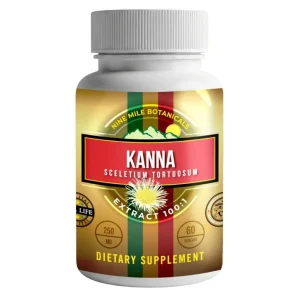
Exploring kanna formats? Shop kanna products at Poppy Lotus, including MyZen Organix Spiritual Bliss edibles, Celestial Bloom Kanna+ edibles with mushroom extracts, and Nine Mile Botanicals Kanna Extract capsules. Browse the options below to compare ingredients and pack sizes.
-
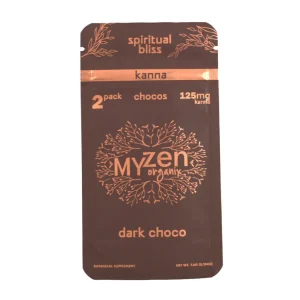 $7.99Up to 10% offView options This product has multiple variants. The options may be chosen on the product page
-
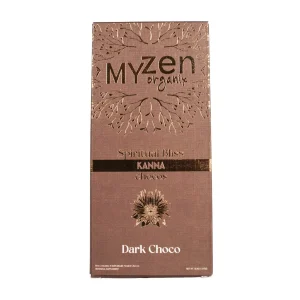 $29.99Up to 10% offView options This product has multiple variants. The options may be chosen on the product page
-
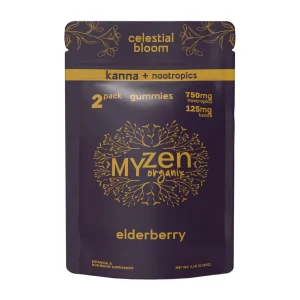 $7.99Up to 10% offView options This product has multiple variants. The options may be chosen on the product page
-
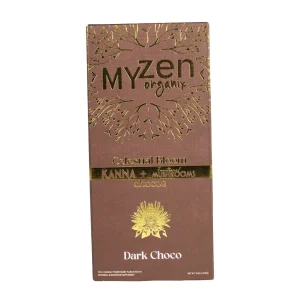 $29.99Up to 10% offView options This product has multiple variants. The options may be chosen on the product page
Safety, Side Effects, and Unknowns
Both 7-OH and kanna are active psychoactive substances with incomplete long-term safety data, especially in the highly concentrated forms now flooding the market.
Concentrated 7-OH: Known Risks
7-OH products can cause significant respiratory depression, especially in combination with other substances like alcohol, benzodiazepines, or other CNS depressants
Overdose is a documented risk-Los Angeles County reported seven overdose deaths since early 2025 tied to ingestion of 7-OH products, all in people aged 18–40
Rapid tolerance development with repeated use
Physical dependence and withdrawal after regular use
Potential for opioid use disorder meeting the same clinical criteria as other opioid addictions
Kanna: Known Side Effects and Concerns
Headache and mild GI upset are the most commonly reported adverse effects in clinical trials
Changes in sleep patterns and possible mild increases in anxiety at higher doses
Theoretical but pharmacologically logical risk of serotonin syndrome when combined with SSRIs, SNRIs, MAOIs, or other serotonergic agents
Long-term, high-dose use of non-standardized extracts has essentially no safety data
The biggest unknowns for kanna involve chronic use of concentrated extracts and combinations with other psychoactive substances-including kratom, 7-OH, cannabis, stimulants, and prescription medications. For 7-OH, the unknowns revolve around exact human dose-response curves, since nearly all potency data comes from animal models.
Practical harm-reduction points:
Do not combine kanna with prescription antidepressants without medical guidance
Do not mix concentrated 7-OH with depressants (alcohol, benzodiazepines, other opioids)
Seek emergency help immediately for severe sedation and slow breathing (possible overdose) or agitation, tremor, fever, and rigidity (possible serotonin syndrome)
Legal and Regulatory Landscape as of 2026
Kratom, concentrated 7-OH, and kanna occupy different but rapidly shifting legal categories. What was legal last year may not be legal today.
Concentrated 7-OH
7-OH products are under increasing regulatory scrutiny due to their potential for abuse. On July 1, 2026, the Drug Enforcement Administration filed a notice of intent to temporarily place concentrated 7-OH and related substances into Schedule I under the Controlled Substances Act. The DEA’s scheduling for 7-OH could take effect by August 5, 2026 for certain related compounds, with the 7-OH rule still being finalized as of late 2026. The proposed thresholds: solid products containing more than 1 mg of 7-OH per gram, or liquids above 1 mg per mL, would be classified as controlled substances.
7-OH is proposed to be classified as Schedule I by the DEA, meaning the agency considers it to have no accepted medical use and high potential for drug abuse. Seven states have already banned 7-OH along with kratom outright. Florida has enacted emergency rules requiring labeling of kratom products with specific 7-OH concentration disclosures. Kratom remains largely unregulated at the federal level while 7-OH faces increasing scrutiny-a distinction the American Kratom Association has worked to preserve by pushing for regulation of concentrated forms rather than blanket bans on traditional leaf.
Kanna
Kanna is generally not scheduled as a controlled substance in the United States and is sold as a dietary supplement or botanical product. Its legal status depends more on specific product claims and ingredient content than on the plant name itself. No federal agency has moved to restrict kanna as of late 2026.
Check up-to-date local laws before purchasing or possessing any concentrated 7-OH or kanna products, especially in jurisdictions where kratom or new psychoactive substances are under active legislative review.
Why “Natural” Doesn’t Mean “Equivalent” or “Safe”
Kratom leaf, concentrated 7-OH, and kanna are all marketed as “natural.” Yet they differ as much pharmacologically as prescription opioids differ from antidepressants.
Chemical extraction, semi-synthesis, and concentration can turn a traditional plant into a far more potent product. Concentrated 7-OH vs natural kratom leaf is the clearest example: what began as a trace compound in a traditional leaf is now isolated and amplified into a chemical rearrangement product with opioid potency exceeding morphine. 7-OH products are often marketed as “natural” alternatives even though the manufacturing process is semi-synthetic.
Kanna undergoes a similar-if less extreme-transformation when processed into high-ratio extracts. A 40:1 kanna extract pushes users well beyond doses seen in traditional kougoed practices, introducing safety questions despite the plant’s centuries-long history.
Do not equate two “natural” substances as interchangeable alternatives for managing pain, mental health, or opioid withdrawal simply because they both come from plants. Risk assessment should be based on the active compound, dose, and clinical evidence-not on whether a label says “herbal,” “botanical,” or “plant-based.”
Practical Guidance: If You’re Currently Using 7‑OH, Kratom, or Kanna
Many readers are already using one or more of these substances for pain, mood, or to cope with past opioid use. This guidance is offered without judgment.
If you’re using concentrated 7-OH or heavy kratom extracts:
Track how much you take daily and notice any withdrawal symptoms between doses-body aches, insomnia, irritability, strong cravings
Avoid combining with alcohol, benzodiazepines, or other depressants, which dramatically increase overdose risk
If cutting down feels impossible or you notice severe respiratory depression symptoms, consider consulting clinicians experienced with opioid use disorder under medical supervision
Medical detox and medication-assisted treatment (buprenorphine, methadone) are the current standards of care for people who are physically dependent on opioids
If you’re using kanna:
Monitor your frequency and dose-watch for patterns of relying on kanna to face everyday situations
Be honest with healthcare providers about all botanical and supplement use, especially if you also take psychiatric medications
Avoid high-dose extracts if you’re on antidepressants without medical guidance
Replacing concentrated 7-OH with high-dose kanna is not an evidence-based taper. For people physically dependent on opioids, professional support is essential. Integrating mental health care-therapy, support groups, psychiatric evaluation-provides a more sustainable foundation than repeatedly substituting new botanicals to manage the same persistent distress. Continued recovery support, including relapse prevention planning, works best with professional involvement.
Frequently Asked Questions
The questions below address common concerns about 7-OH vs kanna that weren’t fully covered above.
Is kanna safer than concentrated 7‑OH?
“Safer” depends on what risk you’re measuring. Concentrated 7-OH has clearly higher risk for opioid-style dependence, overdose, and severe respiratory depression-7-OH can lead to severe respiratory depression or death, particularly at a high dose or when mixed with other substances. Kanna has lower documented physical dependence risk but carries its own concerns: potential serotonin-related interactions, psychological reliance, and limited long-term safety data in modern concentrated forms. Neither substance has robust, long-term safety data in the high-potency commercial products now being sold.
Can I use kanna to taper off 7‑OH or kratom?
There is no clinical evidence supporting kanna as a tapering tool for kratom, concentrated 7-OH, or other opioids. Some people report subjective mood improvement, but switching from a mu opioid agonist to a serotonergic botanical does not reverse opioid receptor dependence and may lead to unmanaged withdrawal. If you want to taper, discuss structured tapering or medication-assisted treatment with a qualified clinician rather than relying solely on kanna. Trying to manage opioid withdrawal with kanna alone is not supported by science and risks leaving substance use disorder untreated.
Is it safe to combine 7‑OH and kanna in the same session?
Combining them is not well studied and carries added risk. You’re blending a partial opioid agonist with a serotonergic agent, increasing complexity and potential for adverse effects. Specific concerns include deeper sedation and overdose risk from 7-OH when cognitive judgment is impaired, plus theoretical serotonin-related issues with kanna-especially if other drugs or medications are involved. Avoid deliberate co-use, particularly if you take antidepressants, benzodiazepines, alcohol, or other CNS depressants.
Can kanna trigger serotonin syndrome, especially if I already take antidepressants?
Kanna’s mesembrine-type alkaloids inhibit the serotonin transporter, so they can add to the serotonergic burden when combined with SSRIs, SNRIs, MAOIs, or certain other drugs. Serotonin syndrome symptoms-agitation, confusion, tremor, rigidity, fever, rapid heart rate-are serious and require emergency medical care. Documented human cases involving kanna specifically are limited, but the pharmacological risk is real. Anyone on psychiatric medications should consult their prescriber before taking kanna and should not abruptly change prescribed medication to “make room” for a supplement.
Will drug tests detect 7‑OH or kanna use?
Standard workplace or probation drug screens typically do not look for kanna at all and usually do not detect 7-OH or kratom alkaloids. However, specialized toxicology tests (such as LC-MS/MS panels) can detect mitragynine and 7-OH separately if specifically ordered, often in clinical or forensic contexts. Testing capabilities vary by lab and jurisdiction. People with legal or employment concerns should not assume anonymity simply because they are using botanicals rather than scheduled controlled substances.