Kratom
Kratom Leaf vs Extract: What Label Claims Don’t Tell You
Kratom leaf powder and kratom extract both originate from the same plant, but the processing gap between them changes what you actually consume. A bag of ground leaf and a bottle of liquid extract can look equally legitimate on a shelf, yet deliver vastly different amounts of active alkaloids per serving. This guide breaks down…
Kratom leaf powder and kratom extract both originate from the same plant, but the processing gap between them changes what you actually consume. A bag of ground leaf and a bottle of liquid extract can look equally legitimate on a shelf, yet deliver vastly different amounts of active alkaloids per serving. This guide breaks down the real differences, the limits of label-based comparisons, and what to check before you buy.
Key Takeaways
-
Kratom leaf powder and kratom extract both come from Mitragyna speciosa, but extraction changes alkaloid content and makes direct gram-for-gram comparisons unreliable.
-
Kratom extract is usually stronger per gram than plain leaf powder. “Stronger” does not automatically mean better, safer, or higher quality.
-
Labels like “10x extract” or “50:1” are not standardized; alkaloid content (especially mitragynine and 7-OH) and third-party testing matter far more than marketing ratios.
-
Users prepare and consume leaf powder (tea, toss and wash technique) differently from extract products (shots, enhanced powders, concentrated products), which changes onset and intensity.
-
Poppy Lotus offers educational guidance for comparing formats but does not currently stock kratom; apply these principles wherever you shop.
What Kratom Leaf and Extract Actually Are
People searching “kratom extract vs powder” usually want a straight answer about strength and value. The answer depends on understanding what each product actually contains and how processing changes chemistry.
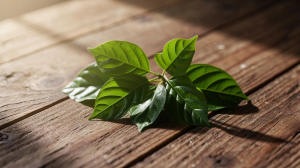
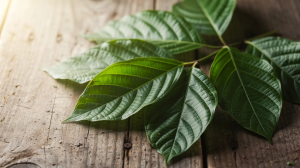
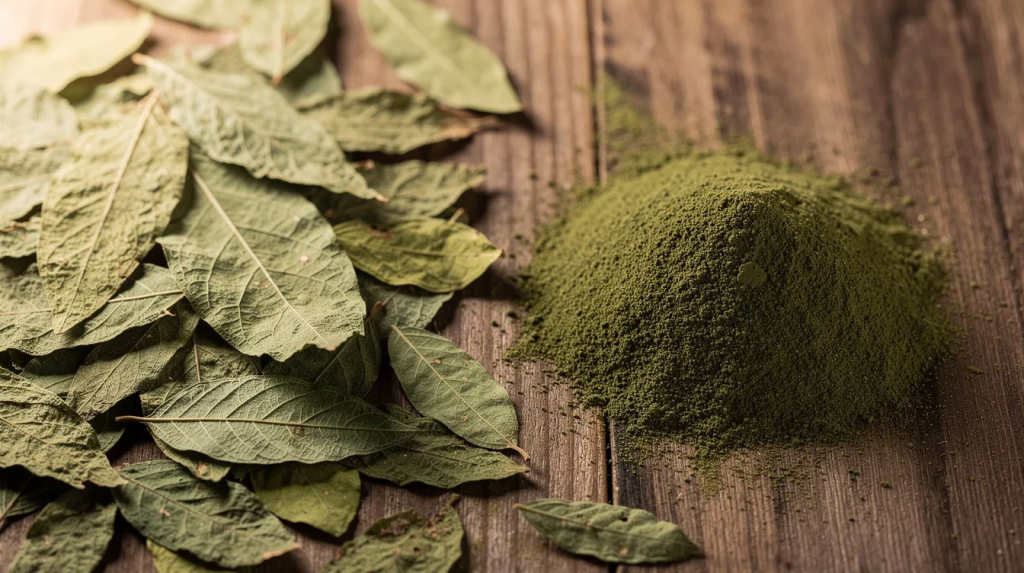
Kratom leaf consists of the harvested leaves of the Mitragyna speciosa tree, a tropical tree in the coffee family native to Southeast Asia. Traditional use in countries like Indonesia, Thailand, and Malaysia involves chewing fresh kratom leaves or brewing tea from dried leaf material. Kratom powder is made by drying and grinding leaves into a fine powder, with all plant material and naturally occurring kratom alkaloids intact. No intentional concentration happens during this step.
Kratom extract is a different product category. It is produced by boiling and refining kratom leaves (or powder) using water, alcohol, or food-safe acids, filtering out plant solids, and reducing the liquid to concentrate the alkaloids into a more concentrated form. The final product can be a resin, a liquid, or an extract powder.
Both forms may be sold as loose powder, in kratom capsules, or as pre-mixed drinks. “Capsule” or “powder” on the label does not automatically tell you whether it is leaf or extract.
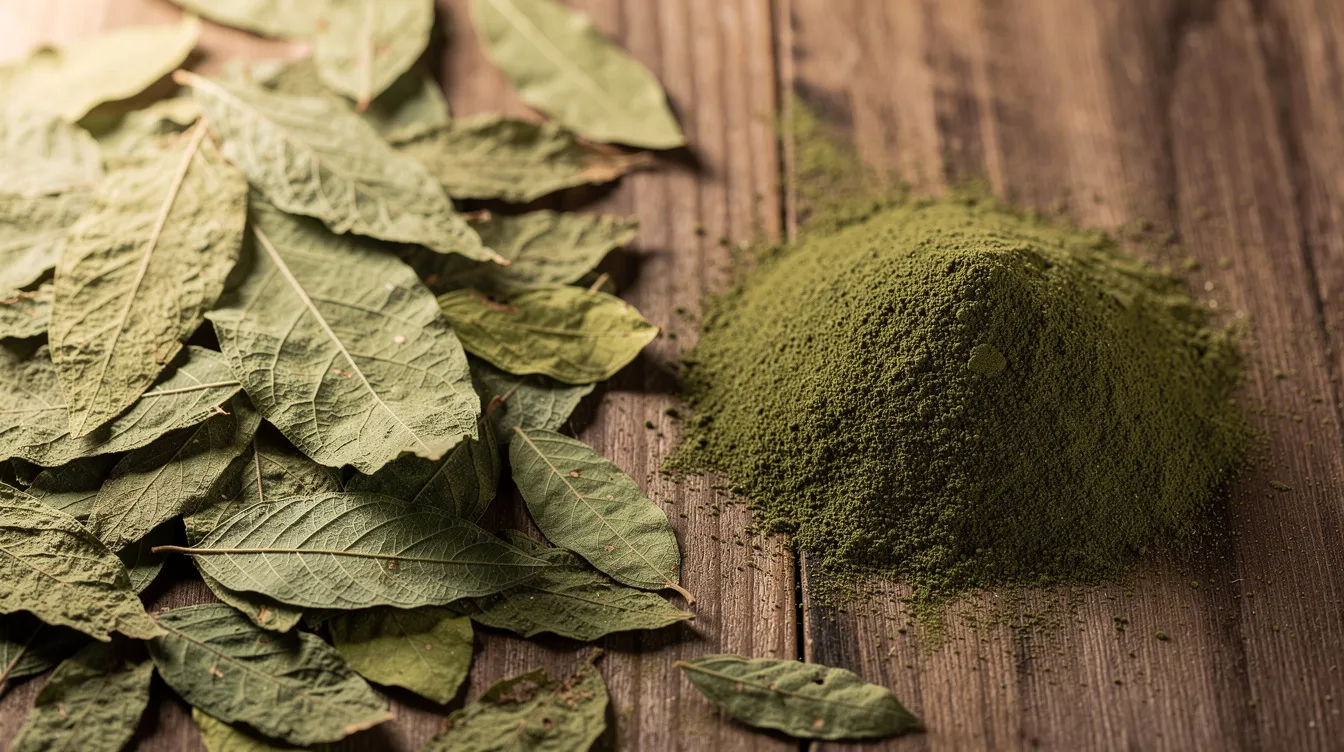
Kratom Powder: Plain Leaf in Its Most Common Form
Kratom powder is the baseline most people use for comparing other kratom products. It is ground kratom leaf with nothing added or removed. Traditional kratom powder retains the full alkaloid profile of the leaf, giving it a potency that ranges from mild to moderate per gram.
Plain leaf powder contains the full spectrum of kratom alkaloids, including mitragynine, paynantheine, speciogynine, and naturally low levels of 7-OH (7-hydroxymitragynine). Kratom leaf contains a broad, natural matrix of dozens of plant alkaloids. Kratom powder retains the full alkaloid profile of the leaf, which is why many describe it as a “full-spectrum” experience.
Popular formats for regular kratom powder include loose powder sold by weight, crushed whole leaf for brewing tea, and kratom capsules filled with unaltered ground leaf. Preparation is straightforward: the toss and wash technique (placing powder in the mouth and washing it down with water), mixing into juice or smoothies, or brewing tea and straining the plant material. Kratom powder has a slower onset of 30 to 45 minutes, and effects build gradually. Kratom leaf typically has a slower onset because the body must break down the raw powder and plant fiber before absorbing the active alkaloids.
What Is Kratom Extract? (And Why “Extract” Can Mean Many Things)
Kratom extract is any preparation where leaf material is processed to increase alkaloid content relative to dry plant weight. Kratom extract undergoes additional processing to isolate compounds, and the extraction process can alter the alkaloid profile of kratom in the final product.
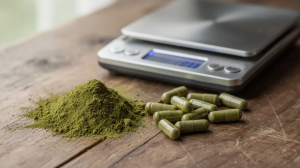
Kratom extract powder starts as raw material (leaf or powder form), is steeped or boiled in a solvent, filtered, and concentrated to create a denser material with higher alkaloid content per gram. Extracts can appear as thick resin, dark paste, liquid shots, tinctures, softgels, or extract powder blended into other products including gummies and “enhanced” capsules.
Kratom extract products are not chemically uniform. One brand’s 10x extract can have a very different mitragynine and 7-OH profile than another brand’s 10x. Some extracts try to preserve the natural leaf balance of kratom alkaloids (full-spectrum), while others chase maximum potency and alter the ratio between mitragynine and 7-OH. That distinction matters for both effects and safety.
How Kratom Extracts Are Made: From Leaf to Concentrated Products
The extraction method shapes final alkaloid content and how the product feels in use. Different strains and batches of raw leaf produce different starting chemistry, which carries through to the extract.
The basic steps:
-
Start with plain kratom powder or crushed leaf.
-
Simmer or soak the plant material in water and/or food-grade solvents.
-
Filter away plant solids.
-
Evaporate the liquid to concentrate the alkaloids.
The concentrated material can then be left as a resin or paste, dried into extract powder, dissolved into a liquid base for bottled kratom shots or tinctures, or measured into capsules as a potent fill.
Producers often describe extracts using “mitragynine percentage” or “mg mitragynine per serving” because those figures are more concrete than vague strength claims. Different processes change the spectrum of other alkaloids that survive: some extraction methods keep more of the minor alkaloids (paynantheine, speciociliatine), while others focus almost entirely on mitragynine and related compounds. Extracts often lack the full spectrum of alkaloids found in powder.
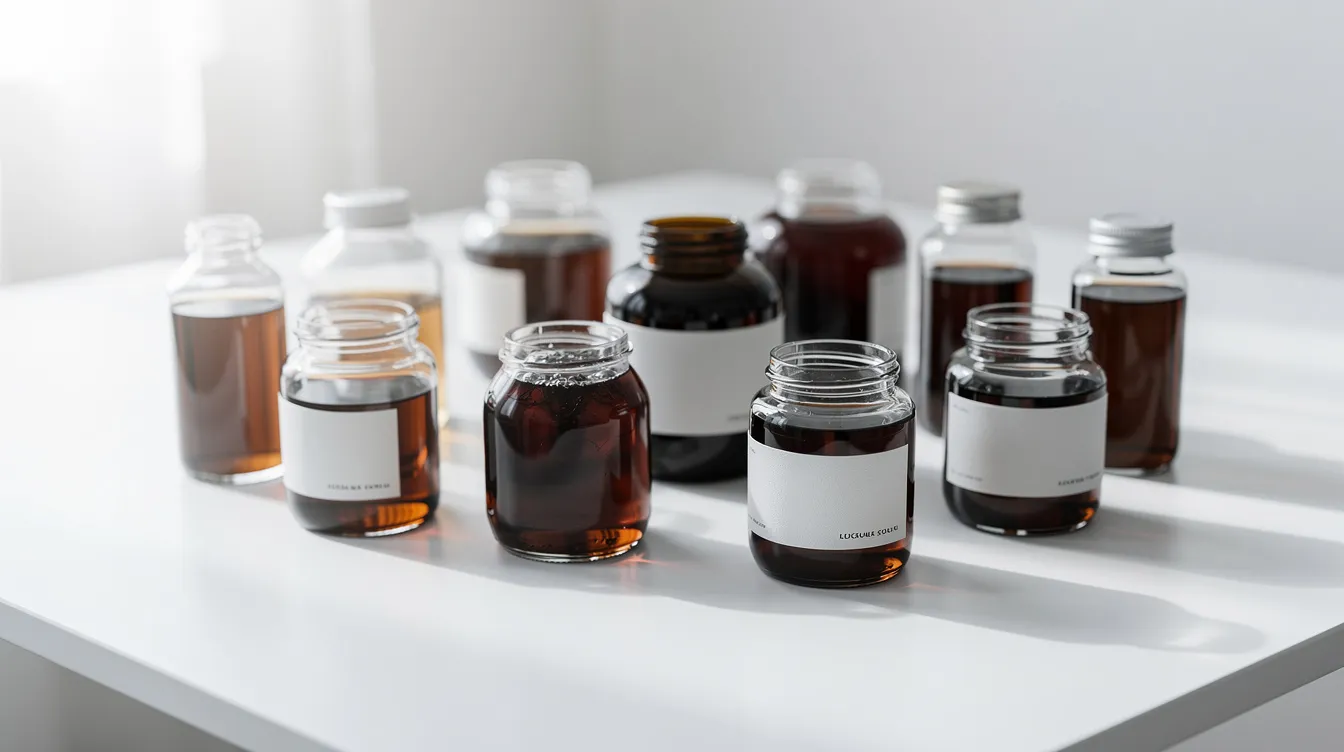
Alkaloid Content: Mitragynine, 7-OH, and Why Extracts Feel “Stronger”
Kratom alkaloids are the plant’s active compounds, and concentration is the key difference between leaf and extract, not the species itself. Both come from the same plant, the same leaf, the Mitragyna speciosa tree.
Mitragynine is the primary kratom alkaloid by weight in leaf. Kratom leaf typically has a mitragynine concentration of about 1% to 2% of dry weight, though measurements from Peninsular Malaysia found ranges of 0.38% to 1.89% (9.38 to 18.85 mg/g). 7-OH occurs naturally in much smaller amounts in plain leaf, often below 0.015 mg/g, but it is pharmacologically potent at the mu opioid receptor, which is why regulators and researchers pay close attention to it.
Kratom extracts often contain higher concentrations of active alkaloids than kratom leaf. Kratom extract is a concentrated form requiring smaller doses to deliver the same effect. In kratom resins tested in Japanese commercial products, mitragynine measured 35.6 to 62.6 mg/g, compared to 5 to 20 mg/g in typical leaf. Extract concentrates the chemistry so that a fraction of a gram can match several grams of regular powder.
Some concentrated products may be formulated with elevated 7-OH levels. Lydecker et al. found that 7-OH levels in multiple commercial products were 109% to 509% higher than expected based on natural leaf benchmarks, suggesting either deliberate enrichment or adulteration. Concentrated kratom products such as 7-hydroxymitragynine can have greater opioid-like effects. Look for clear disclosure and avoid products that hide or exaggerate 7-OH content.
Label Claims: Ratios, “x” Strength, and the Limits of Comparing by the Container
Consumers often compare kratom extract vs powder by ratio labels, price, or container size. That approach is unreliable. Common extract labels like “10x”, “20x”, or “50:1” have no industry-wide definition tying them to a specific alkaloid content.
Two 10x products can have very different mitragynine percentages, total alkaloid content, and 7-OH levels depending on starting raw material and extraction process. Comparing kratom extract powder to plain leaf powder by grams alone is equally unreliable: one gram of an extract powder might match 4 to 10 grams of leaf in mitragynine, while another might be much weaker or much stronger.
Prioritize objective label data over ratio claims:
-
mg of mitragynine per serving: the single most useful number
-
7-OH content: whether disclosed, and whether it is naturally occurring or fortified
-
Batch-specific lab report: available and matching the package
-
Ingredient list specificity: does it say “kratom leaf powder,” “kratom extract,” “mitragynine extract,” or a blend?
Treat phrases like “ultra high potency” or “super concentrate” as advertising, not measurement.
How Preparation and Use Differ: Leaf Powder vs Extract Products
Even with identical alkaloid content, preparation and route of use change how fast and how strongly kratom affects the body.
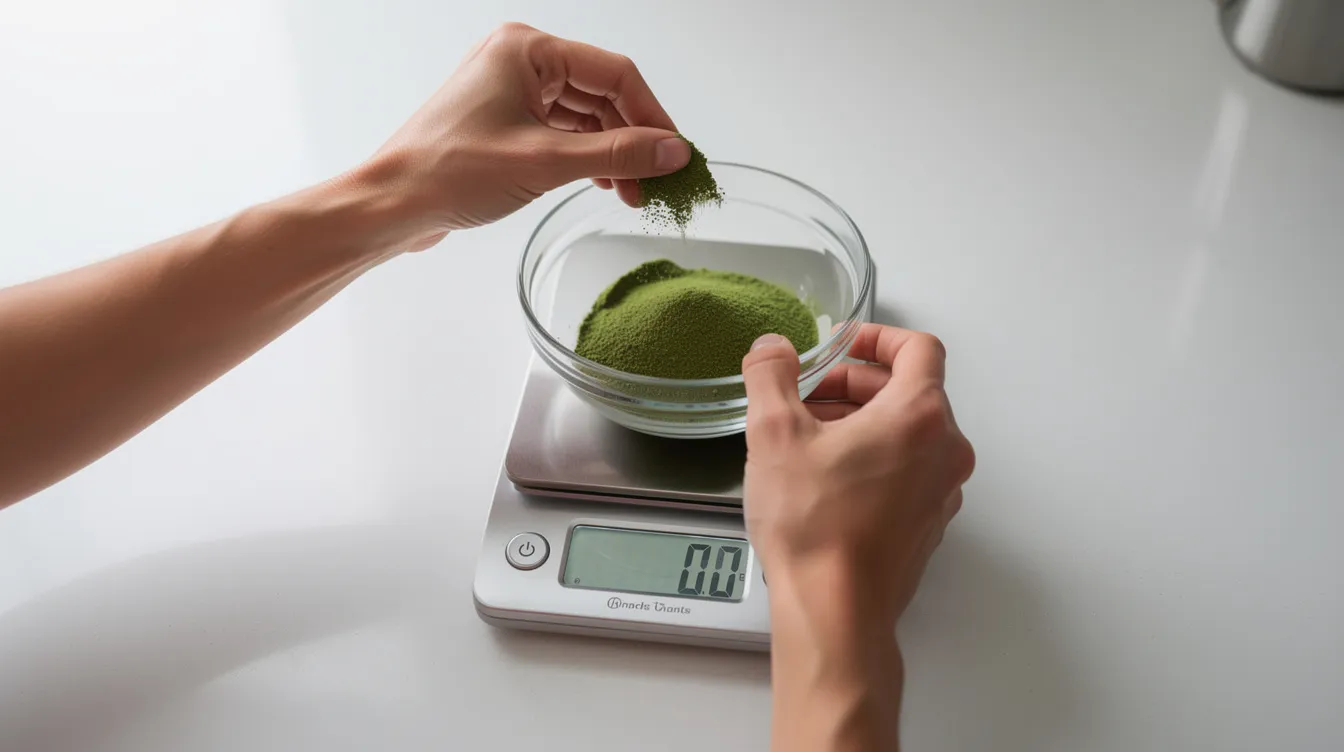
Plain leaf powder practices: users typically consume 1 to 5 grams of kratom powder per serving, weighed on a scale, mixed into water or juice, or brewed as tea with or without filtering. Kratom powder provides a full-spectrum experience with varied effects. Onset runs 30 to 45 minutes, and the broader mix of kratom alkaloids and non-alkaloid plant components tends to produce a more gradual, rounded experience.
Extract powder is often used in much smaller measured amounts (fractions of a gram), sometimes mixed into drinks or added to leaf powder as “enhanced leaf.” Because extract can deliver effects in smaller amounts than powder, the margin for overshooting a comfortable serving is narrower. Kratom extract effects can be felt in 10 to 20 minutes, which is a faster onset than any method of consuming plain leaf.
Liquid extract shots and tinctures are examples of concentrated products that can be taken quickly and absorbed faster through the gut (or partially under the tongue). They feel stronger and quicker than an equivalent total alkaloid dose from a cup of leaf tea. Because extracts are more compact and easier to consume, tolerance can rise faster if users treat them like leaf powder rather than adjusting for their higher concentration.
Is Kratom Extract Stronger? Potency, Onset, and User Experience
Most commercially marketed extracts are indeed stronger per gram than plain powder. Kratom extract is stronger than kratom powder on a weight basis. Kratom extracts can be 3 to 20 times more potent by weight than raw leaf powder, depending on the extraction method and target alkaloid.
A typical leaf powder serving runs 2 to 4 grams per use. The same total mitragynine can fit into a few hundred milligrams of extract powder or a small liquid shot. Kratom extracts provide a greater risk of overdose and rapid tolerance buildup precisely because the concentrated nature of the product compresses dosing errors into a smaller window.
Extracts often have a faster onset and a more “focused” effect profile. Kratom powder typically requires 1 to 5 grams per dose and delivers effects over a longer, gentler curve. For many people, leaf powder or leaf-filled capsules are easier to use consistently because small serving size errors with plain powder are less dramatic than with a higher potency extract.
Stronger is not always better. For anyone who uses kratom regularly, plain leaf often remains the more predictable and sustainable option for managing tolerance over time.
Choosing Between Leaf Powder, Extract, and Capsules
This section is a practical buyer’s guide focused on fit and transparency. Poppy Lotus does not currently sell kratom but can help readers think through the decision in more than one format.
When plain kratom leaf powder makes sense:
-
Learning your personal response to kratom’s effects
-
Valuing full-spectrum alkaloid content and the broader alkaloid profile
-
Wanting more forgiving dose adjustments
-
Prioritizing cost per serving (kratom leaf is generally more cost-effective than kratom extracts; per dose, powder is cheaper and easier to stretch; for daily use, powder is usually the better value)
When someone might choose kratom extract products:
-
Experienced kratom users with an established baseline
-
Occasional or travel-only use where portability matters
-
Specifically looking for compact, concentrated products with higher concentration of active alkaloids
-
Experienced users who understand that extract costs more per gram due to processing and potency, and that extract requires less product per use due to higher concentration
Kratom capsules are a format, not a strength level. They may contain plain leaf powder, extract powder, or a mix. The label should specify which. A cautious progression: start by understanding how plain leaf affects you, and only then consider carefully labeled extract powder or liquid products if there is a clear reason to do so.
Practical Label Checklist: How to Compare Real Products
Effective comparison means going beyond front-of-label phrases to the technical details. Here is what to check:
-
Identify the actual material: Does the ingredients list say “kratom leaf powder,” “kratom extract,” “mitragynine extract,” or a blend? Is the product category capsule, powder form, or liquid?
-
Look for explicit alkaloid content: mg of mitragynine per serving; any measured 7-OH content; whether 7-OH is at natural trace levels or fortified.
-
Demand independent lab reports: Certificates of Analysis listing alkaloid content, basic contaminant screening (heavy metals, microbial contamination), and batch numbers matching the package.
-
Be skeptical of products that:
-
Use only marketing terms like “max potency” or “super concentrate”
-
Advertise 7-OH without context or batch data
-
Omit ingredient and alkaloid details, especially in high-priced shots or extract powder
-
The same scrutiny applies whether you are evaluating white kratom, different strains, or any botanical product marketed as a dietary supplement.
Responsible Use, Safety, and Regulatory Notes
Scientific and regulatory views on kratom are evolving. The FDA has not approved kratom for medical use due to health risks. No form of kratom, leaf or extract, is recognized as an approved kratom medical treatment as of 2026. Anyone with a medical condition should consult a healthcare professional before using kratom in any format.
Higher alkaloid content can increase the risk of side effects. Kratom can cause adverse effects including nausea, constipation, and dizziness. Regular consumption of kratom can lead to tolerance and dependence. Both kratom leaf and extracts can lead to physical dependence and withdrawal symptoms. Concentrated extracts, especially those with elevated 7-OH, can produce more intense effects and carry higher dependence and withdrawal risks than traditional leaf preparations.
Avoid combining kratom (in any form) with other substances that act on the central nervous system. Check current local and national laws before buying or using kratom products. As of early 2026, California prohibited manufacturing and sale of kratom-derived products with elevated 7-OH content after six overdose deaths in LA County were attributed to such products. The DEA has proposed scheduling 7-OH as a Schedule I controlled substance, and synthetic kratom alkaloids like mitragynine pseudoindoxyl are scheduled as of August 2026. Rules around concentrated products and 7-OH content are changing in several jurisdictions.
Where Poppy Lotus Fits In Your Research and Shopping Journey
Poppy Lotus does not currently sell kratom leaf, kratom extract, or kratom extract powder. This guide is for educational comparison only.
The same comparison habits, checking alkaloid content, reading ingredient lists closely, and seeking third-party lab information, apply whenever you evaluate any kratom vendor or product line. Readers who appreciate this kind of ingredient-level guidance can use Poppy Lotus as a reference point when shopping in related botanical or wellness categories, even if kratom itself is not offered.
Carry the key difference mindset forward: always ask what is leaf, what is extract, what the alkaloid content looks like, and how the extraction process changed what ended up in the bottle or bag. Understanding these details makes it easier to navigate “kratom extract vs powder” claims and to recognize when marketing doesn’t match the underlying chemistry.
FAQ
Can I compare kratom extract to powder just by looking at the ratio on the label?
Ratio labels like 10x or 50:1 are not standardized and do not guarantee the same alkaloid content across brands. The real comparison point is alkaloid content per serving, especially mitragynine (in mg) and any disclosed 7-OH, ideally backed by a batch-specific lab report. Treat ratios as rough marketing descriptions rather than precise potency measurements when comparing kratom extract vs powder.
Does higher mitragynine or alkaloid content always mean better kratom?
Higher alkaloid content means more concentrated chemistry, not automatically better quality, safety, or user experience. Some people prefer the smoother, full-spectrum feel of plain leaf powder even if a lab test shows lower mitragynine compared to an extract. Consider tolerance, frequency of use, side-effect risk, and your personal response alongside alkaloid numbers.
Are kratom capsules always weaker than kratom extract?
“Capsule” describes delivery form only. Capsules can be filled with plain leaf powder, extract powder, or a blend of both. Some capsules are marketed as high-potency extract products with far more mitragynine per capsule than a standard powder capsule. Check the ingredients and any listed alkaloid content rather than assuming capsules are mild or identical to ground leaf.
How can I tell if a product contains added or enhanced 7-OH?
Check the ingredient list and product description for references to isolated 7-OH or “enhanced” alkaloid content. Responsible brands will clarify that 7-OH is present only at natural trace levels or disclose if they have added or concentrated it. Avoid products that promote 7-OH without transparent, batch-specific testing information, given ongoing safety and regulatory concerns around this compound.
If I switch from extract back to plain leaf, will I need more powder to feel anything?
Many people who use strong extracts for a period notice higher tolerance and find that their old leaf powder serving sizes feel weaker. Tolerance reflects total alkaloid exposure over time, not just which format was used. Anyone stepping down from extract to leaf should adjust expectations and consider reducing overall frequency to let tolerance recalibrate.