Corydalis
Corydalis yanhusuo (Rhizoma Corydalis): Uses, Extracts, Benefits and Safety
Corydalis yanhusuo is one of the more pharmacologically interesting herbs in traditional Chinese medicine, with centuries of use for pain relief and a growing body of modern pharmacological research exploring its alkaloid-rich chemistry. But the distance between “interesting preclinical data” and “proven treatment” remains significant, and that gap is exactly where informed decision-making matters most….
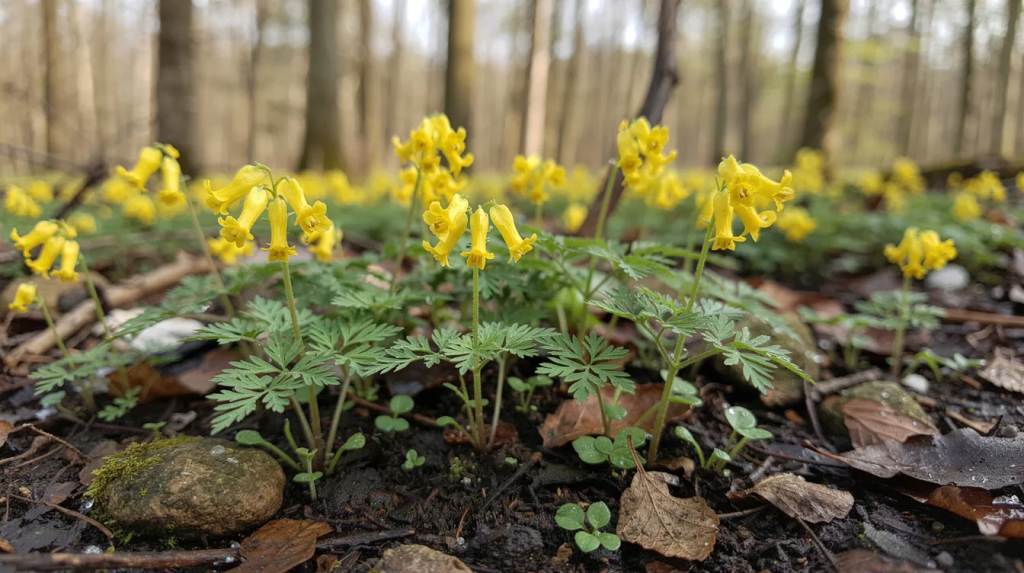
Corydalis yanhusuo is one of the more pharmacologically interesting herbs in traditional Chinese medicine, with centuries of use for pain relief and a growing body of modern pharmacological research exploring its alkaloid-rich chemistry. But the distance between “interesting preclinical data” and “proven treatment” remains significant, and that gap is exactly where informed decision-making matters most.
This guide covers what the science actually says, what remains uncertain, and what you need to know about safety, quality, and responsible use.
Key Takeaways
Corydalis yanhusuo is a perennial herbaceous plant in the poppy family used for centuries in traditional Chinese medicine, primarily for pain management and central nervous system support. Most of its evidence base comes from animal studies and early human research rather than large clinical trials.
“Rhizoma Corydalis” refers to the dried tuber/rhizome of Corydalis yanhusuo. Preparations range from whole crude herb decoctions to standardized extracts to isolated compounds like tetrahydropalmatine (THP), and these are not interchangeable in terms of dose, effect, or safety.
Modern pharmacological research focuses on more than 80 identified alkaloid chemical compounds and their potential pharmacological effects on the nervous system, including analgesic and sedative effects, as well as anti-inflammatory properties. However, high-quality human trials remain limited.
Safety uncertainties are real: variable product quality among dietary supplements, possible liver damage and heart rhythm changes, pregnancy cautions, and interactions with CNS-active prescription drugs all warrant treating this herb as a potent botanical agent rather than a casual supplement.
Poppy Lotus does not currently offer Corydalis yanhusuo products. If you are comparing herbal options or researching alternatives for relaxation or pain-related discomfort, you are welcome to review other botanicals available in the shop.
1. What Is Corydalis yanhusuo?
Corydalis yanhusuo (延胡索, yan hu suo) is a perennial herb belonging to the poppy family (Papaveraceae), native to East Asia and cultivated primarily in Chinese provinces such as Zhejiang, Jiangxi, and Anhui. It is a flowering plant that produces small yellow blooms and develops an underground tuber-the part that has been used medicinally for over a thousand years.
Corydalis yanhusuo has been used in traditional Chinese medicine for centuries, with recorded applications dating to the Northern and Southern Dynasties period (approximately 600–900 AD). It is important to understand that “Corydalis” is a large genus containing hundreds of plant species, but this article focuses exclusively on C. yanhusuo. Findings from other Corydalis species such as C. ambigua or C. turtschaninovii should not be assumed to apply identically.
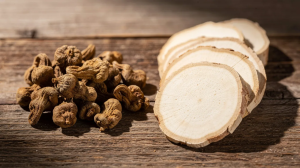
The primary medicinal part of Corydalis yanhusuo is its dried tuber, traditionally processed and sold under the pharmacopeial name Rhizoma Corydalis. Typical traditional indications include headache, menstrual pain, abdominal pain and epigastric discomfort, traumatic injury, chest pain, and certain types of insomnia linked to pain.
In Western markets, Corydalis yanhusuo is available as capsules, tablets, powders, and extracts, usually marketed as dietary supplements. Regulatory status varies considerably by country.
2. Rhizome, Root and “Rhizoma Corydalis” – Terminology Explained
If you have searched for this herb online, you have probably encountered conflicting terminology. Here is a quick clarification:
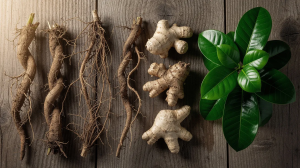
Rhizome: a horizontal underground stem that produces roots and shoots
Tuber: a thickened underground storage structure
Root: the absorbing organ of a plant
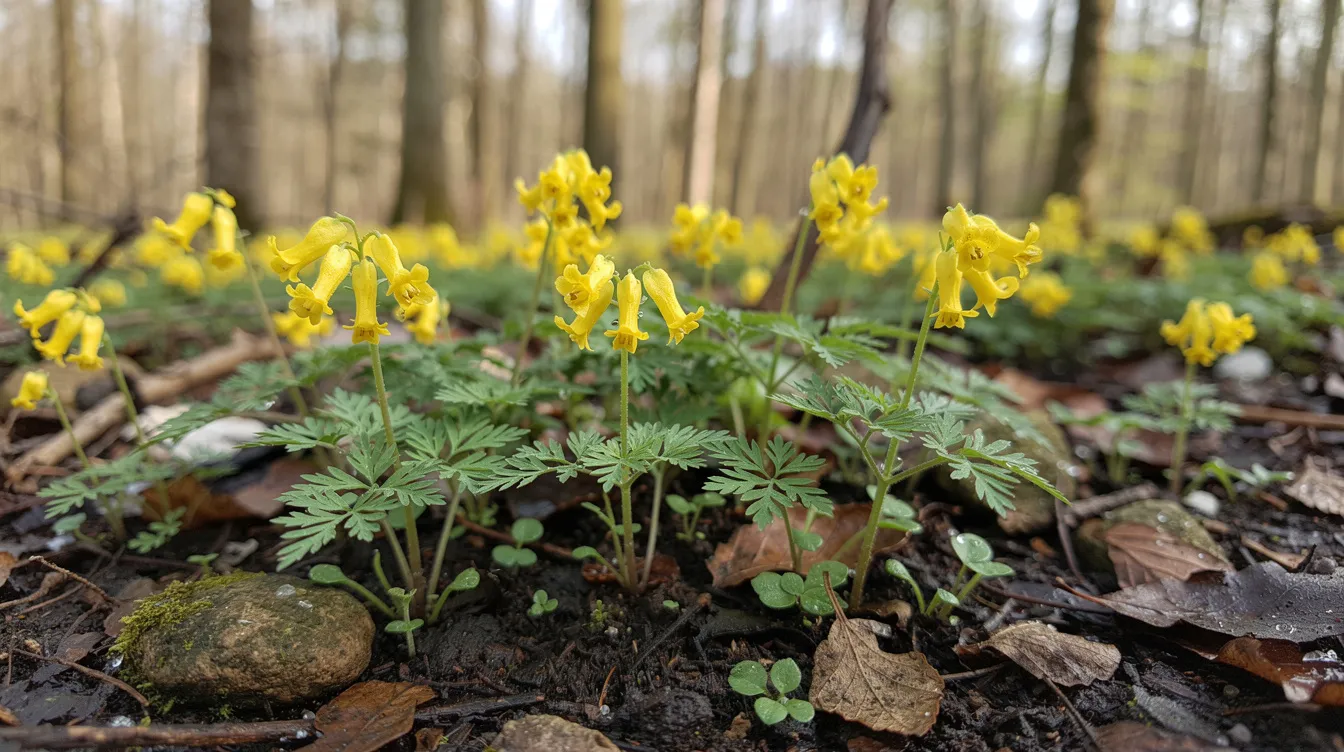
Botanically, the medicinal part of C. yanhusuo is a tuberous rhizome. English-language supplement labels may say “Corydalis root,” “Corydalis tuber,” or “Rhizoma Corydalis” for essentially the same plant part, but dosage and processing can differ between products.
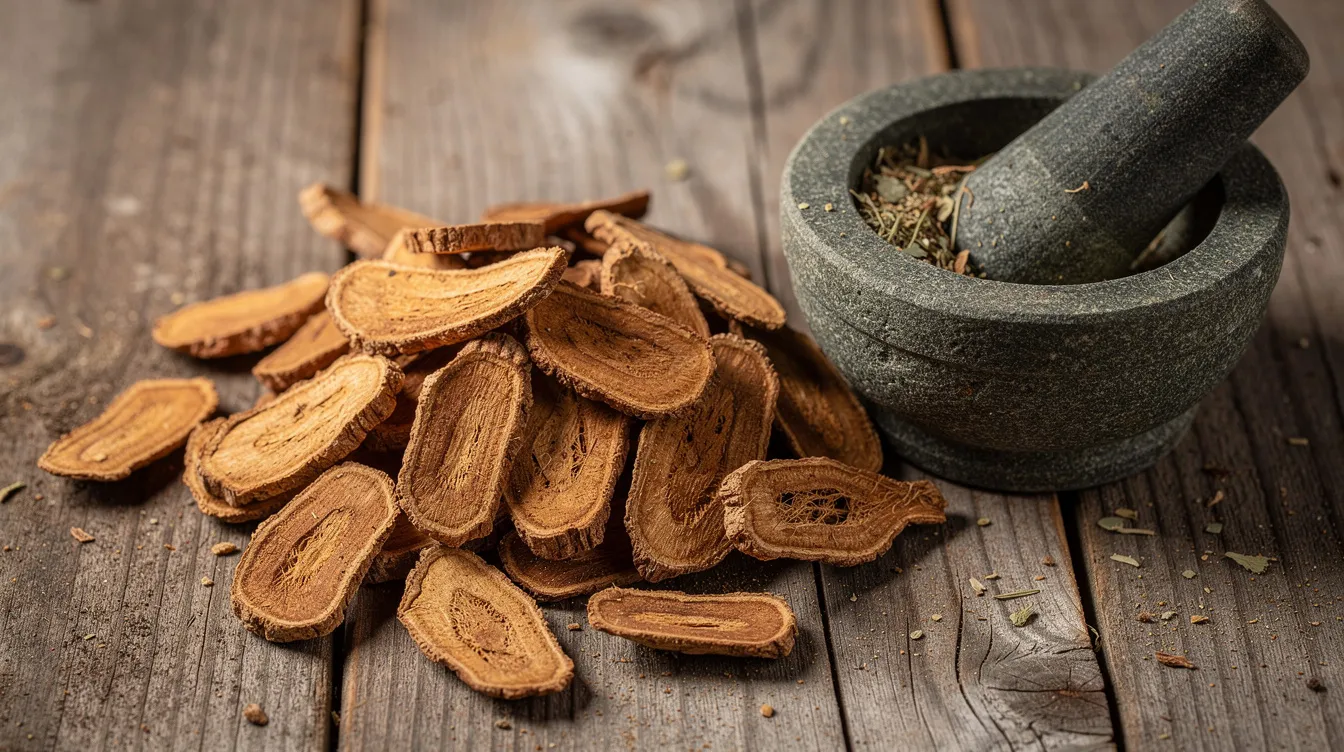
The Chinese Pharmacopoeia specifies the dried tuber as the standard medicinal material. A commonly used preparation is vinegar-processed Rhizoma Corydalis (醋延胡索), where raw tuber slices are soaked in vinegar and then heated under controlled conditions. This processing step is not cosmetic-studies show it modifies alkaloid solubility, absorption rates, and pharmacological potency.
When reading research papers, you may encounter synonyms such as “Rhizoma Corydalis (RC),” “Yanhusuo (YHS),” or simply “Corydalis Rhizoma.” Tracking which form a study used-raw herb, vinegar-processed herb, concentrated extract, or isolated compound-is essential for interpreting results accurately.
3. Traditional Chinese Medicine Perspective
Within the framework of traditional Chinese medicine, Corydalis yanhusuo is classified as a blood-invigorating and qi-moving herb. TCM theory holds that pain arises when the flow of vital energy (qi) and blood becomes obstructed, and C. yanhusuo’s primary function is described as relieving pain caused by blood stasis and qi stagnation.
Key TCM pattern indications include:
Pain from blood stasis (e.g., traumatic injury, postpartum retention)
Qi stagnation-type pain (epigastric, abdominal, hernial)
Dysmenorrhea and painful menstruation
Certain headaches and chest pain patterns
Corydalis yanhusuo is known for alleviating menstrual pain and gastrointestinal discomfort within TCM practice. It is traditionally used for menstrual pain relief in combination with other Chinese herbs. The herb rarely appears alone in classical formulas. It is typically paired with plant extracts such as Angelica sinensis (dong quai) or Ligusticum chuanxiong. The well-known formula “Yuanhu Zhitong Pian” combines Corydalis with Angelica dahurica for various pain syndromes.
Traditional cautions exist: Chinese medicine texts advise against use during pregnancy, during heavy menstrual flow, or in patients with significant qi and blood deficiency (generally meaning very weak or depleted constitutions).
Traditional uses provide historical context and clinical pattern recognition, but they are not the same as modern clinical proof for specific health conditions.
4. Chemical Compounds in Corydalis yanhusuo
Over 100–160 chemical compounds have been identified from Rhizoma Corydalis, with isoquinoline alkaloids being the dominant pharmacologically active group. Corydalis yanhusuo contains over 80 identified alkaloids, placing it among the most chemically complex medicinal tubers studied.
Major alkaloid categories include:
Category | Examples |
|---|---|
Protoberberines | Palmatine, berberine, coptisine, columbamine |
Tetrahydroprotoberberines | Tetrahydropalmatine (THP), corydaline |
Protopines | Protopine |
Benzophenanthridines | Various ring-fused alkaloids |
Quaternary ammonium types | Dehydrocorydaline (DHC) |
Tetrahydropalmatine (THP) is a primary active alkaloid in Corydalis and has been the most extensively studied for its analgesic, sedative, and anti-addiction properties. Dehydrocorydaline is often among the most abundant alkaloids by weight and shows potent anti-inflammatory and cardioprotective activity in animal models.
Non-alkaloid constituents include organic acids, volatile oils, steroids, carbohydrates, amino acids, and trace elements. While these are less studied individually, they may modulate the overall pharmacological effects of whole-herb preparations.
Chemical composition can vary substantially based on geographic origin (Zhejiang-sourced material often serves as the quality benchmark), cultivation method, harvest timing, storage conditions, and processing. This variability is a key reason why different commercial products can behave very differently.
5. How Corydalis yanhusuo May Work: Mechanism of Action
Most proposed mechanisms of action come from animal experiments, in vitro cell studies, and pharmacological models rather than large human trials. Understanding these mechanisms helps explain why the herb has attracted research interest, but caution is needed when extrapolating from lab bench to bedside.
Dopamine receptor modulation. Alkaloids in Corydalis may block dopamine receptors in the brain. Specifically, tetrahydropalmatine in Corydalis blocks dopamine receptors (both D1 and D2 subtypes), which contributes to its analgesic effect and sedative effects observed in animal models. This same mechanism underlies the anti-addiction research interest.
Multi-target pain pathways. Research indicates that Corydalis yanhusuo may influence pain through multiple mechanisms, including modulation of voltage-gated sodium channels, NMDA receptors, metabotropic glutamate receptors (mGlu1/5), and sigma-1 receptors. These actions occur at various levels of the nervous system, including the spinal cord, contributing to reduced pain perception in experimental models.
Anti-inflammatory and antioxidant actions. Selected alkaloids inhibit pro-inflammatory cytokines (IL-6, TNF-α), COX-2, and iNOS in inflammation models. These anti-inflammatory effects may complement the central analgesic actions.
Additional mechanisms. Dehydrocorybulbine (DHCB) has been studied for its potential in pain management, showing activity in both inflammatory and neuropathic pain models via dopamine receptor antagonism.
Different active components within the extract may act at multiple sites simultaneously-a concept called polypharmacology. This means isolated compounds or synthetic derivatives cannot be assumed to behave identically to whole-plant extracts or alkaloid extract preparations.
6. Corydalis yanhusuo and Pain Management
Pain management is the primary modern research focus for Corydalis yanhusuo, spanning chronic nociceptive, inflammatory, and neuropathic pain models. Corydalis yanhusuo is used for pain relief across multiple pain types in both traditional and research settings.
Animal Evidence
Animal studies consistently show reduced pain behaviors when rodents receive Corydalis yanhusuo extract or specific alkaloids. In models of inflammatory pain (formalin test), neuropathic pain (nerve ligation), and visceral pain, YHS extracts demonstrate significant analgesic effect across different doses and preparations. Corydalis yanhusuo exhibits analgesic effects comparable to morphine in some animal model experiments, though the potency typically ranges from about 1–40% of morphine depending on the specific preparation and pain model used.
A notable 2021 study demonstrated that in mice, YHS extract co-administered with morphine prevented tolerance development and dependence-and could even reverse dependence in chronically treated animals.
Human Data
Human evidence is far more limited but includes several relevant findings:
Tetrahydropalmatine (THP) may reduce chronic pain in humans. In one study, 75 mg of THP daily reduced nerve pain in 78% of participants.
Corydalis is effective for dysmenorrhea in 73% of subjects in available clinical reports. Dihydrocorydaline has been shown to reduce menstrual pain specifically.
A small cold pressor induced pain trial using Corydalis plus Angelica dahurica showed dose-dependent pain score reductions in healthy volunteers.
It may help manage chronic pain in humans, but the existing placebo controlled study designs are small and short-duration. Corydalis yanhusuo is not FDA approved for any standard pharmaceutical treatment, and it should not be substituted for prescribed pain medication without medical supervision.
7. Effects on the Central Nervous System and Other Systems
Many pharmacological activities of Corydalis yanhusuo center on the central nervous system, but other organ systems are also affected in experimental models.
Sedation and relaxation. Corydalis yanhusuo is used for pain relief and relaxation, and Corydalis yanhusuo has sedative and hypnotic properties demonstrated in animal behavioral models. These sedative effects, while potentially useful, may also limit tolerability and create safety concerns.
Drug addiction research. Some of the most intriguing data involve drug addiction. In a human pilot trial with heroin-dependent patients, purified l-THP yielded approximately 47.8% abstinence rates at 3 months compared to about 15.2% for placebo. In rodent models, l-THP reduced cocaine self administration and cocaine induced CPP (conditioned place preference). An early trial in cocaine users found that l-THP at 30 mg twice daily for 3.5 days showed acceptable safety. These results relate to isolated l-THP rather than whole-herb supplements.
Cardiovascular system. Corydalis yanhusuo has potential cardiovascular effects studied in laboratory settings, including anti-arrhythmic and cardioprotective actions. Dehydrocorydaline, for instance, showed protective effects against ischemia-reperfusion injury in animal models, with potential relevance to coronary heart disease research.
Gastrointestinal system. Corydalis extracts may help treat stomach ulcers caused by Helicobacter pylori, based on in vitro and animal data. Helicobacter pylori infection is a major cause of peptic ulcers, and several alkaloids show gastroprotective activity. Corydalis yanhusuo has shown anti-inflammatory properties in studies across gastrointestinal models.
Other research directions. Preliminary anticancer effects, antimicrobial activity, and effects on immune cells and nerve cells have been reported, mostly from in vitro work. These findings are part of modern pharmacological research and do not amount to clinical recommendations for complex health conditions.
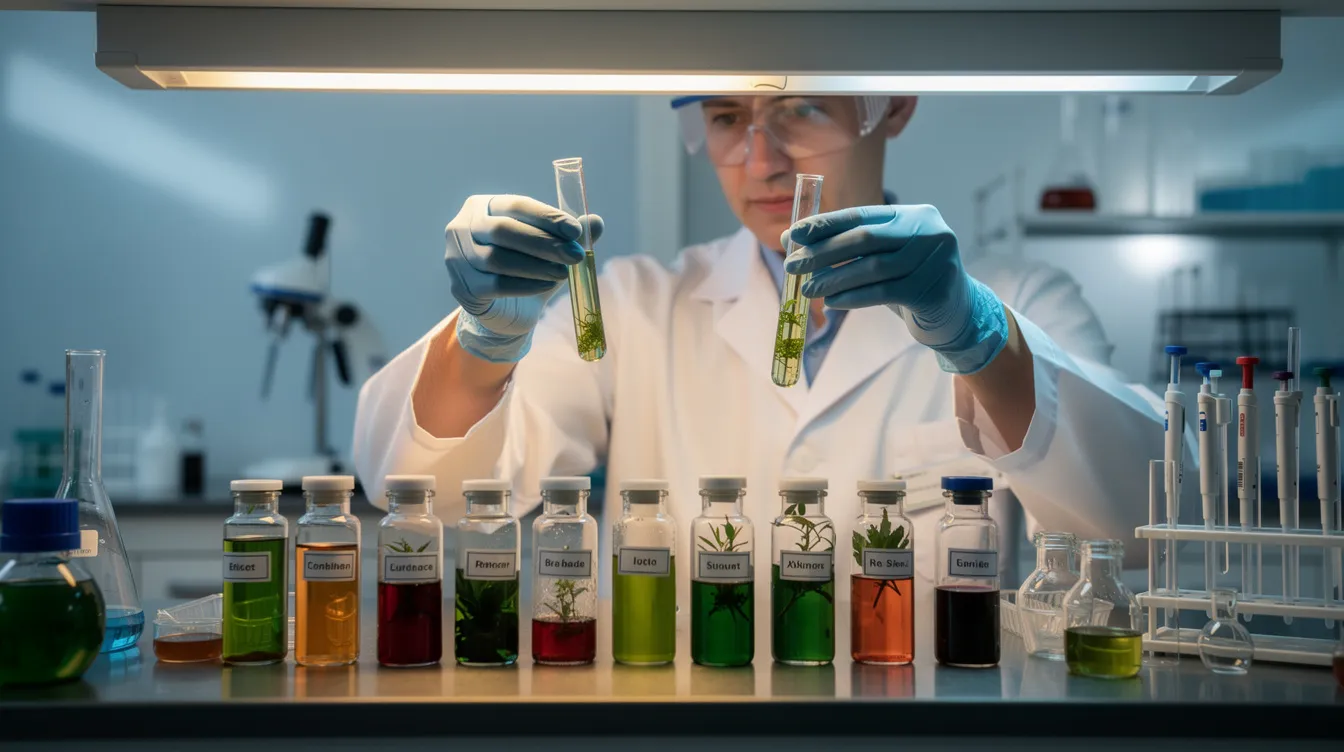
8. Extract Types and Preparation Methods
Three broad categories of Corydalis yanhusuo preparations exist, and they are not interchangeable:
1. Traditional Decoctions
Boiled slices of crude herb Rhizoma Corydalis, often vinegar-processed beforehand. Traditional crude herb dosages range from approximately 4.5–12 g/day for adults under practitioner supervision. This is the form with the longest track record.
2. Standardized Extracts
Water or hydroalcoholic extracts concentrated into powders, granules, or capsules. Some products are standardized to total alkaloids or specific markers like dehydrocorydaline or corydaline. Extraction ratio (e.g., 5:1, 10:1) is sometimes listed. Vinegar processing before extraction can alter both the alkaloid extract profile and pharmacokinetics-studies in dogs showed increased absorption, AUC, and extended elimination with processed versus raw extracts.
3. Isolated Single Compounds
Pharmaceutical-grade l-THP or dehydrocorydaline prepared as research chemicals or investigational drugs. These have cleaner pharmacological profiles but represent a fundamentally different product than what you buy as a supplement.
Branded blends or proprietary formulas may combine Corydalis with many other compounds. Evidence on single-herb Corydalis yanhusuo should never be conflated with such multi-ingredient products.
9. Corydalis yanhusuo as a Dietary Supplement
In North America and Europe, Corydalis yanhusuo typically appears as capsules, tablets, powders, and liquid extracts labeled as dietary supplements rather than drugs. This distinction matters enormously for what you can expect in terms of quality control and clinical evidence.
In the U.S. and many other regions, supplements are regulated differently from pharmaceuticals. Manufacturers are responsible for safety and labeling, but routine pre-market approval for efficacy is generally absent. Corydalis yanhusuo is not FDA approved for any standard pharmaceutical treatment-no Corydalis supplement can legally claim to diagnose, treat, cure, or prevent any disease.
Product labels may list Rhizoma Corydalis amount in milligrams without specifying which active alkaloids are present or at what concentration. A recent analysis of 19 commercial dietary supplements found large variability in total alkaloid content, with some products containing negligible amounts and others containing far more than expected. This makes potency comparisons between products nearly impossible for consumers.
When evaluating products, look for:
Clear species identification (Corydalis yanhusuo, not just “Corydalis”)
Plant part specified (tuber/rhizome)
Extraction ratio and standardization targets
Poppy Lotus does not currently stock Corydalis yanhusuo or Rhizoma Corydalis products. Any discussion in this article is purely educational.
10. Dosage Ranges Reported in the Literature (Not Medical Advice)
Important: No universally accepted, evidence-based dosage guidelines exist for Corydalis yanhusuo in humans. Any use should be guided by a qualified practitioner.
Here are the dosage ranges that appear in the literature, presented strictly as reference points:
Form | Reported Range | Context |
|---|---|---|
Crude dried rhizome | Recommended dosage for crude dried rhizome is 5–10 grams per day (some sources say 3–9 g, up to 12 g) | TCM decoction, practitioner-guided |
Crude herb decoction | Crude herb can be decocted in doses of 4.5 to 12 grams per day | Chinese Pharmacopoeia reference |
Isolated THP | A typical dosage for tetrahydropalmatine is 75 mg per day | Clinical trial dosing (not self-dosing guidance) |
Corydalis tincture | Corydalis tincture is typically taken at 0.25 to 1 mL three times daily | Western herbal practice references |
Singapore’s Health Sciences Authority has set a regulatory limit of 19 mg/day of THP from any THP-containing herb or proprietary medicine. Traditional crude herb usage at pharmacopeial doses typically falls below this threshold.
Clinical studies with standardized extracts often report doses in mg/kg from animal studies, which cannot be simply translated to household supplement labels. And results from isolated l-THP trials cannot be used to estimate safe self-dosing of whole Corydalis yanhusuo products.
Avoid “more is better” assumptions. Toxic reactions from whole herb have been reported at doses of 60–120 grams (raw herb) in single ingestion-far above therapeutic range but illustrating that this is not a benign substance at high doses.
11. Safety Profile and Common Side Effects
Corydalis yanhusuo is a pharmacologically active herb with both desired effects and meaningful risks, particularly at high doses or with long-term use.
Common Side Effects
Common side effects of Corydalis yanhusuo include dizziness and sedation. Common side effects also include nausea and vomiting, along with fatigue, gastrointestinal discomfort, and changes in menstrual flow. Sedation is especially prominent with preparations containing higher THP content.
Serious Risks
More concerning adverse effects, while less common, have been documented:
Liver toxicity: Liver damage has been reported with Corydalis yanhusuo use. Tetrahydropalmatine can cause liver infection and inflammation, and this risk was significant enough that Singapore initially restricted the herb under its Poisons Act before establishing controlled re-entry with dosage limits. Cases of acute hepatitis have been linked to THP-containing products.
Cardiovascular effects: Heart rhythm changes can occur with Corydalis yanhusuo. At high doses, effects may include low blood pressure, weak pulse, and breathing depression.
Allergic reactions: Corydalis yanhusuo may cause severe allergic reactions, including drug fever, skin eruptions, pruritus, and shortness of breath.
Severe poisoning: With massive overdoses, tetanic convulsions, cardiovascular shock, and respiratory inhibition have been described.
Warning Signs Requiring Urgent Medical Attention
Jaundice or dark urine
Severe abdominal pain
Unexplained bruising or bleeding
Chest pain or palpitations
Severe dizziness or fainting
Safety data in children, pregnant or breastfeeding people, and individuals with significant liver, kidney, or cardiovascular disease are limited. Use in these groups should generally be avoided unless under strict medical supervision.
12. Interactions With Medicines and the Nervous System
Corydalis alkaloids affect liver enzymes and central nervous system receptors, creating potential for drug interactions that are not trivial. Interactions between Corydalis yanhusuo and drugs are not fully understood, which makes caution the default position.
CNS depressant interactions. Corydalis yanhusuo can interact with sedatives, blood thinners, and certain medications. The sedative effects of THP may be potentiated by benzodiazepines, opioids, gabapentinoids, and alcohol, leading to additive drowsiness and impaired coordination. Corydalis yanhusuo can increase the risk of side effects from other medications in these categories.
Liver enzyme effects. Corydalis yanhusuo may slow liver metabolism of certain medications. Research shows that THP inhibits CYP1A2, while tetrahydroberberine (another Corydalis alkaloid) can induce CYP1A2, CYP3A, and CYP2E1. These opposing effects within the same herb make predicting interactions with drugs metabolized by these enzyme systems particularly challenging.
Medications requiring particular caution:
Anti-arrhythmic drugs
Anticoagulants
Antidepressants and antipsychotics (dopamine receptor overlap)
Anti-seizure medications
Parkinson’s disease medications (dopamine agonists/antagonists)
Consult a healthcare provider before combining Corydalis with other drugs. Provide a complete list of herbs, supplements, and medications to your healthcare team and pharmacist before adding Corydalis yanhusuo to any regimen.
13. Who Should Avoid or Use Extra Caution With Corydalis yanhusuo?
Some groups face higher risk from Corydalis use and may need to avoid it entirely.
Groups generally advised to avoid Corydalis yanhusuo:
Pregnant or breastfeeding individuals (TCM sources caution against use; risk of uterine stimulation)
Children and adolescents (no pediatric safety data; risk of sedation and respiratory depression)
Anyone with known allergy to Corydalis species or other poppy family plants
Groups requiring specialist guidance:
Individuals with pre-existing liver disease, history of drug-induced liver injury, or heavy alcohol use
People with known heart rhythm disorders, low blood pressure, or those on anti-arrhythmic medications
Those taking multiple CNS-active medications simultaneously
People with complex health conditions involving polypharmacy or organ transplants
If you fall into any of these categories, prioritize safety and seek professional advice rather than self-experimenting. The potential consequences of a bad interaction outweigh the possible benefits of unsupervised herbal use.
14. Quality, Standardization, and Product Variability
Plant extracts in general, and Corydalis yanhusuo in particular, can vary widely in composition and potency between brands and even between batches from the same manufacturer.
Alkaloid content differs based on plant origin, harvesting season, storage conditions, and extraction method. A product sourced from Zhejiang province with vinegar processing will have a different alkaloid profile than one from Anhui province processed differently. This variability directly impacts both the pharmacological effects you might experience and the side effect risk you face.
Species identification: Corydalis yanhusuo specifically
Plant part: Rhizoma (tuber/rhizome)
Extraction ratio (e.g., 5:1, 10:1)
Standardization markers (e.g., “X% total alkaloids,” “X mg dehydrocorydaline”)
Red flags to avoid:
Products promising drug-like effects (“natural morphine replacement,” “miracle pain cure”)
No species or plant part identification
Absence of any third-party testing for identity, heavy metals, pesticides, or microbial contamination
Extremely low prices relative to competitors (may indicate low-quality raw material)
Whole-plant extracts, isolated single compounds, and complex proprietary blends are distinct categories. They should never be assumed equivalent in quality, dose, or safety.
15. Current State of Modern Pharmacological Research
As of the mid-2020s, the scientific evidence for Corydalis yanhusuo’s pharmacological activities is dominated by preclinical research. Here is where things stand.
Strong preclinical support exists for:
Antinociceptive effects (reduced pain behaviors in multiple animal models)
Anti-inflammatory effects (cytokine suppression, COX-2 inhibition)
Neuroprotective actions
Anticancer effects (mostly in vitro)
Cardiovascular and gastrointestinal protective effects
Several comprehensive review articles have been published, including major reviews synthesizing phytochemistry, vinegar processing methods, and analgesic mechanisms of the herb’s alkaloids.
Human data remain limited. Available studies involve small sample sizes, short durations, and often use purified alkaloids (l-THP) rather than typical commercial supplements. Many studies come from Chinese or Korean literature with inconsistent extract characterization, and multi-herb formulas confound attribution of effects to Corydalis alone.
Corydalis yanhusuo is a promising source of bioactive alkaloids with antinociceptive properties and multiple other pharmacological activities. But more rigorous, controlled human trials with well-characterized preparations are needed before definitive claims about treatment of specific health conditions can be made.
16. Comparing Whole-Herb Extracts, Isolated Alkaloids, and Other Compounds
The pharmacological distinction between whole-herb extracts, semi-purified fractions, and pure isolated compounds matters more than most supplement marketing acknowledges.
Whole-herb extracts contain a complex mixture of alkaloids and other compounds that may work together synergistically. This polypharmacology may explain why some animal studies show broader efficacy with whole extracts than with single alkaloids. The downside: more variability, less predictability, and harder-to-standardize dosing.
Isolated compounds (e.g., pharmaceutical-grade l-THP) offer more precise dosing and cleaner mechanism of action studies. However, they may have a narrower therapeutic window and a side-effect profile distinct from the plant as a whole. Regulatory frameworks (like Singapore’s 19 mg/day THP cap) reflect this distinction.
Key point: Evidence for l-THP in addiction, pain, or sleep cannot be automatically applied to commercially available Corydalis yanhusuo powders or capsules, which may contain very different proportions of active alkaloids and other compounds.
Branded blends that combine Corydalis with numerous other ingredients add another layer of complexity. These products cannot be assumed to produce the same effects as single-herb extracts used in research.
Comparing botanical blends? Meta Tabz MAX lists Nymphaea and Corydalis extracts in single-tablet and five-tablet packs, while iSuta lists M. Hirsuta and Corydalis extracts in a three-tablet pack. Compare their listed ingredients and pack details before shopping.
-
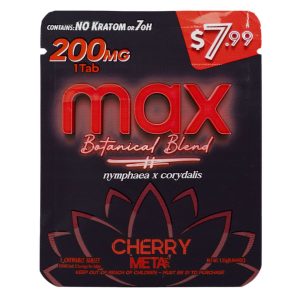 $7.99Up to 10% offView options This product has multiple variants. The options may be chosen on the product page
-
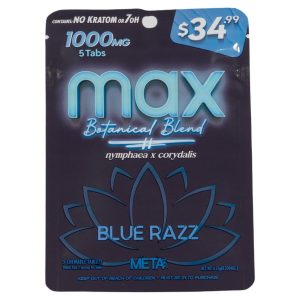 $34.99Up to 10% offView options This product has multiple variants. The options may be chosen on the product page
-
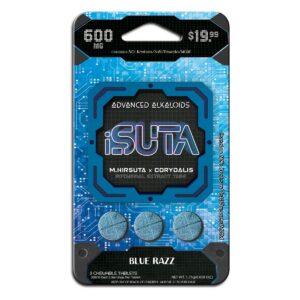 $19.99Up to 10% offView options This product has multiple variants. The options may be chosen on the product page
17. Practical Considerations if You’re Researching or Considering Use
This section is for readers who plan to discuss Corydalis yanhusuo with their healthcare providers rather than self-prescribe.
Questions to raise with a practitioner:
Which form is most appropriate for my situation (decoction, capsule, tincture)?
What is a realistic goal (e.g., adjunctive pain support, not opioid replacement)?
How long should I use it, and what monitoring is needed?
Are there interactions with my current medications?
If your provider agrees to a trial:
Start with a low dose based on the specific product’s instructions
Monitor carefully for drowsiness, mood changes, digestive upset, or unusual symptoms
Avoid combining with alcohol, recreational drugs, or other strong sedative supplements like kava or high-dose valerian
For ongoing use:
Periodic liver function tests are advisable
Regular medication reviews, especially when other drugs metabolized by the liver are involved
Watch for any signs of tolerance (needing more to achieve the same effects) and discuss with your provider if this occurs
18. Legal and Regulatory Landscape
Regulatory frameworks differ substantially by country, affecting how Corydalis yanhusuo can be sold and what claims can be made about it.
United States and EU: Products are typically sold as dietary supplements. They cannot legally claim to diagnose, treat, cure, or prevent diseases. Pre-market efficacy proof is not required. No EMA herbal monograph for Corydalis yanhusuo has been established.
China, Korea, Japan: Rhizoma Corydalis is included in official pharmacopeias and used in registered herbal formulas, often under medical supervision. Processing methods (vinegar, wine) are codified.
Singapore: The HSA re-allowed sale of raw herb and herbal medicines containing THP from June 2018, with specific labeling requirements and a THP intake limit of 19 mg/day.
Isolated alkaloids: When individual Corydalis-derived alkaloids are used as prescription drugs or investigational drugs in some jurisdictions, they face stricter quality and dosing controls separate from herbal supplement regulations.
If you are importing products or purchasing from international online shops, check local regulations and consult professionals to ensure compliance and safety.
19. How Corydalis yanhusuo Compares With Other Herbal Pain Supports
Placing Corydalis yanhusuo alongside other botanicals used for pain relief helps clarify what makes it distinctive-and what makes it riskier.
Herb | Primary Mechanism | Relative Potency for Severe Pain | CNS Sedation Risk |
|---|---|---|---|
Corydalis yanhusuo | Dopamine receptor blockade, sodium channel modulation, anti-inflammatory | Moderate (compared to morphine) | Higher |
Turmeric (curcumin) | Systemic anti-inflammatory (COX-2, NF-κB) | Low | Minimal |
5-LOX inhibition, anti-inflammatory | Low-moderate | Minimal | |
Salicin (aspirin-like) | Low | Minimal | |
GABA modulation, anxiolytic | Low (mainly relaxation) | Moderate-high |
Corydalis tends to be regarded as a “stronger,” more drug-like analgesic in Chinese medicine practice, often reserved for moderate to more severe pain rather than casual daily wellness use. Herbs like turmeric and Boswellia focus more on systemic anti-inflammatory effects, while Corydalis targets pain perception via the nervous system directly-a fundamentally different mechanism of action.
When choosing among herbal options, patients and practitioners should weigh desired potency, safety profile, existing health conditions, and available scientific evidence rather than assuming any one plant is best for all pain types.
Readers exploring herbal options for pain may also want to browse Poppy Lotus’s broader catalog of botanicals. While Corydalis yanhusuo itself is not currently offered, other options for relaxation and nervous system support may be available.
20. Responsible Shopping and the Role of Poppy Lotus
Poppy Lotus takes an education-first approach to herbal products, prioritizing transparency and safety over marketing hype. That commitment is why this article exists-even for a product not currently in the shop.
Poppy Lotus does not currently stock Corydalis yanhusuo or Rhizoma Corydalis products. This article is provided solely as an informational resource for readers researching this herb.
If you choose to purchase Corydalis elsewhere, here are practical tips:
Verify the species is specifically Corydalis yanhusuo and the plant part is the tuber/rhizome
Look for clear labeling including extraction ratio and, ideally, alkaloid standardization
Seek products with third-party testing certificates for identity, heavy metals, and contaminants
Be skeptical of products making exaggerated claims about pain cures or “natural opiate” effects
Readers comparing herbal options for relaxation, nervous system support, or pain-related discomfort are welcome to explore other botanicals available at Poppy Lotus. Use these educational resources as a starting point for informed conversations with qualified healthcare providers about any herbal regimen.
21. Frequently Asked Questions About Corydalis yanhusuo
The following FAQ addresses practical questions not fully covered in the main text above.
Is Corydalis yanhusuo safe to take long-term?
Long-term safety data in humans are limited. Most clinical reports involve short-term use of weeks to a few months, often under practitioner supervision. Because of potential liver toxicity and cardiovascular effects, long-term daily use should only be considered with medical oversight and periodic monitoring, including liver function tests.
Chronic, unsupervised use is inadvisable-especially at high doses or in combination with other hepatotoxic or sedating substances. If you are using Corydalis regularly, establish a monitoring schedule with your provider.
Can Corydalis yanhusuo help with sleep or anxiety?
Some people report improved sleep or reduced anxiety, likely reflecting the herb’s sedative effects on the central nervous system that have been observed in animal models. However, strong human evidence for treating insomnia or anxiety disorders is lacking. Corydalis should not replace prescribed medications for anxiety, depression, or sleep disorders.
Even using Corydalis solely for “relaxation” may carry risks: drowsiness, impaired coordination, and next-day grogginess are possible, especially if combined with other sedatives or alcohol.
Is Corydalis yanhusuo addictive?
Current evidence does not suggest that Rhizoma Corydalis itself is classically addictive in the way opioids are. Interestingly, some research actually explores l-THP as a tool for treating drug addiction by modulating dopamine receptors.
However, any substance affecting the brain’s reward and dopamine systems has theoretical potential for misuse, particularly at high doses or in vulnerable individuals. Use Corydalis only under guidance, and seek help if you notice cravings, dose escalation, or withdrawal-like symptoms.
Can I combine Corydalis yanhusuo with other herbs or supplements?
Combination formulas are standard practice in traditional Chinese medicine, but those are designed and dosed by trained practitioners. Casual mixing at home can increase the risk of interactions and side effects.
Be cautious about combining Corydalis with other nervous system-active herbs (kava, valerian, passionflower) or with multiple liver-metabolized supplements. Review all planned herbs and supplements with a healthcare provider, especially if you take prescription drugs or manage chronic illness.
How quickly might Corydalis yanhusuo work for pain, if it is going to help?
In traditional decoction use, some people notice short-term relief within hours. In supplement form (capsules, powders), effects may become apparent over days, depending on dose, preparation quality, and individual response. Oral administration of different forms affects absorption speed.
For current product options, browse the Poppy Lotus shop.
Not everyone will experience benefit. Lack of effect at labeled doses is not a signal to increase the dose aggressively-safety concerns at higher doses are real. If no improvement is seen after a reasonable trial period agreed upon with a practitioner, reassessment of diagnosis and treatment approach is more appropriate than self-escalation.