Cat’s Claw
How Do Cat’s Claw Supplements and Mitragyna hirsuta Products Differ?
Cat’s Claw and Mitragyna hirsuta are two botanicals that increasingly appear side by side in online marketplaces, smoke shops, and wellness stores. Despite both belonging to the Rubiaceae family, they come from different continents, contain different alkaloids, and carry very different risk profiles. The confusion between them has had real consequences, including fatal overdoses tied…
Cat’s Claw and Mitragyna hirsuta are two botanicals that increasingly appear side by side in online marketplaces, smoke shops, and wellness stores. Despite both belonging to the Rubiaceae family, they come from different continents, contain different alkaloids, and carry very different risk profiles. The confusion between them has had real consequences, including fatal overdoses tied to counterfeit products. Here is what consumers need to know.
Key Takeaways
Cat’s Claw and Mitragyna hirsuta are unrelated plants with distinct traditional uses, chemical compositions, and safety considerations. The growing overlap in how they are sold has created dangerous confusion that every buyer should understand before making a purchase.
Cat’s Claw (Uncaria tomentosa / U. guianensis) is a South American woody vine used as an herbal supplement for immune and joint support. It contains oxindole alkaloids and is not psychoactive on its own.
Mitragyna hirsuta is a tropical tree native to Southeast Asia, related to kratom but with different alkaloids. It has milder psychoactive effects than kratom and can produce relaxation at higher doses.
Counterfeit cat’s claw products implicated by the Utah Poison Control Center in October 2026 were adulterated with synthetic kratom derivatives and potent opioid compounds, not authentic Cat’s Claw herb.
Neither cat’s claw nor Mitragyna hirsuta has FDA-approved medical uses. Clinical evidence for both herbs is limited.
Consumers should rely on disclosed ingredients, third-party testing, and professional medical advice rather than marketing claims.
Botanical Identity: Cat’s Claw vs. Mitragyna hirsuta
These are two distinct plant genera from different continents. Marketing language sometimes blurs the line, so clarity on botanical name and origin matters.
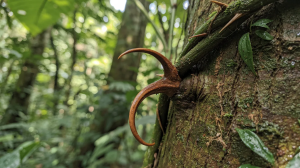
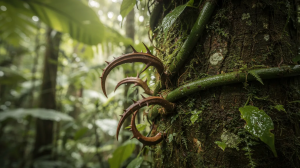
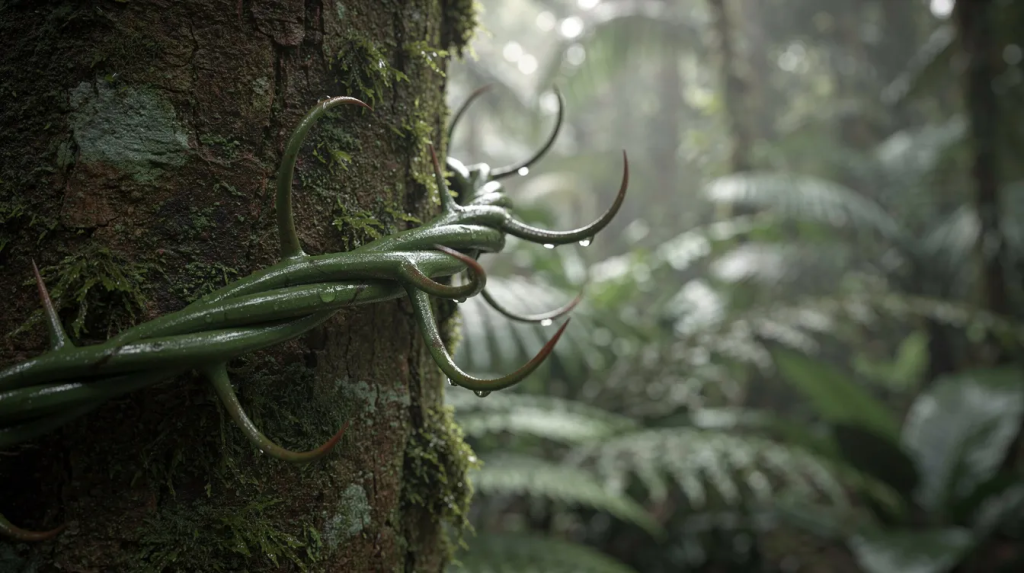
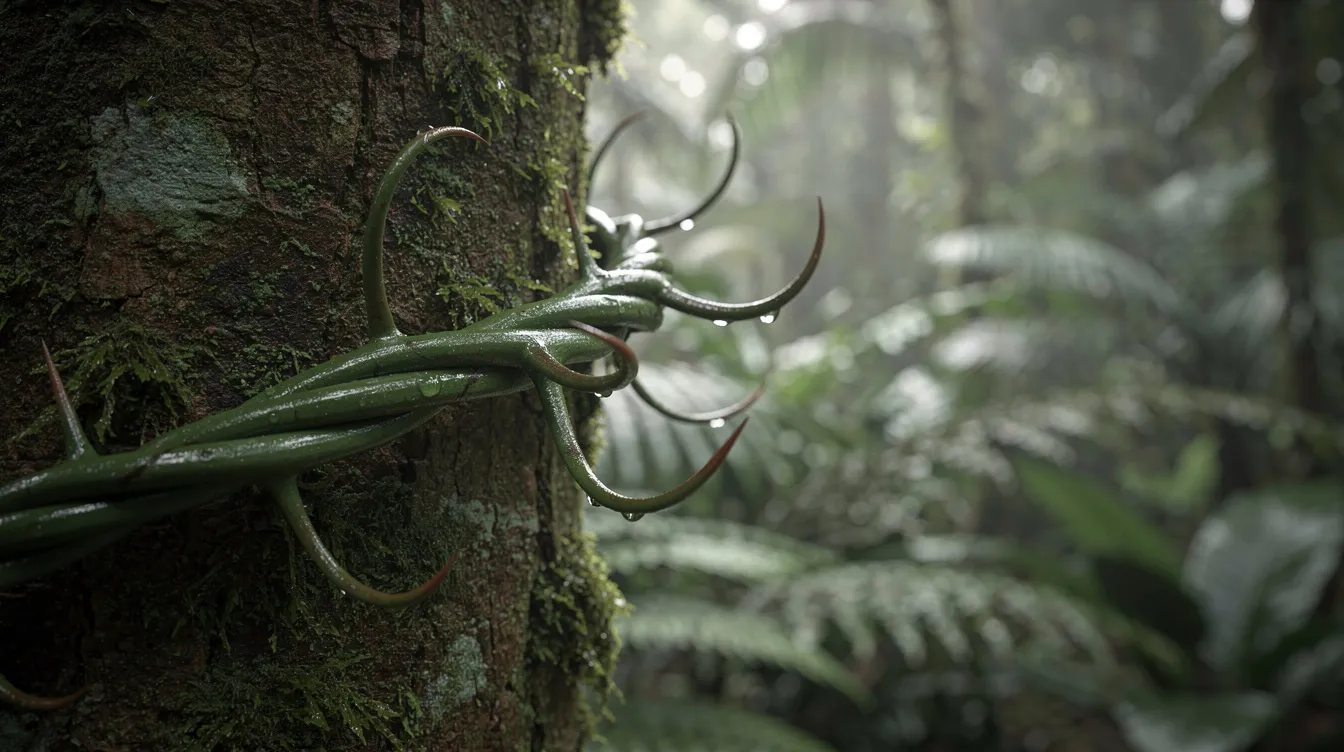
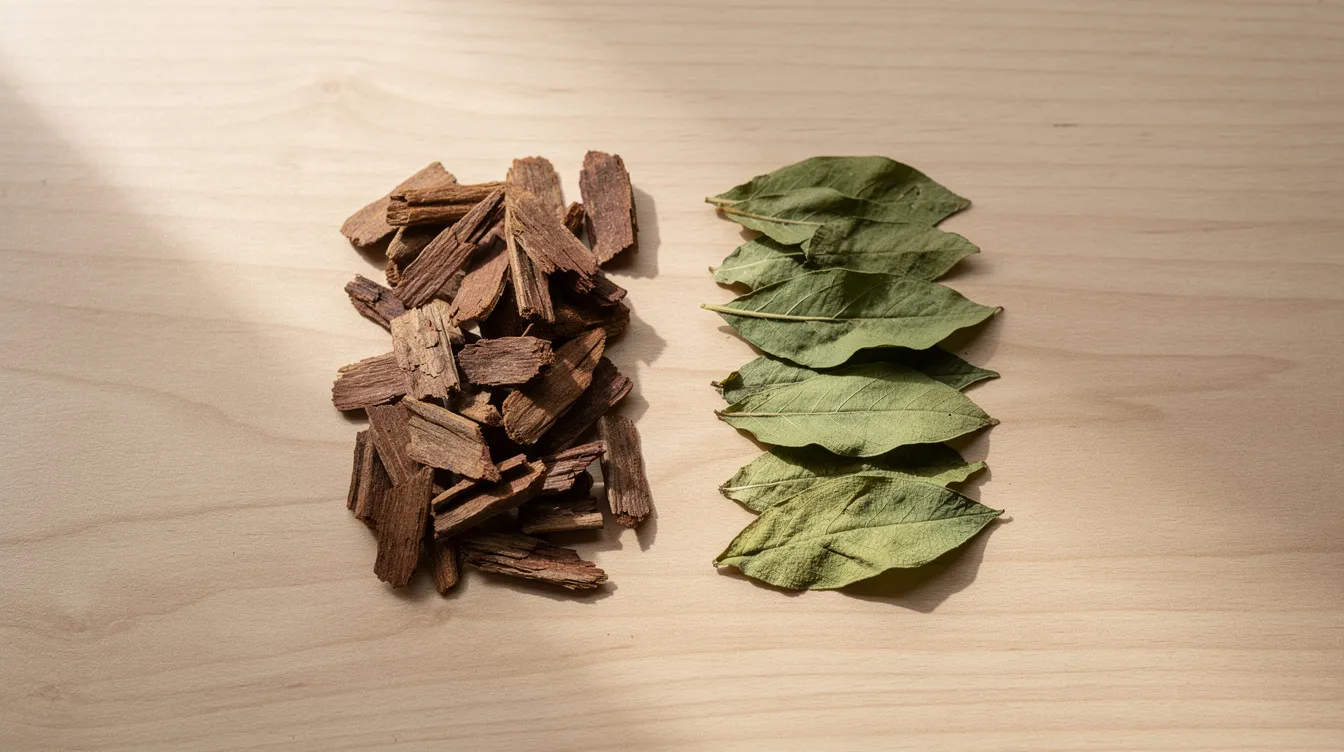
Cat’s Claw is Uncaria tomentosa (sometimes Uncaria guianensis), a woody vine native to Central and South America. Known in Spanish as uña de gato, cat’s claw comes from the bark and root of Uncaria vines. The plant gets its common name from hooked thorns on the vine that resemble a cat’s claw. It has centuries of traditional use among Indigenous Amazonian communities.
Mitragyna hirsuta is a tropical tree native to Southeast Asia, found in Thailand, Laos, and Vietnam. It belongs to the same botanical family (Rubiaceae) as Cat’s Claw, but it is a different genus entirely. It is closely related to kratom (Mitragyna speciosa) but is not the same species and has a distinct chemical composition.
An important distinction: despite sharing a family, Cat’s Claw (a vine with hooked thorns) and Mitragyna hirsuta (a tree with broad leaves) have entirely different traditional cultural contexts. Cat’s Claw is not a kratom substitute. The common name “Cat’s Claw” has been misused on labels for products that actually contain kratom-like alkaloids, which are botanically not Cat’s Claw at all. Real Cat’s Claw is fundamentally different from products marketed in smoke shops under the same name.
Plant Parts Used and Typical Supplement Forms
Which plant parts are used and how they are prepared strongly affects safety and effects for any herbal supplement. The distinction here is straightforward but often overlooked.
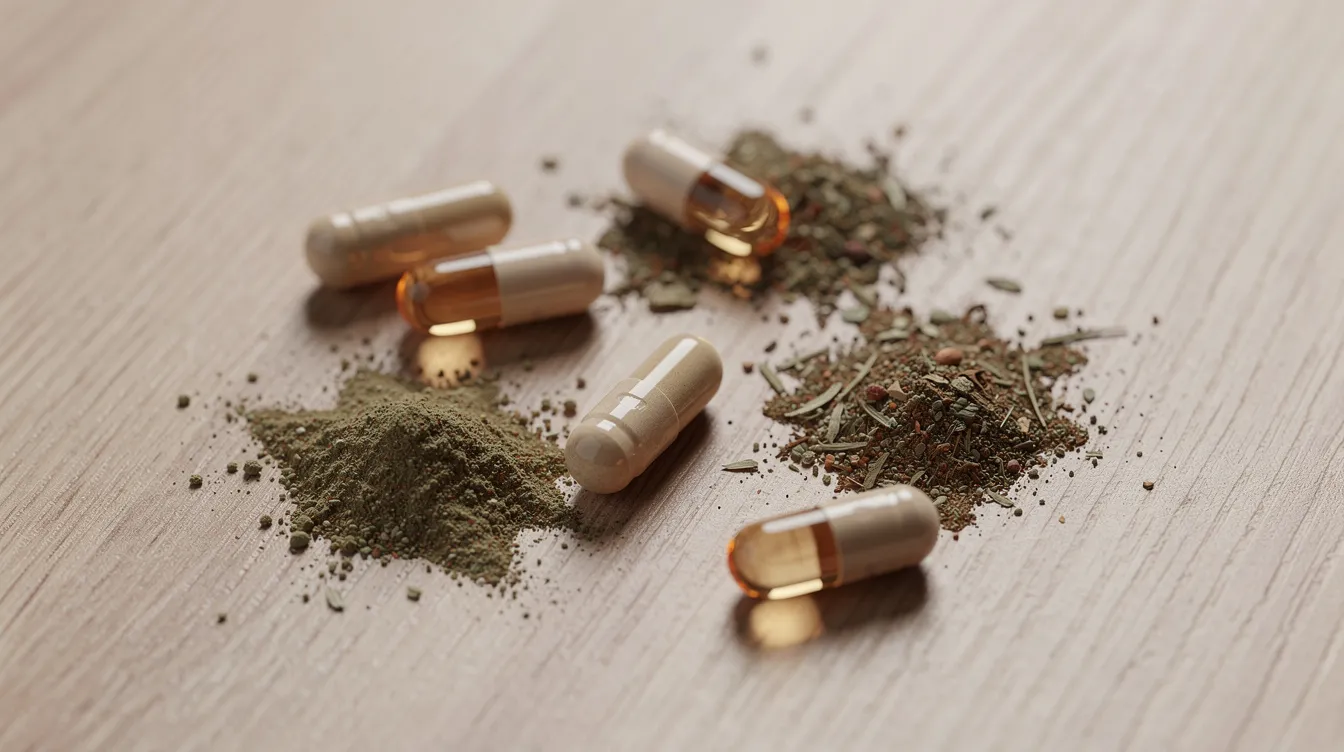
For Cat’s Claw supplements, reputable formulations use inner bark or stem bark. The U.S. Pharmacopeia requires no less than 0.3% pentacyclic oxindole alkaloids in dried inner bark material. Cat’s claw is commonly consumed as a tea, capsule, or extract. Traditional preparations involve long simmering of bark in water to make decoctions, while modern concentrated extracts are sold in capsules, tinctures, or loose cut-and-sifted herb.
For Mitragyna hirsuta products, commercial items generally use dried leaves or powdered leaf extracts. Mitragyna hirsuta is typically taken as dried leaves, powder, or capsules. Some vendors sell “enhanced” blends marketed as kratom alternatives, but the exact alkaloid content and extract ratio are rarely disclosed.
Highly concentrated hirsuta extracts and multi-herb blends tend to have less transparency, making it harder for consumers to understand what dose of which compounds they are actually consuming.
Chemical Profiles and How They Differ From Kratom
Different plant chemicals drive very different effects, even when plants are related. This is where the distinction between Cat’s Claw, Mitragyna hirsuta, and kratom becomes critical.
Cat’s Claw is characterized mainly by pentacyclic oxindole alkaloids such as mitraphylline, isopteropodine, and pteropodine, along with polyphenols, flavonoids, and quinovic acid glycosides. Cat’s claw contains oxindole alkaloids and is not psychoactive on its own. It does not naturally contain mitragynine or 7-hydroxymitragynine, the primary compounds responsible for kratom’s opioid-receptor activity.
Mitragyna hirsuta contains alkaloids like mitraphylline and related indole alkaloids but lacks the mitragynine found in kratom. Its pharmacology is less well characterized, and Mitragyna hirsuta has different alkaloids than kratom. It is sometimes promoted online as a “legal kratom substitute,” but its effects are likely not equivalent in potency. Mitragyna hirsuta has milder psychoactive effects than kratom and can produce relaxation at higher doses, though rigorous human data remain sparse.
Consumers should not equate “related to kratom” with “same risks” or “safe alternative.” The limited research on hirsuta means uncertainty rather than guaranteed safety.
Traditional Uses vs. Modern Marketing Claims
There is a wide gap between long-standing traditional use and the modern claims found in online marketing for both of these plants.
Cat’s Claw is used traditionally for immune support and joint inflammation. Indigenous communities in Peru and neighboring regions have prepared bark decoctions for inflammatory conditions, digestive issues, and general wellness. Cat’s claw is associated with antioxidant activity and inflammation signaling. Modern supplements echo these traditional categories but rely on modest human data.
Mitragyna hirsuta is traditionally used for mild stimulation and relaxation. Ethnobotanical reports describe its use in certain Southeast Asian regions as a calming tea or mild analgesic, but documentation is far thinner than for kratom. Since the early-to-mid 2020s, hirsuta has been products marketed primarily to people seeking alternatives to kratom or 7-hydroxymitragynine products, especially in jurisdictions with kratom restrictions. Mitragyna hirsuta is considered a potential alternative to kratom in areas where kratom is restricted.
Cat’s Claw, by contrast, is most often sold today as a general wellness or joint/immune herbal supplement, not as a stimulant, sedative, or opioid substitute.
Disclosed Ingredients, Adulteration, and Label Transparency
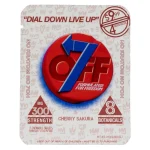
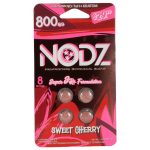
What is on the label is not always what is in the bottle. This is particularly true for products positioned as “Cat’s Claw” or “botanical blends” sold in gas stations, convenience stores, vape shops, and smoke shops targeting kratom users. Some cat’s claw products are marketed alongside kratom and 7-OH in these retail channels, and cat’s claw products are increasingly found in smoke shops.
Genuine Cat’s Claw products should clearly list the Latin name (Uncaria tomentosa or U. guianensis), plant part (bark or inner bark), and extract ratio if applicable. Avoid vague proprietary names that conceal composition.
The reality is alarming. A 2026 study sampling 46 products labeled as “Cat’s Claw” found that 89% contained mitragynine, 76% contained 7-hydroxymitragynine, and 85% contained mitragynine pseudoindoxyl or MGM-15, both now Schedule I substances. Some products contained up to 95.4 mg of 7-OH per unit. Tianeptine and other substances were also identified in roughly 11% of samples.
The Utah Poison Control Center warned in October 2026 about products labeled as Cat’s Claw that caused serious overdoses, including at least four confirmed deaths. Utah officials reported these overdoses were linked to adulterated cat’s claw products containing MGM-15, mitragynine pseudoindoxyl, and other potent opioid-like compounds. Products labeled as Cat’s Claw may contain undisclosed opioids and may cause addiction and withdrawal symptoms. Public health agencies have warned about adulteration or mislabeling of cat’s claw products across multiple states.
For Mitragyna hirsuta products, labels should disclose the species (Mitragyna hirsuta), specify leaf or extract, and ideally provide third-party testing for alkaloid content. Lack of disclosure is a red flag, especially when products are marketed for strong psychoactive effects.
Evidence Boundaries and Safety Considerations
Evidence for both Cat’s Claw and Mitragyna hirsuta is limited. Responsible discussion must distinguish between early research, traditional use, and proven clinical outcomes.
For Cat’s Claw, small human and preclinical studies have explored anti-inflammatory and immune-modulating effects. Cat’s claw can stimulate white blood cell activity or calm an overactive immune response. Cat’s claw may alleviate pain and stiffness associated with osteoarthritis and rheumatoid arthritis, but study sample sizes have been small. There is insufficient high-quality evidence to claim treatment for cancer or autoimmune conditions. Possible adverse effects include gastrointestinal upset and interactions with immune-modulating or blood-thinning medications. The safety profile of authentic Cat’s Claw bark is generally considered acceptable for short-term use measured in weeks, though pregnancy and children data are lacking.
Overdoses and toxicities reported in 2026 were linked to adulterated cat’s claw products containing synthetic kratom derivatives, not authentic bark.
For Mitragyna hirsuta, rigorous clinical trials are lacking. Most information comes from user reports and limited lab data, so safety, dependence risk, and long-term effects remain poorly defined. Replacing kratom or 7-OH products with Mitragyna hirsuta or any “7-OH-free” botanical blend does not constitute medical treatment for dependence or withdrawal symptoms and may still carry risks of sedation, interactions, or undisclosed opioid-active ingredients.
Regulatory and Public Health Context
Herbal supplements in the U.S. fall under the Dietary Supplement Health and Education Act (DSHEA), which provides less pre-market oversight than prescription drugs. The FDA does not approve herbal supplements for safety or effectiveness before they are sold.
Authentic Cat’s Claw remain legally sold as an herbal supplement in the U.S. However, products using the Cat’s Claw name have been implicated in regulatory actions when adulterated with kratom derivatives or synthetic opioids. Some cat’s claw products carry addiction warnings and opioid overdose risks when they contain these undisclosed compounds.
In August 2026, federal regulators temporarily placed mitragynine pseudoindoxyl, MGM-15, and MGM-16 in Schedule I after overdose clusters, including fatalities linked to counterfeit products.
California prohibits kratom and 7-OH products for consumption as of January 16, 2026, which spurred demand for “legal” substitutes such as Mitragyna hirsuta and complex botanical blends. Legality of Mitragyna hirsuta varies by jurisdiction and can change as data emerge. “Available online” is not interchangeable with reviewed or approved by the FDA for safety or effectiveness.
How to Choose and Use Cat’s Claw and Mitragyna hirsuta Products Responsibly
This section offers pragmatic shopping guidance, without recommending either herb as a cure or drug substitute.
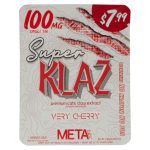
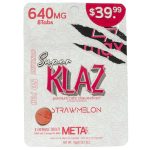
Ready to compare product formats? Shop botanical tablets at Poppy Lotus, including Meta Tabz Super KLAZ and Script Botanicals Paradise Blend made with Cat’s Claw extract, Hero Suta featuring M. Hirsuta extracts, and M. Hirsuta blends from Kava Suta and iSuta.
-
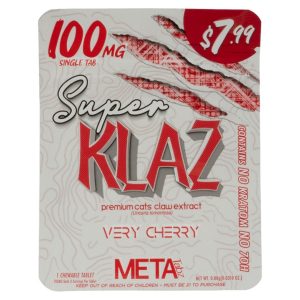 $7.99Up to 10% offView options This product has multiple variants. The options may be chosen on the product page
-
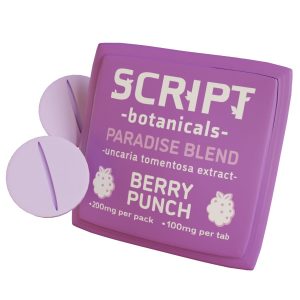 $18.99View options This product has multiple variants. The options may be chosen on the product page
-
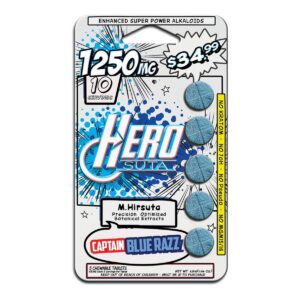 $34.99Up to 10% offView options This product has multiple variants. The options may be chosen on the product page
-
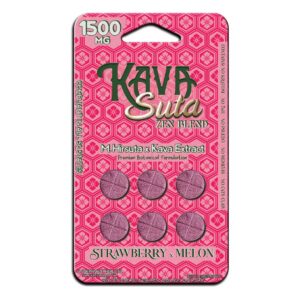 $39.99Up to 10% offView options This product has multiple variants. The options may be chosen on the product page
-
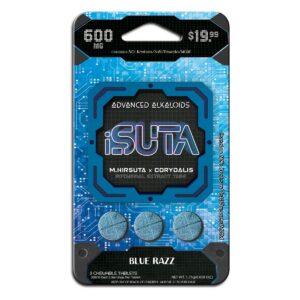 $19.99Up to 10% offView options This product has multiple variants. The options may be chosen on the product page
For Cat’s Claw:
Look for the Latin botanical name (Uncaria tomentosa or U. guianensis) on labels
Confirm the plant part (inner bark or stem bark) and country of origin are disclosed
Choose products from established herbal supplement companies with third-party purity testing
Avoid items marketed for intense mood elevation, euphoria, or “opioid-like” relaxation, as these claims are inconsistent with traditional Cat’s Claw use and may signal adulteration
For Mitragyna hirsuta:
Exercise extreme caution with any product that does not plainly state “Mitragyna hirsuta leaf”
Demand batch test results and be wary of products making explicit pain treatment or withdrawal claims
Research the vendor and avoid products sold without clear dose information
Anyone with liver, kidney, cardiovascular, psychiatric, or substance use conditions, or those taking prescription medicines, pregnant, breastfeeding, or buying for children, should speak with a healthcare professional before using either herb.
When to Seek Medical Help and Evidence-Based Alternatives
Herbal products should never replace emergency care or established medical treatment for overdose, dependence, or serious chronic illness.
Seek urgent evaluation if you or someone else experiences extreme drowsiness, slowed breathing, blue lips or fingertips, or non-responsiveness after using any product labeled as Cat’s Claw, Mitragyna hirsuta, kratom, or “7-OH-free.” Opioid-like withdrawal, including insomnia, diarrhea, muscle aches, anxiety, and severe cravings after stopping kratom or 7-OH, warrants professional assessment rather than self-substitution with botanical blends.
Evidence-based treatments for opioid use disorder include medications such as buprenorphine, methadone, and naltrexone combined with counseling. These approaches have substantially more research behind them than hirsuta or Cat’s Claw products.
If your interest is primarily wellness rather than psychoactive effects, keep herbal supplement use conservative, time-limited, and monitored for side effects. Prioritize lifestyle and medical interventions with stronger evidence.
FAQ
Is authentic Cat’s Claw considered an opioid or a kratom substitute?
No. Genuine Cat’s Claw (Uncaria tomentosa / U. guianensis) is not an opioid, not kratom, and not a standard kratom substitute. It is traditionally prepared and used as an herbal supplement for immune and joint support, with a completely different chemistry from Mitragyna species. Any product using the Cat’s Claw name that promises opioid-like effects has likely been adulterated.
Can Mitragyna hirsuta prevent or treat kratom withdrawal?
No well-controlled clinical trials establish that Mitragyna hirsuta can safely prevent or treat kratom withdrawal. User anecdotes exist but do not replace medical evidence. Self-medicating dependence with hirsuta may prolong or complicate the problem. A university-affiliated addiction medicine provider or substance use disorder specialist can help determine the best course of treatment.
How can I tell if a “Cat’s Claw product” is adulterated?
Be skeptical of products labeled as Cat’s Claw that promise rapid euphoria, strong pain relief, or opioid-like effects. Red flags include missing Latin name and plant part, proprietary blends that hide composition, and absence of accessible third-party lab reports. Products sold in gas stations, smoke shops, or convenience stores alongside kratom formulations deserve extra caution. The answer to whether a product is legitimate often comes down to whether its testing data are free and publicly available.
Are Cat’s Claw and Mitragyna hirsuta safe to combine with prescription medications?
Both herbs may interact with medications through immune, liver enzyme (such as CYP3A4), or central nervous system pathways. Combining them with blood thinners, immunosuppressants, sedatives, antidepressants, or opioid medicines should only happen under direct medical supervision. What happened in reported cases of adverse interactions underscores the importance of full disclosure to your pharmacology-aware healthcare provider.
Is it safer to use a “7-OH-free” botanical blend than kratom?
“7-OH-free” on a label does not guarantee safety or the absence of other potent opioid-active substances. The Utah Poison Control Center and federal scheduling actions in 2026 involved products marketed as botanical or Cat’s Claw blends that contained dangerous pseudoindoxyl derivatives. Categories like “free of 7-OH” or “natural blend” are marketing claims, not safety certifications. Independent testing is the only way to verify what a product actually contains.
References
National Center for Complementary and Integrative Health (NCCIH), Cat’s Claw fact sheet
Utah Poison Control Center, October 2026 public safety warning
Federal Register, August 26, 2026, temporary scheduling of MGPI, MGM-15, MGM-16
medRxiv preprint, October 2026, analysis of 46 Cat’s Claw products