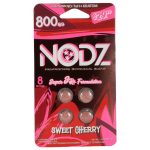
Cat’s Claw
Cat’s Claw vs Kratom: Real Herb, Kratom Alkaloids, and the New “Cat’s Claw” Tablets
If you’ve seen cat’s claw tablets at a gas station or smoke shop lately and wondered whether they’re the same herbal supplement you’d find at a health food store, the short answer is: probably not. A wave of adulterated cat’s claw products containing potent opioid compounds has changed the landscape, making the cat’s claw vs…

If you’ve seen cat’s claw tablets at a gas station or smoke shop lately and wondered whether they’re the same herbal supplement you’d find at a health food store, the short answer is: probably not. A wave of adulterated cat’s claw products containing potent opioid compounds has changed the landscape, making the cat’s claw vs kratom distinction more important-and more confusing-than ever. This article breaks down what each plant actually is, what’s being sold under the cat’s claw name, and how to protect yourself.
Key Takeaways
Genuine cat’s claw is a traditional herbal supplement derived from the bark or root of Uncaria tomentosa or Uncaria guianensis, a woody vine native to the Amazon rainforest. Some cat’s claw tablets now sold in smoke shops and gas stations contain kratom-derived opioid compounds such as 7 OH analogs, MGM-15, and mitragynine pseudoindoxyl-none of which belong in an ordinary cat’s claw product.
Cat’s claw (Uncaria tomentosa / U. guianensis) has limited but growing research suggesting modest benefits for inflammation and immune modulation, while kratom (Mitragyna speciosa) is often sought for natural pain relief and energy enhancement but carries well-documented risks of physical dependence, withdrawal symptoms, and opioid overdose.
Products marketed as cat’s claw in convenience stores, gas stations, and smoke shops may actually be kratom alkaloid tablets. Labels claiming “7-OH free” do not guarantee opioid-free content-a product can claim “7-OH free” but still contain opioids like MGM-15 or mitragynine pseudoindoxyl.
Neither cat’s claw supplements nor kratom extracts are FDA-approved for medical treatment. Anyone considering either substance for addiction treatment, pain, or mood should seek medical advice first.
The rest of this article compares botanical identity, preparation types, disclosed composition, and evidence limits, with practical guidance on how to recognize genuine cat’s claw vs. kratom-related cat’s claw branded tablets.
Cat’s Claw vs Kratom at a Glance
Cat’s claw is a non-opioid herbal supplement sold as capsules, teas, and standardized extracts at pharmacies and health food stores. Kratom is a tropical evergreen tree native to Southeast Asia whose leaves are sold as powders, raw leaf, teas, and concentrated extracts that produce opioid like effects at higher doses. Both plants belong to the Rubiaceae family, but that’s about where the similarity ends.
The reason they’re being compared now isn’t botanical-it’s commercial. After several states cracked down on kratom products and 7 OH, some manufacturers began selling novel potent opioid products under cat’s claw branding. The result: people looking for a traditional cat’s claw supplement may end up with an illegal kratom product sold as something harmless.
Here’s how they compare on the basics:
Cat’s Claw | Kratom | |
|---|---|---|
Legal status | Legal as a dietary supplement (DSHEA) | Legal federally but restricted in many states; some derivatives now Schedule I |
Main active compounds | Oxindole alkaloids, triterpenes, polyphenols | Mitragynine, 7-hydroxymitragynine (7 OH), and related substances |
Traditional use | Inflammation, immune support, joint pain | Stimulation (low dose), pain relief and sedation (high dose) |
Safety concerns | GI upset, drug interactions, limited long-term data | Opioid dependence, respiratory depression, liver toxicity, overdose |
Recent safety alerts involve cat’s claw branded tablets that contain kratom alkaloids-not the traditional cat’s claw herb itself.
Botanical Identities: Two Different Plants in the Rubiaceae Family
Both cat’s claw and kratom belong to the Rubiaceae (coffee) family, but they come from different genera, different species, and different continents.

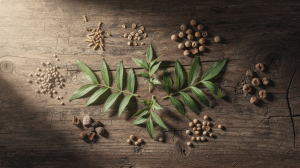
Genuine cat’s claw is Uncaria tomentosa or Uncaria guianensis-woody vines from Central and South America, primarily the Amazon basin. Indigenous groups have called it uña de gato (cat’s claw) for the hook-shaped thorns on its stems. Traditionally, Amazonian communities like the Ashaninka used bark and root decoctions for wound care, joint complaints, and digestive issues.
Kratom is Mitragyna speciosa, a tropical tree native to Thailand, Indonesia, and Malaysia in Southeast Asia. Workers in those regions historically chewed fresh leaves or brewed them into tea for energy during long labor and for modest pain relief.
Despite sharing a plant family, their pharmacology diverges sharply. Cat’s claw is traditionally used for reducing inflammation and joint pain, with no documented opioid-type psychoactivity. Kratom contains mitragynine and 7-hydroxymitragynine that bind to mu-opioid receptors-the same brain receptors targeted by morphine and fentanyl.
A product labeled only “Cat’s Claw” without a Latin name may not clearly indicate which plant-or which type of substance-you’re actually buying.
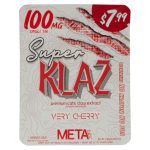
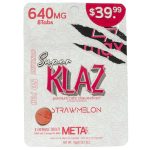
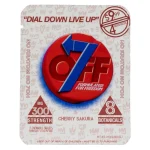
Comparing cat's claw tablet options? Shop cat's claw products at Poppy Lotus, including Meta Tabz Super KLAZ and Script Botanicals Paradise Blend. Explore the listings below for named botanical ingredients, tablet counts, and labeled amounts.
-
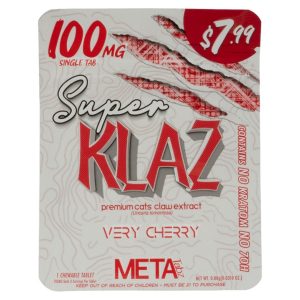 $7.99Up to 10% offView options This product has multiple variants. The options may be chosen on the product page
-
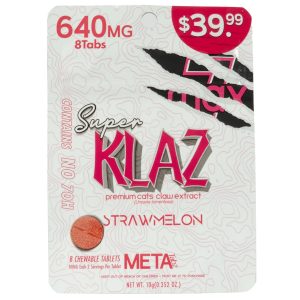 $39.99Up to 10% offView options This product has multiple variants. The options may be chosen on the product page
-
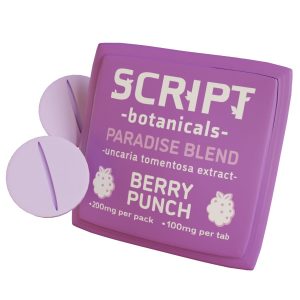 $18.99View options This product has multiple variants. The options may be chosen on the product page
-
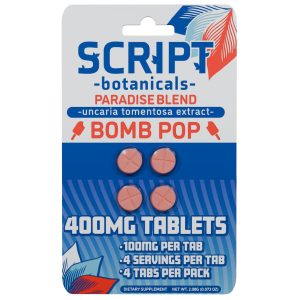 $34.99View options This product has multiple variants. The options may be chosen on the product page
Traditional and Modern Uses of Genuine Cat’s Claw
This section focuses only on authentic cat’s claw herbal supplements (bark, root, standardized extracts), not the new smoke-shop tablets.
For centuries, Amazonian communities in South America have used Uncaria tomentosa decoctions for inflammatory joint conditions, gastric complaints, wound healing, fevers, and general immune support. These traditional applications were documented in ethnobotanical reports well before cat’s claw entered Western supplement markets.
In modern U.S. and European marketing, cat’s claw is promoted for osteoarthritis, rheumatoid arthritis, gut health, and immune modulation. However, the National Center for Complementary and Integrative Health (NCCIH) states that human evidence remains insufficient for firm medical claims. One small randomized trial of 40 people with rheumatoid arthritis found that a U. tomentosa extract (60 mg active extract daily for 24 weeks) reduced the number of painful joints versus placebo, but didn’t significantly change swollen joints, stiffness, or lab inflammatory markers.
Typical cat’s claw tablets and capsules sold in pharmacies list doses of 250–350 mg standardized extract or roughly 1 g of dry bark taken two to three times daily. Cat’s claw is generally considered safe for short-term use with mild side effects-mainly GI upset, nausea, or diarrhea. Known concerns include interaction potential with anticoagulants, blood pressure medicines, and immune therapies (CYP3A4 inhibition), plus a lack of robust safety data in pregnancy or long-term high-dose use. Both cat’s claw and kratom interact with prescription medications and other health conditions, but the nature and severity of those interactions differ greatly.
Kratom: Traditional Leaf vs. Concentrated Extracts
In Southeast Asia, kratom’s traditional role was modest: workers chewed fresh leaves or brewed mild teas for fatigue and manual labor endurance. At low doses (roughly 1–5 g of leaf), effects are mildly stimulating. At higher doses, sedation and opioid like effects emerge.
In North America, the picture looks very different. Kratom is sold as powdered leaf, capsules, resins, and high-potency liquid or tablet extracts marketed for pain, mood, “energy,” and “focus.” Kratom is unapproved by the FDA and faces legal restrictions in several areas due to safety concerns. Kratom can lead to physical dependence and carries a high addiction risk-especially at higher doses or with concentrated extract products.
The key alkaloids driving these effects are mitragynine (the most abundant) and 7-hydroxymitragynine (7 OH), which is far more potent at the mu-opioid receptor per milligram. While some individuals use kratom in attempts at self-managed opioid tapering, clinical evidence supporting this is limited, and medical organizations warn about opioid dependence, significant opioid like withdrawal, and overdose when extracts or high doses are used.
Concentrated kratom alkaloids and their synthetic kratom derivatives-such as MGM-15 (dihydro-7-hydroxymitragynine) and mitragynine pseudoindoxyl-are more potent than raw leaf compounds and have driven recent safety alerts. In August 2026, the Drug Enforcement Administration temporarily placed mitragynine pseudoindoxyl and MGM-15 (along with MGM-16) as Schedule I controlled substances, citing high abuse potential and no accepted medical use.
From Herb to Tablet: How Cat’s Claw and Kratom Are Prepared and Sold
Genuine cat’s claw products come as dried bark, teas, alcohol- or water-based tinctures, and standardized capsules. Established supplement brands usually disclose standardized extract levels-for example, percentages of carboxy alkyl esters or oxindole alkaloids-and list other herbal ingredients clearly on the label.
Kratom’s formulation landscape is broader and murkier. Products range from raw powdered leaf to fortified or “enhanced” alkaloid extracts, often labeled with vague terms like “kratom extract,” “proprietary blend,” or marketing language emphasizing subjective effects (“ultra relief,” “extra strong”) rather than precise alkaloid content.
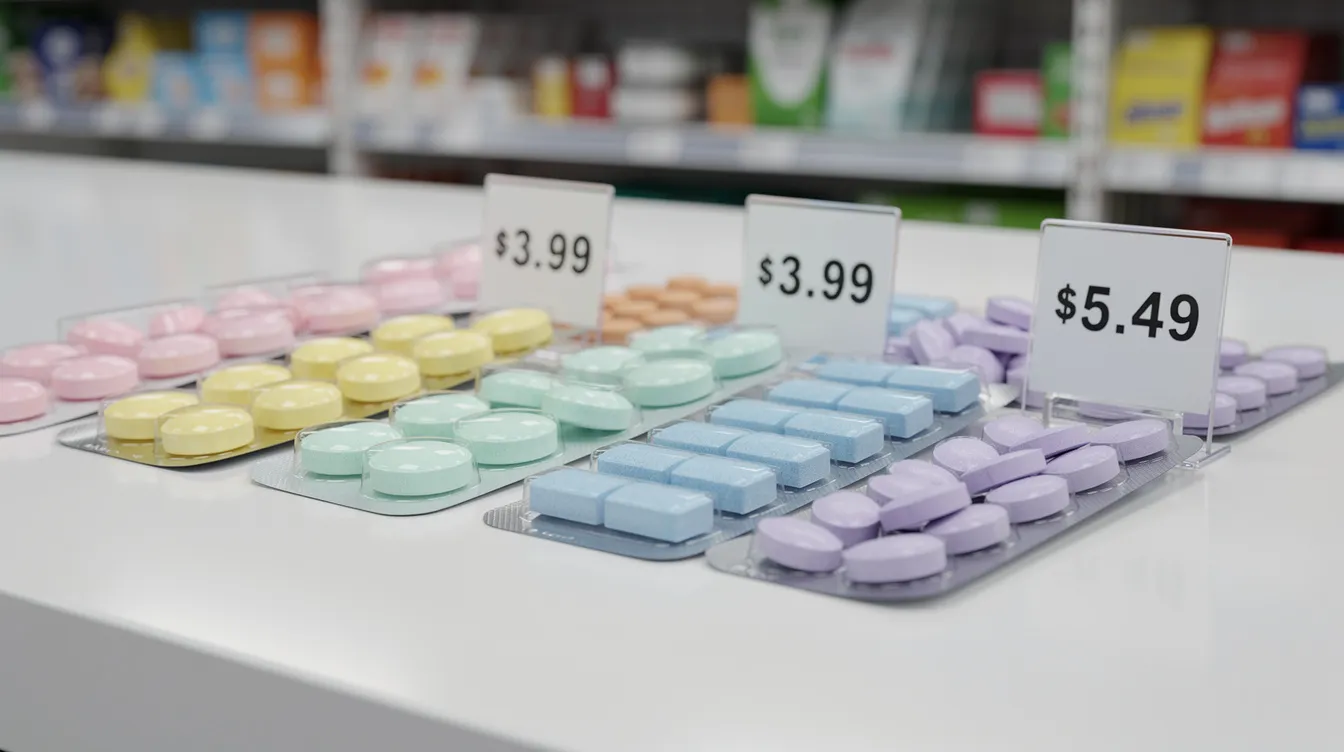
The emergence of cat’s claw branded tablets in smoke shops after state-level kratom crackdowns has blurred these categories. Some tablets look like a standard cat’s claw supplement but behave pharmacologically like potent kratom extract products. Packaging language found in 2025–2026 alerts includes phrases like “Cat’s Claw Extract,” “7-OH free,” and “no kratom”-language designed to suggest a benign herbal supplement while the product may contain unlabeled alkaloids that produce opioid like effects.
What’s in the Plant? Comparing Active Constituents
Both cat’s claw and kratom show significant differences in their pharmacological properties, starting with what’s actually inside each plant.
Cat’s claw phytochemistry centers on oxindole and indole alkaloids (mitraphylline, pteropodine, rhynchophylline), triterpenes, quinovic acid glycosides, and polyphenols. These compounds have demonstrated antioxidant and anti-inflammatory activity in lab settings-inhibiting pro-inflammatory cytokines like TNFα and modulating NF-κB signaling. Crucially, cat’s claw alkaloids have not been shown in human studies to act on the opioid system or produce classic opioid euphoria.
Kratom phytochemistry revolves around indole alkaloids, with mitragynine as the dominant compound and 7-hydroxymitragynine (7 OH) present in smaller amounts but with much higher mu-opioid receptor potency. The emerging compounds-mitragynine pseudoindoxyl and MGM-15-are semi-synthetic or modified kratom alkaloids. MGM-15 is chemically related to 7-hydroxymitragynine and acts on opioid receptors with significantly greater potency than traditional kratom leaf, leading to heightened overdose and dependence concerns. Mitragynine pseudoindoxyl and MGM-15 are both opioid active compounds now classified as Schedule I.
Lab certificate data illustrates the potency gap: a “Tropic Thunder MGM-15 20 mg” tablet tested at 23.01 mg MGM-15 and only 0.5 mg mitragynine-meaning the semi-synthetic derivative dwarfed the natural alkaloid content. Products marketed as cat’s claw but fortified with these kratom alkaloids can clearly produce opioid effects that traditional cat’s claw cannot.
When “Cat’s Claw” Means Kratom Alkaloids: Mislabeling and 7-OH Workarounds
In late 2025 and 2026, several U.S. states reported that products marketed as cat’s claw tablets contained kratom-derived opioid active compounds instead of-or in addition to-genuine cat’s claw.
The regulatory context matters. As states restricted kratom extracts and 7 OH, manufacturers introduced emerging substances like MGM-15 and mitragynine pseudoindoxyl, sometimes under cat’s claw branding, to stay ahead of the drug market regulations.
Utah officials found opioid compounds in Buzzers Cat’s Claw tablets. Specifically, Utah testing found mitragynine pseudoindoxyl in Buzzers cat’s claw tablets, along with MGM-15. Those Buzzers Cat’s Claw tablets were labeled as “Cat’s Claw” (some listing Uncaria tomentosa) and stated “no kratom,” yet lab results revealed potent opioid active alkaloid compounds. At least four deaths in Utah have been linked to these adulterated cat’s claw products. The Utah Poison Control Center and Utah Health officials warned of severe overdoses linked to adulterated products.
Similarly, in Ohio, brands like “Happy Daze Botanical Mango” marketed as cat’s claw were found to contain synthetic kratom derivatives. In Tennessee, gas station cat’s claw supplements were implicated in several severe health incidents involving opioid acting compounds derived from kratom rather than traditional herbs. Louisiana‘s Alcohol and Tobacco Control office also issued a public advisory about Buzzers-brand products.
Products labeled “7-OH free” can still contain other opioid active compounds. The absence of 7-hydroxymitragynine does not exclude MGM-15, MGM-16, or mitragynine pseudoindoxyl. Consumers seeking a legal herbal supplement might unknowingly ingest potent opioid products because the product is marketed as cat’s claw rather than kratom. Counterfeit products claiming to be cat’s claw may contain kratom or other opioids. Regulatory agencies warn against purchasing dietary supplements from unverified vendors.
Evidence Limits: What We Actually Know About Cat’s Claw vs Kratom
Neither cat’s claw nor kratom has been approved by the FDA for treating any medical condition, and high-quality randomized trials are limited for both.
For cat’s claw, small clinical studies suggest possible benefits for joint symptoms and inflammation markers, but the NCCIH concludes evidence is insufficient for firm claims on arthritis, cancer, or autoimmune disease. Trials have been small (40–100 participants), short (4–24 weeks), and difficult to compare because extract standardization varies widely.
For kratom, much of the evidence comes from observational surveys, case reports, and preclinical work. Some users report pain relief or reduced opioid use, but there are also documented cases of opioid dependence, withdrawal syndromes, liver injury, and-with high-potency extracts-overdose. Kratom is associated with serious risks such as respiratory depression and liver toxicity. A 2026 paper in the Journal of Analytical Toxicology found MGM-15 in over 50% of blood specimens from death investigations linked to adulterated products.
Evidence for using either substance in addiction treatment is particularly weak. Self-reported benefit does not equal a validated medical protocol, and interactions with medications or mental health conditions are not well characterized. Given the evidence gaps and the emergence of semi-synthetic kratom alkaloids, medical supervision is essential for anyone considering either plant-or cat’s claw branded tablets-for chronic pain or substance use issues.
Risk Profiles: Side Effects, Dependence, and Overdose
The risk landscapes for genuine cat’s claw versus kratom and kratom-alkaloid tablets are dramatically different. Kratom has a significantly more dangerous safety profile compared to cat’s claw.
Genuine cat’s claw risks:
GI discomfort (nausea, diarrhea)
Possible effects on blood clotting (concern before surgery or with anticoagulants)
Rare kidney or liver issues (reported in lupus patients)
Theoretical risks in pregnancy, breastfeeding, and autoimmune conditions
No evidence of opioid-type withdrawal or respiratory depression
Kratom leaf risks:
Opioid dependence with regular use
Withdrawal symptoms: restlessness, body aches, insomnia, mood changes
Reported liver toxicity
Increased danger when combined with alcohol, benzodiazepines, or other substances
Concentrated kratom alkaloids (including those in some cat’s claw tablets):
Central nervous system depression
Respiratory depression (slow or absent breathing)
Sedation and unresponsiveness
Pinpoint pupils
Severe withdrawal and opioid addiction with repeated use
Need for emergency response and naloxone
Any “cat’s claw supplement” that causes opioid-type withdrawal or respiratory depression should be treated as a suspect kratom-alkaloid product-not a conventional herbal supplement. Genuine cat’s claw has not been shown to cause opioid overdose or severe withdrawal.
The Utah Poison Control Center warned about severe overdoses linked to cat’s claw products, and poison control officials in multiple states have echoed similar warnings. The Washington Poison Center has also received reports involving these products.
Reading the Label: How to Recognize Genuine Cat’s Claw Products
Telling an authentic cat’s claw product from an adulterated one starts with the label.
Signs of a genuine product:
Clear botanical names: Uncaria tomentosa or Uncaria guianensis
Plant part specified (inner bark, root)
Standardized extract information (e.g., % oxindole alkaloids or carboxy alkyl esters)
Sold through established herbal supplement channels (pharmacies, health food stores)
No claims of euphoria, strong sedation, or opioid-like effects
Red flags suggesting adulterated cat’s claw:
Sold at smoke shops, gas stations, vape stores, or convenience stores
Flavored, candy-like pressed tablets or hard lozenges
Shelved next to kratom, kava products, or 7 OH products
Labels with “7-OH free,” “no kratom,” or “herbal opioid alternative” without independent lab testing
Unfamiliar alkaloid abbreviations (MGM-15, pseudoindoxyl) on the packaging or certificate of analysis
Price per tablet significantly higher than standard herbal supplements
Look for transparent ingredient lists to identify genuine products. Products labeled as cat’s claw may contain undisclosed opioid active compounds, so cat’s claw products sold alongside kratom products at a vape store deserve skepticism regardless of what the label says.
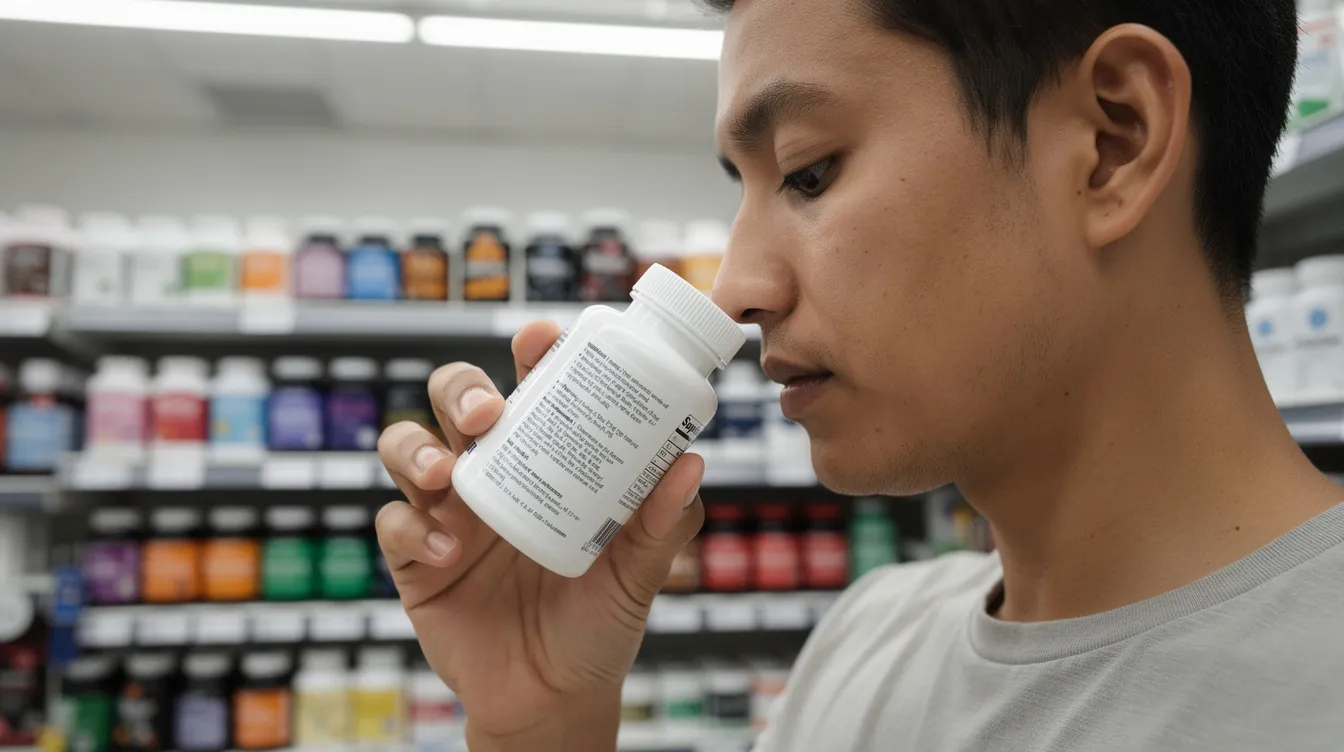
If you want a traditional cat’s claw supplement, purchase from an established health food store and discuss your choice with a clinician or pharmacist familiar with dietary supplements.
Using These Substances for Pain or Addiction Treatment: Clinical Caveats
This section isn’t a medical protocol-it’s a reality check on why unsupervised use of kratom or cat’s claw tablets for addiction treatment or chronic pain management is risky.
Kratom’s interaction with opioid receptors can make it feel like a bridge away from prescription opioids. Yet the same mechanism underlies tolerance, opioid dependence, and a recognizable opioid like withdrawal syndrome. Many people who use kratom for self-managed tapering discover they’ve replaced one opioid active substance with another.
Cat’s claw, as currently studied, does not act on opioid receptors and is not an evidence-based substitute for kratom, 7 OH, or other opioids-despite some anecdotal online claims. Cat’s claw products may be marketed as alternatives to kratom, but authentic cat’s claw and kratom are not the same substance, and they do not engage the same pharmacology.
Switching from recognized kratom products to cat’s claw tablets from a smoke shop may simply continue or deepen opioid dependence, since those tablets may contain kratom alkaloids under cat’s claw branding. This can complicate future medical detox and addiction treatment planning.
Anyone considering herbal supplements or emerging substances as part of pain or addiction strategies should consult addiction-informed clinicians who can monitor symptoms, interactions, and safety over time. Health and Human Services agencies at the federal and state level have resources for finding qualified treatment providers.
If You Think You Took a Kratom-Like “Cat’s Claw” Product
Many people discover only after experiencing side effects-or worse-that their cat’s claw tablets contained kratom alkaloids. Medical systems are increasingly aware of this pattern, and there is no reason to feel ashamed about seeking help.
Preserve evidence. Keep product packaging, receipts, or photos of cat’s claw branded tablets, especially if they mention “extract,” “7-OH free,” or unfamiliar compound names. This helps clinicians or a poison center assess possible contents.
Seek emergency care immediately if someone shows:
Slow or absent breathing
Blue or gray lips or fingertips
Inability to wake someone or unresponsiveness
Pinpoint pupils
Call 911 if someone shows signs of an opioid overdose. Naloxone should be administered in suspected overdose cases, even if the product was marketed as botanical. These are signs of serious harm requiring immediate response.
Recognize dependence warning signs:
Needing more tablets for the same effect
Feeling unwell without them (restlessness, aches, insomnia, irritability)
Using primarily to avoid sickness rather than for any benefit
Withdrawal symptoms may occur from mislabeled cat’s claw products. If you notice these patterns, professional addiction assessment is warranted. Contact your local poison center-the Utah Poison Control number and other regional centers can help triage your situation.
Do not attempt abrupt self-designed detox, and avoid mixing suspect cat’s claw tablets with alcohol, benzodiazepines, sleep medicines, or other substances, given the unknown potency of kratom alkaloids and related emerging substances. Severe withdrawal from opioid acting compounds should be managed under medical supervision.
FAQ
These FAQs address common questions not fully covered above, focusing on practical consumer concerns and clarification of confusing terminology.
Is cat’s claw the same plant as kratom?
No. Traditional cat’s claw refers to Uncaria tomentosa or Uncaria guianensis, woody vines from Central and South America. Kratom is Mitragyna speciosa, a tropical tree from Southeast Asia. While both belong to the Rubiaceae family, that family-level relationship does not mean they share opioid-like pharmacology or effects. Cat’s claw is a woody vine native to the Amazon rainforest; kratom is a tropical evergreen tree native to Southeast Asia. They are entirely different species with different chemical profiles.
Can genuine cat’s claw supplements cause opioid-type addiction?
There is no evidence that authentic cat’s claw, taken at customary supplement doses, causes opioid-type euphoria, opioid dependence, or respiratory depression. Cat’s claw is legal as a dietary supplement in the U.S. but is not FDA-approved for medical treatment. Addiction and overdose reports involve cat’s claw branded products adulterated with kratom alkaloids or their chemical analogs-not the traditional herb itself. Some products labeled as cat’s claw contain opioid active compounds that can cause opioid addiction and serious harm.
What does it mean when a label says “7-OH free” on a cat’s claw product?
“7-OH free” typically refers to the absence of 7-hydroxymitragynine, a potent kratom alkaloid. However, it does not rule out other opioid active compounds such as MGM-15 or mitragynine pseudoindoxyl and MGM-16. A product can claim “7-OH free” but still contain opioids. Treat such products with the same caution as kratom extracts, and do not assume they are low risk simply because one specific compound is absent. OH and related substances may still be present in modified forms.
How can I tell if my cat’s claw product is a normal herbal supplement rather than a kratom tablet?
Check for clear botanical names (Uncaria tomentosa or U. guianensis), standardized extract information, and an absence of strong recreational claims like “euphoric,” “opioid-like,” or “extreme relief.” Use extra caution if the product is a flavored pressed tablet from a vape shop or gas station, especially if it’s displayed near kratom or labeled with unfamiliar alkaloid abbreviations. Purchasing from an established health food store rather than a smoke shop significantly reduces the risk of getting an adulterated product.
Is it safer to switch from kratom to cat’s claw tablets instead of quitting?
Switching from kratom to genuine cat’s claw capsules might reduce opioid exposure, but it is not a validated tapering plan and should not be attempted without clinical guidance. Switching from kratom to cat’s claw may not reduce opioid dependence if those “cat’s claw” tablets from smoke shops actually contain kratom alkaloids under a different name. This could delay appropriate addiction treatment and maintain dependence. Anyone attempting to reduce or stop kratom use should work with a healthcare provider who can supervise medical detox and monitor for complications.