Cat’s Claw
Cat’s Claw Tincture: Real Herb, Label Confusion, and How to Choose Safely
The words “cat’s claw” can mean very different things depending on where you’re shopping. For some, it’s a traditional herbal tincture made from an Amazonian vine. For others-especially those browsing gas stations or convenience stores-it might be a tablet loaded with undisclosed opioid active compounds that have nothing to do with the original plant. This…
The words “cat’s claw” can mean very different things depending on where you’re shopping. For some, it’s a traditional herbal tincture made from an Amazonian vine. For others-especially those browsing gas stations or convenience stores-it might be a tablet loaded with undisclosed opioid active compounds that have nothing to do with the original plant. This article breaks down what genuine cat’s claw tincture actually is, what the science says, and how to avoid products that could put your health at serious risk.
Key Takeaways
Genuine cat’s claw comes from Uncaria tomentosa or Uncaria guianensis, a tropical woody vine native to the Amazon rainforest and other tropical areas of Central and South America. It has been traditionally used as an herbal anti inflammatory support for joints, digestive health, and the immune system, but cat’s claw has not been conclusively proven to prevent or treat any medical condition. There is insufficient evidence to support disease-treatment claims.
Cat’s claw tincture is just one preparation among teas, capsules, and powders. A dropperful of liquid extract is not automatically stronger or equivalent to a capsule or tea, and volumes, plant weights, and “extract amounts” on labels are not directly comparable across brands or product types.
Some modern “Cat’s Claw” tablets and blends sold in smoke shops have been found to contain undisclosed opioid active compounds-including kratom derivatives-and are fundamentally different from a traditional cat’s claw tincture made from the real herb.
People with health conditions like rheumatoid arthritis or autoimmune disease, or those taking prescription drugs such as blood pressure drugs or SSRIs, should talk with a healthcare provider before using cat’s claw because of possible immune system modulation and drug interaction concerns.
This article includes a practical label-reading guide, a comparison of preparations, and a FAQ to help you recognize authentic cat’s claw tincture and avoid risky products sold under the same name.
What Is Cat’s Claw? (The Real Herb, Not the Tablet Hype)
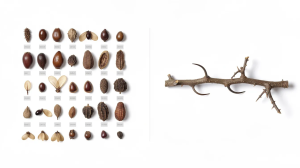
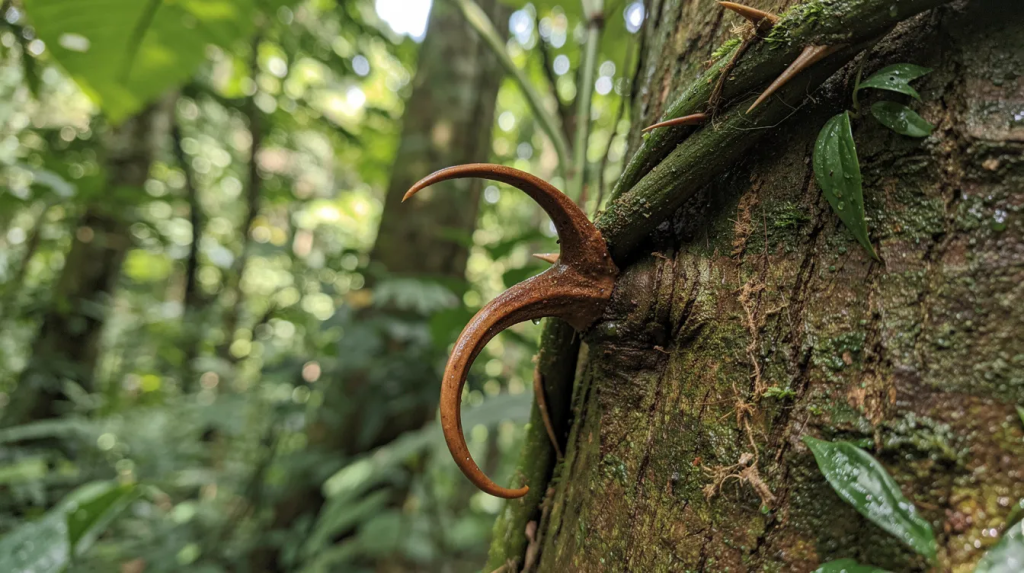
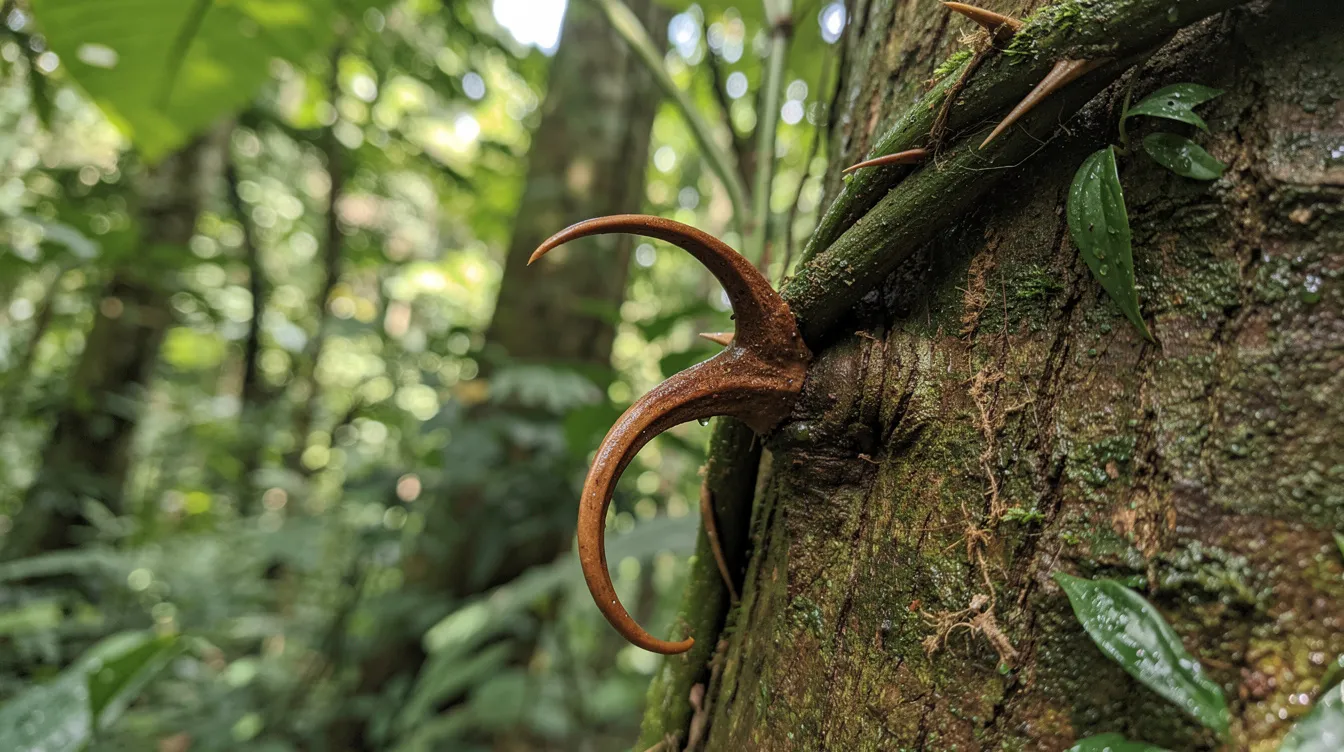
Cat’s claw is a woody vine known in Spanish as uña de gato. It grows wild in the Amazon rainforest and other tropical areas across Central and South America, climbing trees with the help of hooked thorns that resemble a cat’s claw-hence the common name. The bark (especially inner bark) and root are the plant parts most often used in traditional medicine, where they have been prepared as teas, poultices, and tinctures for centuries.
Traditional cat’s claw refers to two species: Uncaria tomentosa and Uncaria guianensis. These are distinct plants with different chemical profiles, and neither should be confused with devil’s claw (Harpagophytum spp.) or cat’s foot, which are entirely unrelated species. Cat’s claw has traditionally been used for inflammatory conditions and to support digestive health, but the U.S. National Center for Complementary and Integrative Health (NCCIH) considers the scientific evidence for specific health purpose claims limited or based on insufficient evidence, even though traditional use is long-standing.
In herbalism, “real herb” cat’s claw means preparations derived directly from the vine-bark, root-without undisclosed synthetic or kratom-derived compounds. That distinction matters more today than ever, as we’ll cover below.
How Cat’s Claw May Work in the Body
Cat’s claw may affect inflammation and the immune response, but its mechanisms are not fully established in humans. Most of what we know comes from laboratory and animal research, not clinical trials.
The plant contains several compound groups studied for biological activity:
Pentacyclic oxindole alkaloids (such as mitraphylline and isopteropodine) and other oxindole alkaloids
Tannins and polyphenols with antioxidant capacity
Quinovic acid glycosides
Catechins and other triterpenoids
Cat’s claw contains oxindole alkaloids and polyphenols with potential health benefits. Laboratory research shows cat’s claw has antioxidant properties. In cell and animal studies, these compounds reduce markers of inflammation by inhibiting NF-κB signaling and lowering cytokines like interleukin-6. A 2024 systematic review and meta-analysis found that U. tomentosa extracts significantly decreased IL-6 and NF-κB in animal models, though effects on TNF-α and other markers were inconsistent.
Cat’s claw may also affect blood clotting, blood pressure, and serotonin pathways-which is precisely why interactions with anticoagulants, blood pressure medicines, and SSRIs are a concern. It has shown CYP3A4 inhibition in vitro, raising the possibility that it could alter how the body processes certain medications.
Critically, differences in species (Uncaria tomentosa vs Uncaria guianensis), plant parts, and extraction methods mean that two cat’s claw tinctures can have very different chemical profiles. One in vitro study found U. guianensis had stronger antioxidant and anti inflammatory potency than U. tomentosa, despite the latter having roughly 35 times more total oxindole and pentacyclic oxindole alkaloid content.
Cat’s Claw Tincture vs Other Preparations
Cat’s claw is sold as tinctures, liquid extracts, capsules, tablets, teas, and topical gels. Each form is made differently, and you should never assume that equal liquid volumes, herb weights, or total blend amounts across different products are equivalent in potency or effects.
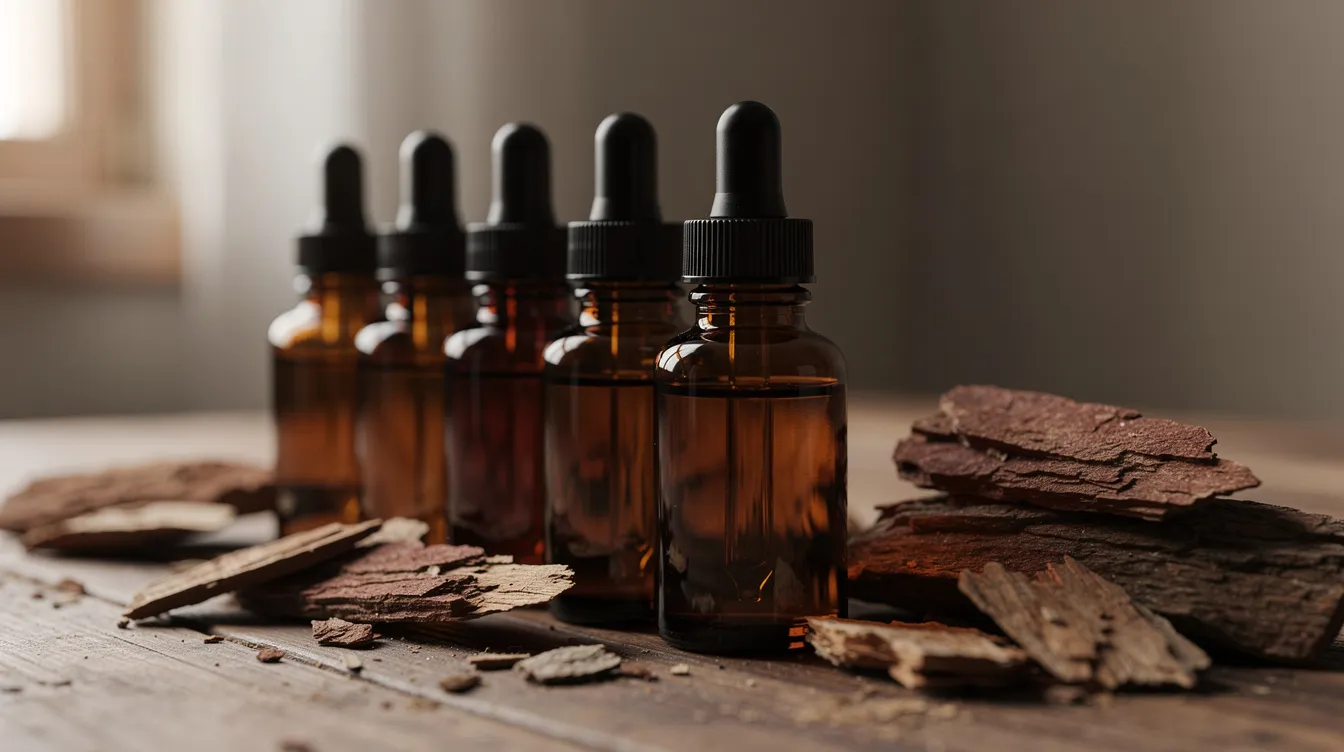
Cat’s claw tincture is made by soaking the inner bark or root in a solvent-typically ethanol, a mix of ethanol and water, or glycerin-over a period of weeks. The result is a liquid extract taken by drops.
Here’s how it compares to other preparations:
Preparation | How It’s Made | Key Considerations |
|---|---|---|
Tincture | Bark or root macerated in alcohol/glycerin | Strength depends on plant-to-solvent ratio (e.g., 1:3, 1:5), solvent type, and plant part |
Capsules/Tablets | Powdered herb or dry extract pressed into pills, often with fillers | “500 mg” reflects weight of fill material, not dissolved active constituents |
Teas/Decoctions | Bark simmered in water | Extracts primarily water-soluble compounds; strength varies with brew time, temperature |
Standardized Extract | Processed to guarantee specific marker percentages | Only standardized for the markers listed; other compounds may vary freely |
Topical Gel | Cat’s claw in a cream or gel base | Designed for skin or mucosal use; not equivalent to internal forms |
Because extraction solvents, plant-to-solvent ratios, and raw material quality differ widely, “1 mL” of one tincture cannot be treated as identical to “1 mL” of another brand, or to “1 capsule,” or “1 cup of tea.” Responsible comparison focuses on how a company discloses extraction details, herb identity, and testing results-not on equating numbers across labels.
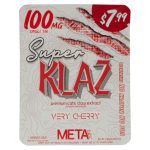
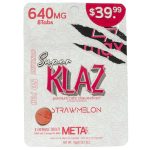
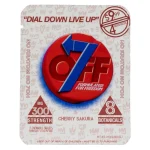
Exploring tablet formats too? Shop cat's claw products at Poppy Lotus, including Meta Tabz Super KLAZ and Script Botanicals Paradise Blend. These chewable extract tablets are a different format from traditional cat's claw tinctures.
-
 $7.99Up to 10% offView options This product has multiple variants. The options may be chosen on the product page
-
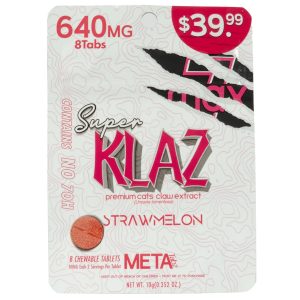 $39.99Up to 10% offView options This product has multiple variants. The options may be chosen on the product page
-
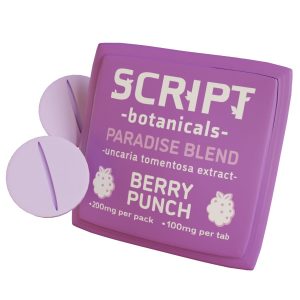 $18.99View options This product has multiple variants. The options may be chosen on the product page
-
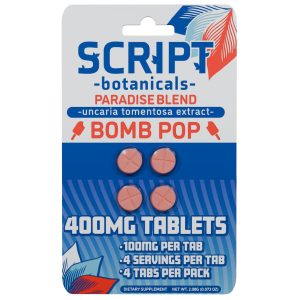 $34.99View options This product has multiple variants. The options may be chosen on the product page
Potential Benefits of Using Cat’s Claw Tincture
There is limited clinical research supporting the health benefits of cat’s claw. Most evidence comes from small or preliminary studies on capsules or standardized cat’s claw extract, not always tinctures, and research quality is mixed. More research is needed across nearly every claimed health purpose.
Immune system support: Cat’s claw may boost immune system function. A small study found that 700 mg of cat’s claw daily increased white blood cell counts in participants, suggesting possible immune modulation. However, this data is not strong enough to recommend it for treating viral infections, human immunodeficiency virus, or other infections.
Joint and inflammatory support:
Cat’s claw has anti-inflammatory properties that may reduce inflammation. It has traditionally been used for joint discomfort, and cat’s claw may help relieve symptoms of osteoarthritis. Small trials suggest modest improvements in pain and knee swelling when cat’s claw is combined with standard treatment.
In rheumatoid arthritis, one clinical study reported that 60 mg of cat’s claw daily reduced painful joints in rheumatoid arthritis patients already on medication-approximately a 29% reduction compared to placebo. Sample sizes were small.
Other exploratory areas (early-stage or preclinical only):
Cognitive and brain health research in models of Alzheimer’s disease
Adjunctive support in cancer-related fatigue and quality of life (not a treatment for cancer itself)
Possible antiviral findings in lab settings that have not been confirmed in human trials
Because most research used non-tincture forms, benefits from cat’s claw tincture are inferred rather than directly proven and may vary with product composition. Using cat’s claw for any health purpose should be discussed with a qualified clinician.
Risks, Side Effects, and Who Should Avoid Cat’s Claw
The U.S. FDA has not approved cat’s claw for medical use. Dietary supplements like cat’s claw tincture are not FDA-approved drugs, and safety data are incomplete.
Common or reported side effects:
Cat’s claw may cause nausea and diarrhea in large amounts
Stomach discomfort, headache, dizziness, or fatigue
Frequency and severity depend on dose and individual sensitivity
Serious but less common risks:
Allergic reactions (itching, hives, swelling, breathing difficulty)
Potential effects on blood pressure-both high blood pressure and low blood pressure have been reported; caution with blood pressure drugs
Cat’s claw may slow blood clotting, raising risk for those with bleeding disorders or on anticoagulants
Serotonin syndrome has been linked to cat’s claw use, particularly when combined with SSRIs or other serotonergic medications. Cat’s claw can interact with SSRIs and blood pressure medications.
Who should avoid cat’s claw or use it only under medical supervision:
People who are pregnant, trying to conceive, or breastfeeding-cat’s claw should be avoided during pregnancy and breastfeeding due to safety concerns
Individuals with autoimmune disease (because cat’s claw can modulate immune activity in unpredictable ways); individuals with autoimmune conditions should consult a physician before taking cat’s claw
Those with bleeding disorders, or taking anticoagulants, blood pressure medications, or chemotherapy
Anyone with a known allergy to cat’s claw or related medicinal plants
U.S. and Canadian regulators encourage consumers to report suspected supplement side effects to systems like FDA MedWatch. If you experience severe symptoms-swelling of the face or throat, difficulty breathing, chest pain-stop taking cat’s claw immediately and seek medical attention.
Cat’s Claw Tincture and Rheumatoid Arthritis
People with rheumatoid arthritis are drawn to cat’s claw because of its immune-modulating and anti inflammatory potential. But rheumatoid arthritis is a serious autoimmune disease, and cat’s claw is not a cure and should not replace prescribed disease-modifying antirheumatic drugs (DMARDs).
The main clinical evidence comes from a small trial where cat’s claw extract (tablets, not tincture) was added to standard RA treatment:
Participants took approximately 60 mg of a specific Uncaria tomentosa extract daily
Studies used 60 mg and 100 mg doses for arthritis treatment across different protocols
Roughly 53% of the cat’s claw group reported a significant reduction in painful joints (vs 24% on placebo) after 24 weeks
After extending to 52 weeks, beneficial effects were observed on all assessed clinical parameters
However, the sample size was only 40 participants-this is insufficient evidence to recommend routine use. Morning stiffness and swollen joint counts did not consistently improve in the first phase.
Why this matters for RA patients specifically:
RA is an autoimmune disease where early, aggressive suppression of inflammation prevents irreversible joint damage
Unsupervised immune system modulation with herbs can theoretically flare disease or interfere with medications
Cat’s claw may lead to physical dependence with repeated use of certain preparations, though this risk is primarily associated with adulterated products rather than the traditional herb
If you have RA and are considering taking cat’s claw, only do so under supervision from a rheumatologist or knowledgeable clinician. Monitor lab tests and symptoms closely. Never stop RA medicines abruptly-doing so risks joint damage and systemic complications.
How to Read Cat’s Claw Labels Without Being Misled
The biggest safety problem today is the gap between labels and actual contents in some “Cat’s Claw” products sold in smoke shops, convenience stores, and online.
What authentic cat’s claw tincture labels should include:
Botanical name: Uncaria tomentosa or Uncaria guianensis
Plant part: bark, inner bark, or root
Extraction solvent: alcohol percentage, glycerin, or water blend
Plant-to-solvent ratio (e.g., 1:3, 1:5)-but ratios between brands are not directly comparable to each other or to capsule “mg” numbers
Do not assume that:
Equal liquid volumes (“1 dropperful,” “1 mL”) between products mean equivalent strength
“500 mg cat’s claw” in one capsule equals “500 mg” in another brand or equals a particular volume of tincture
Red flags on labels:
Vague terms like “Cat’s Claw blend,” “proprietary botanical blend,” or “research blend” without specifying exact ingredients
Marketing claims like “euphoria,” “instant calm,” “withdrawal relief,” or “opiate-like” effects
Products sold beside kratom or 7-hydroxymitragynine products, or advertised as kratom free or “7-OH free” yet delivering strong sedative effects
A product can be labeled “7-OH free” but still contain opioids such as mitragynine pseudoindoxyl or MGM-15
Independent testing can confirm the contents of cat’s claw products. Favor brands that provide batch numbers, publish third-party lab results for identity and contaminants, and use transparent ingredient lists rather than marketing phrases.
Cat’s Claw in the Post–7-OH Market: Real Herb vs. Mislabeled Products
After U.S. enforcement actions against 7-hydroxymitragynine (7-OH) products around 2025–2026, some manufacturers began marketing new tablets under names like “Cat’s Claw” to imply a milder, herbal product while still delivering opioid-like effects. Some products labeled as cat’s claw contain opioid-active compounds completely unrelated to the traditional herb.
What officials found:
Utah officials found mitragynine pseudoindoxyl in Buzzers-brand cat’s claw tablets, along with MGM-15-substances more potent than morphine
These products sold as herbal products were linked to opioid overdose incidents, severe withdrawal, and at least four deaths in Utah
The Utah Department of Agriculture and the Utah Poison Control Center issued safety alerts; the DEA moved to schedule several of these compounds
Gregory J. and other health officials have emphasized that these are not traditional herbal supplements
Three meanings of “Cat’s Claw” in today’s market:
Traditional herb products made from Uncaria species (teas, tinctures, powders)
Mixed supplements where cat’s claw is one active ingredient among many, with other herbs or other supplements driving the main effects
Mislabeled or adulterated tablets using “Cat’s Claw” branding but containing undeclared opioid-like molecules
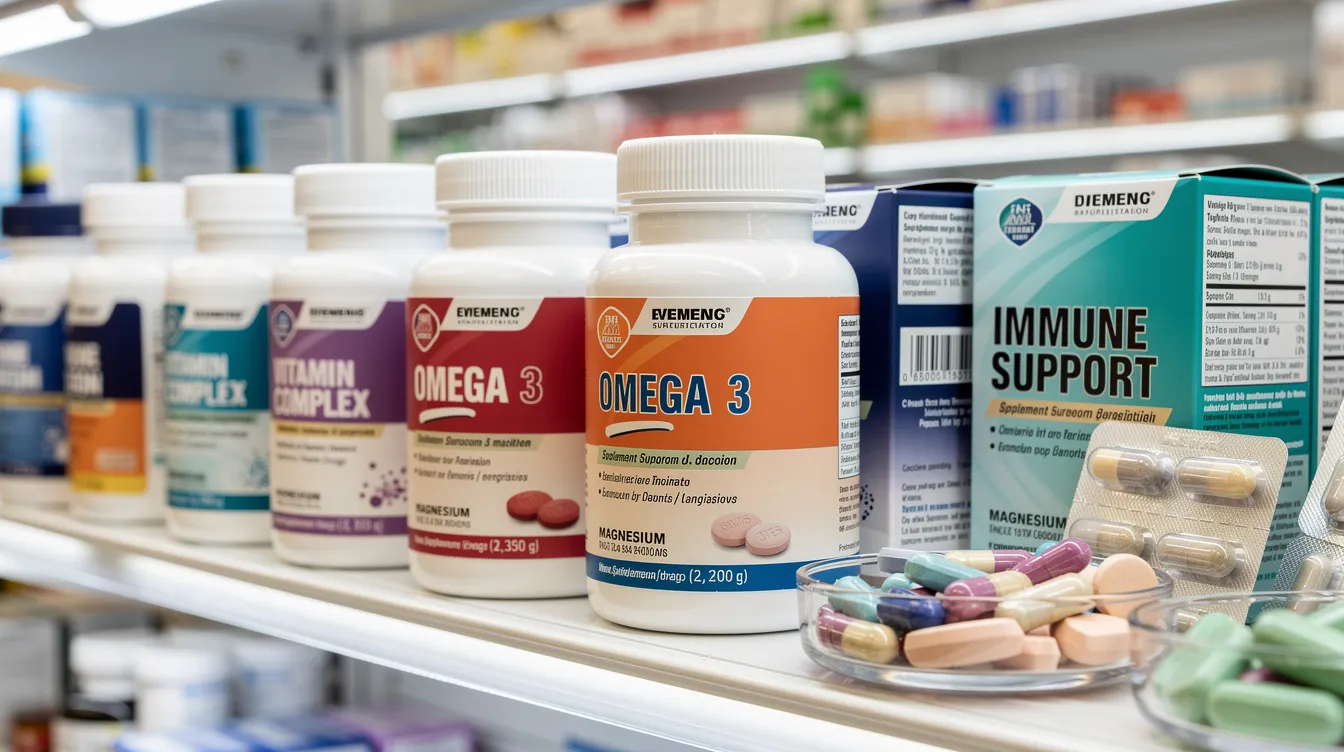
A genuine cat’s claw tincture made from the real herb is not expected to cause opioid-style euphoria, heavy sedation, opioid like withdrawal, or immediate “withdrawal relief.” Experiencing such effects suggests contamination or a different active ingredient entirely. Product names and plant pictures on packaging are not reliable indicators of what’s inside.
Practical Tips for Using Cat’s Claw Tincture Safely
No standard safe dosage for cat’s claw has been established. The WHO suggests 20–350 mg of dried stem bark for extracts, and average daily doses range from 20–350 mg of dried bark across various traditional and clinical contexts. Dosing guidance should come from a qualified clinician familiar with herbal medicine.
General tips for cautious use:
Start with the lower end of the manufacturer’s recommended serving, if any, and only after discussing with a healthcare provider
Use the tincture for clearly defined reasons and time-limited “trials,” not continuous indefinite use without reassessment
Consider that physical activity, diet, and overall health status can influence how you respond to any supplement
Administration:
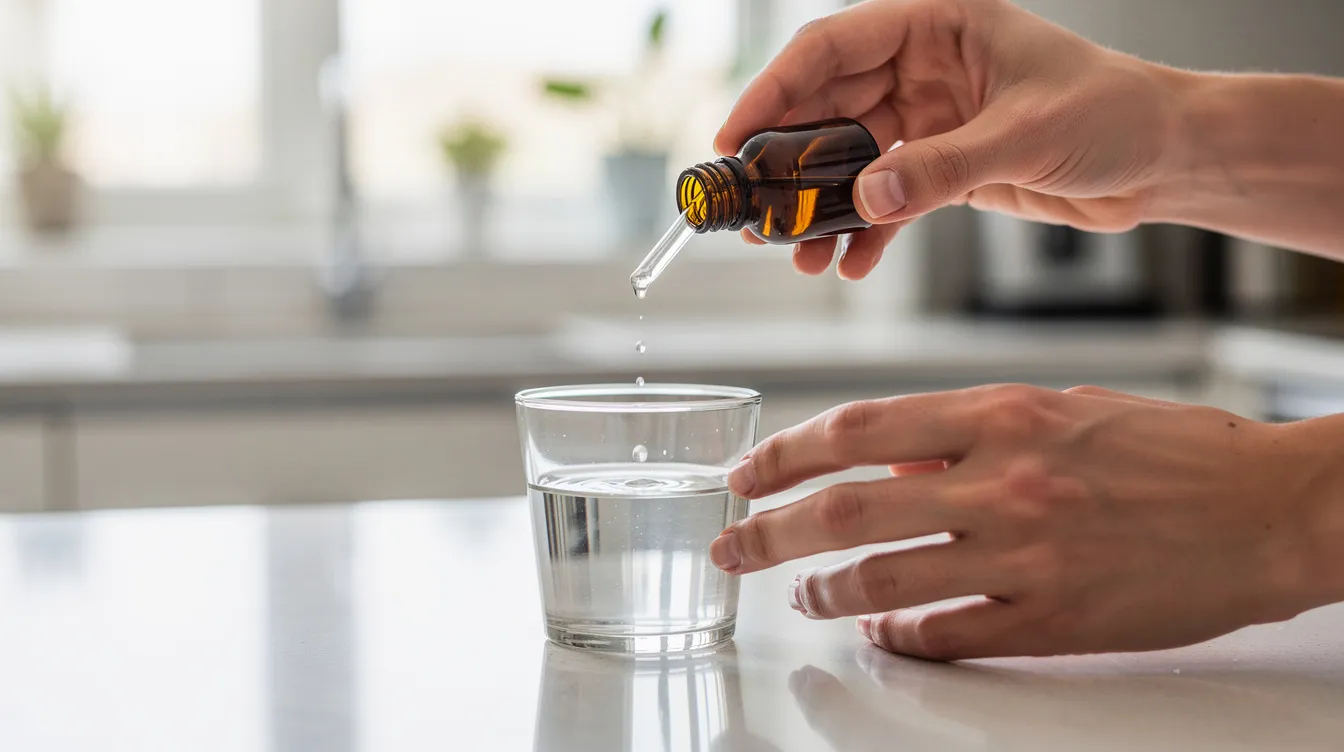
Dilute drops in a small amount of water, juice, or herbal tea
Keep a simple log of dose, timing, other medications, and any symptoms or side effects to share with your clinician
Storage:
Store tinctures according to the label-typically in a cool, dry place, protected from direct sunlight, out of reach of children and pets
Mixing with other substances:
Avoid combining cat’s claw tincture with alcohol, sedatives, or other herbs known to affect blood clotting or blood pressure unless a professional has reviewed the full regimen
Disclose all supplements (including cat’s claw) to your doctors, pharmacists, and dentists
If strong sedation, euphoria, or other opioid-like effects occur after taking a product labeled “Cat’s Claw,” stop immediately, keep the packaging, and seek medical guidance. Organizations like Wildwood Recovery and other addiction-informed programs can help if dependence is suspected. This may indicate a mislabeled or adulterated product rather than a typical tincture.
How Cat’s Claw Tincture Compares to Capsules, Teas, and Gels
Different preparations suit different purposes, and each has trade-offs that cannot be reduced to a single “mg” or volume number.
Tinctures:
Faster onset for some people because the liquid extract bypasses the need for capsule disintegration
Easier fine-tuning of the amount by counting drops
Stronger taste, which some users find unpleasant
Capsules and tablets:
Convenient and taste-free but rely on digestion and may have variable disintegration
Capsule doses typically range from 300–500 mg per day, but “500 mg” reflects weight of powder or extract fill-not necessarily comparable to dissolved constituents in a 1 mL tincture from a different brand
Teas and decoctions:
Simmered bark teas are traditional in South America but may extract a different profile of compounds than alcohol-based tinctures
Brewing time, water temperature, and cut size all impact strength
Topical gels and creams:
Used experimentally for localized issues like denture stomatitis (e.g., 2% cat’s claw gel in a small study)
Not interchangeable with internal tinctures for safety or expected effects
Compare preparations based on type, extraction method, and transparency of testing-not by assuming that similarly labeled weights or volumes mean the same thing.
When to Talk With a Healthcare Professional Before Using Cat’s Claw
While many people self-select herbal tinctures, cat’s claw has meaningful interaction and immune system questions that warrant professional input.
Medical consultation is strongly advised if you have:
Diagnosed autoimmune disorders (rheumatoid arthritis, lupus, multiple sclerosis)
History of organ transplant or current use of immunosuppressant drugs
Use of SSRIs, SNRIs, MAOIs, blood thinners, blood pressure medications, or cancer therapies
Pregnancy, plans to conceive, or breastfeeding
Chronic kidney or liver disease
Bring the actual tincture bottle or clear photos of the label to appointments. Discuss specific goals-mild joint support, occasional immune support during travel-rather than vague questions. If someone suspects they have developed dependence or severe withdrawal from a “Cat’s Claw” product with opioid-like effects, they should seek addiction-informed care rather than assuming it’s a benign herb.
Frequently Asked Questions
These questions address common concerns about cat’s claw tincture that aren’t fully covered above.
Is cat’s claw tincture the same as the “Cat’s Claw” tablets sold in smoke shops?
No. A genuine cat’s claw tincture is a liquid extract of the Uncaria vine. Some “Cat’s Claw” tablets sold in smoke shops and gas stations have been found to contain undisclosed opioid active compounds completely unrelated to the traditional herb. The similarity in name does not guarantee similar contents. Any product causing strong euphoria or opioid-like sedation is unlikely to be a simple herbal tincture and may pose serious risk of opioid overdose.
Can I use cat’s claw tincture every day for immune system support?
There is insufficient evidence to define a safe long-term daily regimen. Intermittent or short-term use should be discussed with a clinician, especially for those with autoimmune, cardiovascular, or mental health conditions. Periodic breaks and regular check-ins help reassess need and catch potential side effects early.
Does cat’s claw tincture interact with food, alcohol, or caffeine?
No strong food interactions are documented, but taking it consistently with or without food can help with predictable absorption and reduce stomach upset. Avoid taking tincture doses with alcohol or sedatives due to combined burden on the liver and nervous system. Typical dietary caffeine is unlikely to be a major concern, but individuals sensitive to combined stimulant and herbal effects should monitor how they feel.
How can I tell if a cat’s claw product is made from the real herb?
Check for full botanical names (Uncaria tomentosa or Uncaria guianensis), clear plant part identification, and straightforward ingredient lists. Avoid products marketed for strong mood alteration, “legal high,” or “withdrawal relief.” Look for brands that publish independent lab testing for identity and contaminants.
What should I do if I think I took too much cat’s claw tincture?
Stop further doses immediately. Contact a healthcare professional or your regional poison control center (1-800-222-1222 in the U.S.) for personalized guidance, especially if you experience severe dizziness, trouble breathing, or chest pain. Keep the bottle and packaging available-concentration, ingredients, and batch information help clinicians assess the situation accurately.