Kava
Kava Shots vs Capsules vs Gummies: Choosing a Format
Compare liquid bottles, capsule counts, gummy pouch sizes, flavor selections, and the ingredient quantities each listing specifies.
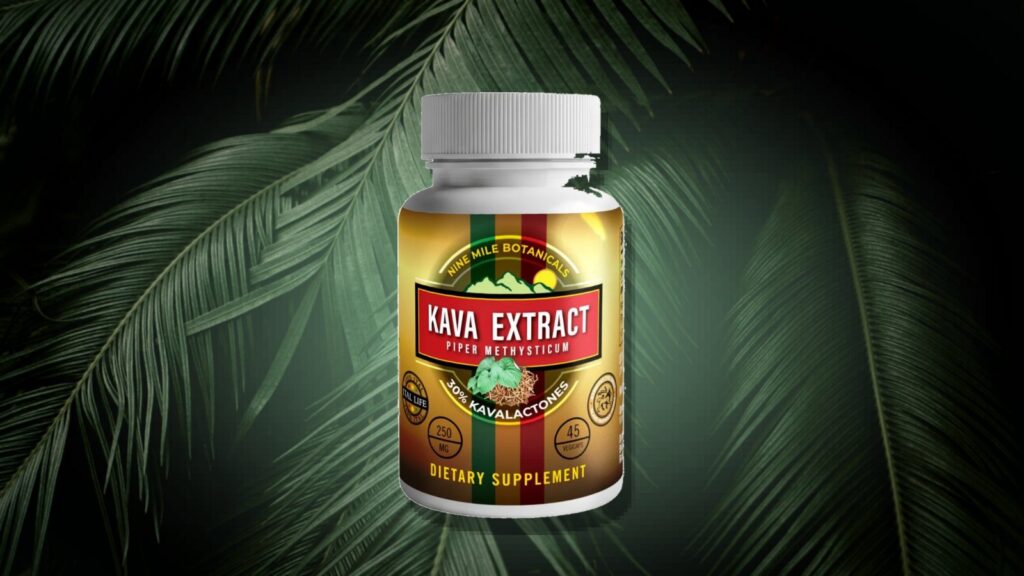
Kava products come in more formats than ever: liquid shots, capsules, gummies, powder, and tea. Each delivers kavalactones from the same kava plant, but the experience differs by format. This guide breaks down kava shots vs capsules vs gummies across onset speed, taste, cost, safety, and daily practicality so you can pick the one that actually fits your life.
Key Takeaways
Kava shots, kava capsules, and kava gummies all deliver kava root extract containing active compounds called kavalactones. The core difference is how fast they absorb, how they taste, and how they slot into your daily routine.
Liquid kava drinks (shots) act fastest, with onset often around 15 to 45 minutes. Kava capsules offer the most precise dosing and zero sugar. Kava gummies are the most enjoyable, snack-like format for first time users.
Kavalactone content in mg per serving is the single metric that makes comparison across any kava format meaningful. Percentages alone are not enough; you need total extract weight multiplied by kavalactone percentage to get actual mg.
Safety basics apply across all formats: most people stay under about 250 mg of kavalactones per day, avoid mixing kava with alcohol or other central nervous system depressants, and consult a doctor before taking kava if you have liver problems or are taking medications.
Once you know which format matches your lifestyle, explore kava shots, kava capsules, and kava gummies at Poppy & Lotus to get started.
What Is Kava, and Why Does Format Matter?
Kava (Piper methysticum) is a plant native to the South Pacific Islands. For centuries, communities across the South Pacific have prepared kava root in water for communal drinking kava ceremonies that promote relaxation, ease stress, and support sociability. Kava is often marketed as a natural remedy for managing stress, and its active compounds, kavalactones, affect neurotransmitters like GABA in the nervous system. Kava products may contain active compounds that promote muscle relaxation and ease acute stress.
The kava plant’s root contains six major kavalactones. Modern kava products isolate and standardize these chemicals into different delivery formats. Kava can be taken in tea, capsules, powder, or liquid form. Both kava shots and capsules can be convenient alternatives to traditional kava prep, which involves kneading root powder in water through a strainer bag for 5 to 10 minutes of prep time.
Choosing a kava format is less about which is “strongest” and more about what matches your daily routine, taste preferences, budget, and how quickly you want effects to start.
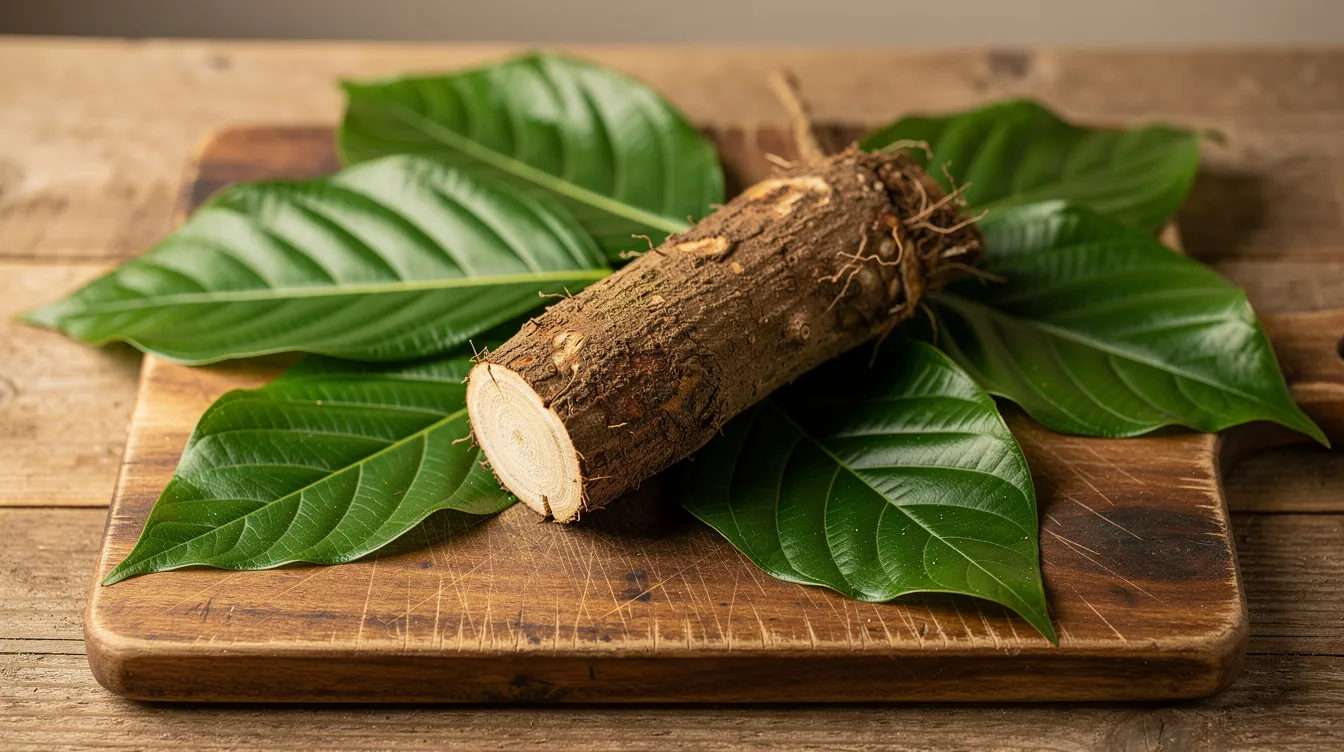
Kava Shots: Fast-Acting Liquid Kava Drinks
Kava shots are small bottled kava beverages (often 2 to 4 oz per bottle) made from kava root extract in liquid form, designed for rapid absorption. Because the kavalactones are already dissolved or suspended in liquid, they bypass the dissolution step that solid formats require.
Onset: Kavalactones start absorbing through the mouth and digestive tract within about 15 to 45 minutes. This makes shots the fastest-acting of the three formats.
Potency: Kava shots often deliver 150 to 250 mg of active kavalactones per serving. Some concentrated formulas target 200 to 400 mg.
Duration: The effects of kava shots generally last 1 to 3 hours, depending on dose and whether you have food in your stomach.
Pros: Fastest onset among these three formats; easy single-serve dosing; no kava powder prep or straining needed; flavor can be masked with natural sweeteners and fruit juices; works well for social gatherings or targeted moments like travel days.
Cons: Usually more expensive per mg of kavalactones than capsules; limited portability once opened; some people still notice the earthy taste or peppery kava flavor even in flavored kava drinks; added sugars and other ingredients may not suit every diet.
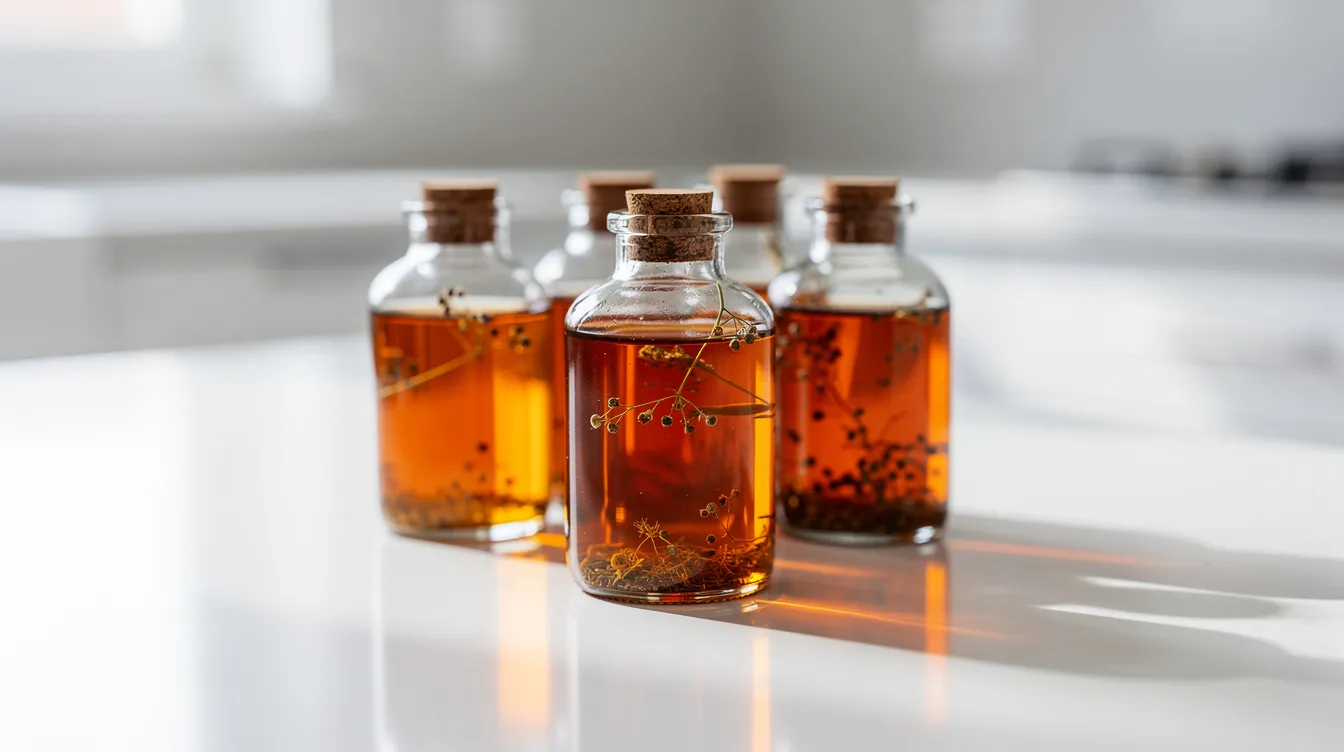
Kava Capsules: Clean, Precise Capsule Form
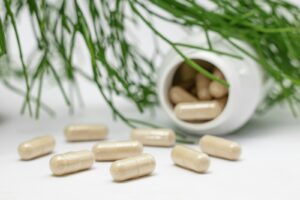
Kava capsules are supplement-style products containing either finely milled kava root or concentrated kava extract, enclosed in a plant-based or gelatin shell. Standardized extract capsules can contain up to 30% kavalactones, meaning a 250 mg extract capsule delivers about 75 mg of kavalactones per unit.
Labels typically show mg of kava extract per capsule and the standardized kavalactone percentage. For example, 100 mg of premium kava root extract standardized to 30% kavalactones equals 30 mg of kavalactones per capsule. Capsules can contain 30% kavalactones or more, which is why capsule form products pack concentrated potency into a small pill.
Onset: Capsules typically take longer than shots or gummies because the capsule shell must dissolve first. A 2022 pharmacokinetics study found that healthy volunteers taking 225 mg of kavalactones via capsules reached peak plasma levels at 1 to 3 hours post-dose. Noticeable effects often begin around 45 to 90 minutes.
Pros: Kava capsules provide dosing precision compared to powder. They offer precise dosing accuracy, zero kava taste, ultra-portability, and the simplest fit into an existing supplement-based daily routine. Capsules eliminate preparation time required for kava powder. Lower calories and sugar than kava drinks or gummies.
Cons: Slower onset; dependence on brand transparency because you cannot see or taste the kava product inside; a less “ceremonial” experience than drinking a kava drink.
Usage example: Taking 1 to 2 capsules with water after dinner, about 60 to 90 minutes before you want to feel calm, fits neatly into a weekday evening schedule. Dosage consistency is generally easier with kava capsules than with kava shots, since each capsule contains a pre-measured amount.
Kava Gummies: Tasty, Snack-Like Kava Format
Kava gummies are chewable supplements that suspend kava extract in a flavored gummy base. They offer a sweet, approachable introduction to kava for anyone put off by the earthy taste of traditional kava drinks.
Potency: Gummies typically contain 20 to 50 mg of kavalactones per piece, with servings expressed as 1 to 3 gummies. This makes it easy to step up slowly.
Onset: Generally faster than capsules but slightly slower than liquid kava shots, around 30 to 60 minutes. Chewing begins release in the mouth before stomach digestion takes over; a comfortable middle ground.
Pros: Most pleasant taste of the three formats; very approachable for kava beginners; simple to share and dose flexibly; easy to keep in a desk drawer or bag for occasional stress support.
Cons: Added sugars or sugar alcohols; structural ingredients that may not suit every dietary style; the tendency to over-snack if they taste good. Always follow the labeled serving size for your daily intake.
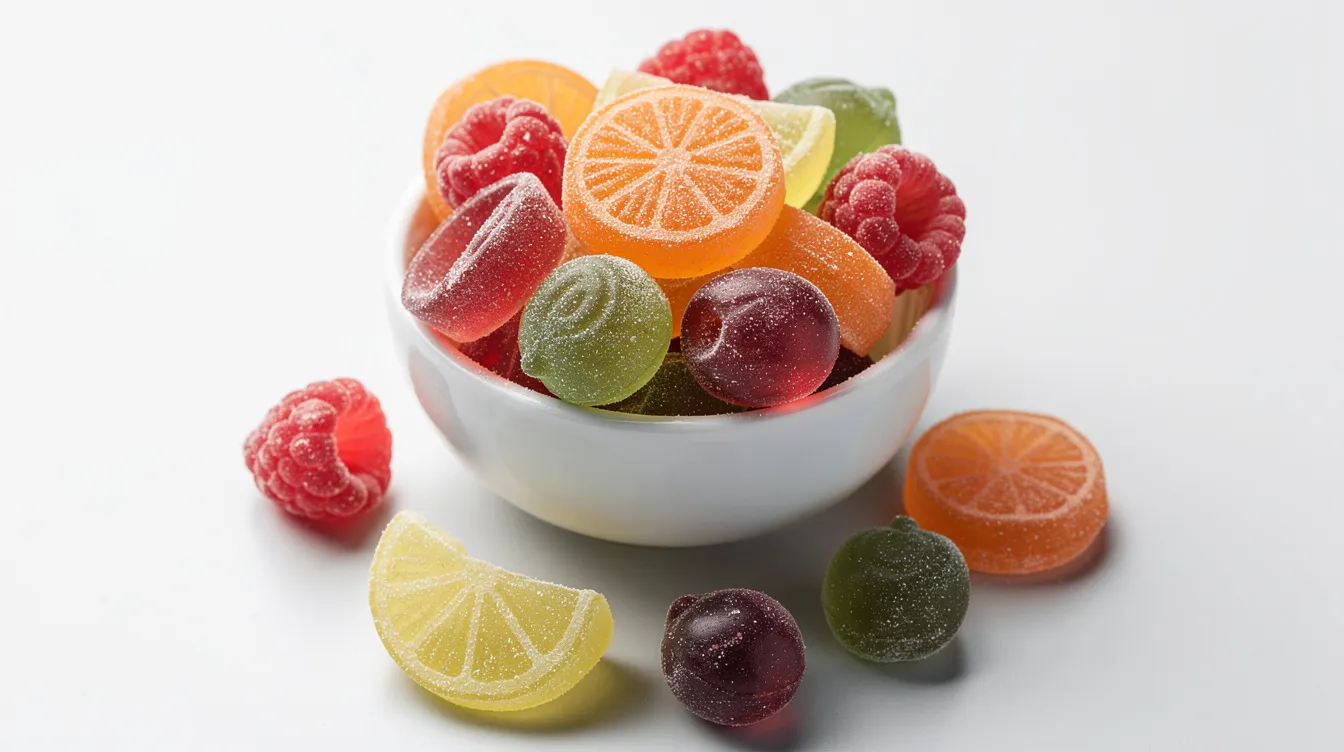
Comparing Kavalactone Content Across Shots, Capsules, and Gummies
Kavalactone content in mg per serving is the only reliable apples-to-apples metric across any kava format.
Kava shots often deliver 150 to 250 mg kavalactones per bottle.
Kava capsules provide roughly 30 to 75 mg per capsule, depending on extract strength. Two capsules of a 30% extract at 250 mg each yield about 150 mg total.
Kava gummies typically offer 20 to 50 mg per gummy. Two to three gummies bring you into the 40 to 150 mg range.
Traditional kava powder contains 4% to 8% kavalactones by dry weight. Choose powder if you prefer preparing your own kava drink, but know that kava powder’s kavalactone content varies by preparation method and cultivar. Standardized extracts (capsules, shots, gummies) reduce that uncertainty.
Most research and traditional kava consumption guidance clusters single servings around 70 to 250 mg kavalactones. Australian health guidelines place the recommended maximum at about 250 mg per day for most people.
There can be variability in strength and effects among different kava products, even at similar total kavalactone content. Different cultivars emphasize different kavalactone profiles: more kavain tends toward mood-elevating calm, while methysticin leans sedating. Broad spectrum kava extracts that retain multiple kavalactones often deliver a more balanced effect. Third-party lab testing is the only way to verify what you are actually getting.
Onset Time, Duration, and How Each Format Feels
Kava shots and other liquid kava drinks: onset about 15 to 45 minutes. Kava powder has a faster onset time than capsules for similar reasons; loose raw material in water absorbs more quickly than encapsulated solids.
Kava gummies: onset about 30 to 60 minutes.
Kava capsules: onset about 45 to 90 minutes. Kava powder also has a faster onset time than capsules in head-to-head comparison because there is no shell to dissolve.
Duration across all three formats is generally 2 to 4 hours of noticeable calm, though the curve differs. Shots produce a steeper rise and earlier peak; capsules create a smoother, more gradual build. Kava can improve sleep quality and reduce anxiety compared to placebo, and kava’s calming effects make it a popular alternative to sleep medications for people seeking to improve sleep quality without habit forming drugs.
Some people are “slow responders” and may not feel much on first use. A “start low, go slow” approach works across all formats. Allow several sessions before judging a product. Shots suit moments when timing matters, like right before a social event or flight. Capsules work well for evening wind-down. Gummies are flexible for midday or mild unwinding.
Taste, Texture, and the Sensory Experience
Traditional kava powder drinks have a strong earthy, woody, slightly bitter taste with a numbing mouthfeel. Modern formats try to balance authenticity with palatability.
Kava shots: Flavored kava beverages that still carry a faint earthy or peppery note under fruit juices and natural sweeteners. Good for people who enjoy herbal products and functional drinks.
Kava capsules: Completely bypass taste and mouth tingling. Ideal for users who strongly dislike bitter flavors or who want a “take with water and move on” routine.
Kava gummies: The most sensory-pleasant option. Soft, chewy, sweet, fruit-flavored, with minimal or no detectable kava taste for most people.
Cost, Convenience, and Fitting Kava Into a Daily Routine
Kava powder is cheaper per milligram of kavalactones than capsules or shots, but it demands 5 to 10 minutes of prep time per serving. If convenience matters, choose capsules or shots.
Capsules: Lowest cost per mg among the three modern formats, especially in larger bottles. Easiest to standardize in a daily routine; “two capsules with your evening supplements” requires zero thought.
Shots: Usually cost more per serving but trade that for immediacy and a ready-to-drink kava beverage. Position them for occasional, targeted use rather than heavy daily reliance if budget is a concern.
Gummies: Sit in the middle or slightly above capsules in cost, but people are more likely to remember and enjoy taking something that tastes like a treat. Good compliance advantage.
Lifestyle scenarios: A busy professional grabs a kava shot before a high-pressure presentation. A parent takes two kava capsules after the kids are in bed. A student uses gummies a few evenings per week for gentle unwinding and reducing anxiety before sleep.

Quality, Safety, and How to Read a Kava Product Label
Regardless of format, look for kava products made from noble kava root only, not stems or leaves. High-quality kava should be derived from noble kava to minimize health risks. Third-party lab testing and transparent kavalactone content per serving are non-negotiable.
Label elements to check:
Total mg of kava root extract per serving
Percentage of kavalactones (and the resulting mg)
Whether the product specifies one format (shot, capsule, gummy)
Other active botanicals or other ingredients
Maximum recommended daily intake
Safety basics: Kava should not be mixed with alcohol or other central nervous system depressants. Kava is associated with rare but serious liver injury due to high doses or prolonged use; a WHO review of 93 case reports found heavy involvement of non-aqueous extracts, excessive dosages, and use of non-noble cultivars. If you are pregnant, breastfeeding, have liver damage or liver problems, or are taking medications, talk to your doctor before taking kava. The FDA has issued advisories on potential liver harm, reinforcing the need for quality raw material and conservative dosing.
Adverse effects are more often linked to poor-quality plant material, non-root plant parts, or overuse. Choosing reputable, clearly labeled kava products reduces risk. You can take kava safely by sticking to noble root extracts at moderate doses and cycling usage.
How to Choose: Shots vs Capsules vs Gummies (and When to Mix Formats)
Choose kava shots if you value speed of onset, enjoy functional kava beverages, or want a kava drink for targeted moments like travel days or social evenings.
Choose capsules if you prioritize precise dosing, dislike kava taste, want minimal calories or sugar, or already have a supplement-based daily routine.
Choose kava gummies if you want the gentlest on-ramp, prefer a flavor-first experience, or are looking for a relaxing “treat” format you will actually remember to take.
You can combine formats thoughtfully. Use capsules most days for baseline support and reserve a kava shot or a couple of gummies for special occasions when you want a faster or more enjoyable experience. Just add up the total kavalactone mg from every product you take that day and stay within conservative limits.
Explore the kava shots, kava capsules, and kava gummies offered by Poppy & Lotus to try more than one kava format with clear labeling and transparent potency.
-
 $11.99View details This product has multiple variants. The options may be chosen on the product page
-
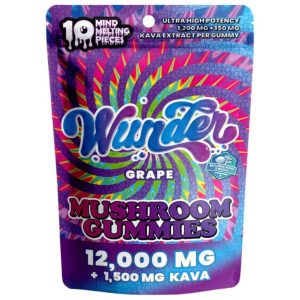 Price range: $5.89 through $29.99View options This product has multiple variants. The options may be chosen on the product page
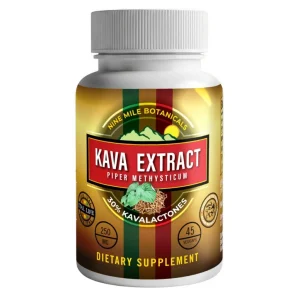

Exploring Kava Products at Poppy & Lotus
Poppy & Lotus focuses on thoughtful kava formats, clear labeling, and everyday usability.
Kava shots are formulated with noble kava root extract and natural flavors designed to soften the earthy kava profile while delivering balanced kavalactone content aimed at calm and clarity.
Kava capsules feature standardized kavalactone content per capsule, clear capsule form labeling, and easy integration with existing supplement stacks.
Kava gummies serve as a welcoming entry point for new users, with consistent kavalactone content per piece and approachable serving sizes that make “start low, go slow” simple.
Choose the format, or mix of formats, that aligns with your schedule, taste preferences, and relaxation goals. Use the product pages and FAQs on the Poppy & Lotus site to fine-tune your choice.
FAQ: Kava Shots, Capsules, and Gummies
Can I take kava shots, capsules, and gummies on the same day?
You can combine formats, but add up the kavalactone mg from each label. Total daily intake from all kava products should stay around 250 mg or less unless a healthcare professional advises otherwise. Start with one format before experimenting with combinations, and avoid stacking multiple kava formats with alcohol, sleep medications, or other sedating herbs or supplements on the same day.
Is kava safe to use every day?
Short-term use of noble kava at moderate doses has been studied in trials lasting weeks to a few months. Long-term daily kava consumption is less well understood. Some people reserve kava for 3 to 5 evenings per week or specific stressful days rather than making it a constant, high-dose daily routine. Periodic “off” days help you reassess how much kava you actually need. Discuss ongoing daily use with your doctor, especially if you have liver or metabolic conditions. Kava is not considered habit forming at recommended doses.
Do kava gummies or shots work better for anxiety than capsules?
No single format is universally “better” for reducing anxiety. Total kavalactone content, personal physiology, and timing matter more than whether the product is a drink, capsule, or gummy. Kava extract is an effective treatment for anxiety disorders according to a Cochrane-style review, and a 1997 study found kava decreased perceived anxiety in participants. Kava also reduced stress and insomnia in a study of 24 people. Liquids may feel faster, which can be reassuring during acute stress. Capsules or gummies may suit those who prefer a slower, more gradual onset. Kava is not a replacement for professional care; ongoing or severe anxiety disorders and insomnia deserve medical evaluation. Do not use kava to treat any condition without consulting your doctor, especially if you have high blood pressure or are taking medications that interact with herbal products.
Can I take kava with other calming herbs or supplements?
Many kava products combine kava with botanicals like passionflower or lemon balm. Stacking multiple calming agents increases the risk of excessive drowsiness or impairment. Consult a healthcare provider before mixing kava with other sedating herbs, magnesium sleep blends, or OTC sleep aids. Start with kava alone for several sessions so you can clearly understand its standalone benefits, including reducing pain sensations and promoting relaxation, before layering in anything else.
What should I do if I don’t feel anything from my kava product?
First, check the label to confirm how many mg of kavalactones you are actually taking per serving. If a gummy has only 20 mg, you may need two or three to reach a noticeable dose. Some users are naturally less sensitive and may need to gradually increase within the recommended range or try a different kava format; for example, a liquid shot instead of a low-dose gummy. Do not rapidly escalate doses or combine multiple kava products to chase stronger effects. Speak with a healthcare professional if you have health concerns or unusual reactions. There can be variability in strength and effects among different kava products, so switching brands or formats can sometimes make a difference.