Kava
Kava in Pacific Island Culture: The Ceremony and Its History
Follow ceremonial roots, carved bowls, and meeting places through four Pacific settings, then explore the catalog’s modern formats.
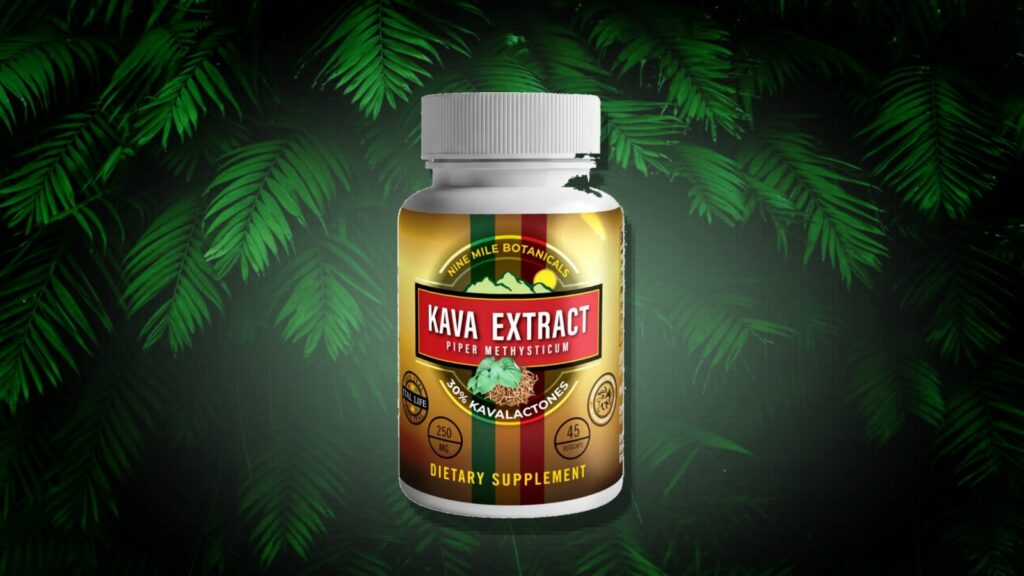
Across the South Pacific, few traditions carry as much weight as the kava ceremony. For thousands of years, Pacific Islanders have gathered in circles, shared a single communal bowl, and found in this earthy drink a way to welcome strangers, resolve conflict, honor ancestors, and simply be together. This article traces that tradition from its ancient roots to its place in modern kava bars and home rituals, and offers practical guidance for anyone who wants to participate respectfully.
Key Takeaways
A kava ceremony is a traditional communal ritual in Pacific Island cultures, centered around preparing and sharing a non-alcoholic drink made from the kava root of the plant Piper methysticum. It originated in Vanuatu over two millennia ago and spread across Fiji, Tonga, Samoa, Hawaii, and beyond. Drinking kava is central to community life because it creates a calm, shared space for conversation, decision-making, and social bonding.
Kava ceremonies differ meaningfully across islands. In a Fijian kava ceremony, the village chief drinks first from a coconut shell while guests follow strict clapping protocols. In Tonga, only men traditionally drink while women serve. In Vanuatu, casual nakamals serve freshly pounded kava to standing crowds. In Hawaii, ʻawa is part of a cultural and spiritual revival. The kava taste, serving style, and gender roles shift from island to island.
Practical kava ceremony etiquette is straightforward: dress modestly, sit cross-legged on mats, clap once before drinking, say “Bula!” in Fiji, drink kava in one go, and clap three times after. Guests may respectfully decline kava without causing offense. Today, ancient kava culture coexists with modern kava bars and at-home kava products. For those looking to bring this tradition into their own lives, Poppy & Lotus offers high-quality, culturally respectful kava products sourced from noble cultivars.
What Is a Kava Ceremony?
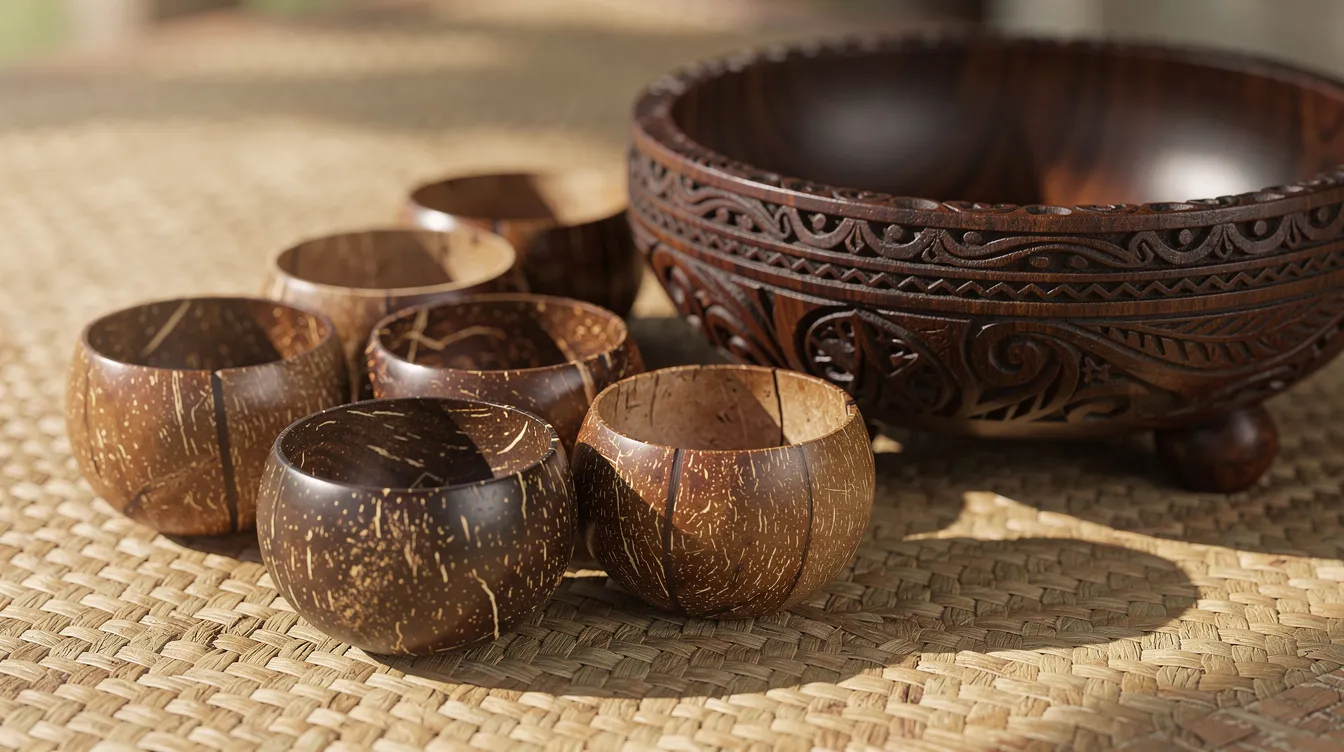
Picture an evening scene: a circle of people seated on woven mats around a large carved wooden bowl called a tanoa, dim light flickering from a lantern or fire, voices low and unhurried. Someone kneads ground kava root in cold water through a cloth strainer, producing a cloudy, earth-toned liquid. A coconut shell is dipped into the bowl, and the first cup is offered to the eldest person present. The atmosphere of a kava ceremony is typically calm and respectful, emphasizing community over everything else.
Kava refers to both the kava plant (Piper methysticum) and the kava beverage made from its roots. A kava ceremony is a structured gathering found across the Pacific Island region, especially in Fiji, Vanuatu, Tonga, Samoa, and Hawaii. The ceremony signifies hospitality, respect, and social connection in Pacific cultures. It is not about intoxication. Kava is traditionally non-alcoholic but has psychoactive properties that produce a calming and relaxing effect while providing a communal feeling of unity.
The kava drink is prepared by mixing kava powder or ground root with cool water and straining out the solids. The result is an earthy, slightly bitter taste beverage that numbs the mouth and relaxes the body while keeping the mind clear. Kava ceremonies are used to welcome guests, mark important occasions, seek guidance from ancestors, and strengthen social bonds. The rest of this article moves from deep cultural history to practical guidance and then to modern ways to experience kava respectfully.
Origins of Kava and Early Pacific Island Kava Culture
Kava has been used in Pacific Island societies for centuries. Botanical and linguistic evidence points to northern Vanuatu, and possibly nearby areas of Papua New Guinea, as the region where Piper methysticum was first domesticated from wild relatives like Piper wichmannii roughly 2,000 to 3,000 years ago. Kava originated in Vanuatu, which remains home to over 100 cultivars to this day.
Lapita and later Austronesian navigators carried kava cuttings across the Pacific Island world alongside crops like taro and breadfruit. Through these voyaging networks, the kava plant reached Fiji, Tonga, Samoa, the Cook Islands, and eventually Hawaii. Kava was first mentioned to the Western world in 1616, but its cultural traditions were already ancient by then.
Early uses centered on ritual: offerings to chiefs and deities, peace-making meetings, funerals, and nighttime storytelling sessions where drinking kava encouraged reflection and honest dialogue. Kava is viewed as a spiritual offering that connects participants to their ancestors, and it served as a medium for conflict resolution in South Pacific cultures long before any written law. The drink carried many names reflecting its reach: yaqona in Fiji, ʻawa in Hawaii, kava kava in Vanuatu and English usage, and sakau in Pohnpei. All refer to related cultural practices rooted in the same plant.
Traditionally, kava roots were once chewed by attendants, including young boys in some societies, or pounded on stones, then mixed with water or coconut milk and strained through plant fibers. While chewing has largely ceased for hygiene reasons, the continuity between ancient and modern kava ceremonies is remarkable.

The Kava Plant and Traditional Kava Drink Preparation
Piper methysticum is a shrubby pepper plant that does not reproduce from seed. It must be cultivated from cuttings, and kava roots take 3 to 4 years to mature before the rootstock is thick enough and chemically rich enough for ceremonial use.
Traditional kava preparation follows a consistent pattern across islands:
Harvest the bundled roots and wash them thoroughly
Sun dried or pounded fresh, depending on local practice, the roots are processed into chips or fine powder (mechanically ground in modern settings)
The kava powder or ground root is placed in a cloth bag over a wooden or clay tanoa
Cold water is poured over and through the material, which is kneaded and squeezed to extract the active ingredients-primarily kava lactones
Kava preparation involves straining the mixture through cloth to remove the solids
The resulting kava beverage is a cool, aqueous extract with no alcohol
Drinking kava involves an aqueous extract only, which Pacific communities historically considered safer and more in harmony with ceremonial use. Within this tradition, there is an important distinction between “noble” kava cultivars and “two-day” (tudei) types. Noble varieties are favored in everyday kava drinking sessions for their smoother kava taste and gentler, clearer calming effects. Non-noble types are avoided in responsible kava culture because of stronger side effects and longer-lasting grogginess.
The final traditional kava drink is served in coconut shell bowls, often half a coconut, and ladled from the communal bowl. The emphasis is always on the ritual of communal serving rather than individual cocktails.
How a Fijian Kava Ceremony (Sevusevu) Unfolds
Fiji offers the most widely recognized example of the traditional kava ceremony. The formal Fijian kava ceremony, called sevusevu, is used to welcome guests into a village or communal gathering. Kava ceremonies are integral to Fijian culture and community bonding, and they symbolize unity across the community.
The setting is deliberate. Villagers and guests sit cross-legged on woven mats, arranged by rank, with the tanoa placed in the center. A mixer, often a young man, prepares the kava drink from fresh kava root or dried roots. A formal presentation of kava roots is part of the ceremony to show respect. The visitor brings a small bundle of bundled roots-typically about half a kilogram, purchased at a local market-and presents it to the village chief or village elders as a gift. The chief accepts with a speech. This exchange is the heart of sevusevu.
The first drink in a kava ceremony is served to the chief, followed by other leaders, then guests. Participants typically sit in a circle observing social hierarchy during the ceremony. Each serving is presented in a coconut shell cup called a bilo. The exchange follows a precise ritual:
The server asks, “E dua na bilo?” (“Would you like a cup?”)
The guest chooses high tide (a full cup) or low tide (a half cup)
One firm clap before accepting the bilo
Say “Bula!” (a Fijian word meaning “life”)
Drink kava in one go
Clap three times after finishing
Return the cup with a quiet “Vinaka” (thank you)
Once everyone has had a round, the Fijian kava ceremony transitions from formality into relaxed conversation, music, and storytelling. This shift from structure to shared calm is one of the ceremony’s most distinctive qualities.
Different Kava Ceremonies Across the Pacific Islands
While the core kava culture is shared, specific customs and protocols for kava ceremonies vary across different Pacific Islands. Here is how the ceremonial event differs in four key regions:
Fiji: Both men and women commonly drink kava together. Yaqona is Fiji’s unofficial national drink, central to village life and also featured at resort cultural nights. Fijian culture treats kava as inseparable from everyday life, used on special occasions and ordinary evenings alike.
Vanuatu: The spiritual homeland of the kava plant features nakamals-originally men’s houses for ritual kava drinking that have evolved into simple public kava bars, especially in Port Vila on the main island of Efate. Locals stand by long counters or troughs to drink strong, freshly pounded kava. The Vanuatu Kava Act of 2002 restricts domestic sale and export to noble or medicinal varieties, ensuring quality and safety. In some traditional settings, historically only men participated in kava drinking, though this is evolving.
Tonga: In many traditional settings, men drink kava while select women serve it. Nightly gatherings called faikava include men talk, singing, joking, and courtship rituals. The tou’a-typically an unmarried young woman-mixes and serves the kava. Formal royal ceremonies like the taumafa kava reflect strict hierarchy, with seating proximity to the monarch denoting rank.
Hawaii: Hawaiians call kava “ʻawa” and use it in cultural ceremonies, healing as traditional medicine, and modern community gatherings. Both genders participate. Historically, certain cultivars were reserved for chiefs and kahuna. Today, kava bars operate in Honolulu and other towns as part of a broader cultural revival. American Samoa also maintains its own ʻava ceremony traditions, closely related to Samoan protocols.
Kava Ceremony Etiquette for Visitors
Kava ceremony etiquette is about showing respect for hosts, their cultural traditions, and the shared space. Dress codes for participants in a kava ceremony usually require modest clothing. Here is what you need to know:
What to wear: Dress modestly by covering shoulders and knees. In Fiji or Tonga, consider a sulu, sarong, or long shorts for men and a skirt, dress, or wrap for women. Remove hats and sunglasses during formal parts of the ceremony.
How to sit: Sit cross-legged on woven mats during the ceremony, or with legs tucked to the side. Your feet should never point at the tanoa or at the chief. Avoid towering above village elders if they are seated.
Receiving the drink: Accept the bilo with both hands. Clapping is a common practice before and after receiving the kava cup to show respect. Clap once and say “Bula!” before drinking kava. Drink the full cup or half cup in a single smooth sip if possible. Then clap three times and pass the cup back with a quiet “Vinaka.”
During the ceremony:
Wait your turn to be served kava in the circle
Keep phones away during the formal portion
Avoid loud side conversations
Avoid showing distaste for kava’s flavor after drinking-hosts put great care into preparation and this can be seen as disrespectful
Guests may respectfully decline kava if they do not wish to drink. Politely touching the bilo to your lips or passing it back with a quiet thanks is perfectly acceptable, especially if you explain a medical or personal reason in advance.
What Kava Tastes Like and How It Makes You Feel
The classic kava taste is earthy, woody, and slightly peppery or bitter taste, often compared to strong herbal tea mixed with the flavor of wet soil or raw nuts. It is not a drink most people love at first sip.
The physical sensations come in stages:
Immediate: Kava induces a slight numbing sensation in the mouth-tingling lips and tongue within minutes of drinking kava
10–20 minutes: A spreading sense of muscle relaxation through the shoulders and body
30–60 minutes: Deeper calm, often described as natural stress relief without mental fog
Unlike alcohol, drinking kava typically leaves the mind clear and conversational. Kava is known for its calming effects and can help reduce stress and anxiety. It promotes better sleep by aiding relaxation, which is why many kava drinking sessions take place after sunset. Kava is traditionally consumed for social bonding, not escape.
Effects vary with the specific kava variety. Some Fijian kava cultivars are more uplifting, while certain Vanuatu strains are deeply sedating. The dose and pace of a kava session matter too. First-time drinkers at a traditional kava ceremony are often offered a smaller or milder serving-a low tide rather than high tide-so they can get comfortable with the flavor and sensations.
Cultural Significance: Why Pacific Islanders Drink Kava
Across many Pacific Island societies, the kava ceremony carries deep inclusive cultural significance as a symbol of peace, hospitality, and shared identity. Kava is used to welcome visitors and settle disputes, and it serves as a medium for conflict resolution during village meetings.
Key ceremonial occasions that call for kava include:
Welcoming visitors to a village (sevusevu)
Chiefly councils and governance discussions
Kava ceremonies are integral to important life events like weddings
Funerals and memorials
Reconciliation and peace-making meetings
National and church celebrations
The calming effects of the kava drink support open conversation and conflict resolution, helping people talk through issues without anger. In private settings and communal gatherings alike, kava creates space for what Fijians call talanoa-storytelling and honest discussion. Kava ceremonies often involve storytelling and community bonding after formal proceedings.
The kava ceremony also reinforces hierarchy and community roles through serving order and seating, yet levels differences as everyone eventually shares the same communal bowl. For many Pacific Islanders, drinking kava is an everyday life practice that anchors evenings, connects generations, and transmits oral history. It is a ritual practiced across small quantities at home and in large communal settings during important occasions.
From Village Tanoa to Modern Kava Bars
The journey from strictly ceremonial kava circles to contemporary kava bars traces a path through informal nightly gatherings, diaspora communities, and urban wellness culture. Today, kava bars operate in Port Vila, Nadi, Honolulu, Los Angeles, Portland, and other countries far from the South Pacific.
Modern kava bars typically feature low lighting, relaxed seating, shells or small cups instead of alcohol glasses, and menus listing different noble kava varieties and kava products like flavored kava drinks or mocktails. Many aim to keep elements of kava culture-communal space, soft music, no alcohol-while adapting to local laws and wellness trends. The focus remains on calm conversation, stress relief, and the slow ritual of drinking kava shell by shell rather than quickly consuming it.
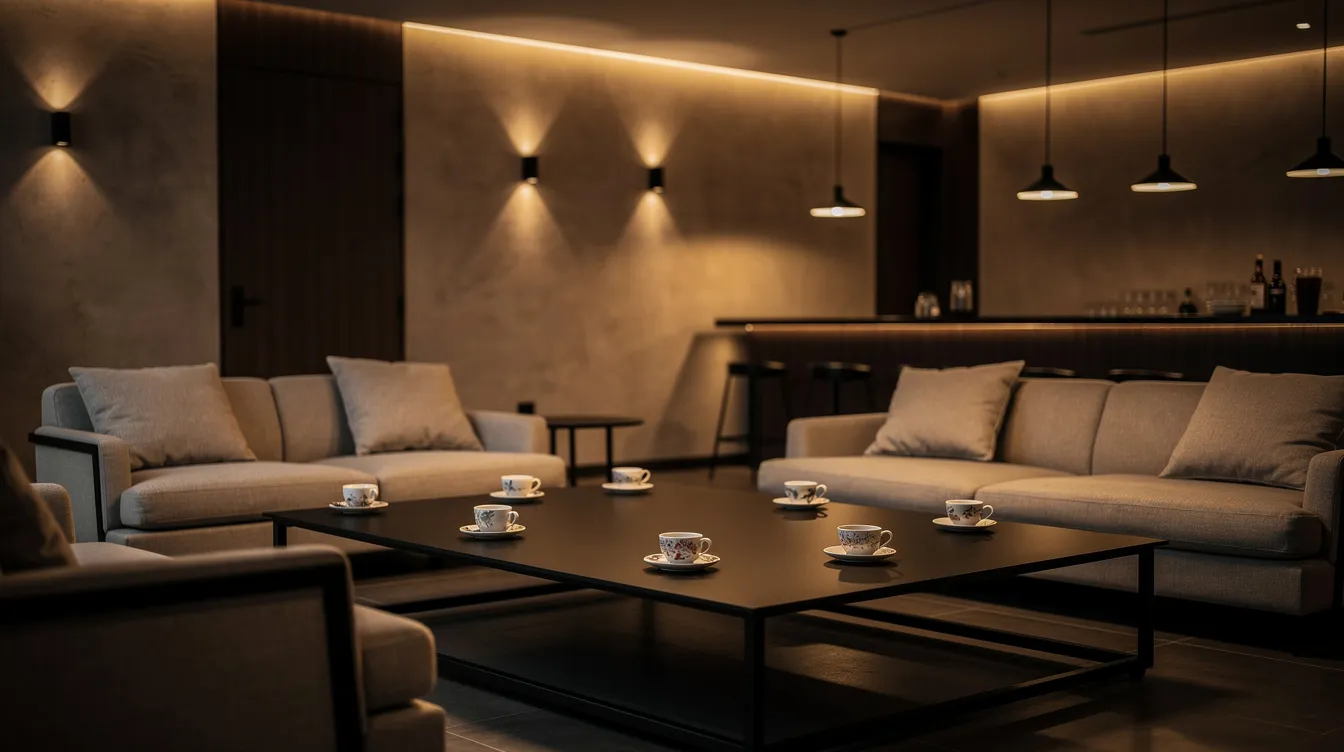
There is continuity between traditional and modern spaces. Both center on a communal setting, a shared beverage, and the intention to slow down. For those who cannot attend a village kava ceremony, a reputable kava bar offers an accessible introduction. The key is still learning about the drink’s Pacific Island origins and approaching it with respect rather than treating it as just another tea or trendy beverage.
Health, Safety, and Responsible Kava Drinking
Traditional water-based kava ceremonies use moderate servings of noble kava cultivars and are generally well tolerated by healthy adults when not combined with alcohol or certain medications. Research in clinical pharmacology has distinguished between traditional aqueous preparations and solvent-extracted supplements, with the latter carrying greater risk.
Potential side effects of heavy or long-term use include:
Dry, scaly skin (kava dermopathy) with very frequent consumption
Digestive upset
Daytime drowsiness
In rare reported cases, liver toxicity-especially when using highly concentrated or solvent-extracted kava products rather than traditional preparations
Avoid kava if pregnant, breastfeeding, or if you have existing liver disease. Consult a healthcare professional before drinking kava if you take medications that affect the liver or central nervous system.
Noble cultivars, as referenced in the British Journal of Clinical Pharmacology and resources from the National Library of Medicine, have medicinal qualities with lower risk profiles. The key markers include flavokavain B levels below 0.2% by weight. Moderation at ceremonies and kava bars means spacing out shells, drinking plenty of water, and not driving until you understand how your body responds. Choose high-quality, lab-tested kava products from trusted, transparent brands that specialize in noble kava and traditional water-based preparations.
Experiencing a Kava Ceremony Respectfully as a Guest
For visitors to Fiji, Vanuatu, or other Pacific Island destinations, here is a step-by-step approach to joining a kava ceremony in a village or community hall:
Bring a gift of kava root. Purchase a small bundle of fresh kava root or dried roots at a local market. Present it to the village chief or spokesperson upon arrival. Kava is traditionally presented as a gift to village chiefs.
Follow your host’s lead. Let them direct you on where to sit, when to speak, and how many times to drink kava during the ceremony.
Ask permission before photographing. Many communities welcome photos after the formal portion, but always ask first.
Listen more than you talk during the formal part. Use the relaxed period afterward for questions about local history, kava culture, and everyday life.
Accept the experience. Even in small quantities, participating shows respect.
Many resorts and cultural centers now offer carefully guided kava ceremonies that allow travelers to learn etiquette in a supportive, educational environment. These are excellent starting points for anyone unfamiliar with the protocols of a ceremonial event in a traditional communal setting.
Bringing Kava Traditions Home with Modern Kava Products
Today it is possible to respectfully enjoy elements of kava ceremonies at home through ethically sourced kava products such as noble kava root powder, instant micronized kava, and ready-to-mix kava drinks. The goal is not to replicate an entire Pacific Island ceremony but to carry its spirit forward.
Here is how to set up a simple home kava circle:
Prepare traditional kava in a dedicated bowl using kava powder and cold water
Serve in small cups-half a coconut shell if you have one
Open with a short expression of gratitude or intention
Spend the time in conversation or quiet reflection, not scrolling phones
Keep the setting calm: dim lighting, soft music, no alcohol
The spirit matters more than perfection. Whether you and friends gather for men talk or a mixed group enjoys an evening of relaxed storytelling, what you are creating echoes centuries of Pacific tradition.
Poppy & Lotus is a brand dedicated to honoring Pacific Island kava culture by offering carefully selected noble kava products, clear preparation instructions, and guidance on responsible, ceremony-inspired use. If you want to deepen your relationship with kava beyond travel experiences or occasional visits to kava bars, explore what Poppy & Lotus has to offer. Their commitment to noble cultivars, transparent sourcing, and traditional water-based preparation methods means you can enjoy kava at home with confidence and cultural respect.
FAQ About Kava Ceremonies and Drinking Kava
These FAQs address practical questions not fully covered above, especially for first-time drinkers and people outside the Pacific Islands.
Is kava legal where I live?
Kava is legal in most of the continental United States, including in kava bars, and across much of Oceania. Many European countries also permit kava, though regulations vary. Some regions limit imports, restrict medicinal claims, or require specific labeling. Always check current local regulations or health authority guidance for your country or state before ordering kava products or opening a kava bar. In Vanuatu, the Kava Act of 2002 regulates export to ensure only noble varieties reach international markets.
Can I participate in a kava ceremony if I don’t want to drink kava?
In most communities it is perfectly acceptable to sit in and observe a kava ceremony respectfully without drinking kava, especially if you explain a medical or personal reason. You can politely touch the bilo to your lips or pass it back with a quiet thanks if you wish to honor the gesture without consuming a full serving. No one will be offended by a sincere, respectful decline.
How long do kava’s effects last after a ceremony?
The numbing mouthfeel fades within 10 to 20 minutes, while the main relaxing effects typically last one to three hours depending on kava strength, body weight, and how much you drink. Some people feel pleasantly sleepy later in the evening, which is why many kava ceremonies and kava bar visits take place after sunset. Avoid driving or operating machinery until you understand how your body responds.
Can I mix kava with alcohol or other substances?
Do not mix kava with alcohol, sedatives, or recreational drugs. Combining these substances can increase drowsiness and place unnecessary strain on the liver and nervous system. Keep at least 24 hours between heavy alcohol use and a long kava session, and consult a healthcare professional if you take prescriptions that may interact with kava’s active ingredients.
What’s the best way to try kava for the first time?
Start with a single, moderate shell of noble kava at a reputable kava bar or use a trusted home kava product while following preparation instructions closely. Create a calm environment, sip slowly, and pay attention to how your body and mood respond before deciding whether to drink kava more regularly or join a full traditional kava ceremony. Choosing noble cultivars and sticking to traditional cold water preparation gives you the safest and most authentic introduction to this centuries-old Pacific Island tradition.