Guides
How Should Consumers Interpret Botanical Claims Based Only on Laboratory or Animal Studies?
Key Takeaways Most bold botanical health claims on food labels and dietary supplements trace back to laboratory (in vitro) or animal research, not human clinical trials. Preclinical studies are preliminary and do not provide proof of safety or effectiveness for people. Lab and animal research generate hypotheses about how a compound might work, but they…
Key Takeaways
Most bold botanical health claims on food labels and dietary supplements trace back to laboratory (in vitro) or animal research, not human clinical trials. Preclinical studies are preliminary and do not provide proof of safety or effectiveness for people.
Lab and animal research generate hypotheses about how a compound might work, but they cannot substitute for well-controlled human studies. Consumers should always ask three questions: what was tested (extract vs. whole plant), in whom (cells, mice, or humans), and for what endpoint (biomarker vs. actual health outcome).
U.S. and EU rules require that advertising and health claims be truthful and not misleading. Health claims must be substantiated by scientific evidence, and relying only on animal research for bold promises is a regulatory red flag.
This article provides a step-by-step checklist to help readers interpret botanical claims before buying a conventional food or dietary supplement.
Introduction: Why Botanical Claims Based on Animal Research Deserve Extra Scrutiny
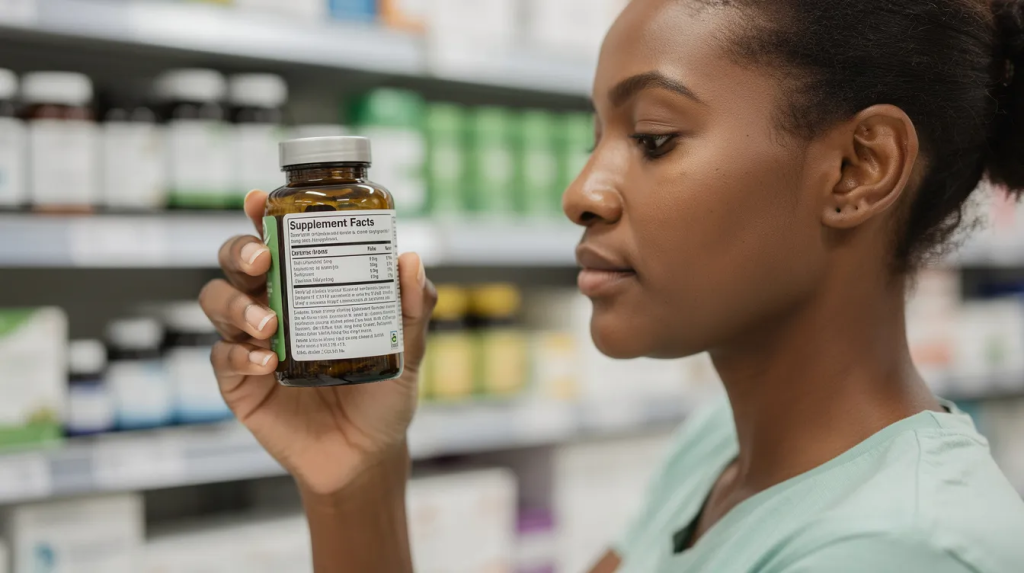
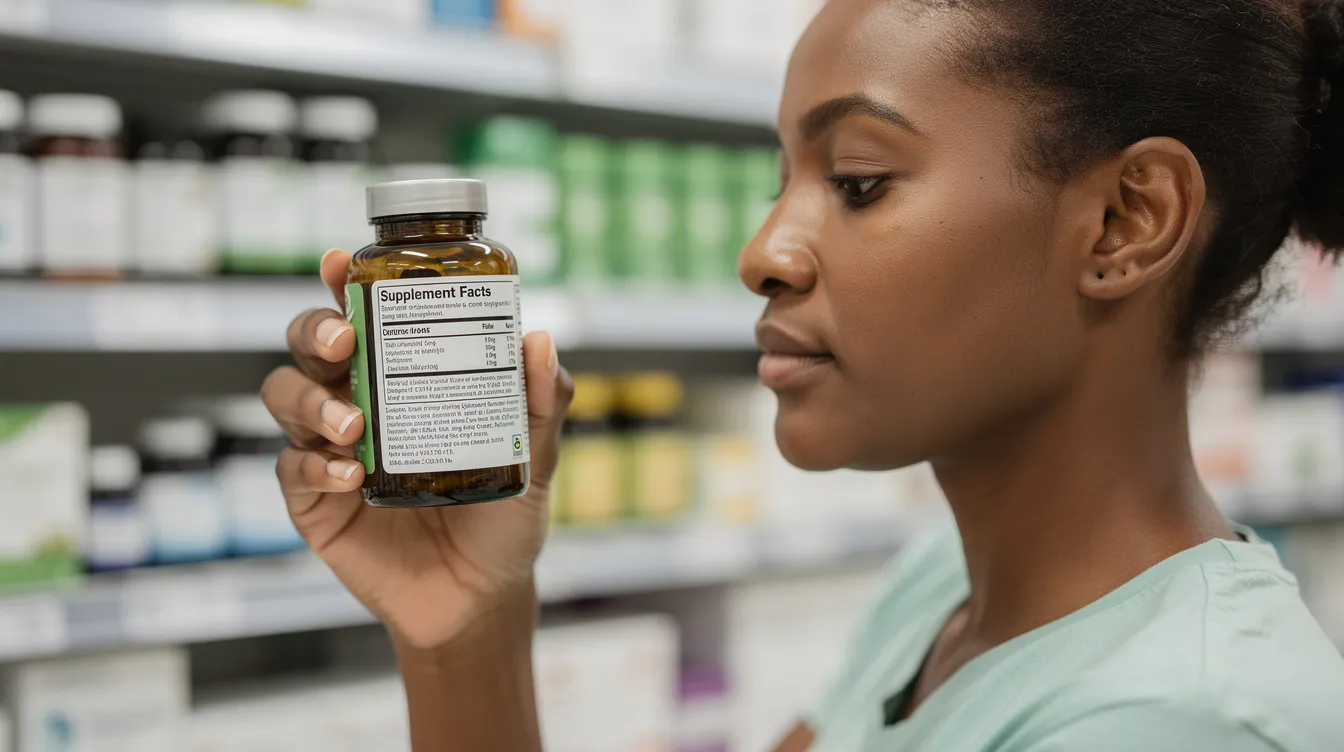
Picture this: you pick up a supplement bottle labeled “supports liver health” and flip to the back. The small print references a single study in which mice received a concentrated plant extract via force-feeding for 14 days. No human trial is listed. The front label, meanwhile, reads as though the benefit is settled science. This gap between what the research actually shows and what the packaging suggests is common in botanical food products and dietary supplements.
Botanical claims are statements made for herbs, plant extracts, and other plant-derived ingredients such as turmeric, ginkgo, milk thistle, and elderberry. These ingredients appear in everything from capsules and tinctures to yogurts and snack bars. The claims attached to them range from cautious (“may support”) to bold (“clinically proven to protect”).
Understanding how to evaluate these promises starts with knowing where the evidence comes from. Laboratory studies test compounds in isolated cells or test tubes. Animal studies test compounds in live organisms like rats or dogs. Human clinical trials test compounds in people. Each level up that ladder adds complexity and relevance; a result in cells does not carry the same weight as a result from a large, placebo controlled trial in humans.
The goal of this article is to inform consumers about how to weigh nutrition and health claims that rest only or mainly on laboratory or animal data, and how to avoid being misled by label claims and marketing techniques. Regulators such as the FDA, FTC, the European Food Safety Authority (EFSA), and national authorities in the EU all place greater weight on well-controlled human data when assessing health related claims on botanicals.
Botanical Health Claims vs. Nutrition and Health Claims on Conventional Foods
The legal frameworks governing nutrition and health claims on conventional foods and those governing dietary supplements overlap but differ in key ways. Both are subject to federal oversight in the U.S. and to EU-wide regulation in Europe, yet the specific rules, approval processes, and enforcement mechanisms are not identical.
Three categories of claims matter here:
Health claims state a relationship between a food substance and a disease. For example, “adequate calcium intake may reduce the risk of osteoporosis.” Health claims relate food substances to disease risk reduction and must include a substance and a disease relationship.
Nutrient content claims describe the level of a nutrient in a product, such as “high in vitamin C” or “low in saturated fat.” In supermarkets, 82% of claims on products are nutrient content claims.
Structure/function claims describe effects on normal body functions, like “supports immune function” or “promotes digestive health.” These do not name a disease.
Botanicals on food labels increasingly carry structure/function claims or implied health claims, even when the supporting science is only preclinical. Compared with nutrients like calcium or fiber, botanicals often lack large, long-term human studies, so marketers lean on mechanistic data from cells or rodents to dress up packaging. Claims on products increase consumer purchase likelihood by 75%, which creates a strong financial incentive to add them. Health claims influence consumer perceptions of product healthiness, so even vague wording can shift buying behavior.
Consumers should not assume that a botanical with a claim on a yogurt, bar, or beverage has the same evidence base as well-established nutrient content claims like “low sodium” or “excellent source of fiber.”
Understanding Study Types: In Vitro, Animal, and Human Research
Scientific research follows a progression: in vitro studies come first, then animal studies, then early human pilots, and finally large clinical trials. The strength of evidence for botanical health claims increases at each step. A compound that kills cancer cells in a dish still has to survive testing in a living organism, and then in human volunteers, before anyone can responsibly call it effective.
Here is what each level tells you:
In vitro (cell or test-tube) studies show what a botanical compound can do under tightly controlled conditions. Laboratory tests use isolated cells which lack human metabolic complexity. They ignore digestion, blood-brain barriers, protein binding, and realistic dose exposure. A polyphenol that neutralizes free radicals in a petri dish may never reach the same tissue concentration in a living person.
Animal studies test whole organisms and can explore toxicity, dose-response curves, and biological mechanisms. But differences in metabolism exist between animals and humans. Rodent gut microbiota, enzyme families, and immune responses differ from ours. Animal studies may produce misleading efficacy claims for humans because a dose that works in a 25-gram mouse often cannot be scaled to a 70-kilogram person safely.
Human clinical trials measure real outcomes in people, including both benefits and side effects. Randomized, placebo controlled trials with adequate sample sizes are the gold standard for scientific proof of a botanical’s effect. Laboratory studies do not prove product safety or effectiveness for humans.
Whenever you see a botanical claim, check whether the cited evidence comes from cells, lab animals, or actual human research. If the answer is “cells” or “mice,” the claim is a hypothesis, not a conclusion.

Why Laboratory and Animal Studies Often Over-Promise for Humans
Strong results in mice or cell cultures often fade or disappear when tested in people. Many promising preclinical compounds fail in human clinical trials due to safety issues or lack of efficacy at tolerable doses. The reasons are concrete and well-documented.
Species differences in metabolism. Rodents metabolize phytochemicals through different cytochrome P450 enzyme families, different gut bacteria, and different transit times than humans. For example, the no-observed-adverse-effect level (NOAEL) for EGCG in rats was approximately 242 to 300 mg/kg body weight per day, while in fasted dogs the NOAEL dropped to around 40 mg/kg/day. Convert those numbers to a human equivalent dose using standard body-surface-area scaling, and the “safe” window shrinks. Biological differences and dosage discrepancies limit animal study applicability to humans.
Purified compounds vs. real products. Animal studies often use pharmaceutical-grade, purified extracts administered via gavage (force-feeding) or injection. Retail supplements typically deliver lower, less pure doses in capsule or powder form. Results from animal models may not translate to human outcomes when the test material and the product on the shelf are chemically different.
Artificial disease models. Researchers induce liver damage, arthritis, or tumors in animals using chemicals or genetic modification. These acute, controlled conditions only approximate human chronic disease, which develops over years under the influence of diet, genetics, lifestyle, and other factors.
A concrete example: a Phase II randomized, double-blind, placebo controlled trial tested black cohosh (128 mg/day) and red clover (398 mg/day) against placebo for menopausal hot flashes in 89 women over 12 months. Black cohosh reduced symptoms by 34%. Red clover reduced them by 57%. Placebo achieved 63%. Neither botanical outperformed placebo. Hormone therapy, the positive control, achieved 94%. Years of animal research and in vitro data on phytoestrogens had suggested both herbs would help. The human data said otherwise.
Many early-stage botanical studies also prioritize mechanistic biomarkers (oxidative stress, inflammatory cytokines) instead of patient-centered outcomes like pain reduction, mobility, or fewer doctor visits. A drop in a cytokine level in a rat does not guarantee fewer sick days for a person.
How Marketers Translate Preclinical Data into Label Claims
Scientific language undergoes a quiet transformation on its way from a journal article to a food label. A finding like “compound X inhibited COX-2 enzyme activity in murine chondrocytes at 50 µM concentration” becomes “supports joint comfort” on a supplement bottle. A paper titled “Polyphenol-rich extract reduced hepatic steatosis in diet-induced obese mice” turns into “promotes healthy liver function” on a website.
Common patterns include:
Turning “reduced tumor growth in mice” into “supports cellular health.”
Translating “inhibits inflammatory enzymes in vitro” into “helps maintain a healthy inflammatory response.”
Repackaging “decreased anxiety-related behavior in rodents” as “promotes calm and relaxation.”
Botanical supplements are marketed without evidence of their health claims more often than consumers might expect. Claims based on emerging evidence require clear qualifying language, but many products skip or minimize that step. The difference between “express” claims (explicit wording like “reduces cholesterol”) and “implied” claims (images of hearts, testimonials from people who stopped taking medication) matters legally and practically. The FTC treats both kinds the same way when evaluating whether a claim misleads consumers.
If a botanical product’s reference list contains only animal research or vitro studies but the front label implies clinically proven benefits, that disconnect should prompt caution.
Key Questions to Ask Before Believing a Botanical Health Claim
Before trusting a botanical claim in a store or online, run through this checklist:
What type of study supports this claim? Cell study, animal study, small human pilot, or large clinical trial? The answer determines how much weight the claim deserves.
Was the tested material the same form and dose as the product? A study using 500 mg of a 95%-standardized curcumin extract does not validate a capsule containing 100 mg of raw turmeric powder. Active compounds can vary widely in commercial botanical products.
What outcome was measured? A laboratory marker like C-reactive protein (CRP) is not the same as a meaningful health outcome like fewer migraines or improved joint mobility.
How long did the study last? A 7-day mouse study cannot predict what happens over 6 months of human use.
Were there multiple independent human studies, or just a single preclinical paper? One rodent experiment is a starting point, not a finish line.
Is the product third-party tested? Very few studies on dietary supplements involve clinically tested extracts, and commercial formulations may differ from research-grade materials.
If the brand cites only animal research for bold promises, consumers should interpret such a claim as speculative rather than proven.
Test Material Matters: Whole Botanicals vs. Isolated Extracts
Preclinical papers typically study standardized extracts or isolated compounds. The supplement on the shelf may use a different part of the plant, a different extraction solvent, or a lower concentration of the relevant molecule.
Consider two examples:
Curcumin studies in animals often use doses of 100 to 200 mg/kg of body weight of a highly bioavailable curcumin formulation. A consumer buying a “turmeric” capsule might receive only 10 to 20 mg of actual curcumin per serving, with no bioavailability enhancer. The gap between the research dose and the product dose can be a factor of 100 or more.
Green tea catechin extracts used in mouse obesity models deliver EGCG at concentrations that, when scaled to humans, far exceed what a person gets from a cup of brewed green tea. A lightly flavored “green tea” beverage at the grocery store may contain minimal catechin levels.
Botanical products vary by species, extraction methods, and purity. A milk thistle capsule made from seed extract standardized to 80% silymarin is a different product from one made from dried leaf powder. Consumer botanical products may contain contaminants without third-party testing, adding another layer of uncertainty.
Look for details on the label: standardized extract percentages, the part of the plant used (leaf, root, berry, seed), and actual milligram amounts per serving.
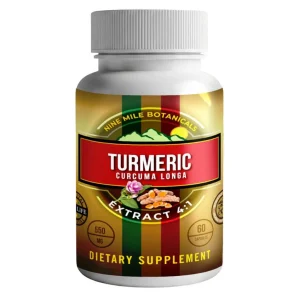
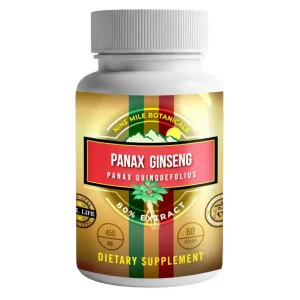
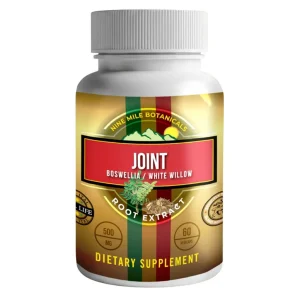
Want to compare the product details for yourself? Shop Nine Mile Botanicals at Poppy Lotus, including Turmeric 4:1, Ashwagandha Root Extract, Panax Ginseng 80%, and Joint Complex capsules. Explore each listing for the named extracts, capsule amounts, and bottle counts.

Endpoints and Outcomes: Biomarkers vs. Real-World Benefits
What a study measures determines how confidently you can apply its findings to your own health. There are two broad categories of endpoints:
Surrogate endpoints are laboratory or physiological markers that researchers believe correlate with health, such as cholesterol levels, blood pressure, or inflammatory markers like IL-6.
Clinical endpoints are outcomes that matter directly to patients: heart attacks, bone fractures, days with pain, infections avoided, or quality-of-life scores.
Many botanical claims resting on animal research or in vitro data focus on surrogate markers. A supplement might cite a study showing reduced TNF-alpha in mice, but that does not mean it reduces joint pain in a person with arthritis. Scientific evidence must be based on the totality of available data, including whether surrogate improvements actually lead to clinical benefits.
Give more weight to products that cite human research with clear, clinically meaningful endpoints. A trial showing “30% fewer cold episodes over 12 weeks” in 200 adults is far more informative than “reduced viral replication in cultured cells.”
Regulatory Perspective: How Authorities View Animal-Only Evidence
Both U.S. and EU regulators recognize that animal research plays a role in early safety and mechanism studies. But when it comes to explicit health claims on products, regulators demand stronger evidence. The regulatory framework in both jurisdictions sets a high bar for specific claims tied to disease risk.
U.S. rules: FDA and FTC
The FDA uses a significant scientific agreement standard for health claims. Health claims require FDA pre-market approval based on scientific evidence, and the FDA reviews health claims based on scientific evidence. Health claims must meet the significant scientific agreement standard; they must not mislead consumers about scientific support. The FDA has not ruled on over 3,000 health claims for botanicals, leaving a large gray zone.
Structure/function claims do not require FDA pre-approval, but manufacturers must notify the FDA within 30 days of marketing such a claim and include a disclaimer stating the product is not intended to diagnose, treat, cure, or prevent any disease. The FDA does not approve dietary supplements for safety before marketing.
The FTC evaluates all health related claims regardless of FDA classification. The FTC requires claims to be truthful and not misleading. Health claims require competent and reliable scientific evidence, and the FTC expects randomized controlled trials for health related claims. The FTC does not pre-approve health claims in advertising, but it can and does act after the fact. The FTC has settled over 200 cases since 1998 involving inadequately substantiated health claims for supplements and food products.
FDA guidance states plainly: “without any data from human studies, the results of animal studies alone are not sufficient to substantiate a claim.”
EU rules
Under Regulation (EC) No 1924/2006, nutrition and health claims for conventional foods and botanicals must be backed by generally accepted scientific data. The European Food Safety Authority conducts scientific assessments of proposed claims. Animal data may support understanding of a mechanism, but human clinical studies are required to authorize a claim. Claims that do not meet the scientific criteria are prohibited from appearing on packaging.
Nutrition and Health Claims, Dietary Supplements, and Botanical “Halo Effects”
A “halo effect” occurs when one positive-sounding claim leads consumers to overestimate a product’s overall benefits or safety. A yogurt labeled “with adaptogenic ashwagandha” may seem healthier than its plain equivalent, even if the ashwagandha dose is negligible and the only supporting data come from rodent stress models. Consumers prefer high-level health claims over general-level claims, which means bolder-sounding botanical language tends to influence buying decisions more.
Combining nutrient content claims (like “good source of magnesium”) with vague botanical taglines (“with ancient adaptogenic herbs”) creates a package that appears more effective than the evidence supports. In dietary supplements, botanicals are often blended into multivitamin or mineral formulations, making it hard for consumers to know whether the botanical itself has credible support or exists mostly for marketing appeal.
The practical fix: evaluate botanical components separately from established nutrient content claims. A multivitamin may deliver well-studied vitamin D and zinc alongside an obscure herbal blend with zero human data. The vitamins do not lend their credibility to the herbs.
Interpreting Food Labels: Botanical Additions to Conventional Foods
Conventional foods like breakfast cereals, snack bars, beverages, and dairy alternatives are increasingly fortified with botanicals and advertised with subtle health cues. A tea labeled “with ashwagandha for calm” or a yogurt “with elderberry to support immunity” may base those taglines on animal or in vitro immune-cell research rather than human trials. In fact, 95.7% of breakfast cereals carry at least one nutrition claim, and botanical additions let manufacturers layer additional marketing language on top.
Food labels might combine nutrient content claims (“excellent source of vitamin D”) with unregulated botanical taglines (“energizing ginseng blend”). This blurs the line between pre approved, evidence-backed claims and loosely supported marketing copy. The consumer sees a single label and assumes uniform rigor behind every statement.
Recommendation: focus first on the Nutrition Facts panel and ingredient list. Check whether any botanical taglines are supported by human data or are mainly marketing copy based on animal studies. If the ingredient list shows a botanical at the very end (meaning it is present in a tiny amount), the dose is unlikely to match anything studied in a clinical setting.
Marketing Expressions That Often Signal Animal-Only Evidence
Certain phrases appear reliably when evidence is early-stage or preclinical. Recognizing them saves time.
Watch for:
“Laboratory-tested” or “lab-verified”
“Preclinical research suggests”
“Supports healthy cells”
“Based on emerging evidence”
“Animal studies indicate”
“Scientifically formulated” (without specifying human studies)
Such research does not automatically invalidate a product, but this qualifying language usually indicates that no large, high-quality human trials exist yet. Treat such products as experimental for personal use and adjust expectations, especially for serious health conditions. The scientific community generally considers these phrases markers of early-stage investigation, not confirmed benefit.
Risk, Safety, and Dosing: What Animal Research Can and Cannot Tell You
Animal research is essential for toxicology and dosing guidance, but its limits need to be understood before applying research findings to personal health decisions. Natural does not mean safe regarding botanical products, and concentrated extracts can carry real risk.
What animal safety data can tell you:
High-dose animal studies flag potential organ toxicity. For green tea extract (EGCG), rat studies identified liver damage at doses above roughly 242 mg/kg/day. In fasted dogs, the threshold dropped to approximately 40 mg/kg/day. These findings warned researchers that the liver is a target organ.
The European Food Safety Authority reviewed human case reports alongside animal data and estimated safe intake levels for adults: approximately 704 mg EGCG/day consumed as a beverage, and roughly 338 mg/day for solid bolus supplements.
What animal safety data cannot tell you:
The “safe” dose in rodents is not a precise predictor of safe long-term dosing in humans. Human sensitivity can differ due to genetics, diet, medication use, and individual gut microbiota.
Long-term safety data for many botanicals in dietary supplements or fortified foods are still sparse. In human trials of green tea extracts involving over 1,400 participants, liver-related adverse events occurred in approximately 0.5% of treated groups vs. 0.1% in placebo groups. Most cases were mild, but roughly 50 case reports in the scientific literature describe acute liver injury with jaundice attributed to green tea extracts.
Be especially cautious when:
A product uses animal research to claim both strong benefits and guaranteed safety at the same time.
The stated daily dose, after body-weight conversion, approaches levels that caused side effects in animal studies.
Pregnant or breastfeeding individuals, children, and those taking conventional drugs or other medications should not rely on animal-only safety data when deciding whether to use a botanical product.
Animal Rights, Ethics, and the Push Toward Alternative Testing
The ethics of animal research intersect with consumer food choices in ways that go beyond efficacy questions. The “Three Rs” framework (Replacement, Reduction, Refinement) guides ethical animal research, pushing scientists to replace animal models with alternatives whenever possible, reduce the number of animals used, and refine procedures to minimize suffering.
Growing public concern for animal rights is accelerating the development of new technologies, including organ-on-a-chip systems, advanced computational toxicology, and improved human-cell-based assays. For botanicals, ethical pressure plus scientific advances are shifting emphasis toward better-designed human trials and non-animal test systems. Animal research remains common for mechanistic and safety work, but its dominance is decreasing.
Some consumers may prefer products that emphasize human data and transparent research practices, aligning both with ethics and better evidence. Asking a brand whether its claims rest on animal experiments, human clinical studies, or both is a reasonable question.
Common Pitfalls in Media Coverage of Botanical Animal Research
A finding moves from scientific journal to press release to headline to social media, losing nuance at each step. A paper titled “Withania somnifera extract reduces amyloid-beta aggregation in a transgenic mouse model” becomes “Herb X may fight Alzheimer’s” on a news site and “This herb CURES Alzheimer’s” on a social media share.
Frequent missteps in coverage:
Omitting that the study was conducted in lab animals or cultured cells.
Exaggerating a modest, non-statistically-significant effect as a breakthrough.
Ignoring limitations like small sample size, short duration, or higher concentration of extract than any consumer product delivers.
Presenting a single study as if it represents scientific consensus.
Before assuming a botanical research result applies to humans, scan for tell-tale wording in the original news piece or scientific abstract: “in mice,” “in rats,” “in cultured cells,” “in a murine model.” If those phrases appear, the finding is hypothesis-generating, not practice-changing. The scientific literature is full of compounds that looked transformative in animals and went nowhere in human research.
How to Cross-Check Botanical Claims Against the Underlying Science
You do not need a PhD to verify a botanical claim. A few minutes of searching can reveal whether the evidence base is solid or thin.
Search a scholarly database. Type the botanical name plus the claimed effect plus “human randomized trial” into PubMed or Google Scholar. For example: “milk thistle liver human randomized trial.”
Count the study types. Are the results mostly animal and in vitro papers, or do multiple human clinical trials appear?
Look for meta analyses or systematic reviews. These publications weigh study quality and type of evidence across multiple trials. If a meta analysis concludes that evidence is limited, inconsistent, or based largely on animal research, downgrade your expectations of the claim.
Check authoritative summaries. The National Institutes of Health Office of Dietary Supplements publishes fact sheets for many common botanicals. The National Academy of Sciences and similar bodies periodically review evidence for dietary patterns and supplements. These resources triangulate marketing statements against the actual scientific data.
If reputable reviews describe the evidence for a botanical as “insufficient” or “preliminary,” that is a signal. The product may still have potential, but such claims are not established facts. The substantiation required for bold promises on public health grounds has not been met.
Balancing Hope and Evidence: When It’s Reasonable to Try a Botanically-Based Product
Consumers do not need to avoid every botanical that lacks a large human trial. A balanced approach matches expectations to the quality of evidence.
Trying a product might be more reasonable when:
The issue is mild and self-limited (occasional sleeplessness, minor digestive discomfort), the botanical has some animal or mechanistic support and a long history of traditional use, and safety at stated doses appears acceptable based on existing data.
The product is used as an adjunct to, not a replacement for, established medical care. Your clinician is aware you are taking it.
The cost is modest and the downside risk is low.
For serious or progressive conditions (heart disease, diabetes, cancer, major depression), relying on botanicals backed only by animal research instead of proven therapies carries real risk. Skipping or delaying evidence-based treatment in favor of a supplement with no human data can lead to worse outcomes.
Discuss any botanically based dietary supplements with your clinician, especially if you take prescription medications or have chronic illnesses. Pharmacists and registered dietitians are also trained to evaluate dietary supplement health claims and can help interpret research results for healthy individuals and those with medical conditions alike.

Red Flags: When Botanical Health Claims Are Likely Misleading
Certain patterns in advertising and label claims should trigger immediate skepticism. Not every red flag means a product is harmful, but it means the marketing has outrun the science.
Red flags include:
Disease treatment language. Words like “cures,” “treats,” or “reverses” named diseases, especially when the only cited evidence is a handful of animal or in vitro studies. Such claims related to disease treatment cross legal lines in both U.S. and EU jurisdictions.
Heavy reliance on testimonials. Personal stories replace peer-reviewed human research. Testimonials are not scientific proof.
Miracle weight-loss promises. Claims to work “without diet or exercise” for weight loss or metabolic health are almost always unsupported.
Hidden formulations. No disclosure of standardized extract, dose, or form of the botanical. Vague proprietary blends that obscure nutrient content make independent verification impossible.
Citing only preclinical data for bold human benefit claims. If the references section lists only journals like “Phytochemistry” or “Journal of Animal Science” with no human trial data, the claim based on that evidence is speculative.
Combining medical-sounding promises with citations that are only lab or animal research can cross into deceptive territory under FTC and similar laws. The safest interpretation: benefits are unproven, and the product may not comply with best-practice advertising standards.
Practical Consumer Scenarios: Reading Between the Lines on Botanical Products
Scenario 1: Sleep supplement with valerian and passionflower
The label says “promotes restful sleep.” The website cites three studies: two in mice measuring time-to-sleep-onset after intraperitoneal injection of valerian extract, and one in vitro study showing passionflower compounds bind GABA receptors.
Claim type: Structure/function (“promotes restful sleep”).
Evidence quality: Primarily animal research. The route of administration (injection) differs from oral capsule. No human clinical trials cited.
Confidence level: Low. The mechanism is plausible, and valerian has a long traditional use history, but this specific product has not been tested in people. Reasonable to try for occasional, mild sleeplessness; unreasonable to rely on for chronic insomnia.
Scenario 2: Immune support lozenge with elderberry
The package states “supports immune function.” Cited evidence includes two in vitro studies showing elderberry extract inhibits influenza virus replication in cultured cells, plus one small human pilot (n = 30) measuring cold duration.
Claim type: Structure/function.
Evidence quality: Mostly vitro studies. The small human pilot is encouraging but underpowered (30 participants, no placebo arm described).
Confidence level: Moderate. The human pilot is a step above pure animal data, but a 30-person uncontrolled study does not constitute scientific consensus. Worth trying during cold season if the cost is low and you are otherwise healthy; not a substitute for a flu vaccine.
Scenario 3: Joint health gummy with boswellia
The gummy says “supports joint comfort.” The company website links to four papers: three are rat arthritis models (chemically induced joint inflammation, treated with high-dose boswellia extract via gavage), and one is a human trial (n = 48, 12 weeks, placebo controlled) showing modest improvement on a joint stiffness questionnaire.
Claim type: Structure/function.
Evidence quality: Mixed. Animal data are the bulk, but one small human trial exists with a clinically relevant endpoint.
Confidence level: Moderate. The human trial is small but properly designed. Check whether the product’s dose and extract standardization match the trial. If the trial used 300 mg of 65% boswellic acid extract and the gummy contains 50 mg of uncharacterized boswellia powder, the evidence does not transfer.
Each scenario shows how consumers can remain open to potential benefits while still prioritizing evidence quality and safety.
Communicating with Health Professionals About Botanical Products
Open communication with healthcare providers about botanical use is essential, especially when the evidence base leans on animal studies. Many clinicians are willing to discuss supplements but need specific information from you to give useful advice.
Bring to your appointment:
The exact product name, full ingredient list, and doses per serving.
Any cited studies or claims from the label or website, including whether they are animal or human-based.
Your specific health goals: “I want to reduce joint stiffness” is more useful than “I want to be healthier.”
A list of all medications and other supplements you currently take.
Pharmacists, registered dietitians, and integrative medicine practitioners can often bridge the gap between animal research and real-world human use of botanicals. They can flag interactions, evaluate whether the product’s dose is consistent with any existing human data, and help you set realistic expectations. This is especially important for people managing chronic conditions, taking over the counter or prescription medications, or making food choices that affect dietary patterns.
Summary: A Consumer Checklist for Evaluating Botanical Claims Based on Animal Research
Use this checklist whenever you encounter a botanical product making bold promises:
Identify the claim type. Is it a health claim, a structure/function claim, or a nutrient content claim? Each has different regulatory requirements.
Check what kind of studies support it. In vitro, animal, small human pilot, or large randomized controlled trial? The closer to large human trials, the stronger the evidence.
Compare the form and dose in studies to the actual product. A 500 mg standardized extract in a clinical study is not validated by a 50 mg crude powder in a retail capsule.
Note whether endpoints are mechanistic biomarkers or meaningful health outcomes. A drop in a lab marker is not the same as fewer symptoms or reduced disease risk.
Look for independent, peer-reviewed human data. Do not rely solely on animal research or company-sponsored summaries.
Watch for red-flag marketing language and overpromises. “Cures,” “treats,” disease names, and testimonial-only evidence are warning signs.
Discuss use with a qualified health professional if you have medical conditions, take medications, or belong to a vulnerable group (pregnant, breastfeeding, children, older adults).
Informed skepticism does not mean rejecting all botanicals. It means matching your expectations to the quality of the evidence, asking concrete questions, and making decisions grounded in what the scientific data actually show rather than what a label implies. That approach lets you use botanical products more safely while respecting both science and your personal values.

FAQ
Can a botanical product be effective even if most of the evidence is from animal research?
Yes, some botanicals with strong traditional use and encouraging animal or in vitro findings may help people. Chamomile, ginger, and peppermint, for example, have centuries of use alongside limited but suggestive mechanistic data. The uncertainty is real, though: effects are not confirmed until well-designed human trials measure clinically meaningful outcomes. Treat preclinical evidence as “promising but unproven,” moderate your expectations, and prioritize safety.
Are animal studies enough to justify safety claims for long-term botanical use?
Animal toxicology studies are important for spotting obvious risks, such as liver damage from high-dose green tea catechins or reproductive toxicity from certain alkaloids. But they do not fully predict long-term safety in humans, especially at high supplemental doses or in vulnerable groups. Animal physiology differs from human physiology in ways that affect how compounds are absorbed, distributed, metabolized, and excreted. Pregnant or breastfeeding individuals, children, older adults, and people on multiple medications should not rely solely on animal data when deciding to use a botanical supplement.
How can I tell if a botanical claim is regulated or just marketing language?
Regulated health claims and nutrient content claims follow specific wording and are tied to defined nutrients or conditions. For example, the FDA maintains lists of authorized health claims with exact phrasing. Vague phrases like “balances,” “detoxifies,” or “revitalizes” often sit in a gray marketing zone; they are not pre approved claims and have no standardized meaning. Check official resources like the FDA’s dietary supplement labeling guide or EFSA’s register of authorized claims. If the specific botanical and its claimed benefit do not appear in those lists, treat the promise with extra caution. Issues raised by unlisted claims deserve scrutiny, not automatic trust.
What should I do if a botanical product claims to treat a serious disease but cites only animal studies?
Do not replace established medical treatments with botanicals backed only by animal or in vitro data for serious or progressive conditions. Heart disease, diabetes, cancer, and major depression have evidence-based treatment protocols that have been tested in thousands of patients. View such botanical products, at best, as experimental adjuncts rather than proven therapies. Discuss them with a healthcare professional who can weigh the risk of delaying effective treatment against any speculative benefit, and who can evaluate other aspects of your treatment plan that might be affected.
Do “natural” botanical ingredients mean a product is safer than conventional drugs?
Natural does not mean safe. Many botanicals can interact with medications, affect liver enzymes, or cause allergic reactions. Comfrey contains hepatotoxic pyrrolizidine alkaloids. Kava has been linked to liver failure in case reports. St. John’s wort reduces the effectiveness of oral contraceptives, HIV medications, and immunosuppressants. Evaluate botanicals with the same seriousness as other active health products for human use, especially when claims are strong but human evidence is limited. The word “natural” on a label carries no regulatory weight regarding safety, and consumers should not let it lower their guard.