
Pennsylvania 7-OH Emergency Ban Proposal: What It Means for Kratom Users and Shops
· Updated

On August 31, 2026, two Pennsylvania district attorneys asked the state to use emergency powers to schedule 7-hydroxymitragynine and related kratom derivatives as controlled substances. The request sparked confusion across the state about what’s actually legal right now. If you’ve been buying 7-OH tablets or shots in Pennsylvania, here’s what you need to know about the Pennsylvania 7-OH emergency ban proposal, what has actually been enacted, and what could happen next.
Key Takeaways
On August 31, 2026, Bucks County DA Joe Khan and Chester County DA Christopher de Barrena-Sarobe formally asked Pennsylvania Health Secretary Dr. Debra Bogen to use emergency scheduling powers to control 7-OH and related kratom derivatives. This is a proposal, not a statewide law.
As of November 16, 2026, Pennsylvania has not enacted a statewide ban on all kratom products or 7-OH. The August 31 request remains advocacy until the Department of Health takes formal action.
Philadelphia has its own separate ordinance restricting certain kratom products, and local actions like the Scranton City Council kratom debate can coexist alongside statewide proposals.
Any emergency scheduling of 7-OH would primarily impact concentrated or synthetic 7-OH products, not necessarily plain leaf kratom, unless the state explicitly includes all products.
Consumers, gas stations, smoke shops, and other retailers should monitor state announcements, local ordinances, and guidance from groups like the American Kratom Association.
Background: What Is 7-OH and Why Is Pennsylvania Looking at It?
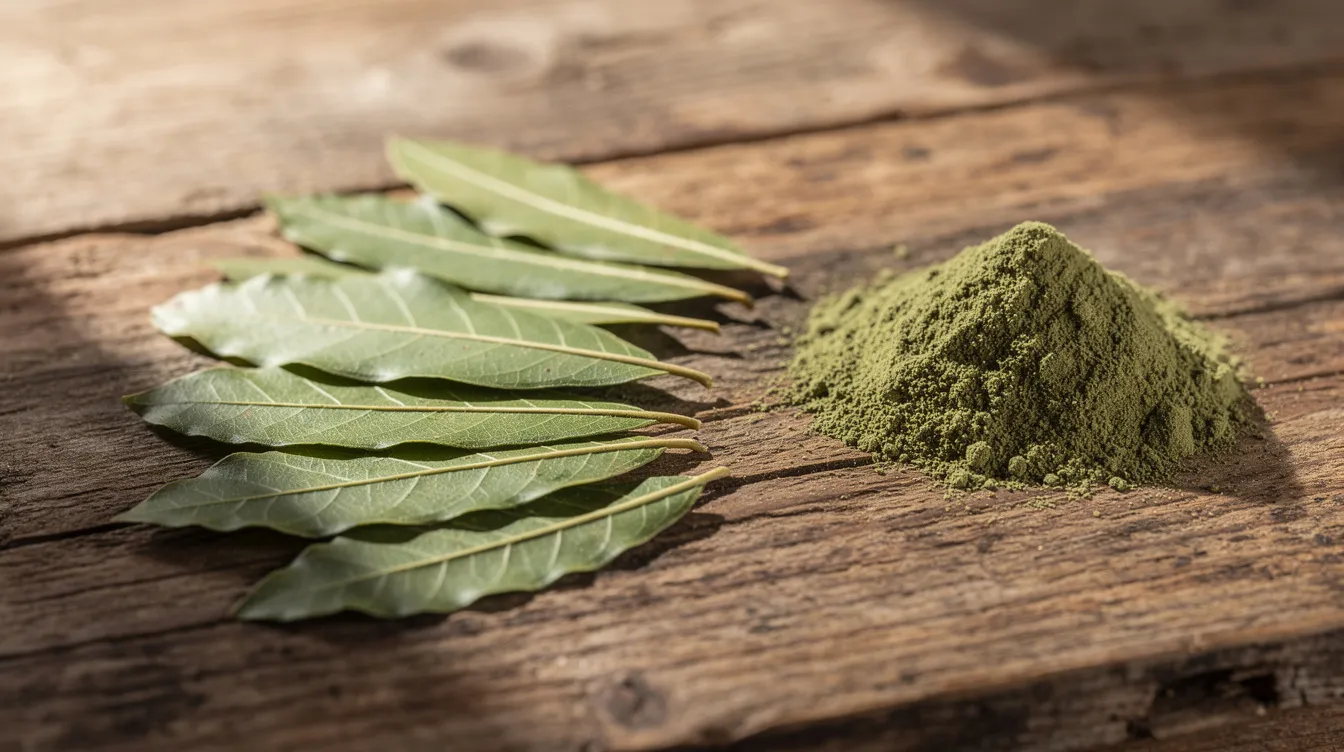
7-Hydroxymitragynine (7-OH) is a naturally occurring alkaloid found in the leaves of kratom (Mitragyna speciosa), a tree native to Southeast Asia. The critical difference is between trace levels in natural leaf and the concentrated or synthetic forms sold as shots, gummies, and capsules. 7-Hydroxymitragynine has opioid-like potency mimicking substances like morphine, making concentrated versions far more dangerous than traditional botanical kratom. The FDA targets enhanced 7-OH products as public health concerns, and media reports have compared 7-OH to heroin, driving attention from prosecutors and health officials across the country.
Concentrated 7-OH products are often marketed in forms appealing to youth, including candy-like packaging and flavored liquids. Emergency room physicians reported treating patients for severe adverse effects from concentrated kratom products. Concentrated 7-OH products can cause respiratory depression when mixed with other substances like alcohol, amplifying the risk. Reported kratom-related poison center cases in Pennsylvania increased significantly from 2022 to 2025, with 167 exposure cases and 14 patients placed on ventilators. In 2024 alone, kratom or 7-OH contributed to 38 overdose deaths in the state.
At the federal level, the DEA temporarily scheduled three potent synthetic derivatives-mitragynine pseudoindoxyl, MGM-15, and MGM-16-as Schedule I substances on August 26, 2026, but did not schedule 7-OH itself. This left a regulatory gap. States without a full kratom prohibition, including PA, are now evaluating whether to act independently. Calling 7-OH “Schedule I” at the state level would put it alongside substances considered to have high abuse potential and no accepted medical use, with serious implications for both possession and sale.
August 31, 2026 Pennsylvania 7-OH Emergency Scheduling Request
On August 31, 2026-the first day of school for many Pennsylvania students-Bucks County District Attorney Joe Khan and Chester County District Attorney Christopher de Barrena-Sarobe sent formal letters to Pennsylvania Secretary of Health Dr. Debra Bogen. They urged the department to immediately exercise emergency powers to schedule 7-OH and related kratom derivatives under state controlled-substance law, specifically calling the situation a public safety crisis. The Pennsylvania House is pursuing emergency scheduling for 7-hydroxymitragynine through multiple channels. The Pennsylvania bill memo was introduced before January 6, signaling this push has been building for months.
This action is an advocacy request, not enacted legislation. Only the Pennsylvania Department of Health or the state legislature can actually schedule 7-OH statewide.
Emergency scheduling in Pennsylvania practice means temporary, rapid placement of a substance into a controlled schedule without the full legislative process, justified by imminent public health risk. The Bucks County announcement does not provide an effective date and does not indicate that the department agreed or took action. As of November 16, 2026, it should be treated as a proposal with an uncertain outcome.
Current Legal Status: Proposal vs. Statewide Law vs. Local Actions
The most important thing to understand right now is the difference between what has been proposed and what is actually enforceable law across Pennsylvania. As of this week, there is no confirmed statewide emergency order or statute scheduling 7-OH. The August 31 letters remain part of a policy push, not a completed ban.
House Bill 2657: The State House Push to Ban Synthetic Kratom
Multiple legislative efforts are in motion. A Pennsylvania bill would classify 7-OH as Schedule I. House Bill 2657, which passed the Pennsylvania House by a vote of 202-0, represents the leading legislative effort and includes several key provisions:
HB 2657 Provision | Detail |
|---|---|
Age limit for natural-leaf sales | Adults 21 and older |
7-OH alkaloid content cap | 0.5%, effectively banning synthetic products |
Packaging | Mandates child-resistant packaging |
Target | Synthetic and concentrated derivatives |
Pennsylvania’s legislative proposal targets synthetic and concentrated derivatives of kratom. Lawmakers say the measure aims to close regulatory loopholes for unregulated products, citing safety concerns raised by prosecutors and poison centers. Federal regulations may impose stricter controls on 7-OH concentration levels as well. Regulations surrounding kratom are intended to protect public health and safety at both the state and federal level.
Philadelphia has acted separately with its own ordinance, effective November 12, 2026, restricting sale of kratom products with more than 2% 7-OH of total alkaloid content and requiring lab testing. Consumers and retailers must pay attention both to Harrisburg and to their local city councils.
Local Focus: Scranton City Council, Philadelphia Rules, and Impact on Shops
While the 7-OH emergency request targets state law, real-world consequences for people and stores often happen first through local bans and ordinances.
The Scranton ordinance proposes a full ban on kratom products. Among the proposed bans in the state, Scranton’s goes beyond what most other municipalities have considered. The ban includes criminalizing possession of kratom, and fines for violating the ban could reach $300, with up to 90 days in jail. Fines for kratom possession in Scranton could reach $300 for each offense. The ordinance targets both kratom and its derivatives, making no clear distinction between plain leaf and synthetic or concentrated 7-OH forms. This is where law enforcement faces challenges distinguishing legal natural kratom from banned derivatives without lab testing.
Councilman Flynn encourages other municipalities to follow Scranton’s lead, and the proposed ban could set a precedent for Pennsylvania if other communities adopt similar measures. Contrast this with Philadelphia’s more targeted approach, which focuses on product types, labeling, and distribution conditions rather than putting adults at risk of criminal charges for possession of leaf kratom. Similar debates may arise in other PA communities as this legislation and media coverage gain momentum.
What a Pennsylvania 7-OH Ban Could Mean for Consumers and Retailers
If the Pennsylvania Department of Health granted the August 31 request, it would likely act by temporarily placing 7-OH into Schedule I. Products sold as “7-OH” shots, capsules, or extracts-and synthetic kratom derivatives-would become contraband. Plain leaf kratom containing only natural, trace levels of 7-OH might or might not be swept in, depending on the exact text and any thresholds the order establishes.
Practical impacts on retailers would be immediate:
Stores, gas stations, and smoke shops would need to pull certain 7-OH labeled items from shelves
Retailers would need to review inventory, consult legal counsel, and update employee training
Online vendors shipping to Pennsylvania customers would likely face the same rules as local shops
Noncompliance could mean criminal liability, not just fines
For consumers, concerns exist over the rapid physical dependence associated with concentrated kratom products. Withdrawal symptoms can occur for individuals who abruptly lose access to concentrated kratom products, potentially mimicking opioid withdrawal with pain, anxiety, and nausea. The proposed legislation aims to enhance consumer safety by regulating kratom products rather than leaving people exposed to uncontrolled substances.
Advocacy groups, including the American Kratom Association, argue that a targeted 7-OH restriction plus strong age limits, labeling, and testing is a more legitimate approach than blanket prohibition that could drive distribution underground and end up putting addicts and responsible adults alike at greater risk. Many on both sides agree the goal is to protect communities while keeping access open for those who use kratom responsibly.
How to Stay Informed and Take Action in Pennsylvania
Laws are changing fast. Both consumers and businesses should verify current rules rather than relying on what they heard last week or last Monday.
Monitor official channels: PA Department of Health website, the state legislature’s bill tracker for any kratom or 7-OH bill activity, and municipal sites for local ordinances
Engage locally: Attend Scranton City Council meetings when kratom legislation is on the agenda. Submit written comment to local officials and state senate or house members. Sign petitions. Make your voice heard by email or in person-your voice matters, and there is support for sensible legislation on both sides
Retailer preparedness: Consult legal counsel or a trade association before changing your product mix. Audit all kratom products for 7-OH content, check labeling, and verify age restrictions
Follow advocacy groups: Organizations like the American Kratom Association provide action alerts, model ordinance language, and updates that can help you find reliable information quickly
The reality is that this policy landscape could shift any day. Don’t wait for the vote-take action now.
FAQ
Is 7-OH currently illegal across all of Pennsylvania?
No. As of November 16, 2026, there is no confirmed statewide law or emergency order scheduling 7-OH as a controlled substance in Pennsylvania. The August 31, 2026, letters from Bucks and Chester County district attorneys are requests, not enforceable statewide bans. Only federally scheduled derivatives (like MGM-15 and MGM-16) are illegal under federal law regardless of state action. Local ordinances in Philadelphia and Scranton impose separate, city-level restrictions.
Does the 7-OH emergency scheduling proposal ban all kratom products?
Not necessarily. The request specifically targets 7-OH and related derivatives, which would most directly affect concentrated 7-OH and synthetic kratom products. Whether plain leaf kratom-with its naturally occurring trace levels of 7-OH-would be impacted depends entirely on the final wording. House Bill 2657 caps 7-OH alkaloid content at 0.5%, which would limit certain extract products while leaving standard leaf kratom available for adults.
How do local kratom bans, like the one discussed in Scranton, interact with state law?
Cities like Scranton and Philadelphia can pass their own ordinances restricting kratom sale and possession within city limits. If Pennsylvania later enacts statewide scheduling, state law would overlay local rules, potentially making some conduct illegal at both levels. Local law can be stricter but cannot directly conflict with state statutes.
What should gas stations and small retailers in Pennsylvania do right now?
Review your kratom product lines, specifically any items marketed as 7-OH or ultra-potent extracts. Track local ordinances where you operate-especially in Philadelphia and Scranton. Begin aligning with emerging standards: lab testing, transparent labeling, age verification, and child-resistant packaging. Be ready to adapt quickly if Pennsylvania announces an emergency scheduling decision.
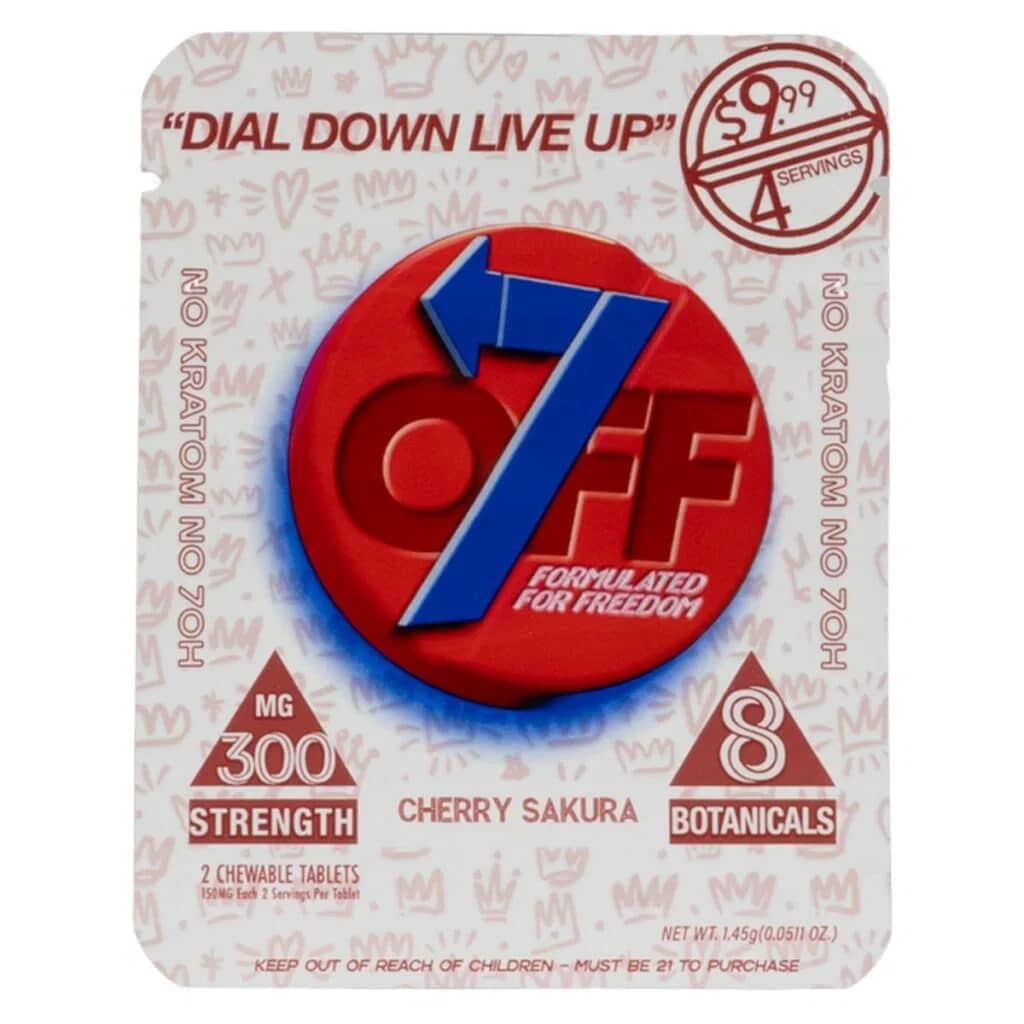
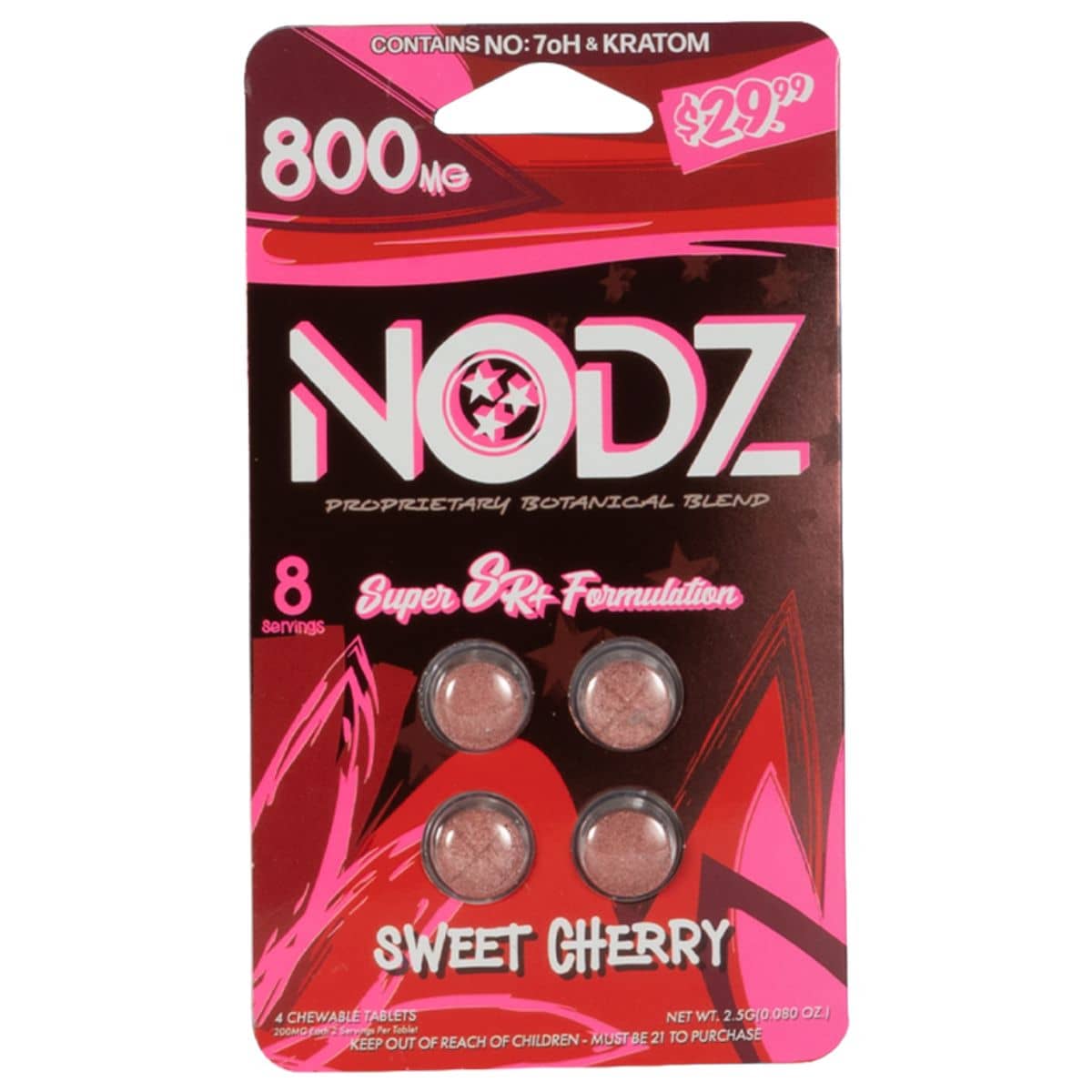
Looking at what else is on the counter? Shop the botanical shelf at Poppy Lotus, including OFF7 300mg Botanical Blend Tablets 2pk, Nodz Botanical Blend Tablets 4pk, and MyZen Organix Poppy & Lotus 6pk.
 In stock
 In stock
 In stock
MyZen Organix Poppy & Lotus Tablets
From $14.99
 In stock
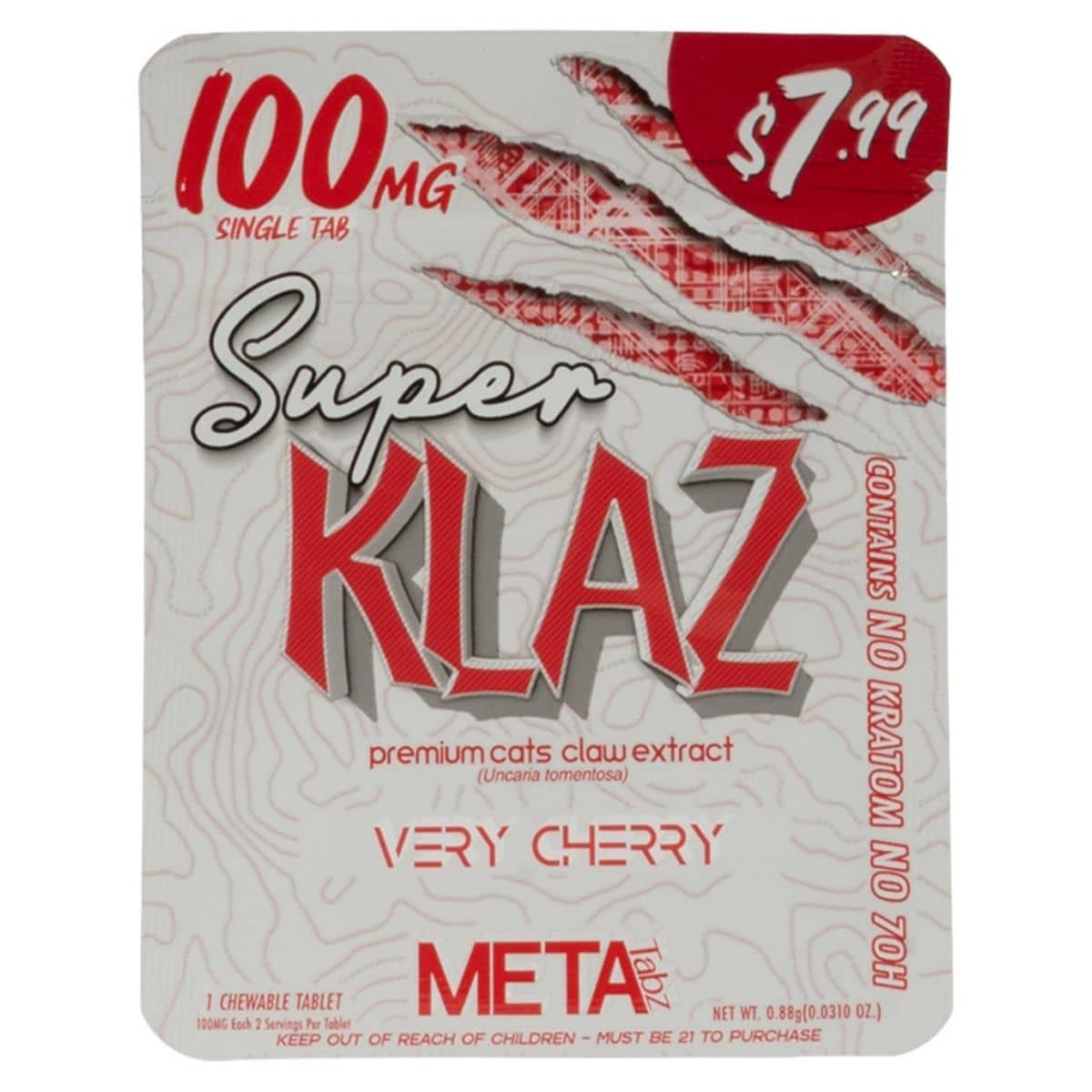
Meta Tabz Super KLAZ Cat’s Claw Tablets
From $7.99
 In stock
Wingz Botanical Blend Tablets
From $22.99
 In stock
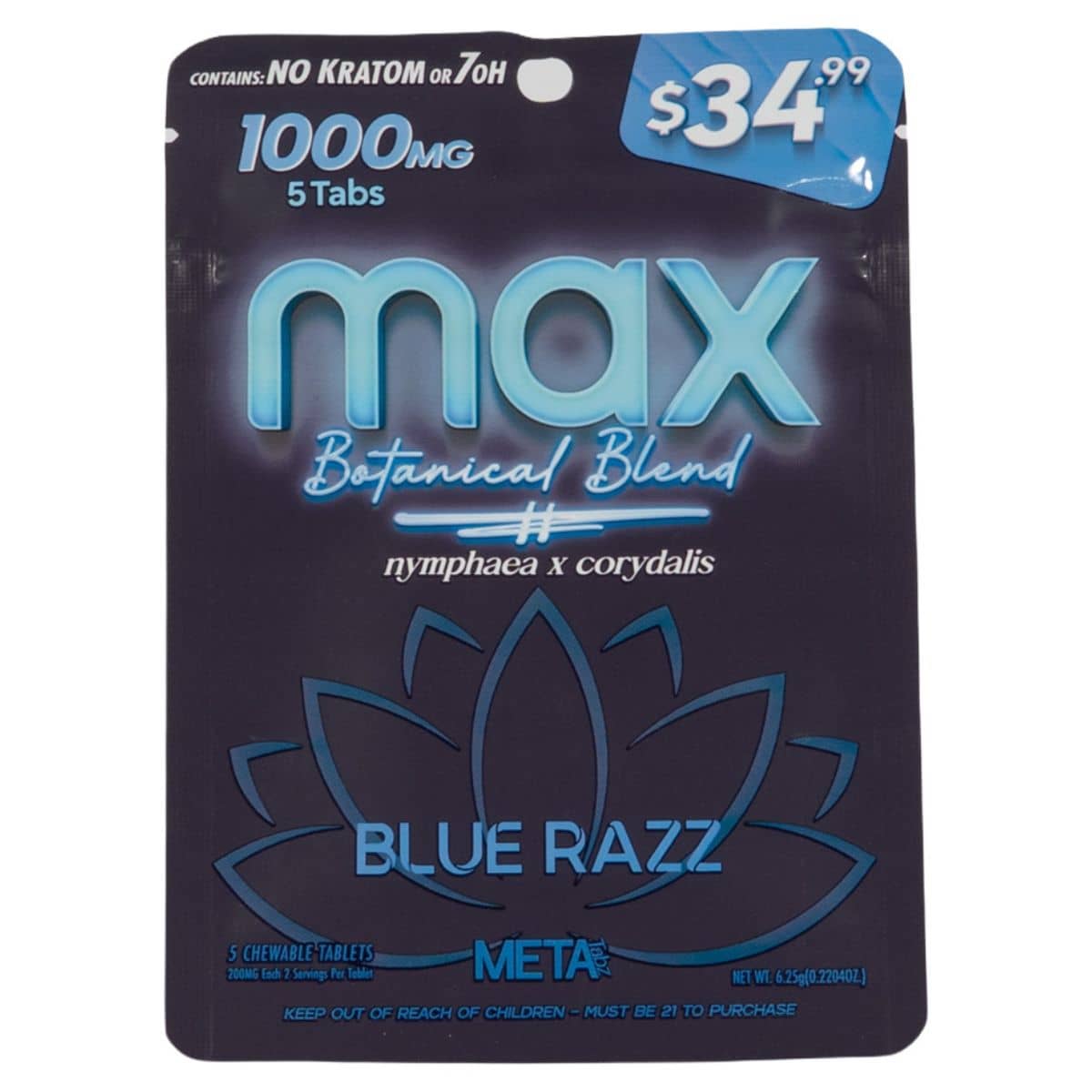
Meta Tabz MAX Botanical Blend Tablets
From $7.99
 In stock
 In stock
Where can I find reliable updates on Pennsylvania kratom and 7-OH policy?
Check the Pennsylvania Department of Health website, the state legislature’s bill tracker, Bucks County and Chester County DA press releases, city government pages for Scranton and Philadelphia, and established organizations like the American Kratom Association, which provide summaries, action alerts, and longer breakdowns of proposals like the August 31 emergency scheduling request.
These statements have not been evaluated by the Food and Drug Administration. Products sold on this site are not intended to diagnose, treat, cure or prevent any disease. You must be 21 or older to purchase from this website. These products are not intended for children or for pregnant or nursing women. Consult a physician before use, especially if you have a medical condition or take prescription medication. All trademarks and copyrights are the property of their respective owners. By using this site, you agree to our Privacy Policy and Terms & Conditions. Void where prohibited by law.
Keep Reading
All of Poppy 101 7-OH vs Kanna: How Concentrated 7‑Hydroxymitragynine Compares to Kanna in 2026Two substances that keep showing up in the same online conversations-concentrated 7-OH and kanna-are fundamentally different in chemistry, risk, and what they…
 7-OH vs Blue Lotus: What Tennessee Consumers Need to Know in 2026Tennessee’s botanical market shifted dramatically on July 1, 2026, when both kratom restrictions and hemp regulation changes took effect simultaneously. Two substances…
 Pseudoindoxyl vs 7-OH: What Clinicians and Consumers Need to KnowMitragynine pseudoindoxyl (MP) and 7-hydroxymitragynine (7 OH) are distinct kratom alkaloids; MP binds mu opioid receptors roughly 50 times stronger than 7-OH,…
 7-OH vs Hirsuta: Why Concentrated 7‑Hydroxymitragynine Is Not the Same as Mitragyna hirsutaWalk into almost any gas station or head shop today and you will find products labeled “7-OH” sitting right next to bags…