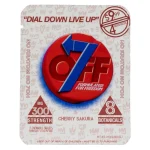
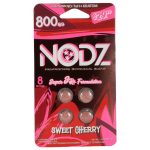
7-OH
7-OH vs Blue Lotus: What Tennessee Consumers Need to Know in 2026
Tennessee’s botanical market shifted dramatically on July 1, 2026, when both kratom restrictions and hemp regulation changes took effect simultaneously. Two substances now dominate conversations in smoke shops, online forums, and group chats: concentrated 7-hydroxymitragynine (7-OH) and blue lotus. They look similar on the shelf. They are not similar in your body. This guide breaks…

Tennessee’s botanical market shifted dramatically on July 1, 2026, when both kratom restrictions and hemp regulation changes took effect simultaneously. Two substances now dominate conversations in smoke shops, online forums, and group chats: concentrated 7-hydroxymitragynine (7-OH) and blue lotus. They look similar on the shelf. They are not similar in your body. This guide breaks down the real difference between these two botanicals so you can make informed decisions rather than dangerous assumptions.
Key Takeaways
Concentrated 7-OH is a potent kratom-derived compound that acts as a mu-opioid receptor agonist, carrying documented risks of tolerance, physical dependence, and withdrawal. It is now illegal in Tennessee under Matthew Davenport’s Law, effective July 1, 2026.
Blue lotus (Nymphaea caerulea) is a water lily originating from the Nile River region and parts of Asia that acts on dopamine receptors and serotonin pathways, producing mild relaxation, mood shifts, and vivid dreaming at lower doses – not opioid-like effects.
Blue lotus does not pharmacologically replace 7-OH and should not be used to self-treat opioid-type withdrawal or dependence.
Some blue lotus products, especially disposable vapes and ultra-concentrated extracts, have tested positive for synthetic cannabinoids (K2/Spice-type compounds) and can trigger a medical emergency including seizures and cardiovascular events.
Both substances lack FDA approval and standardized safety regulation, meaning consumers bear most of the risk in an unregulated market.
7-OH vs Blue Lotus at a Glance
7-Hydroxymitragynine (7-OH) is a powerful alkaloid derived from the kratom plant (Mitragyna speciosa), native to southeast Asia, and historically used in traditional leaf preparations. Blue lotus is an ancient water lily from ancient Egypt, depicted in tomb art for millennia, now sold across the U.S. for relaxation, sleep, and mood enhancement.
These two botanicals now appear side by side in the same retail spaces and online searches, but the comparison largely ends there.
Feature | Concentrated 7-OH | Blue Lotus Products |
|---|---|---|
Source plant | Mitragyna speciosa (kratom) | Nymphaea caerulea (water lily) |
Primary receptor targets | Mu-opioid receptors | Dopamine (D₂/D₅) and serotonin receptors |
Typical product forms | Shots, tablets, capsules, extracts | Pre rolls, tea, disposable vapes, resin, gummies |
Dependency risk | High – opioid-type tolerance and withdrawal | Low to moderate – limited clinical data |
Tennessee legal status (mid-2026) | Illegal – all forms banned | Generally legal – not scheduled |
FDA approved | No | No |
Concentrated 7-OH is pharmacologically closer to opioids. Blue lotus preparations are more akin to a mild, dreamy, dopaminergic sedative. The fact that both now circulate in the current blue lotus market and kratom-alternative discussions does not make them interchangeable or equally understood.
What Exactly Is 7-OH? (7-Hydroxymitragynine)
7-OH (7-hydroxymitragynine) is derived from the kratom plant (Mitragyna speciosa). In natural kratom leaf, it exists in trace amounts – less than roughly 2% of total alkaloid content. Kratom’s primary alkaloids are mitragynine and 7-hydroxymitragynine, but many commercial products amplified 7-OH concentration well beyond what anyone would encounter when they consume kratom leaf traditionally. These products appeared as shots, enhanced capsules, tablets, and liquid extracts marketed for severe pain management and intense relaxation.
Pharmacologically, 7-OH acts as a potent mu-opioid receptor agonist with high analgesic potency. Animal models show its strength approaching or exceeding morphine. This means 7-OH produces strong pain relief and sedation, but also carries a high risk of tolerance and physical dependence. Case reports document withdrawal syndromes mirroring short-acting opioids: restlessness, body aches, diarrhea, anxiety, chills, and insomnia.
7-OH products are heavily scrutinized due to potential toxicity. Between January and July 2025, poison control centers logged 165 exposure cases involving 7-OH, with over 35% resulting in serious outcomes. The Drug Enforcement Administration’s toxicology program identified 85 cases since 2019 where 7-OH appeared in overdose settings, 55 of them fatal.
Kratom is banned in six U.S. states, and kratom is often used for pain relief and energy boost in its traditional leaf form. Tennessee’s kratom prohibition began on July 1, 2026 under Public Chapter 950, banning all forms including natural leaf, extracts, 7-OH, and derivative alkaloids. Possession is a Class A misdemeanor; sale is a Class C felony.
Concentrated 7-OH is distinct from whole-plant kratom leaf in both potency and risk profile. This separation increasingly drives policy in states like Tennessee and South Carolina.
What Is Blue Lotus and How Is It Different?
Blue lotus (Nymphaea caerulea) originates from the Nile River region and parts of Asia. This blue lotus flower held deep significance in ancient Egypt, where it appeared in tomb paintings and was associated with rebirth and the sun gods. Today, it is one of several popular herbs sold in the U.S. for relaxation, sleep, and mood enhancement.
Authentic blue lotus contains apomorphine and nuciferine alkaloids – two alkaloids that interact primarily with dopamine receptors and serotonin pathways, not opioid receptors. This creates a fundamentally different pharmacological profile: warm, dreamy, lightly euphoric, rather than the heavy analgesic sedation of an opioid. Blue lotus is commonly consumed as tea or infused in beverages, though the market now includes tinctures, resin, gummies, and especially disposable vapes marketed as “euphoric” or “dreamy.”
Exploring blue lotus formats? Shop blue lotus products at Poppy Lotus, including Nine Mile Botanicals Blue Lotus Extract 100:1 60 Capsules and Wunder High Potency Mushroom Gummies Pink Lemonade+Blue Lotus. Browse the listings to compare their ingredients and pack details.
-
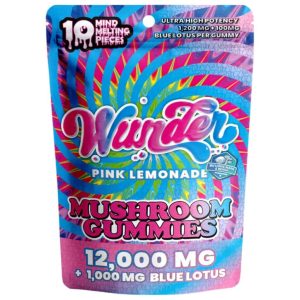 Price range: $5.89 through $29.99View options This product has multiple variants. The options may be chosen on the product page
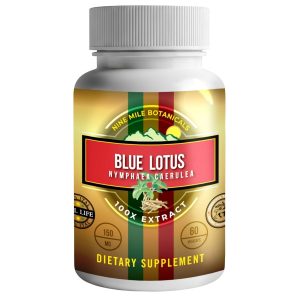

Blue lotus products lack FDA approval and safety regulation. Scientific evidence for blue lotus in humans remains sparse. A 2026 review paper (“The Lotus and the Gate”) noted that despite millennia of ritual and folk use, human pharmacology remains largely speculative and unverified through controlled trials.
Unlike 7-OH, blue lotus is not an opioid. It does not act as a direct substitute at mu-opioid receptors. This distinction is critical for anyone considering it as a replacement for kratom or 7-OH products. Blue lotus is legal in most U.S. states and is not a controlled substance in any U.S. state, though it is illegal in Louisiana.

Identity and Composition: 7-OH vs Blue Lotus Products
The composition gap between these two substances runs deep. Concentrated 7-OH products were typically standardized around known alkaloid content, often with milligram claims on labels – though independent verification was limited. Labels read “extra strength,” “7-OH enhanced,” or “liquid kratom shot.”
Blue lotus products often lack standardized apomorphine or nuciferine levels and vary dramatically in potency. Lab testing found blue lotus extracts often contain trace amounts of active compounds, raising questions about whether users are even getting meaningful plant alkaloids.
The bigger issue: forensic studies from 2023 through 2025 found that roughly 90% of seized “blue lotus” or “blue lotus + valerian” products contained synthetic cannabinoids such as 5F-MDMB-PICA, ADB-BUTINACA, and MDMB-4en-PINACA. This means 90% of forensic cases involved synthetic cannabinoids in blue lotus products.
The core concerns break down like this:
For 7-OH: high, known opioid receptor potency plus documented withdrawal
For blue lotus products: uncertainty about actual plant content versus added synthetic cannabinoids or other active compounds
Labels like “100% botanical” or “just blue lotus” are not guarantees of composition, especially for disposable vapes and ultra-concentrated blue lotus extract marketed in 2025–2026. Some blue lotus products are marketed with misleading claims about their effects, using label claims that overstate potency or purity.
Reported Effects: How 7-OH Feels vs Blue Lotus
The reported effects of these two substances differ substantially. User experiences with 7-OH typically involve opioid-like relief and sedation, while blue lotus tends to feel lighter, more dreamlike, and more sensory-focused.
7-OH at consumer doses:
Warm body relaxation and significant pain relief
Reduced anxiety and heavy sedation at higher doses
With chronic use: tolerance, craving, and withdrawal symptoms on stopping
Sleep may feel “heavy” and non-restorative, with blunted dreaming
Authentic blue lotus preparations (tea, moderate-strength resin):
Gentle calm and mild relaxation
Mild euphoria with a floating sense
Enhanced music and touch appreciation
Vivid dreaming – blue lotus may enhance REM sleep and dream vividness
Many users report altered perception without heavy cognitive impairment
Users report mild relaxation and vivid dreaming at lower doses of blue lotus. Higher doses can lead to euphoria and hallucinations, particularly with concentrated forms.
However, modern blue lotus disposable vapes and fortified extracts can produce much more intense effects – cannabis-like highs, dissociation, extreme anxiety, or paranoia. This raises suspicion for synthetic cannabinoids rather than just plant alkaloids. When a vape liquid labeled “blue lotus” produces a reaction stronger than weed, something beyond the natural plant is likely at work.
Is Blue Lotus a Safer Replacement for 7-OH?
There is no clinical evidence that blue lotus is a safe, effective, or pharmacologically appropriate replacement for concentrated 7-OH, especially for a person with established opioid-type dependence. Blue lotus has low to moderate risk for addiction and dependence based on what limited data exists, but that does not make it a treatment tool.
The mechanism matters: 7-OH directly stimulates mu-opioid receptors. Blue lotus primarily modulates dopamine and serotonin. It may alter mood and perception but will not “cover” opioid withdrawal reliably.
Blue lotus is marketed as an alternative to 7-OH and kratom in many retail settings. Consumers are exploring alternatives like kava, kanna, Cat’s Claw, and mixed herbal blends after kratom bans – but these are anecdotal coping strategies, not evidence-based treatments. Blue lotus does not pharmacologically replace 7-OH.
If you feel physically ill or unstable when reducing 7-OH, seek medical help rather than experimenting with blue lotus alone.
Combining Blue Lotus with 7-OH: What We Actually Know
Online forums from 2024 through 2026 describe people attempting to combine blue lotus with kratom shots, 7-OH, or THCP products for a stronger or smoother combination of effects. No controlled studies exist on this mix. All available information is anecdotal.
Plausible interaction concerns include:
Additive sedation increasing risk of dizziness, vomiting, or blackouts
Respiratory depression from the 7-OH side – 7-OH may cause respiratory depression and overdose, especially with depressants
Panic or hallucinations if the blue lotus product actually contains synthetic cannabinoids
Masking of warning signs while not addressing underlying dependence
Using blue lotus to “stretch” 7-OH doses or “smooth out” withdrawal is risky. If you combine anyway: avoid higher doses of either substance, do not mix with alcohol, benzodiazepines, or other sedatives, do not drive, and ensure someone present can recognize a medical emergency.
Safety Uncertainties and Medical Emergency Warning Signs
Key safety uncertainties persist for both substances: absence of standardized dosing, unknown purity, and rapid market changes following Tennessee’s hemp regulations that changed on July 1, 2026 alongside the kratom ban.
Synthetic cannabinoids can cause severe reactions like hallucinations and seizures. Seek immediate medical help if you observe these signs after using a blue lotus-labeled product or combining it with 7-OH:
Severe confusion, agitation, or violent behavior
Hallucinations or extreme paranoia
Seizures or chest pain
Fast or irregular heartbeat
Difficulty breathing or loss of consciousness
These symptoms may reflect adulterants rather than blue lotus itself. Tell emergency clinicians exactly what product was used. Bring packaging to the ER when possible.
Opioid-type red flags specific to 7-OH include very slow or irregular breathing, blue lips or fingertips, inability to wake the person, and gurgling respirations. These are 911-level emergencies. Naloxone can reverse respiratory depression from 7-OH according to the American College of Medical Toxicology.
A product’s legal status or natural branding does not remove overdose or toxicity risk.

Synthetic Cannabinoids, “Replacement Highs,” and the Blue Lotus Market
The crackdown on THCA, delta-8/10 THC products, and kratom in Tennessee by mid-2026 created large demand for legal-feeling alternatives. Retailers pivoted toward blue lotus products, mushroom blends, and smokable botanicals to fill shelf space.
Blue lotus itself is not a synthetic cannabinoid. But its name is frequently used on packaging that actually delivers lab-made compounds with unpredictable potency. Army CID raids on central Texas smoke shops found vape liquid labeled “Blue Lotus” testing positive for MDMB-4en-PINACA and similar compounds. Blue lotus products may contain synthetic cannabinoids regardless of what the packaging says.
For someone who previously relied on 7-OH and expects a mild plant-based alternative, accidentally consuming a potent synthetic cannabinoid through a “blue lotus” disposable vape can produce an intense, THC-like or stronger intoxication with far greater risk of panic, psychosis, or cardiovascular events.
An unexpectedly strong high from a blue lotus product – especially one that feels nothing like the calm, dreamy effects traditionally associated with the plant – is a red flag. The best effects from authentic blue lotus are gentle. If a product hits like a freight train, something else is in it.
Practical Guidance for Choosing and Using Blue Lotus Products
If you decide to try blue lotus after understanding the risks, start with traditional, low-intensity forms rather than mystery concentrates:
Brew a tea from dried blue lotus flower steeped in hot water at a modest dose
Avoid disposable vapes and ultra-potent extracts unless independently tested
Look for clear labeling of the plant species (Nymphaea caerulea) and ingredient lists without vague “proprietary psychoactive blend” language
When possible, seek third-party lab testing that checks for synthetic cannabinoids, not just alkaloid content
Cautious dosing matters. Begin with a small amount, wait at least 1–2 hours before considering more, and avoid mixing blue lotus with alcohol, benzodiazepines, opioids, or 7-OH during initial trials. Some products marketed as a method for falling asleep or boosting energy may contain active compounds far beyond what label claims suggest – confirm what you can before consuming.
If you find you “need” blue lotus products daily to fall asleep, manage mood, or function, that pattern itself is a warning sign to pause and consider professional assessment, regardless of legal status. Tolerances build differently between substances, and adulterated products can shift patterns unpredictably.
When to Seek Professional Help Instead of Switching to Blue Lotus
If you used concentrated 7-OH regularly before the Tennessee ban and now feel unwell, anxious, or physically sick without it, this can reflect opioid-type withdrawal best managed with medical support – not solo experimentation.
Common signs that substance use has shifted into a disorder:
Escalating doses over the past weeks or months
Inability to cut down despite wanting to
Using despite health, work, or relationship harm
Spending large amounts of time obtaining or recovering from use
Intense cravings that override other priorities
Blue lotus, kava, or other botanicals have not been proven to safely treat 7-OH withdrawal or opioid dependence. Research on these substances remains too limited to create treatment protocols. Bring a full list of current and past psychoactive products – including kratom, 7-OH, THC, and any blue lotus products – to any clinical appointment so providers can tailor safer, evidence-based care.

FAQ
Is blue lotus legal in Tennessee in 2026, and does that make it safe?
As of late 2026, authentic blue lotus itself is generally legal in Tennessee. It is not included in the kratom ban (Matthew Davenport’s Law) and is not a controlled substance in any U.S. state except Louisiana, where it is banned. Blue lotus is legal to buy in most U.S. states. However, “legal” does not mean standardized, regulated, or safe. Blue lotus products lack FDA approval, labeling can be inaccurate, and forensic samples have contained illegal synthetic cannabinoids despite botanical branding. Treat legality as the starting point, not the final word on risk.
Does blue lotus show up on drug tests like 7-OH or THC?
Standard workplace drug tests do not typically screen for blue lotus alkaloids (apomorphine, nuciferine). Authentic blue lotus alone is unlikely to trigger a positive THC or opioid result. However, products that combine blue lotus with THC, semi-synthetic opioids, or synthetic cannabinoids could lead to positive results depending on the substance and test panel. Anyone subject to drug testing should avoid experimental or poorly labeled psychoactive products, since there is no simple way to confirm contents match the label.
Can blue lotus help with pain the way concentrated 7-OH did?
7-OH has opioid-like analgesic properties from its mu-opioid receptor activity. Blue lotus does not share this mechanism and has no robust clinical data supporting significant pain relief. Some users report subjective relaxation or distraction from discomfort, but this is not targeted analgesia and is typically insufficient for moderate to severe pain. If you have chronic pain, consult a pain specialist rather than relying on unregulated blue lotus products as a substitute.
Why did my “blue lotus” disposable vape feel stronger than cannabis?
Multiple forensic studies between 2023 and 2026 found K2/Spice-type synthetic cannabinoids in a large share of seized blue lotus-labeled vape liquids. An unexpectedly strong, fast, or panic-inducing high from a blue lotus vape is a possible sign of adulteration rather than an effect of the plant itself. Discontinue the product immediately. Seek medical evaluation if severe symptoms like chest pain, seizures, or hallucinations occur. Retain the cartridge for toxicology testing if a clinician recommends it.
Is it safer to use blue lotus tea instead of vapes or extracts if I’m curious?
Traditional preparations such as tea made from dried flower at modest doses generally expose users to lower concentrations of active compounds than modern disposable vapes, resin, or fortified gummies. While tea is not risk-free, it reduces the chance of consuming highly concentrated or adulterated products compared with inhaled or ultra-potent formats. Anyone with cardiovascular issues, psychiatric conditions, or a history of substance use disorder should speak with a healthcare professional before experimenting – even with tea steeped in hot water.