Blue Lotus
Blue Lotus vs Kava: Identity, Preparation, and Evidence Compared
Blue lotus and kava both show up in online wellness conversations about relaxation and mood, but they come from separate botanical families, separate continents, and separate evidence bases. This article walks through the key differences so you can decide what to try, what to skip, and what questions to ask before buying. Key Takeaways Blue…
Blue lotus and kava both show up in online wellness conversations about relaxation and mood, but they come from separate botanical families, separate continents, and separate evidence bases. This article walks through the key differences so you can decide what to try, what to skip, and what questions to ask before buying.
Key Takeaways
Blue lotus (a water lily native to Egypt) and kava (a Pacific root) are both used for relaxation, mood enhancement, and ceremonial purposes, but they are not interchangeable in composition, preparation, or research backing.
Kava has human clinical data from randomized trials evaluating anxiety relief; blue lotus relies on historical associations, marketing language, and user reports from forums like Reddit rather than controlled studies.
Blue lotus tea and kava drinks differ in plant parts, extraction chemistry, and compound profiles, so a cup-for-cup comparison is misleading.
Products sold online are not automatically approved, standardized, or risk-free; some blue lotus products have tested positive for synthetic cannabinoids rather than the advertised alkaloids.
This article does not rank one plant as “safer.” It explains what is known, what is unknown, and why those evidence gaps matter.
Blue lotus vs kava at a glance
Blue lotus flower products and kava root beverages are often grouped together in wellness posts because both are marketed for calm and unwinding. The plants themselves, however, are distinct in nearly every dimension.
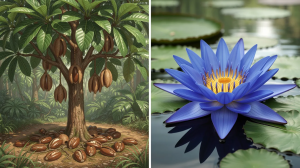
Plant type: Blue lotus is a water lily (family Nymphaeaceae); kava is a shrub in the pepper family (Piperaceae).
Plant part used: Dried petals and flower of the blue water lily; peeled root and rhizome of the kava plant.
Traditional region: Nile Valley in Egypt and parts of East Africa for blue lotus; South Pacific islands (Vanuatu, Fiji, Tonga, Samoa) for kava.
Modern formats: Blue lotus tea, bath blends, tincture, aromatics, and vape liquids; kava as ground root beverage, instant powders, capsules, and extracts.
Similarities in marketing language (“dreamy,” “social,” “relaxing”) do not mean their effects, legal status, or safety profiles overlap. The comparison in this article stays anchored to published research and analytical findings, not label claims.
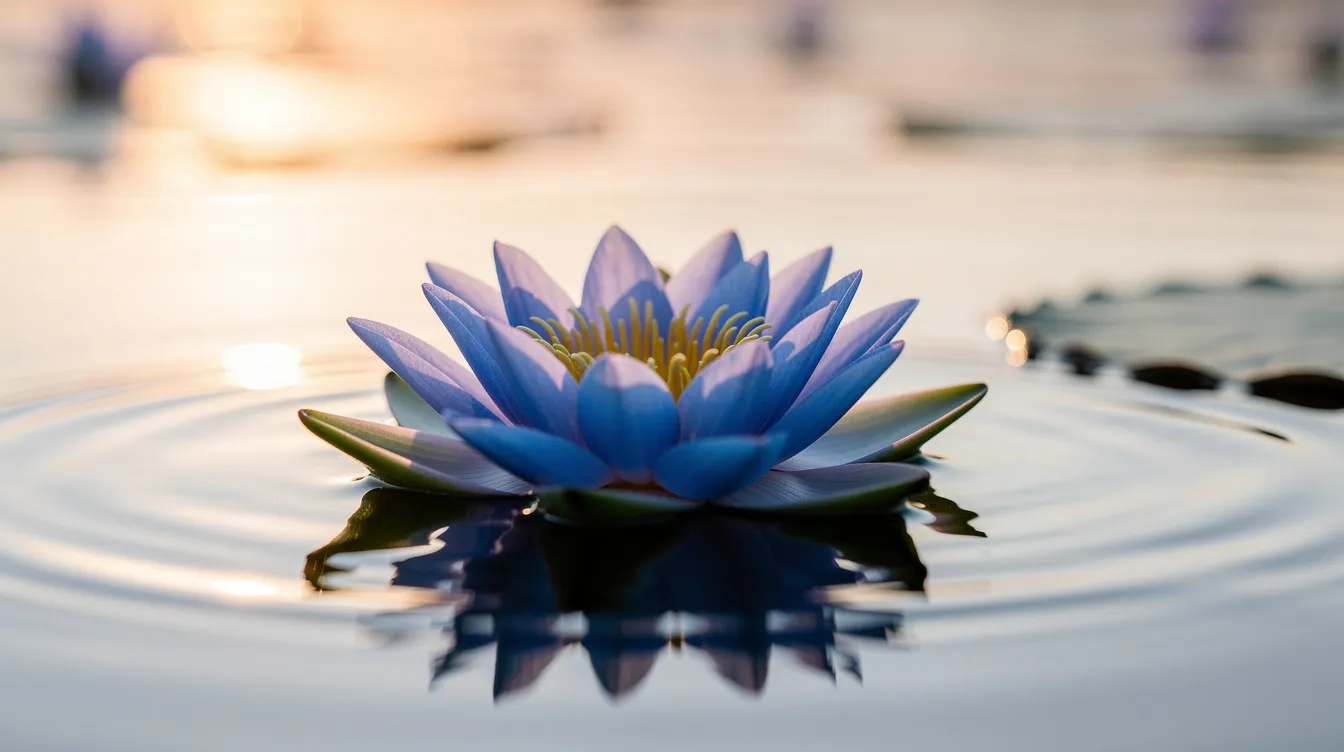
Blue lotus: a water lily with historical symbolism and modern questions
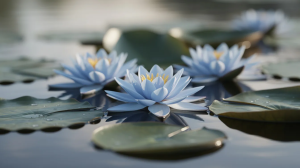
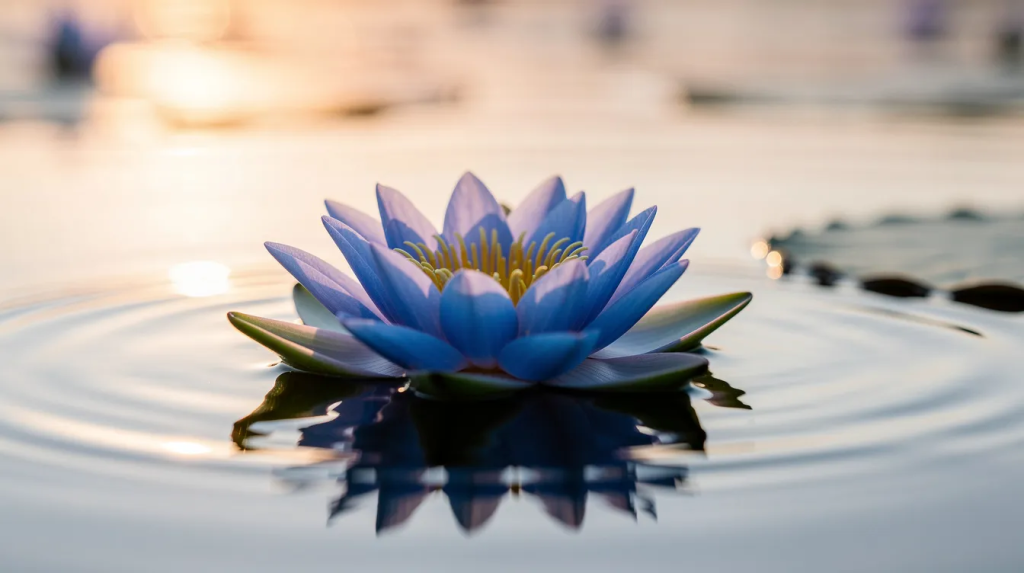
Blue lotus, formally Nymphaea caerulea (sometimes classified as Nymphaea nouchali var. caerulea), is a lily, not a true lotus of the genus Nelumbo. The ancient Egyptians depicted it in tomb paintings and ritual artifacts dating to the New Kingdom (around 1550 to 1070 BCE), where the flower symbolized the sun and rebirth. Historical accounts also describe it as an aphrodisiac and a substance consumed infused in red wine during ceremonial gatherings, lending it a reputation for healing and heightened awareness that persists in modern marketing.
Today, dried blue lotus flowers are sold online for blue lotus tea, potpourri, incense, and extracts labeled “for aromatherapy.” Some products are smoked or vaped. Marketing claims include better sleep, euphoria, a lifted and dreamy mood, and even lucid dreaming. Users report vivid dreams and a sense of relaxation, but blue lotus lacks reliable evidence for these claims; no randomized controlled trials in humans have been published.
Blue lotus contains two alkaloids often cited in product descriptions: apomorphine (a dopamine agonist) and nuciferine (an aporphine-class alkaloid with serotonin and dopamine receptor binding in lab studies). A 2023 analytical study using mass spectrometry on authentic fragrance-type extracts found no detectable apomorphine and only trace nuciferine at 10 to 72 parts per billion. Because nuciferine is poorly soluble in water, home-brewed tea infusions likely deliver even less. Blue lotus is not approved by the FDA for human consumption, and blue lotus has no documented dependence or major side effects in formal literature, though that reflects sparse study rather than confirmed safety.
Kava: a Pacific root with living traditions and mixed research
Kava (Piper methysticum) is native to the South Pacific islands, where it is traditionally used as a ceremonial beverage for community bonding, conflict resolution, and social cohesion. For many Pacific communities, kava holds ceremonial and social roles embedded in living tradition rather than novelty wellness culture.
The root contains kavalactones, a class of compounds that act on the brain through GABA-A receptor modulation and other pathways. Kava consumption can lead to muscle relaxation and sociability; it induces noticeable warmth and relaxation in the body, and can cause mild numbing of the lips and tongue. The substance has been studied for its anxiolytic effects: a systematic review of seven randomized trials (330 participants total) found a pooled risk ratio of 1.50 (95% CI 1.12 to 2.01) for anxiety symptom response versus placebo, showing modest effectiveness for anxiety relief. Kava promotes relaxation and reduces anxiety symptoms in those controlled settings, though trial durations were typically eight weeks or less and used specific standardized extracts, not homemade drinks.
These findings do not automatically validate every kava product sold online. Different cultivars (“noble” vs “tudei”), plant parts, and extraction methods produce very different kavalactone profiles. Compared with blue lotus, kava has a larger research footprint, but important questions about long-term use, dosing, and interaction risks remain open.
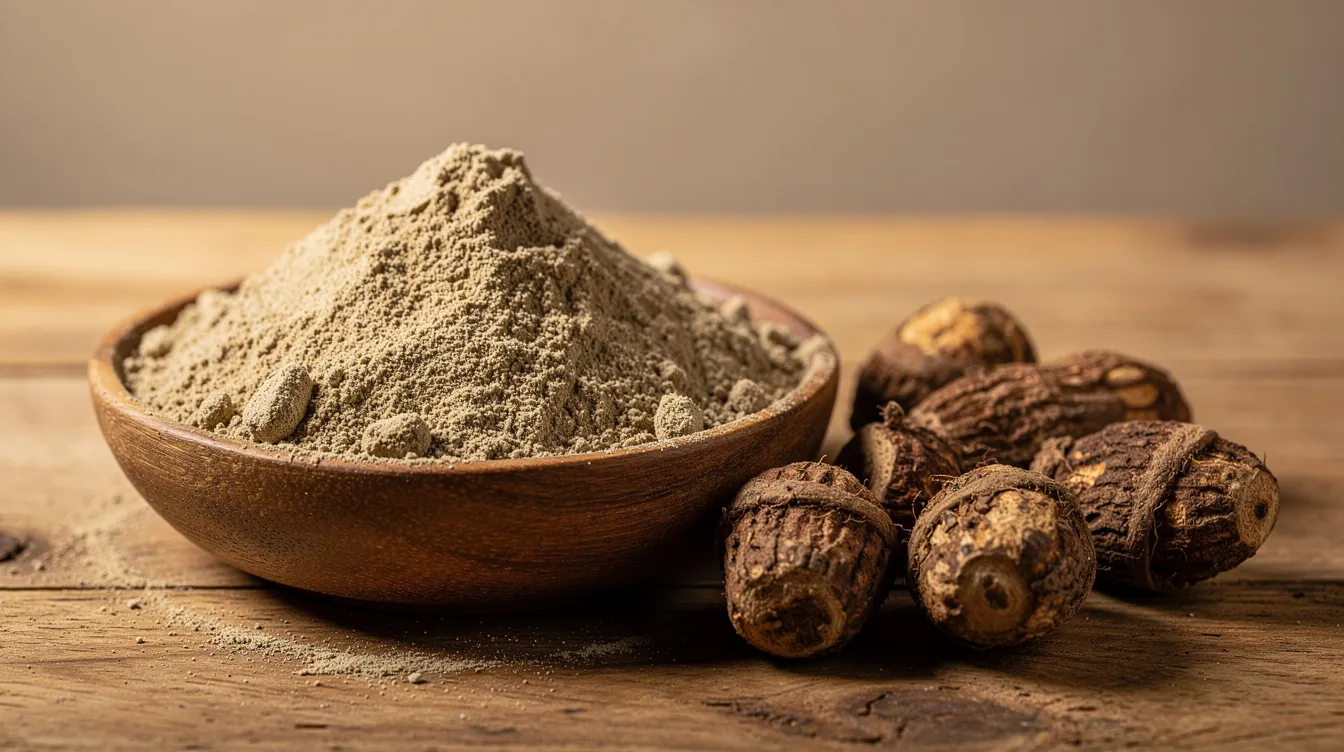
Blue lotus tea vs kava drinks: preparation and what ends up in the cup
Preparation determines which compounds end up in a cup or shell, and that is where any direct comparison between blue lotus tea and kava falls apart.
Blue lotus tea is prepared as a hot-water infusion: dried petals steeped for a product-specific number of minutes, then strained. Blue lotus tea requires specific steeping time and water volume, but no clinically defined dose exists. Use only dried blue lotus flowers intended for oral preparation. Some users combine blue lotus with alcohol (a practice echoing the ancient Egypt tradition of soaking petals in wine), while others use it in herbal smoking blends; each route changes exposure and risk.
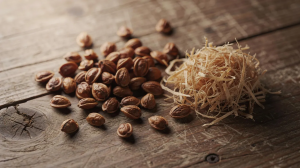
Kava is traditionally prepared as a root-water beverage: kava root must be finely ground before infusion, wrapped in cloth, kneaded in cool water until a cloudy suspension forms, then consumed in small bowls. Kava root is traditionally prepared with cold water infusion, not hot. Modern formats include instant powders, capsules, and tinctures with kavalactone content claims ranging above 250 mg per serving in some products, though those numbers are not independently verified in many cases.
Because extraction conditions differ (hot water on flower petals vs cold water on ground root vs solvent-based extracts), one cup of blue lotus tea and one shell of kava are separate experiences in chemistry and in the body.
Safety, evidence limits, and common concerns
There is not enough comparative data to declare either botanical “safer.” Each carries a distinct pattern of knowns and unknowns.
Kava is associated with liver toxicity risks, especially from poor-quality preparations. Kava is linked to rare liver injuries, including severe cases that led to transplantation; the FDA issued a consumer advisory in 2002. Kava may affect liver enzymes with heavy long-term use. Kava is legal in the U.S. but regulated in Europe due to safety concerns; the European Medicines Agency judged the benefit-risk balance for oral anxiety treatment as unfavorable. Kava’s active compounds may cause drowsiness and sedation, and milder reactions include dizziness and digestive upset. Anyone taking medications metabolized by the liver should consult a clinician before use.
Blue lotus appears quieter on the adverse-event front, but that likely reflects underreporting and minimal research rather than pure safety. A 2024-era forensic investigation found that some blue lotus products may contain synthetic cannabinoids (such as MDMB-4en-PINACA) rather than the advertised alkaloids, meaning a user could unknowingly ingest a controlled substance with no relation to cannabis in the traditional sense, yet capable of triggering THC-adjacent reactions or a positive drug test.
Both botanicals should be avoided before driving, during pregnancy, or in combination with alcohol and sedative drugs. Blue lotus is prohibited for use by U.S. Service Members regardless of its general legal status.
Shopping considerations for products sold online
Online availability does not equal regulatory approval. Supplements in this world are typically marketed without pre-approval by the FDA. Before purchasing, check for:
A clear Latin botanical name (Nymphaea caerulea for blue lotus, Piper methysticum for kava) and specified plant part (flower vs root).
Third-party testing information: identity testing to confirm species, screening for contaminants (heavy metals, pesticides, solvent residues), and for kava, quantitative kavalactone content.
Intended-use labeling. If a blue lotus product says “not for internal use,” do not consume it orally.
Cannabinoid potency testing (CBD or THC levels) does not verify that a product actually contains the named botanical and does not rule out synthetic adulterants. Labels like “10x extract” or “extra strong” carry no standardized meaning. Review local laws, workplace rules, and military policies before buying; blue lotus is prohibited for use by U.S. Service Members, and some employers restrict kava as well. Conservative, label-directed use and professional advice are essential where health is a concern.
Looking for capsule options? Shop Nine Mile Botanicals at Poppy Lotus for Blue Lotus Extract 100:1 60 Capsules and Kava Extract 30% 45 Capsules, with ingredient details and labeled amounts on each product page.
For more posts on botanicals, bookmark this page and feel free to leave a comment with questions. If you have ongoing anxiety, sleep problems, or a complex medication regimen, consult a qualified health professional rather than self-managing with any botanical in depth.
FAQ
Is blue lotus legal where I live?
In many U.S. states and several other countries, blue lotus flower products can be purchased and sold online without restriction. Some organizations, including parts of the U.S. Department of Defense, list blue lotus as prohibited for their personnel. Verify current local regulations and workplace policies, as laws can change and may differ from broader national defaults.
Can I drive after using kava or blue lotus tea?
Both botanicals are associated with drowsiness or altered alertness. Kava’s sedative properties are documented in clinical research; blue lotus is marketed for relaxation and a release of tension that could impair the ability to react. Individual responses vary by dose and product type, so safe waiting times cannot be generalized. Avoid driving or operating machinery after consuming either.
Are blue lotus and kava suitable for everyday stress management?
Neither has been proven safe or effective for indefinite daily use. Most kava trials ran eight weeks or less with specific extracts and selected participants. If you are considering regular use of either botanical for anxiety or stress, discuss it with a clinician or pharmacist who can review your medications, health history, and potential interactions.
Can blue lotus or kava help with lucid dreaming or deep sleep?
Blue lotus is commonly marketed online for vivid dreams, but no human studies verify these claims. Kava research has focused on anxiety rather than sleep architecture. Feeling sedated is not the same as treating a sleep disorder; ongoing sleep problems should be evaluated by a healthcare professional.
Do blue lotus or kava show up on drug tests?
Standard workplace drug tests target substances like opioids, amphetamines, and cannabinoids, not blue lotus or kava compounds. The risk lies in adulteration: synthetic cannabinoids found in some blue lotus products could trigger unexpected positive results. Anyone subject to regular testing should confirm policies with their employer or governing body before using either botanical.