
What Do Arizona’s Current Kratom Rules Say About 7-Hydroxymitragynine Concentration?
· Updated

Arizona regulates kratom products through a specific statute that caps 7-hydroxymitragynine levels, bans synthetic alkaloids, and mandates label transparency. Here is what processors, retailers, and the people who buy kratom need to know about the rules already in force and the proposals that did not pass.
Key Takeaways
Under the Kratom Consumer Protection Act (A.R.S. §36-795.02), kratom products sold in Arizona cannot contain 7-hydroxymitragynine at a level greater than two percent of the alkaloid composition of the product.
Synthetic 7-hydroxymitragynine and other synthetically derived compounds are banned outright in any kratom product under Arizona law.
House Bill 2415 proposed reclassifying kratom products with 800 ppm or more of 7 OH as narcotic drugs, but as of late 2026, it has not taken effect.
Attorney General Kris Mayes has issued a consumer alert warning about dangerous products marketed as “gas station heroin” in gas stations, smoke shops, convenience stores, and corner stores.
Enforcement of the existing 2% cap requires sophisticated lab testing that many local agencies lack.
Arizona Kratom Law Basics: The Kratom Consumer Protection Act
Arizona’s Kratom Consumer Protection Act, codified in Title 36 (Public Health and Safety), took effect on August 27, 2019. The operative statute is A.R.S. §36-795.02, titled “Kratom products; adulteration; contamination; sales to minors prohibited.” Arizona’s Kratom Consumer Protection Act regulates kratom products rather than banning the kratom plant itself.
The KCPA defines a kratom product broadly to include any food, dietary ingredient, or similar item containing Mitragyna speciosa leaf. That scope covers powders, capsules, teas, and extracts. The statute’s goals are to prevent adulterated kratom from reaching shelves, regulate alkaloid levels including 7 OH, require labeling of mitragynine present and 7-hydroxymitragynine content, and restrict youth access. Arizona law prohibits selling kratom products to individuals under 18. The law targets processors and retailers who sell kratom products; it does not criminalize personal possession or use of kratom leaf.
From Southeast Asia to Arizona Shelves
Kratom (Mitragyna speciosa) is a tree native to Southeast Asia, where people have chewed its leaves or brewed them as tea for generations. In Arizona, the same plant reaches shelves as leaf powder, capsules, tea and concentrated extracts, and the statute applies to every one of those formats. Most of what the law says about 7-OH comes down to how much of it a product holds and whether that 7-OH came from the leaves or from a lab.
Exactly What A.R.S. §36-795.02 Says About 7-Hydroxymitragynine Concentration
Arizona’s current, enacted 7 OH rule appears directly in §36-795.02 and is enforceable now. The core concentration rule: a processor or retailer may not prepare, distribute, sell, or expose for sale a kratom product containing a level of 7-hydroxymitragynine in the alkaloid fraction that is greater than two percent of the alkaloid composition of the product.
That two percent figure is calculated as a share of total alkaloid content, not of total weight or volume. Non-alkaloid matter (fillers, carrier oils, plant fiber) is excluded from the fraction. Products with over 2% 7 OH are considered adulterated in Arizona. This cap reflects the trace amounts of 7 OH naturally present in unaltered kratom leaf, which typically fall well below the two percent threshold. Violating Arizona’s kratom regulations can result in civil liability for damages, and violating the Kratom Consumer Protection Act is a class 2 misdemeanor.
Arizona’s Ban on Synthetic 7-OH and Other Synthetic Kratom Alkaloids
Arizona law draws a clear line between natural alkaloids in the kratom plant and dangerous synthetic opioids sold as kratom or 7 OH products. Under §36-795.02, no kratom product may contain any synthetic alkaloid, including synthetic mitragynine, synthetic 7-hydroxymitragynine, or other synthetically derived kratom compounds.
There is no “allowable” concentration of synthetic 7 OH. Any quantity of synthetically derived compounds added to a kratom product makes it adulterated and unlawful to sell. This provision targets items sometimes called “gas station heroin,” where concentrated synthetic 7 OH or related synthetic compounds are manufactured and marketed as all natural kratom extracts, shots, or gummies. The statute treats these synthetics as a separate public health problem from natural kratom leaf.
Labeling Duties: How Arizona Wants 7-OH and Mitragynine Shown on Kratom Products
The KCPA pairs concentration limits with labeling rules. Every kratom containing product must clearly state the amount of mitragynine and 7-hydroxymitragynine on its label. These quantities should appear as numeric values (milligrams per serving or per package) that are readable and not misleading.
Selling kratom without proper labeling is classified as a class 2 misdemeanor in Arizona. Products with false 7 OH or mitragynine information fall under adulteration or misbranding provisions. Labeling accuracy also intersects with federal oversight; the FDA takes steps against unapproved 7 OH products marketed as dietary supplements or conventional foods, and no drug approved by the Food and Drug Administration contains 7-hydroxymitragynine.
House Bill 2415 and the Proposed 800 Ppm 7-OH Threshold (Not in Force)
HB 2415, introduced in the 57th Legislature’s 2nd Regular Session, sought to expand kratom regulation. The bill passed through key committees and received a favorable third read (36-17-7-0), but at the end of the legislative process it reached “Engrossed-Dead” status and did not become law.
Had it passed, HB 2415 would have:
Added kratom products containing at least 800 ppm (0.08%) of 7-hydroxymitragynine, or any quantity of a dangerous non kratom substance or dangerous nonkratom substance, to the definition of narcotic drugs under Arizona law
Raised the minimum purchase age to 21 (HB 2415 proposed the minimum age for purchasing kratom in Arizona would be 21 years old, up from the current 18)
Required that kratom cannot be sold within 500 feet of schools or a childcare facility
Strengthened labeling to include serving sizes and ingredient lists
The proposed threshold of 800 ppm (the specified threshold in HB 2415) is far lower than the enacted two percent alkaloid cap. At 0.08% by weight, the proposed threshold would have reclassified many products currently lawful under the 2% rule as narcotic drugs. Future Arizona sessions could revive similar proposals to regulate kratom more strictly, as other states have done.
Enforcement Realities: Why Attorney General Mayes Warns About 7-OH Products
On December 9, 2025, Attorney General Kris Mayes issued a consumer alert warning Arizona residents about dangerous products sold as kratom in gas stations, smoke shops, convenience stores, and corner stores. Attorney General Mayes warns these items may be adulterated with synthetic 7 OH or exceed Arizona’s allowable concentrations. Some are marketed under slang terms like “gas station heroin” or “legal morphine.”
Attorney General Kris Mayes has said enforcement is hard. Accurate 7 OH testing requires sophisticated lab testing using HPLC or mass spectrometry, plus expert testimony to distinguish synthetic from natural alkaloids. Many local agencies lack the lab time and equipment for this work. Because most KCPA violations are misdemeanors, lab resources are often directed toward major felony cases instead. The AG’s office also sued Botanic Tonics under Arizona’s Consumer Fraud Act for mislabeling kratom content and downplaying addiction risk, with products sold across the state. These enforcement actions in Arizona reflect a broader push for decisive action on the public health risks of concentrated 7 OH products, including respiratory depression.
How Arizona’s 7-OH Rules Fit Alongside Federal Actions on Kratom and 7-OH
The federal government has not yet fully scheduled 7 OH as a controlled substance. As of October 2026, 7-hydroxymitragynine is not federally banned, though the DEA plans to publish a scheduling order for 7 OH by November 2026. HHS Secretary Robert F. Kennedy Jr. and Health and Human Services officials have supported steps to protect Americans from dangerous synthetic opioids, while the FDA takes steps to recommend scheduling certain high-concentration 7 OH products under the federal Controlled Substances Act. The DEA’s new notice of intent proposes federal thresholds for 7 OH, and some 7 OH-derived opioids are already Schedule I through temporary orders.
Arizona’s approach differs from the federal per-weight threshold model and from states that use a ppm cutoff. Arizona law uses a two percent share of alkaloid composition for kratom products and bans synthetic 7-hydroxymitragynine in kratom products outright, independent of any action by the DEA. If the federal government eventually places 7 OH itself into Schedule I at specific thresholds under the Controlled Substances Act, Arizona statutes could automatically adjust or be revisited. HB 2415 included a clause for conditional repeal if FDA or DEA scheduled kratom alkaloids. For now, the operative rules remain the 2% alkaloid cap and synthetic-alkaloid bans in §36-795.02. The executive director of any future state enforcement program would need immediate release of updated testing protocols to keep pace.
Arizona-Specific FAQs About 7-Hydroxymitragynine Rules
Is 7-hydroxymitragynine completely banned in Arizona kratom products?
No. Natural 7 OH present in kratom leaf is lawful when it falls within the statutory limits. Arizona law forbids sale of kratom products only if 7 OH exceeds two percent of the alkaloid composition of the product, or if synthetic 7 OH is added in any quantity. Lab tests of typical kratom leaf products have found trace amounts of 7 OH well below that threshold, so they remain lawful when properly labeled.
Does Arizona’s 2% 7-OH cap mean everything on store shelves is legal?
Being on a shelf does not guarantee a product is legal. Products sold at gas stations, smoke shops, or corner stores can be mislabeled, adulterated with a synthetic alkaloid, or exceed the 2% 7 OH cap without the retailer or consumer knowing. Testing and enforcement capacity are limited, which is why Attorney General Mayes has urged caution and called for stronger tools.
What is the difference between the 2% 7-OH rule and the proposed 800 ppm standard?
The 2% rule is enacted law under A.R.S. §36-795.02 and measures 7 OH as a percent of the alkaloid fraction in a kratom product. The 800 ppm threshold was part of HB 2415’s proposal to treat certain 7 OH-rich kratom products as narcotic drugs, but that bill did not become law. The proposed 800 ppm standard (0.08% by weight) would have captured products currently legal under the 2% rule.
Who is regulated by Arizona’s kratom laws: consumers or sellers?
The Kratom Consumer Protection Act primarily regulates processors, manufacturers, and retailers. Selling kratom products to minors is prohibited in Arizona. Penalties for violating 7 OH limits or labeling rules generally fall on businesses, and individuals harmed by adulterated products may seek damages through civil court.
Are kratom and 7-OH treated the same way under Arizona law?
Arizona regulates kratom products as a whole under the KCPA, covering both mitragynine and 7 OH. The law places specific numeric caps on 7 OH concentration and prohibits synthetically derived kratom compounds. Kratom leaf itself is not scheduled as a narcotic drug under current Arizona law, but other synthetically derived compounds or semi-synthetic opioids from kratom alkaloids could fall under separate controlled substances provisions or future legislation.
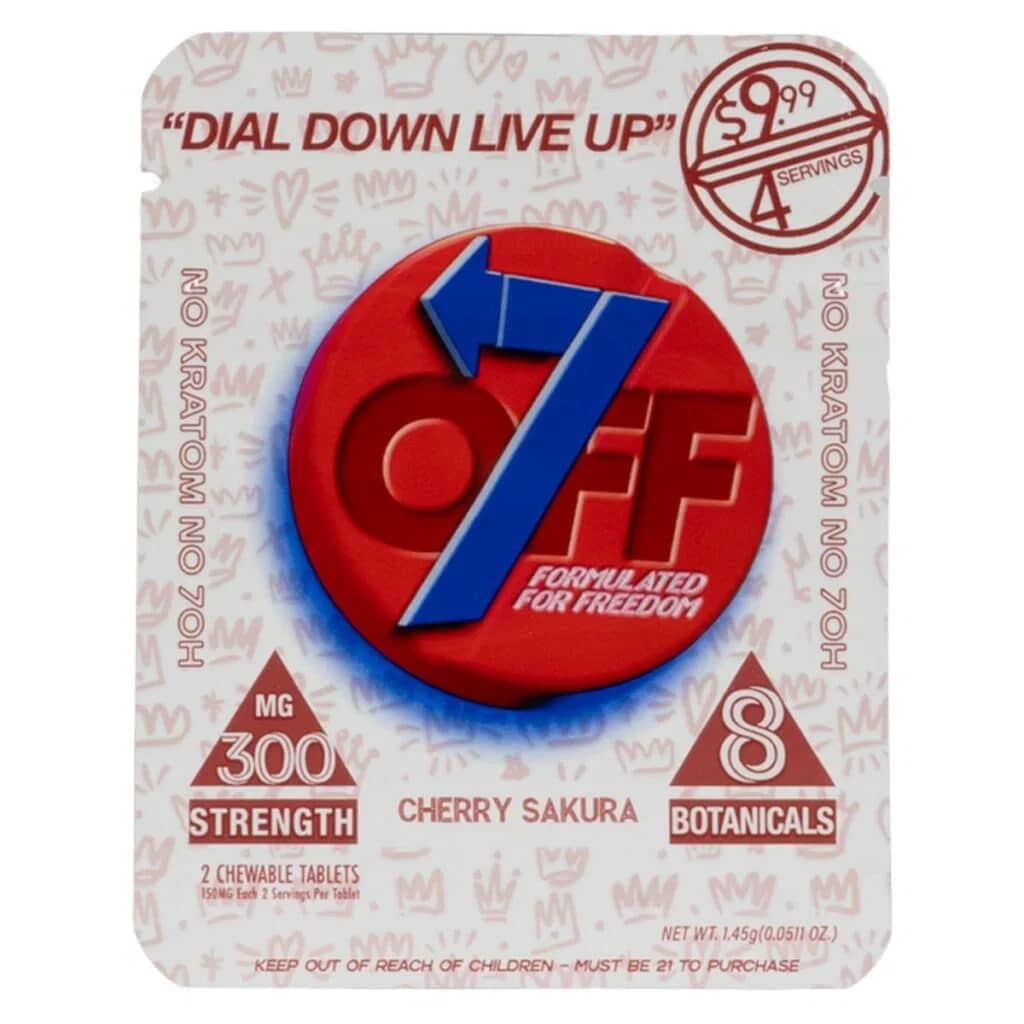
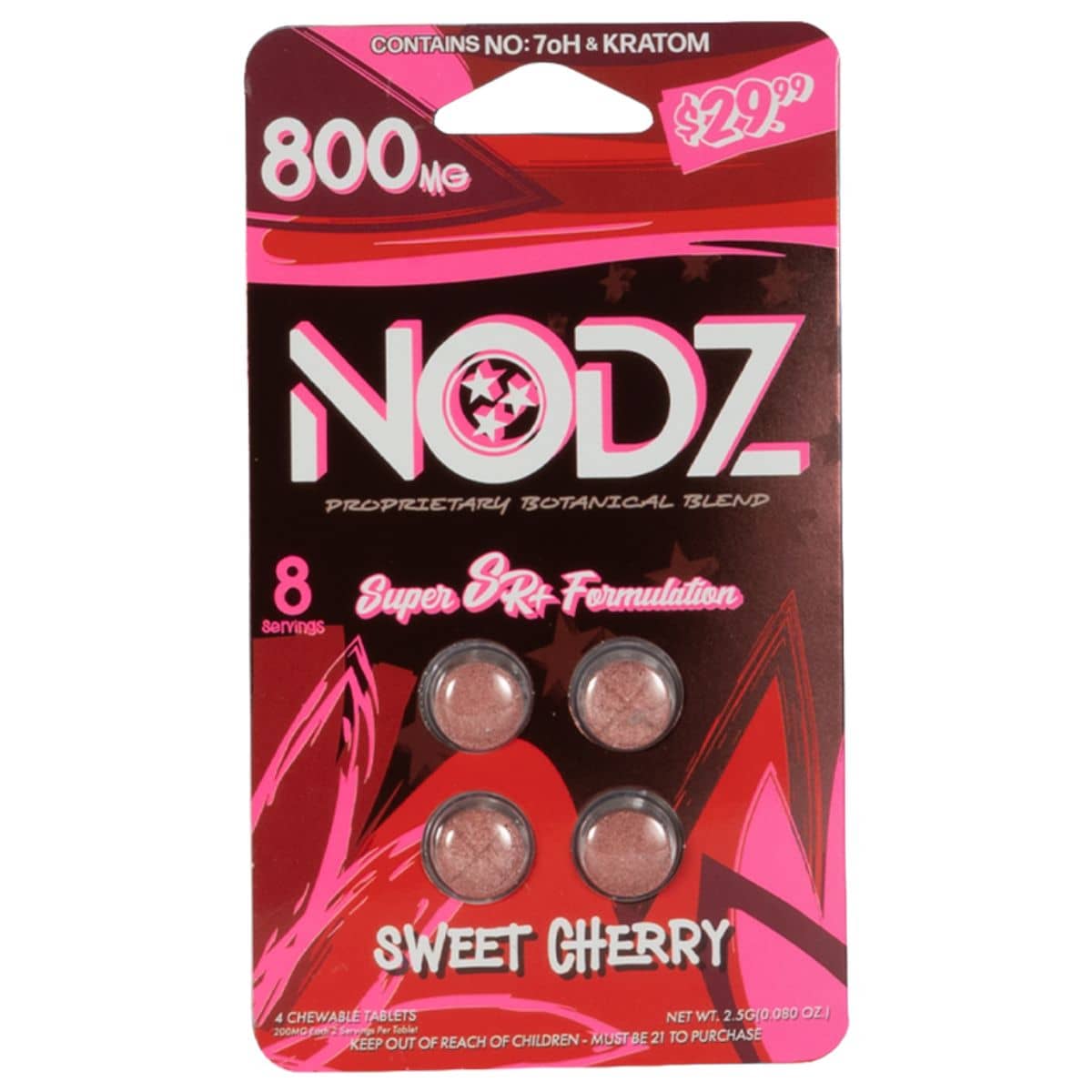
Shopping for botanical blends? Poppy Lotus carries botanical tablets including OFF7 Botanical Blend Tablets (2pk, 300mg), Nodz Botanical Blend Tablets (4pk, 800mg) and Wingz Botanical Blend Tablets (6pk, 1,200mg).
 In stock
 In stock
 In stock
Wingz Botanical Blend Tablets
From $22.99
 In stock
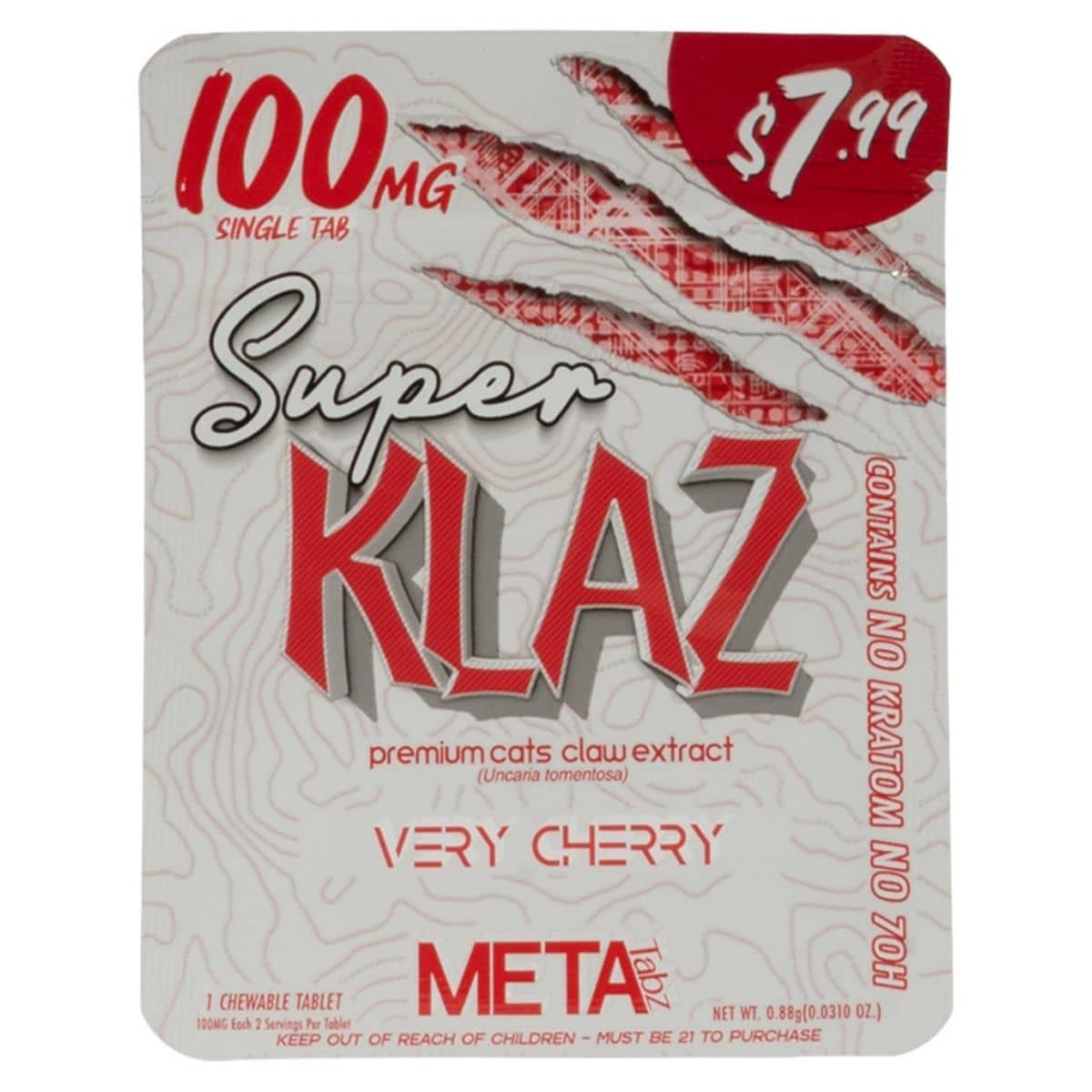
Meta Tabz Super KLAZ Cat’s Claw Tablets
From $7.99
 In stock
MyZen Organix Poppy & Lotus Tablets
From $14.99
 In stock
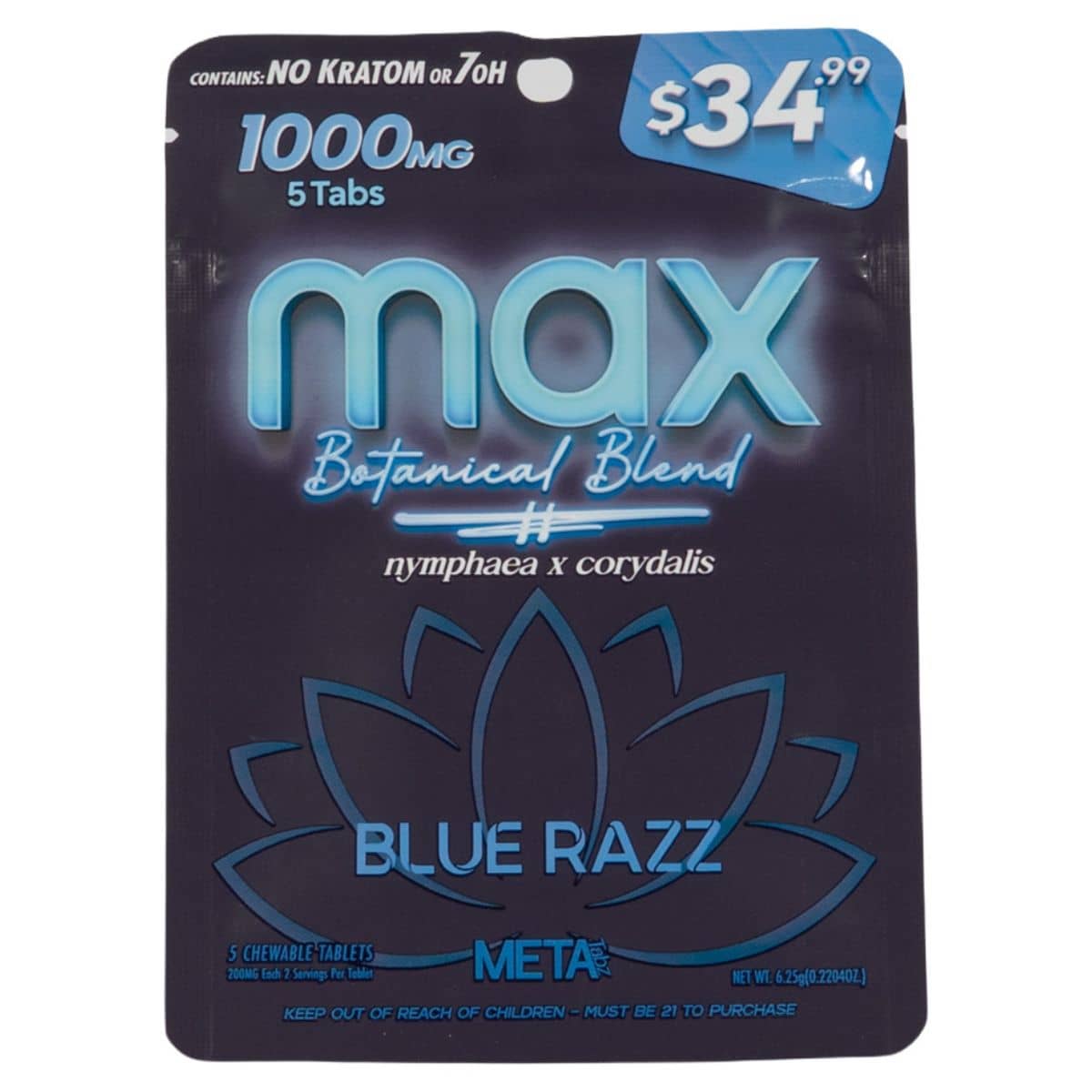
Meta Tabz MAX Botanical Blend Tablets
From $7.99
 In stock
 In stock
These statements have not been evaluated by the Food and Drug Administration. Products sold on this site are not intended to diagnose, treat, cure or prevent any disease. You must be 21 or older to purchase from this website. These products are not intended for children or for pregnant or nursing women. Consult a physician before use, especially if you have a medical condition or take prescription medication. All trademarks and copyrights are the property of their respective owners. By using this site, you agree to our Privacy Policy and Terms & Conditions. Void where prohibited by law.
Keep Reading
All of Poppy 101 What Do Colorado’s Current Rules Say About Kratom and Concentrated 7‑OH Products?Colorado regulates kratom products statewide under the Daniel Bregger Act, focusing on consumer safety rather than banning the kratom plant outright. Legal…
 What Limits Does Mississippi Place on 7-Hydroxymitragynine in Kratom Products?Mississippi now imposes strict numerical and compositional caps on 7-hydroxymitragynine in kratom products, making it one of the most detailed state-level kratom…
 7-OH vs Kanna: How Concentrated 7‑Hydroxymitragynine Compares to Kanna in 2026Two substances that keep showing up in the same online conversations-concentrated 7-OH and kanna-are fundamentally different in chemistry, risk, and what they…
 7-OH vs Blue Lotus: What Tennessee Consumers Need to Know in 2026Tennessee’s botanical market shifted dramatically on July 1, 2026, when both kratom restrictions and hemp regulation changes took effect simultaneously. Two substances…