
What Limits Does Mississippi Place on 7-Hydroxymitragynine in Kratom Products?
· Updated
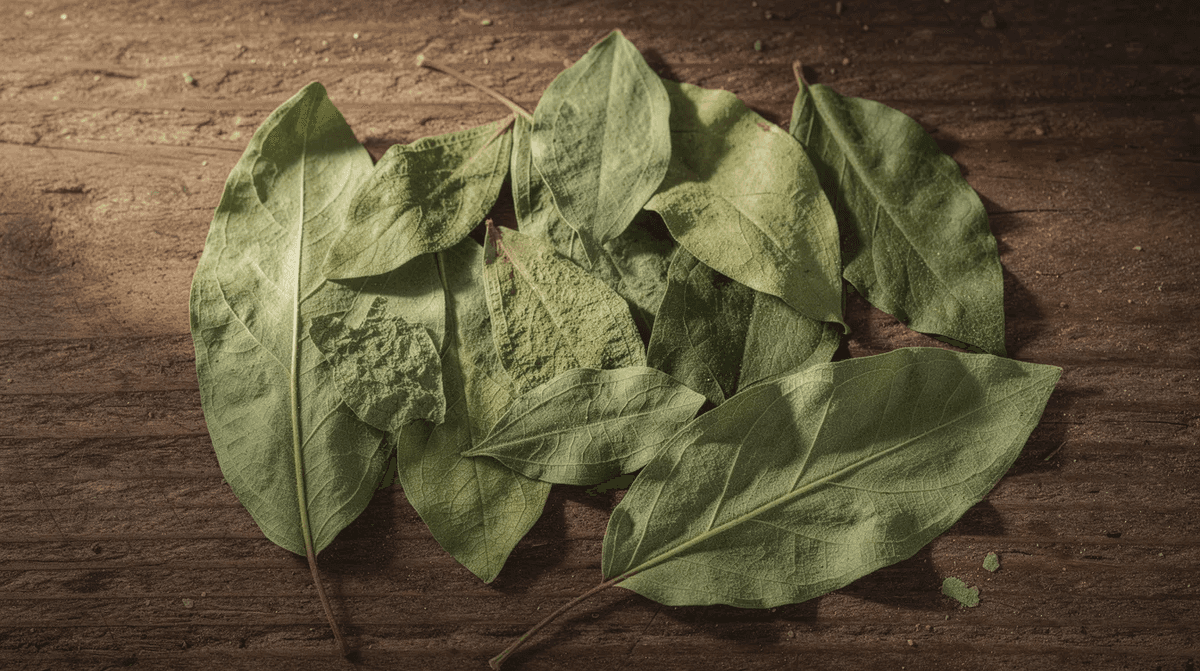
Mississippi now imposes strict numerical and compositional caps on 7-hydroxymitragynine in kratom products, making it one of the most detailed state-level kratom frameworks in the country. Here is exactly what the law requires, what remains proposed, and how local rules add further restrictions.
Key Takeaways
Under enacted law (HB 1077, effective July 1, 2025), the level of 7-hydroxymitragynine cannot exceed 1% of total alkaloid composition, and the total amount of 7-hydroxymitragynine cannot exceed 0.5 milligrams per container.
A separate proposal often cited as “HB 1553” or the Mississippi Kratom Consumer Protection Act referenced a 2% alkaloid fraction cap, but that figure comes from proposed consumer protection legislation and model acts, like the Kratom Consumer Protection Act backed by the American Kratom Association, rather than enacted statute.
Products containing synthesized or semi-synthesized kratom alkaloids are prohibited under the enacted law, eliminating concentrated 7 OH shots and tablets from the market.
Kratom sales in Mississippi are limited to those 21 and older, with kratom products kept behind the counter at all retail locations.
At least 24 cities in Mississippi have banned kratom outright, so even compliant products may be illegal at the city and county level.
Mississippi Kratom Law: How the State Regulates 7-Hydroxymitragynine in Kratom Products
Mississippi now has a comprehensive kratom law that directly limits 7-hydroxymitragynine, an active chemical in the kratom plant and a substance commonly found in kratom leaf extract. The state took action to establish regulations after years of debate over how to address kratom in both its natural and synthetic forms.
Kratom comes from the leaves of Mitragyna speciosa, a tree native to Southeast Asia, and 7-OH is one of the main alkaloids in kratom leaf, far more potent at opioid receptors than mitragynine, the dominant alkaloid. This potency is why lawmakers chose to set measurable caps rather than banning kratom outright. The framework classifies kratom as a dietary supplement with specific formula requirements, distinguishing ordinary botanical products-powders, capsules, teas made using traditional food preparation techniques-from concentrated or modified 7-OH items that pose significant dangers.
Mississippi’s regulatory structure has roots embedded in two layers: an enacted statewide statute (HB 1077) and earlier proposed bills that influenced the final language. Understanding this distinction is essential for anyone involved in kratom commerce or consumption in the state.
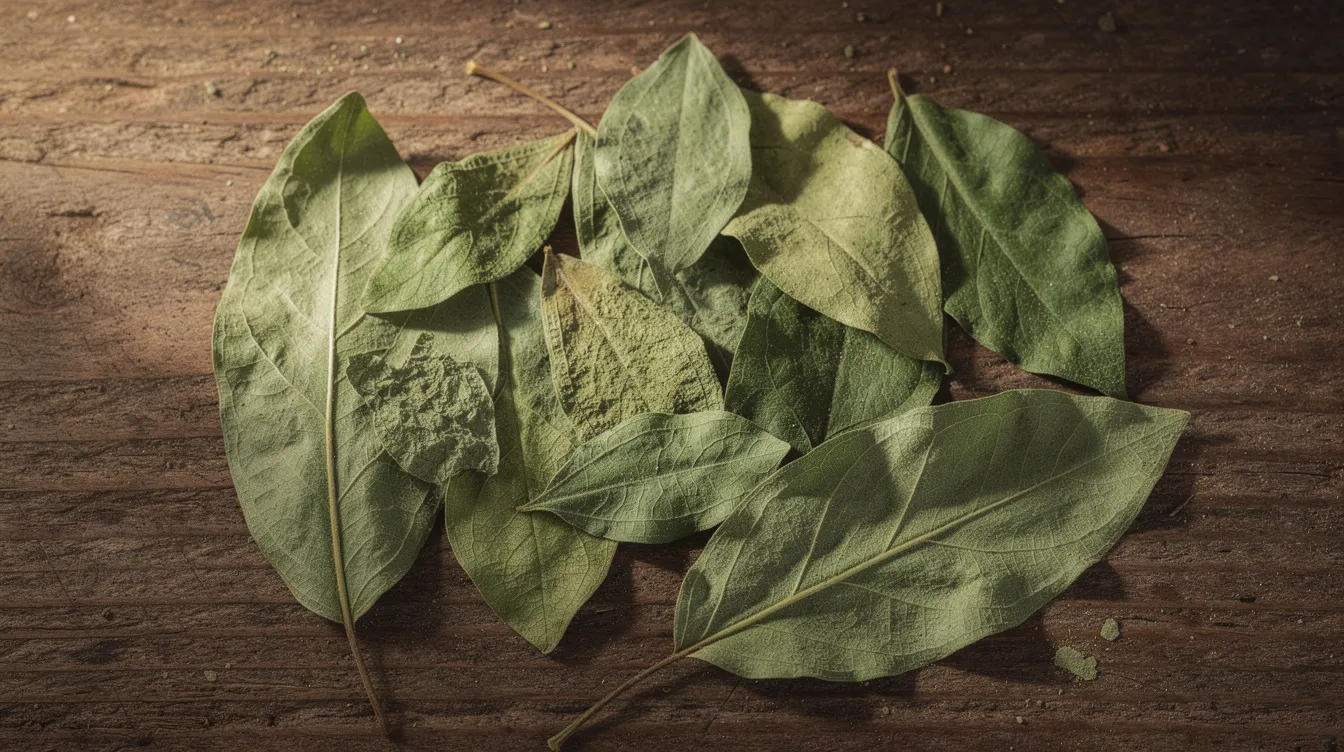
Is Kratom Legal in Mississippi? Kratom Legal Status in 2026
Yes, kratom is legal at the state level in Mississippi, as long as the product meets HB 1077’s limits and is sold under the state’s age, labeling and registration rules. That makes Mississippi a regulate-it state rather than a ban-it state. Neighbors take different paths: Alabama and Arkansas ban kratom outright, as do Indiana, Rhode Island, Vermont and Wisconsin.
The catch is local. Kratom can still be illegal in Mississippi cities and counties that passed their own bans, so the kratom legal status where you live depends on your city and county as much as on state law. Kratom bans at the local level change often, and kratom is not approved by the FDA for any medical use.
House Bill 1553: Mississippi Kratom Consumer Protection Act and 7-OH Limits
House Bill 1553 is frequently cited as the “Mississippi Kratom Consumer Protection Act,” and it circulated during the legislative session as proposed consumer protection legislation intended to regulate kratom products statewide. Senator Nicole Boyd and others championed this framework, and the Mississippi Senate unanimously passed versions of the bill through committee, including the Transparency and Efficiency Committee and House Accountability channels.
Under HB 1553 as proposed, bill limits on 7-OH would have capped the substance at 2% of the alkaloid fraction. The act also included language on labeling: kratom product labels must include the manufacturer’s information, quantitative declarations of mitragynine and 7-hydroxymitragynine per serving, and a full ingredient list. The senate voted to include additional language protecting cities and counties that had already banned kratom sales.
However, it is critical to distinguish what was proposed from what was enacted. The bill that was signed into law on April 17, 2025, is HB 1077, which uses tighter caps than the 2% figure. All this legislative session, various versions circulated, but the operative statute sets stricter thresholds. The senate passed the final version, and it became law effective July 1, 2025.
The enacted law also requires that kratom products must comply with federal guidelines for labeling and composition, and processors must follow FDA current good manufacturing practices. Products that include synthesized kratom constituents or chemically altered alkaloids are prohibited-meaning concentrated 7-OH tablets and opioid like drug alternatives cannot be marketed as kratom in Mississippi.
Additional Mississippi 7-OH Rule: Per-Container Caps and Practical Effects
Beyond the proposals associated with HB 1553, the enacted statute (HB 1077) and related Department of Revenue guidance set specific, enforceable limits on 7-hydroxymitragynine content. Under this framework:
7-OH may not exceed 1% of total alkaloids (measured by HPLC)
No container may hold more than 0.5 mg of 7-OH
Both the percentage and the absolute milligram cap apply simultaneously. This effectively eliminates “extra-strong” 7-OH kratom shots, tablets, and similar concentrated products marketed on their alkaloid composition. Natural kratom leaf products with naturally low levels of 7-OH that meet both the 1% alkaloid fraction standard and the 0.5 mg per-container cap remain legally sellable, subject to local laws.
Retailers and manufacturers must interpret these caps through lab testing. The law mandates HPLC analysis of total alkaloids and per-container 7-OH content. This rule also blocks the direct sale and shipment of synthesized kratom alkaloids and concentrated 7-OH derivatives into Mississippi, reinforcing the prohibition on unregulated substances entering the state’s market.
Interaction with Federal Action on 7-OH and Related Derivatives
Mississippi’s 7-OH rules exist alongside, but are distinct from, federal moves under the Controlled Substances Act and the Uniform Controlled Substances Act. The Food and Drug Administration has urged scheduling kratom compounds, and 7 OH is increasingly recognized for its potential for abuse at the federal level. The FDA issued warning letters to seven companies for 7-OH products, reinforcing that 7-OH cannot be lawfully added to conventional foods.
Federal agencies have placed certain synthetic 7-OH derivatives-including mitragynine pseudoindoxyl-among schedule III substances or proposed Schedule I compounds, while the broader question of scheduling kratom remains open. States like Rhode Island have taken parallel action. Under the Uniform Controlled Substances framework, any product containing a controlled substance in sufficient quantity triggers federal enforcement, regardless of state-level kratom rules.
Mississippi’s 1%/0.5 mg caps and ban on synthetic alkaloids function as a state-level complement to these federal positions, closing gaps that might otherwise allow high-7-OH kratom products sold in gas stations, convenience stores, vape shops, and CBD shops to reach consumers.

Local Bans, Age Limits, and Labeling: Practical Landscape for Kratom in Mississippi
Even if a kratom product meets all statewide 7-OH limits, it may be entirely prohibited in parts of Mississippi. Local municipalities can enact stricter kratom regulations than state law. At least 24 cities-including areas near Pearl River-and 11 counties have banned kratom products, with some jurisdictions having previously banned kratom sales before the statewide law existed. Any local community or local institution in those areas cannot sell or buy kratom regardless of 7-OH content. Store location restrictions apply statewide as well.
Where kratom is legal locally, key compliance requirements include:
Age: Kratom products may only be sold to individuals 21 or older. Underage purchase or possession of kratom in public is a misdemeanor.
Display: Kratom products must be kept behind the counter, inaccessible without employee assistance.
Registration: Retailers must register kratom products with the Mississippi Department of Revenue before sale. The registration requirement for kratom sellers in Mississippi became mandatory on October 1, 2025.
Tax: An excise tax of 25% applies to kratom products in Mississippi, in addition to regular sales tax.
Labeling: Labels must declare 7-hydroxymitragynine per serving, display warnings for under-21 and pregnant persons, and include the manufacturer’s contact information.
Compliance involves far more than checking 7-OH limits-businesses must track local laws, banning kratom products where applicable, age restrictions, labeling, manufacturing standards, and tax obligations.
Why Mississippi Focuses on 7-Hydroxymitragynine and What It Means for Consumers
7-OH draws more regulatory attention than other kratom alkaloids because it binds strongly to opioid receptors in the brain, is associated with opioid addiction risk, and 7-OH products may be more potent than morphine. Organizations including the Mississippi State Medical Association, the Mississippi Sheriffs Association, the Mississippi State Troopers Association, the Mississippi Municipal League, and police chiefs across the Mississippi Association have lobbied to protect constituents from adverse health effects linked to concentrated 7-OH products-which they argue pose significant dangers and are potentially lethal in high doses.
By limiting 7-OH to low percentages and low total milligrams per container, Mississippi intends to keep kratom products closer to the natural alkaloid profile of traditional botanical kratom, reducing opioid-like intoxication risk. The goal is not banning kratom outright but ensuring that products marketed for pain relief at gas stations or convenience stores do not function as an opioid like drug. Supporters argue this approach can help keep America healthy while still allowing access to natural kratom leaf products.
Consumers should check product labels for 7-hydroxymitragynine content, verify lab results against Mississippi’s formula limits, and confirm whether their city or county allows any kratom sales. Regulations are evolving at both state and federal levels, so neither consumers nor businesses should assume 7-OH rules are static.
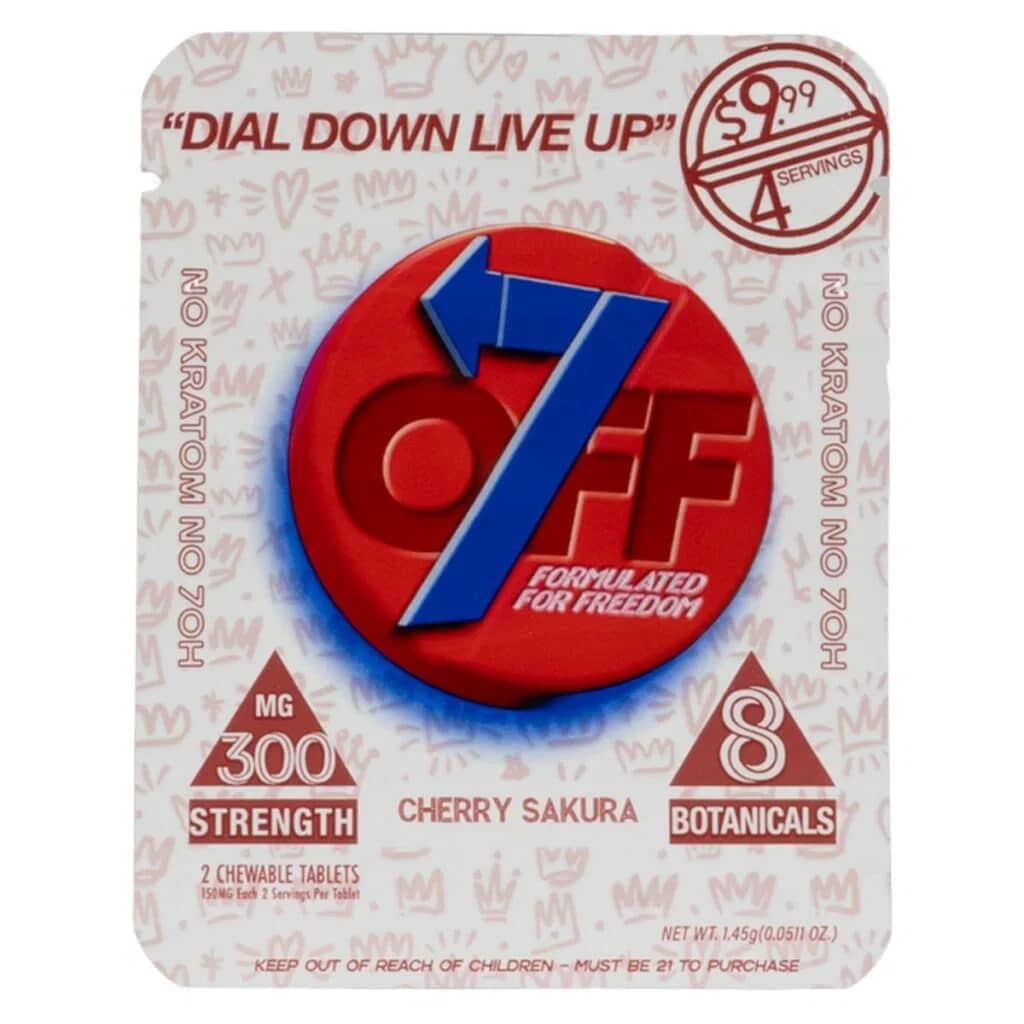
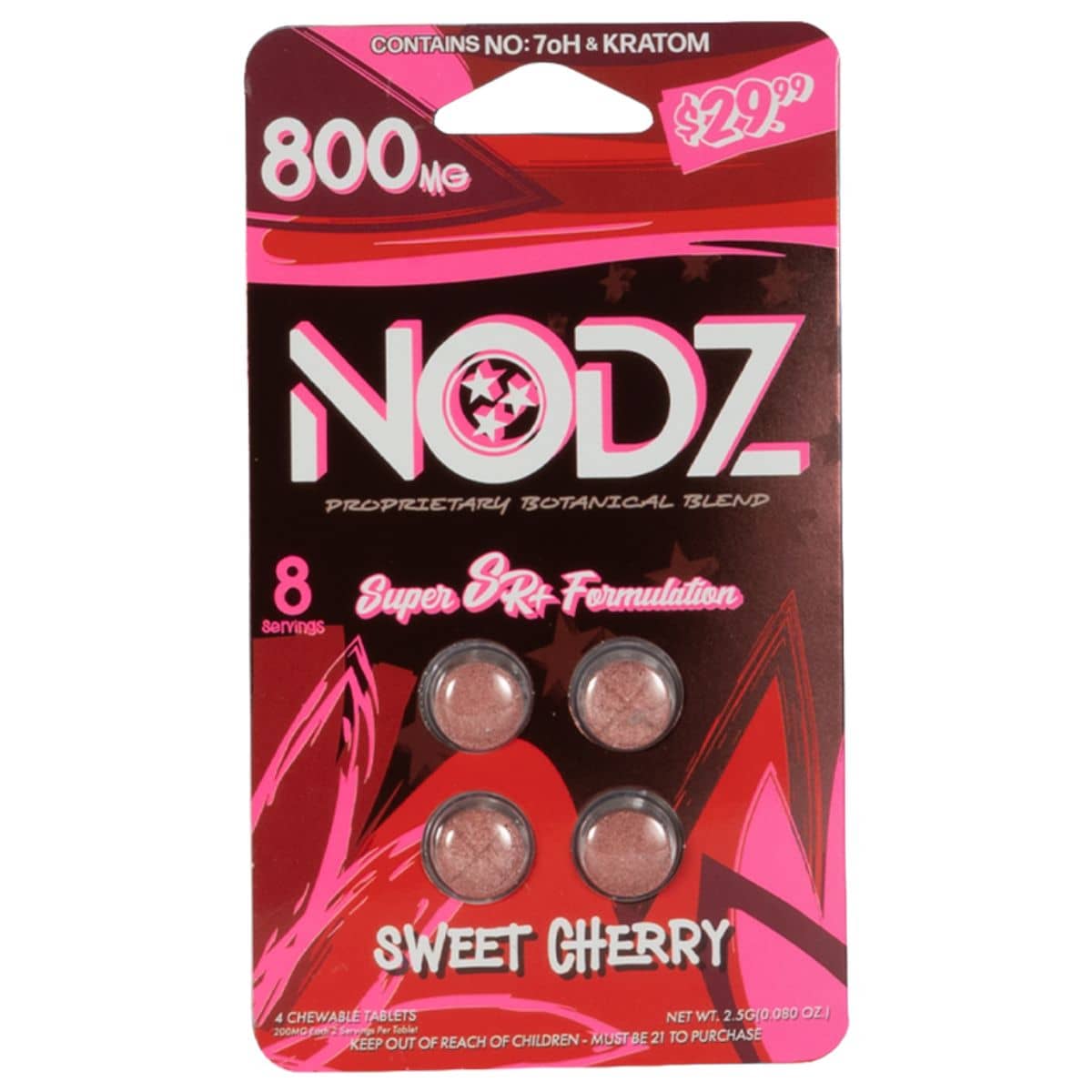
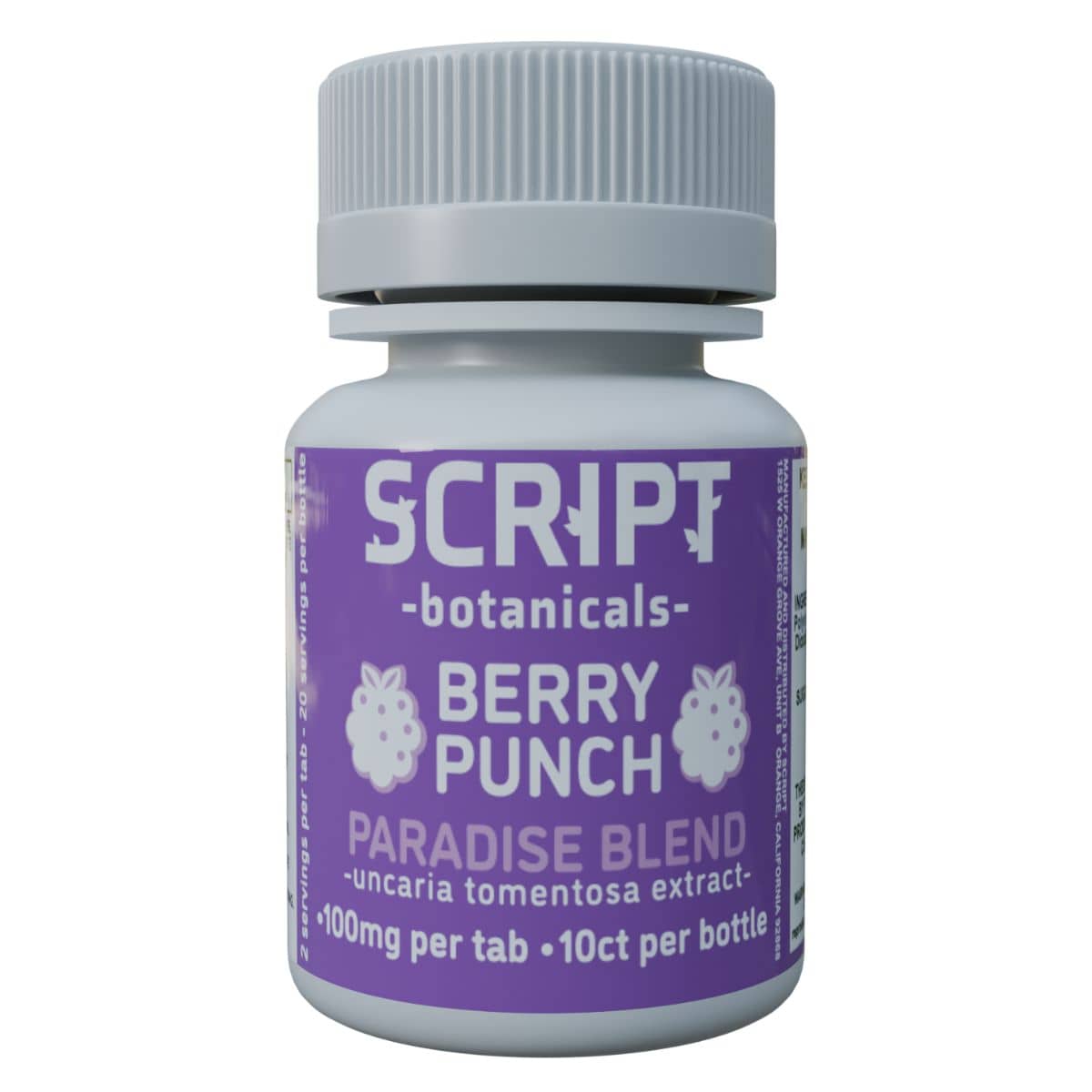
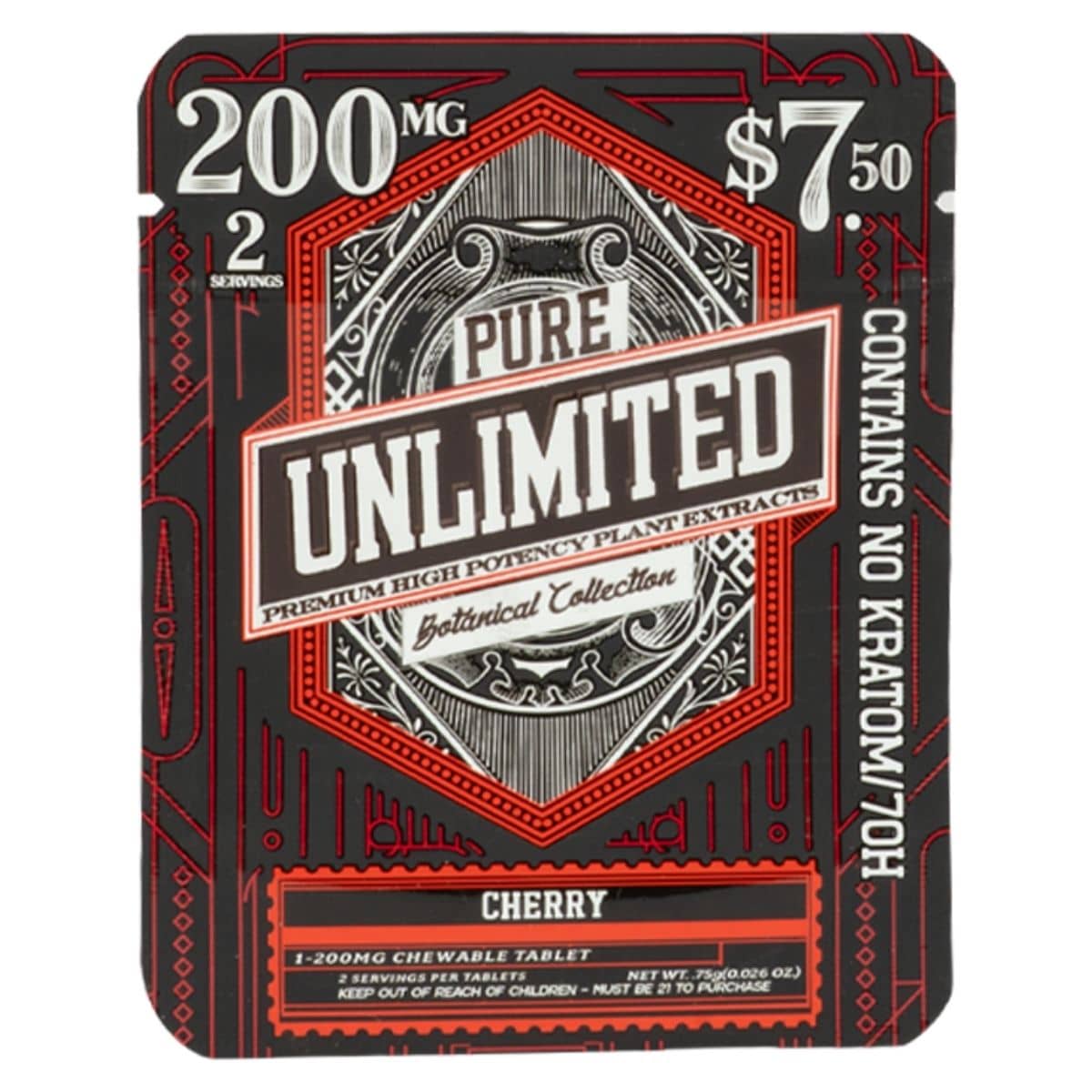
Looking for botanical tablets made without 7-OH? At Poppy Lotus, you can shop botanical blends including OFF7 300mg Botanical Blend Tablets 2pk, Nodz Botanical Blend Tablets 4pk, and Meta Tabz MAX Botanical Blend Tablets 1pk 200mg. Nothing in this store contains 7-OH, MGM-15 or pseudoindoxyl. Explore the packs below to compare strengths and pack sizes.
 In stock
 In stock
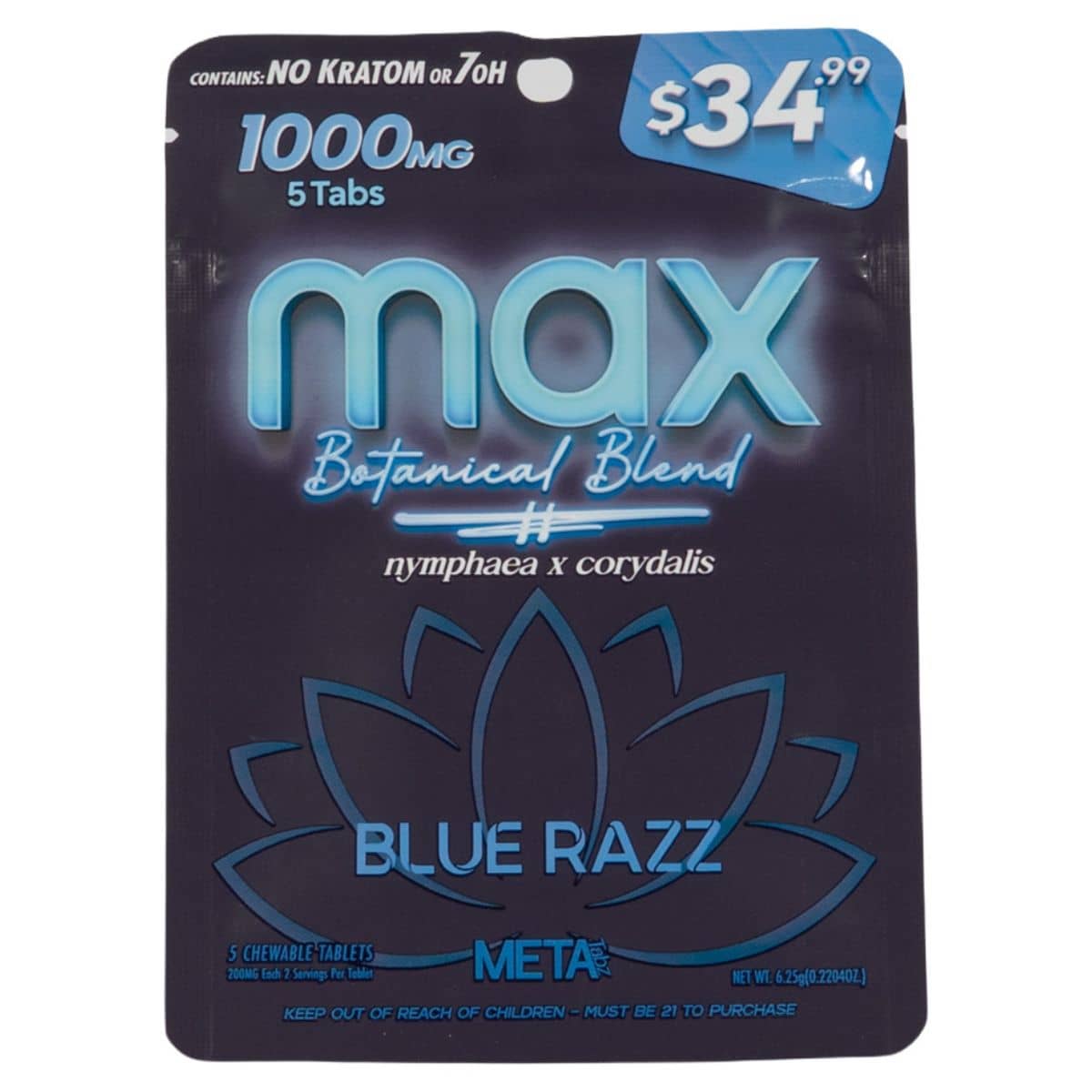 In stock
Meta Tabz MAX Botanical Blend Tablets
From $7.99
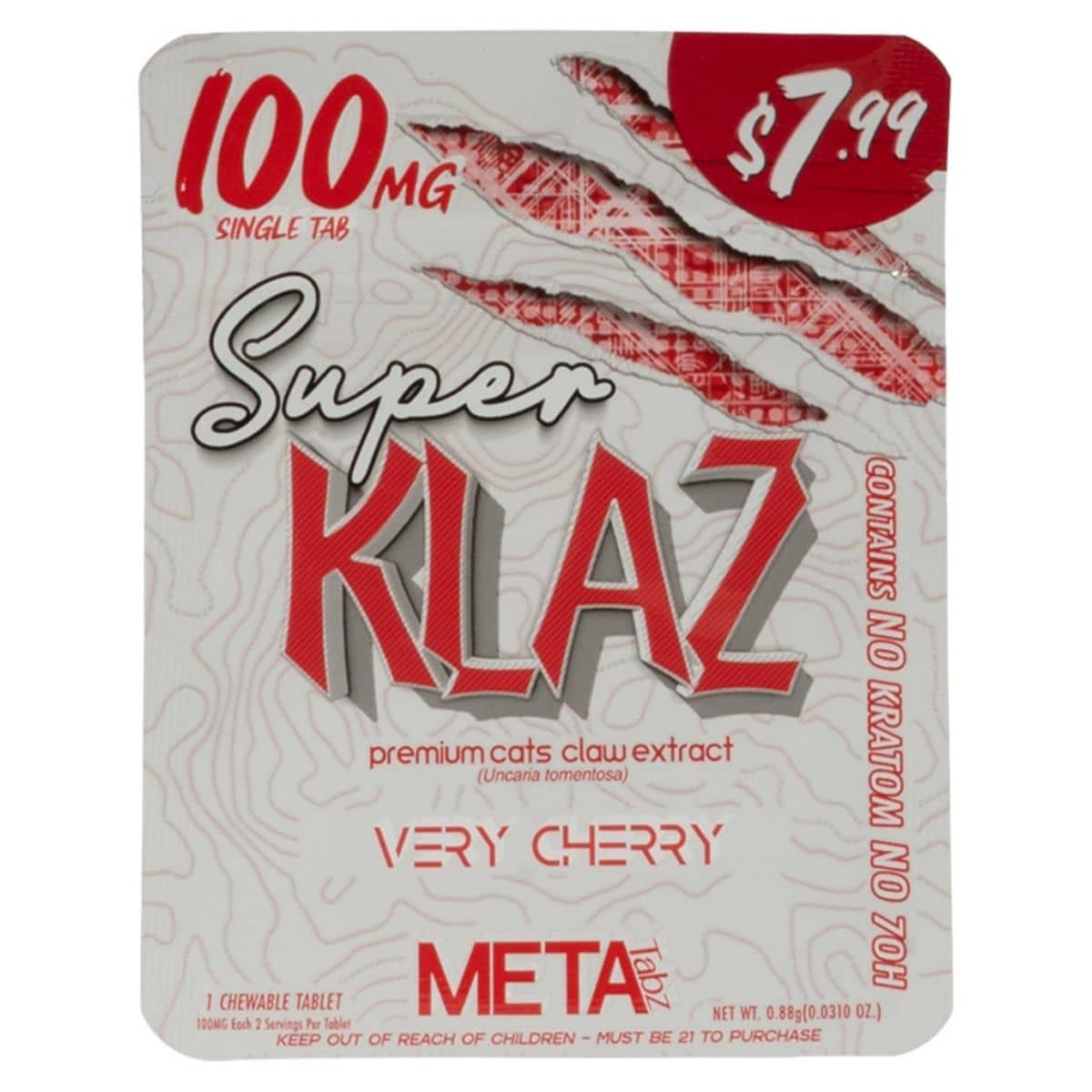 In stock
Meta Tabz Super KLAZ Cat’s Claw Tablets
From $7.99
 In stock
MyZen Organix Poppy & Lotus Tablets
From $14.99
 In stock
Wingz Botanical Blend Tablets
From $22.99
 In stock
 In stock

FAQ
This section answers common questions about Mississippi’s 7-hydroxymitragynine limits in kratom products not fully covered above.
Does Mississippi completely ban kratom products that contain 7-hydroxymitragynine?
No. Mississippi does not ban all kratom products containing 7-OH. Instead, it sets strict limits: no more than 1% of total alkaloids and no more than 0.5 mg of 7-OH per container under enacted law (HB 1077). Products staying below these thresholds, and complying with age limits, labeling, manufacturing standards, and local ordinances, can still be sold in much of the state. However, some jurisdictions have opted for banning kratom products entirely at the city and county level.
How do Mississippi’s kratom rules affect online purchases shipped into the state?
Online sellers shipping kratom products to Mississippi customers must follow the same 7-OH limits, registration requirements, and labeling rules as in-state businesses. They must also use age-verification tools to prevent sales to people under 21. Shipping products with synthesized kratom alkaloids or high 7-OH content into Mississippi can violate both state kratom law and federal controlled-substance rules, even if those products are allowed in the seller’s home state.
Are there differences between state-level 7-OH limits and local city or county rules?
Mississippi’s 7-OH limits apply statewide wherever kratom is legal, but some cities and counties go further by banning all kratom products. Consumers in those areas cannot legally buy kratom regardless of 7-OH content. If you are unsure whether your local community allows kratom sales, check local ordinances or contact local authorities directly. Your city or county website and local news coverage are more reliable than social media posts for tracking whether your community has passed a ban.
What happens if a kratom product in Mississippi exceeds the allowed 7-OH limits?
Kratom processors or retailers selling products above Mississippi’s 7-OH caps may face civil fines that escalate with repeated violations. In serious or repeated cases, businesses can be barred from selling kratom products in the state for several years. Noncompliant products may be subject to seizure or recall, and businesses are expected to use testing and quality controls to prevent out-of-spec 7-OH kratom products from reaching consumers.
These statements have not been evaluated by the Food and Drug Administration. Products sold on this site are not intended to diagnose, treat, cure or prevent any disease. You must be 21 or older to purchase from this website. These products are not intended for children or for pregnant or nursing women. Consult a physician before use, especially if you have a medical condition or take prescription medication. All trademarks and copyrights are the property of their respective owners. By using this site, you agree to our Privacy Policy and Terms & Conditions. Void where prohibited by law.
Keep Reading
All of Poppy 101 What Do Arizona’s Current Kratom Rules Say About 7-Hydroxymitragynine Concentration?Arizona regulates kratom products through a specific statute that caps 7-hydroxymitragynine levels, bans synthetic alkaloids, and mandates label transparency. Here is what…
 What Do Colorado’s Current Rules Say About Kratom and Concentrated 7‑OH Products?Colorado regulates kratom products statewide under the Daniel Bregger Act, focusing on consumer safety rather than banning the kratom plant outright. Legal…
 7-OH vs Kanna: How Concentrated 7‑Hydroxymitragynine Compares to Kanna in 2026Two substances that keep showing up in the same online conversations-concentrated 7-OH and kanna-are fundamentally different in chemistry, risk, and what they…
 7-OH vs Blue Lotus: What Tennessee Consumers Need to Know in 2026Tennessee’s botanical market shifted dramatically on July 1, 2026, when both kratom restrictions and hemp regulation changes took effect simultaneously. Two substances…