7-OH
What Do Colorado’s Current Rules Say About Kratom and Concentrated 7‑OH Products?
Key Takeaways Colorado regulates kratom products statewide under the Daniel Bregger Act, focusing on consumer safety rather than banning the kratom plant outright. Legal retail kratom products in Colorado must not exceed 2% 7-hydroxymitragynine in the total alkaloid fraction and cannot contain synthetic or semi-synthesized kratom alkaloids. Concentrated 7-OH shots, tablets, gummies, extract vapes, and…
Key Takeaways
Colorado regulates kratom products statewide under the Daniel Bregger Act, focusing on consumer safety rather than banning the kratom plant outright.
Legal retail kratom products in Colorado must not exceed 2% 7-hydroxymitragynine in the total alkaloid fraction and cannot contain synthetic or semi-synthesized kratom alkaloids.
Concentrated 7-OH shots, tablets, gummies, extract vapes, and similar high-potency products are not compliant with current Colorado law.
Local municipalities can add zoning, retail, or age-of-sale restrictions on top of state law, so rules may differ between counties or cities.
Colorado’s rules exist alongside evolving federal scrutiny of 7-OH, and consumers seeking recovery support should consult a medical professional rather than relying on unregulated products.
Introduction: How Colorado Treats Kratom and 7‑OH Right Now
Kratom is a Southeast Asian kratom plant whose leaves are ground into powders, pressed into capsules, brewed as teas, and sold in various other kratom products. Among its alkaloids, 7-hydroxymitragynine (7-OH) is especially potent because 7-OH can bind to opioid receptors in the brain, producing effects that can be more potent than morphine. Colorado is one of the states that chose to regulate kratom instead of banning it, but it draws a sharp line at concentrated or modified 7-OH products.
Kratom is legal for adults aged 21 and older in Colorado, with certain restrictions. Colorado allows the sale of natural kratom leaf products for adults while banning concentrated or synthetic 7-OH products. This article breaks down three layers: statewide kratom requirements, added local restrictions, and current proposals that may change how concentrated 7-OH is treated going forward.
Colorado’s Statewide Kratom Law: The Daniel Bregger Act
Colorado’s primary kratom regulation is the Daniel Bregger Act (SB 25-072), signed into law on May 29, 2025. The act was enacted under the Colorado Consumer Protection Act, meaning violating kratom regulations constitutes a deceptive trade practice under Colorado law. The law defines a “kratom product” broadly as any product containing the leaf of Mitragyna speciosa with mitragynine or 7-OH, including extracts.
Core consumer-protection goals of the act include:
Preventing adulteration with controlled substances like fentanyl
Ensuring accurate labeling of mitragynine and 7-OH content
Keeping kratom away from minors and high-risk formulations
Banning the use and distribution of synthesized or semi-synthesized kratom alkaloids
The Attorney General can enforce consumer protection laws regarding improper kratom sales. Colorado imposes civil penalties and enforcement actions for violations of kratom regulations. In a concrete example, Colorado smoke shop owners paid $152,000 for selling illegal kratom products. The settlement with Million Smoke N Vape resolved allegations that their shops sold products exceeding the legal 7-OH limit and lacked required labeling, with a total monetary obligation of $652,000, most of which was suspended contingent on compliance.
Exact State Limits on 7‑OH and Kratom Product Formulation
Colorado law is unusually specific about the alkaloid profile of legal kratom products. Kratom products must not exceed 2% 7-OH concentration in the total alkaloid fraction. In practical terms, the alkaloid fraction refers to all naturally occurring alkaloids measured in the product, and 7-OH must stay at or below 2% of that total. This is the specified threshold that separates compliant products from illegal ones.
Key prohibitions on formulation include:
Synthetic kratom alkaloids are prohibited in Colorado, as are semi-synthesized kratom alkaloids created by chemically converting natural substances into stronger analogs
Combustible kratom products intended for smoking or vaporization are banned statewide
Kratom products that are candy-like or designed to appeal to children are prohibited, including gummies shaped like animals, fruit, or presented in bright packaging that appeals to minors
Selling adulterated or contaminated kratom products is strictly forbidden
Concentrated 7-OH shots, high-dose gummies, or tablets that exceed the 2% limit or use synthesized 7-OH are considered out of compliance, even if marketed as “herbal” or “natural.”
Retail Rules: Age Limits, Labeling, and Storage Requirements
Even compliant kratom products are tightly controlled at the point of sale. Colorado prohibits selling kratom to anyone under 21 years old. Retailers must verify age, similar to tobacco or vape products.
Clear labeling detailing specific product information, contents, and warnings is mandatory for kratom products. Every kratom product package must display the manufacturer’s information, ingredient list, and health warnings. Specifically, labels must include:
Mitragynine and 7-OH content per serving
Number of recommended servings per package
Warning that kratom may be habit-forming
Warnings for pregnant or breastfeeding individuals
A “keep out of reach of children” notice
An FDA evaluation disclaimer
Kratom products must comply with labeling and retail display requirements, meaning retailers must store them so that children and persons under 21 cannot access them. Kratom manufacturers must register products and comply with safety and labeling standards in Colorado. Claiming ignorance is not a defense under the act.
Concentrated 7‑OH Products vs. Traditional Kratom: What’s Allowed?
Traditional kratom formats like powdered leaf, capsules, brewed teas, and simple drink mixes generally contain 7-OH at levels well below the 2% alkaloid fraction threshold. These products can be sold legally if they meet all labeling requirements and age restrictions.
Many “extract,” “liquid shot,” “nano,” or “ultra” products frequently contain concentrated levels of 7-OH that push them past the legal limit. Products using synthesized alkaloids are entirely banned. Because concentrated 7-OH behaves more like a powerful opioid than traditional kratom leaf, the risks for dependence, overdose, and difficult withdrawal are significantly higher. Regular use of 7-OH may lead to physical dependence, and 7-OH products can be more potent than morphine at opioid receptors.
Be cautious of any kratom product sold at gas stations or smoke shops that does not provide precise alkaloid content on the label. Missing information often signals non-compliance with Colorado law and potential safety concerns for consumers.
Looking for botanical blends made without kratom or 7-OH? At Poppy Lotus, you can shop botanical tablets including OFF7 300mg Botanical Blend Tablets 2pk, Nodz Botanical Blend Tablets 4pk, and Meta Tabz MAX Botanical Blend Tablets 1pk 200mg. Explore the packs below to compare their listed formulas and tablet counts.
-
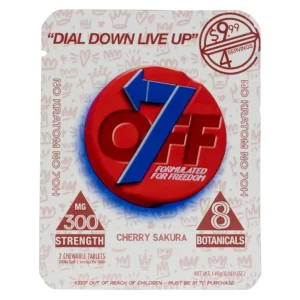 $9.99Up to 10% offView options This product has multiple variants. The options may be chosen on the product page
-
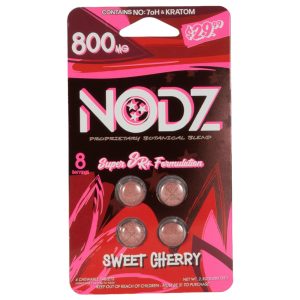 $29.99Up to 10% offView options This product has multiple variants. The options may be chosen on the product page
-
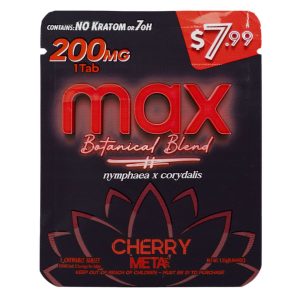 $7.99Up to 10% offView options This product has multiple variants. The options may be chosen on the product page
Local Restrictions, Federal Scrutiny, and Proposed Changes
Colorado’s kratom rules are statewide, but local municipalities in Colorado can enact bans on the retail sale of kratom despite its state legality. Colorado’s regulations on kratom also cover local municipal restrictions that can be stricter than state laws. Some cities or counties may limit where kratom is sold or impose additional licensing requirements.
At the federal level, there are ongoing federal considerations regarding the scheduling of kratom products, particularly 7-OH. The FDA has issued warning letters to companies selling 7-OH products, and 7-OH is not lawful in dietary supplements or conventional food under current FDA intent. The U.S. Drug Enforcement Administration has pursued scheduling actions targeting concentrated kratom products, with analogs like MGM-15 and MGM-16 already moving toward Schedule I classification. Federal agencies continue to scrutinize how these substances are marketed and distributed to Americans.
Readers should watch for updates from both Colorado lawmakers and federal agencies, as proposals published in recent months suggest rules around concentrated 7-OH, flavored kratom vapes, and online shipping to Colorado addresses will continue evolving.
Safer Use, Recovery Support, and Shopping Guidance
Some adults in Colorado use kratom products for self-managed pain, mood, or recovery support, but concentrated 7-OH carries significant risk and legal uncertainty. Withdrawal symptoms from 7-OH can include anxiety and body aches, resembling opioid withdrawal.
Practical harm-reduction guidance includes:
Avoid products that advertise “pure 7-OH,” “synthetic kratom,” or extremely high potency
Do not mix kratom or 7-OH with alcohol, opioids, benzodiazepines, or sedating medications
Seek medical advice before using kratom if pregnant, breastfeeding, or managing chronic health conditions
Buy only from retailers that verify age, provide clear alkaloid labeling, and avoid candy-like packaging
If you feel dependent on 7-OH shots, gummies, or capsules, seek professional assessment rather than attempting abrupt self-detox. Withdrawal from concentrated 7-OH can resemble opioid withdrawal and may require supervised care.
Kratom’s legal status does not equal safe use. Both state and federal regulation around concentrated 7-OH is tightening, and responsible use combined with open communication with healthcare providers is essential for anyone concerned about their health or using kratom for recovery support.

FAQ
Below are common questions Colorado consumers have about kratom and concentrated 7-OH that go beyond what’s covered above.
Is kratom completely legal in Colorado as of 2026?
Kratom is regulated but not banned. Adults 21 and older may purchase compliant kratom products that meet the Daniel Bregger Act’s limits on 7-OH, avoid synthetic alkaloids, and follow labeling and packaging rules. Non-compliant products, especially concentrated or synthetic 7-OH items, are illegal. Federal FDA restrictions still apply to how kratom can be marketed, meaning companies cannot sell it as a dietary supplement or conventional food ingredient.
Can I order concentrated 7‑OH products online and ship them to Colorado?
Colorado law applies to products sold to Colorado consumers, whether purchased in-state or shipped from elsewhere. Online sellers must still comply with Colorado’s 7-OH and formulation rules. Many online concentrated 7-OH products are unlikely to meet Colorado standards or FDA expectations, and buying such items could expose a person to both legal risk and significant health dangers.
How can I tell if a kratom product follows Colorado’s 7‑OH rules?
Check that the label lists mitragynine and 7-hydroxymitragynine content per serving, includes a batch or lot number, and identifies a manufacturer or processor with a verifiable address or website. Avoid any product that lacks alkaloid content information, uses vague terms like “extra strength” without numbers, or looks like candy marketed to children.
Are there medical treatments specifically for 7‑OH or kratom dependence?
While no medication is approved solely for kratom or 7-OH dependence, addiction-medicine providers in Colorado may use established tools for opioid-like withdrawal, such as buprenorphine, clonidine, and symptomatic relief, alongside behavioral therapies. If you experience cravings, escalating use, withdrawal between doses, or seizures related to kratom or 7-OH, seek a professional evaluation promptly.
Could Colorado change its kratom and 7‑OH rules again?
Yes. State laws can be updated as new data and federal actions emerge, particularly if the Drug Enforcement Administration places 7-OH on the Controlled Substances Act schedule nationally or if kratom-related harms increase in Colorado. If you rely on kratom products, periodically check official Colorado legislative and health-department sources, including the Attorney General’s public advisory page, for updates rather than assuming today’s rules will remain unchanged.