
7-OH Ban in Kentucky: What the New Rules Mean and When They Take Effect
· Updated

Key Takeaways
7-hydroxymitragynine (7-OH) in concentrations above 400 parts per million became a Schedule I controlled substance in Kentucky on March 12, 2026, making high-potency 7-OH products illegal to sell, possess, or distribute statewide.
Whole kratom leaf and standard kratom products are regulated separately from the 7-OH ban, with statewide retail kratom sales scheduled to end July 1, 2027, under Health and Family Services–backed legislation.
Many concentrated 7-OH products were previously sold in gas stations, vape shops, and convenience stores, but these retail channels must remove banned items now that the law is in effect.
This article is designed to explain regulatory status and effective dates only, without giving medical advice or purchase guidance for kratom products.
Introduction: What Is 7-OH and Why Did Kentucky Target It?
7-hydroxymitragynine, commonly called 7-OH, is an active pseudo-indole alkaloid derived from the kratom plant. Unlike traditional kratom leaf-which contains primarily mitragynine-concentrated 7-OH is a potent compound with strong opioid-like effects on the body. It activates the same receptors as morphine and oxycodone, acting as a strong agonist on opioid receptors in the brain.
Kentucky officials, including Governor Andy Beshear and leaders within the state’s health and family services apparatus, identified 7-OH as a growing public health risk. The substance has been marketed as an herbal supplement for energy and chronic pain relief, but poison control trends tell a different story. Reports of overdose and respiratory depression linked to concentrated 7-OH rose sharply, with national data showing 7-OH-specific exposures climbing from 593 in 2025 to 901 in just the first half of 2026. Unregulated dosing in products that lack consistent quality control can cause serious harm and, in severe cases, kill. That risk profile is what drove Kentucky lawmakers to take action on this ingredient first.
Kentucky Kratom Laws: The Timeline From 7-OH Proposals to Enacted Law
Kentucky’s 7-OH ban did not happen overnight. The process moved through several stages, beginning with proposals in late 2025 and culminating in enforceable law by early 2026.
In late 2025, the Cabinet for Health and Family Services proposed an emergency amendment (902 KAR 55:015E) to list 7-OH above 400 ppm as Schedule I. That proposal went before the Administrative Regulation Review Subcommittee on November 3, 2025, and by November 10, 2025, the emergency regulation was approved. This was the first step toward making high-potency 7-OH illegal in the commonwealth.
Kentucky’s ban on concentrated 7-hydroxymitragynine products took effect on March 12, 2026, when the schedule change became legally enforceable. From that date forward, criminal penalties began to apply for the sale, possession, or distribution of covered products across KY.
Later that spring, legislators in Frankfort passed House Bill 757, a broader measure to ban kratom retail sales entirely. Like any bill, it had to clear committee votes in the House and the Senate and a floor vote in both chambers before it became law. The original plan set an effective date of January 1, 2027, but a subsequent amendment under HB 869 moved enforcement to July 1, 2027. That legislation reflects a government effort to halt access to all kratom products at retail, not just concentrated 7-OH.
Current Legal Status of 7-OH in Kentucky (Post–March 12, 2026)
Under Kentucky law, 7-OH has been classified as a Schedule I controlled substance when present above 400 parts per million on a dry weight basis. Kentucky law also requires products exceeding 2% 7-hydroxymitragynine to be classified as controlled substances, and kratom products in Kentucky cannot contain more than 2% 7-hydroxymitragynine.
This classification makes it illegal statewide to manufacture, sell, possess, or distribute covered 7-OH products-regardless of whether they are labeled as supplements, shots, gummies, tablets, or powders. The legal status is clear: concentrated 7-hydroxymitragynine products exceeding 400 parts per million are prohibited under 902 KAR 55:015.
The 400 ppm threshold exists to distinguish trace amounts found naturally in kratom leaf from concentrated or semi-synthetic formulations. Standard law enforcement tools for Schedule I substances-search, seizure, prosecution-now apply to 7-OH in Kentucky, subject to constitutional and procedural protections. There are no FDA-approved uses for 7-OH in the U.S., which further reinforces the state’s position.
How the 7-OH Ban Interacts with Kratom Leaf and Other Kratom Products
It is important to distinguish between 7-OH as an isolated or highly concentrated compound and natural kratom leaf, which contains primarily mitragynine with only trace 7-OH well below the 400 ppm threshold.
Kentucky’s 7-OH ban does not automatically make every kratom product illegal. Instead, the kratom ban at this stage targets products where 7-OH content exceeds the Schedule I threshold. Kratom products currently lack regulation and oversight in many Kentucky stores, but that does not mean they all fall under the concentrated 7-OH rule. Kratom can cause dependence similar to opioids, which is part of why lawmakers are concerned, but the regulatory approach separates the two issues.
How Kentucky Compares to States With a Kratom Consumer Protection Act
Some states regulate kratom instead of banning it. Arizona, for example, uses a Kratom Consumer Protection Act that caps 7-OH as a share of a product’s alkaloids and sets labeling and age rules for vendors. Kentucky went further on both fronts: a Schedule I listing for high-potency 7-OH now, and an end to retail kratom sales on July 1, 2027. If you’re comparing Kentucky kratom rules with a neighbor’s, read each state’s statute; consumer protection laws and outright bans work very differently.
The later statewide retail kratom ban-expected to take effect July 1, 2027-operates as a distinct law. It will phase out over-the-counter kratom sales while not changing the already-illegal status of concentrated 7-OH. This article does not advise readers where or whether to purchase kratom; instead, it focuses on clarifying which categories of products fall under existing Kentucky statutes and administrative rules.
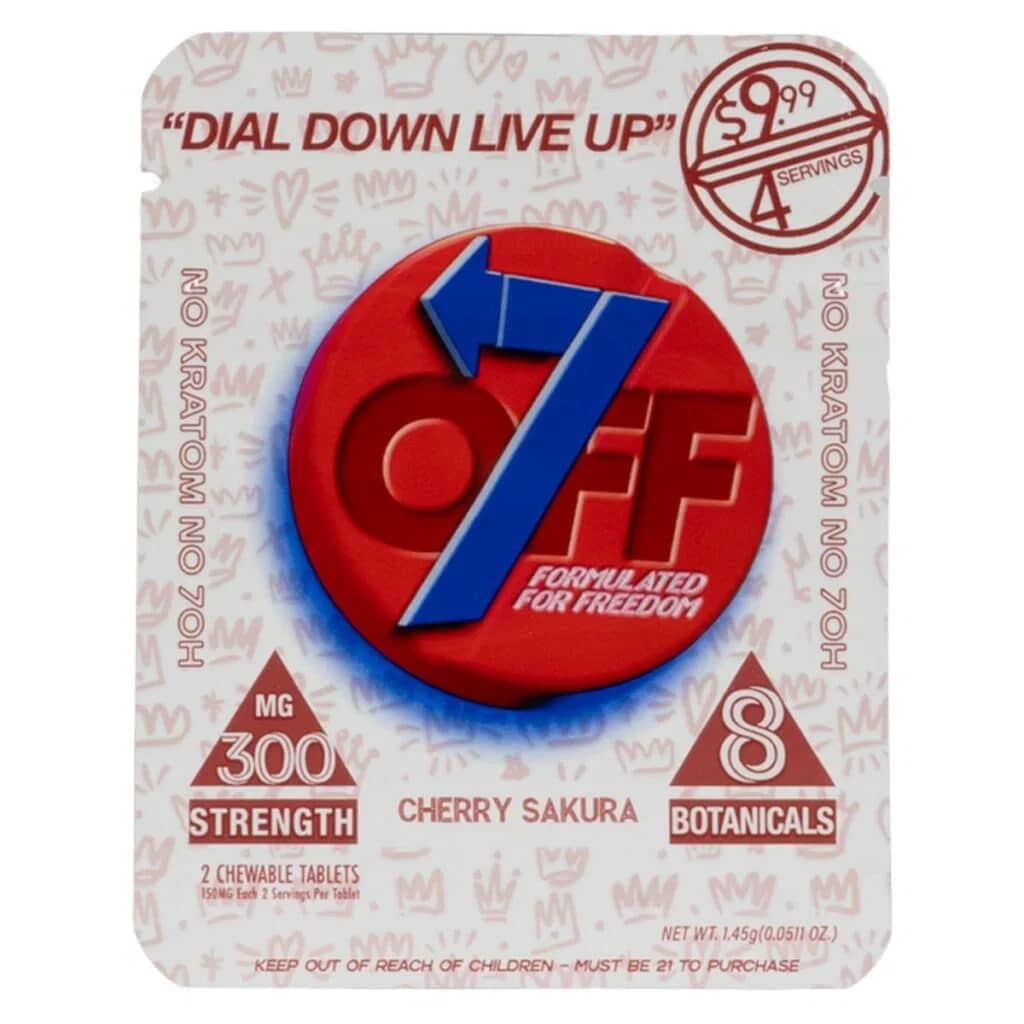
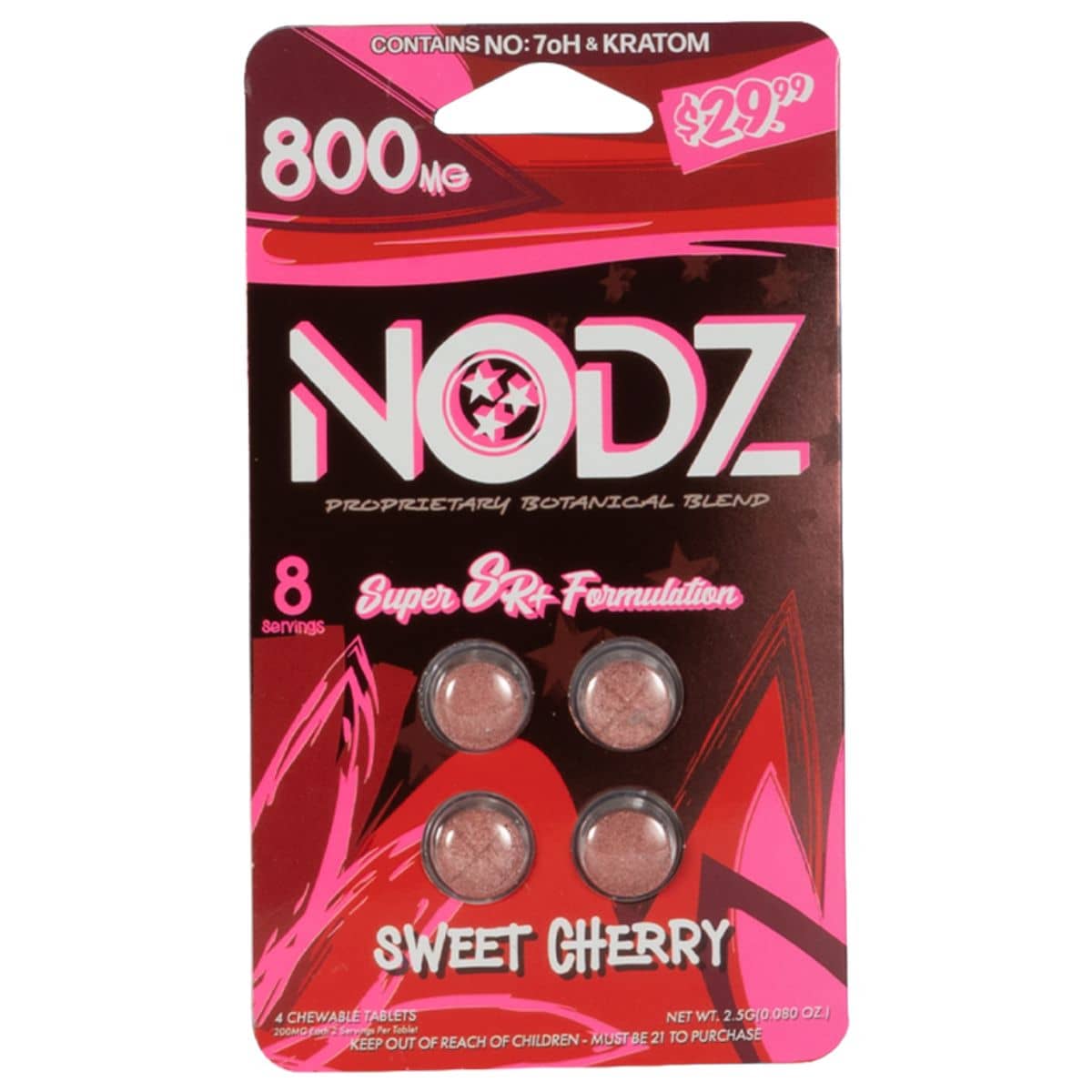
Shopping for botanical tablets? Poppy Lotus carries OFF7 Botanical Blend Tablets (2pk, 300mg), Nodz Botanical Blend Tablets (4pk, 800mg) and MyZen Organix Poppy & Lotus Tablets (6pk, 1,200mg).
 In stock
 In stock
 In stock
MyZen Organix Poppy & Lotus Tablets
From $14.99
 In stock
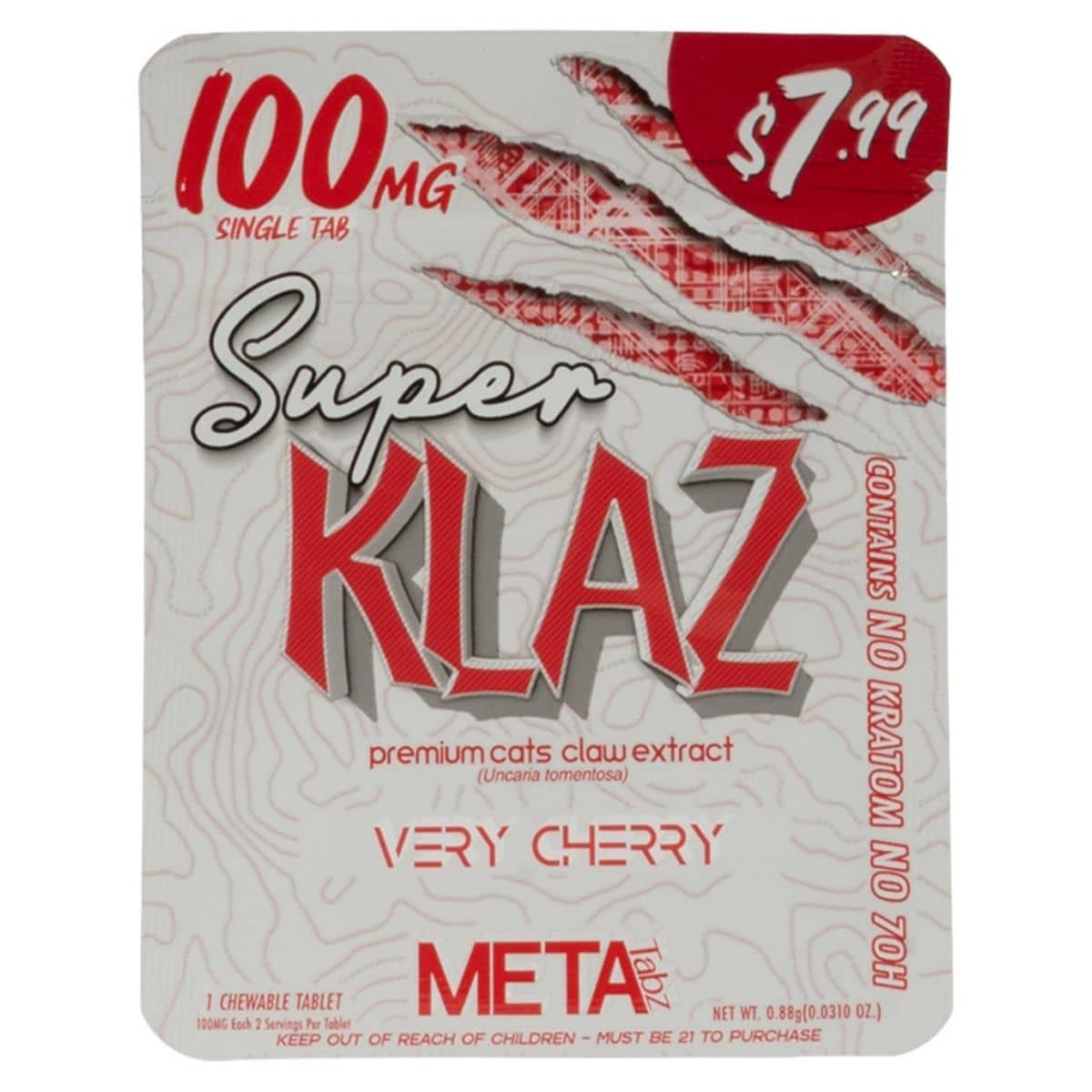
Meta Tabz Super KLAZ Cat’s Claw Tablets
From $7.99
 In stock
Wingz Botanical Blend Tablets
From $22.99
 In stock
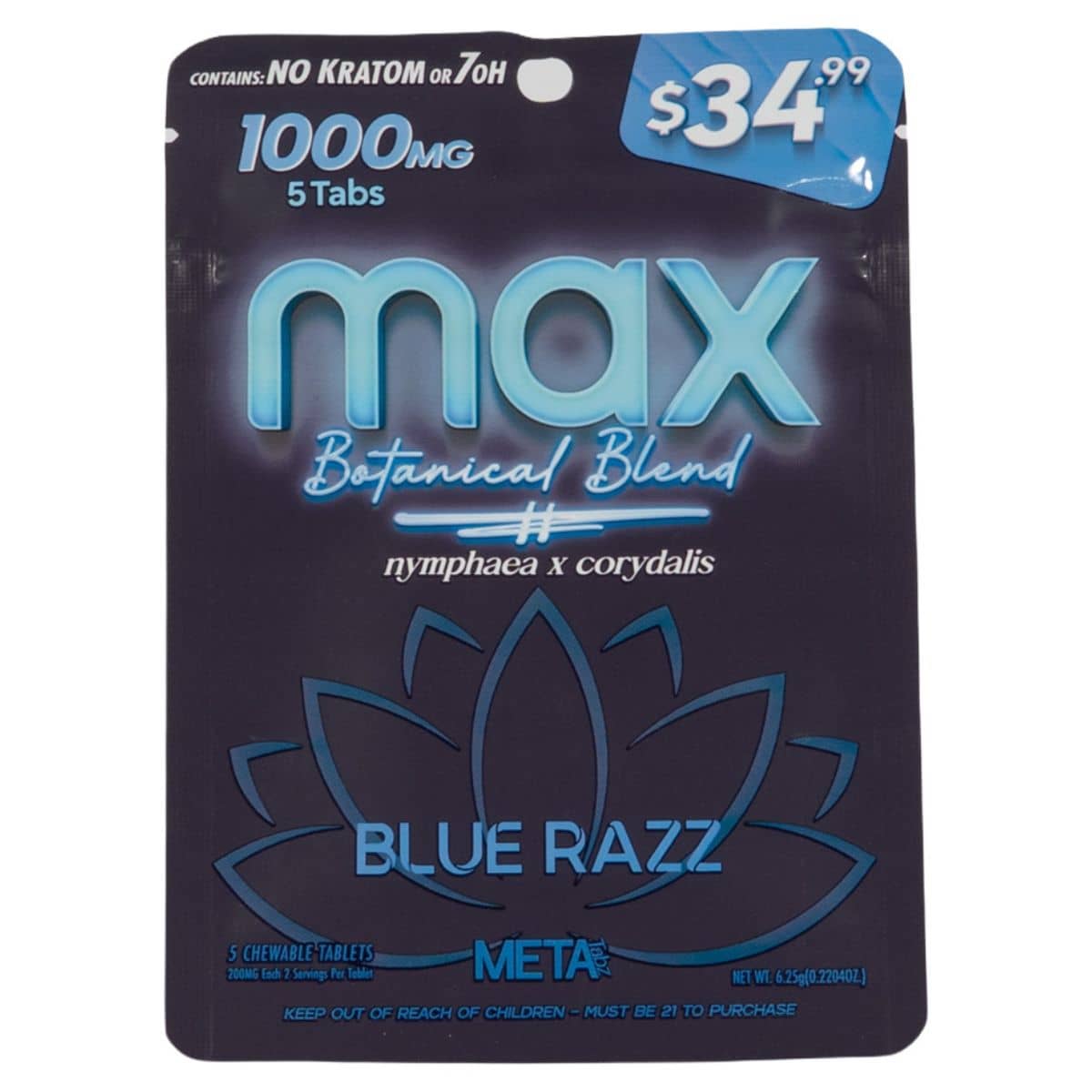
Meta Tabz MAX Botanical Blend Tablets
From $7.99
 In stock
 In stock
Role of the Kentucky Cabinet for Health and Family Services
The Cabinet for Health and Family Services is the primary state agency providing data and public health input on kratom and 7-OH regulation. The Cabinet supplied lawmakers with information on poison control center calls, emergency department visits, and patterns of 7-OH exposure that helped justify the Schedule I classification.
Nationally, poison centers reported 3,803 kratom-related exposure cases in 2025, with 44.5% resulting in serious health problems. The message from health officials has been consistent: concentrated 7-OH products pose a recognized safety risk that demands oversight. The government agency also drafted compliance guidance and public notices for retailers, coordinating with law enforcement on the process of removing banned products from shelves. Health and family services officials continue monitoring outcomes, tracking whether the 7-OH ban reduces abuse, overdose, and death trends statewide. Federal researchers are studying kratom too; the National Institute on Drug Abuse has funded research on kratom and its alkaloids.

Impact on Gas Stations, Smoke Shops, and Other Retailers
Prior to March 12, 2026, many high-potency 7-OH kratom products were sold in gas stations, convenience stores, and smoke shops across Kentucky. These products were often marketed under vague labels and lacked consistent quality control. High-potency 7-hydroxymitragynine products were sold as kratom extract shots, powders, and capsules, alongside 7-OH products sold as tablets, gummies, and shots.
Once 7-OH above 400 ppm became Schedule I, retailers were required to halt sales of affected products, return or destroy inventory, and stop marketing them as legal alternatives. Concentrated 7-hydroxymitragynine products often lack FDA approval and consistent quality control, which makes label-based compliance unreliable-laboratory testing is the only definitive way to confirm whether a product exceeds the threshold.
The subsequent July 1, 2027 retail kratom ban will further restrict what gas stations and other stores can sell, but for now, the enforcement focus is on removing concentrated 7-OH from shelves and ensuring retailers understand their legal obligations.
Federal Context: DEA Scheduling Proposals vs. Kentucky Law
While Kentucky has already scheduled 7-OH above 400 ppm, federal agencies are still working through their own process. At the federal level, the Drug Enforcement Administration published a notice of intent in 2026 to place 7-hydroxymitragynine and related substances into Schedule I under specified thresholds. The DEA’s proposals echo what Kentucky has done, but final federal rulemaking has not yet concluded.
The FDA states kratom is not lawfully marketed in the U.S., adding further regulatory pressure. As of late 2026, Kentucky citizens remain subject first to state law-meaning the 7-OH ban is enforceable regardless of whether a federal scheduling order has taken effect. Kratom remains legal in several border states of Kentucky, which could influence interstate shipping and online sales practices if federal action does happen. Future federal scheduling could layer onto, not replace, the current state ban.
How Kentucky Enforces the 7-OH Ban
Enforcement involves coordination among local police, state troopers, prosecutors, and regulatory staff who inspect or receive complaints about kratom products on site. In practice, enforcement actions are expected to focus first on large-volume distributors and retailers knowingly selling concentrated 7-OH, particularly in gas stations and head shops.
Laboratory testing is required to test and confirm that a seized product’s 7-OH concentration exceeds the 400 ppm threshold defined in Kentucky’s Schedule I listing. Prosecutors cannot rely on labels alone. Penalties mirror those for other Schedule I substances under Kentucky law, including criminal charges, fines up to $5,000 for first-offense civil violations and $10,000 for second offenses under certain statutory sections, and potential imprisonment. This section summarizes consequences in general terms-anyone facing charges should consult a legal professional.
What Kentucky’s 7-OH Ban Means for Kratom Buyers and Users
Policy changes around 7-OH and kratom can directly affect any buyer who previously purchased these products from Kentucky retailers. Individuals possessing concentrated 7-OH products after March 12, 2026, may face legal risk because those items are treated the same as other Schedule I controlled substances.
Healthcare professionals warn that concentrated 7-hydroxymitragynine can lead to severe addiction and withdrawal. 7-OH can cause dependence and withdrawal symptoms, and withdrawal from concentrated 7-hydroxymitragynine may require medical support for regular users. Those who have become addicted should know that abruptly stopping use may trigger anxiety, depression, and other withdrawal effects throughout the body. Kentucky Medicaid and private insurance may or may not cover treatment related to kratom dependence-unlike prescription opioids such as heroin-related treatment programs, coverage pathways are less established.
The phase-out of retail kratom sales by July 1, 2027 is aimed at limiting access, but it does not retroactively change the legal status of 7-OH, which is already banned. If you are seeking help or are worried about your well being, speak with a licensed clinician or contact your local health and family services office. This article does not provide personalized medical guidance; individual situations should be part of a conversation with professionals familiar with opioid-like substances. State and community health organizations may help connect lives to confidential assessment and care options to begin recovery.

Frequently Asked Questions About the 7-OH Ban in Kentucky
Is 7-OH completely illegal in Kentucky now?
7-hydroxymitragynine is illegal in Kentucky when present above 400 ppm, because such concentrations are classified as a Schedule I controlled substance as of March 12, 2026. The law targets concentrated or semi-synthetic 7-OH products, not the trace amounts that naturally occur in traditional kratom leaf. Possession, sale, or distribution of products exceeding the threshold can lead to criminal charges under Kentucky law.
Does the 7-OH ban mean all kratom is banned in Kentucky?
The 7-OH ban and the broader kratom ban are separate legal actions. Concentrated 7-OH above 400 ppm is Schedule I now, while retail kratom sales are scheduled to end July 1, 2027. Natural kratom leaf and typical kratom products are not automatically treated as Schedule I substances solely because of the 7-OH rule; they are governed by the retail sales restrictions and any future legislation. This article focuses on describing these rules and their effective dates, not on recommending whether anyone should use or buy kratom.
Can gas stations and smoke shops still sell any kratom products in Kentucky?
After March 12, 2026, gas stations and smoke shops cannot legally sell products that contain 7-OH above 400 ppm. Until July 1, 2027, some kratom products that do not exceed the 7-OH threshold may continue to appear in retail outlets, subject to local enforcement. After that date, statewide retail kratom sales are scheduled to be banned entirely.
How does Kentucky’s 7-OH policy compare to potential federal rules?
Kentucky moved ahead with its own Schedule I classification for 7-OH, while the federal government, through agencies like the DEA, is still evaluating national scheduling proposals for kratom compounds. Kentucky kratom buyers must follow state law regardless of whether a federal rule is finalized. If federal scheduling occurs later, it would add to-not replace-the current state ban on high-potency 7-OH.
Where can I get help if I’m worried about my 7-OH or kratom use?
If you have concerns about dependence or withdrawal, contact a licensed healthcare provider, addiction specialist, or your local health and family services resources. This article does not provide medical advice, diagnosis, or treatment recommendations. State and community health organizations may help connect you to confidential assessment and support options without requiring a prescription or referral.
These statements have not been evaluated by the Food and Drug Administration. Products sold on this site are not intended to diagnose, treat, cure or prevent any disease. You must be 21 or older to purchase from this website. These products are not intended for children or for pregnant or nursing women. Consult a physician before use, especially if you have a medical condition or take prescription medication. All trademarks and copyrights are the property of their respective owners. By using this site, you agree to our Privacy Policy and Terms & Conditions. Void where prohibited by law.
Keep Reading
All of Poppy 101 7-OH vs Kanna: How Concentrated 7‑Hydroxymitragynine Compares to Kanna in 2026Two substances that keep showing up in the same online conversations-concentrated 7-OH and kanna-are fundamentally different in chemistry, risk, and what they…
 7-OH vs Blue Lotus: What Tennessee Consumers Need to Know in 2026Tennessee’s botanical market shifted dramatically on July 1, 2026, when both kratom restrictions and hemp regulation changes took effect simultaneously. Two substances…
 Pseudoindoxyl vs 7-OH: What Clinicians and Consumers Need to KnowMitragynine pseudoindoxyl (MP) and 7-hydroxymitragynine (7 OH) are distinct kratom alkaloids; MP binds mu opioid receptors roughly 50 times stronger than 7-OH,…
 Pennsylvania 7-OH Emergency Ban Proposal: What It Means for Kratom Users and ShopsOn August 31, 2026, two Pennsylvania district attorneys asked the state to use emergency powers to schedule 7-hydroxymitragynine and related kratom derivatives…