7-OH
Akuamma vs 7-Hydroxymitragynine: How They Compare for Pain Relief and Opioid Withdrawal
Akuamma and 7-hydroxymitragynine come from two different plants, act on opioid receptors at very different strengths, and carry distinct risk profiles. This article breaks down the composition, research evidence, and safety gaps for each substance so you can make informed decisions about pain relief and opioid withdrawal. Key Takeaways Akuamma is a whole-seed botanical from…
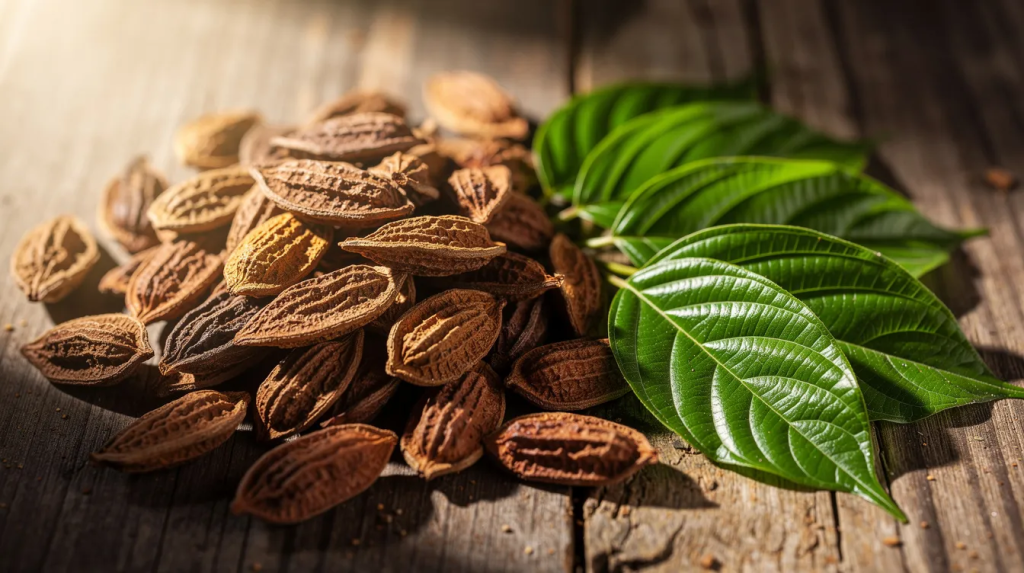
Akuamma and 7-hydroxymitragynine come from two different plants, act on opioid receptors at very different strengths, and carry distinct risk profiles. This article breaks down the composition, research evidence, and safety gaps for each substance so you can make informed decisions about pain relief and opioid withdrawal.
Key Takeaways
-
Akuamma is a whole-seed botanical from the West African tree Picralima nitida, containing multiple indole alkaloids that interact with opioid receptors at weak to moderate levels. 7-Hydroxymitragynine (7-OH) is a single, potent kratom-derived alkaloid that activates the mu opioid receptor with a strength comparable to or greater than morphine. These two substances are not interchangeable.
-
Neither akuamma nor 7-OH is FDA approved for pain relief, opioid withdrawal, or kratom addiction treatment. The FDA has issued warning letters about products containing added or concentrated 7-OH, citing serious safety concerns including respiratory depression, dependence, and overdose risk.
-
Akuamma alkaloids show weak opioid receptor activity in lab and animal research, with limited analgesic effectiveness observed in standardized pain models. There is no established clinical protocol using akuamma to treat opioid withdrawal, and akuamma’s dependence potential remains uncertain due to insufficient human data.
-
FDA approved medications for opioid use disorder, such as buprenorphine, methadone, and extended-release naltrexone, have been validated in large clinical trials demonstrating reductions in overdose, improved treatment retention, and better long-term outcomes. No akuamma product or 7-OH supplement has comparable evidence.
-
This article compares composition, research evidence, and safety uncertainties for both substances without implying that akuamma can safely replace kratom, 7-OH, prescription opioids, or FDA approved medications.
Introduction: Why Compare Akuamma and 7-Hydroxymitragynine?
Between 2023 and 2026, kratom use expanded across the U.S. and other markets, particularly among people self-treating chronic pain and opioid withdrawal. During this same period, products marketed as containing high levels of 7-hydroxymitragynine flooded convenience stores and online retailers. The FDA responded with warning letters to firms marketing 7-OH products, and public health agencies raised alarms about overdoses linked to concentrated formulations.
As those warnings grew louder, some users began searching for a less risky option. Online forums, Reddit threads, and niche supplement communities started discussing akuamma seeds as a potential alternative to kratom for pain relief or a way to step down from 7-OH products. A 2026 web-based survey documented U.S. users employing akuamma for pain and opioid substitution, though the sample was small (28 akuamma users out of 369 respondents).
To describe akuamma plainly: it refers to the seeds of Picralima nitida, a tree native to West and Central Africa. 7-Hydroxymitragynine is a specific oxidized metabolite of kratom’s primary alkaloid mitragynine, often concentrated or synthetically added in commercial products. Many readers land on “akuamma vs 7 hydroxymitragynine” because they want to know which is safer, which works for pain, or whether akuamma can help them quit kratom. This article addresses those questions by comparing how each substance is made, how akuamma alkaloids interact with opioid receptors versus 7-OH, what research exists (and what doesn’t), and why FDA approved medications remain first-line for opioid use disorder.
Akuamma Basics: Plant, Seeds, and Traditional Use
The seeds of Picralima nitida are the source of akuamma. This West African evergreen tree grows across countries including Nigeria, Ghana, and Cameroon. Akuamma has a history of use in West Africa for various ailments; traditional healers have employed the seeds for pain relief, to treat fever, and to manage gastrointestinal disorders. These are ethnobotanical reports, not clinical trial outcomes.
Akuamma contains indole alkaloids including akuammine, akuammidine, pseudoakuammigine, and akuammicine. These are naturally occurring organic compounds classified as monoterpene indole alkaloids. The seed does not contain a single purified drug; multiple opioid active alkaloids contribute to its effects in ways that remain incompletely characterized.
Traditional preparations of akuamma involve its seeds and other plant parts, typically consumed as whole dried seeds, coarse powders, or teas. Modern products sold online include encapsulated powders, standardized extracts, and tinctures. Batch-to-batch alkaloid ratios vary because commercial akuamma supplements are not manufactured under pharmaceutical-grade controls.
Traditional use does not equal modern clinical proof. The fact that akuamma seeds have been used traditionally for pain relief in West Africa does not establish akuamma as a validated treatment for chronic pain, opioid withdrawal, or opioid use disorder medication assisted treatment. That gap between folklore and clinical pharmacological significance is a recurring theme throughout this article.
What Is 7-Hydroxymitragynine (7-OH)?
7-Hydroxymitragynine is a potent metabolite of kratom. It forms through oxidation of mitragynine, one of the characteristic kratom alkaloids mitragynine produces in the leaves of Mitragyna speciosa. The plant itself is native to Southeast Asia. In raw kratom leaf, 7-OH is a naturally occurring alkaloid, but it typically accounts for less than 2% of total alkaloid content.
The products that concern regulators are different from raw leaf. Some commercial tablets, gummies, liquid “shots,” and “enhanced kratom” preparations contain 7-OH that has been concentrated or added, sometimes at levels many times higher than what occurs naturally. This enrichment transforms the risk profile from that of a traditional botanical tea to something closer to a concentrated opioid active substance.
At the molecular level, 7-hydroxymitragynine is a potent mu opioid receptor agonist. In animal pain assays, 7-OH is four to six times more potent than morphine at equivalent doses. Its binding affinity (Ki approximately 78 nM at the human mu opioid receptor) dwarfs the binding strength of most natural akuamma alkaloids, which operate in the micromolar range.
7-OH is not an FDA approved medication. The FDA has stated that 7-OH is not a lawful dietary supplement ingredient, food additive, or approved drug. 7-Hydroxymitragynine products are classified as substances of significant concern due to safety hazards, and warning letters have been sent to companies selling them.
Botanical Source vs Single Molecule: Composition Differences
The core difference between akuamma and 7-OH comes down to multi-ingredient seed versus purified alkaloid:
-
Akuamma is a complex seed preparation containing a mixture of indole alkaloids. Several akuamma alkaloids interact with opioid receptors, but each at different affinities and through different mechanisms. The blend is variable and unpredictable across products.
-
7-OH is a single, chemically defined alkaloid. When concentrated or added to products, it delivers high mu opioid receptor activation per milligram, with a well-characterized binding profile.
This difference in composition affects predictability. Akuamma contains alkaloids that interact with opioid receptors, but because the seed is not standardized, different batches contain different alkaloid ratios. If you buy akuamma capsules from two different suppliers, the amount of akuammine, akuammidine, or pseudo-akuammigine in each capsule could differ substantially. That means dose-response relationships for pain relief or opioid withdrawal are especially uncertain.
Research on isolated alkaloids (testing purified akuammine or pseudo-akuammigine in a lab) does not directly describe what happens when someone swallows crushed akuamma seeds. The alkaloids interact with each other, with food, and with gut metabolism in ways that isolated compound studies cannot capture. This is a basic pharmacological limitation that applies to any unstandardized botanical.
How Akuamma and 7-OH Act on Opioid Receptors
Your body has several types of opioid receptors. The mu opioid receptor (MOR) is the primary target for analgesia and euphoria, but it also mediates respiratory depression, tolerance, and physical dependence. The kappa opioid receptor (KOR) can produce analgesia paired with dysphoria and sometimes hallucinations. Both akuamma and 7-OH interact with these receptors, but at vastly different strengths.
Akuamma alkaloids: A 2021 study by Creed et al. isolated six akuamma alkaloids and characterized their pharmacological profiles. The findings: akuammine and pseudoakuammigine are weak mu opioid receptor agonists. Akuammidine showed a Ki of approximately 0.6 µM at the mu opioid receptor binding site. Akuammicine acted as a kappa receptor agonist with a Ki near 0.2 µM. These are micromolar affinities, meaning the alkaloids activate opioid receptors but only at relatively high concentrations compared to conventional opioids.
7-OH: By contrast, 7-hydroxymitragynine binds and activates mu opioid receptors with a Ki near 78 nM, roughly 10 to 100 times stronger binding than the main opioid active akuamma alkaloids. In rodent antinociception tests, 7-OH produced full analgesia at ED50 doses of approximately 0.80-0.93 mg/kg, while morphine required 4.08-4.57 mg/kg for equivalent effect. 7-Hydroxymitragynine is significantly stronger than both mitragynine and traditional opioids like morphine.
This receptor pharmacology explains the central risk difference. 7-OH has clear high-potency opioid receptor activity with proportional risks. Akuamma has mild to moderate interaction with opioid receptors, while 7-hydroxymitragynine has potent activity. Both substances interact with the body’s opioid systems but have vastly different safety profiles.

Comparing Perceived Effects: Pain Relief and Mood
User-reported experiences for akuamma tend to cluster around mild to moderate pain relief, some sedation, and occasional gastrointestinal discomfort. In the 2026 U.S. survey, 60.7% of the 28 akuamma users reported some level of pain relief. Responses were highly variable; some users described the effects as barely noticeable. Many complained about the intensely bitter taste.
Reports of 7-OH and high-7-OH kratom products describe a different experience: stronger euphoria, pronounced analgesia, and the opioid-like sedation sometimes called a “nod.” These reports align with animal pharmacology showing that 7-OH produces cross-tolerance with morphine and naloxone-precipitated withdrawal signs after chronic dosing.
User anecdotes are not controlled trials. But they track with what receptor binding data predict. 7-OH behaves more like a conventional opioid pain relief agent; akuamma’s effects are weaker and may not reliably control severe pain or opioid withdrawal symptoms. Self-experimenting with either substance in place of medical care can delay appropriate diagnosis and treatment, particularly for people with escalating opioid dependence.
Akuamma and Pain Relief: What the Research Shows (and Doesn’t)
The Creed et al. study remains the most detailed pharmacological characterization of akuamma alkaloid research findings to date. The researchers tested six akuamma alkaloids (akuammine, akuammidine, pseudoakuammigine, and akuammicine among them) in both receptor binding assays and animal pain models. The result: limited analgesic effectiveness was observed in animal studies. Thermal nociception tests (tail-flick, hot-plate) showed only weak pain reduction, contradicting some earlier, less controlled reports of akuamma analgesia.
Why does binding to a receptor in a lab not automatically produce strong pain relief in a living organism? Several factors intervene: absorption from the gut may be poor, liver metabolism may inactivate the alkaloids before they reach the brain, and receptor signaling can differ between isolated cells and intact neural circuits. This gap between in vitro binding and in vivo effect is a standard challenge in drug development; it is the reason that most receptor-active compounds never become clinically effective pain relief agents.
As of 2026, there are no robust human clinical trials demonstrating akuamma as an effective long-term treatment for chronic pain compared with established, FDA approved pain medications. No controlled clinical trials have validated users’ human clinical effectiveness claims. Akuamma has not been established as safe for chronic pain treatment. Marketing it as a proven “non-addictive painkiller” runs ahead of the evidence. The absence of adequate clinical trials is not proof of safety; it is a gap in knowledge.
7-Hydroxymitragynine and Pain: Evidence and Risks
Animal studies paint a consistent picture of 7-OH as a very potent analgesic. In mouse hot-plate and tail-flick assays, its ED50 values fall in the range of 0.80-0.93 mg/kg subcutaneously; morphine requires 4.08-4.57 mg/kg for equivalent effect. That four- to six-fold potency at the mu opioid receptor translates to real-world risk.
No controlled human trials using purified 7-OH as a medication exist. Most real-world data come from kratom users consuming products with variable and sometimes undisclosed 7-OH content. There is a lack of large-scale human clinical trials validating the efficacy of 7-OH as a standalone analgesic. The human evidence consists of case reports, poison center data, and regulatory filings documenting adverse events.
The safety concerns are concrete. A 2025 study found that 7-OH reduced minute ventilation (a measure of breathing) by 50% at approximately 4.5-fold lower doses than morphine in rats. Naloxone reversed this depression, confirming it was opioid-mediated. 7-Hydroxymitragynine carries a substantial risk of tolerance, physical dependence, and withdrawal. In chronic dosing studies, animals developed tolerance (needing higher doses for the same effect) and showed naloxone-precipitated withdrawal signs similar to morphine dependence.
Despite its potency, 7-OH is not an FDA approved analgesic. Using concentrated 7-OH outside of research or medical settings means experimenting with an unregulated opioid active substance; the dose you take is a guess, and the margin between analgesia and respiratory depression is narrower than with most prescription pain medications.
Can Akuamma Treat Opioid Withdrawal or Kratom Addiction?
The online narrative that akuamma can treat opioid withdrawal or help wean off kratom or 7-OH circulates widely on forums and social media. The 2026 survey documented that some of the 28 akuamma users reported opioid substitution as a motivation for use. These are personal reports, not controlled studies.
No established clinical evidence supports akuamma for opioid withdrawal treatment. No clinical trials have tested akuamma seed or extracts for opioid withdrawal syndrome, kratom addiction treatment, or other opioid use disorders. No experimental protocol has demonstrated that akuamma can safely guide someone through withdrawal.
Replacing one opioid-receptor-active botanical with another can mask symptoms without addressing underlying dependence. If akuamma’s alkaloids activate opioid receptors (even weakly), they may partially suppress withdrawal symptoms in the short term while simply shifting the pattern of use. A 2026 case report illustrates this risk: a man in remission from opioid use disorder consumed a “kava” drink from a gas station that actually contained akuamma and kratom derivatives. He developed opioid-like withdrawal symptoms and required buprenorphine/naloxone treatment.
For anyone considering akuamma for kratom withdrawal or opioid withdrawal, the evidence-based path is clear: seek professional care and FDA approved medications for opioid use disorder. Individualized addiction treatment under clinical supervision produces better outcomes than self-managed botanical substitution.
Akuamma Addictive? What We Know About Dependence and Withdrawal
Is akuamma addictive? The honest answer: we do not have enough human data to know. The 2026 U.S. survey of akuamma users (n=28) did not identify clear cases meeting modified DSM-5 criteria for substance use disorder related to akuamma. But 28 people from an online convenience sample cannot establish clinical safety for akuamma or rule out clinically significant addiction risk.
Akuamma’s weak mu opioid receptor activation suggests a potentially lower addiction risk than kratom or 7-OH. Akuamma contains weak mu opioid receptor agonists; the alkaloids’ human dependence research remains in its earliest stages. “Weaker” does not mean “risk-free,” especially with frequent, high-dose, or polysubstance use. Any opioid active substance, taken daily and in escalating amounts, can produce tolerance and withdrawal in some individuals.
Behavioral warning signs that should prompt clinical evaluation apply regardless of whether the substance is marketed as a “natural supplement”:
-
Escalating dose over weeks or months
-
Inability to cut down despite wanting to
-
Continued use despite health, social, or financial harm
-
Strong cravings when a dose is missed
-
Withdrawal symptoms (restlessness, irritability, muscle aches) on waking
If you recognize these patterns in your own use, the substance’s label matters less than the pattern itself.
Is Akuamma Stronger Than Kratom or 7-Hydroxymitragynine?
There is no reliable human research showing akuamma to be stronger than kratom or 7-OH for any measured outcome, including pain relief or euphoria.
Clinical “strength” depends on opioid receptor potency, dose used, bioavailability, and user tolerance. Consider the numbers: 7-OH has a Ki near 78 nM at the mu opioid receptor; akuammidine’s Ki is approximately 600 nM (0.6 µM), roughly eight times weaker. In animal pain tests, 7-OH’s ED50 is a fraction of morphine’s dose, while akuamma alkaloids showed only limited analgesic effects at moderate doses. Kratom’s primary alkaloid mitragynine and its metabolite 7-OH are generally much more potent mu opioid agonists than the main akuamma alkaloids, based on current receptor and animal data. Akuamma’s opioid receptor activity is weaker than kratom’s by every available measure.
Claims that akuamma is “stronger than kratom” are not backed by controlled head-to-head clinical trials. Marketing copy making such assertions is running ahead of the data.
Can Akuamma Serve as an Alternative to Kratom or 7-OH for Pain?
Some individuals use akuamma as an alternative to kratom for pain relief or to reduce kratom intake. The 2026 survey captured this pattern among a subset of users, 60.7% of whom reported some pain relief. That statistic comes from 17 of 28 people; it is not a clinical trial endpoint.
Akuamma may feel milder and could, for some people, reduce reliance on higher-risk opioid active substances. But this strategy has not been validated as safe or predictable. Unstandardized seed products deliver unknown doses; “less potent” does not mean “therapeutically effective.” For someone with moderate to severe chronic pain, switching from kratom or conventional opioid pain relief to akuamma could mean inadequate pain control, leading to dose escalation or return to higher-risk substances.
The goal in pain management is not to shuffle between opioid active supplements. It is to achieve stable, evidence-based pain relief with the lowest credible risk. That usually involves discussion with a clinician about approved pain strategies: non-opioid medications (NSAIDs, certain antidepressants, anticonvulsants), multimodal pain care (physical therapy, cognitive behavioral therapy), and, when necessary, prescription pain medications with known dose-response profiles.
Can akuamma replace kratom? Not in any evidence-based sense. The question itself points to a need for professional pain management guidance rather than another unregulated substitute.
Akuamma for Pain or Opioid Withdrawal vs FDA Approved Medications
FDA approved medications for opioid use disorder have been tested in randomized controlled trials involving thousands of participants. Buprenorphine (a partial mu opioid receptor agonist) reduces overdose risk and improves treatment retention. Methadone (a full mu opioid receptor agonist, dispensed in regulated clinics) has decades of outcome data. Extended-release naltrexone (an opioid antagonist) blocks opioid effects entirely. These are established human clinical evidence demonstrating that structured treatment works.
Akuamma has none of this. No controlled clinical trials have evaluated akuamma for pain or opioid withdrawal against an active comparator or placebo. No dosing protocol exists. No safety monitoring framework has been built. The gap between akuamma and FDA approved medications is not a matter of degree; it is a difference in kind. One category has established clinical evidence demonstrating efficacy and safety; the other has ethnobotanical tradition and a handful of preclinical papers.
Dietary supplements can legally be sold in the U.S. under a different regulatory framework than FDA approved medications. This does not mean akuamma is “FDA approved” or has been evaluated as a disorder medication assisted treatment. A product’s presence on a shelf or website says nothing about its clinical pharmacological significance for pain or addiction treatment.
If you are considering self-treatment of opioid withdrawal or kratom addiction treatment with akuamma, talking with a clinician about FDA approved options is the safer path.
Akuamma Supplement Safety Review: Quality, Dosing, and Interactions
An honest akuamma supplement safety review raises several questions that most product labels do not answer:
-
Alkaloid content: How many milligrams of akuammine, akuammidine, or pseudoakuammigine does each capsule contain? Most products do not specify.
-
Contaminants: Has the product been tested for heavy metals, microbial contamination, or adulterants? Analyses of similar botanical products (like “kava”-labeled shots) have revealed undisclosed kratom alkaloids and 7-OH.
-
Batch consistency: Does capsule #1 from bottle A deliver the same alkaloid profile as capsule #1 from bottle B? In an unstandardized botanical, the answer is usually no.
Unlike FDA approved medications, akuamma supplements rarely list or verify specific alkaloid milligram amounts, making it impossible to calculate safe doses or compare potency between products.
Potential interactions matter. Combining akuamma with alcohol, benzodiazepines, prescription opioids, or sedating antihistamines could increase central nervous system depression. Even if akuamma itself is relatively weak at opioid receptors, stacking it with other depressants raises the risk of respiratory compromise.
Share all supplements, including akuamma, with your healthcare providers. They need this information to screen for interactions with prescription opioid medications, SSRIs, anticonvulsants, or blood thinners.
Why Opioid Receptor Activity Doesn’t Guarantee Safe, Non-Addictive Relief
A common assumption: “If it’s weaker at opioid receptors, it must be safe.” This reasoning does not hold up.
Partial or weak mu opioid receptor activity does not automatically make a substance non-addictive or safe for long-term daily use. Consider the spectrum. Morphine is a full mu opioid receptor agonist. Buprenorphine is a partial agonist, safer in some respects but still capable of causing dependence. 7-OH activates the same receptor with high potency, producing respiratory depression reversed by naloxone. Akuamma alkaloids activate the same receptor weakly. The receptor is the same; the downstream consequences scale with potency and duration of exposure, but they do not disappear at lower potency.
Small chemical differences between naturally occurring alkaloids capable of binding opioid receptors can alter dependence risk, overdose potential, and respiratory depression in ways that are not intuitive. Mitragynine, for example, does not depress breathing in the same way 7-OH does in certain animal models, despite both being opioid active indole alkaloids from the same plant. Chemically modifying kratom alkaloids or akuamma alkaloids can shift these properties in either direction.
Repeated exposure to any opioid receptor-active substance, even a “weaker” one, can produce tolerance and dependence in some users. Avoid assuming that “plant-based” or “weaker than kratom” automatically equals low-risk or suitable for unsupervised self-tapering from prescription opioids or psychoactive drugs.
Semisynthetic Akuamma Alkaloids: Research vs Real-World Supplements
Medicinal chemistry researchers have explored what happens when you chemically modify natural akuamma alkaloids. A 2023 study created approximately 22 semi-synthetic derivatives of akuamma alkaloids. Among these, a chemically modified derivative of pseudo-akuammigine showed roughly 70-fold increased potency at the mu opioid receptor compared to the parent compound. A modified compound also demonstrated 27-fold greater affinity than its parent alkaloid. These are modified akuamma alkaloids with increased receptor potency designed to probe receptor biology, not consumer products.
Chemical modifications can enhance opioid receptor activity of akuamma alkaloids, and research on modified alkaloids aims to develop safer opioid analgesics. The goal of this medicinal chemistry work is to understand mu opioid receptor signaling bias (the difference between G-protein signaling and beta-arrestin recruitment) and potentially design novel opioid active compounds with better safety margins. Semi-synthetic derivatives were created from natural akuamma alkaloids for research, not for sale.
Are modified akuamma alkaloids available in supplements? No. These laboratory compounds are experimental drug candidates with no commercial distribution. The synthetic akuamma alkaloids that showed 70-fold increased potency exist only in research labs. Real-world akuamma products contain whole seed powders or crude extracts with alkaloids with increased potency only in the modified forms, not the natural ones.
Marketing that blurs the line between sophisticated lab derivatives and simple seed powders misleads consumers about potency and safety. If a supplement brand cites these research numbers to suggest their akuamma capsules are potent opioid alternatives, that claim has no basis.
Regulatory Status: “FDA Approved” vs Legally Sold Supplements
Akuamma is typically marketed as a dietary supplement in the U.S. and similar jurisdictions. Under the Dietary Supplement Health and Education Act (DSHEA), supplements are regulated differently than drugs. They do not require pre-market approval for efficacy; safety enforcement is mostly reactive, occurring after a product is already on the market.
Neither akuamma nor 7-OH is FDA approved for treating pain, opioid withdrawal, opioid use disorder, or kratom addiction. The FDA has focused regulatory action on 7-OH products specifically, issuing warning letters to companies selling tablets, gummies, and shots with added 7-OH. The American Kratom Association has also warned consumers about products exceeding approximately 2% 7-OH in total alkaloid fraction.
There is a difference between “available online,” “legal to sell as a supplement in some areas,” and “FDA approved for a medical indication.” These terms are routinely conflated in marketing. A product’s availability at a gas station or supplement website tells you nothing about whether it safely treats chronic pain, opioid withdrawal, or any other condition. Neither substance is FDA approved or regulated as a safe medicine.
Practical Guidance for People Using Akuamma or 7-OH for Pain or Withdrawal
If you are currently relying on kratom, 7-OH, or akuamma for pain or opioid withdrawal, here is pragmatic, nonjudgmental guidance:
-
Track your use. Record dose, frequency, product name, and batch number if available. Note any signs of escalation (needing more for the same effect) or withdrawal (symptoms when you skip a dose).
-
Do not abruptly switch from high-potency 7-OH products to akuamma without medical input. The difference in opioid receptor potency between concentrated 7-OH and akuamma seeds is large. An abrupt switch could trigger uncontrolled withdrawal or lead to compensatory overuse of akuamma.
-
Bring product packaging to medical appointments. Clinicians cannot assess interaction risk or dependence potential if they do not know what you are taking. Labels, certificates of analysis, and lab reports (if available) all help.
-
Professional care can combine multiple tools. Evidence-based medications, psychotherapy, and harm-reduction strategies work together more reliably than any single untested botanical substitute.

When to Seek Professional Help Instead of Self-Managing With Botanicals
Red-flag scenarios where medical assessment is strongly recommended:
-
Daily or near-daily use of kratom, 7-OH, or akuamma for more than a few weeks
-
Escalating doses without sustained symptom relief
-
Strong cravings or preoccupation with the next dose
-
Using alone or in secret
-
Experiencing kratom withdrawal symptoms or other opioid withdrawal symptoms on waking
-
Breathing issues: slowed or shallow breathing, blue lips, chest pain, difficulty waking from sleep
These patterns matter regardless of whether you are using conventional prescription opioid medications, kratom, 7-OH concentrates, or botanicals like akuamma. What matters is the pattern and its impact on your functioning.
Do not wait until crisis or overdose to ask for help. Early intervention prevents more severe complications and makes tapering or transitioning to FDA approved medications easier. Comprehensive treatment addresses pain, sleep, mood, and the underlying drivers of substance use, not just which product to take next.
Summary: How Should You Think About Akuamma vs 7-Hydroxymitragynine?
Akuamma is a multi-alkaloid seed preparation with weak but real opioid receptor activity. Its alkaloids (akuammine, akuammidine, pseudoakuammigine, and akuammicine) bind to mu and kappa opioid receptors at micromolar affinities, producing limited analgesic effects in animal models and variable self-reported benefits in a small number of human users. 7-OH is a potent, single mu opioid agonist with nanomolar binding affinity, four- to six-fold stronger than morphine in standardized pain tests, and documented risks of respiratory depression, tolerance, and physical dependence.
Current evidence does not support relying on akuamma to treat opioid withdrawal, kratom addiction, or severe chronic pain. It also does not justify viewing 7-OH as a safe, natural painkiller. There is a lack of large-scale human clinical trials validating the efficacy of either substance for these purposes. Establish clinical safety for akuamma or 7-OH through clinical trials before treating them as medicines.
FDA approved medications and structured treatment programs remain the standard of care for opioid use disorder. Any use of akuamma or 7-OH, for pain or for managing withdrawal, should be discussed openly with a healthcare professional who can evaluate risk, check for interactions, and connect you with proven treatments.
FAQ
Can akuamma safely replace 7-hydroxymitragynine for pain relief?
No clinical evidence shows akuamma can reliably replace 7-OH or other potent opioids for moderate to severe pain. In receptor binding and animal pain models, opioid active alkaloids from akuamma are far weaker than 7-OH. For some people, akuamma may feel much weaker and fail to control symptoms, which can drive problematic dose escalation. If you need clinically effective pain relief, discuss options with your clinician rather than substituting one unregulated botanical for another.
Is akuamma FDA approved for opioid withdrawal or kratom addiction treatment?
Akuamma is not FDA approved for any medical indication, including opioid withdrawal, kratom addiction treatment, or pain relief. The FDA has not evaluated akuamma seed extracts for safety, efficacy, or dosing for these uses. Evidence-based, FDA approved medications such as buprenorphine, methadone, and extended-release naltrexone should be prioritized for opioid use disorder.
Does akuamma show up on drug tests like opioids or 7-OH?
Standard workplace urine drug screens target common opioids such as morphine and oxycodone. These panels typically do not detect akuamma alkaloids or 7-hydroxymitragynine. Specialized toxicology panels can sometimes identify a wider range of substances, but routine screening is unlikely to flag akuamma use. Trying to “beat” drug tests by switching substances misses the larger safety question: whether the substance you are using carries real health risks.
Is using akuamma while tapering off prescription opioids a good idea?
Adding akuamma to a taper plan without medical guidance can complicate withdrawal assessment and introduce unknown interaction risks. Because akuamma has some opioid receptor activity, it could mask withdrawal symptoms in unpredictable ways and make it harder for a clinician to calibrate dose reductions. Tapering should be guided by a clinician who can adjust opioid doses and consider approved adjunctive medications like lofexidine or clonidine.
What should I tell my doctor if I’m currently using kratom, 7-OH, or akuamma?
Be honest about which products you use, what dose, how often, and why. Bring labels or certificates of analysis if you have them. Describe the effects you experience, both desired (pain relief, mood) and unwanted (nausea, sedation, cravings). This information helps your clinician evaluate safety, screen for interactions with other medications, and design a treatment plan that accounts for everything you are putting into your body.