
Akuamma vs Kanna: Alkaloids, Effects, and Evidence Compared
· Updated

Akuamma and kanna are two botanicals that keep showing up in the same online conversations, supplement stacks, and “kratom alternative” products. Despite the shared shelf space, they are fundamentally different plants acting on different brain targets. This guide breaks down their chemistry, traditional use, effects, safety profiles, and evidence gaps so you can evaluate each on its own terms instead of relying on marketing language.
Key Takeaways
Before diving into the details, here is what matters most when you put the two side by side:
Akuamma (Picralima nitida) contains monoterpene indole alkaloids that primarily affect opioid receptors, while kanna (Sceletium tortuosum) contains mesembrine-type alkaloids that inhibit the serotonin transporter and PDE4. These are different pharmacological targets, so comparing them on “strength” alone misses the point.
Both akuamma and kanna are unscheduled at the U.S. federal level as of late 2026, but neither has FDA-approved medical uses. Both plants are not formally approved by the FDA for treatment of any condition.
Akuamma alkaloids showed limited analgesic effectiveness in animal studies when used at natural seed concentrations, while kanna’s clinical evidence for mood and anxiety benefits remains limited to small trials.
Neither plant should replace FDA approved medications for addiction treatment, chronic pain management, or psychiatric conditions. The evidence base simply is not there yet.
Both akuamma and kanna have limited clinical evidence supporting their efficacy. Most data come from lab binding assays and animal models, not large randomized controlled trials in humans.
Akuamma vs Kanna at a Glance
Which is better, akuamma or kanna? The honest answer is that they serve different roles rather than one being universally superior. Akuamma and kanna are studied for their distinct wellness applications, and the choice between them depends on what you are looking for.
Here is a quick side-by-side comparison:
Akuamma (Picralima nitida)
Origin: West and Central African tree (Apocynaceae / dogbane plant family)
Main part used: seeds
Primary alkaloid class: monoterpene indole alkaloids (akuammine, akuammicine, etc.)
Main receptor targets: mu opioid receptor, kappa opioid receptor
Kanna (Sceletium tortuosum)
Origin: South African succulent (Aizoaceae / ice plant family)
Main part used: aerial parts (leaves, stems)
Primary alkaloid class: mesembrine-type alkaloids
Main receptor targets: serotonin transporter (SERT), phosphodiesterase 4 (PDE4)
Typical user goals differ accordingly:
Akuamma seeds are often discussed for physical discomfort, mild pain relief, and as a potential kratom replacement.
Kanna is more often sought for mood elevation, social ease, stress reduction, and cognitive support.
Some online products combine akuamma and kanna in blends marketed as “kratom replacements” or general wellness gummies. This combination has essentially no formal research behind it, so effects and safety are unknown.
Neither akuamma nor kanna is FDA approved for any medical use. People seeking help with opioid use disorder should prioritize evidence-based, FDA approved medications rather than these botanicals.
What Is Akuamma (Picralima nitida)?
Akuamma is derived from Picralima nitida, native to Africa-specifically the rainforests of West and Central Africa. The tree belongs to the Apocynaceae (dogbane) family and produces large fruit containing the prized seeds.
When people describe akuamma in supplement contexts, they usually mean the dried, ground seeds. Akuamma seed powder is the most common commercial form, traditionally used in Ghana, Nigeria, and neighboring countries. Akuamma is traditionally used for malaria and pain relief, and akuamma seeds are used in traditional medicine for fever and jaundice as well.
The seeds contain monoterpene indole alkaloids, with akuammine typically the major component among several active alkaloids. Total alkaloids in seed powder are reported around 4–5% by weight, though this varies with source and processing.
Akuamma’s effects are primarily linked to opioid receptors-specifically mu and kappa subtypes-which is why people compare akuamma to kratom and even to weak opioid active substance profiles. However, whole-seed preparations differ significantly from isolated alkaloids tested in laboratories. Potency and safety in a crude seed product may not match what purified compounds show in a binding assay.

What Is Kanna (Sceletium tortuosum)?
Kanna is a succulent plant with mesembrine-type alkaloids, native to South Africa. Kanna has been used by South African tribes for centuries. Historically, Khoisan (San) and related communities chewed, sniffed, or brewed the plant material in preparations called “kougoed,” seeking mood elevation, relief of thirst, and social ease during long work or travel.
Chemically, kanna contains 25 alkaloids, primarily mesembrine. Other significant compounds include mesembrenone, mesembrenol, and mesembranol. Total alkaloid content varies widely-from roughly 0.05% to 3% dry weight depending on chemotype, geographic origin, and whether the material has been fermented.
Kanna’s alkaloids have been studied for serotonin transporter inhibition. In vitro, mesembrine inhibits the serotonin transporter (SERT) with a Ki of approximately 1.4 nM, and mesembrenone also inhibits PDE4-linking kanna more to mood and cognition than to opioid receptor activity. Kanna is known for its anxiolytic and mood-elevating effects in both traditional and modern use contexts.
Kanna is usually sold as fermented plant material, teas, extracts, tinctures, or standardized alkaloid preparations. Like akuamma, kanna is not FDA approved for any medical indication despite increased wellness marketing.
Akuamma Alkaloids at the Mu Opioid Receptor
To understand what akuamma alkaloids actually do, you need to look past marketing language and focus on receptor pharmacology. The term “akuamma alkaloids” refers to a broad class of indole alkaloids found in the seeds of Picralima nitida. The concept of “active alkaloids” is more specific: it refers to those with measurable binding at relevant tissues and receptors.
Akuamma seeds contain several alkaloids. The main ones include:
Akuammine
Akuammidine
Pseudoakuammigine
Akuammicine
Akuammigine
Akuammiline-type compounds
These are all structurally related as monoterpene indole alkaloids-not morphinans or synthetic opioids, but a distinct chemical scaffold.
Lab work from 2020–2023 shows that six akuamma alkaloids bind mu and kappa opioid receptors at measurable affinities. Akuammine has a mu opioid receptor Ki of 0.30 µM, making it a weak partial agonist. Akuammicine is more notable at the kappa opioid receptor, with Ki around 89 nM-making it a potent kappa agonist relative to the other seed alkaloids. Akuamma contains alkaloids that interact with opioid receptors, but this interaction is generally weak at the mu subtype compared with pharmaceutical opioid analgesics like morphine.
That akuamma alkaloids affect opioid receptors does not automatically mean strong or clinically proven pain relief. Animal experiments using natural akuammine-type alkaloids at typical supplement-equivalent doses yielded limited analgesia. There is a meaningful gap between receptor activity measured in a dish and real-world effect in a human body.
Kanna Alkaloids and Serotonin/PDE4 Targets
Kanna’s pharmacological characterization centers on a different set of targets entirely. The mesembrine-type alkaloids-mesembrine, mesembrenone, mesembrenol, mesembranol-represent the most studied compounds among kanna’s approximately 25 total alkaloids.
In vitro binding studies show that mesembrine is a potent inhibitor of the serotonin transporter, akin in mechanism to prescription SSRIs. However, the similarity is strictly mechanistic: kanna extracts have not undergone the rigorous clinical trials required for antidepressant approval, and potency at the whole-extract level is not equivalent to purified mesembrine.
PDE4 inhibition is kanna’s second notable mechanism. PDE4 enzymes regulate cyclic AMP signaling in inflammatory pathways and across the nervous system. Pharmaceutical PDE4 inhibitors (like roflumilast) are approved for other conditions entirely, so kanna’s PDE4 activity may contribute to cognitive or alertness effects, but this remains speculative in humans.
Crucially, kanna does not target opioid receptors in the same way akuamma does. This is the central pharmacological difference between the two plants: one engages the opioid system, the other the serotonin system.
Kanna should not be combined with certain antidepressants due to serotonin syndrome risk. Possible additive effects or risks exist when kanna is taken alongside SSRIs, SNRIs, MAOIs, or other serotonergic agents, even though explicit clinical interaction trials are sparse.
Botanical Identity and Traditional Use of Each Plant
Identifying the plant and its traditional use matters because preparation methods, dose expectations, and cultural context shaped how these botanicals were consumed long before they appeared in capsule form online.
Akuamma traditional use: Akuamma has been traditionally used for pain relief in West Africa, where it originates from the rainforests of different plants across Ghana, Nigeria, Cameroon, and surrounding regions. The west African tree’s seeds were crushed or made into decoctions for everyday ailments: fever, malaria-related symptoms, gastrointestinal discomfort, and cough. Akuamma is used in traditional African medicine for gastrointestinal discomfort alongside its better-known application for pain. Akuamma seeds have a history of traditional use for pain relief spanning generations.
Kanna traditional use: Kanna has been historically used to support relaxation and mood enhancement among Khoisan peoples. Kanna is traditionally used for relieving stress and emotional distress, and its use involved fermentation (kougoed), chewing, or snuffing for endurance during long hunts or travel and for social interaction. The traditional use context was fundamentally different from modern extract-based consumption.
Traditional contexts did not involve the modern extract strengths or combination products marketed online today. While traditional use offers clues about safety and application, it does not replace controlled clinical studies for establishing dosage, safety, and efficacy.

Preparations and How People Use Akuamma Today
In commerce, “akuamma” usually means ground akuamma seed powder, capsules, or concentrated extracts labeled with ratios like 10:1 or 20:1. Some vendors also sell whole seeds, though this is less common.
Akuamma seeds are extremely bitter-far more so than most herbal products-which is why capsules and extracts are commonly preferred over chewing whole seeds. The bitterness comes partly from the alkaloids themselves.
A few practical points on extract labeling:
Extract ratios (e.g., 10:1) describe how much starting material was reduced to make the final product, but they do not guarantee specific milligram amounts of akuamma alkaloids unless backed by lab data.
Some users take akuamma seed powder in single-gram-range quantities, while extracts may require much smaller measured doses.
Higher concentration extracts are not automatically safer or more effective-they simply contain more alkaloid per gram, which changes the risk-benefit calculation.
The importance of lot-matched, third-party lab testing for total alkaloids and potential contaminants cannot be overstated. Supplement regulations differ substantially from those for FDA approved medications, and quality control varies widely across vendors.
Preparations and How People Use Kanna Today
Modern kanna products span a range of formats: fermented raw herb, fine powder for tea, sublingual powder, snuff, tinctures, standardized extracts, and gummies. The variety reflects both traditional practices and modern supplement innovation.
Exploring kanna formats? Shop kanna at Poppy Lotus, including MyZen Organix Spiritual Bliss gummies or chocolates without a mushroom blend, Celestial Bloom Kanna+ edibles with mushroom extracts, and Nine Mile Botanicals Kanna Extract capsules.
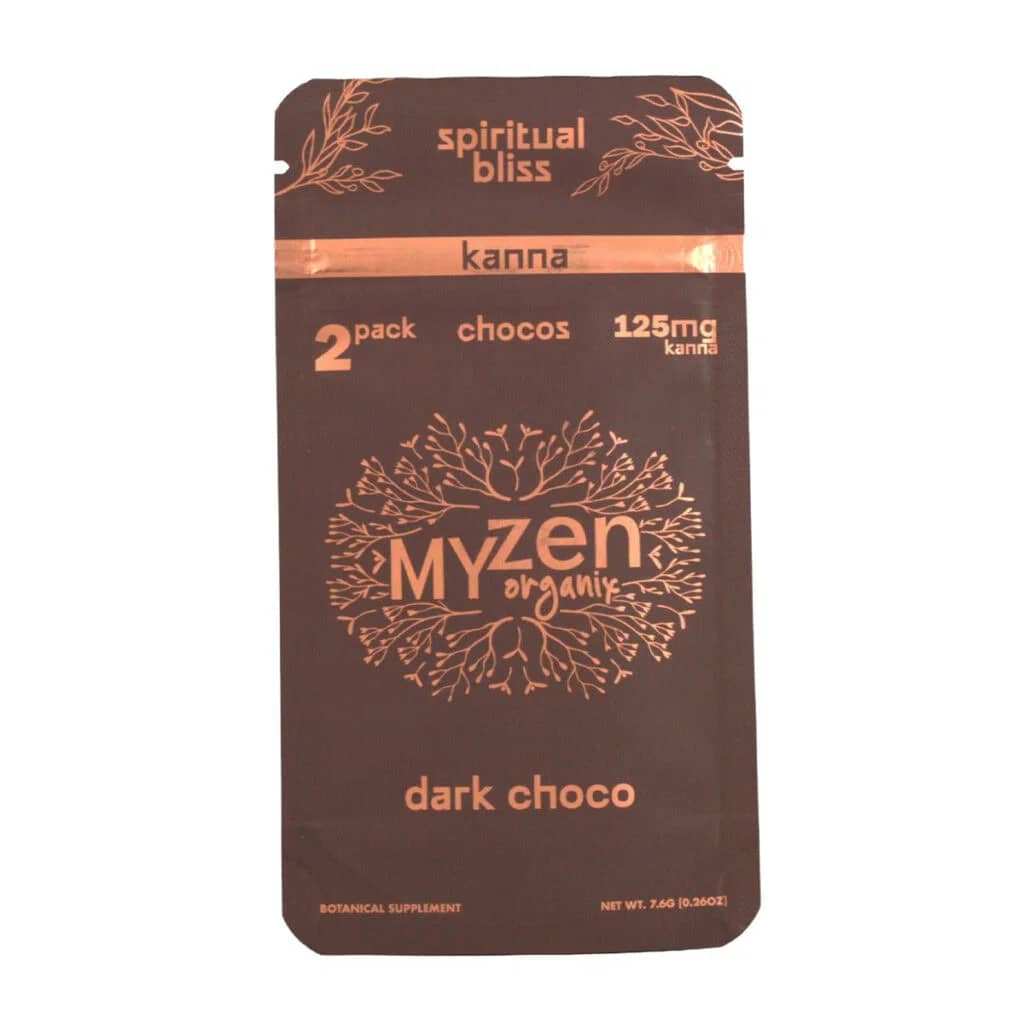 In stock
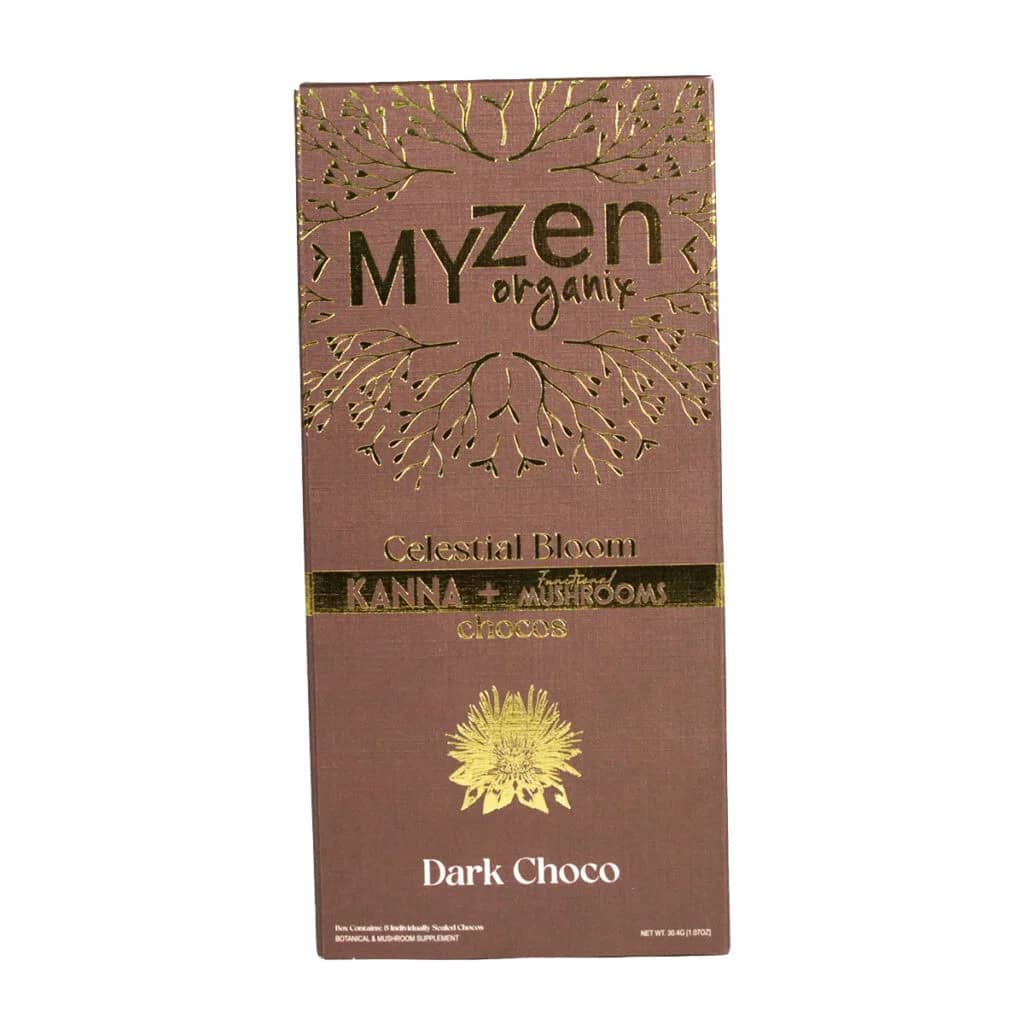 In stock
 In stock
 In stock
 In stock
 In stock
Wingz Botanical Blend Tablets
From $22.99
 In stock
 In stock
Meta Tabz Super KLAZ Cat’s Claw Tablets
From $7.99
Kanna’s alkaloids were traditionally fermented to enhance effects-a process believed to modify alkaloid profiles and reduce harshness. Many traditional-style and commercial products are fermented (“kougoed”) before sale, which may shift the ratio of mesembrine to mesembrenone and other compounds.
Common usage styles include:
Small sublingual pinches held under the tongue for faster onset
Brewed teas from raw or fermented herb
Measured extract capsules standardized to total alkaloid percentage
Gummies or tinctures for convenience
Serving sizes for kanna are usually much smaller by weight than akuamma seed doses. Kanna is often marketed for daytime mood, social ease, and focus, so users may favor lower doses that avoid sedation.
Individual sensitivity varies considerably. Combining kanna with prescription antidepressants should only be done with medical guidance, given the shared serotonergic mechanism.
Effects of Akuamma and Kanna: What Users Report
It is important to distinguish between subjective user reports and controlled scientific evidence. Neither akuamma nor kanna has been evaluated in large, placebo-controlled human trials for any specific endpoint, so what follows draws primarily on user accounts, surveys, and small studies.
Typical akuamma reports:
Mild to moderate discomfort relief
Some relaxation or body heaviness
Possible drowsiness at higher doses
Slower onset compared with kratom
Many reports of minimal effect, especially at lower doses
A U.S. survey conducted with 369 respondents found that about 7.6% reported lifetime akuamma use. Among those users, roughly 60.7% reported pain relief from akuamma seeds. No survey participants met DSM-5 criteria for substance use disorder specifically tied to akuamma.
Typical kanna reports:
Uplifted mood, reduced social anxiety
Increased talkativeness or motivation at lower doses
At higher doses, possible sedation or emotional blunting
Kanna may enhance mood and provide minor discomfort relief
Because the mechanisms differ (opioid vs serotonin/PDE4), combining akuamma and kanna can produce layered or unpredictable behavioral effects, and safety of chronic combination use has not been studied.
Subjective reports can be biased by expectation, dose variability, and product quality. Careful, low-and-slow personal experimentation-ideally with clinician awareness-is safer than copying online anecdotes.
Can Akuamma Replace Kratom? Where Kanna Fits In
Scientific evidence is not sufficient to establish akuamma as a reliable replacement for kratom for any specific purpose. While some people discuss whether akuamma can replace kratom, this idea rests more on shared alkaloid class membership than on demonstrated equivalence.
Both kratom (Mitragyna speciosa, a member of the coffee family from Southeast Asia) and akuamma share the monoterpene indole alkaloid class. However, kratom leaf contains mitragynine and 7-hydroxymitragynine-compounds that differ structurally and pharmacologically from akuamma alkaloids. Kratom’s main alkaloids have substantially higher opioid receptor affinity and different selectivity profiles than the several compounds in akuamma seed.
Kanna’s role in “kratom replacement” products is mainly to provide serotonergic mood support, not opioid-like effects. It addresses a different dimension of the experience people seek.
Important safety context: kratom use has been linked to seizures and liver problems in some cases, and combining kratom with other drugs has been linked to deaths. Switching from kratom to akuamma or to an akuamma-kanna blend does not constitute medically supervised detox or kratom withdrawal management.
People attempting to stop heavy kratom or opioid use should seek professional advice rather than relying solely on other botanicals. FDA approved medications for opioid use disorder have substantially stronger evidence for addiction treatment than any botanical alternative.
Akuamma, Kanna, and Addiction Risk
Blanket claims like “nonaddictive” are unhelpful for either plant. Dependence risk exists on a spectrum, and the evidence for both akuamma and kanna is limited enough that definitive statements in either direction are premature.
Akuamma addiction considerations: Mu and kappa opioid receptor activity raises theoretical concerns about tolerance and dependence. Any substance with opioid receptor agonism-even weak agonism-has the potential to produce adaptive changes with repeated use. That said, no well-defined human withdrawal syndrome or addiction prevalence data exist for akuamma yet. The survey data mentioned earlier found no participants meeting DSM-5 substance use disorder criteria for akuamma specifically. Is akuamma addictive? The honest answer is that we do not know with certainty.
Kanna addiction considerations: Serotonin-transporter-active compounds can shape mood and behavior, but there is little systematic research on kanna-specific dependence or withdrawal symptoms. Kanna studies indicate limited human research on safety overall, and dependence patterns have not been formally assessed.
Rather than relying on labels, focus on actual behavior: dose escalation, cravings, using despite harm. These patterns matter more than whether a substance is classified as “addictive” or not.
Encourage honest discussion with healthcare professionals about akuamma use and kanna use, especially when there are signs of compulsive use or co-use with opioids, benzodiazepines, alcohol, or other sedating substances.
Experimental Derivatives and Increased Potency: Why It Matters
There is an important distinction between natural akuamma seed alkaloids and experimental derivatives synthesized in medicinal chemistry laboratories. The two should not be conflated, though marketing sometimes blurs the line.
Research published in 2023 showed that modifying pseudoakuammigine-attaching a phenethyl moiety to the N1 position-produced a chemically modified derivative with dramatically increased potency at the mu opioid receptor, approximately 70-fold greater than the parent isolated compound. This derivative required high doses in animal models (80–100 mg/kg) to match 10 mg/kg morphine in a tail-flick test, but the increased receptor potency was notable.
Modified akuamma alkaloids can have increased potency at opioid receptors-but these are research tools and potential drug leads created through total synthesis and semi-synthesis, not compounds found in commercial akuamma seed or extract products.
The practical concern: some marketing materials cite these derivative studies to imply that natural akuamma is far akuamma stronger than the data actually support. When you see claims referencing “increased potency” or “opioid active substance” alongside an akuamma seed product, check whether the cited research applies to the actual natural products being sold or only to lab-only molecules that used the seed alkaloid as starting material.
Increased in vitro potency in modified compounds does not prove that akuamma seeds themselves are strong analgesics or safe opioid substitutes in humans.
Safety, Side Effects, and Interactions: Akuamma
Absence of scheduling or bans does not equal safety or endorsement. The fact that akuamma is unscheduled simply means regulatory bodies have not yet acted, not that the safety profile is established.
Potential concerns drawn from animal and lab data include:
Liver effects: Akuamma alkaloids undergo rapid metabolism in liver microsomes (e.g., akuammine half-life ~13.5 minutes in rat liver microsomes), which suggests hepatic processing is significant.
Genotoxicity: Akuamma extract showed genotoxicity at all tested doses in at least one study published in the literature-a finding that warrants caution, though relevance to typical human doses is unclear.
Acute toxicity: Akuamma has an LD50 of 707.107 mg/kg in rodents, which provides a rough toxicity benchmark but does not define safe human doses.
Opioid-related risks: At high doses or in vulnerable individuals, sedation and theoretical respiratory depression are concerns consistent with opioid receptor activity.
Bioavailability: Only akuammine among several alkaloids showed appreciable systemic exposure after oral dosing in rats, meaning many seed alkaloids may not reach relevant tissues efficiently.
Akuamma can potentially interact with central nervous system depressants, including prescription opioids, benzodiazepines, and alcohol. Chronic, daily high-dose use has not been evaluated for safety.
Neither plant has sufficient long-term safety data established through clinical trials. Pregnancy and breastfeeding avoidance is recommended due to animal findings and lack of human data. Products should be verified for adulteration-especially with kratom or synthetic opioids-by seeking third-party lab reports rather than trusting branding alone.

Safety, Side Effects, and Interactions: Kanna
Kanna has somewhat more structured mood-related trial data than akuamma, but human safety studies remain limited in number and scope.
Common side effects reported with kanna include:
Nausea and gastrointestinal upset (consistent with PDE4 inhibition, known from pharmaceutical PDE4 inhibitors)
Headache
Increased anxiety or irritability at higher doses
Transient blood-pressure changes
Sleep disturbance depending on timing and dose
The strongest safety warning for kanna concerns serotonin-related interaction risks. Kanna should not be combined with SSRIs, SNRIs, MAOIs, MDMA, or other serotonergic substances without medical supervision. The theoretical risk of serotonin syndrome-while formal case data are sparse-is mechanistically plausible given mesembrine’s potent SERT inhibition.
PDE4-related side effects (nausea, GI upset) are well-characterized in pharmaceutical PDE4 inhibitors and may apply to kanna at higher doses, though severity likely differs.
Cautious dosing is advisable. Avoid polypharmacy without medical oversight, and discontinue use if severe mood swings, agitation, or cardiovascular symptoms occur.
Regulatory Status in the United States (Late 2026)
Regulatory status can change, and readers should verify current local laws before purchasing or using either plant.
As of an eCFR and DEA review near October 2026, neither akuamma (Picralima nitida) nor kanna (Sceletium tortuosum) is named in the federal controlled substance schedules. Their main alkaloids-akuammine, mesembrine, and others-are also unscheduled at the federal level.
However, “not scheduled” does not mean FDA approval. It does not guarantee that all state or local jurisdictions treat these different plants the same way. FDA treats them as dietary supplements when marketed as such, meaning companies cannot legally claim to diagnose, treat, cure, or prevent specific diseases.
Cross-check state rules and beware of products that make explicit medical claims, especially around addiction treatment, pain cures, or mental health disorders. Warning letters have been issued for kanna products making unapproved therapeutic claims.
Alkaloid Terminology: Avoiding Common Confusions
Confusion between plant names and individual alkaloids leads to misunderstandings about potency and safety. Here is a quick clarification:
“Akuamma” refers to the seed or plant product. “Akuammine” is a single isolated compound-one of several alkaloids in the seed.
“Kanna” refers to the plant. “Mesembrine” and “mesembrenone” are specific alkaloids with distinct affinities and pharmacological profiles.
Scientific papers-including studies on pharmacological characterization-often study purified isolated alkaloids, while consumers usually ingest complex mixtures. Potency, receptor selectivity, and side effects for a pure isolated compound cannot simply be mapped onto crude herbal products without pharmacokinetic and clinical data.
Be cautious with labels that use technical alkaloid names as marketing without providing real quantitative data. A product labeled “contains akuammine” tells you nothing about how much is present, whether it reaches relevant tissues at effective concentrations, or whether the study published about that compound applies to the product in your hand.
Evidence Limits: What the Research Can and Cannot Tell Us
Most akuamma and kanna research is preclinical-in vitro binding assays, cAMP studies, and animal models. For kanna, a handful of small human studies exist (notably with branded extract Zembrin®). For akuamma, there are nearly no controlled human trials.
Binding assays and animal pain or mood models are hypothesis-generating tools, not definitive for human outcomes. A compound that binds the mu opioid receptor in a dish may behave very differently once it passes through human digestion, liver metabolism, and blood-brain barrier transit.
Existing akuamma studies have not established it as an effective treatment for chronic pain, opioid withdrawal, or opioid use disorder. The analgesic effects seen in animal models from natural seed alkaloids were generally minimal at achievable doses.
Existing kanna studies suggest potential mood and anxiety benefits, but sample sizes and follow-up periods are limited and do not justify calling kanna a proven antidepressant or anxiolytic substitute. A study published in a peer-reviewed journal on a branded extract is not the same as large-scale phase III data.
Treat both plants as experimental self-care tools at best, not replacements for evaluation, diagnosis, or evidence-based therapy for serious conditions.
Role in Addiction Treatment: Why FDA-Approved Options Come First
Neither akuamma nor kanna is an FDA approved medication for addiction treatment or withdrawal management. This point deserves emphasis because marketing increasingly positions these natural products as tools for people struggling with substance use.
Standard FDA approved medications for opioid use disorder include:
Buprenorphine formulations (Suboxone, Sublocade, etc.)
Methadone
Naltrexone (Vivitrol)
These have robust clinical evidence from large trials demonstrating efficacy in reducing opioid use, preventing overdose death, and improving treatment retention. Some are available through residential treatment programs and outpatient clinics.
While akuamma alkaloids interacting with opioid receptors has inspired experimental derivatives in medicinal chemistry, this research is about future drug development-not current self-directed substitution protocols. Trying to taper prescription opioids or kratom using akuamma, kanna, or blends can delay proper treatment and carry its own risks.
People considering botanicals for withdrawal symptoms or craving relief should do so only as an adjunct under medical supervision, not as a primary plan. A complete medical history review helps clinicians identify risks and appropriate interventions.

Akuamma vs Kanna vs Blue Lotus: Clarifying Overlapping Niches
Blue lotus (Nymphaea caerulea) often appears in the same product space as akuamma and kanna, so a brief comparison helps clarify where each fits-and where confusion arises.
Blue lotus contains aporphine alkaloids like nuciferine and sometimes apomorphine. These compounds affect dopamine and serotonin receptors rather than opioid or SERT/PDE4 targets specifically. Blue lotus is traditionally associated with relaxation and mild euphoria, used historically in Egypt and other cultures.
A simplified contrast among other botanicals and other plants in this niche:
Akuamma: Opioid-focused (mu and kappa receptors)
Kanna: Serotonin/PDE4-focused
Blue lotus: Mixed dopaminergic/serotonergic profile
Data for all three are sparse compared with conventional medications. Some products from the South Pacific region, like kava (Piper methysticum), occupy adjacent niches as well, further complicating the landscape.
Mixing multiple psychoactive botanicals further complicates prediction of effects and risks. If you choose to experiment with any of these, introduce only one new botanical at a time, monitoring response carefully instead of combining multiple unfamiliar substances at once.
How to Evaluate Products and Marketing Claims
Reading labels with a skeptical but open-minded eye is essential when navigating akuamma and kanna products.
What to look for:
Full Latin name (Picralima nitida or Sceletium tortuosum)
Plant part specified (seed, aerial parts)
Preparation type (extract ratio, standardized alkaloid percentage)
Batch-specific lab testing from an independent laboratory (sometimes called chromatography b analysis or similar)
Red-flag claims to avoid:
“FDA approved” (neither plant has FDA approval)
“Cures opioid addiction”
“Nonaddictive opioid”
“Side-effect free antidepressant”
These claims contradict regulatory and scientific realities. Cross-check any references to experimental derivatives or increased potency against whether they apply to the actual product being sold versus lab-only molecules.
Keep personal notes on dosing, timing, and effects when using any new botanical. This log supports informed discussion with healthcare providers if issues arise-and helps you distinguish real responses from placebo effects over time.
Practical Considerations: Dosing, Timing, and Stacking
There are no universally accepted therapeutic doses for akuamma or kanna. Users rely on traditional ranges, vendor guidance, personal experience, and related resources from online communities-none of which substitute for clinical dosing guidelines.
General principles:
Start low, go slow-especially with existing medical conditions or concurrent medications.
For akuamma, consider evening or low-activity timing if sedation is a concern. Effects typically begin within 30–90 minutes and last a few hours.
For kanna, daylight or early-evening use may be preferable for mood and social support. Higher doses near bedtime may disturb sleep for some people.
On stacking: Aggressive stacking-combining akuamma, kanna, kratom, blue lotus, or other drugs simultaneously-is inadvisable without clinical oversight. This is especially true when opioids, benzodiazepines, or serotonergic drugs are already in use. Each additional substance introduces unpredictable interactions, and no published study has examined these combinations.
When to Seek Professional Help
Seeking help is a proactive health decision, not a sign of failure. Many people who explore natural products like akuamma and kanna are already managing complex health situations, and professional guidance can make that process safer.
Signs that self-directed use may warrant medical assessment:
Escalating doses over time to achieve the same effect
Inability to cut back despite wanting to
Significant withdrawal-like symptoms between doses
Using botanicals to manage severe mental health symptoms without other care
Combining with prescription medications without prescriber awareness
Disclose all botanicals and supplements during medical visits. Bring product labels or photos for accurate ingredient review. Clinicians can help differentiate between side effects, drug interactions, and underlying conditions, and can connect patients with evidence-based treatment-including FDA approved medications when indicated.
You do not need to self-diagnose “addiction” before seeking evaluation. Reporting concrete difficulties-sleep disruption, mood instability, dose escalation, withdrawal symptoms-is enough to start a productive conversation.
FAQ
The following questions address practical issues not fully covered in the main sections above. Each answer reflects the current state of evidence as of late 2026.
Is akuamma stronger than kanna?
“Stronger” depends entirely on the outcome you are measuring. Akuamma targets opioid receptors and is discussed primarily for discomfort relief, while kanna targets the serotonin transporter and is used more for mood and stress. These are different systems producing different effects, so direct strength rankings are misleading.
There are no controlled human head-to-head studies comparing the two plants for any endpoint. Any claim that one is universally stronger than the other is speculative. It is more accurate to say akuamma is weakly opioid-active and kanna is strongly serotonin-active-different kinds of “strength” that do not translate to a simple ranking.
Can akuamma or kanna show up on a standard drug test?
Routine workplace immunoassay panels are designed for common drugs-morphine-analog opioids, THC, cocaine, amphetamines, benzodiazepines, and similar compounds. They typically do not target akuamma or kanna alkaloids. Akuamma’s different alkaloids are structurally distinct from morphine and codeine.
However, specialized laboratories using LC-MS/MS could detect akuammine or mesembrine-type compounds if they specifically look for them. Rare cross-reactivity events cannot be fully ruled out without direct testing data, so if drug testing is a concern, inform the testing entity about any botanical use.
We can’t tell you how any product will show on a drug test. Most standard panels don’t look for these plants, but tests vary and some labs now test for kratom and 7-OH. If you have an upcoming test, we recommend you err on the side of caution.
Can I combine akuamma or kanna with prescription medications?
Combining these botanicals with prescriptions-especially opioids, benzodiazepines, antidepressants, antipsychotics, or mood stabilizers-should only be done under medical supervision. Additive or unpredictable effects are possible.
The risk of serotonin-related interactions with kanna is particularly noteworthy when other serotonergic agents are involved. For akuamma, sedative and opioid interactions are the primary concern. Consult your prescriber before adding either plant to an existing medication regimen.
Is either akuamma or kanna safe to use during pregnancy or breastfeeding?
There are no adequate human safety data for either plant in pregnancy or lactation. Animal data for some akuamma alkaloids raise concerns about developmental toxicity, and the genotoxicity findings add further caution. Kanna likewise lacks reproductive safety data.
Avoid both akuamma and kanna during pregnancy and breastfeeding, and use medically supervised, evidence-based options instead for any pain or mood concerns during these periods.
How long do the effects of akuamma and kanna usually last?
Based on anecdotal reports and limited pharmacokinetic data, akuamma effects often begin within 30–90 minutes of oral ingestion and last a few hours-typically 2–4 hours, sometimes longer with higher doses or concentrated extracts. Kanna effects often begin within 15–60 minutes depending on route (sublingual tends to be faster than oral) and last roughly 2–4 hours or more.
Duration is highly individual and affected by dose, preparation type, food intake, and personal metabolism. New users should schedule first trials during low-risk, low-responsibility time windows to gauge their personal response safely.
These statements have not been evaluated by the Food and Drug Administration. Products sold on this site are not intended to diagnose, treat, cure or prevent any disease. You must be 21 or older to purchase from this website. These products are not intended for children or for pregnant or nursing women. Consult a physician before use, especially if you have a medical condition or take prescription medication. All trademarks and copyrights are the property of their respective owners. By using this site, you agree to our Privacy Policy and Terms & Conditions. Void where prohibited by law.
Keep Reading
All of Poppy 101 Kratom Alternatives: Comparing Botanicals, Formats, and Safer Paths ForwardKratom use is under fresh scrutiny in 2026, and the search for kratom alternatives is accelerating as bans shrink the kratom market…
 Is Kanna Legal? A 2026 Guide to Laws, Supplements, and SafetyIf you’ve been seeing kanna pop up in supplement shops, TikTok wellness feeds, and botanical forums, you’ve probably asked yourself: is kanna…
 What Is Kanna? A Complete Guide to This South African Mood HerbKanna is one of the oldest mood-supporting plants still in active use. For centuries before modern pharmacology existed, indigenous communities in southern…
 7-OH vs Kanna: How Concentrated 7‑Hydroxymitragynine Compares to Kanna in 2026Two substances that keep showing up in the same online conversations-concentrated 7-OH and kanna-are fundamentally different in chemistry, risk, and what they…